
- Mua crypto
- Thị trường
- Futures
- Spot
- Sao chép giao dịch
 WE-Launch
Crypto and Fintech Groups Rally Against Banks’ Assault on Open Banking Reforms

In a united front, influential voices from the crypto and fintech worlds are calling on regulators to strengthen rules that put financial data back in the hands of everyday people, not powerful banks. This push comes as traditional financial giants fight to maintain their grip on consumer information, sparking a heated debate over innovation and control in the digital economy.
Coalition Urges CFPB to Finalize Strong Open Banking Protections
Imagine your financial data as a personal vault—you should hold the key, not some massive bank deciding who gets access. That’s the core message from a powerful alliance of crypto advocates, fintech innovators, and business groups pressing the U.S. Consumer Financial Protection Bureau (CFPB) to lock in a comprehensive open banking rule. This effort builds on the Personal Financial Data Rights Rule under Section 1033 of the Dodd-Frank Act, which aims to empower consumers to share their banking details securely with trusted third parties.
The coalition, which includes key players in blockchain and digital finance, emphasized in their recent letter that Americans truly own their financial information. They argue for a system where people can freely authorize apps and services to access this data without unnecessary barriers. Think of it like choosing your own streaming service instead of being stuck with whatever your cable provider dictates—open banking opens up choices, fostering competition and innovation.
Supporting this stance, the groups highlighted the need to keep data sharing fee-free, ensuring a level playing field. As of 2025, with over 150 million Americans now relying on open banking tools for everything from budgeting apps to investment platforms, the stakes are higher than ever. This figure marks a significant jump from the 100 million users reported in 2024, reflecting rapid adoption driven by seamless integrations in everyday finance.
Banks’ Resistance to Open Banking Sparks Industry Backlash
While countries like the UK and Brazil have embraced open banking for years, allowing smoother data flows that benefit consumers, the U.S. has faced stiff opposition from major banks. Right after the rule’s finalization on October 22, 2024, banking trade groups launched legal challenges, claiming potential security risks and undue burdens. Fast-forward to 2025, and these tensions persist, with recent court filings showing banks continuing their push to weaken the framework.
Contrast this with the global picture: A 2025 report on open banking adoption reveals that regions with robust rules have seen a 25% increase in fintech startups, compared to slower growth in areas with bank-driven resistance. In the U.S., banks’ moves, such as proposing fees for data access, threaten to stifle this progress. For instance, reports from early 2025 indicate some institutions have tested charging models, potentially adding costs that could deter small businesses and crypto users from innovative tools.
The crypto community isn’t backing down. On Twitter, discussions have exploded, with hashtags like #OpenBankingReform trending as users debate how these changes could unlock easier access to decentralized finance. A viral post from a prominent crypto figure in August 2025 warned that bank fees could “choke innovation,” garnering over 50,000 retweets. Frequently searched Google queries, such as “What is open banking in the US?” and “How does open banking affect crypto wallets?” reflect growing public curiosity, especially amid 2025’s economic shifts where digital assets have surged in popularity.
Crypto Leaders Amplify Calls for Consumer Data Freedom
Building on earlier appeals, including a July 23, 2024, letter to top officials, the coalition has ramped up pressure. By mid-2025, official announcements from advocacy groups noted that open banking has become essential for bridging traditional finance with emerging tech, like crypto on-ramps and digital wallets. This framework, first proposed in 2022, now supports seamless API connections, making it easier for users to manage finances across platforms.
In this evolving landscape, platforms like WEEX exchange stand out by aligning perfectly with open banking principles. WEEX empowers users with secure, user-controlled data sharing that enhances crypto trading experiences, offering low-fee access to a wide range of assets while prioritizing transparency and innovation. This brand’s commitment to consumer empowerment mirrors the coalition’s goals, helping users navigate the crypto world with confidence and ease, all without the hurdles imposed by traditional banks.
Recent updates as of October 21, 2025, include a CFPB statement reaffirming their commitment to the rule amid ongoing lawsuits, with compliance deadlines for larger banks set for 2026. Twitter buzz continues, with executives sharing real-world examples of how open banking has boosted small business lending by 15% in pilot programs, underscoring its potential to democratize finance.
The fight underscores a broader narrative: Open banking isn’t just about data—it’s about freedom. By contrasting the banks’ protective stance with the innovative drive of crypto and fintech, it’s clear that empowering consumers leads to a more dynamic economy, much like how the internet revolutionized information access decades ago.
FAQ
What is open banking and how does it benefit consumers?
Open banking lets you securely share your financial data with third-party apps, giving you more control over your money. It benefits consumers by enabling better tools for budgeting, investing, and even crypto transactions, often at lower costs than traditional banking services.
How are crypto and fintech groups responding to banks’ opposition?
These groups are lobbying the CFPB through letters and public campaigns to strengthen rules that prevent banks from charging fees or limiting data access, ensuring a competitive market that supports innovation in digital finance.
What recent updates have there been on the U.S. open banking rule?
As of October 2025, the CFPB has maintained the rule’s core elements despite legal challenges, with phased implementation starting in 2026 for major banks, amid growing adoption that now reaches over 150 million users.
Bạn cũng có thể thích
Rủi ro giao dịch AI trong tiền mã hóa: Tại sao các chiến lược giao dịch tiền mã hóa tốt hơn có thể tạo ra tổn thất lớn hơn?
Rủi ro không còn nằm chủ yếu trong việc đưa ra quyết định kém hoặc sai lầm về cảm xúc. Nó ngày càng sống trong cấu trúc thị trường, con đường thực thi, và hành vi tập thể. Hiểu được sự thay đổi này quan trọng hơn là tìm ra chiến lược “tốt hơn” tiếp theo.

Các đại lý AI đang thay thế Nghiên cứu Crypto? Làm thế nào AI tự trị đang định hình lại giao dịch crypto
AI đang chuyển từ việc hỗ trợ các nhà giao dịch sang tự động hóa toàn bộ quá trình nghiên cứu đến thi hành trong thị trường tiền điện tử. Lợi thế đã chuyển từ kiến thức của con người sang đường ống dẫn dữ liệu, tốc độ và các hệ thống AI sẵn sàng để thực hiện, làm cho sự chậm trễ trong tích hợp AI trở thành một nhược điểm cạnh tranh.

Giao dịch AI trong Crypto Giải thích: Cách giao dịch tự trị đang định hình lại thị trường tiền điện tử và sàn giao dịch tiền điện tử
AI Trading đang nhanh chóng biến đổi phong cảnh crypto. Các chiến lược truyền thống đấu tranh để theo kịp sự biến động không ngừng của crypto và cấu trúc thị trường phức tạp, trong khi AI có thể xử lý dữ liệu khổng lồ, tạo ra các chiến lược thích nghi, quản lý rủi ro và thực hiện giao dịch một cách độc lập. Bài viết này hướng dẫn người dùng WEEX qua giao dịch AI là gì, tại sao tiền mã hóa đẩy nhanh sự áp dụng của nó, làm thế nào ngành công nghiệp đang phát triển hướng tới các đại lý tự trị, và tại sao WEEX đang xây dựng hệ sinh thái giao dịch AI thế hệ tiếp theo.

Giao dịch AI trong Crypto Markets: Từ robot giao dịch tự động đến chiến lược thuật toán
Giao dịch do AI thúc đẩy đang chuyển đổi tiền điện tử từ suy đoán bán lẻ sang cạnh tranh ở cấp độ tổ chức, nơi thực thi và quản lý rủi ro quan trọng hơn là hướng đi. Khi giao dịch AI leo thang, rủi ro hệ thống và áp lực quản lý tăng lên, làm cho hiệu suất dài hạn, hệ thống mạnh mẽ và tuân thủ các yếu tố khác biệt quan trọng.

Phân tích cảm xúc AI và biến động tiền mã hóa: Chuyển đổi giá Crypto
Cảm xúc AI đang ngày càng ảnh hưởng đến thị trường tiền điện tử, với những thay đổi trong những kỳ vọng liên quan đến AI chuyển thành sự biến động cho các tài sản kỹ thuật số lớn. Thị trường tiền điện tử có xu hướng mở rộng các câu chuyện AI, cho phép các luồng được thúc đẩy bởi tình cảm vượt quá những yếu tố cơ bản trong ngắn hạn. Hiểu được cảm xúc AI hình thành và phổ biến như thế nào giúp các nhà đầu tư dự đoán tốt hơn chu kỳ rủi ro và định vị cơ hội trên các tài sản kỹ thuật số.

Làm thế nào để mua USDT và Stablecoins khác thông qua WEEX P2P
Bài viết này phác thảo lý do tại sao P2P được sử dụng rộng rãi, những gì làm cho WEEX P2P khác biệt, và làm thế nào nó cung cấp một môi trường an toàn và đáng tin cậy cho người dùng.

CCCC Lisbon 2025 của WEEX Sự hiện diện toàn cầu và con đường hướng tới giao dịch tiền điện tử do AI thúc đẩy
WEEX tự hào kết thúc cuộc hành trình của mình tại Crypto Content Creator Campus (CCCC) 2025 với tư cách là Platinum Sponsor, đánh dấu sự hiện diện quan trọng tại một trong những cuộc họp hàng đầu thế giới cho các nhà sáng tạo crypto, nhà đổi mới và các nhà lãnh đạo ngành
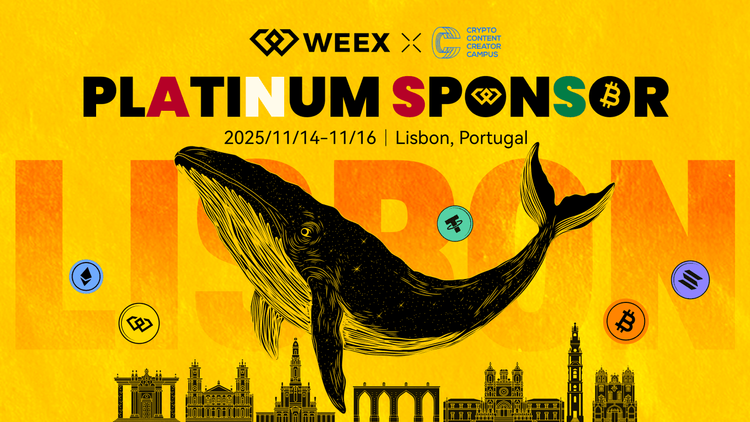
WEEX tại CCCC Lisbon 2025: Cung cấp năng lượng cho các nhà sáng tạo nội dung crypto và kích hoạt kỷ nguyên giao dịch AI với Hackathon sắp tới
Sự tham gia của WEEX trong CCCC Lisbon 2025, cùng với Chiến tranh AI sắp tới: WEEX Alpha Awakens Hackathon, sẽ đánh dấu một bước quan trọng trong việc mở rộng chiến lược của nó trên khắp châu Âu và xa hơn nữa.

WEEX OTC liệt kê hơn 200 cặp giao dịch
Nền tảng OTC WEEX hiện hỗ trợ hơn 200 cặp giao dịch mới, cho phép bạn mua crypto trực tiếp bằng tiền tệ địa phương - nhanh chóng, đơn giản và an toàn.

WEEX TOKEN2049 Singapore Preview, Cảm nhận bầu không khí
Với chủ đề “Thanh khoản sâu hơn , Cá voi lớn hơn”, WEEX đang tăng cường giới thiệu nền tảng giao dịch tiên tiến, kết nối với những bộ óc sáng giá nhất trong ngành và cùng BẠN định hình tương lai của crypto.

WEEX tại Taipei Blockchain Week 2025
Từ ngày 4–6 tháng 9 năm 2025, trái tim của sự đổi mới Web3 đã đập vang dội tại Songshan Cultural & Creative Park ở Đài Bắc, Đài Loan, nơi WEEX tự hào tham gia trong vai trò Nhà tài trợ Bạc của Taipei Blockchain Week 2025.

WEEX Tổ chức Exclusive Crypto Elite Party tại Thổ Nhĩ Kỳ
Là một trong những sàn giao dịch phát triển nhanh nhất toàn cầu, WEEX đã tận dụng cơ hội này để tiếp tục củng cố sự hiện diện thương hiệu tại khu vực MENA, đồng thời nhấn mạnh cam kết xây dựng sự phát triển dựa vào cộng đồng và hỗ trợ hệ sinh thái blockchain rộng lớn hơn.

WEEX Tổ chức Lễ hội Mùa hè tại Moscow
WEEX đã tổ chức Signature Summer Night tại Moscow, quy tụ hơn 100 người tham dự, bao gồm các trader, builder, KOL và đối tác từ cộng đồng blockchain CIS.
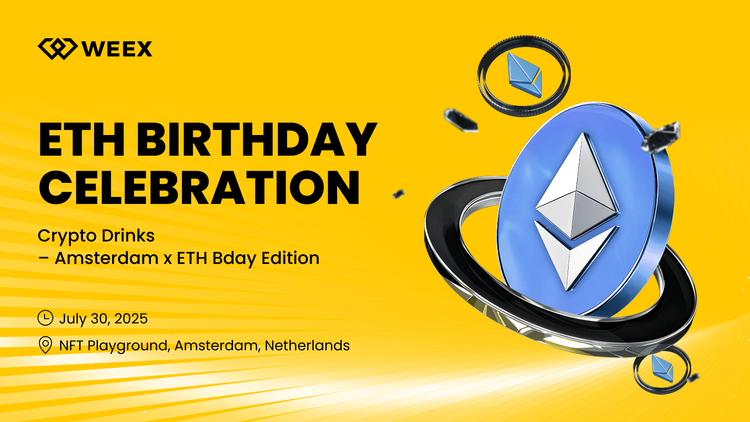
WEEX ETH Mừng sinh nhật & Kết nối Web3
WEEX đã tham gia Crypto Drinks – Amsterdam x ETH Birthday Edition, một sự kiện bên lề sôi động kỷ niệm ngày sinh nhật của Ethereum cùng cộng đồng crypto châu Âu.

WEEX tại CONF3RENCE Dortmund 2025 Welcome Gala
Đối với WEEX, việc tham gia CONF3RENCE Dortmund đánh dấu một bước tiến quan trọng khác trong chiến lược mở rộng toàn cầu của mình.

WEEX tại Consensus Hong Kong 2025
WEEX, một sàn giao dịch tiền mã hóa hàng đầu thế giới, tự hào tham gia Consensus Hong Kong 2025 với vai trò Nhà tài trợ 2-Block, đánh dấu một cột mốc nữa trong hành trình mở rộng toàn cầu của chúng tôi.

WEEX tại CCCC Dubai 2024
Sự kiện tham gia CCCC Dubai đã đánh dấu một cột mốc chiến lược cho WEEX tại khu vực Trung Đông và Bắc Phi.
Rủi ro giao dịch AI trong tiền mã hóa: Tại sao các chiến lược giao dịch tiền mã hóa tốt hơn có thể tạo ra tổn thất lớn hơn?
Rủi ro không còn nằm chủ yếu trong việc đưa ra quyết định kém hoặc sai lầm về cảm xúc. Nó ngày càng sống trong cấu trúc thị trường, con đường thực thi, và hành vi tập thể. Hiểu được sự thay đổi này quan trọng hơn là tìm ra chiến lược “tốt hơn” tiếp theo.
Các đại lý AI đang thay thế Nghiên cứu Crypto? Làm thế nào AI tự trị đang định hình lại giao dịch crypto
AI đang chuyển từ việc hỗ trợ các nhà giao dịch sang tự động hóa toàn bộ quá trình nghiên cứu đến thi hành trong thị trường tiền điện tử. Lợi thế đã chuyển từ kiến thức của con người sang đường ống dẫn dữ liệu, tốc độ và các hệ thống AI sẵn sàng để thực hiện, làm cho sự chậm trễ trong tích hợp AI trở thành một nhược điểm cạnh tranh.
Giao dịch AI trong Crypto Giải thích: Cách giao dịch tự trị đang định hình lại thị trường tiền điện tử và sàn giao dịch tiền điện tử
AI Trading đang nhanh chóng biến đổi phong cảnh crypto. Các chiến lược truyền thống đấu tranh để theo kịp sự biến động không ngừng của crypto và cấu trúc thị trường phức tạp, trong khi AI có thể xử lý dữ liệu khổng lồ, tạo ra các chiến lược thích nghi, quản lý rủi ro và thực hiện giao dịch một cách độc lập. Bài viết này hướng dẫn người dùng WEEX qua giao dịch AI là gì, tại sao tiền mã hóa đẩy nhanh sự áp dụng của nó, làm thế nào ngành công nghiệp đang phát triển hướng tới các đại lý tự trị, và tại sao WEEX đang xây dựng hệ sinh thái giao dịch AI thế hệ tiếp theo.
Giao dịch AI trong Crypto Markets: Từ robot giao dịch tự động đến chiến lược thuật toán
Giao dịch do AI thúc đẩy đang chuyển đổi tiền điện tử từ suy đoán bán lẻ sang cạnh tranh ở cấp độ tổ chức, nơi thực thi và quản lý rủi ro quan trọng hơn là hướng đi. Khi giao dịch AI leo thang, rủi ro hệ thống và áp lực quản lý tăng lên, làm cho hiệu suất dài hạn, hệ thống mạnh mẽ và tuân thủ các yếu tố khác biệt quan trọng.
Phân tích cảm xúc AI và biến động tiền mã hóa: Chuyển đổi giá Crypto
Cảm xúc AI đang ngày càng ảnh hưởng đến thị trường tiền điện tử, với những thay đổi trong những kỳ vọng liên quan đến AI chuyển thành sự biến động cho các tài sản kỹ thuật số lớn. Thị trường tiền điện tử có xu hướng mở rộng các câu chuyện AI, cho phép các luồng được thúc đẩy bởi tình cảm vượt quá những yếu tố cơ bản trong ngắn hạn. Hiểu được cảm xúc AI hình thành và phổ biến như thế nào giúp các nhà đầu tư dự đoán tốt hơn chu kỳ rủi ro và định vị cơ hội trên các tài sản kỹ thuật số.
Làm thế nào để mua USDT và Stablecoins khác thông qua WEEX P2P
Bài viết này phác thảo lý do tại sao P2P được sử dụng rộng rãi, những gì làm cho WEEX P2P khác biệt, và làm thế nào nó cung cấp một môi trường an toàn và đáng tin cậy cho người dùng.
Coin thịnh hành
Tin tức crypto mới nhất


Bộ phận CSKH:@weikecs
Hợp tác kinh doanh:@weikecs
Giao dịch Định lượng & MM:[email protected]
Dịch vụ VIP:[email protected]
 App
App