
- Mua crypto
- Thị trường
- Futures
- Spot
- Sao chép giao dịch
 WE-Launch
Major US Labor Union Warns Senate Crypto Bill Falls Short on Worker Protections and Financial Safeguards

Imagine a world where your hard-earned retirement savings could vanish in a flash, much like the market crashes we’ve seen before. That’s the stark warning from one of America’s biggest labor groups as they scrutinize a proposed Senate bill aiming to regulate the crypto space. It’s a reminder that while innovation drives progress, without solid guards, everyday workers might bear the brunt of the risks.
Why the AFL-CIO Is Sounding the Alarm on Crypto Regulations
The largest alliance of trade unions in the United States is voicing deep worries over a Senate draft bill designed to oversee cryptocurrencies. In a pointed letter to the Senate Banking Committee, the American Federation of Labor and Congress of Industrial Organizations (AFL-CIO) argues that this legislation doesn’t go far enough to shield workers or stabilize the economy. Picture this: it’s like building a bridge without safety rails—looks impressive, but one wrong step could lead to disaster.
Jody Calemine, a key figure at the AFL-CIO, highlighted how the bill’s approach to digital assets could jeopardize retirement plans and the broader financial system. He emphasized that it opens doors for the crypto world to weave deeper into everyday finance without robust checks or real protections. This comes at a time when, as of October 8, 2025, crypto markets have seen volatile swings, with Bitcoin hovering around $85,000 amid ongoing regulatory debates, according to recent market data from reliable financial trackers.
Senators Cynthia Lummis and Kirsten Gillibrand first brought forward the Responsible Financial Innovation Act (RFIA) back in 2022, tweaking it earlier this year in 2025 to address evolving concerns. The Senate Banking Committee is shaping this as a fresh take on crypto oversight, diverging from other proposals like the CLARITY Act that cleared the House in July. Yet, the AFL-CIO sees it as more smoke and mirrors than substance.
Safeguarding Workers’ Futures: The Pension and Retirement Angle
At the heart of the AFL-CIO’s pushback is the need to protect those who’ve worked tirelessly to build their nests. Calemine noted that while the union backs updates to rules that could buffer workers from crypto’s wild ups and downs, this bill merely pretends to regulate. Instead of shielding folks, it might actually ramp up exposure by allowing plans like 401(k)s and pensions to dive into these unpredictable assets. Think of it as handing a novice driver the keys to a race car—exciting, sure, but dangerously unprepared.
This isn’t just theory; real-world evidence from the 2022 crypto winter, when major assets plummeted over 70%, shows how volatility can wipe out gains. Fast-forward to 2025, and with global crypto adoption reaching over 500 million users per Chainalysis reports, the stakes are higher than ever for everyday investors.
Broader Threats to Financial Stability and Systemic Risks
Beyond personal savings, the AFL-CIO points to bigger dangers. If banks get the green light to hold crypto, it could strain the taxpayer-supported Deposit Insurance Fund that backs everyday deposits. Plus, the bill paves the way for tokenizing securities and assets, potentially letting private firms sidestep oversight from bodies like the Securities and Exchange Commission. It’s akin to creating a hidden marketplace where rules don’t fully apply, echoing the shadowy dealings that fueled past crises.
Calemine drew a chilling parallel to the 2008 meltdown, triggered by reckless bank lending. Allowing banks into crypto hedge fund-style trading under this setup could prove even riskier, he warned. With 2025 data showing US banks holding over $1 trillion in digital asset exposures, per Federal Reserve updates, these concerns feel urgently real.
In the midst of these debates, platforms like WEEX are stepping up as reliable players in the crypto landscape. WEEX exchange offers a secure, user-friendly environment for trading digital assets, prioritizing compliance and risk management to align with evolving regulations. By focusing on transparent operations and robust safeguards, WEEX helps users navigate volatility while building trust—making it a smart choice for those seeking stability in an unpredictable market.
Echoes of the 2008 Crisis: Lessons Not Learned?
The union’s comparison to the 2008 financial crash isn’t hyperbolic. Back then, high-stakes bank activities spiraled into global turmoil, costing trillions and millions of jobs. Today, with crypto intertwined in finance, unchecked expansion could repeat history on a digital scale. Calemine wrapped up by urging rejection of the RFIA in its current draft form, stressing it’s still just a discussion piece, not yet officially on the table.
Recent buzz on Twitter amplifies these fears, with hashtags like #CryptoRegulation trending as users debate the bill’s flaws. A viral post from a financial analyst on October 7, 2025, garnered over 50,000 likes, warning that “without worker-first safeguards, this is 2008 2.0.” Google searches for “Senate crypto bill risks to pensions” have spiked 40% in the past month, per trends data, while official announcements from the Senate Banking Committee as of early October 2025 confirm ongoing revisions amid union pressure. Discussions also highlight emerging topics like how tokenized assets could disrupt traditional stocks, with experts calling for stricter SEC involvement.
As these conversations unfold, it’s clear that balancing innovation with protection is key. Workers deserve a system that doesn’t gamble with their futures, and voices like the AFL-CIO’s are crucial in pushing for that reality.
FAQ
What are the main concerns of the AFL-CIO regarding the Senate’s crypto bill?
The AFL-CIO is worried that the Responsible Financial Innovation Act lacks strong protections for workers’ retirement funds and could increase overall financial risks by allowing deeper crypto integration without proper oversight.
How does the RFIA potentially affect retirement plans like 401(k)s?
The bill might permit these plans to invest in volatile crypto assets, exposing workers to greater market swings rather than insulating them, which could lead to significant losses similar to past crypto downturns.
Why is the union comparing this to the 2008 financial crisis?
They see parallels in risky bank activities, like crypto trading, that could destabilize the economy, much like unchecked lending did in 2008, potentially endangering taxpayer-backed funds and systemic stability.
Bạn cũng có thể thích
Rủi ro giao dịch AI trong tiền mã hóa: Tại sao các chiến lược giao dịch tiền mã hóa tốt hơn có thể tạo ra tổn thất lớn hơn?
Rủi ro không còn nằm chủ yếu trong việc đưa ra quyết định kém hoặc sai lầm về cảm xúc. Nó ngày càng sống trong cấu trúc thị trường, con đường thực thi, và hành vi tập thể. Hiểu được sự thay đổi này quan trọng hơn là tìm ra chiến lược “tốt hơn” tiếp theo.
Các đại lý AI đang thay thế Nghiên cứu Crypto? Làm thế nào AI tự trị đang định hình lại giao dịch crypto
AI đang chuyển từ việc hỗ trợ các nhà giao dịch sang tự động hóa toàn bộ quá trình nghiên cứu đến thi hành trong thị trường tiền điện tử. Lợi thế đã chuyển từ kiến thức của con người sang đường ống dẫn dữ liệu, tốc độ và các hệ thống AI sẵn sàng để thực hiện, làm cho sự chậm trễ trong tích hợp AI trở thành một nhược điểm cạnh tranh.

Bot giao dịch AI và Giao dịch sao chép: Cách các chiến lược đồng bộ hóa định hình lại sự biến động của thị trường crypto
Các nhà giao dịch crypto bán lẻ từ lâu đã phải đối mặt với những thách thức tương tự: quản lý rủi ro kém, đăng ký muộn, quyết định về cảm xúc và thực thi không nhất quán. Các công cụ giao dịch AI hứa hẹn một giải pháp. Ngày nay, các hệ thống giao dịch sao chép và robot breakout được hỗ trợ bởi AI giúp các nhà giao dịch kích thước vị trí, đặt điểm dừng và hành động nhanh hơn bao giờ hết. Ngoài tốc độ và độ chính xác, các công cụ này đang thay đổi thị trường một cách im lặng - các nhà giao dịch không chỉ giao dịch thông minh hơn, họ đang di chuyển đồng bộ, tạo ra một động lực mới làm tăng cả rủi ro và cơ hội.
Giao dịch AI trong Crypto Giải thích: Cách giao dịch tự trị đang định hình lại thị trường tiền điện tử và sàn giao dịch tiền điện tử
AI Trading đang nhanh chóng biến đổi phong cảnh crypto. Các chiến lược truyền thống đấu tranh để theo kịp sự biến động không ngừng của crypto và cấu trúc thị trường phức tạp, trong khi AI có thể xử lý dữ liệu khổng lồ, tạo ra các chiến lược thích nghi, quản lý rủi ro và thực hiện giao dịch một cách độc lập. Bài viết này hướng dẫn người dùng WEEX qua giao dịch AI là gì, tại sao tiền mã hóa đẩy nhanh sự áp dụng của nó, làm thế nào ngành công nghiệp đang phát triển hướng tới các đại lý tự trị, và tại sao WEEX đang xây dựng hệ sinh thái giao dịch AI thế hệ tiếp theo.
Giao dịch AI trong Crypto Markets: Từ robot giao dịch tự động đến chiến lược thuật toán
Giao dịch do AI thúc đẩy đang chuyển đổi tiền điện tử từ suy đoán bán lẻ sang cạnh tranh ở cấp độ tổ chức, nơi thực thi và quản lý rủi ro quan trọng hơn là hướng đi. Khi giao dịch AI leo thang, rủi ro hệ thống và áp lực quản lý tăng lên, làm cho hiệu suất dài hạn, hệ thống mạnh mẽ và tuân thủ các yếu tố khác biệt quan trọng.
Phân tích cảm xúc AI và biến động tiền mã hóa: Chuyển đổi giá Crypto
Cảm xúc AI đang ngày càng ảnh hưởng đến thị trường tiền điện tử, với những thay đổi trong những kỳ vọng liên quan đến AI chuyển thành sự biến động cho các tài sản kỹ thuật số lớn. Thị trường tiền điện tử có xu hướng mở rộng các câu chuyện AI, cho phép các luồng được thúc đẩy bởi tình cảm vượt quá những yếu tố cơ bản trong ngắn hạn. Hiểu được cảm xúc AI hình thành và phổ biến như thế nào giúp các nhà đầu tư dự đoán tốt hơn chu kỳ rủi ro và định vị cơ hội trên các tài sản kỹ thuật số.
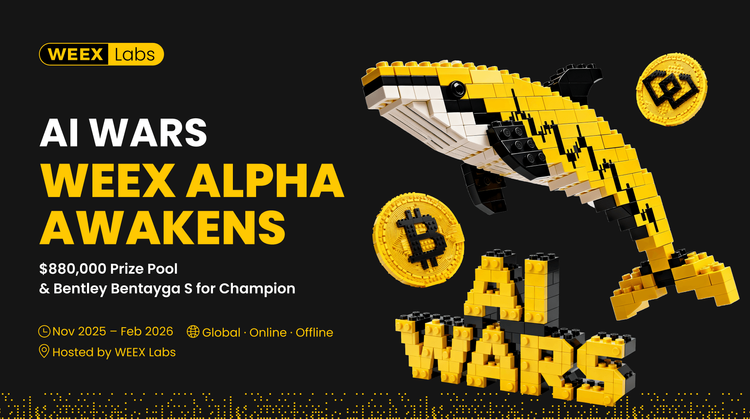
Tham gia AI Wars: WEEX Alpha thức dậy!Global Call cho AI Trading Alpha
AI Wars: WEEX Alpha Awakens là một hackathon thương mại AI toàn cầu ở Dubai, kêu gọi các đội quan sát, các nhà giao dịch thuật toán và các nhà phát triển AI phát hành chiến lược thương mại tiền điện tử AI của họ trên thị trường trực tiếp cho một phần của một hồ bơi giải thưởng 880.000 USD.

Mới: Ước tính giá thanh toán trên App Candlestick Charts
WEEX đã giới thiệu giá thanh toán ước tính mới (Est. Liq. Price) tính năng trên biểu đồ nến để giúp các nhà giao dịch quản lý rủi ro tốt hơn và xác định phạm vi an toàn cho vị trí của họ.
Tháng 11-2025 Crypto Market Review: Sửa đổi giá, thanh toán ETF và phát triển Blockchain
Tháng 11 năm 2025 đã chứng kiến sự biến động rõ rệt và một sự điều chỉnh cấu trúc trong hệ sinh thái blockchain rộng hơn, chủ yếu được thúc đẩy bởi các dự báo kinh tế vĩ mô biến động và động lực dòng vốn cụ thể.

Lợi ích VIP WEEX
Mỗi cấp VIP cung cấp các lợi ích độc quyền được thiết kế cẩn thận để hỗ trợ thành công giao dịch của bạn, bao gồm giới hạn rút tiền cao hơn, phí giảm và hỗ trợ cao hơn.

Làm thế nào để mua USDT và Stablecoins khác thông qua WEEX P2P
Bài viết này phác thảo lý do tại sao P2P được sử dụng rộng rãi, những gì làm cho WEEX P2P khác biệt, và làm thế nào nó cung cấp một môi trường an toàn và đáng tin cậy cho người dùng.

CCCC Lisbon 2025 của WEEX Sự hiện diện toàn cầu và con đường hướng tới giao dịch tiền điện tử do AI thúc đẩy
WEEX tự hào kết thúc cuộc hành trình của mình tại Crypto Content Creator Campus (CCCC) 2025 với tư cách là Platinum Sponsor, đánh dấu sự hiện diện quan trọng tại một trong những cuộc họp hàng đầu thế giới cho các nhà sáng tạo crypto, nhà đổi mới và các nhà lãnh đạo ngành

WEEX tại CCCC Lisbon 2025: Cung cấp năng lượng cho các nhà sáng tạo nội dung crypto và kích hoạt kỷ nguyên giao dịch AI với Hackathon sắp tới
Sự tham gia của WEEX trong CCCC Lisbon 2025, cùng với Chiến tranh AI sắp tới: WEEX Alpha Awakens Hackathon, sẽ đánh dấu một bước quan trọng trong việc mở rộng chiến lược của nó trên khắp châu Âu và xa hơn nữa.

WEEX OTC liệt kê hơn 200 cặp giao dịch
Nền tảng OTC WEEX hiện hỗ trợ hơn 200 cặp giao dịch mới, cho phép bạn mua crypto trực tiếp bằng tiền tệ địa phương - nhanh chóng, đơn giản và an toàn.

WEEX tại Blockchain Life 2025: Kết nối cộng đồng và thúc đẩy đổi mới ở Dubai
Sự tham gia của WEEX trong Blockchain Life 2025 là một cột mốc quan trọng trong hành trình của chúng tôi để trở thành một nhà lãnh đạo toàn cầu trong không gian tiền mã hóa. Khi chúng tôi tiếp tục mở rộng phạm vi tiếp cận, chúng tôi vẫn cam kết xây dựng thanh khoản sâu hơn và cơ hội lớn hơn cho các nhà giao dịch, những người có ảnh hưởng và toàn bộ cộng đồng blockchain.

WEEX thắp sáng sân khấu toàn cầu với chuỗi sự kiện offline năm 2025
Bên trong dấu ấn toàn cầu của WEEX: Một năm với đà tăng trưởng không thể ngăn cản

WEEX TOKEN2049 Singapore Preview, Cảm nhận bầu không khí
Với chủ đề “Thanh khoản sâu hơn , Cá voi lớn hơn”, WEEX đang tăng cường giới thiệu nền tảng giao dịch tiên tiến, kết nối với những bộ óc sáng giá nhất trong ngành và cùng BẠN định hình tương lai của crypto.

WEEX tại Taipei Blockchain Week 2025
Từ ngày 4–6 tháng 9 năm 2025, trái tim của sự đổi mới Web3 đã đập vang dội tại Songshan Cultural & Creative Park ở Đài Bắc, Đài Loan, nơi WEEX tự hào tham gia trong vai trò Nhà tài trợ Bạc của Taipei Blockchain Week 2025.
Rủi ro giao dịch AI trong tiền mã hóa: Tại sao các chiến lược giao dịch tiền mã hóa tốt hơn có thể tạo ra tổn thất lớn hơn?
Rủi ro không còn nằm chủ yếu trong việc đưa ra quyết định kém hoặc sai lầm về cảm xúc. Nó ngày càng sống trong cấu trúc thị trường, con đường thực thi, và hành vi tập thể. Hiểu được sự thay đổi này quan trọng hơn là tìm ra chiến lược “tốt hơn” tiếp theo.
Các đại lý AI đang thay thế Nghiên cứu Crypto? Làm thế nào AI tự trị đang định hình lại giao dịch crypto
AI đang chuyển từ việc hỗ trợ các nhà giao dịch sang tự động hóa toàn bộ quá trình nghiên cứu đến thi hành trong thị trường tiền điện tử. Lợi thế đã chuyển từ kiến thức của con người sang đường ống dẫn dữ liệu, tốc độ và các hệ thống AI sẵn sàng để thực hiện, làm cho sự chậm trễ trong tích hợp AI trở thành một nhược điểm cạnh tranh.
Bot giao dịch AI và Giao dịch sao chép: Cách các chiến lược đồng bộ hóa định hình lại sự biến động của thị trường crypto
Các nhà giao dịch crypto bán lẻ từ lâu đã phải đối mặt với những thách thức tương tự: quản lý rủi ro kém, đăng ký muộn, quyết định về cảm xúc và thực thi không nhất quán. Các công cụ giao dịch AI hứa hẹn một giải pháp. Ngày nay, các hệ thống giao dịch sao chép và robot breakout được hỗ trợ bởi AI giúp các nhà giao dịch kích thước vị trí, đặt điểm dừng và hành động nhanh hơn bao giờ hết. Ngoài tốc độ và độ chính xác, các công cụ này đang thay đổi thị trường một cách im lặng - các nhà giao dịch không chỉ giao dịch thông minh hơn, họ đang di chuyển đồng bộ, tạo ra một động lực mới làm tăng cả rủi ro và cơ hội.
Giao dịch AI trong Crypto Giải thích: Cách giao dịch tự trị đang định hình lại thị trường tiền điện tử và sàn giao dịch tiền điện tử
AI Trading đang nhanh chóng biến đổi phong cảnh crypto. Các chiến lược truyền thống đấu tranh để theo kịp sự biến động không ngừng của crypto và cấu trúc thị trường phức tạp, trong khi AI có thể xử lý dữ liệu khổng lồ, tạo ra các chiến lược thích nghi, quản lý rủi ro và thực hiện giao dịch một cách độc lập. Bài viết này hướng dẫn người dùng WEEX qua giao dịch AI là gì, tại sao tiền mã hóa đẩy nhanh sự áp dụng của nó, làm thế nào ngành công nghiệp đang phát triển hướng tới các đại lý tự trị, và tại sao WEEX đang xây dựng hệ sinh thái giao dịch AI thế hệ tiếp theo.
Giao dịch AI trong Crypto Markets: Từ robot giao dịch tự động đến chiến lược thuật toán
Giao dịch do AI thúc đẩy đang chuyển đổi tiền điện tử từ suy đoán bán lẻ sang cạnh tranh ở cấp độ tổ chức, nơi thực thi và quản lý rủi ro quan trọng hơn là hướng đi. Khi giao dịch AI leo thang, rủi ro hệ thống và áp lực quản lý tăng lên, làm cho hiệu suất dài hạn, hệ thống mạnh mẽ và tuân thủ các yếu tố khác biệt quan trọng.
Phân tích cảm xúc AI và biến động tiền mã hóa: Chuyển đổi giá Crypto
Cảm xúc AI đang ngày càng ảnh hưởng đến thị trường tiền điện tử, với những thay đổi trong những kỳ vọng liên quan đến AI chuyển thành sự biến động cho các tài sản kỹ thuật số lớn. Thị trường tiền điện tử có xu hướng mở rộng các câu chuyện AI, cho phép các luồng được thúc đẩy bởi tình cảm vượt quá những yếu tố cơ bản trong ngắn hạn. Hiểu được cảm xúc AI hình thành và phổ biến như thế nào giúp các nhà đầu tư dự đoán tốt hơn chu kỳ rủi ro và định vị cơ hội trên các tài sản kỹ thuật số.
Coin thịnh hành
Tin tức crypto mới nhất


Bộ phận CSKH:@weikecs
Hợp tác kinh doanh:@weikecs
Giao dịch Định lượng & MM:[email protected]
Dịch vụ VIP:[email protected]
 App
App