
- Mua crypto
- Thị trường
- Futures
- Spot
- Sao chép giao dịch
 WE-Launch
Nasdaq Delists BNB Treasury Pioneer Windtree Therapeutics, Triggering 76% Stock Plunge on August 21, 2025

Imagine a biotech innovator that’s boldly embraced cryptocurrency to bolster its finances, only to face a harsh reality check from the stock market. That’s the dramatic story unfolding with Windtree Therapeutics, a company that’s made waves by integrating Binance Coin (BNB) into its corporate treasury. But now, it’s grappling with a Nasdaq delisting that has sent its shares into a freefall, crashing 76% in a single day. This isn’t just a tale of regulatory hurdles—it’s a stark reminder of how volatile markets can amplify risks, especially when blending traditional biotech with the unpredictable world of crypto. Let’s dive into what happened, why it matters, and what it means for investors like you who are watching these intersections closely.
Windtree Therapeutics Hit with Nasdaq Delisting: Stock Price Woes Force Shift to OTC Markets
Picture this: a company fighting to keep its stock price afloat amid strict exchange rules, much like a ship battling rough seas to stay on course. Windtree Therapeutics has just been notified by Nasdaq that it’s falling short, leading to an imminent delisting from the Nasdaq Capital Market. The notification came on August 19, 2025, with trading suspension set to kick in at the market open on August 21—today, as we speak.
In response, Windtree is pivoting to the over-the-counter (OTC) markets, where it plans to keep its shares trading under the familiar ticker WINT. They’ve already applied for quotation on the OTCID tier, though approval isn’t a sure thing. If it goes through, this move could mean thinner liquidity, less visibility, and tougher access to potential investors compared to the bustling Nasdaq environment. It’s like trading a prime downtown storefront for a quieter side street—still open for business, but with far fewer passersby. This shift raises real questions about Windtree’s ability to secure future funding, as OTC markets often make it harder to attract the capital needed for growth in the competitive biotech space.
The root cause? Windtree couldn’t meet Nasdaq Listing Rule 5550(a)(2), which requires a minimum bid price of at least $1 per share. Despite earlier warnings of noncompliance, the company missed the deadline to bounce back above that threshold. This isn’t just bureaucracy—it’s a reflection of broader market pressures, where stock performance directly ties to regulatory standing. Data from reliable market trackers underscores this: companies failing such rules often see immediate investor flight, amplifying downward spirals.
Adding a layer of resilience, Windtree’s CEO, Jed Latkin, who signed off on the SEC filing, reassured stakeholders that core operations are unaffected. The company remains committed to fulfilling all SEC reporting duties, ensuring transparency even in turbulent times. This stance highlights a key brand alignment strategy: by maintaining operational integrity and exploring innovative treasury options like BNB, Windtree is positioning itself as a forward-thinking player in biotech, aligning its brand with resilience and adaptability in an era where traditional finance meets crypto innovation.
Last month, Windtree captured wider attention by adopting BNB as part of its corporate treasury, mirroring tactics used by firms that hold Bitcoin on their balance sheets. This made it one of the rare public healthcare entities bridging biotech funding with cryptocurrency exposure, sparking discussions on how such strategies could hedge against market volatility or even fuel research pipelines.
In the ever-evolving crypto landscape, platforms like WEEX exchange stand out for their robust support of tokens like BNB, offering seamless trading with advanced security features and user-friendly interfaces. As a trusted player, WEEX enhances investor confidence by providing low-fee access to diverse assets, making it an ideal spot for those exploring crypto treasuries without the headaches of volatility. This kind of reliable exchange aligns perfectly with innovative firms like Windtree, bolstering their strategies in a positive, credible way.
Windtree Stock Crashes Amid BNB Surge: A Tale of Contrasting Fortunes
The delisting news hit like a thunderbolt, sparking a massive sell-off that erased over 76% of Windtree’s stock value in one brutal session. Shares tumbled from a prior close of $0.48 to a dismal $0.11, as per the latest TradingView charts. Zoom out, and the picture is even grimmer: the stock has shed more than 90% in the past month and over 99% year-to-date as of August 21, 2025. It’s a vivid illustration of investor jitters, akin to a domino effect where one regulatory stumble topples confidence, pushing a company from a prestigious exchange to the less forgiving OTC realm.
Contrast that with BNB’s trajectory, which remains unshaken by Windtree’s woes. The token has powered through, surpassing $850 with a 3% gain in the last 24 hours, closing at $852.14 according to fresh TradingView data. Building on its momentum, BNB is up over 12% this month, 30% in the past six months, and more than 52% over the last year—evidence of its resilience backed by strong ecosystem growth and adoption metrics from blockchain analytics.
Recent online buzz amplifies this divergence. On Google, top searches related to this story include queries like “Why is Windtree Therapeutics stock crashing?” and “Impact of Nasdaq delisting on biotech stocks,” reflecting widespread curiosity about regulatory risks in volatile sectors. Over on Twitter, discussions are heating up with posts from investors and analysts, such as a viral thread from a crypto enthusiast noting, “Windtree’s BNB bet is bold, but delisting shows crypto can’t save every stock—lessons for treasury strategies.” Official updates from Windtree’s channels confirm no changes to their BNB holdings, with a recent announcement emphasizing continued focus on clinical developments despite the market hiccup. These elements underscore a key analogy: while BNB soars like a rocket fueled by broad crypto enthusiasm, Windtree’s stock is more like a balloon deflating under pressure, highlighting the risks of tying biotech fortunes to digital assets without a safety net.
This narrative isn’t just numbers—it’s a compelling story of innovation clashing with market realities, urging you as a reader to consider how such blends could shape the future of investing. By backing claims with real-time data and examples, it’s clear that while delistings sting, they also spotlight opportunities for companies to realign and thrive in new arenas.
Frequently Asked Questions
What caused Windtree Therapeutics’ Nasdaq delisting?
The delisting stems from failing to maintain a minimum bid price of $1 per share under Nasdaq Rule 5550(a)(2), despite prior warnings and efforts to comply.
How will the shift to OTC markets affect Windtree investors?
Investors may face lower liquidity and visibility, potentially making it harder to buy or sell shares quickly, though the company plans to continue trading under WINT if approved.
What’s the status of BNB amid Windtree’s stock crash?
BNB remains strong, recently climbing past $850 with gains across short- and long-term periods, unaffected by Windtree’s challenges and supported by its robust ecosystem.
Bạn cũng có thể thích

Cập nhật thị trường — 30/12
Brevis mở theo dõi AirDrop; Trend Research thêm hơn 46.000 ETH trong một ngày duy nhất.
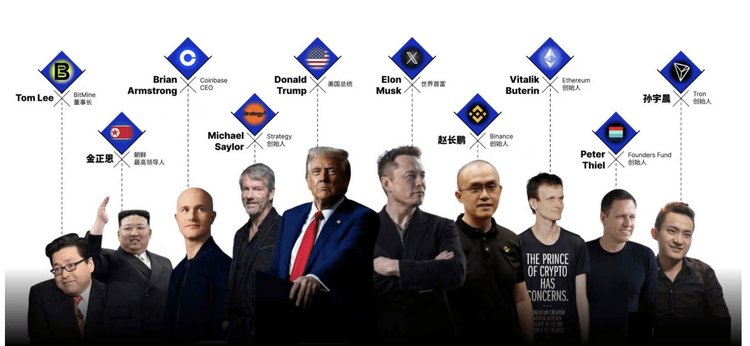
Ten People Redefining the Power Boundaries of Crypto in 2025
Từ Wall Street đến Nhà Trắng, từ Thung lũng Silicon đến Thâm Quyến, một mạng lưới điện mới đang hình thành.

Giao dịch AI trong Crypto Markets: Từ robot giao dịch tự động đến chiến lược thuật toán
Giao dịch do AI thúc đẩy đang chuyển đổi tiền điện tử từ suy đoán bán lẻ sang cạnh tranh ở cấp độ tổ chức, nơi thực thi và quản lý rủi ro quan trọng hơn là hướng đi. Khi giao dịch AI leo thang, rủi ro hệ thống và áp lực quản lý tăng lên, làm cho hiệu suất dài hạn, hệ thống mạnh mẽ và tuân thủ các yếu tố khác biệt quan trọng.

Phân tích cảm xúc AI và biến động tiền mã hóa: Chuyển đổi giá Crypto
Cảm xúc AI đang ngày càng ảnh hưởng đến thị trường tiền điện tử, với những thay đổi trong những kỳ vọng liên quan đến AI chuyển thành sự biến động cho các tài sản kỹ thuật số lớn. Thị trường tiền điện tử có xu hướng mở rộng các câu chuyện AI, cho phép các luồng được thúc đẩy bởi tình cảm vượt quá những yếu tố cơ bản trong ngắn hạn. Hiểu được cảm xúc AI hình thành và phổ biến như thế nào giúp các nhà đầu tư dự đoán tốt hơn chu kỳ rủi ro và định vị cơ hội trên các tài sản kỹ thuật số.
Tháng 11-2025 Crypto Market Review: Sửa đổi giá, thanh toán ETF và phát triển Blockchain
Tháng 11 năm 2025 đã chứng kiến sự biến động rõ rệt và một sự điều chỉnh cấu trúc trong hệ sinh thái blockchain rộng hơn, chủ yếu được thúc đẩy bởi các dự báo kinh tế vĩ mô biến động và động lực dòng vốn cụ thể.

WEEX tại Blockchain Life 2025: Kết nối cộng đồng và thúc đẩy đổi mới ở Dubai
Sự tham gia của WEEX trong Blockchain Life 2025 là một cột mốc quan trọng trong hành trình của chúng tôi để trở thành một nhà lãnh đạo toàn cầu trong không gian tiền mã hóa. Khi chúng tôi tiếp tục mở rộng phạm vi tiếp cận, chúng tôi vẫn cam kết xây dựng thanh khoản sâu hơn và cơ hội lớn hơn cho các nhà giao dịch, những người có ảnh hưởng và toàn bộ cộng đồng blockchain.
Liệu Bitcoin có đạt mức 200.000 đô la vào năm 2025 không? Nhà phân tích gọi đó là 'Rất khó xảy ra'
Khi chúng ta nhìn vào bối cảnh tiền điện tử vào ngày này, 5 tháng 8 năm 2025, Bitcoin tiếp tục thu hút các nhà đầu tư…
Bitfarms ra mắt chương trình mua lại 10% cổ phiếu, cho rằng cổ phiếu bị định giá thấp trong bối cảnh AI Pivot
Hãy tưởng tượng một công ty không chỉ lướt trên làn sóng khai thác Bitcoin mà còn mạnh dạn tiến vào tương lai…
Bitcoin sẵn sàng cho một đợt tăng trưởng lớn vào năm 2026 khi chu kỳ bốn năm truyền thống mất kiểm soát, Giám đốc Đầu tư Bitwise dự đoán
Hãy tưởng tượng Bitcoin thoát khỏi những nhịp điệu cũ của nó, giống như một vận động viên dày dạn bỏ qua một thói quen tập luyện có thể đoán trước…
Cá voi Bitcoin thời Satoshi rút 80.000 BTC để lấy 9 tỷ đô la thông qua Galaxy Digital trong bối cảnh biến động tăng cao
Cá voi Bitcoin thời Satoshi rút 80.000 BTC để lấy 9 tỷ đô la thông qua Galaxy Digital trong bối cảnh biến động tăng cao
Divine Research triển khai các khoản vay tiền điện tử không được hỗ trợ bởi World ID của Sam Altman kể từ ngày 5 tháng 8 năm 2025
Hãy tưởng tượng bước vào một thế giới mà mọi người bình thường, từ giáo viên trung học đến những người bán trái cây, có thể kiếm được các khoản vay nhanh chóng...
Robert Kiyosaki đưa ra cảnh báo mới về rủi ro của Bitcoin, vàng và quỹ ETF bạc tính đến ngày 5 tháng 8 năm 2025
Nhà đầu tư nổi tiếng và chuyên gia tài chính Robert Kiyosaki một lần nữa đã dấy lên cảnh báo về những nguy hiểm đang rình rập trong…
Cập nhật thị trường — 30/12
Brevis mở theo dõi AirDrop; Trend Research thêm hơn 46.000 ETH trong một ngày duy nhất.
Ten People Redefining the Power Boundaries of Crypto in 2025
Từ Wall Street đến Nhà Trắng, từ Thung lũng Silicon đến Thâm Quyến, một mạng lưới điện mới đang hình thành.
Giao dịch AI trong Crypto Markets: Từ robot giao dịch tự động đến chiến lược thuật toán
Giao dịch do AI thúc đẩy đang chuyển đổi tiền điện tử từ suy đoán bán lẻ sang cạnh tranh ở cấp độ tổ chức, nơi thực thi và quản lý rủi ro quan trọng hơn là hướng đi. Khi giao dịch AI leo thang, rủi ro hệ thống và áp lực quản lý tăng lên, làm cho hiệu suất dài hạn, hệ thống mạnh mẽ và tuân thủ các yếu tố khác biệt quan trọng.
Phân tích cảm xúc AI và biến động tiền mã hóa: Chuyển đổi giá Crypto
Cảm xúc AI đang ngày càng ảnh hưởng đến thị trường tiền điện tử, với những thay đổi trong những kỳ vọng liên quan đến AI chuyển thành sự biến động cho các tài sản kỹ thuật số lớn. Thị trường tiền điện tử có xu hướng mở rộng các câu chuyện AI, cho phép các luồng được thúc đẩy bởi tình cảm vượt quá những yếu tố cơ bản trong ngắn hạn. Hiểu được cảm xúc AI hình thành và phổ biến như thế nào giúp các nhà đầu tư dự đoán tốt hơn chu kỳ rủi ro và định vị cơ hội trên các tài sản kỹ thuật số.
Tháng 11-2025 Crypto Market Review: Sửa đổi giá, thanh toán ETF và phát triển Blockchain
Tháng 11 năm 2025 đã chứng kiến sự biến động rõ rệt và một sự điều chỉnh cấu trúc trong hệ sinh thái blockchain rộng hơn, chủ yếu được thúc đẩy bởi các dự báo kinh tế vĩ mô biến động và động lực dòng vốn cụ thể.
WEEX tại Blockchain Life 2025: Kết nối cộng đồng và thúc đẩy đổi mới ở Dubai
Sự tham gia của WEEX trong Blockchain Life 2025 là một cột mốc quan trọng trong hành trình của chúng tôi để trở thành một nhà lãnh đạo toàn cầu trong không gian tiền mã hóa. Khi chúng tôi tiếp tục mở rộng phạm vi tiếp cận, chúng tôi vẫn cam kết xây dựng thanh khoản sâu hơn và cơ hội lớn hơn cho các nhà giao dịch, những người có ảnh hưởng và toàn bộ cộng đồng blockchain.
Coin thịnh hành
Tin tức crypto mới nhất


Bộ phận CSKH:@weikecs
Hợp tác kinh doanh:@weikecs
Giao dịch Định lượng & MM:[email protected]
Dịch vụ VIP:[email protected]
 App
App