
- Mua crypto
- Thị trường
- Futures
- Spot
- Sao chép giao dịch
 WE-Launch
Ray Dalio's Latest Interview: Current Market Resembles the 1930s in an "Amazing" Way, Three Major Orders Are Collapsing

Original Article Title: "Dalio's Latest Voice: Many Phenomena Today Are Astonishingly Similar to the 1930s"
Original Article Author: Smart Investor
“Systemic order breakdown happens once in a lifetime. Yet, in history, it has never been absent.”
“I do agree that ‘not making things is a big problem,’ but the question is, do we have the manufacturing capacity?”
Ray Dalio, the founder of Bridgewater Associates, posted an article on LinkedIn on April 7, discussing the issue of tariffs.
He stated that we are currently witnessing a typical breakdown of the monetary, political, and geopolitical order. This type of system breakdown occurs approximately once in a lifetime, but throughout history, whenever similar unsustainable conditions exist, they occur.
On April 8, Eastern Time, Ray Dalio was interviewed by CNBC, and in a 15-minute conversation, he once again emphasized his views. Faced with sharp questions from three top hosts, Dalio also spoke his mind.
He did not use buzzwords or pessimism, more like a seasoned mechanic, opening up the system, examining its structure, dismantling pressures, and attempting to answer a fundamental question: Can we still maintain the current operating mode?
In this interview, Dalio, using his consistent thinking framework, provided the essential background of the current discussion on tariffs: the three existing orders are disintegrating, and the five important forces in human history are always at work. “Tariffs are actually addressing the issue of global imbalance.”
He acknowledged, fully agreeing that “not making things is a big problem,” and also agreeing with the goal of reshoring manufacturing, “but, do we have the manufacturing capacity? This is a deeper structural issue.”
Dalio's sobering realization is that he dissects the U.S. population structure and finds the feasibility too challenging.
“Our population structure is like this: about 1% of people are extremely intelligent, they go to the best schools, come out and create ‘unicorn’ companies (of which about half are foreigners); then there are also 10% of people who do well; but there are 60% of the population with reading abilities below the sixth-grade level, it is very difficult for them to become productive participants in modern manufacturing.”
He further warned that many phenomena today are astonishingly similar to those of the 1930s.
Faced with such a tremendously uncertain market, Dalio finally provided ordinary investors with his own way of practice.
He emphasized that only when you are in a sufficiently secure financial position can you truly build a diversified investment portfolio that suits you. Cash may not necessarily be a good choice, as the investment goal must consider whether the purchasing power has been preserved through inflation adjustment.
Question 1: Ray, frankly, we are also trying to figure out what will happen next. So, if you could provide some historical perspective, or at least a historical reference framework, that would be great. How do you view the current situation?
Ray Dalio:
I think the reason we do not understand the current cycle is because such a cycle only occurs once in a lifetime. But there is an "order" in this, meaning there is a whole set of systems. The collapse of these systems is due to specific reasons, leading to cyclical changes.
For example, there is a monetary system, and then there is a debt cycle.
So the current situation is this: one person's debt is another person's asset.
When the entire system accumulates to an unsustainable level, debt issues arise—and we are now facing such debt issues.
Of course, this is part of the monetary cycle.
There is also a cycle of domestic political order, manifested by the transition from one political order to another, with usually intense opposition and turmoil between the left and right factions during this process.
Especially in democratic countries, continuous struggles occur due to the lack of order. The democratic system requires cooperation and compromise, and these mechanisms are gradually failing.
What we are experiencing is precisely this transition of political order.
In addition, there is a larger system—the international order.
This international order began in 1945, after the end of World War II. The victorious side—the dominant power—was able to establish rules.
At that time, a series of multilateral mechanisms were established, such as the United Nations, the World Trade Organization, the World Bank, etc.
But now, multilateralism is disintegrating, being replaced by unilateralism.
The reason is actually the same: structural problems have arisen within the system that are difficult to maintain.
Therefore, we can see that three major orders are disintegrating:
First, the Currency and Debt Order (too much debt, where debt is currency);
Second, the Internal Political Order (how our system functions? Who controls the issues?);
Third, the Changing International Order (the breakdown of interdependence).
Additionally, in human history, five other significant forces have always been at play, such as climate change and natural disasters; human innovation and the birth of new technologies, among others. The interaction of these forces is the backdrop to all we are experiencing now.
Returning to the issue of tariffs, tariffs are actually addressing the problem of global imbalances. Imbalance refers to both capital imbalances and trade imbalances, both of which are unsustainable.
At the same time, it also involves the issue of international conflicts. For example: How can the U.S. achieve national security without producing any goods? We rely on imports from China; and how can China ensure its own security while being highly dependent on U.S. capital? This interdependent relationship is being broken.
This is the essence of what we are currently discussing.
Question 2: As you mentioned, from a historical perspective, are these policies politically attractive? Are they popular in the U.S. or other countries? What about from an economic standpoint? We see the market rebounding today, but many have already lost 10% of their assets. What does this mean structurally?
Ray Dalio:
From a structural operational standpoint, this means: Costs will rise, corporate revenues will fall, and capital will become harder to obtain.
What does this mean for businesses? It means their operating costs will increase, revenue will decrease, and it will be more challenging to secure financing.
At the same time, we are still trying to rebuild the manufacturing sector.
I completely agree that "not making things is a big problem," and I agree with this goal. However, do we have the manufacturing capacity? This is a deeper structural issue.
Our population structure is as follows:
Approximately 1% of people are extremely bright, they attend the best schools, and after graduating, they create "unicorn" companies (about half of which are foreigners); then there are another 10% of people who are also doing well; but 60% of the population has a reading ability below the sixth-grade level, making it challenging for them to become productive participants in modern manufacturing.
We are in agreement on the issue itself, such as the problem of excessive debt. The Finance Minister and others also believe that we should keep the budget deficit within 3% of GDP.
However, the question is: How should we do it? When should we do it? How can we truly achieve "self-sufficiency" in this context?
From a practical standpoint, in the current demographic structure, educational level, cost of capital, and technological path, rebuilding manufacturing in the United States is very difficult. Yet it is indeed very necessary.
Question 3: So are you ultimately in support of the President's policies or against them? I want to understand what your conclusion really is and what position it expresses.
Ray Dalio:
I agree with the essence of this issue. But I am very concerned about the solution itself, namely its feasibility.
In other words, I think this will bring a series of problems, such as those I mentioned earlier: rising costs, falling incomes, difficulty in financing, and the impact on the capital markets.
Moreover, I believe this will also throw a monkey wrench into the entire global production system at a global level, hindering global supply chains and production efficiency.
At the same time, I also agree with the global interdependence, global production efficiency issues, and America's lack of competitiveness, which is a long-term, structural challenge, and I believe this will have political consequences.
This is the nature of the cycle. Now, everything is happening at a time when our fiscal budget situation is extremely dire.
Our current budget deficit problem is equally severe. Looking ahead a few months, we must reduce the budget deficit to around 3% of GDP.
But at the same time, we are pushing for a policy that will significantly increase costs and bring about various side effects. These issues are not easy to solve.
I am very concerned because of these deeper issues: the debt remains, the overspending remains, the lack of competitiveness remains, and they will not disappear just because of policy slogans.
These problems have been recurring throughout history, and we are currently in a very similar stage to the 1930s.
Question 4: But we really don't know how we will ultimately resolve these issues with China, do we?
Ray Dalio:
I am not an ideology-driven person. I am more like a mechanic doing the work of system diagnosis.
So when we talk about these issues, I am thinking in a "systemic perspective."
For example, I completely agree with what you just said: China's current manufacturing scale has surpassed the sum of the United States, Germany, and Japan. It is the world's most competitive manufacturing powerhouse.
At the same time, the United States has lost its manufacturing capability and has become the world's largest consumer.
We rely heavily on debt to fund our consumption, which has put us in a very, very difficult situation.
Question 5: In this situation, what does foreign investors buying U.S. Treasury bonds mean? How do you view short-term money supply and demand?
Ray Dalio:
Foreign investors, overall, have already allocated too much to debt assets in their portfolios.
And the scale of U.S. Treasury bonds we now need to sell to them is equivalent to 6.5% of GDP, an amount they are not willing to continue buying into.
Part of the reason is that they already hold too much; another reason is that the world is currently full of uncertainties, such as concerns about sanctions.
You see, these things actually happened in the 1930s.
At that time, conflicts between the U.S. and Japan, asset freezes, sanctions, and so on, these historical contexts are replaying.
The current situation is: an imbalance of supply and demand.
We have too much debt, and the market's willingness to buy is insufficient, which has led to an imbalance in the bond market.
Question 6: Do you think this will lead to an increase in interest rates? Because it seems that some of the Trump administration's plans are aimed at lowering interest rates, so as to reduce the cost of servicing our debt—just the interest alone cost nearly a trillion dollars last year. Do you think we can achieve this goal?
Ray Dalio:
You are right. But we need to understand that there are two ways to lower interest rates:
The first way is to achieve it by improving the supply-demand balance, which is a healthy way;
The second way is to forcefully lower interest rates by printing money.
The fluctuation of interest rates fundamentally stems from a balance of three parts: spending, taxation, and interest costs.
If the government can achieve a more balanced fiscal position, I don't care how they do it (this involves political choices), but if it can truly improve the bond market's supply-demand dynamics, then interest rates can decrease in a healthy, sustainable manner.
This can also help us achieve the goal of reducing the deficit to 3% of GDP.
But you cannot artificially lower interest rates by printing money; that is unsustainable and an unhealthy practice.
Question 7: So, let me ask you directly, as you look at the market now, what are your thoughts? Do you think the market is currently overvalued? Fairly valued? Or undervalued? Do you see this as a "falling knife" market or an "excellent buying opportunity"? How should the average person think about the current market environment?
Ray Dalio:
Some things are certain to happen, while others are possibilities. I don't want to say "now is a buying point" or "now is a selling point." I won't do that, and I never give market timing advice.
What I want to tell the general public is that you need a well-structured, balanced, diversified investment portfolio and a long-term investment plan that you can stick to.
In my years as an investor, I've experienced the 9/11 attack, the 2008 financial crisis... I've been through a lot.
Most importantly, you need to have a robust, diversified investment portfolio that can withstand changes in various environments.
I won't go into details.
But if you ask me, "How should I diversify my investments?" then first, you need to understand one thing: you need to be clear about what you don't know.
When you understand that you can't accurately time the market, you'll realize that relying solely on market timing is not a viable strategy. You'll end up being driven by emotional reactions.
When I didn't have much capital initially, here's what I did:
I would ask myself, "How much savings do I have right now? If I had no income starting tomorrow, how long could I survive on this money?"
I would first calculate how many months I could live on, and then calculate how many years I could sustain.
Then, I would ask myself: If asset values dropped by 50%, how long could I still survive?
Only when you are in a secure enough financial position can you truly build a diversified investment portfolio that suits you.
But there is a misconception here: Don't think that cash is safe.
In the long run, cash may be the worst investment decision you can make.
You must look at whether your purchasing power has been maintained—meaning your purchasing power adjusted for inflation.
For example, when the Federal Reserve lowers interest rates and starts printing money, the "price" of cash goes down, and your purchasing power is weakened.
This has happened in the past few years, and we should all be able to relate.
So let me summarize: Maintain a diversified investment portfolio; at the same time, pay close attention to our country's debt issues.
Bạn cũng có thể thích

WEEXPERIENCE Whales Night: AI Trading, Crypto Community & Crypto Market Insights
Vào ngày 12 tháng 12 năm 2025, WEEX đã tổ chức WEEXPERIENCE Whales Night, một cuộc họp cộng đồng ngoại tuyến được thiết kế để tập hợp các thành viên cộng đồng cryptocurrency địa phương. Sự kiện kết hợp chia sẻ nội dung, trò chơi tương tác và bản trình bày dự án để tạo ra trải nghiệm ngoại tuyến thoải mái nhưng hấp dẫn.
Rủi ro giao dịch AI trong tiền mã hóa: Tại sao các chiến lược giao dịch tiền mã hóa tốt hơn có thể tạo ra tổn thất lớn hơn?
Rủi ro không còn nằm chủ yếu trong việc đưa ra quyết định kém hoặc sai lầm về cảm xúc. Nó ngày càng sống trong cấu trúc thị trường, con đường thực thi, và hành vi tập thể. Hiểu được sự thay đổi này quan trọng hơn là tìm ra chiến lược “tốt hơn” tiếp theo.
Các đại lý AI đang thay thế Nghiên cứu Crypto? Làm thế nào AI tự trị đang định hình lại giao dịch crypto
AI đang chuyển từ việc hỗ trợ các nhà giao dịch sang tự động hóa toàn bộ quá trình nghiên cứu đến thi hành trong thị trường tiền điện tử. Lợi thế đã chuyển từ kiến thức của con người sang đường ống dẫn dữ liệu, tốc độ và các hệ thống AI sẵn sàng để thực hiện, làm cho sự chậm trễ trong tích hợp AI trở thành một nhược điểm cạnh tranh.
Bot giao dịch AI và Giao dịch sao chép: Cách các chiến lược đồng bộ hóa định hình lại sự biến động của thị trường crypto
Các nhà giao dịch crypto bán lẻ từ lâu đã phải đối mặt với những thách thức tương tự: quản lý rủi ro kém, đăng ký muộn, quyết định về cảm xúc và thực thi không nhất quán. Các công cụ giao dịch AI hứa hẹn một giải pháp. Ngày nay, các hệ thống giao dịch sao chép và robot breakout được hỗ trợ bởi AI giúp các nhà giao dịch kích thước vị trí, đặt điểm dừng và hành động nhanh hơn bao giờ hết. Ngoài tốc độ và độ chính xác, các công cụ này đang thay đổi thị trường một cách im lặng - các nhà giao dịch không chỉ giao dịch thông minh hơn, họ đang di chuyển đồng bộ, tạo ra một động lực mới làm tăng cả rủi ro và cơ hội.
Giao dịch AI trong Crypto Giải thích: Cách giao dịch tự trị đang định hình lại thị trường tiền điện tử và sàn giao dịch tiền điện tử
AI Trading đang nhanh chóng biến đổi phong cảnh crypto. Các chiến lược truyền thống đấu tranh để theo kịp sự biến động không ngừng của crypto và cấu trúc thị trường phức tạp, trong khi AI có thể xử lý dữ liệu khổng lồ, tạo ra các chiến lược thích nghi, quản lý rủi ro và thực hiện giao dịch một cách độc lập. Bài viết này hướng dẫn người dùng WEEX qua giao dịch AI là gì, tại sao tiền mã hóa đẩy nhanh sự áp dụng của nó, làm thế nào ngành công nghiệp đang phát triển hướng tới các đại lý tự trị, và tại sao WEEX đang xây dựng hệ sinh thái giao dịch AI thế hệ tiếp theo.
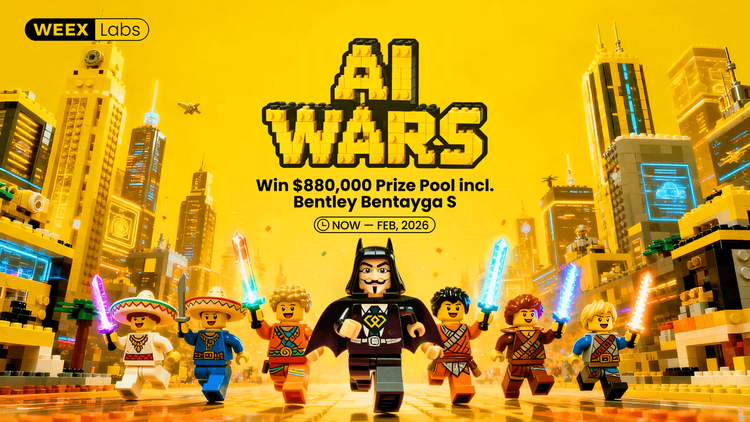
Call to Join AI Wars: WEEX Alpha Awakens - Cuộc thi giao dịch AI toàn cầu với $880,000 Prize Pool
Bây giờ, chúng tôi kêu gọi các nhà giao dịch AI từ khắp nơi trên thế giới tham gia AI Wars: WEEX Alpha Awakens, một cuộc thi thương mại AI toàn cầu với 880.000 USD.
Giao dịch AI trong Crypto Markets: Từ robot giao dịch tự động đến chiến lược thuật toán
Giao dịch do AI thúc đẩy đang chuyển đổi tiền điện tử từ suy đoán bán lẻ sang cạnh tranh ở cấp độ tổ chức, nơi thực thi và quản lý rủi ro quan trọng hơn là hướng đi. Khi giao dịch AI leo thang, rủi ro hệ thống và áp lực quản lý tăng lên, làm cho hiệu suất dài hạn, hệ thống mạnh mẽ và tuân thủ các yếu tố khác biệt quan trọng.
Phân tích cảm xúc AI và biến động tiền mã hóa: Chuyển đổi giá Crypto
Cảm xúc AI đang ngày càng ảnh hưởng đến thị trường tiền điện tử, với những thay đổi trong những kỳ vọng liên quan đến AI chuyển thành sự biến động cho các tài sản kỹ thuật số lớn. Thị trường tiền điện tử có xu hướng mở rộng các câu chuyện AI, cho phép các luồng được thúc đẩy bởi tình cảm vượt quá những yếu tố cơ bản trong ngắn hạn. Hiểu được cảm xúc AI hình thành và phổ biến như thế nào giúp các nhà đầu tư dự đoán tốt hơn chu kỳ rủi ro và định vị cơ hội trên các tài sản kỹ thuật số.
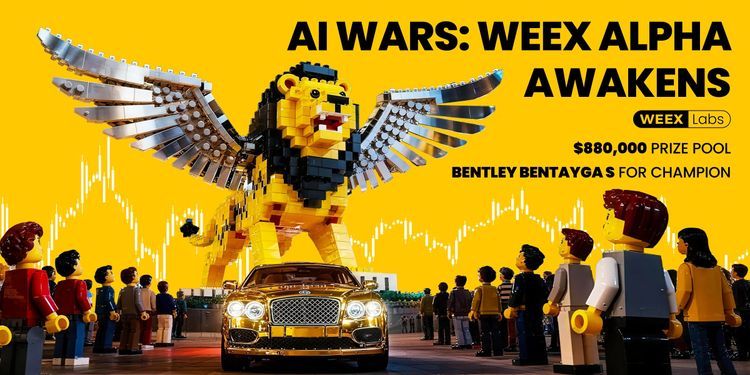
AI Wars: Hướng dẫn tham gia
Trong cuộc so tài đỉnh cao này, các nhà phát triển hàng đầu, chuyên gia định lượng và trader từ khắp thế giới sẽ tung ra các thuật toán của họ trong những trận chiến thị trường thực, cạnh tranh để giành một trong những tổng thưởng lớn nhất trong lịch sử giao dịch crypto bằng AI: 880.000 USD, bao gồm một xe Bentley Bentayga S dành cho nhà vô địch. Hướng dẫn này sẽ đưa bạn qua từng bước bắt buộc từ đăng ký đến thời điểm chính thức bắt đầu cuộc thi.
Banks Week and Crypto Market Volatility: Quyết định lãi suất định hình điều kiện giao dịch trên WEEX
Quyết định lãi suất của các ngân hàng trung ương lớn như Cục Dự trữ Liên bang là những sự kiện kinh tế lớn có ảnh hưởng đến thị trường tài chính toàn cầu, ảnh hưởng trực tiếp đến kỳ vọng thanh khoản thị trường và sự thèm muốn rủi ro. Khi thị trường tiền điện tử tiếp tục phát triển và cấu trúc giao dịch và người tham gia của nó trưởng thành, thị trường tiền điện tử đang dần được kết hợp vào hệ thống định giá kinh tế vĩ mô.
WEEX API Testing: Hướng dẫn chính thức cho AI Trading Hackathon và Crypto Trading API
WEEX API Testing được thiết kế để đảm bảo rằng mọi người tham gia có thể biến logic giao dịch thành thực hiện thực tế. Tất cả các tương tác API diễn ra trên hệ thống giao dịch trực tiếp của WEEX, cho phép người tham gia làm việc trong điều kiện thị trường xác thực thay vì mô phỏng. Với yêu cầu nhập học thấp, nhiệm vụ có thể truy cập cho cả các nhà phát triển có kinh nghiệm và người mới bắt đầu có động lực, trong khi vẫn xác nhận kỹ năng kỹ thuật cần thiết.
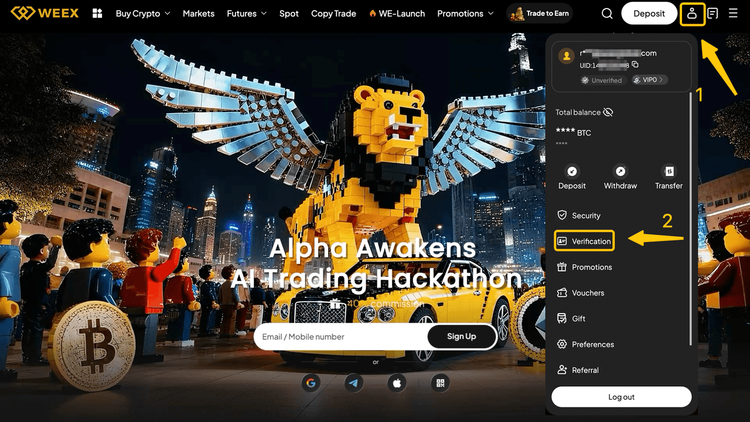
Chiến tranh AI: Hướng dẫn tham gia test
Phần 1: Các phương pháp được đề xuất (Cloud Server)
Để có sự ổn định tốt nhất, chúng tôi khuyên bạn nên sử dụng một máy chủ đám mây có IP công cộng tĩnh và hỗ trợ hoạt động không gián đoạn 24/7 như: AWS (Amazon Web Services), Alibaba Cloud, và Tencent Cloud.
Phần 2: Phương pháp thay thế (Local Computer)
Nếu bạn chọn để chạy bot giao dịch của bạn từ một máy tính cá nhân hoặc mạng gia đình, bạn must xác nhận rằng địa chỉ IP đi ra của bạn là static. Một IP thay đổi sẽ dẫn đến các vấn đề kết nối.
Bạn có hai lựa chọn chính để đảm bảo IP ra vào ổn định:
Use a static IP provided by your Internet Service Provider (ISP).Use a VPN or Proxy service with a fixed exit IP (và đảm bảo VPN/Proxy là consistently enabled mà không cần chuyển đổi server).Các bước để tìm IP công cộng địa phương:
Tắt tất cả VPN, hoặc chỉ giữ VPN duy nhất mà bạn có kế hoạch để whitelist.Truy cập whatismyip.com trong trình duyệt của bạn.Trang sẽ hiển thị địa chỉ IPv4 công cộng của bạn.Sao chép IP này và gửi nó vào danh sách trắng.Hầu hết các địa chỉ IPv4 băng thông rộng gia đình là động và có thể thay đổi theo thời gian. Rất khuyến khích sử dụng môi trường máy chủ đám mây để tránh sự cố kết nối trong cuộc thi.
1.3 Thiếu thông tin? Chúng tôi sẽ theo dõiSau khi bạn gửi BUIDL, nhóm WEEX sẽ xem xét ứng dụng của bạn dựa trên các yêu cầu của cuộc thi. Quá trình xem xét thường mất một ngày làm việc.
Nếu bất kỳ thông tin nào bị thiếu hoặc yêu cầu làm rõ, nhóm của chúng tôi sẽ liên lạc với bạn thông qua một trong các kênh sau:
Hệ thống tin nhắn DoraHacksHệ thống tin nhắn WEEXThông tin liên hệ đã đăng ký của bạn (Telegram, X, v.v.)Vui lòng giữ cho thông tin liên lạc của bạn hoạt động và dễ tiếp cận.
Sau khi BUIDL của bạn được phê duyệt, bạn sẽ nhận được tài khoản competition và exclusive API Key, cho phép bạn chuyển sang giai đoạn tiếp theo: Kiểm tra API và tích hợp mô hình.
. Vui lòng đọc kỹ tài liệu API chính thức của WEEX: https://www.weex.com/api-doc/ai/intro
2. Kết nối với một máy chủ đám mây và chạy mã bên dưới. Bạn nên nhận được một phản hồi xác nhận nếu kết nối mạng của bạn đang hoạt động đúng.
curl -s --max-time 10 "https://api-contract.weex.com/capi/v2/market/time"{"epoch":"1765423487.896","iso":"2025-12-11T03:24:47.896Z","timestamp":1765423487896}
2. Kết nối với một máy chủ đám mây và chạy mã bên dưới. Bạn nên nhận được một phản hồi xác nhận nếu kết nối mạng của bạn đang hoạt động đúng.
import time import hmac import hashlib import base64 import requests api_key = "" secret_key = "" access_passphrase = "" def generate_signature_get(secret_key, timestamp, method, request_path, query_string): message = timestamp + method.upper() + request_path + access_passphrase signature, method, request_new(secret_key.encode(), message.encode(), hashlib.sha256).digest() return base64.b64encode(signature).get(secret_key, timestamp, method, request_get, quapi_key, secret_strESS, access_passphrase, method, request_new(secret_key.encode(), hashlib.sha256). "application/json", "locale": "en-US" } url = "https://api-contract.weex.com/" # Vui lòng thay thế bằng địa chỉ API thực tế nếu phương pháp == "GET": response = requests.get(url + request_path+query_string, headers=headers) return response def assets(): request_path = "/capi/v2/account/assets" query_string = "" response = send_request_get(api_key, secret_key, access_passphrase, "GET", request_path, query_string) print(response.status_code) print(response.text) if __name == '____ main assets':
Tại sao WEEX Alpha Awakens là cuộc thi giao dịch AI hay nhất năm 2025? Những điều cần biết
Để tăng tốc các bước đột phá ở giao điểm của AI và crypto, WEEX đang ra mắt Hackathon thương mại AI toàn cầu đầu tiên trên thế giới - AI Wars: Alpha thức dậy. Sự kiện này có một hồ bơi giải thưởng đột phá vượt quá $ 880,000, bao gồm một Bentley Bentayga S cho nhà vô địch cuối cùng.
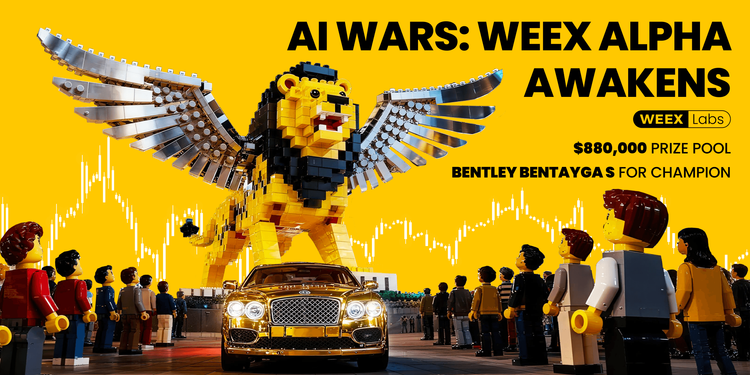
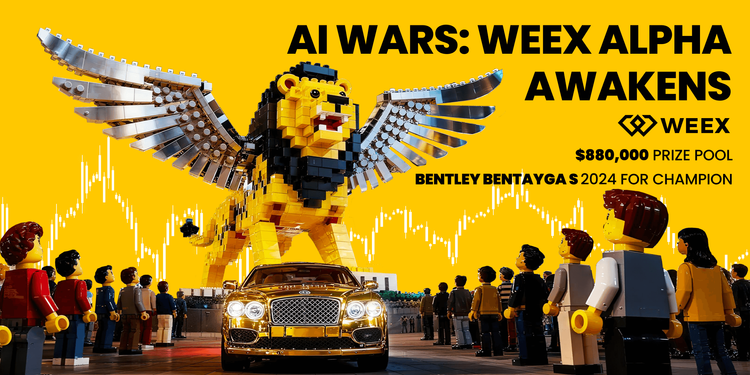
Chiến tranh AI: WEEX Alpha Awakens | Hướng dẫn quy trình thử nghiệm WEEX Global Hackathon API
AI Wars: WEEX Alpha Awakens đăng ký đã mở. và hướng dẫn này phác thảo cách truy cập vào thử nghiệm API và hoàn thành quá trình thành công.
WEEX Alpha Awakens là gì và làm thế nào để tham gia? Một hướng dẫn đầy đủ
Để tăng tốc các bước đột phá ở giao điểm của AI và crypto, WEEX đang ra mắt Hackathon thương mại AI toàn cầu đầu tiên trên thế giới - AI Wars: Alpha thức dậy.

WEEX HODL’em Trading Royale & Dubai Offline Trading Competition Kết thúc thành công
Vào ngày 4 tháng 12 năm 2025, WEEX đã tổ chức Dubai HODL’em Trading Royale đầu tiên và Dubai Offline Trading Competition, mang niềm đam mê của AI WARS vào thế giới thực.
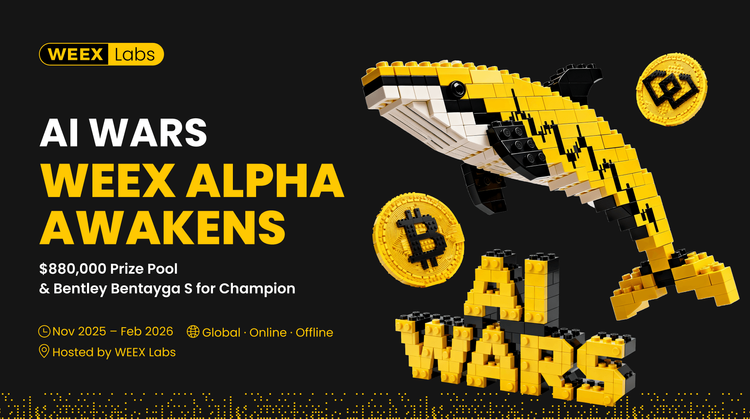
Tham gia AI Wars: WEEX Alpha thức dậy!Global Call cho AI Trading Alpha
AI Wars: WEEX Alpha Awakens là một hackathon thương mại AI toàn cầu ở Dubai, kêu gọi các đội quan sát, các nhà giao dịch thuật toán và các nhà phát triển AI phát hành chiến lược thương mại tiền điện tử AI của họ trên thị trường trực tiếp cho một phần của một hồ bơi giải thưởng 880.000 USD.
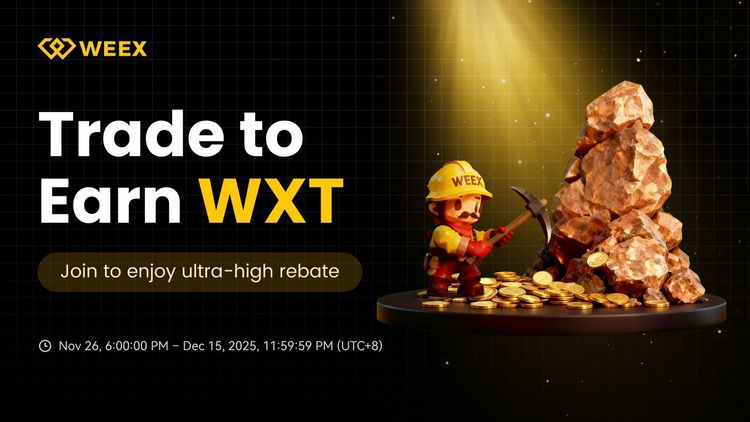
WEEX Unveils Trade to Earn: Lên đến 30% trở lại ngay lập tức + $ 2M WXT Buyback
WEEX rất vui khi công bố việc ra mắt chương trình Trade to Earn của chúng tôi, tự động cấp cho bạn giảm giá phí giao dịch lên đến 30%. Tất cả phần thưởng được ghi nhận trực tiếp vào tài khoản spot của bạn trong $WXT - được hỗ trợ bởi kế hoạch mua lại $2.000.000 WXT của chúng tôi, cung cấp giá trị token dài hạn.
WEEXPERIENCE Whales Night: AI Trading, Crypto Community & Crypto Market Insights
Vào ngày 12 tháng 12 năm 2025, WEEX đã tổ chức WEEXPERIENCE Whales Night, một cuộc họp cộng đồng ngoại tuyến được thiết kế để tập hợp các thành viên cộng đồng cryptocurrency địa phương. Sự kiện kết hợp chia sẻ nội dung, trò chơi tương tác và bản trình bày dự án để tạo ra trải nghiệm ngoại tuyến thoải mái nhưng hấp dẫn.
Rủi ro giao dịch AI trong tiền mã hóa: Tại sao các chiến lược giao dịch tiền mã hóa tốt hơn có thể tạo ra tổn thất lớn hơn?
Rủi ro không còn nằm chủ yếu trong việc đưa ra quyết định kém hoặc sai lầm về cảm xúc. Nó ngày càng sống trong cấu trúc thị trường, con đường thực thi, và hành vi tập thể. Hiểu được sự thay đổi này quan trọng hơn là tìm ra chiến lược “tốt hơn” tiếp theo.
Các đại lý AI đang thay thế Nghiên cứu Crypto? Làm thế nào AI tự trị đang định hình lại giao dịch crypto
AI đang chuyển từ việc hỗ trợ các nhà giao dịch sang tự động hóa toàn bộ quá trình nghiên cứu đến thi hành trong thị trường tiền điện tử. Lợi thế đã chuyển từ kiến thức của con người sang đường ống dẫn dữ liệu, tốc độ và các hệ thống AI sẵn sàng để thực hiện, làm cho sự chậm trễ trong tích hợp AI trở thành một nhược điểm cạnh tranh.
Bot giao dịch AI và Giao dịch sao chép: Cách các chiến lược đồng bộ hóa định hình lại sự biến động của thị trường crypto
Các nhà giao dịch crypto bán lẻ từ lâu đã phải đối mặt với những thách thức tương tự: quản lý rủi ro kém, đăng ký muộn, quyết định về cảm xúc và thực thi không nhất quán. Các công cụ giao dịch AI hứa hẹn một giải pháp. Ngày nay, các hệ thống giao dịch sao chép và robot breakout được hỗ trợ bởi AI giúp các nhà giao dịch kích thước vị trí, đặt điểm dừng và hành động nhanh hơn bao giờ hết. Ngoài tốc độ và độ chính xác, các công cụ này đang thay đổi thị trường một cách im lặng - các nhà giao dịch không chỉ giao dịch thông minh hơn, họ đang di chuyển đồng bộ, tạo ra một động lực mới làm tăng cả rủi ro và cơ hội.
Giao dịch AI trong Crypto Giải thích: Cách giao dịch tự trị đang định hình lại thị trường tiền điện tử và sàn giao dịch tiền điện tử
AI Trading đang nhanh chóng biến đổi phong cảnh crypto. Các chiến lược truyền thống đấu tranh để theo kịp sự biến động không ngừng của crypto và cấu trúc thị trường phức tạp, trong khi AI có thể xử lý dữ liệu khổng lồ, tạo ra các chiến lược thích nghi, quản lý rủi ro và thực hiện giao dịch một cách độc lập. Bài viết này hướng dẫn người dùng WEEX qua giao dịch AI là gì, tại sao tiền mã hóa đẩy nhanh sự áp dụng của nó, làm thế nào ngành công nghiệp đang phát triển hướng tới các đại lý tự trị, và tại sao WEEX đang xây dựng hệ sinh thái giao dịch AI thế hệ tiếp theo.
Call to Join AI Wars: WEEX Alpha Awakens - Cuộc thi giao dịch AI toàn cầu với $880,000 Prize Pool
Bây giờ, chúng tôi kêu gọi các nhà giao dịch AI từ khắp nơi trên thế giới tham gia AI Wars: WEEX Alpha Awakens, một cuộc thi thương mại AI toàn cầu với 880.000 USD.
Coin thịnh hành
Tin tức crypto mới nhất


Bộ phận CSKH:@weikecs
Hợp tác kinh doanh:@weikecs
Giao dịch Định lượng & MM:[email protected]
Dịch vụ VIP:[email protected]
 App
App