
- Mua crypto
- Thị trường
- Futures
- Spot
- Sao chép giao dịch
 WE-Launch
SEC Welcomes Crypto Holder-in-Chief: Juris Doctor Paul Atkins to Reshape Crypto Market Landscape

Original Title: "From Law PhD to Crypto Holder, Meet SEC's New Chairman Paul Atkins"
Original Source: DeepTech TechFlow
Trump's extreme tariff policy has stirred a global market storm, with the prices of cryptocurrencies such as Bitcoin searching for direction amidst intense volatility.
Amidst significant uncertainty, what seems like positive news has emerged.
On April 9, the U.S. Senate confirmed Paul Atkins as the new chairman of the U.S. Securities and Exchange Commission (SEC) with a vote of 52 to 44.
Known for his support of innovation and free markets, Atkins's appointment is viewed by the crypto community as a potential turning point in the SEC's stance toward crypto assets.
He has explicitly stated that establishing a clear digital asset regulatory framework is a top priority, contrasting sharply with the strong enforcement approach of former chairman Gary Gensler.
The crypto market is often described by regulators as the "Wild West," with tension between regulation and industry being commonplace.
However, Atkins's arrival may once again foster expectations for a more friendly and collaborative regulatory environment.
Amidst a moment of turmoil and opportunity, Atkins's next moves are eagerly anticipated.
Starting as a Wall Street lawyer, serving as an SEC commissioner, and now as the new chairman deeply involved in the digital asset space, can he bring long-awaited clarity in rules?
Perhaps the answer lies in his life story.

Small Town Boy, Law PhD
Like most, this new chairman was initially a small-town youth passionate about learning.
Paul Atkins's story began in a small town in the southeastern United States. Born in Lillington, North Carolina, he spent his childhood and teenage years in Tampa, Florida, where the sunny city laid a strong foundation for his life.
In 1980, Atkins earned a Bachelor of Arts from Wofford College, achieving an outstanding academic record that led to his induction into the Phi Beta Kappa Honor Society and joining the Kappa Alpha Order fraternity, showcasing his dual talents in academics and social endeavors.
Three years later, he earned his Juris Doctor (J.D.) degree from Vanderbilt Law School, serving as the Senior Student Writing Editor for the Vanderbilt Law Review.
This student-era work may have been the starting point of his legal and regulatory thinking, nurturing his attention to legal details and rigorous mindset.
He has been described as "quiet yet decisive." This trait stems from both the humility of a small town and the thoughtful exploration of the logic behind rules, partly shaping the most distinctive contours of his personality.
Emerging from the small town of Tampa, Atkins, with the solid determination typical of a Southern youth and the courage of a dreamer, underwent the transformation from student to professional.
From Lawyer to Regulatory Seat
Paul Atkins's career kicked off on the legal stage of New York.
Upon graduating from law school in 1983, he joined Davis Polk & Wardwell, a top-tier law firm renowned for its corporate transactions.
Based in the firm's New York headquarters, he focused on legal matters in the securities and financial fields before being dispatched to the Paris office for two and a half years, where he obtained the qualification of French legal advisor (conseil juridique) in 1988.
This international experience exposed him to the complexity of cross-border financial regulation, providing valuable experience for his future work at the SEC.
In the 1990s, he returned to the U.S., assisting financial services companies in complying with SEC regulations and participating in the aftermath of the Bennett Funding Group case, a $1 billion Ponzi scheme that highlighted his crisis management abilities.
Public records show that through stabilizing finances and operations, as well as rebuilding and expanding the business, he increased the stock value of the remaining investors by nearly 2000%.
On July 9, 2002, Atkins's career path reached a milestone. He was appointed by President George W. Bush as an SEC Commissioner, serving until August 1, 2008,
Earlier in his career, he served as Chief of Staff and Counselor to SEC Chairmen Richard C. Breeden and Arthur Levitt, respectively.
He is known for his advocacy of free-market principles and reducing regulatory burdens, explicitly stating in a 2007 speech: "The SEC must not squeeze investors out of the market through burdensome regulation."
After leaving the SEC in 2008, Atkins founded Patomak Global Partners, a financial services consulting firm based in Washington, D.C. and New York, focusing on regulatory compliance and corporate governance advice.
During this time, he served multiple times as an independent compliance consultant for enforcement and settlement matters involving agencies such as the Department of Justice, SEC, and CFTC. From 2012 to 2015, he served as an independent director and non-executive chairman of the board at BATS Global Markets, an electronic securities trading platform later acquired by the Chicago Board Options Exchange (CBOE).
His personal life also remained stable during this period as he and his wife, Sarah Humphreys Atkins, raised three sons together. Sarah is a significant Republican donor, with cumulative donations exceeding $9.9 million (Paul S. Atkins - Wikipedia).
From a lawyer to an SEC commissioner, and then to an authority in the consulting field, Atkins's professional journey has showcased his profound understanding of financial regulation, laying a solid foundation for his return to the position of SEC Chairman in 2025.
Appreciated by Trump, Also a Crypto Holder
Paul Atkins' deep expertise in financial regulation has extended to the digital frontier with the rise of cryptocurrency.
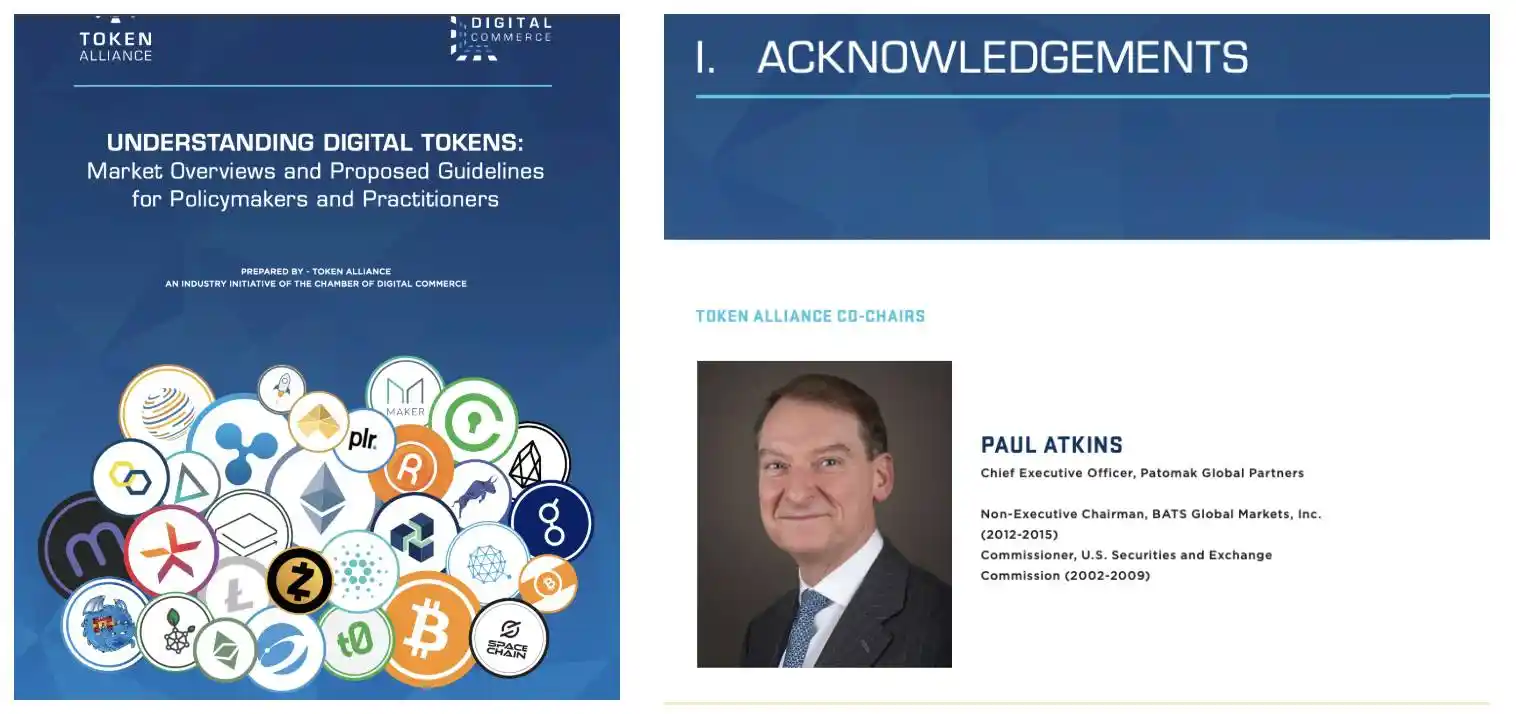
Since 2017, he has served as the Co-Chair of the Digital Chamber's Token Alliance, leading this industry initiative alongside former CFTC Chairman James Newsome.
The Token Alliance aims to establish best practices for the issuance and trading of digital assets. One of its key achievements is the publication of "Understanding Digital Tokens: Market Overview and Policymaker & Practitioner Guidance." This report provides an overview of digital token laws in five countries, analyzes trends in tokenomics, and seeks to promote responsible governance and fraud reduction.
His personal investments further highlight his support for digital assets.
On March 25, 2025, Fortune magazine revealed that Atkins holds up to $6 million in crypto-related assets, including stakes or other investments in the crypto custody firm Anchorage and the tokenization company Securitize, but he does not hold any Bitcoin.
These investments demonstrated his confidence in the crypto ecosystem but also sparked controversy. On March 26, 2025, Senator Elizabeth Warren questioned his potential conflict of interest;
Atkins responded that these assets reflected his optimism about the technology's potential, rather than a speculative attempt, doesn't this sound a bit like the tone when your hodler buddy in the crypto community expresses their stance to you?
In terms of regulation, Atkins also tried to depict a clear path for the crypto industry.
Over the years, Atkins has been clear in stating his support for clearer regulation of cryptocurrency, avoiding stifling innovation or imposing unnecessary oversight. He also criticized the Dodd-Frank Act enacted to control large U.S. banks after the 2008 financial crisis.
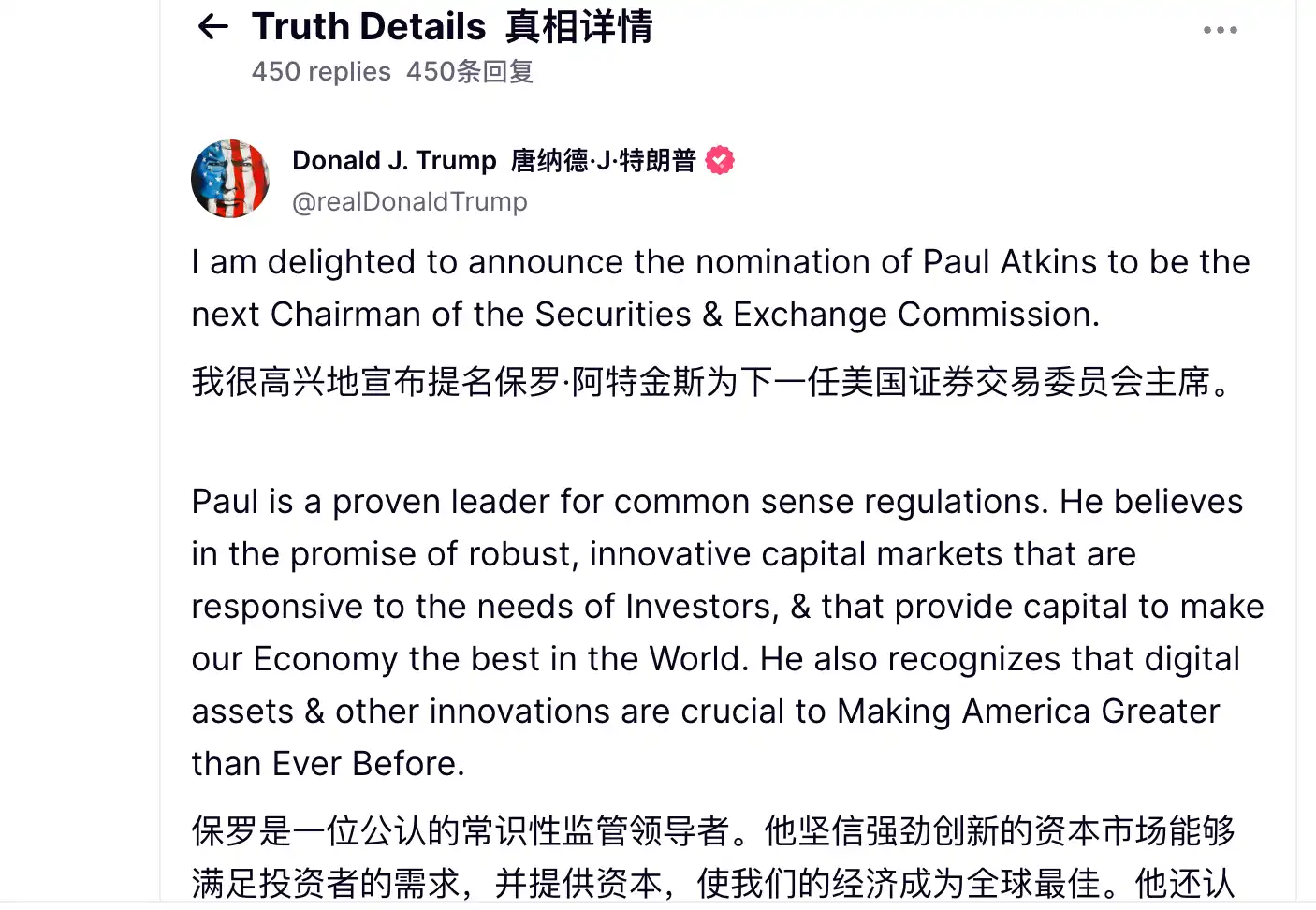
In December of last year, then-President-elect Trump had posted a statement on Truth Social saying that Atkins was a "recognized commonsense regulatory leader" and that he "understands that digital assets and other innovations are crucial to making America greater than ever before."
Firm Hand vs. Inclusivity: The Styles of Two SEC Chairmen
If you put historical information together for a review, you will see that Paul Atkins and Gary Gensler represented two distinctly different paths of SEC regulation of cryptocurrency.
Gensler was nominated by President Joe Biden on April 17, 2021, as SEC chairman, calling the crypto market the "wild west," emphasizing tough regulation to protect investors from fraud and market manipulation.
During his tenure, on October 15, 2021, the SEC approved the first Bitcoin futures ETF but remained cautious about a spot Bitcoin ETF, while launching enforcement actions against multiple crypto companies, such as filing lawsuits against Genesis and Gemini for unregistered securities issuance in January 2023; this iron-fist style has put pressure on the industry.
In contrast, Atkins was nominated by Trump on April 9, 2025, and confirmed as SEC chairman with a 52-44 vote, bringing a more inclusive regulatory approach.
He stated in a podcast in February 2023: "If the SEC is more inclusive and can straightforwardly deal with these [crypto] companies, I think things that happen in the U.S. instead of abroad will be better."
This stance continues his pro-free-market attitude during his tenure as an SEC commissioner (2002-2008). His work with the Token Alliance and investments of up to $6 million in cryptocurrency further indicate his tendency to understand and support industry development.
The two individuals' regulatory philosophies stand in stark contrast.
Gensler focuses on investor protection, tends to view most tokens as securities, and prioritizes enforcement; whereas Atkins advocates for clear rules, emphasizes collaboration with the industry, and may drive more nuanced asset classifications.
Gensler's tough stance has sparked industry discontent, with Coinbase, for example, openly criticizing the "regulatory ambiguity" under his leadership; Atkins' appointment, on the other hand, has been welcomed, with CoinDesk calling it a "victory for the crypto industry."
From iron-fist to inclusivity, this clash foreshadows a significant shift in the SEC's regulatory direction.
Once again, the new SEC chairman has explicitly stated upon taking office that establishing a comprehensive digital asset regulatory framework is a top priority; based on his experience with the Token Alliance and investments in companies like Anchorage and Securitize, he may push for clarifying which crypto assets constitute securities, streamlining the issuance registration process, and creating a more favorable environment for crypto financial products.
Optimistically, this framework may end the long-standing regulatory uncertainty, potentially signaling a turning point for the approval of a spot Bitcoin ETF.
However, given the unpredictable nature of Trump's involvement and the perception of using the crypto industry as a tool, how much beneficial action the SEC chairman can take remains uncertain.
Regardless of the outcome, his regulatory blueprint will be a focal point in the crypto industry. The first steps of this new chairman may determine the next decade of cryptocurrency in the United States and globally.
Bạn cũng có thể thích
WEEXPERIENCE Whales Night: AI Trading, Crypto Community & Crypto Market Insights
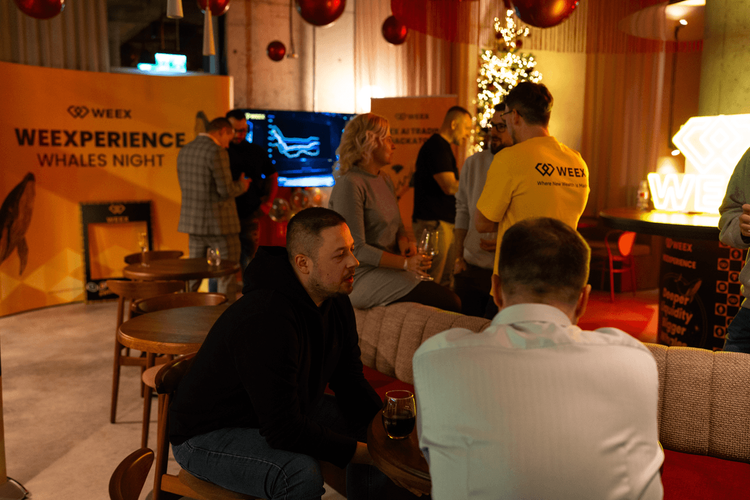
Vào ngày 12 tháng 12 năm 2025, WEEX đã tổ chức WEEXPERIENCE Whales Night, một cuộc họp cộng đồng ngoại tuyến được thiết kế để tập hợp các thành viên cộng đồng cryptocurrency địa phương. Sự kiện kết hợp chia sẻ nội dung, trò chơi tương tác và bản trình bày dự án để tạo ra trải nghiệm ngoại tuyến thoải mái nhưng hấp dẫn.
Rủi ro giao dịch AI trong tiền mã hóa: Tại sao các chiến lược giao dịch tiền mã hóa tốt hơn có thể tạo ra tổn thất lớn hơn?
Rủi ro không còn nằm chủ yếu trong việc đưa ra quyết định kém hoặc sai lầm về cảm xúc. Nó ngày càng sống trong cấu trúc thị trường, con đường thực thi, và hành vi tập thể. Hiểu được sự thay đổi này quan trọng hơn là tìm ra chiến lược “tốt hơn” tiếp theo.
Các đại lý AI đang thay thế Nghiên cứu Crypto? Làm thế nào AI tự trị đang định hình lại giao dịch crypto
AI đang chuyển từ việc hỗ trợ các nhà giao dịch sang tự động hóa toàn bộ quá trình nghiên cứu đến thi hành trong thị trường tiền điện tử. Lợi thế đã chuyển từ kiến thức của con người sang đường ống dẫn dữ liệu, tốc độ và các hệ thống AI sẵn sàng để thực hiện, làm cho sự chậm trễ trong tích hợp AI trở thành một nhược điểm cạnh tranh.
Bot giao dịch AI và Giao dịch sao chép: Cách các chiến lược đồng bộ hóa định hình lại sự biến động của thị trường crypto
Các nhà giao dịch crypto bán lẻ từ lâu đã phải đối mặt với những thách thức tương tự: quản lý rủi ro kém, đăng ký muộn, quyết định về cảm xúc và thực thi không nhất quán. Các công cụ giao dịch AI hứa hẹn một giải pháp. Ngày nay, các hệ thống giao dịch sao chép và robot breakout được hỗ trợ bởi AI giúp các nhà giao dịch kích thước vị trí, đặt điểm dừng và hành động nhanh hơn bao giờ hết. Ngoài tốc độ và độ chính xác, các công cụ này đang thay đổi thị trường một cách im lặng - các nhà giao dịch không chỉ giao dịch thông minh hơn, họ đang di chuyển đồng bộ, tạo ra một động lực mới làm tăng cả rủi ro và cơ hội.
Giao dịch AI trong Crypto Giải thích: Cách giao dịch tự trị đang định hình lại thị trường tiền điện tử và sàn giao dịch tiền điện tử
AI Trading đang nhanh chóng biến đổi phong cảnh crypto. Các chiến lược truyền thống đấu tranh để theo kịp sự biến động không ngừng của crypto và cấu trúc thị trường phức tạp, trong khi AI có thể xử lý dữ liệu khổng lồ, tạo ra các chiến lược thích nghi, quản lý rủi ro và thực hiện giao dịch một cách độc lập. Bài viết này hướng dẫn người dùng WEEX qua giao dịch AI là gì, tại sao tiền mã hóa đẩy nhanh sự áp dụng của nó, làm thế nào ngành công nghiệp đang phát triển hướng tới các đại lý tự trị, và tại sao WEEX đang xây dựng hệ sinh thái giao dịch AI thế hệ tiếp theo.
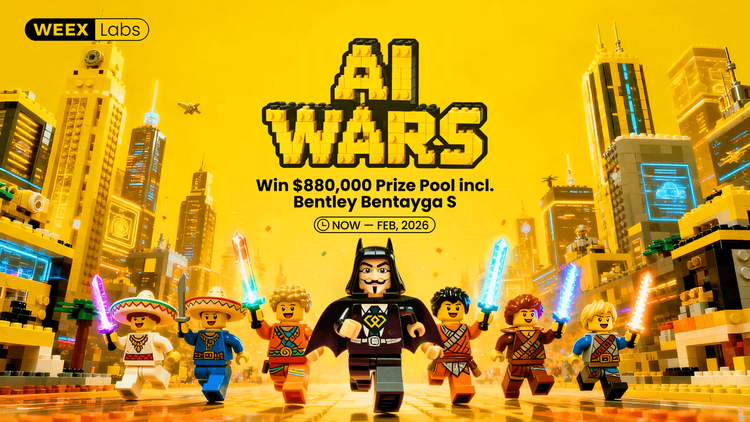
Call to Join AI Wars: WEEX Alpha Awakens - Cuộc thi giao dịch AI toàn cầu với $880,000 Prize Pool
Bây giờ, chúng tôi kêu gọi các nhà giao dịch AI từ khắp nơi trên thế giới tham gia AI Wars: WEEX Alpha Awakens, một cuộc thi thương mại AI toàn cầu với 880.000 USD.
Giao dịch AI trong Crypto Markets: Từ robot giao dịch tự động đến chiến lược thuật toán
Giao dịch do AI thúc đẩy đang chuyển đổi tiền điện tử từ suy đoán bán lẻ sang cạnh tranh ở cấp độ tổ chức, nơi thực thi và quản lý rủi ro quan trọng hơn là hướng đi. Khi giao dịch AI leo thang, rủi ro hệ thống và áp lực quản lý tăng lên, làm cho hiệu suất dài hạn, hệ thống mạnh mẽ và tuân thủ các yếu tố khác biệt quan trọng.
Phân tích cảm xúc AI và biến động tiền mã hóa: Chuyển đổi giá Crypto
Cảm xúc AI đang ngày càng ảnh hưởng đến thị trường tiền điện tử, với những thay đổi trong những kỳ vọng liên quan đến AI chuyển thành sự biến động cho các tài sản kỹ thuật số lớn. Thị trường tiền điện tử có xu hướng mở rộng các câu chuyện AI, cho phép các luồng được thúc đẩy bởi tình cảm vượt quá những yếu tố cơ bản trong ngắn hạn. Hiểu được cảm xúc AI hình thành và phổ biến như thế nào giúp các nhà đầu tư dự đoán tốt hơn chu kỳ rủi ro và định vị cơ hội trên các tài sản kỹ thuật số.
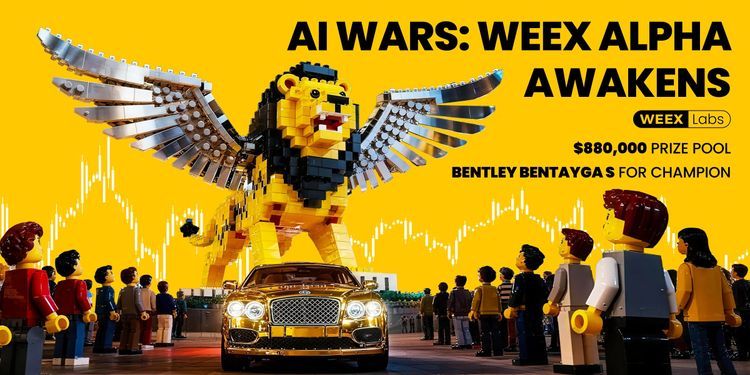
AI Wars: Hướng dẫn tham gia
Trong cuộc so tài đỉnh cao này, các nhà phát triển hàng đầu, chuyên gia định lượng và trader từ khắp thế giới sẽ tung ra các thuật toán của họ trong những trận chiến thị trường thực, cạnh tranh để giành một trong những tổng thưởng lớn nhất trong lịch sử giao dịch crypto bằng AI: 880.000 USD, bao gồm một xe Bentley Bentayga S dành cho nhà vô địch. Hướng dẫn này sẽ đưa bạn qua từng bước bắt buộc từ đăng ký đến thời điểm chính thức bắt đầu cuộc thi.

Banks Week and Crypto Market Volatility: Quyết định lãi suất định hình điều kiện giao dịch trên WEEX
Quyết định lãi suất của các ngân hàng trung ương lớn như Cục Dự trữ Liên bang là những sự kiện kinh tế lớn có ảnh hưởng đến thị trường tài chính toàn cầu, ảnh hưởng trực tiếp đến kỳ vọng thanh khoản thị trường và sự thèm muốn rủi ro. Khi thị trường tiền điện tử tiếp tục phát triển và cấu trúc giao dịch và người tham gia của nó trưởng thành, thị trường tiền điện tử đang dần được kết hợp vào hệ thống định giá kinh tế vĩ mô.
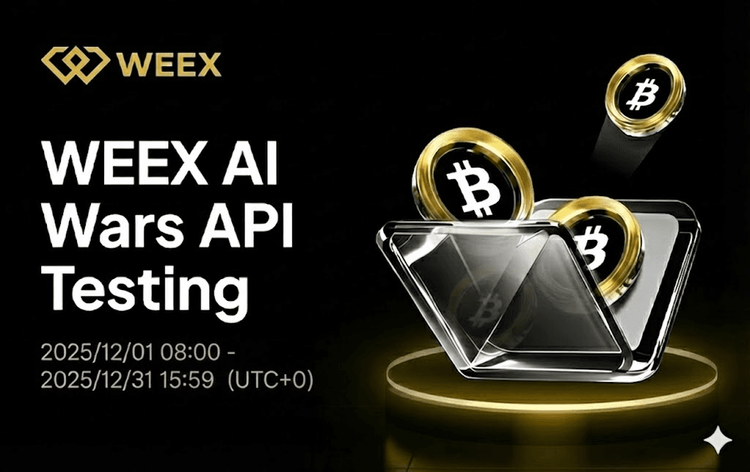
WEEX API Testing: Hướng dẫn chính thức cho AI Trading Hackathon và Crypto Trading API
WEEX API Testing được thiết kế để đảm bảo rằng mọi người tham gia có thể biến logic giao dịch thành thực hiện thực tế. Tất cả các tương tác API diễn ra trên hệ thống giao dịch trực tiếp của WEEX, cho phép người tham gia làm việc trong điều kiện thị trường xác thực thay vì mô phỏng. Với yêu cầu nhập học thấp, nhiệm vụ có thể truy cập cho cả các nhà phát triển có kinh nghiệm và người mới bắt đầu có động lực, trong khi vẫn xác nhận kỹ năng kỹ thuật cần thiết.
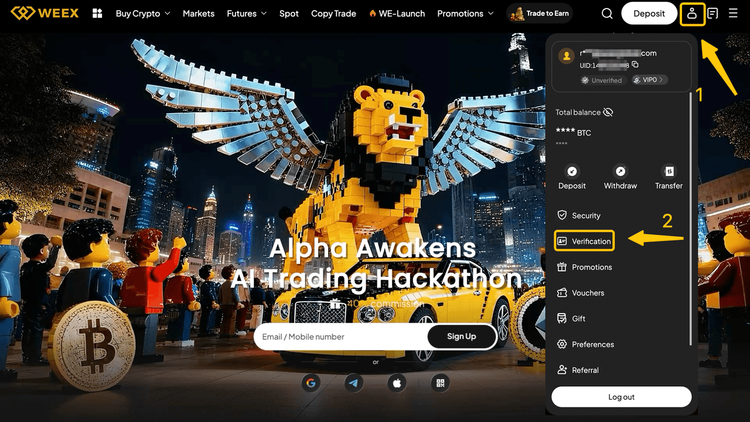
Chiến tranh AI: Hướng dẫn tham gia test
Phần 1: Các phương pháp được đề xuất (Cloud Server)
Để có sự ổn định tốt nhất, chúng tôi khuyên bạn nên sử dụng một máy chủ đám mây có IP công cộng tĩnh và hỗ trợ hoạt động không gián đoạn 24/7 như: AWS (Amazon Web Services), Alibaba Cloud, và Tencent Cloud.
Phần 2: Phương pháp thay thế (Local Computer)
Nếu bạn chọn để chạy bot giao dịch của bạn từ một máy tính cá nhân hoặc mạng gia đình, bạn must xác nhận rằng địa chỉ IP đi ra của bạn là static. Một IP thay đổi sẽ dẫn đến các vấn đề kết nối.
Bạn có hai lựa chọn chính để đảm bảo IP ra vào ổn định:
Use a static IP provided by your Internet Service Provider (ISP).Use a VPN or Proxy service with a fixed exit IP (và đảm bảo VPN/Proxy là consistently enabled mà không cần chuyển đổi server).Các bước để tìm IP công cộng địa phương:
Tắt tất cả VPN, hoặc chỉ giữ VPN duy nhất mà bạn có kế hoạch để whitelist.Truy cập whatismyip.com trong trình duyệt của bạn.Trang sẽ hiển thị địa chỉ IPv4 công cộng của bạn.Sao chép IP này và gửi nó vào danh sách trắng.Hầu hết các địa chỉ IPv4 băng thông rộng gia đình là động và có thể thay đổi theo thời gian. Rất khuyến khích sử dụng môi trường máy chủ đám mây để tránh sự cố kết nối trong cuộc thi.
1.3 Thiếu thông tin? Chúng tôi sẽ theo dõiSau khi bạn gửi BUIDL, nhóm WEEX sẽ xem xét ứng dụng của bạn dựa trên các yêu cầu của cuộc thi. Quá trình xem xét thường mất một ngày làm việc.
Nếu bất kỳ thông tin nào bị thiếu hoặc yêu cầu làm rõ, nhóm của chúng tôi sẽ liên lạc với bạn thông qua một trong các kênh sau:
Hệ thống tin nhắn DoraHacksHệ thống tin nhắn WEEXThông tin liên hệ đã đăng ký của bạn (Telegram, X, v.v.)Vui lòng giữ cho thông tin liên lạc của bạn hoạt động và dễ tiếp cận.
Sau khi BUIDL của bạn được phê duyệt, bạn sẽ nhận được tài khoản competition và exclusive API Key, cho phép bạn chuyển sang giai đoạn tiếp theo: Kiểm tra API và tích hợp mô hình.
. Vui lòng đọc kỹ tài liệu API chính thức của WEEX: https://www.weex.com/api-doc/ai/intro
2. Kết nối với một máy chủ đám mây và chạy mã bên dưới. Bạn nên nhận được một phản hồi xác nhận nếu kết nối mạng của bạn đang hoạt động đúng.
curl -s --max-time 10 "https://api-contract.weex.com/capi/v2/market/time"{"epoch":"1765423487.896","iso":"2025-12-11T03:24:47.896Z","timestamp":1765423487896}
2. Kết nối với một máy chủ đám mây và chạy mã bên dưới. Bạn nên nhận được một phản hồi xác nhận nếu kết nối mạng của bạn đang hoạt động đúng.
import time import hmac import hashlib import base64 import requests api_key = "" secret_key = "" access_passphrase = "" def generate_signature_get(secret_key, timestamp, method, request_path, query_string): message = timestamp + method.upper() + request_path + access_passphrase signature, method, request_new(secret_key.encode(), message.encode(), hashlib.sha256).digest() return base64.b64encode(signature).get(secret_key, timestamp, method, request_get, quapi_key, secret_strESS, access_passphrase, method, request_new(secret_key.encode(), hashlib.sha256). "application/json", "locale": "en-US" } url = "https://api-contract.weex.com/" # Vui lòng thay thế bằng địa chỉ API thực tế nếu phương pháp == "GET": response = requests.get(url + request_path+query_string, headers=headers) return response def assets(): request_path = "/capi/v2/account/assets" query_string = "" response = send_request_get(api_key, secret_key, access_passphrase, "GET", request_path, query_string) print(response.status_code) print(response.text) if __name == '____ main assets':
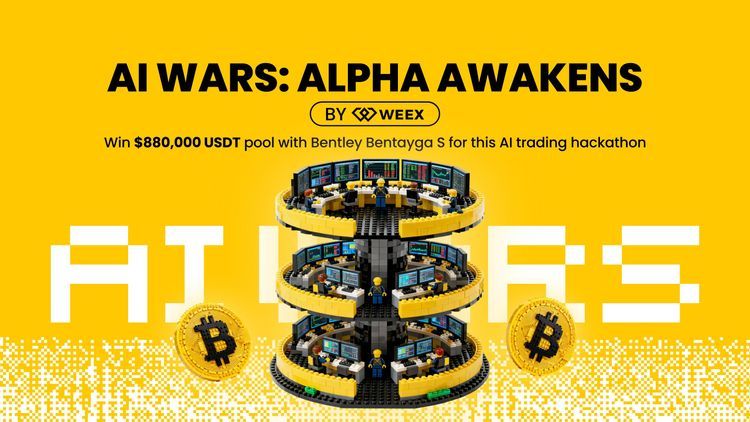
Tại sao WEEX Alpha Awakens là cuộc thi giao dịch AI hay nhất năm 2025? Những điều cần biết
Để tăng tốc các bước đột phá ở giao điểm của AI và crypto, WEEX đang ra mắt Hackathon thương mại AI toàn cầu đầu tiên trên thế giới - AI Wars: Alpha thức dậy. Sự kiện này có một hồ bơi giải thưởng đột phá vượt quá $ 880,000, bao gồm một Bentley Bentayga S cho nhà vô địch cuối cùng.
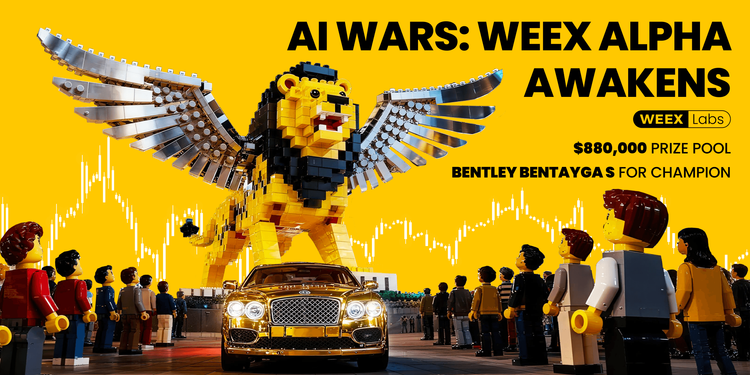
Chiến tranh AI: WEEX Alpha Awakens | Hướng dẫn quy trình thử nghiệm WEEX Global Hackathon API
AI Wars: WEEX Alpha Awakens đăng ký đã mở. và hướng dẫn này phác thảo cách truy cập vào thử nghiệm API và hoàn thành quá trình thành công.
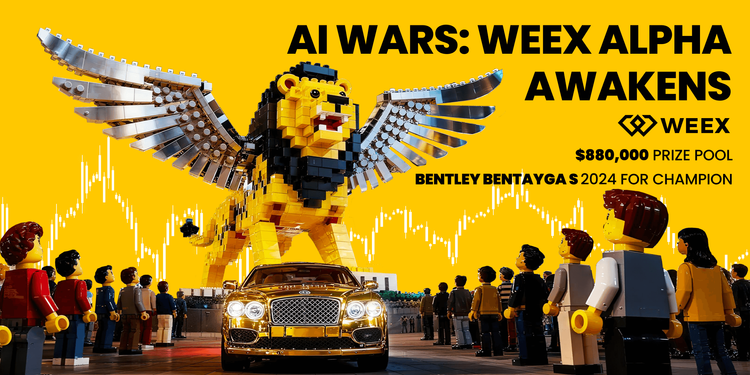
WEEX Alpha Awakens là gì và làm thế nào để tham gia? Một hướng dẫn đầy đủ
Để tăng tốc các bước đột phá ở giao điểm của AI và crypto, WEEX đang ra mắt Hackathon thương mại AI toàn cầu đầu tiên trên thế giới - AI Wars: Alpha thức dậy.
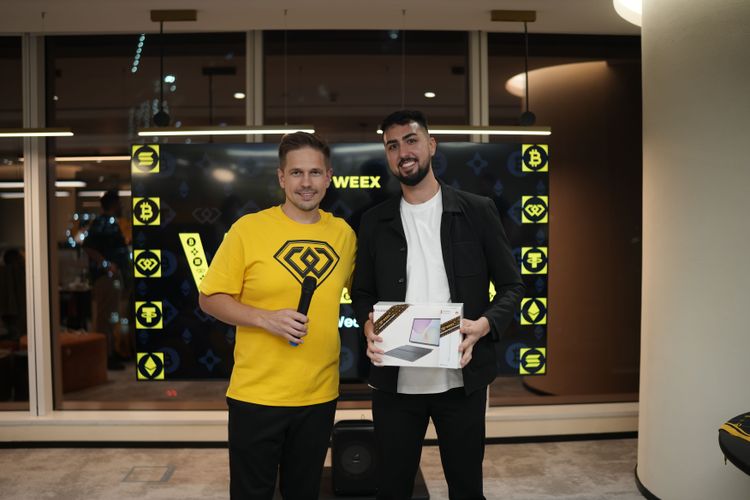
WEEX HODL’em Trading Royale & Dubai Offline Trading Competition Kết thúc thành công
Vào ngày 4 tháng 12 năm 2025, WEEX đã tổ chức Dubai HODL’em Trading Royale đầu tiên và Dubai Offline Trading Competition, mang niềm đam mê của AI WARS vào thế giới thực.
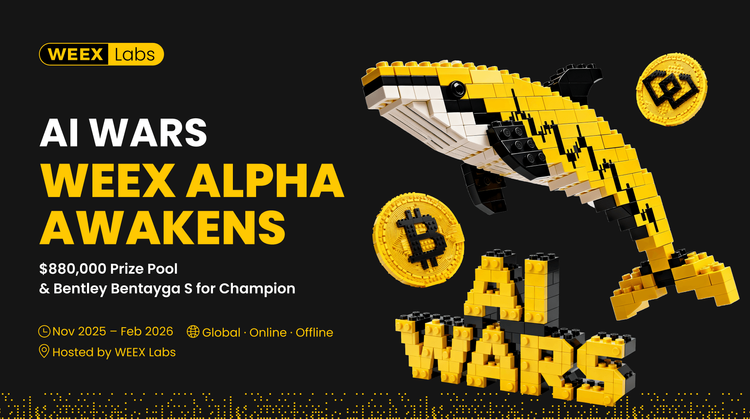
Tham gia AI Wars: WEEX Alpha thức dậy!Global Call cho AI Trading Alpha
AI Wars: WEEX Alpha Awakens là một hackathon thương mại AI toàn cầu ở Dubai, kêu gọi các đội quan sát, các nhà giao dịch thuật toán và các nhà phát triển AI phát hành chiến lược thương mại tiền điện tử AI của họ trên thị trường trực tiếp cho một phần của một hồ bơi giải thưởng 880.000 USD.
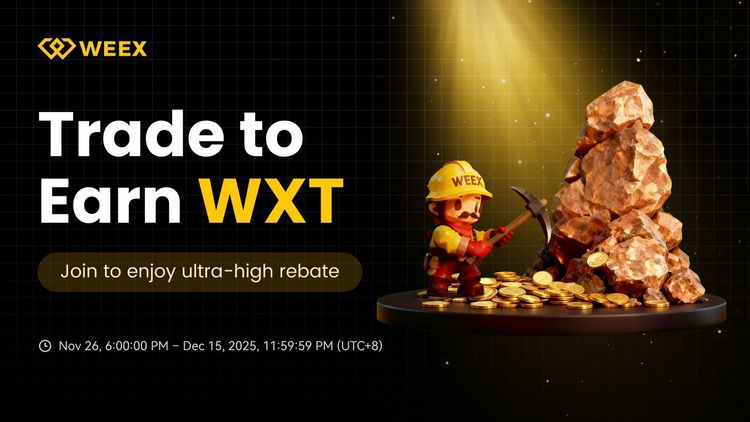
WEEX Unveils Trade to Earn: Lên đến 30% trở lại ngay lập tức + $ 2M WXT Buyback
WEEX rất vui khi công bố việc ra mắt chương trình Trade to Earn của chúng tôi, tự động cấp cho bạn giảm giá phí giao dịch lên đến 30%. Tất cả phần thưởng được ghi nhận trực tiếp vào tài khoản spot của bạn trong $WXT - được hỗ trợ bởi kế hoạch mua lại $2.000.000 WXT của chúng tôi, cung cấp giá trị token dài hạn.
WEEXPERIENCE Whales Night: AI Trading, Crypto Community & Crypto Market Insights
Vào ngày 12 tháng 12 năm 2025, WEEX đã tổ chức WEEXPERIENCE Whales Night, một cuộc họp cộng đồng ngoại tuyến được thiết kế để tập hợp các thành viên cộng đồng cryptocurrency địa phương. Sự kiện kết hợp chia sẻ nội dung, trò chơi tương tác và bản trình bày dự án để tạo ra trải nghiệm ngoại tuyến thoải mái nhưng hấp dẫn.
Rủi ro giao dịch AI trong tiền mã hóa: Tại sao các chiến lược giao dịch tiền mã hóa tốt hơn có thể tạo ra tổn thất lớn hơn?
Rủi ro không còn nằm chủ yếu trong việc đưa ra quyết định kém hoặc sai lầm về cảm xúc. Nó ngày càng sống trong cấu trúc thị trường, con đường thực thi, và hành vi tập thể. Hiểu được sự thay đổi này quan trọng hơn là tìm ra chiến lược “tốt hơn” tiếp theo.
Các đại lý AI đang thay thế Nghiên cứu Crypto? Làm thế nào AI tự trị đang định hình lại giao dịch crypto
AI đang chuyển từ việc hỗ trợ các nhà giao dịch sang tự động hóa toàn bộ quá trình nghiên cứu đến thi hành trong thị trường tiền điện tử. Lợi thế đã chuyển từ kiến thức của con người sang đường ống dẫn dữ liệu, tốc độ và các hệ thống AI sẵn sàng để thực hiện, làm cho sự chậm trễ trong tích hợp AI trở thành một nhược điểm cạnh tranh.
Bot giao dịch AI và Giao dịch sao chép: Cách các chiến lược đồng bộ hóa định hình lại sự biến động của thị trường crypto
Các nhà giao dịch crypto bán lẻ từ lâu đã phải đối mặt với những thách thức tương tự: quản lý rủi ro kém, đăng ký muộn, quyết định về cảm xúc và thực thi không nhất quán. Các công cụ giao dịch AI hứa hẹn một giải pháp. Ngày nay, các hệ thống giao dịch sao chép và robot breakout được hỗ trợ bởi AI giúp các nhà giao dịch kích thước vị trí, đặt điểm dừng và hành động nhanh hơn bao giờ hết. Ngoài tốc độ và độ chính xác, các công cụ này đang thay đổi thị trường một cách im lặng - các nhà giao dịch không chỉ giao dịch thông minh hơn, họ đang di chuyển đồng bộ, tạo ra một động lực mới làm tăng cả rủi ro và cơ hội.
Giao dịch AI trong Crypto Giải thích: Cách giao dịch tự trị đang định hình lại thị trường tiền điện tử và sàn giao dịch tiền điện tử
AI Trading đang nhanh chóng biến đổi phong cảnh crypto. Các chiến lược truyền thống đấu tranh để theo kịp sự biến động không ngừng của crypto và cấu trúc thị trường phức tạp, trong khi AI có thể xử lý dữ liệu khổng lồ, tạo ra các chiến lược thích nghi, quản lý rủi ro và thực hiện giao dịch một cách độc lập. Bài viết này hướng dẫn người dùng WEEX qua giao dịch AI là gì, tại sao tiền mã hóa đẩy nhanh sự áp dụng của nó, làm thế nào ngành công nghiệp đang phát triển hướng tới các đại lý tự trị, và tại sao WEEX đang xây dựng hệ sinh thái giao dịch AI thế hệ tiếp theo.
Call to Join AI Wars: WEEX Alpha Awakens - Cuộc thi giao dịch AI toàn cầu với $880,000 Prize Pool
Bây giờ, chúng tôi kêu gọi các nhà giao dịch AI từ khắp nơi trên thế giới tham gia AI Wars: WEEX Alpha Awakens, một cuộc thi thương mại AI toàn cầu với 880.000 USD.
Coin thịnh hành
Tin tức crypto mới nhất


Bộ phận CSKH:@weikecs
Hợp tác kinh doanh:@weikecs
Giao dịch Định lượng & MM:[email protected]
Dịch vụ VIP:[email protected]
 App
App