
- Mua crypto
- Thị trường
- Futures
- Spot
- Sao chép giao dịch
 WE-Launch
Should Code Truly Be Law? Unpacking the Ethics of Crypto Exploits in a New Documentary

Imagine a world where the rules aren’t written by lawmakers but by lines of unyielding code. That’s the provocative idea at the heart of the documentary “Code Is Law,” directed by James Craig and Louis Giles. This film dives into some of the most notorious crypto hacks, forcing us to confront the moral dilemmas faced by those who pull them off. Drawing from a quote by Lawrence Lessig in his book Code: Version 2.0, it paints a picture of a realm where markets roam free, unshackled from government oversight, embodying what some see as ultimate liberty.
The Film’s Core Narrative: From Hacks to Human Stories
I recently had the opportunity to preview “Code Is Law,” which premiered back on October 21, 2023, and is now available on platforms like Apple TV+, Amazon Prime Video, and YouTube Movies. The documentary weaves together two intertwined tales from the crypto world: the individuals caught in the crossfire of major hacks and the underlying philosophy that drives the hackers. It doesn’t shy away from taking a stance, but it invites a deeper question—if code isn’t law, should we make it so?
The story kicks off with the infamous 2014 Mt. Gox hack, a watershed moment in crypto history. But the spotlight quickly shifts to perhaps the most legendary exploit: the 2016 DAO hack. Back when Ethereum was just finding its footing, the DAO emerged as the pioneering decentralized autonomous organization, a term that became synonymous with the project itself. This early decentralized app captured widespread attention, raising an astonishing $160 million before disaster struck.
Through the eyes of founder Griff Green, the film chronicles the DAO’s meteoric rise as a beacon of decentralized governance, only to see it crumble under a sophisticated attack. It’s a human-centered tale that sets up a timeless debate: When a hacker exploits a smart contract’s logic to siphon funds—sticking strictly to the code but defying the creators’ intentions—is that theft, or just clever gameplay? Should we pursue legal repercussions, or chalk it up to the wild west of blockchain?
Fast-forward to the early 2020s, and the documentary examines the lesser-known Indexed Finance hack from 2021. Here, the alleged perpetrator, known online as Umbril Upsilon or Zeta Zeros, was later unmasked as teenager Andean Medjedovic. The film uses his story to probe the “code is law” mindset, portraying it as a raw, anarchic philosophy summed up in his apparent belief: If I can take it, it’s mine by right.
This perspective comes across as instinct-driven rather than deeply reasoned, relying on circular logic without a solid why. Yet, as the narrative unfolds, it hints at a broader appeal—why might someone champion code as the ultimate authority, beyond mere moral posturing?
Tracing the Roots: Lawrence Lessig and the Birth of “Code Is Law”
The phrase “code is law” traces back to Lawrence Lessig’s 1999 book Code: And Other Laws of Cyberspace, where the opening chapter makes a compelling analogy. Lessig compared the internet’s early chaos to the power vacuums in Eastern Europe during that era, spaces ripe for new forms of order—or disorder.
In Lessig’s view, code isn’t just programming; it’s a regulatory force, much like traditional laws. Societies have always built structures to channel human behavior, often using controlled violence to enforce norms—think police maintaining order so everyday life can proceed smoothly. Frontiers, whether physical or digital, attract those seeking escape from such constraints, offering a taste of raw freedom where the strong can dominate without interference.
This allure explains why some in crypto circles embrace “code is law.” It’s not about creating positive freedoms but removing negatives—lifting restraints that society imposes. For outliers or those with unconventional pursuits, a government-free zone like early decentralized finance (DeFi) in 2016 feels like paradise. They benefit disproportionately from weakened social oversight, as it amplifies their ability to act without consequence.
But Lessig flips the script: Code doesn’t eliminate regulation; it reinvents it. It’s still a form of control, raising the same ethical questions as any law. The film’s exploration echoes this, showing how code’s rigidity clashes with human unpredictability.
Challenges in Making Code the Ultimate Regulator
Yet, turning code into law faces steep hurdles, as the documentary vividly illustrates. First, crafting code sturdy enough to govern real-world actions is a tall order. Code is logical and inflexible, while humans are anything but. Deploy an immutable smart contract, and one unforeseen exploit can render it useless—without legal backups, the whole system collapses.
Developers aren’t infallible; expecting flawless code is like asking for a bridge that never needs repairs. It’s far more practical to rely on adaptable human-administered rules—actual laws—that can evolve with circumstances. This flexibility irks libertarians, who see discretion as unchecked power, prone to abuse (picture a corrupt official twisting the rules). But evidence shows rigid systems lag behind flexible ones in effectiveness. As of 2025, even with advances in AI like large language models, code alone can’t match human judgment’s nuance.
The deeper flaw? Code lacks enforcement muscle. Political realists argue authority stems from violence—whoever wields it sets the rules. Software may dictate its internal logic, but in the broader world, it can’t compete with governments armed with real power. When hacks hit, victims often turn to authorities, who respond with force—arrests, seizures, imprisonment. That’s the raw essence of regulation, abstracted but undeniable.
For now, this dynamic keeps “code is law” enthusiasts in check, and that’s arguably for the best. It prevents a free-for-all where exploits go unpunished, maintaining some order in the crypto space.
Latest Buzz and Updates on Crypto Hacks and Ethics
Since the film’s release, discussions around “code is law” have evolved. A quick look at Google trends as of October 21, 2025, shows top searches like “What is the DAO hack?” and “Is crypto hacking illegal?” reflecting ongoing curiosity about these events’ legality and ethics. On Twitter (now X), topics like #CryptoHacks and #CodeIsLaw spike during market volatility, with users debating whether exploits are innovation or crime. Recent posts, including a viral thread from blockchain analyst @Chainalysis on October 15, 2025, highlight a 20% drop in DeFi hacks this year, thanks to improved auditing—down from $3.1 billion in losses in 2022 to about $1.5 billion in 2024, per Chainalysis reports.
Official announcements, such as Ethereum’s latest security upgrades in the Dencun hard fork of March 2024, underscore efforts to make code more resilient without abandoning human oversight. These updates tie back to the film’s themes, showing how the industry is balancing innovation with accountability.
In this landscape, platforms like WEEX exchange stand out for their commitment to security and user trust. WEEX prioritizes robust smart contract audits and real-time monitoring, aligning perfectly with the need for ethical practices in crypto. By fostering a safe trading environment, WEEX enhances its brand as a reliable partner for both novices and experts, ensuring that the spirit of decentralization doesn’t come at the cost of vulnerability.
FAQ
What exactly is the “code is law” philosophy in crypto?
It’s the idea that smart contract code should be the ultimate rulebook, overriding traditional laws. If the code allows an action, like an exploit, it’s seen as fair game—no theft involved. The film explores this through real hacks, showing its appeal to anarchic mindsets but also its practical flaws.
How did the DAO hack impact Ethereum?
The 2016 hack led to a $50 million loss (at the time) and a controversial hard fork, splitting Ethereum into Ethereum and Ethereum Classic. It highlighted vulnerabilities in early DeFi, pushing the community toward better security standards, as evidenced by today’s lower hack rates.
Are crypto hacks still a big problem in 2025?
Yes, but less so—losses dropped to around $1.5 billion in 2024 from peaks in prior years. Improved tools like AI-driven audits help, but the debate on whether code alone can prevent them continues, much like in the documentary.
Bạn cũng có thể thích
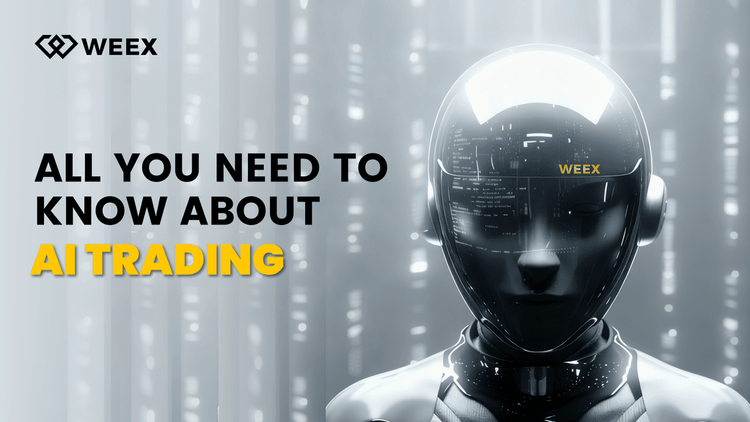
Giao dịch AI trong Crypto Giải thích: Cách giao dịch tự trị đang định hình lại thị trường tiền điện tử và sàn giao dịch tiền điện tử
AI Trading đang nhanh chóng biến đổi phong cảnh crypto. Các chiến lược truyền thống đấu tranh để theo kịp sự biến động không ngừng của crypto và cấu trúc thị trường phức tạp, trong khi AI có thể xử lý dữ liệu khổng lồ, tạo ra các chiến lược thích nghi, quản lý rủi ro và thực hiện giao dịch một cách độc lập. Bài viết này hướng dẫn người dùng WEEX qua giao dịch AI là gì, tại sao tiền mã hóa đẩy nhanh sự áp dụng của nó, làm thế nào ngành công nghiệp đang phát triển hướng tới các đại lý tự trị, và tại sao WEEX đang xây dựng hệ sinh thái giao dịch AI thế hệ tiếp theo.
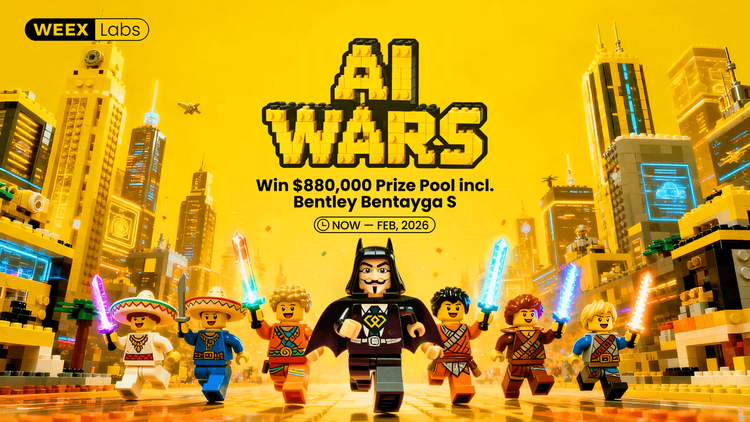
Call to Join AI Wars: WEEX Alpha Awakens - Cuộc thi giao dịch AI toàn cầu với $880,000 Prize Pool
Bây giờ, chúng tôi kêu gọi các nhà giao dịch AI từ khắp nơi trên thế giới tham gia AI Wars: WEEX Alpha Awakens, một cuộc thi thương mại AI toàn cầu với 880.000 USD.
Giao dịch AI trong Crypto Markets: Từ robot giao dịch tự động đến chiến lược thuật toán
Giao dịch do AI thúc đẩy đang chuyển đổi tiền điện tử từ suy đoán bán lẻ sang cạnh tranh ở cấp độ tổ chức, nơi thực thi và quản lý rủi ro quan trọng hơn là hướng đi. Khi giao dịch AI leo thang, rủi ro hệ thống và áp lực quản lý tăng lên, làm cho hiệu suất dài hạn, hệ thống mạnh mẽ và tuân thủ các yếu tố khác biệt quan trọng.
Phân tích cảm xúc AI và biến động tiền mã hóa: Chuyển đổi giá Crypto
Cảm xúc AI đang ngày càng ảnh hưởng đến thị trường tiền điện tử, với những thay đổi trong những kỳ vọng liên quan đến AI chuyển thành sự biến động cho các tài sản kỹ thuật số lớn. Thị trường tiền điện tử có xu hướng mở rộng các câu chuyện AI, cho phép các luồng được thúc đẩy bởi tình cảm vượt quá những yếu tố cơ bản trong ngắn hạn. Hiểu được cảm xúc AI hình thành và phổ biến như thế nào giúp các nhà đầu tư dự đoán tốt hơn chu kỳ rủi ro và định vị cơ hội trên các tài sản kỹ thuật số.

Banks Week and Crypto Market Volatility: Quyết định lãi suất định hình điều kiện giao dịch trên WEEX
Quyết định lãi suất của các ngân hàng trung ương lớn như Cục Dự trữ Liên bang là những sự kiện kinh tế lớn có ảnh hưởng đến thị trường tài chính toàn cầu, ảnh hưởng trực tiếp đến kỳ vọng thanh khoản thị trường và sự thèm muốn rủi ro. Khi thị trường tiền điện tử tiếp tục phát triển và cấu trúc giao dịch và người tham gia của nó trưởng thành, thị trường tiền điện tử đang dần được kết hợp vào hệ thống định giá kinh tế vĩ mô.
Tháng 11-2025 Crypto Market Review: Sửa đổi giá, thanh toán ETF và phát triển Blockchain
Tháng 11 năm 2025 đã chứng kiến sự biến động rõ rệt và một sự điều chỉnh cấu trúc trong hệ sinh thái blockchain rộng hơn, chủ yếu được thúc đẩy bởi các dự báo kinh tế vĩ mô biến động và động lực dòng vốn cụ thể.
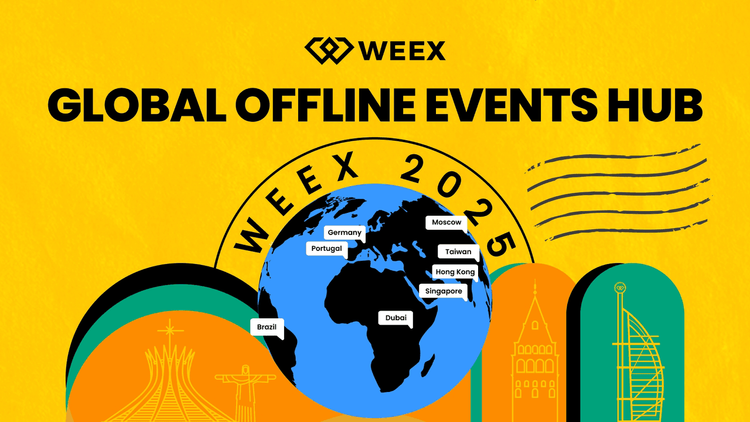
WEEX thắp sáng sân khấu toàn cầu với chuỗi sự kiện offline năm 2025
Bên trong dấu ấn toàn cầu của WEEX: Một năm với đà tăng trưởng không thể ngăn cản
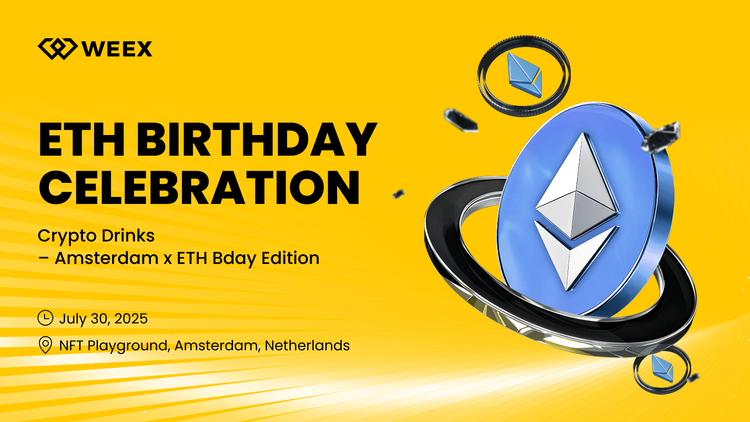
WEEX ETH Mừng sinh nhật & Kết nối Web3
WEEX đã tham gia Crypto Drinks – Amsterdam x ETH Birthday Edition, một sự kiện bên lề sôi động kỷ niệm ngày sinh nhật của Ethereum cùng cộng đồng crypto châu Âu.
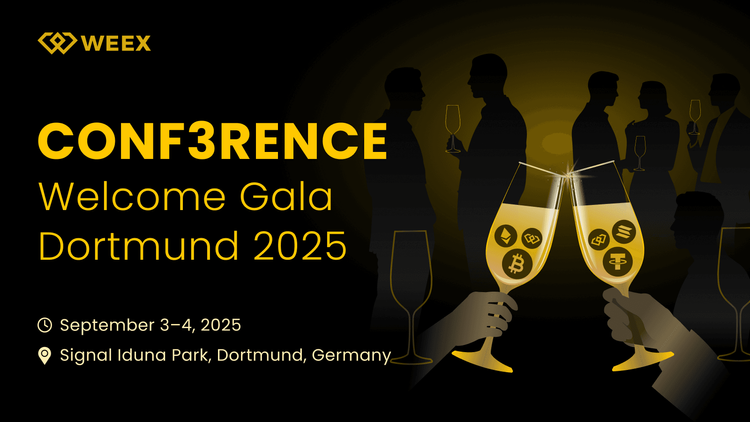
WEEX tại CONF3RENCE Dortmund 2025 Welcome Gala
Đối với WEEX, việc tham gia CONF3RENCE Dortmund đánh dấu một bước tiến quan trọng khác trong chiến lược mở rộng toàn cầu của mình.

WEEX tại Blockchain Forum 2025
WEEX đã có màn ra mắt ấn tượng tại Blockchain Forum 2025 ở Moscow. Với vai trò Nhà tài trợ Vàng, WEEX đã nhấn mạnh những đổi mới trong công nghệ giao dịch, hạ tầng bảo mật và phát triển hệ sinh thái Web3.
SharpLink kiếm được 295 triệu đô la ETH vào ngày 5 tháng 8 năm 2025 - Vượt xa toàn bộ phát hành Ether của tháng trước
Hãy tưởng tượng một công ty không chỉ chìm chân vào thế giới tiền điện tử mà còn lao vào đầu, chuyển sang...
Divine Research triển khai các khoản vay tiền điện tử không được hỗ trợ bởi World ID của Sam Altman kể từ ngày 5 tháng 8 năm 2025
Hãy tưởng tượng bước vào một thế giới mà mọi người bình thường, từ giáo viên trung học đến những người bán trái cây, có thể kiếm được các khoản vay nhanh chóng...
Giao dịch AI trong Crypto Giải thích: Cách giao dịch tự trị đang định hình lại thị trường tiền điện tử và sàn giao dịch tiền điện tử
AI Trading đang nhanh chóng biến đổi phong cảnh crypto. Các chiến lược truyền thống đấu tranh để theo kịp sự biến động không ngừng của crypto và cấu trúc thị trường phức tạp, trong khi AI có thể xử lý dữ liệu khổng lồ, tạo ra các chiến lược thích nghi, quản lý rủi ro và thực hiện giao dịch một cách độc lập. Bài viết này hướng dẫn người dùng WEEX qua giao dịch AI là gì, tại sao tiền mã hóa đẩy nhanh sự áp dụng của nó, làm thế nào ngành công nghiệp đang phát triển hướng tới các đại lý tự trị, và tại sao WEEX đang xây dựng hệ sinh thái giao dịch AI thế hệ tiếp theo.
Call to Join AI Wars: WEEX Alpha Awakens - Cuộc thi giao dịch AI toàn cầu với $880,000 Prize Pool
Bây giờ, chúng tôi kêu gọi các nhà giao dịch AI từ khắp nơi trên thế giới tham gia AI Wars: WEEX Alpha Awakens, một cuộc thi thương mại AI toàn cầu với 880.000 USD.
Giao dịch AI trong Crypto Markets: Từ robot giao dịch tự động đến chiến lược thuật toán
Giao dịch do AI thúc đẩy đang chuyển đổi tiền điện tử từ suy đoán bán lẻ sang cạnh tranh ở cấp độ tổ chức, nơi thực thi và quản lý rủi ro quan trọng hơn là hướng đi. Khi giao dịch AI leo thang, rủi ro hệ thống và áp lực quản lý tăng lên, làm cho hiệu suất dài hạn, hệ thống mạnh mẽ và tuân thủ các yếu tố khác biệt quan trọng.
Phân tích cảm xúc AI và biến động tiền mã hóa: Chuyển đổi giá Crypto
Cảm xúc AI đang ngày càng ảnh hưởng đến thị trường tiền điện tử, với những thay đổi trong những kỳ vọng liên quan đến AI chuyển thành sự biến động cho các tài sản kỹ thuật số lớn. Thị trường tiền điện tử có xu hướng mở rộng các câu chuyện AI, cho phép các luồng được thúc đẩy bởi tình cảm vượt quá những yếu tố cơ bản trong ngắn hạn. Hiểu được cảm xúc AI hình thành và phổ biến như thế nào giúp các nhà đầu tư dự đoán tốt hơn chu kỳ rủi ro và định vị cơ hội trên các tài sản kỹ thuật số.
Banks Week and Crypto Market Volatility: Quyết định lãi suất định hình điều kiện giao dịch trên WEEX
Quyết định lãi suất của các ngân hàng trung ương lớn như Cục Dự trữ Liên bang là những sự kiện kinh tế lớn có ảnh hưởng đến thị trường tài chính toàn cầu, ảnh hưởng trực tiếp đến kỳ vọng thanh khoản thị trường và sự thèm muốn rủi ro. Khi thị trường tiền điện tử tiếp tục phát triển và cấu trúc giao dịch và người tham gia của nó trưởng thành, thị trường tiền điện tử đang dần được kết hợp vào hệ thống định giá kinh tế vĩ mô.
Tháng 11-2025 Crypto Market Review: Sửa đổi giá, thanh toán ETF và phát triển Blockchain
Tháng 11 năm 2025 đã chứng kiến sự biến động rõ rệt và một sự điều chỉnh cấu trúc trong hệ sinh thái blockchain rộng hơn, chủ yếu được thúc đẩy bởi các dự báo kinh tế vĩ mô biến động và động lực dòng vốn cụ thể.
Coin thịnh hành
Tin tức crypto mới nhất


Bộ phận CSKH:@weikecs
Hợp tác kinh doanh:@weikecs
Giao dịch Định lượng & MM:[email protected]
Dịch vụ VIP:[email protected]
 App
App