
- Mua crypto
- Thị trường
- Futures
- Spot
- Sao chép giao dịch
 WE-Launch
South Korea Hits Record High in Flagging Suspicious Crypto Transactions for 2025

Imagine the world of cryptocurrency as a bustling digital marketplace, where every transaction is like a whisper in a crowded room—some innocent chit-chat, others hiding shady deals. In South Korea, authorities are turning up the volume on those suspicious whispers, and the numbers are staggering. This year alone, they’ve spotlighted a record-breaking volume of dubious crypto activities, eclipsing everything from the past couple of years combined. It’s a stark reminder of how the crypto space, while revolutionary, can sometimes feel like a double-edged sword, offering speed and innovation but also new avenues for mischief.
Surging Suspicious Crypto Transactions in South Korea
Picture this: South Korean regulators are on high alert, sifting through the crypto landscape like detectives in a thriller novel. Drawing from data shared by the Financial Intelligence Unit (FIU) to lawmaker Jin Sung-joon and insights from the Korea Customs Service (KCS), reports indicate that domestic virtual asset service providers (VASPs) submitted an astonishing 42,150 suspicious transaction reports (STRs) from January through September 2025. That’s a massive jump, outpacing the totals from 2023 and 2024 put together, which clocked in at 16,076 and 19,658 respectively. To put it in perspective, it’s like comparing a quiet stream to a raging river—2021 saw just 199 cases, and 2022 had 10,797, but 2025 is flooding the charts.
These STRs serve as a vital weapon in South Korea’s fight against money laundering, acting much like alarm bells in a high-stakes game. By law, banks, casinos, and VASPs are required to report any transactions that raise red flags, suspecting ties to criminal gains, laundering schemes, or even funding terrorism. The evidence backs this up: with the crypto market’s rapid growth, these reports have become essential for maintaining trust, much like how a firewall protects your computer from viruses.
Spotlight on Illegal Foreign Remittances and Stablecoins in Suspicious Crypto Transactions
Delving deeper, officials point out that a big chunk of these flagged suspicious crypto transactions revolves around “hwanchigi,” those sneaky illegal foreign exchange remittances. Think of it as a covert operation where ill-gotten gains get funneled into crypto via overseas platforms, only to be looped back into local exchanges and converted to won. From 2021 up to September 2025, the KCS has forwarded cases involving $8.2 billion in crypto-related crimes to prosecutors, with roughly 90%—about $7.4 billion—linked directly to these hwanchigi ploys. It’s a scale that dwarfs smaller scandals, highlighting how crypto’s borderless nature can amplify risks compared to traditional banking’s more rigid checks.
One real-world example that underscores this came in May, when customs busted an underground operation using Tether (USDT) stablecoins to shuffle around $42 million illicitly between South Korea and Russia. Authorities accused two Russian individuals of orchestrating more than 6,000 unauthorized transactions from January 2023 to July 2024. Stories like these aren’t just isolated incidents; they’re evidence of a pattern that’s prompting calls for action. Representative Jin has pushed for the KCS and FIU to ramp up monitoring, emphasizing the need for robust strategies to trace dirty money and shut down these disguised transfer routes. He stresses building systemic defenses against evolving foreign exchange crimes, ensuring the system evolves faster than the threats.
In this landscape, platforms that prioritize security and compliance stand out. Take WEEX exchange, for instance—it’s designed with top-tier safeguards that align perfectly with regulatory demands, offering users a seamless way to trade while minimizing risks. By integrating advanced AML tools and real-time monitoring, WEEX not only enhances user confidence but also positions itself as a reliable partner in the fight against suspicious activities, making it an ideal choice for those seeking a secure crypto experience.
Global Concerns Over Suspicious Crypto Transactions and Policy Responses
South Korea’s spike in suspicious crypto transactions mirrors a worldwide puzzle that regulators are scrambling to solve. Stablecoins and digital currencies promise lightning-fast, low-cost payments—think of them as the express lane on a highway versus the slow crawl of old-school wires—but they also pave hidden paths for illegal flows. The evidence is clear: across the globe, these tools are reshaping finance, but without checks, they risk becoming conduits for crime.
Take the European Union’s Markets in Crypto-Assets (MiCA) framework as a prime example—it’s crafted to tackle risks in cross-border dealings by mandating licenses for issuers, boosting transparency like a spotlight on a stage. It even imposes caps on hefty stablecoin volumes, restricting them to no more than 1 million transactions or 200 million euros in daily value. Back in 2021, European Central Bank thinkers suggested limiting digital euro holdings to 3,000 euros per person to curb wild foreign exchange swings, a move aimed at stability much like setting speed limits on that highway.
Fast-forward to 2023, and the Bank of England floated ideas for capping digital pound holdings between 10,000 and 20,000 British pounds per individual. Yet, UK crypto communities pushed back hard, arguing such restrictions flop in real life, backed by discussions showing how they could stifle innovation without truly halting illicit activities.
Shifting to the latest buzz, Google searches are lighting up with queries like “How are suspicious crypto transactions detected in South Korea?” and “What are the risks of stablecoins in illegal remittances?”—questions that reflect growing curiosity amid rising reports. On Twitter, topics like #CryptoAML and #StablecoinRegulations are trending, with recent posts from officials highlighting a September 2025 FIU announcement on enhanced VASP audits to combat hwanchigi. One viral tweet from a fintech analyst noted, “South Korea’s STR surge to 42,150 by Sept 2025 shows why global regs like MiCA are crucial—crypto’s speed is a boon, but without brakes, it’s a crash waiting to happen.” Meanwhile, an official KCS update confirmed ongoing probes into Russia-linked stablecoin schemes, reinforcing the need for international cooperation.
Related stories echo this, such as South Korean crypto companies gaining ‘venture company’ status starting next week, a move that could bolster legitimate growth while weeding out the bad actors. It’s like nurturing a garden—pulling weeds to let the flowers thrive.
And in broader crypto news, XRP has emerged as Thailand’s star performer, while Shanghai’s market moves on FIL add layers to Asia’s dynamic scene. These developments weave into the narrative, showing how regional actions influence the global stage, much like ripples in a pond expanding outward.
FAQ
What exactly are suspicious transaction reports (STRs) in the context of crypto in South Korea?
STRs are mandatory filings by VASPs and financial entities when they spot transactions potentially linked to money laundering, crime proceeds, or terrorism financing. They’re a key AML tool, helping authorities like the FIU track and prevent illicit activities efficiently.
How do illegal foreign remittances like hwanchigi work with cryptocurrencies?
These schemes typically convert criminal funds into crypto on foreign platforms, route them to South Korean exchanges, and cash out in local currency. Stablecoins like USDT often play a role due to their stability, making them attractive for cross-border evasion, as seen in cases involving billions in flagged crimes.
Why is there a global push for regulations on stablecoins and crypto transactions?
Regulations aim to balance innovation with security, preventing misuse for illegal flows while enabling benefits like fast payments. Frameworks like MiCA cap volumes and require licensing to ensure transparency, addressing risks highlighted by South Korea’s record STRs and similar issues worldwide.
Bạn cũng có thể thích
Rủi ro giao dịch AI trong tiền mã hóa: Tại sao các chiến lược giao dịch tiền mã hóa tốt hơn có thể tạo ra tổn thất lớn hơn?
Rủi ro không còn nằm chủ yếu trong việc đưa ra quyết định kém hoặc sai lầm về cảm xúc. Nó ngày càng sống trong cấu trúc thị trường, con đường thực thi, và hành vi tập thể. Hiểu được sự thay đổi này quan trọng hơn là tìm ra chiến lược “tốt hơn” tiếp theo.

Các đại lý AI đang thay thế Nghiên cứu Crypto? Làm thế nào AI tự trị đang định hình lại giao dịch crypto
AI đang chuyển từ việc hỗ trợ các nhà giao dịch sang tự động hóa toàn bộ quá trình nghiên cứu đến thi hành trong thị trường tiền điện tử. Lợi thế đã chuyển từ kiến thức của con người sang đường ống dẫn dữ liệu, tốc độ và các hệ thống AI sẵn sàng để thực hiện, làm cho sự chậm trễ trong tích hợp AI trở thành một nhược điểm cạnh tranh.

Bot giao dịch AI và Giao dịch sao chép: Cách các chiến lược đồng bộ hóa định hình lại sự biến động của thị trường crypto
Các nhà giao dịch crypto bán lẻ từ lâu đã phải đối mặt với những thách thức tương tự: quản lý rủi ro kém, đăng ký muộn, quyết định về cảm xúc và thực thi không nhất quán. Các công cụ giao dịch AI hứa hẹn một giải pháp. Ngày nay, các hệ thống giao dịch sao chép và robot breakout được hỗ trợ bởi AI giúp các nhà giao dịch kích thước vị trí, đặt điểm dừng và hành động nhanh hơn bao giờ hết. Ngoài tốc độ và độ chính xác, các công cụ này đang thay đổi thị trường một cách im lặng - các nhà giao dịch không chỉ giao dịch thông minh hơn, họ đang di chuyển đồng bộ, tạo ra một động lực mới làm tăng cả rủi ro và cơ hội.
Giao dịch AI trong Crypto Giải thích: Cách giao dịch tự trị đang định hình lại thị trường tiền điện tử và sàn giao dịch tiền điện tử
AI Trading đang nhanh chóng biến đổi phong cảnh crypto. Các chiến lược truyền thống đấu tranh để theo kịp sự biến động không ngừng của crypto và cấu trúc thị trường phức tạp, trong khi AI có thể xử lý dữ liệu khổng lồ, tạo ra các chiến lược thích nghi, quản lý rủi ro và thực hiện giao dịch một cách độc lập. Bài viết này hướng dẫn người dùng WEEX qua giao dịch AI là gì, tại sao tiền mã hóa đẩy nhanh sự áp dụng của nó, làm thế nào ngành công nghiệp đang phát triển hướng tới các đại lý tự trị, và tại sao WEEX đang xây dựng hệ sinh thái giao dịch AI thế hệ tiếp theo.

Giao dịch AI trong Crypto Markets: Từ robot giao dịch tự động đến chiến lược thuật toán
Giao dịch do AI thúc đẩy đang chuyển đổi tiền điện tử từ suy đoán bán lẻ sang cạnh tranh ở cấp độ tổ chức, nơi thực thi và quản lý rủi ro quan trọng hơn là hướng đi. Khi giao dịch AI leo thang, rủi ro hệ thống và áp lực quản lý tăng lên, làm cho hiệu suất dài hạn, hệ thống mạnh mẽ và tuân thủ các yếu tố khác biệt quan trọng.

Phân tích cảm xúc AI và biến động tiền mã hóa: Chuyển đổi giá Crypto
Cảm xúc AI đang ngày càng ảnh hưởng đến thị trường tiền điện tử, với những thay đổi trong những kỳ vọng liên quan đến AI chuyển thành sự biến động cho các tài sản kỹ thuật số lớn. Thị trường tiền điện tử có xu hướng mở rộng các câu chuyện AI, cho phép các luồng được thúc đẩy bởi tình cảm vượt quá những yếu tố cơ bản trong ngắn hạn. Hiểu được cảm xúc AI hình thành và phổ biến như thế nào giúp các nhà đầu tư dự đoán tốt hơn chu kỳ rủi ro và định vị cơ hội trên các tài sản kỹ thuật số.

AI Wars: Hướng dẫn tham gia
Trong cuộc so tài đỉnh cao này, các nhà phát triển hàng đầu, chuyên gia định lượng và trader từ khắp thế giới sẽ tung ra các thuật toán của họ trong những trận chiến thị trường thực, cạnh tranh để giành một trong những tổng thưởng lớn nhất trong lịch sử giao dịch crypto bằng AI: 880.000 USD, bao gồm một xe Bentley Bentayga S dành cho nhà vô địch. Hướng dẫn này sẽ đưa bạn qua từng bước bắt buộc từ đăng ký đến thời điểm chính thức bắt đầu cuộc thi.

Chiến tranh AI: WEEX Alpha Awakens | Hướng dẫn quy trình thử nghiệm WEEX Global Hackathon API
AI Wars: WEEX Alpha Awakens đăng ký đã mở. và hướng dẫn này phác thảo cách truy cập vào thử nghiệm API và hoàn thành quá trình thành công.
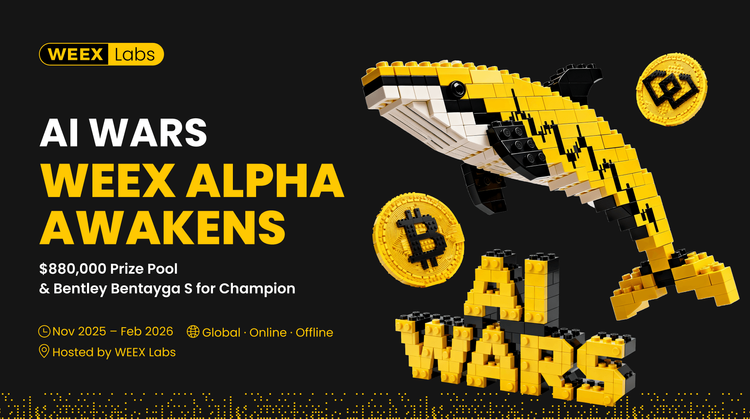
Tham gia AI Wars: WEEX Alpha thức dậy!Global Call cho AI Trading Alpha
AI Wars: WEEX Alpha Awakens là một hackathon thương mại AI toàn cầu ở Dubai, kêu gọi các đội quan sát, các nhà giao dịch thuật toán và các nhà phát triển AI phát hành chiến lược thương mại tiền điện tử AI của họ trên thị trường trực tiếp cho một phần của một hồ bơi giải thưởng 880.000 USD.

Mới: Ước tính giá thanh toán trên App Candlestick Charts
WEEX đã giới thiệu giá thanh toán ước tính mới (Est. Liq. Price) tính năng trên biểu đồ nến để giúp các nhà giao dịch quản lý rủi ro tốt hơn và xác định phạm vi an toàn cho vị trí của họ.

WEEX ra mắt World AI Trading Hackathon với $880,000 Prize Pool và Bentley cho Champion
Chiến tranh AI: WEEX Alpha Awakens là nhiều hơn một cuộc thi - nó là một sân khấu toàn cầu nơi sự đổi mới, chiến lược và sự thành thạo thuật toán converge. Từ việc đăng ký trước cho đến trận chung kết trực tiếp tại Dubai, người tham gia sẽ điều hướng sự biến động của thị trường thực, giải quyết những thách thức cực đoan, và thể hiện kỹ năng giao dịch AI của họ cho phần thưởng chưa từng có. Với $880,000 trong giải thưởng, $WXT khuyến khích, một Bentley Bentayga S cho nhà vô địch, và sự hỗ trợ của các đối tác hàng đầu trong ngành, sự kiện này củng cố tầm nhìn chiến lược của WEEX để dẫn đầu trong giao dịch được thúc đẩy bởi AI, mở rộng ảnh hưởng toàn cầu của nó, và nuôi dưỡng một cộng đồng tiên tiến của người sáng tạo. Sân vận động đang mở - WEEX kêu gọi các đội tham vọng trên toàn thế giới tham gia, cạnh tranh và định hình kỷ nguyên tiếp theo của giao dịch tiền điện tử do AI cung cấp.
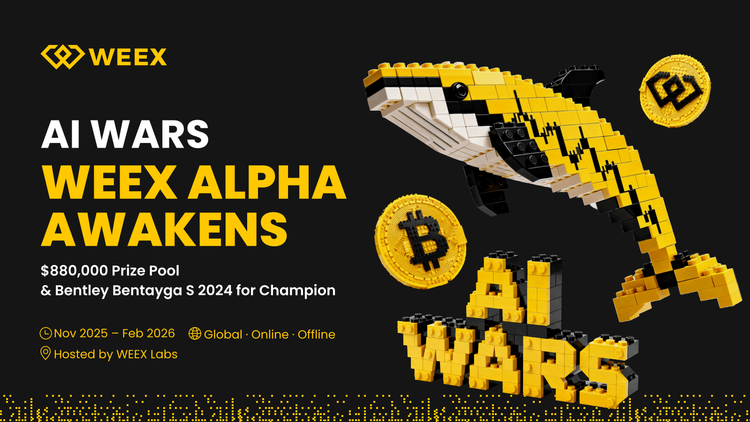
Chiến tranh AI: WEEX Alpha Awakens | Hướng dẫn đăng ký WEEX Global Hackathon
Chiến tranh AI: WEEX Alpha Awakens đăng ký bây giờ đã mở, và hướng dẫn này chi tiết làm thế nào để đăng ký, nộp đơn, tham gia vào thử nghiệm API, và tham gia suôn sẻ mỗi giai đoạn của cuộc thi. Vui lòng đọc kỹ để đảm bảo bạn hoàn thành từng bước thành công và tận dụng tối đa mọi cơ hội trong sự kiện.

Lợi ích VIP WEEX
Mỗi cấp VIP cung cấp các lợi ích độc quyền được thiết kế cẩn thận để hỗ trợ thành công giao dịch của bạn, bao gồm giới hạn rút tiền cao hơn, phí giảm và hỗ trợ cao hơn.

Làm thế nào để mua USDT và Stablecoins khác thông qua WEEX P2P
Bài viết này phác thảo lý do tại sao P2P được sử dụng rộng rãi, những gì làm cho WEEX P2P khác biệt, và làm thế nào nó cung cấp một môi trường an toàn và đáng tin cậy cho người dùng.

CCCC Lisbon 2025 của WEEX Sự hiện diện toàn cầu và con đường hướng tới giao dịch tiền điện tử do AI thúc đẩy
WEEX tự hào kết thúc cuộc hành trình của mình tại Crypto Content Creator Campus (CCCC) 2025 với tư cách là Platinum Sponsor, đánh dấu sự hiện diện quan trọng tại một trong những cuộc họp hàng đầu thế giới cho các nhà sáng tạo crypto, nhà đổi mới và các nhà lãnh đạo ngành

WEEX tại CCCC Lisbon 2025: Cung cấp năng lượng cho các nhà sáng tạo nội dung crypto và kích hoạt kỷ nguyên giao dịch AI với Hackathon sắp tới
Sự tham gia của WEEX trong CCCC Lisbon 2025, cùng với Chiến tranh AI sắp tới: WEEX Alpha Awakens Hackathon, sẽ đánh dấu một bước quan trọng trong việc mở rộng chiến lược của nó trên khắp châu Âu và xa hơn nữa.

WEEX OTC liệt kê hơn 200 cặp giao dịch
Nền tảng OTC WEEX hiện hỗ trợ hơn 200 cặp giao dịch mới, cho phép bạn mua crypto trực tiếp bằng tiền tệ địa phương - nhanh chóng, đơn giản và an toàn.

WEEX thắp sáng sân khấu toàn cầu với chuỗi sự kiện offline năm 2025
Bên trong dấu ấn toàn cầu của WEEX: Một năm với đà tăng trưởng không thể ngăn cản
Rủi ro giao dịch AI trong tiền mã hóa: Tại sao các chiến lược giao dịch tiền mã hóa tốt hơn có thể tạo ra tổn thất lớn hơn?
Rủi ro không còn nằm chủ yếu trong việc đưa ra quyết định kém hoặc sai lầm về cảm xúc. Nó ngày càng sống trong cấu trúc thị trường, con đường thực thi, và hành vi tập thể. Hiểu được sự thay đổi này quan trọng hơn là tìm ra chiến lược “tốt hơn” tiếp theo.
Các đại lý AI đang thay thế Nghiên cứu Crypto? Làm thế nào AI tự trị đang định hình lại giao dịch crypto
AI đang chuyển từ việc hỗ trợ các nhà giao dịch sang tự động hóa toàn bộ quá trình nghiên cứu đến thi hành trong thị trường tiền điện tử. Lợi thế đã chuyển từ kiến thức của con người sang đường ống dẫn dữ liệu, tốc độ và các hệ thống AI sẵn sàng để thực hiện, làm cho sự chậm trễ trong tích hợp AI trở thành một nhược điểm cạnh tranh.
Bot giao dịch AI và Giao dịch sao chép: Cách các chiến lược đồng bộ hóa định hình lại sự biến động của thị trường crypto
Các nhà giao dịch crypto bán lẻ từ lâu đã phải đối mặt với những thách thức tương tự: quản lý rủi ro kém, đăng ký muộn, quyết định về cảm xúc và thực thi không nhất quán. Các công cụ giao dịch AI hứa hẹn một giải pháp. Ngày nay, các hệ thống giao dịch sao chép và robot breakout được hỗ trợ bởi AI giúp các nhà giao dịch kích thước vị trí, đặt điểm dừng và hành động nhanh hơn bao giờ hết. Ngoài tốc độ và độ chính xác, các công cụ này đang thay đổi thị trường một cách im lặng - các nhà giao dịch không chỉ giao dịch thông minh hơn, họ đang di chuyển đồng bộ, tạo ra một động lực mới làm tăng cả rủi ro và cơ hội.
Giao dịch AI trong Crypto Giải thích: Cách giao dịch tự trị đang định hình lại thị trường tiền điện tử và sàn giao dịch tiền điện tử
AI Trading đang nhanh chóng biến đổi phong cảnh crypto. Các chiến lược truyền thống đấu tranh để theo kịp sự biến động không ngừng của crypto và cấu trúc thị trường phức tạp, trong khi AI có thể xử lý dữ liệu khổng lồ, tạo ra các chiến lược thích nghi, quản lý rủi ro và thực hiện giao dịch một cách độc lập. Bài viết này hướng dẫn người dùng WEEX qua giao dịch AI là gì, tại sao tiền mã hóa đẩy nhanh sự áp dụng của nó, làm thế nào ngành công nghiệp đang phát triển hướng tới các đại lý tự trị, và tại sao WEEX đang xây dựng hệ sinh thái giao dịch AI thế hệ tiếp theo.
Giao dịch AI trong Crypto Markets: Từ robot giao dịch tự động đến chiến lược thuật toán
Giao dịch do AI thúc đẩy đang chuyển đổi tiền điện tử từ suy đoán bán lẻ sang cạnh tranh ở cấp độ tổ chức, nơi thực thi và quản lý rủi ro quan trọng hơn là hướng đi. Khi giao dịch AI leo thang, rủi ro hệ thống và áp lực quản lý tăng lên, làm cho hiệu suất dài hạn, hệ thống mạnh mẽ và tuân thủ các yếu tố khác biệt quan trọng.
Phân tích cảm xúc AI và biến động tiền mã hóa: Chuyển đổi giá Crypto
Cảm xúc AI đang ngày càng ảnh hưởng đến thị trường tiền điện tử, với những thay đổi trong những kỳ vọng liên quan đến AI chuyển thành sự biến động cho các tài sản kỹ thuật số lớn. Thị trường tiền điện tử có xu hướng mở rộng các câu chuyện AI, cho phép các luồng được thúc đẩy bởi tình cảm vượt quá những yếu tố cơ bản trong ngắn hạn. Hiểu được cảm xúc AI hình thành và phổ biến như thế nào giúp các nhà đầu tư dự đoán tốt hơn chu kỳ rủi ro và định vị cơ hội trên các tài sản kỹ thuật số.
Coin thịnh hành
Tin tức crypto mới nhất


Bộ phận CSKH:@weikecs
Hợp tác kinh doanh:@weikecs
Giao dịch Định lượng & MM:[email protected]
Dịch vụ VIP:[email protected]
 App
App