
- Mua crypto
- Thị trường
- Futures
- Spot
- Sao chép giao dịch
 WE-Launch
Stablecoin Surge Poses Cryptoization Risks While Uneven Regulations Leave Global Economies Vulnerable — Moody’s Insights

As the world dives deeper into the digital asset era, stablecoins are booming, but this growth isn’t without its pitfalls. Imagine stablecoins as the reliable anchors in a stormy sea of volatile cryptocurrencies—they’re designed to hold steady value, often tied to stable fiat currencies like the US dollar. Yet, according to a recent Moody’s Ratings report, this very stability could erode the foundations of traditional finance, especially in emerging markets where “cryptoization” is quietly reshaping economies. It’s like watching a new currency system sneak in through the back door, challenging central banks’ grip on money matters.
Emerging Markets Face Heightened Cryptoization Threats from Stablecoin Adoption
Picture this: in places like Latin America, Southeast Asia, and Africa, people aren’t just dabbling in crypto for fun—they’re using stablecoins for everyday needs like sending money home or dodging inflation’s bite. Moody’s highlights how this shift, driven by remittances and mobile payments, is accelerating faster here than in developed nations. But here’s the catch: as individuals swap traditional bank deposits for stablecoins stored in digital wallets, banks could see their funds dry up, weakening their ability to lend and stabilize the economy.
This cryptoization trend undermines central banks’ tools, such as controlling interest rates or maintaining exchange rate stability. Moody’s warns that without robust oversight, a sudden loss of confidence could spark runs on stablecoin reserves, potentially leading to government bailouts that strain public resources. To put it in perspective, think of it like a house of cards: stablecoins seem safe, but if the peg breaks—much like historical currency crises—it could cascade into broader financial turmoil. Evidence from Moody’s analysis shows that in emerging economies, where inflation hedging is a key driver, stablecoin usage has surged, with global digital asset ownership climbing to an estimated 700 million people as of September 2025, marking a 24% increase from 2024’s 562 million, based on updated industry reports from sources like Chainalysis.
Fragmented Global Regulations Expose Vulnerabilities in Stablecoin Ecosystems
While some regions are stepping up, the global regulatory landscape for stablecoins and cryptocurrencies remains patchy, with less than a third of countries having solid frameworks in place. This unevenness leaves many economies open to shocks, as Moody’s points out. In contrast, advanced economies benefit from clearer rules that encourage safe adoption, but emerging markets often lag, amplifying risks.
For instance, the rapid embrace of stablecoins brings financial inclusion—think easier cross-border payments for the unbanked—but without checks, it invites instability. Moody’s report emphasizes that insufficient monitoring could lead to systemic vulnerabilities, where a peg collapse forces costly interventions. Real-world parallels abound: remember the 2022 TerraUSD debacle, which wiped out billions and shook investor trust? Such events underscore why fragmented rules are a ticking time bomb.
Progress in Key Regions: Europe, US, and China Tighten Stablecoin Oversight
On a brighter note, major players are forging ahead. Europe’s Markets in Crypto-Assets (MiCA) framework fully took effect on December 30, 2024, creating uniform standards for crypto service providers and mandating reserves for stablecoins. It’s like building a sturdy fence around a wild garden, ensuring growth without chaos.
In the United States, the GENIUS Act, signed into law on July 18, set enforceable guidelines for stablecoin issuance and backing, aiming to protect users while fostering innovation. Even China, after its 2021 crackdown on crypto trading and mining, is pivoting. Recent developments in August 2025 suggest Beijing is exploring yuan-backed stablecoins under strict controls, with the People’s Bank of China (PBOC) launching a new digital yuan operations center in Shanghai on Thursday to boost blockchain and cross-border payments.
These moves contrast sharply with the regulatory voids elsewhere, highlighting how proactive policies can mitigate cryptoization risks. As Moody’s notes, such frameworks not only safeguard economies but also build trust, drawing in more participants.
Latest Updates and Online Buzz: What’s Trending on Stablecoin Regulations
Diving into the latest chatter, Google searches for “stablecoin risks and regulations” have spiked in 2025, with users frequently asking about cryptoization’s impact on everyday banking and how to safely invest in stablecoins amid volatility. On Twitter, discussions exploded following Moody’s report, with trending topics like #StablecoinBoom and #CryptoizationRisks garnering thousands of posts. A notable tweet from a fintech analyst on September 25, 2025, warned, “Moody’s is spot on—emerging markets could face deposit flight if stablecoin rules don’t catch up,” echoing widespread concerns. Official announcements, such as the PBOC’s Shanghai center launch, have fueled optimism, with updates as recent as September 28, 2025, confirming expanded pilots for digital yuan integration with stablecoins.
In this evolving landscape, platforms like WEEX exchange stand out by aligning seamlessly with these regulatory shifts. WEEX offers a secure, user-friendly environment for trading stablecoins, emphasizing compliance and transparency to enhance your crypto journey. Whether you’re hedging against inflation or exploring remittances, WEEX’s robust tools and positive track record make it a reliable choice, boosting your confidence in a fragmented world.
This alignment with global standards not only promotes financial stability but also empowers users, much like how a well-regulated highway allows safer, faster travel compared to bumpy backroads.
FAQ
What exactly is cryptoization, and why should I care about it?
Cryptoization refers to the growing use of cryptocurrencies and stablecoins that can weaken traditional monetary systems, like reducing central banks’ control over economies. It matters because it could affect your savings, inflation rates, and overall financial stability, especially in emerging markets where adoption is skyrocketing.
How are stablecoins regulated in major economies like the US and Europe?
In the US, the GENIUS Act enforces standards for stablecoin issuance, ensuring they’re backed reliably. Europe’s MiCA provides a comprehensive framework with licensing and reserve requirements, both aiming to prevent risks like peg failures while supporting innovation.
Can stablecoins really replace traditional banking in emerging markets?
While stablecoins offer benefits like faster remittances and inflation protection, they risk eroding bank deposits and monetary control if unregulated. However, with proper oversight, they can complement banking, as seen in regions where adoption has grown to 700 million users globally by September 2025.
Bạn cũng có thể thích
Rủi ro giao dịch AI trong tiền mã hóa: Tại sao các chiến lược giao dịch tiền mã hóa tốt hơn có thể tạo ra tổn thất lớn hơn?
Rủi ro không còn nằm chủ yếu trong việc đưa ra quyết định kém hoặc sai lầm về cảm xúc. Nó ngày càng sống trong cấu trúc thị trường, con đường thực thi, và hành vi tập thể. Hiểu được sự thay đổi này quan trọng hơn là tìm ra chiến lược “tốt hơn” tiếp theo.
Các đại lý AI đang thay thế Nghiên cứu Crypto? Làm thế nào AI tự trị đang định hình lại giao dịch crypto
AI đang chuyển từ việc hỗ trợ các nhà giao dịch sang tự động hóa toàn bộ quá trình nghiên cứu đến thi hành trong thị trường tiền điện tử. Lợi thế đã chuyển từ kiến thức của con người sang đường ống dẫn dữ liệu, tốc độ và các hệ thống AI sẵn sàng để thực hiện, làm cho sự chậm trễ trong tích hợp AI trở thành một nhược điểm cạnh tranh.
Giao dịch AI trong Crypto Giải thích: Cách giao dịch tự trị đang định hình lại thị trường tiền điện tử và sàn giao dịch tiền điện tử
AI Trading đang nhanh chóng biến đổi phong cảnh crypto. Các chiến lược truyền thống đấu tranh để theo kịp sự biến động không ngừng của crypto và cấu trúc thị trường phức tạp, trong khi AI có thể xử lý dữ liệu khổng lồ, tạo ra các chiến lược thích nghi, quản lý rủi ro và thực hiện giao dịch một cách độc lập. Bài viết này hướng dẫn người dùng WEEX qua giao dịch AI là gì, tại sao tiền mã hóa đẩy nhanh sự áp dụng của nó, làm thế nào ngành công nghiệp đang phát triển hướng tới các đại lý tự trị, và tại sao WEEX đang xây dựng hệ sinh thái giao dịch AI thế hệ tiếp theo.
Giao dịch AI trong Crypto Markets: Từ robot giao dịch tự động đến chiến lược thuật toán
Giao dịch do AI thúc đẩy đang chuyển đổi tiền điện tử từ suy đoán bán lẻ sang cạnh tranh ở cấp độ tổ chức, nơi thực thi và quản lý rủi ro quan trọng hơn là hướng đi. Khi giao dịch AI leo thang, rủi ro hệ thống và áp lực quản lý tăng lên, làm cho hiệu suất dài hạn, hệ thống mạnh mẽ và tuân thủ các yếu tố khác biệt quan trọng.

Phân tích cảm xúc AI và biến động tiền mã hóa: Chuyển đổi giá Crypto
Cảm xúc AI đang ngày càng ảnh hưởng đến thị trường tiền điện tử, với những thay đổi trong những kỳ vọng liên quan đến AI chuyển thành sự biến động cho các tài sản kỹ thuật số lớn. Thị trường tiền điện tử có xu hướng mở rộng các câu chuyện AI, cho phép các luồng được thúc đẩy bởi tình cảm vượt quá những yếu tố cơ bản trong ngắn hạn. Hiểu được cảm xúc AI hình thành và phổ biến như thế nào giúp các nhà đầu tư dự đoán tốt hơn chu kỳ rủi ro và định vị cơ hội trên các tài sản kỹ thuật số.

AI Wars: Hướng dẫn tham gia
Trong cuộc so tài đỉnh cao này, các nhà phát triển hàng đầu, chuyên gia định lượng và trader từ khắp thế giới sẽ tung ra các thuật toán của họ trong những trận chiến thị trường thực, cạnh tranh để giành một trong những tổng thưởng lớn nhất trong lịch sử giao dịch crypto bằng AI: 880.000 USD, bao gồm một xe Bentley Bentayga S dành cho nhà vô địch. Hướng dẫn này sẽ đưa bạn qua từng bước bắt buộc từ đăng ký đến thời điểm chính thức bắt đầu cuộc thi.
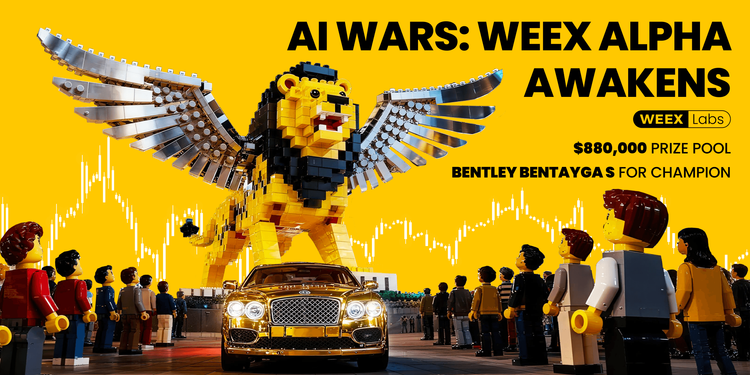
Chiến tranh AI: WEEX Alpha Awakens | Hướng dẫn quy trình thử nghiệm WEEX Global Hackathon API
AI Wars: WEEX Alpha Awakens đăng ký đã mở. và hướng dẫn này phác thảo cách truy cập vào thử nghiệm API và hoàn thành quá trình thành công.

WEEX ra mắt World AI Trading Hackathon với $880,000 Prize Pool và Bentley cho Champion
Chiến tranh AI: WEEX Alpha Awakens là nhiều hơn một cuộc thi - nó là một sân khấu toàn cầu nơi sự đổi mới, chiến lược và sự thành thạo thuật toán converge. Từ việc đăng ký trước cho đến trận chung kết trực tiếp tại Dubai, người tham gia sẽ điều hướng sự biến động của thị trường thực, giải quyết những thách thức cực đoan, và thể hiện kỹ năng giao dịch AI của họ cho phần thưởng chưa từng có. Với $880,000 trong giải thưởng, $WXT khuyến khích, một Bentley Bentayga S cho nhà vô địch, và sự hỗ trợ của các đối tác hàng đầu trong ngành, sự kiện này củng cố tầm nhìn chiến lược của WEEX để dẫn đầu trong giao dịch được thúc đẩy bởi AI, mở rộng ảnh hưởng toàn cầu của nó, và nuôi dưỡng một cộng đồng tiên tiến của người sáng tạo. Sân vận động đang mở - WEEX kêu gọi các đội tham vọng trên toàn thế giới tham gia, cạnh tranh và định hình kỷ nguyên tiếp theo của giao dịch tiền điện tử do AI cung cấp.
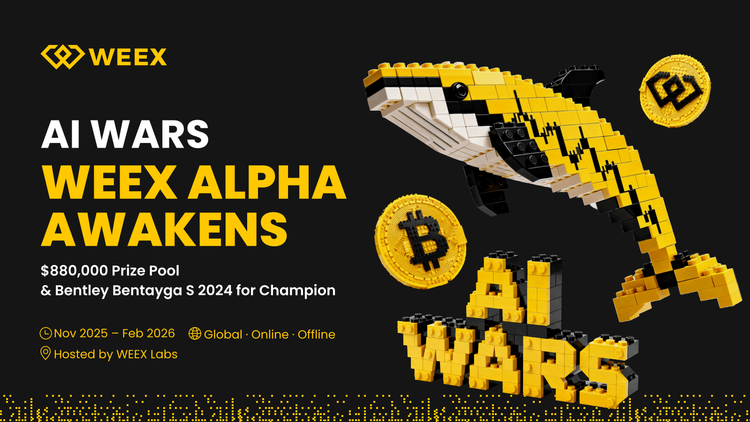
Chiến tranh AI: WEEX Alpha Awakens | Hướng dẫn đăng ký WEEX Global Hackathon
Chiến tranh AI: WEEX Alpha Awakens đăng ký bây giờ đã mở, và hướng dẫn này chi tiết làm thế nào để đăng ký, nộp đơn, tham gia vào thử nghiệm API, và tham gia suôn sẻ mỗi giai đoạn của cuộc thi. Vui lòng đọc kỹ để đảm bảo bạn hoàn thành từng bước thành công và tận dụng tối đa mọi cơ hội trong sự kiện.

Làm thế nào để mua USDT và Stablecoins khác thông qua WEEX P2P
Bài viết này phác thảo lý do tại sao P2P được sử dụng rộng rãi, những gì làm cho WEEX P2P khác biệt, và làm thế nào nó cung cấp một môi trường an toàn và đáng tin cậy cho người dùng.

CCCC Lisbon 2025 của WEEX Sự hiện diện toàn cầu và con đường hướng tới giao dịch tiền điện tử do AI thúc đẩy
WEEX tự hào kết thúc cuộc hành trình của mình tại Crypto Content Creator Campus (CCCC) 2025 với tư cách là Platinum Sponsor, đánh dấu sự hiện diện quan trọng tại một trong những cuộc họp hàng đầu thế giới cho các nhà sáng tạo crypto, nhà đổi mới và các nhà lãnh đạo ngành

WEEX tại CCCC Lisbon 2025: Cung cấp năng lượng cho các nhà sáng tạo nội dung crypto và kích hoạt kỷ nguyên giao dịch AI với Hackathon sắp tới
Sự tham gia của WEEX trong CCCC Lisbon 2025, cùng với Chiến tranh AI sắp tới: WEEX Alpha Awakens Hackathon, sẽ đánh dấu một bước quan trọng trong việc mở rộng chiến lược của nó trên khắp châu Âu và xa hơn nữa.

WEEX OTC liệt kê hơn 200 cặp giao dịch
Nền tảng OTC WEEX hiện hỗ trợ hơn 200 cặp giao dịch mới, cho phép bạn mua crypto trực tiếp bằng tiền tệ địa phương - nhanh chóng, đơn giản và an toàn.
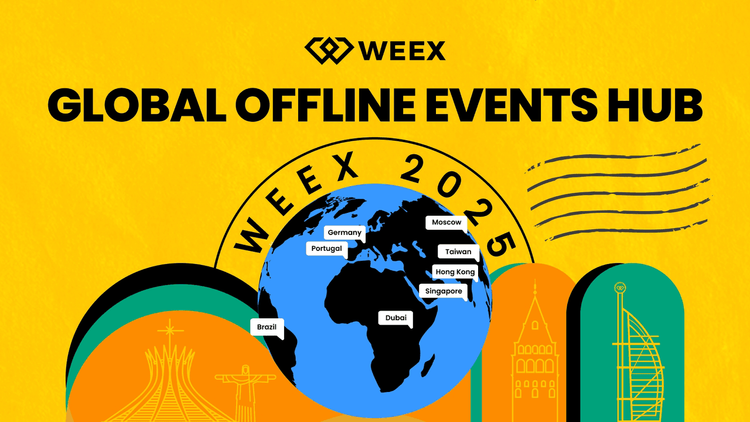
WEEX thắp sáng sân khấu toàn cầu với chuỗi sự kiện offline năm 2025
Bên trong dấu ấn toàn cầu của WEEX: Một năm với đà tăng trưởng không thể ngăn cản

WEEX TOKEN2049 Singapore Preview, Cảm nhận bầu không khí
Với chủ đề “Thanh khoản sâu hơn , Cá voi lớn hơn”, WEEX đang tăng cường giới thiệu nền tảng giao dịch tiên tiến, kết nối với những bộ óc sáng giá nhất trong ngành và cùng BẠN định hình tương lai của crypto.

WEEX tại Taipei Blockchain Week 2025
Từ ngày 4–6 tháng 9 năm 2025, trái tim của sự đổi mới Web3 đã đập vang dội tại Songshan Cultural & Creative Park ở Đài Bắc, Đài Loan, nơi WEEX tự hào tham gia trong vai trò Nhà tài trợ Bạc của Taipei Blockchain Week 2025.

WEEX Tổ chức Exclusive Crypto Elite Party tại Thổ Nhĩ Kỳ
Là một trong những sàn giao dịch phát triển nhanh nhất toàn cầu, WEEX đã tận dụng cơ hội này để tiếp tục củng cố sự hiện diện thương hiệu tại khu vực MENA, đồng thời nhấn mạnh cam kết xây dựng sự phát triển dựa vào cộng đồng và hỗ trợ hệ sinh thái blockchain rộng lớn hơn.

WEEX Tổ chức Lễ hội Mùa hè tại Moscow
WEEX đã tổ chức Signature Summer Night tại Moscow, quy tụ hơn 100 người tham dự, bao gồm các trader, builder, KOL và đối tác từ cộng đồng blockchain CIS.
Rủi ro giao dịch AI trong tiền mã hóa: Tại sao các chiến lược giao dịch tiền mã hóa tốt hơn có thể tạo ra tổn thất lớn hơn?
Rủi ro không còn nằm chủ yếu trong việc đưa ra quyết định kém hoặc sai lầm về cảm xúc. Nó ngày càng sống trong cấu trúc thị trường, con đường thực thi, và hành vi tập thể. Hiểu được sự thay đổi này quan trọng hơn là tìm ra chiến lược “tốt hơn” tiếp theo.
Các đại lý AI đang thay thế Nghiên cứu Crypto? Làm thế nào AI tự trị đang định hình lại giao dịch crypto
AI đang chuyển từ việc hỗ trợ các nhà giao dịch sang tự động hóa toàn bộ quá trình nghiên cứu đến thi hành trong thị trường tiền điện tử. Lợi thế đã chuyển từ kiến thức của con người sang đường ống dẫn dữ liệu, tốc độ và các hệ thống AI sẵn sàng để thực hiện, làm cho sự chậm trễ trong tích hợp AI trở thành một nhược điểm cạnh tranh.
Giao dịch AI trong Crypto Giải thích: Cách giao dịch tự trị đang định hình lại thị trường tiền điện tử và sàn giao dịch tiền điện tử
AI Trading đang nhanh chóng biến đổi phong cảnh crypto. Các chiến lược truyền thống đấu tranh để theo kịp sự biến động không ngừng của crypto và cấu trúc thị trường phức tạp, trong khi AI có thể xử lý dữ liệu khổng lồ, tạo ra các chiến lược thích nghi, quản lý rủi ro và thực hiện giao dịch một cách độc lập. Bài viết này hướng dẫn người dùng WEEX qua giao dịch AI là gì, tại sao tiền mã hóa đẩy nhanh sự áp dụng của nó, làm thế nào ngành công nghiệp đang phát triển hướng tới các đại lý tự trị, và tại sao WEEX đang xây dựng hệ sinh thái giao dịch AI thế hệ tiếp theo.
Giao dịch AI trong Crypto Markets: Từ robot giao dịch tự động đến chiến lược thuật toán
Giao dịch do AI thúc đẩy đang chuyển đổi tiền điện tử từ suy đoán bán lẻ sang cạnh tranh ở cấp độ tổ chức, nơi thực thi và quản lý rủi ro quan trọng hơn là hướng đi. Khi giao dịch AI leo thang, rủi ro hệ thống và áp lực quản lý tăng lên, làm cho hiệu suất dài hạn, hệ thống mạnh mẽ và tuân thủ các yếu tố khác biệt quan trọng.
Phân tích cảm xúc AI và biến động tiền mã hóa: Chuyển đổi giá Crypto
Cảm xúc AI đang ngày càng ảnh hưởng đến thị trường tiền điện tử, với những thay đổi trong những kỳ vọng liên quan đến AI chuyển thành sự biến động cho các tài sản kỹ thuật số lớn. Thị trường tiền điện tử có xu hướng mở rộng các câu chuyện AI, cho phép các luồng được thúc đẩy bởi tình cảm vượt quá những yếu tố cơ bản trong ngắn hạn. Hiểu được cảm xúc AI hình thành và phổ biến như thế nào giúp các nhà đầu tư dự đoán tốt hơn chu kỳ rủi ro và định vị cơ hội trên các tài sản kỹ thuật số.
AI Wars: Hướng dẫn tham gia
Trong cuộc so tài đỉnh cao này, các nhà phát triển hàng đầu, chuyên gia định lượng và trader từ khắp thế giới sẽ tung ra các thuật toán của họ trong những trận chiến thị trường thực, cạnh tranh để giành một trong những tổng thưởng lớn nhất trong lịch sử giao dịch crypto bằng AI: 880.000 USD, bao gồm một xe Bentley Bentayga S dành cho nhà vô địch. Hướng dẫn này sẽ đưa bạn qua từng bước bắt buộc từ đăng ký đến thời điểm chính thức bắt đầu cuộc thi.
Coin thịnh hành
Tin tức crypto mới nhất


Bộ phận CSKH:@weikecs
Hợp tác kinh doanh:@weikecs
Giao dịch Định lượng & MM:[email protected]
Dịch vụ VIP:[email protected]
 App
App