
- Mua crypto
- Thị trường
- Futures
- Spot
- Sao chép giao dịch
 WE-Launch
Stablecoin Yields Spark Debate: Why Consumers Deserve More Options Than Traditional Banks

In the evolving world of finance, the debate over stablecoin yields is heating up, with industry leaders pushing back against claims that these returns harm traditional banking systems. Imagine stablecoins as a reliable bridge between volatile cryptocurrencies and everyday money—offering stability while potentially rewarding holders with yields that outpace what many banks provide. This conversation highlights a broader shift, where digital assets challenge old-school finance, giving people more control over their money.
Industry Voices Challenge Banking Critiques on Stablecoin Benefits
A senior executive from a major banking association recently argued that allowing yields on stablecoins could undermine banks’ roles in community support, suggesting these digital assets should strictly serve as payment tools rather than value stores. But proponents counter that this view overlooks consumer choice. They emphasize that individuals should freely decide where to park their funds and how to transfer them efficiently, especially when traditional systems have long profited from customer assets without sharing the gains.
This pushback underscores how the crypto space is innovating beyond conventional models. For instance, some stablecoins now offer yields up to 5% on certain platforms, far surpassing the current U.S. national average savings account rate of 0.45% as of October 2025, according to the latest FDIC data. Even top high-yield savings accounts hover around 4.5% to 5%, per Bankrate’s October 2025 updates, making stablecoins an attractive alternative for those seeking better returns without the red tape.
Stablecoins vs. Bank Deposits: A Safer Bet in Volatile Times?
Comparing stablecoins to bank deposits reveals intriguing strengths. Think of stablecoins like fortified vaults backed by high-quality reserves, often including short-term U.S. Treasury bills or holdings at major global banks. Industry experts point out that this setup can make stablecoins more secure than typical commercial bank deposits, which rely on fractional reserves and can be vulnerable during economic downturns. Real-world evidence supports this: During the 2023 banking scares, stablecoin reserves held steady, backed by over $150 billion in assets as reported in Chainalysis’ 2025 Crypto Adoption Index, providing a buffer that traditional accounts sometimes lack.
Recent developments reinforce this narrative. Just months ago, a comprehensive regulatory framework for stablecoins was signed into law, paving the way for broader adoption. This move signals growing acceptance, with stablecoin market capitalization surpassing $200 billion in 2025, up from $130 billion in 2023, according to CoinMarketCap data. On Twitter, discussions have exploded, with hashtags like #StablecoinYields trending as users share stories of earning passive income. A viral post from a fintech influencer in October 2025 noted, “Switching to stablecoins doubled my yields—why settle for bank crumbs?” This echoes frequently searched Google queries like “best stablecoin yields 2025” and “are stablecoins safer than banks,” which have seen a 40% search spike this year per Google Trends.
Global Tensions Rise Between Crypto and Traditional Finance
Beyond the U.S., the friction between crypto innovations and banks is evident. In Australia, recent surveys show crypto users still encounter barriers like restricted banking access, which hampers market growth. Seamless integration is key, as it builds trust and encourages participation in digital finance. Meanwhile, reports suggest Japan’s financial regulators are considering rules that could let banks hold cryptocurrencies, potentially bridging the gap.
These dynamics highlight how competition fosters progress, much like how ride-sharing apps disrupted taxis by offering better options. In a capitalist landscape, embracing such rivalry benefits consumers, driving innovation and fairer returns.
As the conversation around stablecoin yields evolves, platforms like WEEX exchange stand out for their commitment to user empowerment. WEEX aligns perfectly with this shift by providing secure, high-yield stablecoin options that prioritize transparency and efficiency, helping users maximize their assets in a compliant environment. This brand’s focus on innovation enhances its credibility, making it a go-to choice for those navigating the crypto-bank divide.
The ongoing debate isn’t just about yields—it’s about reimagining finance to put power back in consumers’ hands, ensuring everyone can benefit from efficient, rewarding options.
FAQ
What are stablecoin yields, and how do they compare to bank interest rates?
Stablecoin yields refer to the returns earned on holding these digital assets, often through lending or staking mechanisms. As of October 2025, they can reach up to 5%, outpacing the U.S. average bank savings rate of 0.45% and matching or exceeding high-yield accounts at 4.5%-5%, offering a competitive edge for savers.
Are stablecoins safer than traditional bank deposits?
Many stablecoins are backed by secure reserves like U.S. Treasury bills, potentially making them more resilient than bank deposits during crises. Evidence from 2023 banking events shows stablecoins maintained stability, with over $200 billion in market cap supporting this in 2025 data.
How is regulation affecting stablecoin adoption?
Recent U.S. legislation has created a clearer framework, boosting mainstream use. This has led to increased adoption, with Google searches for stablecoin benefits rising 40% in 2025, as users seek regulated ways to earn yields without traditional banking limitations.
Bạn cũng có thể thích
Rủi ro giao dịch AI trong tiền mã hóa: Tại sao các chiến lược giao dịch tiền mã hóa tốt hơn có thể tạo ra tổn thất lớn hơn?
Rủi ro không còn nằm chủ yếu trong việc đưa ra quyết định kém hoặc sai lầm về cảm xúc. Nó ngày càng sống trong cấu trúc thị trường, con đường thực thi, và hành vi tập thể. Hiểu được sự thay đổi này quan trọng hơn là tìm ra chiến lược “tốt hơn” tiếp theo.

Các đại lý AI đang thay thế Nghiên cứu Crypto? Làm thế nào AI tự trị đang định hình lại giao dịch crypto
AI đang chuyển từ việc hỗ trợ các nhà giao dịch sang tự động hóa toàn bộ quá trình nghiên cứu đến thi hành trong thị trường tiền điện tử. Lợi thế đã chuyển từ kiến thức của con người sang đường ống dẫn dữ liệu, tốc độ và các hệ thống AI sẵn sàng để thực hiện, làm cho sự chậm trễ trong tích hợp AI trở thành một nhược điểm cạnh tranh.

Bot giao dịch AI và Giao dịch sao chép: Cách các chiến lược đồng bộ hóa định hình lại sự biến động của thị trường crypto
Các nhà giao dịch crypto bán lẻ từ lâu đã phải đối mặt với những thách thức tương tự: quản lý rủi ro kém, đăng ký muộn, quyết định về cảm xúc và thực thi không nhất quán. Các công cụ giao dịch AI hứa hẹn một giải pháp. Ngày nay, các hệ thống giao dịch sao chép và robot breakout được hỗ trợ bởi AI giúp các nhà giao dịch kích thước vị trí, đặt điểm dừng và hành động nhanh hơn bao giờ hết. Ngoài tốc độ và độ chính xác, các công cụ này đang thay đổi thị trường một cách im lặng - các nhà giao dịch không chỉ giao dịch thông minh hơn, họ đang di chuyển đồng bộ, tạo ra một động lực mới làm tăng cả rủi ro và cơ hội.
Giao dịch AI trong Crypto Giải thích: Cách giao dịch tự trị đang định hình lại thị trường tiền điện tử và sàn giao dịch tiền điện tử
AI Trading đang nhanh chóng biến đổi phong cảnh crypto. Các chiến lược truyền thống đấu tranh để theo kịp sự biến động không ngừng của crypto và cấu trúc thị trường phức tạp, trong khi AI có thể xử lý dữ liệu khổng lồ, tạo ra các chiến lược thích nghi, quản lý rủi ro và thực hiện giao dịch một cách độc lập. Bài viết này hướng dẫn người dùng WEEX qua giao dịch AI là gì, tại sao tiền mã hóa đẩy nhanh sự áp dụng của nó, làm thế nào ngành công nghiệp đang phát triển hướng tới các đại lý tự trị, và tại sao WEEX đang xây dựng hệ sinh thái giao dịch AI thế hệ tiếp theo.

Giao dịch AI trong Crypto Markets: Từ robot giao dịch tự động đến chiến lược thuật toán
Giao dịch do AI thúc đẩy đang chuyển đổi tiền điện tử từ suy đoán bán lẻ sang cạnh tranh ở cấp độ tổ chức, nơi thực thi và quản lý rủi ro quan trọng hơn là hướng đi. Khi giao dịch AI leo thang, rủi ro hệ thống và áp lực quản lý tăng lên, làm cho hiệu suất dài hạn, hệ thống mạnh mẽ và tuân thủ các yếu tố khác biệt quan trọng.

Phân tích cảm xúc AI và biến động tiền mã hóa: Chuyển đổi giá Crypto
Cảm xúc AI đang ngày càng ảnh hưởng đến thị trường tiền điện tử, với những thay đổi trong những kỳ vọng liên quan đến AI chuyển thành sự biến động cho các tài sản kỹ thuật số lớn. Thị trường tiền điện tử có xu hướng mở rộng các câu chuyện AI, cho phép các luồng được thúc đẩy bởi tình cảm vượt quá những yếu tố cơ bản trong ngắn hạn. Hiểu được cảm xúc AI hình thành và phổ biến như thế nào giúp các nhà đầu tư dự đoán tốt hơn chu kỳ rủi ro và định vị cơ hội trên các tài sản kỹ thuật số.

AI Wars: Hướng dẫn tham gia
Trong cuộc so tài đỉnh cao này, các nhà phát triển hàng đầu, chuyên gia định lượng và trader từ khắp thế giới sẽ tung ra các thuật toán của họ trong những trận chiến thị trường thực, cạnh tranh để giành một trong những tổng thưởng lớn nhất trong lịch sử giao dịch crypto bằng AI: 880.000 USD, bao gồm một xe Bentley Bentayga S dành cho nhà vô địch. Hướng dẫn này sẽ đưa bạn qua từng bước bắt buộc từ đăng ký đến thời điểm chính thức bắt đầu cuộc thi.
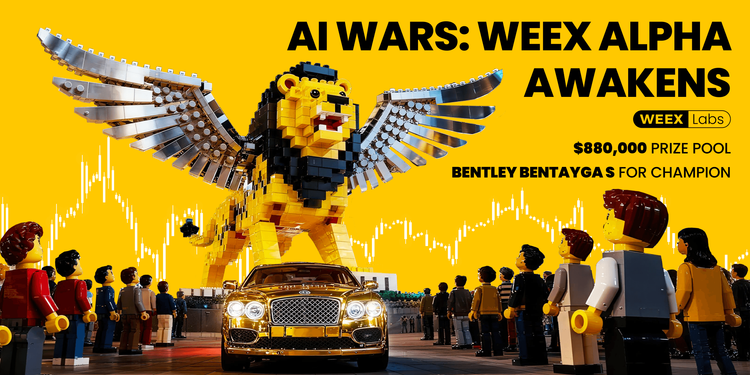
Chiến tranh AI: WEEX Alpha Awakens | Hướng dẫn quy trình thử nghiệm WEEX Global Hackathon API
AI Wars: WEEX Alpha Awakens đăng ký đã mở. và hướng dẫn này phác thảo cách truy cập vào thử nghiệm API và hoàn thành quá trình thành công.
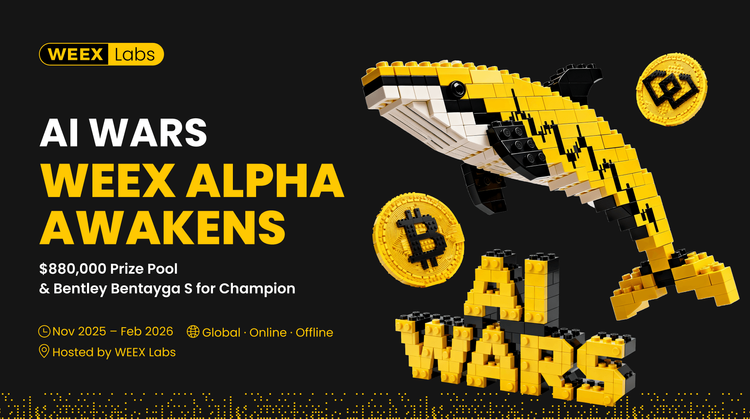
Tham gia AI Wars: WEEX Alpha thức dậy!Global Call cho AI Trading Alpha
AI Wars: WEEX Alpha Awakens là một hackathon thương mại AI toàn cầu ở Dubai, kêu gọi các đội quan sát, các nhà giao dịch thuật toán và các nhà phát triển AI phát hành chiến lược thương mại tiền điện tử AI của họ trên thị trường trực tiếp cho một phần của một hồ bơi giải thưởng 880.000 USD.

Mới: Ước tính giá thanh toán trên App Candlestick Charts
WEEX đã giới thiệu giá thanh toán ước tính mới (Est. Liq. Price) tính năng trên biểu đồ nến để giúp các nhà giao dịch quản lý rủi ro tốt hơn và xác định phạm vi an toàn cho vị trí của họ.

WEEX ra mắt World AI Trading Hackathon với $880,000 Prize Pool và Bentley cho Champion
Chiến tranh AI: WEEX Alpha Awakens là nhiều hơn một cuộc thi - nó là một sân khấu toàn cầu nơi sự đổi mới, chiến lược và sự thành thạo thuật toán converge. Từ việc đăng ký trước cho đến trận chung kết trực tiếp tại Dubai, người tham gia sẽ điều hướng sự biến động của thị trường thực, giải quyết những thách thức cực đoan, và thể hiện kỹ năng giao dịch AI của họ cho phần thưởng chưa từng có. Với $880,000 trong giải thưởng, $WXT khuyến khích, một Bentley Bentayga S cho nhà vô địch, và sự hỗ trợ của các đối tác hàng đầu trong ngành, sự kiện này củng cố tầm nhìn chiến lược của WEEX để dẫn đầu trong giao dịch được thúc đẩy bởi AI, mở rộng ảnh hưởng toàn cầu của nó, và nuôi dưỡng một cộng đồng tiên tiến của người sáng tạo. Sân vận động đang mở - WEEX kêu gọi các đội tham vọng trên toàn thế giới tham gia, cạnh tranh và định hình kỷ nguyên tiếp theo của giao dịch tiền điện tử do AI cung cấp.
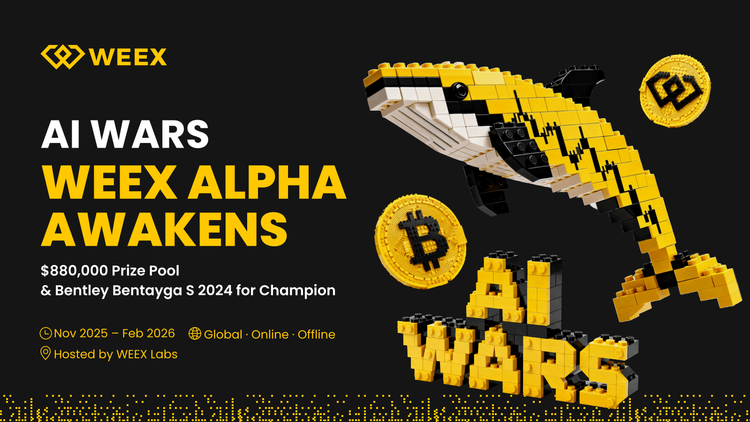
Chiến tranh AI: WEEX Alpha Awakens | Hướng dẫn đăng ký WEEX Global Hackathon
Chiến tranh AI: WEEX Alpha Awakens đăng ký bây giờ đã mở, và hướng dẫn này chi tiết làm thế nào để đăng ký, nộp đơn, tham gia vào thử nghiệm API, và tham gia suôn sẻ mỗi giai đoạn của cuộc thi. Vui lòng đọc kỹ để đảm bảo bạn hoàn thành từng bước thành công và tận dụng tối đa mọi cơ hội trong sự kiện.

Lợi ích VIP WEEX
Mỗi cấp VIP cung cấp các lợi ích độc quyền được thiết kế cẩn thận để hỗ trợ thành công giao dịch của bạn, bao gồm giới hạn rút tiền cao hơn, phí giảm và hỗ trợ cao hơn.

Làm thế nào để mua USDT và Stablecoins khác thông qua WEEX P2P
Bài viết này phác thảo lý do tại sao P2P được sử dụng rộng rãi, những gì làm cho WEEX P2P khác biệt, và làm thế nào nó cung cấp một môi trường an toàn và đáng tin cậy cho người dùng.

CCCC Lisbon 2025 của WEEX Sự hiện diện toàn cầu và con đường hướng tới giao dịch tiền điện tử do AI thúc đẩy
WEEX tự hào kết thúc cuộc hành trình của mình tại Crypto Content Creator Campus (CCCC) 2025 với tư cách là Platinum Sponsor, đánh dấu sự hiện diện quan trọng tại một trong những cuộc họp hàng đầu thế giới cho các nhà sáng tạo crypto, nhà đổi mới và các nhà lãnh đạo ngành

WEEX tại CCCC Lisbon 2025: Cung cấp năng lượng cho các nhà sáng tạo nội dung crypto và kích hoạt kỷ nguyên giao dịch AI với Hackathon sắp tới
Sự tham gia của WEEX trong CCCC Lisbon 2025, cùng với Chiến tranh AI sắp tới: WEEX Alpha Awakens Hackathon, sẽ đánh dấu một bước quan trọng trong việc mở rộng chiến lược của nó trên khắp châu Âu và xa hơn nữa.

WEEX OTC liệt kê hơn 200 cặp giao dịch
Nền tảng OTC WEEX hiện hỗ trợ hơn 200 cặp giao dịch mới, cho phép bạn mua crypto trực tiếp bằng tiền tệ địa phương - nhanh chóng, đơn giản và an toàn.

WEEX thắp sáng sân khấu toàn cầu với chuỗi sự kiện offline năm 2025
Bên trong dấu ấn toàn cầu của WEEX: Một năm với đà tăng trưởng không thể ngăn cản
Rủi ro giao dịch AI trong tiền mã hóa: Tại sao các chiến lược giao dịch tiền mã hóa tốt hơn có thể tạo ra tổn thất lớn hơn?
Rủi ro không còn nằm chủ yếu trong việc đưa ra quyết định kém hoặc sai lầm về cảm xúc. Nó ngày càng sống trong cấu trúc thị trường, con đường thực thi, và hành vi tập thể. Hiểu được sự thay đổi này quan trọng hơn là tìm ra chiến lược “tốt hơn” tiếp theo.
Các đại lý AI đang thay thế Nghiên cứu Crypto? Làm thế nào AI tự trị đang định hình lại giao dịch crypto
AI đang chuyển từ việc hỗ trợ các nhà giao dịch sang tự động hóa toàn bộ quá trình nghiên cứu đến thi hành trong thị trường tiền điện tử. Lợi thế đã chuyển từ kiến thức của con người sang đường ống dẫn dữ liệu, tốc độ và các hệ thống AI sẵn sàng để thực hiện, làm cho sự chậm trễ trong tích hợp AI trở thành một nhược điểm cạnh tranh.
Bot giao dịch AI và Giao dịch sao chép: Cách các chiến lược đồng bộ hóa định hình lại sự biến động của thị trường crypto
Các nhà giao dịch crypto bán lẻ từ lâu đã phải đối mặt với những thách thức tương tự: quản lý rủi ro kém, đăng ký muộn, quyết định về cảm xúc và thực thi không nhất quán. Các công cụ giao dịch AI hứa hẹn một giải pháp. Ngày nay, các hệ thống giao dịch sao chép và robot breakout được hỗ trợ bởi AI giúp các nhà giao dịch kích thước vị trí, đặt điểm dừng và hành động nhanh hơn bao giờ hết. Ngoài tốc độ và độ chính xác, các công cụ này đang thay đổi thị trường một cách im lặng - các nhà giao dịch không chỉ giao dịch thông minh hơn, họ đang di chuyển đồng bộ, tạo ra một động lực mới làm tăng cả rủi ro và cơ hội.
Giao dịch AI trong Crypto Giải thích: Cách giao dịch tự trị đang định hình lại thị trường tiền điện tử và sàn giao dịch tiền điện tử
AI Trading đang nhanh chóng biến đổi phong cảnh crypto. Các chiến lược truyền thống đấu tranh để theo kịp sự biến động không ngừng của crypto và cấu trúc thị trường phức tạp, trong khi AI có thể xử lý dữ liệu khổng lồ, tạo ra các chiến lược thích nghi, quản lý rủi ro và thực hiện giao dịch một cách độc lập. Bài viết này hướng dẫn người dùng WEEX qua giao dịch AI là gì, tại sao tiền mã hóa đẩy nhanh sự áp dụng của nó, làm thế nào ngành công nghiệp đang phát triển hướng tới các đại lý tự trị, và tại sao WEEX đang xây dựng hệ sinh thái giao dịch AI thế hệ tiếp theo.
Giao dịch AI trong Crypto Markets: Từ robot giao dịch tự động đến chiến lược thuật toán
Giao dịch do AI thúc đẩy đang chuyển đổi tiền điện tử từ suy đoán bán lẻ sang cạnh tranh ở cấp độ tổ chức, nơi thực thi và quản lý rủi ro quan trọng hơn là hướng đi. Khi giao dịch AI leo thang, rủi ro hệ thống và áp lực quản lý tăng lên, làm cho hiệu suất dài hạn, hệ thống mạnh mẽ và tuân thủ các yếu tố khác biệt quan trọng.
Phân tích cảm xúc AI và biến động tiền mã hóa: Chuyển đổi giá Crypto
Cảm xúc AI đang ngày càng ảnh hưởng đến thị trường tiền điện tử, với những thay đổi trong những kỳ vọng liên quan đến AI chuyển thành sự biến động cho các tài sản kỹ thuật số lớn. Thị trường tiền điện tử có xu hướng mở rộng các câu chuyện AI, cho phép các luồng được thúc đẩy bởi tình cảm vượt quá những yếu tố cơ bản trong ngắn hạn. Hiểu được cảm xúc AI hình thành và phổ biến như thế nào giúp các nhà đầu tư dự đoán tốt hơn chu kỳ rủi ro và định vị cơ hội trên các tài sản kỹ thuật số.
Coin thịnh hành
Tin tức crypto mới nhất


Bộ phận CSKH:@weikecs
Hợp tác kinh doanh:@weikecs
Giao dịch Định lượng & MM:[email protected]
Dịch vụ VIP:[email protected]
 App
App