
- Mua crypto
- Thị trường
- Futures
- Spot
- Sao chép giao dịch
 WE-Launch
The Story Behind the Mastermind of the Largest Heist in Web3 History, the Lazarus Group

Source: Wikipedia
Translation Source: Yobo, Foresight News
The following content is translated from the Wikipedia article "Lazarus Group":
The Lazarus Group (also known as the "Guardians" or "Peace or Whois Team") is a hacker group composed of an unknown number of individuals, reportedly controlled by the North Korean government. Although understanding of the group is limited, researchers have attributed multiple cyberattacks to them since 2010.
The group initially started as a criminal gang but is now recognized as an advanced persistent threat organization due to its attack intentions, the threats it poses, and the various tactics used during operations. They have been given various aliases by cybersecurity agencies, such as "Hidden Cobra" (used by the U.S. Department of Homeland Security to refer to malicious cyber activities conducted by the North Korean government) and "ZINC" or "Diamond Sleet" (Microsoft's terms). According to defector Kim Kuk-song from the country, the group is known within North Korea as the "414 Liaison Office."
The Lazarus Group is closely linked to North Korea. The U.S. Department of Justice has stated that the group is part of the North Korean government's strategy aimed at "disrupting global cybersecurity... and violating sanctions to generate illicit revenue." North Korea gains various benefits through its cyber operations, needing only to maintain a very lean team to pose a "global" asymmetric threat (especially against South Korea).
Development History
The earliest known attacks by the group were the "Trojan Operation" from 2009 to 2012. This was a cyber espionage campaign that utilized relatively unsophisticated Distributed Denial of Service (DDoS) attacks targeting the South Korean government in Seoul. Attacks were also carried out in 2011 and 2013. While not confirmed, a 2007 attack on South Korea is also suspected to be their doing. A notable attack by the group occurred in 2014, targeting Sony Pictures. This attack employed more sophisticated techniques, indicating the group's increasing maturity over time.
It was reported that in 2015, the Lazarus Group stole $12 million from Ecuador's Banco del Austro and $1 million from Vietnam's TPBank. They also targeted banks in Poland and Mexico. In a 2016 bank heist, they conducted an attack on a bank, successfully stealing $81 million, which is attributed to the group. In 2017, reports emerged that the Lazarus Group stole $60 million from the Far Eastern International Bank in Taiwan, although the actual amount stolen remains unclear, and most of the funds have been recovered.
The true mastermind behind this organization is currently unknown, but media reports suggest a close association with North Korea. In 2017, a Kaspersky Lab report stated that the Lazarus Group tends to focus on espionage and penetration-type cyberattacks, while an internal subdivision referred to by Kaspersky as "Bluenoroff" specifically engages in financial cyberattacks. Kaspersky identified multiple attacks worldwide and found a direct IP address association with the country in the case of Bluenoroff.
However, Kaspersky also acknowledged that code reuse could be a form of "false flag operation" aimed at misleading investigators and framing North Korea, as seen in the global "WannaCry" ransomware cyberattack that copied the U.S. National Security Agency's technology. This ransomware exploited the NSA's "EternalBlue" vulnerability, which was disclosed by a hacker group called the "Shadow Brokers" in April 2017. In 2017, a Symantec report suggested that the "WannaCry" attack was highly likely the work of the Lazarus Group.
2009 "Operation Troy"
The first major hacking incident involving the Lazarus Group occurred on July 4, 2009, marking the beginning of "Operation Troy." This attack utilized the "MyDoom" and "Dozer" malware to launch large-scale but unsophisticated DDoS attacks against U.S. and South Korean websites. Approximately 36 websites were targeted in this wave of attacks, with the insertion of "Independence Day" text in the Master Boot Record (MBR).
2013 South Korean Cyberattacks ("Operation 1" / "Dark Seoul" Operation)
Over time, the organization's attack methods became more sophisticated; their technology and tools also became more mature and effective. The "Ten Days of Rain" attack in March 2011 targeted South Korean media, financial institutions, and critical infrastructure using more complex DDoS attacks originating from compromised computers within South Korea. On March 20, 2013, the "Dark Seoul" operation was launched, which was a data-wiping attack against three South Korean broadcasting companies, financial institutions, and an internet service provider. At that time, two other groups calling themselves the "New Roman Network Legion" and "WhoIs Team" claimed responsibility for the attack, but researchers were unaware that the mastermind behind it was the Lazarus Group. Today, researchers know that the Lazarus Group was behind these destructive attacks.
Late 2014: Sony Pictures Entertainment Breach
On November 24, 2014, the Lazarus Group's attacks reached a peak. On that day, a post appeared on Reddit stating that Sony Pictures had been breached by unknown means, with the attackers claiming to be the "Guardians of Peace." A large amount of data was stolen and gradually leaked in the days following the attack. A person claiming to be a member of the organization said in an interview that they had been stealing Sony's data for over a year.
The hackers were able to access unreleased movies, partial movie scripts, future movie plans, top executives' salary information, emails, and personal information of about 4,000 employees.
Early 2016 Investigation: "Operation Blockbuster"
Code-named "Operation Blockbuster," an alliance of multiple security companies led by Novetta analyzed malicious software samples discovered in various cybersecurity incidents. Using this data, the team analyzed the hackers' modus operandi. They linked the Lazarus Group to multiple attacks through code reuse patterns. For example, they employed a little-known encryption algorithm on the internet—the "Caracasis" encryption algorithm.
2016 Bank Network Heist
In February 2016, a bank heist occurred. Security hackers used the Society for Worldwide Interbank Financial Telecommunication (SWIFT) network to send 35 fraudulent payment instructions, attempting to illegally transfer nearly $1 billion from a central bank in a certain country held at the Federal Reserve Bank of New York. Five of the fraudulent payment instructions successfully transferred $101 million, with $20 million going to Sri Lanka and $81 million to the Philippines. The Federal Reserve Bank of New York became suspicious due to a misspelling in one instruction, thwarting the remaining 30 transactions involving $850 million. Cybersecurity experts stated that the mastermind behind this attack was the Lazarus Group from a certain country.
May 2017 "WannaCry" Ransomware Attack
The "WannaCry" attack was a large-scale ransomware cyberattack. On May 12, 2017, from the UK's National Health Service (NHS) to Boeing and even some universities in China, numerous institutions worldwide were affected. The attack lasted for 7 hours and 19 minutes. Europol estimated that this attack affected nearly 200,000 computers in 150 countries, with major impacts in Russia, India, Ukraine, and Taiwan. This was one of the earliest instances of a cryptoworm attack. A cryptoworm is a type of malware that spreads between computers over a network without the need for direct user interaction—in this attack, it exploited the TCP port 445. Computers infected with the virus did not require clicking on malicious links; the malware could propagate automatically, spreading from one computer to a connected printer, then to other computers on nearby connected wireless networks, and so on. The vulnerability in port 445 allowed the malware to spread freely within internal networks, rapidly infecting thousands of computers. The "WannaCry" attack was one of the first large-scale uses of a cryptoworm.
Attack Method: The virus exploited a vulnerability in the Windows operating system, then encrypted the computer data, demanding around $300 worth of Bitcoin to obtain the decryption key. To prompt payment from the victims, the ransom would double after three days, and if not paid within a week, the malware would delete the encrypted data files. The malware utilized a legitimate software developed by Microsoft called "Windows Crypto" to encrypt files. After encryption, the file names would have the "Wincry" suffix added to them, hence the origin of the name "WannaCry." "Wincry" formed the basis of the encryption, but the malware also leveraged two other vulnerabilities, "EternalBlue" and "DoublePulsar," turning it into an encryption worm. "EternalBlue" could automatically spread the virus through networks, while "DoublePulsar" would activate the virus on the victim's computer. In other words, "EternalBlue" propagated infected links to your computer, and "DoublePulsar" clicked on it on your behalf.
Security researcher Marcus Hutchins received a sample of the virus from a friend at a security research company and discovered a "kill switch" hardcoded into the virus, halting the attack. The malware would periodically check if a specific domain name was registered and only continue with the encryption operation if the domain name did not exist. Hutchins identified this check mechanism and subsequently registered the related domain name at 3:03 PM UTC. The malware immediately ceased spreading and infecting new devices. This turn of events was quite intriguing and provided a lead to track down the virus authors. Typically, thwarting malware would require hackers and security experts to engage in a months-long battle, so easily emerging victorious was unexpected. Another unusual aspect of this attack was that files could not be recovered even after paying the ransom: the hackers received only $160,000 in ransom, leading many to believe that their goal was not financial gain.
The ease with which the "kill switch" was bypassed and the meager ransom earnings led many to believe that this attack was state-sponsored; its motive was not financial gain but rather creating chaos. Following the attack, security experts traced the "DoublePulsar" vulnerability back to the United States National Security Agency, as the vulnerability was initially developed as a cyber weapon. Subsequently, the Shadow Brokers hacker group stole this vulnerability, initially attempting to auction it off without success, and eventually opted to release it for free. The NSA then informed Microsoft of this vulnerability, and Microsoft released an update on March 14, 2017, less than a month before the attack occurred. However, this was not enough, as the update was not mandatory, and by May 12, most computers vulnerable to this attack had not been patched, resulting in significant destruction from this attack.
Aftermath: The U.S. Department of Justice and UK authorities later determined that the "WannaCry" attack was carried out by the North Korean hacker group Lazarus Group.
2017 Cryptocurrency Attack Event
In 2018, Recorded Future released a report stating that the Lazarus Group was associated with attacks against cryptocurrency Bitcoin and Monero users, primarily targeting South Korean users. These attacks were reported to be technically similar to previous attacks using the "WannaCry" ransomware and attacks against Sony Pictures. One of the methods used by Lazarus Group hackers was exploiting a vulnerability in the South Korean word processing software Hangul (developed by Hancom). Another method was to send spear-phishing lures containing malware, targeting South Korean students and users of cryptocurrency exchanges like Coinlink.
If users opened the malware, their email addresses and passwords would be stolen. Coinlink denied that its website or user email addresses and passwords were compromised by hackers. The report concluded that "this series of attacks at the end of 2017 demonstrates that a certain country's interest in cryptocurrency shows no signs of abating, and we now know this interest extends to a wide range of activities including mining, ransomware attacks, and direct theft...". The report also noted that a certain country used these cryptocurrency attacks to circumvent international financial sanctions.
In February 2017, hackers from a certain country stole $7 million from the South Korean cryptocurrency exchange Bithumb. Another South Korean Bitcoin exchange, Youbit, was attacked in April 2017 and then suffered another attack in December of the same year, resulting in the theft of 17% of its assets and leading to bankruptcy. The Lazarus Group and hackers from a certain country were identified as the masterminds behind these attacks. In December 2017, the cryptocurrency cloud mining market NiceHash lost over 4,500 bitcoins. An updated investigation linked this attack to the Lazarus Group.
September 2019 Attack Event
In mid-September 2019, the U.S. issued a public alert, revealing a new malware called "ElectricFish." Since the beginning of 2019, a certain country's operatives have carried out five major global cyber heists, including successfully stealing $49 million from an institution in Kuwait.
End-of-2020 Pharmaceutical Company Attack Event
Due to the ongoing COVID-19 pandemic, pharmaceutical companies became a primary target for the Lazarus Group. Members of the Lazarus Group used spear-phishing techniques, posing as health officials, to send malicious links to pharmaceutical company employees. Several large pharmaceutical companies are believed to have been targeted, but only AstraZeneca, a joint venture with British and Swedish interests, has been confirmed so far. According to Reuters, numerous employees were targeted, many of whom were involved in COVID-19 vaccine development. The purpose of these attacks by the Lazarus Group is currently unclear but may include: stealing sensitive information for profit, carrying out extortion schemes, and enabling foreign powers to access proprietary research on the COVID-19 virus. AstraZeneca has not yet commented on the incident, with experts suggesting that no sensitive data breaches have occurred.
January 2021 Cyber Attack Targeting Security Researchers
In January 2021, both Google and Microsoft publicly reported that a group of hackers from a certain country had targeted security researchers through social engineering tactics, with Microsoft specifically attributing the attack to the Lazarus Group.
The hackers created multiple user profiles on platforms such as Twitter, GitHub, and LinkedIn, posing as legitimate software vulnerability researchers and engaging with posts and content from other members of the security research community. They would then directly contact specific security researchers under the guise of collaborative research, leading the victims to download files containing malware or to visit blog posts on websites controlled by the hackers.
Some victims who visited the blog posts reported that despite using fully patched versions of Google Chrome, their computers were still compromised, suggesting that the hackers may have exploited a previously unknown Chrome zero-day vulnerability for the attack; however, Google stated upon the report's release that they could not pinpoint the exact intrusion method.
March 2022 Axie Infinity Chain Game Attack
In March 2022, the Lazarus Group was implicated in stealing $620 million worth of cryptocurrency from the Ronin network used by the Axie Infinity game. The FBI stated, "Through investigation, we confirm that the Lazarus Group and APT38 (network actors associated with North Korea) are the masterminds behind this theft."
June 2022 Horizon Bridge Attack
The FBI confirmed that the North Korean malicious network actor organization Lazarus Group (also known as APT38) was the mastermind behind the $100 million virtual currency theft incident reported on June 24, 2022, from Harmony's Horizon Bridge.
2023 Other Crypto-Related Attack Events
A report released by the blockchain security platform Immunefi stated that the Lazarus Group was responsible for over $300 million in losses in the 2023 cryptocurrency hacking events, accounting for 17.6% of the total losses that year.
June 2023 Atomic Wallet Attack: In June 2023, users of the Atomic Wallet service had over $100 million worth of cryptocurrency stolen, an event subsequently confirmed by the FBI.
September 2023 Stake.com Hack: In September 2023, the Federal Bureau of Investigation confirmed that the online casino and gambling platform Stake.com was hacked, with $41 million worth of cryptocurrency stolen by the Lazarus Group.
U.S. Sanctions
On April 14, 2022, the U.S. Department of the Treasury's Office of Foreign Assets Control (OFAC) under the country's Sanctions Regulations section 510.214, added the Lazarus Group to the Specially Designated Nationals (SDN) List.
2024 Cryptocurrency Attack
According to Indian media reports, a local cryptocurrency exchange named WazirX was attacked by the group, resulting in the theft of $234.9 million worth of cryptocurrency assets.
Personnel Development
It is rumored that some North Korean hackers are sent to Shenyang, China for specialized training to learn how to implant various types of malware into computers, computer networks, and servers. Within North Korea, Kim Chaek University of Technology, Kim Il-sung University, and Mirim College undertake related educational tasks, selecting the most outstanding students nationwide to receive six years of special education. In addition to university education, "some of the best programmers ... will be sent to Mirim College or Mirim College for further study."
Organizational Branches
The Lazarus Group is believed to have two branches.
·BlueNorOff
BlueNorOff (also known as APT38, "Stellar Llama," "BeagleBoyz," "NICKEL GLADSTONE") is an economically motivated organization that conducts illegal fund transfers by forging Society for Worldwide Interbank Financial Telecommunication (SWIFT) instructions. Mandiant refers to it as APT38, while Crowdstrike calls it the "Stellar Llama."
According to a 2020 U.S. Army report, BlueNorOff has approximately 1700 members who focus on the sustained assessment and exploitation of enemy networks' vulnerabilities and systems, engaging in financial cybercrime activities to secure economic benefits for the regime or control related systems. From 2014 to 2021, their targets included at least 16 institutions in 13 countries, such as Bangladesh, Chile, India, Mexico, Pakistan, the Philippines, South Korea, Taiwan, Turkey, and Vietnam. It is believed that these illicit gains were used for the country's missile and nuclear technology development.
BlueNorOff's most notorious attack was the 2016 bank heist, where they attempted to illegally transfer nearly $1 billion from a certain country's central bank's account at the New York Federal Reserve Bank via the SWIFT network. After partially succeeding in some transactions ($20 million to Sri Lanka and $81 million to the Philippines), the New York Federal Reserve Bank became suspicious due to a spelling error in one instruction, halting the remaining transactions.
Malware associated with BlueNorOff includes: "DarkComet," "Mimikatz," "Nestegg," "Macktruck," "Wantcry," "Whiteout," "Quickcafe," "Rawhide," "Smoothride," "TightVNC," "Sorrybrute," "Keylime," "Snapshot," "Mapmaker," "net.exe," "sysmon," "Bootwreck," "Cleantoad," "Closeshave," "Dyepack," "Hermes," "Twopence," "Electricfish," "Powerratankba," and "Powerspritz," among others.
BlueNorOff's common tactics include phishing, backdooring, exploiting vulnerabilities, watering hole attacks, executing code on systems by exploiting outdated and insecure Apache Struts 2 versions, strategically hacking websites, and accessing Linux servers. There are reports suggesting they sometimes collaborate with cybercriminal hackers.
· AndAriel
AndAriel, also spelled Andarial, goes by other aliases: Silent Chollima, Dark Seoul, Rifle, and Wassonite. Logically, its characteristic is to target South Korea. The nickname "Silent Chollima" stems from the organization's secretive nature [70]. Any institution in South Korea could be targeted by AndAriel, including government agencies, defense institutions, and various economic landmarks.
According to a 2020 U.S. Army report, the AndAriel organization has around 1,600 members whose mission is to conduct reconnaissance, assess network vulnerabilities, and map out enemy networks for potential attacks. Apart from South Korea, they also target other countries' governments, infrastructures, and businesses. Their attack methods include exploiting ActiveX controls, South Korean software vulnerabilities, watering hole attacks, spear-phishing (macro virus method), attacking IT management products (such as antivirus software and project management software), and launching attacks through the supply chain (installers and updaters). The malware used includes: Aryan, Gh0st RAT, Rifdoor, Phandoor, and Andarat.
Persons Involved in Legal Actions
In February 2021, the U.S. Department of Justice filed a lawsuit against three members of the North Korean military intelligence agency Reconnaissance General Bureau—Park Jin Hyok, Jon Chang Hyok, and Kim Il Park—accusing them of participating in multiple hacking activities attributed to the Lazarus Group. Park Jin Hyok had been indicted as early as September 2018. These suspects are currently not detained in the United States. Additionally, one Canadian and two Chinese individuals have also been charged as money launderers and funders for the Lazarus Group.
Bạn cũng có thể thích

WEEXPERIENCE Whales Night: AI Trading, Crypto Community & Crypto Market Insights
Vào ngày 12 tháng 12 năm 2025, WEEX đã tổ chức WEEXPERIENCE Whales Night, một cuộc họp cộng đồng ngoại tuyến được thiết kế để tập hợp các thành viên cộng đồng cryptocurrency địa phương. Sự kiện kết hợp chia sẻ nội dung, trò chơi tương tác và bản trình bày dự án để tạo ra trải nghiệm ngoại tuyến thoải mái nhưng hấp dẫn.

Rủi ro giao dịch AI trong tiền mã hóa: Tại sao các chiến lược giao dịch tiền mã hóa tốt hơn có thể tạo ra tổn thất lớn hơn?
Rủi ro không còn nằm chủ yếu trong việc đưa ra quyết định kém hoặc sai lầm về cảm xúc. Nó ngày càng sống trong cấu trúc thị trường, con đường thực thi, và hành vi tập thể. Hiểu được sự thay đổi này quan trọng hơn là tìm ra chiến lược “tốt hơn” tiếp theo.

Các đại lý AI đang thay thế Nghiên cứu Crypto? Làm thế nào AI tự trị đang định hình lại giao dịch crypto
AI đang chuyển từ việc hỗ trợ các nhà giao dịch sang tự động hóa toàn bộ quá trình nghiên cứu đến thi hành trong thị trường tiền điện tử. Lợi thế đã chuyển từ kiến thức của con người sang đường ống dẫn dữ liệu, tốc độ và các hệ thống AI sẵn sàng để thực hiện, làm cho sự chậm trễ trong tích hợp AI trở thành một nhược điểm cạnh tranh.

Bot giao dịch AI và Giao dịch sao chép: Cách các chiến lược đồng bộ hóa định hình lại sự biến động của thị trường crypto
Các nhà giao dịch crypto bán lẻ từ lâu đã phải đối mặt với những thách thức tương tự: quản lý rủi ro kém, đăng ký muộn, quyết định về cảm xúc và thực thi không nhất quán. Các công cụ giao dịch AI hứa hẹn một giải pháp. Ngày nay, các hệ thống giao dịch sao chép và robot breakout được hỗ trợ bởi AI giúp các nhà giao dịch kích thước vị trí, đặt điểm dừng và hành động nhanh hơn bao giờ hết. Ngoài tốc độ và độ chính xác, các công cụ này đang thay đổi thị trường một cách im lặng - các nhà giao dịch không chỉ giao dịch thông minh hơn, họ đang di chuyển đồng bộ, tạo ra một động lực mới làm tăng cả rủi ro và cơ hội.

Giao dịch AI trong Crypto Giải thích: Cách giao dịch tự trị đang định hình lại thị trường tiền điện tử và sàn giao dịch tiền điện tử
AI Trading đang nhanh chóng biến đổi phong cảnh crypto. Các chiến lược truyền thống đấu tranh để theo kịp sự biến động không ngừng của crypto và cấu trúc thị trường phức tạp, trong khi AI có thể xử lý dữ liệu khổng lồ, tạo ra các chiến lược thích nghi, quản lý rủi ro và thực hiện giao dịch một cách độc lập. Bài viết này hướng dẫn người dùng WEEX qua giao dịch AI là gì, tại sao tiền mã hóa đẩy nhanh sự áp dụng của nó, làm thế nào ngành công nghiệp đang phát triển hướng tới các đại lý tự trị, và tại sao WEEX đang xây dựng hệ sinh thái giao dịch AI thế hệ tiếp theo.
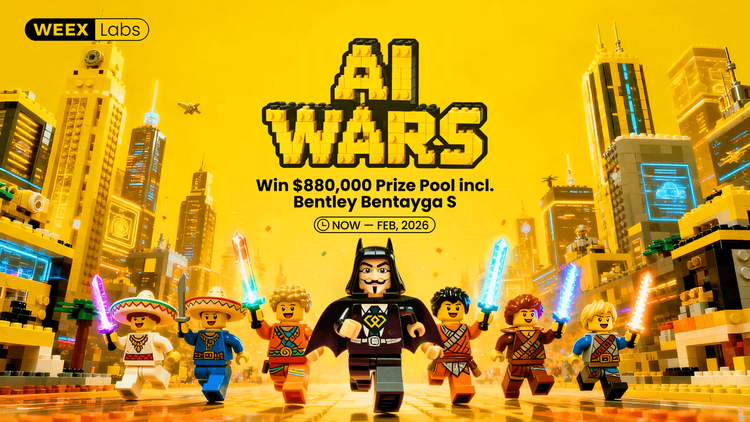
Call to Join AI Wars: WEEX Alpha Awakens - Cuộc thi giao dịch AI toàn cầu với $880,000 Prize Pool
Bây giờ, chúng tôi kêu gọi các nhà giao dịch AI từ khắp nơi trên thế giới tham gia AI Wars: WEEX Alpha Awakens, một cuộc thi thương mại AI toàn cầu với 880.000 USD.
Giao dịch AI trong Crypto Markets: Từ robot giao dịch tự động đến chiến lược thuật toán
Giao dịch do AI thúc đẩy đang chuyển đổi tiền điện tử từ suy đoán bán lẻ sang cạnh tranh ở cấp độ tổ chức, nơi thực thi và quản lý rủi ro quan trọng hơn là hướng đi. Khi giao dịch AI leo thang, rủi ro hệ thống và áp lực quản lý tăng lên, làm cho hiệu suất dài hạn, hệ thống mạnh mẽ và tuân thủ các yếu tố khác biệt quan trọng.

Phân tích cảm xúc AI và biến động tiền mã hóa: Chuyển đổi giá Crypto
Cảm xúc AI đang ngày càng ảnh hưởng đến thị trường tiền điện tử, với những thay đổi trong những kỳ vọng liên quan đến AI chuyển thành sự biến động cho các tài sản kỹ thuật số lớn. Thị trường tiền điện tử có xu hướng mở rộng các câu chuyện AI, cho phép các luồng được thúc đẩy bởi tình cảm vượt quá những yếu tố cơ bản trong ngắn hạn. Hiểu được cảm xúc AI hình thành và phổ biến như thế nào giúp các nhà đầu tư dự đoán tốt hơn chu kỳ rủi ro và định vị cơ hội trên các tài sản kỹ thuật số.

AI Wars: Hướng dẫn tham gia
Trong cuộc so tài đỉnh cao này, các nhà phát triển hàng đầu, chuyên gia định lượng và trader từ khắp thế giới sẽ tung ra các thuật toán của họ trong những trận chiến thị trường thực, cạnh tranh để giành một trong những tổng thưởng lớn nhất trong lịch sử giao dịch crypto bằng AI: 880.000 USD, bao gồm một xe Bentley Bentayga S dành cho nhà vô địch. Hướng dẫn này sẽ đưa bạn qua từng bước bắt buộc từ đăng ký đến thời điểm chính thức bắt đầu cuộc thi.

Banks Week and Crypto Market Volatility: Quyết định lãi suất định hình điều kiện giao dịch trên WEEX
Quyết định lãi suất của các ngân hàng trung ương lớn như Cục Dự trữ Liên bang là những sự kiện kinh tế lớn có ảnh hưởng đến thị trường tài chính toàn cầu, ảnh hưởng trực tiếp đến kỳ vọng thanh khoản thị trường và sự thèm muốn rủi ro. Khi thị trường tiền điện tử tiếp tục phát triển và cấu trúc giao dịch và người tham gia của nó trưởng thành, thị trường tiền điện tử đang dần được kết hợp vào hệ thống định giá kinh tế vĩ mô.

WEEX API Testing: Hướng dẫn chính thức cho AI Trading Hackathon và Crypto Trading API
WEEX API Testing được thiết kế để đảm bảo rằng mọi người tham gia có thể biến logic giao dịch thành thực hiện thực tế. Tất cả các tương tác API diễn ra trên hệ thống giao dịch trực tiếp của WEEX, cho phép người tham gia làm việc trong điều kiện thị trường xác thực thay vì mô phỏng. Với yêu cầu nhập học thấp, nhiệm vụ có thể truy cập cho cả các nhà phát triển có kinh nghiệm và người mới bắt đầu có động lực, trong khi vẫn xác nhận kỹ năng kỹ thuật cần thiết.
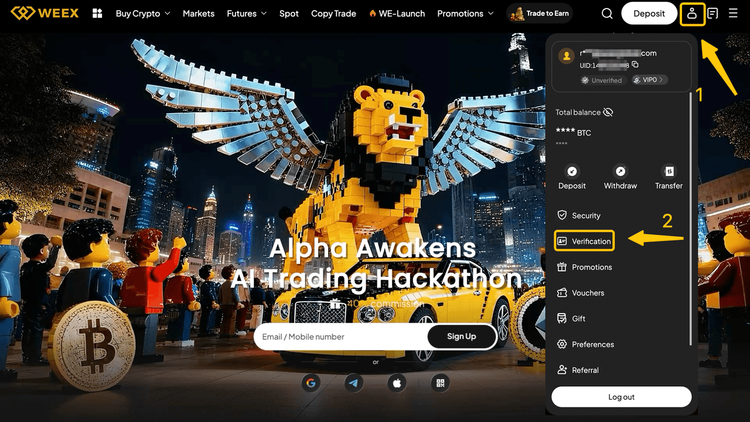
Chiến tranh AI: Hướng dẫn tham gia test
Phần 1: Các phương pháp được đề xuất (Cloud Server)
Để có sự ổn định tốt nhất, chúng tôi khuyên bạn nên sử dụng một máy chủ đám mây có IP công cộng tĩnh và hỗ trợ hoạt động không gián đoạn 24/7 như: AWS (Amazon Web Services), Alibaba Cloud, và Tencent Cloud.
Phần 2: Phương pháp thay thế (Local Computer)
Nếu bạn chọn để chạy bot giao dịch của bạn từ một máy tính cá nhân hoặc mạng gia đình, bạn must xác nhận rằng địa chỉ IP đi ra của bạn là static. Một IP thay đổi sẽ dẫn đến các vấn đề kết nối.
Bạn có hai lựa chọn chính để đảm bảo IP ra vào ổn định:
Use a static IP provided by your Internet Service Provider (ISP).Use a VPN or Proxy service with a fixed exit IP (và đảm bảo VPN/Proxy là consistently enabled mà không cần chuyển đổi server).Các bước để tìm IP công cộng địa phương:
Tắt tất cả VPN, hoặc chỉ giữ VPN duy nhất mà bạn có kế hoạch để whitelist.Truy cập whatismyip.com trong trình duyệt của bạn.Trang sẽ hiển thị địa chỉ IPv4 công cộng của bạn.Sao chép IP này và gửi nó vào danh sách trắng.Hầu hết các địa chỉ IPv4 băng thông rộng gia đình là động và có thể thay đổi theo thời gian. Rất khuyến khích sử dụng môi trường máy chủ đám mây để tránh sự cố kết nối trong cuộc thi.
1.3 Thiếu thông tin? Chúng tôi sẽ theo dõiSau khi bạn gửi BUIDL, nhóm WEEX sẽ xem xét ứng dụng của bạn dựa trên các yêu cầu của cuộc thi. Quá trình xem xét thường mất một ngày làm việc.
Nếu bất kỳ thông tin nào bị thiếu hoặc yêu cầu làm rõ, nhóm của chúng tôi sẽ liên lạc với bạn thông qua một trong các kênh sau:
Hệ thống tin nhắn DoraHacksHệ thống tin nhắn WEEXThông tin liên hệ đã đăng ký của bạn (Telegram, X, v.v.)Vui lòng giữ cho thông tin liên lạc của bạn hoạt động và dễ tiếp cận.
Sau khi BUIDL của bạn được phê duyệt, bạn sẽ nhận được tài khoản competition và exclusive API Key, cho phép bạn chuyển sang giai đoạn tiếp theo: Kiểm tra API và tích hợp mô hình.
. Vui lòng đọc kỹ tài liệu API chính thức của WEEX: https://www.weex.com/api-doc/ai/intro
2. Kết nối với một máy chủ đám mây và chạy mã bên dưới. Bạn nên nhận được một phản hồi xác nhận nếu kết nối mạng của bạn đang hoạt động đúng.
curl -s --max-time 10 "https://api-contract.weex.com/capi/v2/market/time"{"epoch":"1765423487.896","iso":"2025-12-11T03:24:47.896Z","timestamp":1765423487896}
2. Kết nối với một máy chủ đám mây và chạy mã bên dưới. Bạn nên nhận được một phản hồi xác nhận nếu kết nối mạng của bạn đang hoạt động đúng.
import time import hmac import hashlib import base64 import requests api_key = "" secret_key = "" access_passphrase = "" def generate_signature_get(secret_key, timestamp, method, request_path, query_string): message = timestamp + method.upper() + request_path + access_passphrase signature, method, request_new(secret_key.encode(), message.encode(), hashlib.sha256).digest() return base64.b64encode(signature).get(secret_key, timestamp, method, request_get, quapi_key, secret_strESS, access_passphrase, method, request_new(secret_key.encode(), hashlib.sha256). "application/json", "locale": "en-US" } url = "https://api-contract.weex.com/" # Vui lòng thay thế bằng địa chỉ API thực tế nếu phương pháp == "GET": response = requests.get(url + request_path+query_string, headers=headers) return response def assets(): request_path = "/capi/v2/account/assets" query_string = "" response = send_request_get(api_key, secret_key, access_passphrase, "GET", request_path, query_string) print(response.status_code) print(response.text) if __name == '____ main assets':
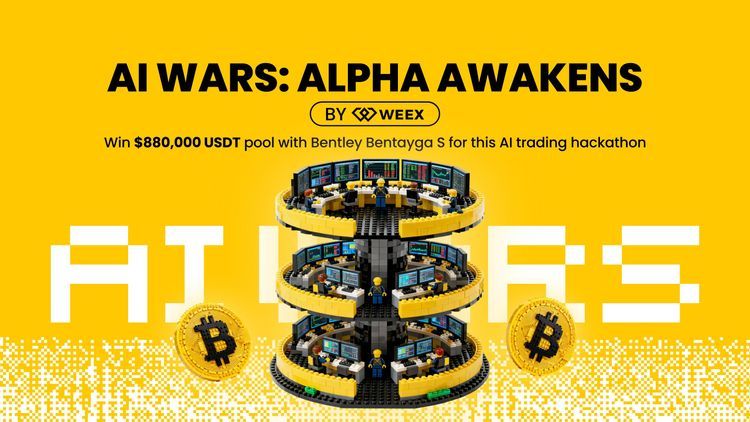
Tại sao WEEX Alpha Awakens là cuộc thi giao dịch AI hay nhất năm 2025? Những điều cần biết
Để tăng tốc các bước đột phá ở giao điểm của AI và crypto, WEEX đang ra mắt Hackathon thương mại AI toàn cầu đầu tiên trên thế giới - AI Wars: Alpha thức dậy. Sự kiện này có một hồ bơi giải thưởng đột phá vượt quá $ 880,000, bao gồm một Bentley Bentayga S cho nhà vô địch cuối cùng.

Chiến tranh AI: WEEX Alpha Awakens | Hướng dẫn quy trình thử nghiệm WEEX Global Hackathon API
AI Wars: WEEX Alpha Awakens đăng ký đã mở. và hướng dẫn này phác thảo cách truy cập vào thử nghiệm API và hoàn thành quá trình thành công.

WEEX Alpha Awakens là gì và làm thế nào để tham gia? Một hướng dẫn đầy đủ
Để tăng tốc các bước đột phá ở giao điểm của AI và crypto, WEEX đang ra mắt Hackathon thương mại AI toàn cầu đầu tiên trên thế giới - AI Wars: Alpha thức dậy.
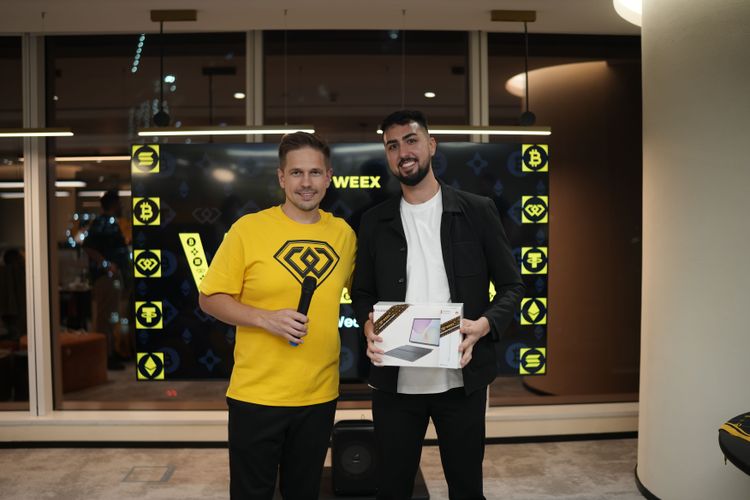
WEEX HODL’em Trading Royale & Dubai Offline Trading Competition Kết thúc thành công
Vào ngày 4 tháng 12 năm 2025, WEEX đã tổ chức Dubai HODL’em Trading Royale đầu tiên và Dubai Offline Trading Competition, mang niềm đam mê của AI WARS vào thế giới thực.
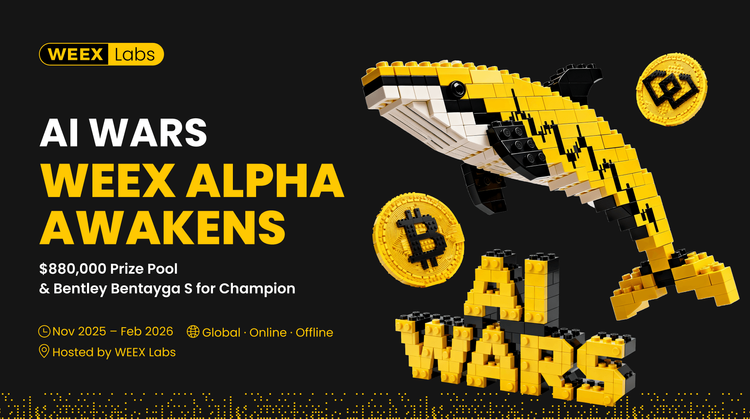
Tham gia AI Wars: WEEX Alpha thức dậy!Global Call cho AI Trading Alpha
AI Wars: WEEX Alpha Awakens là một hackathon thương mại AI toàn cầu ở Dubai, kêu gọi các đội quan sát, các nhà giao dịch thuật toán và các nhà phát triển AI phát hành chiến lược thương mại tiền điện tử AI của họ trên thị trường trực tiếp cho một phần của một hồ bơi giải thưởng 880.000 USD.

WEEX Unveils Trade to Earn: Lên đến 30% trở lại ngay lập tức + $ 2M WXT Buyback
WEEX rất vui khi công bố việc ra mắt chương trình Trade to Earn của chúng tôi, tự động cấp cho bạn giảm giá phí giao dịch lên đến 30%. Tất cả phần thưởng được ghi nhận trực tiếp vào tài khoản spot của bạn trong $WXT - được hỗ trợ bởi kế hoạch mua lại $2.000.000 WXT của chúng tôi, cung cấp giá trị token dài hạn.
WEEXPERIENCE Whales Night: AI Trading, Crypto Community & Crypto Market Insights
Vào ngày 12 tháng 12 năm 2025, WEEX đã tổ chức WEEXPERIENCE Whales Night, một cuộc họp cộng đồng ngoại tuyến được thiết kế để tập hợp các thành viên cộng đồng cryptocurrency địa phương. Sự kiện kết hợp chia sẻ nội dung, trò chơi tương tác và bản trình bày dự án để tạo ra trải nghiệm ngoại tuyến thoải mái nhưng hấp dẫn.
Rủi ro giao dịch AI trong tiền mã hóa: Tại sao các chiến lược giao dịch tiền mã hóa tốt hơn có thể tạo ra tổn thất lớn hơn?
Rủi ro không còn nằm chủ yếu trong việc đưa ra quyết định kém hoặc sai lầm về cảm xúc. Nó ngày càng sống trong cấu trúc thị trường, con đường thực thi, và hành vi tập thể. Hiểu được sự thay đổi này quan trọng hơn là tìm ra chiến lược “tốt hơn” tiếp theo.
Các đại lý AI đang thay thế Nghiên cứu Crypto? Làm thế nào AI tự trị đang định hình lại giao dịch crypto
AI đang chuyển từ việc hỗ trợ các nhà giao dịch sang tự động hóa toàn bộ quá trình nghiên cứu đến thi hành trong thị trường tiền điện tử. Lợi thế đã chuyển từ kiến thức của con người sang đường ống dẫn dữ liệu, tốc độ và các hệ thống AI sẵn sàng để thực hiện, làm cho sự chậm trễ trong tích hợp AI trở thành một nhược điểm cạnh tranh.
Bot giao dịch AI và Giao dịch sao chép: Cách các chiến lược đồng bộ hóa định hình lại sự biến động của thị trường crypto
Các nhà giao dịch crypto bán lẻ từ lâu đã phải đối mặt với những thách thức tương tự: quản lý rủi ro kém, đăng ký muộn, quyết định về cảm xúc và thực thi không nhất quán. Các công cụ giao dịch AI hứa hẹn một giải pháp. Ngày nay, các hệ thống giao dịch sao chép và robot breakout được hỗ trợ bởi AI giúp các nhà giao dịch kích thước vị trí, đặt điểm dừng và hành động nhanh hơn bao giờ hết. Ngoài tốc độ và độ chính xác, các công cụ này đang thay đổi thị trường một cách im lặng - các nhà giao dịch không chỉ giao dịch thông minh hơn, họ đang di chuyển đồng bộ, tạo ra một động lực mới làm tăng cả rủi ro và cơ hội.
Giao dịch AI trong Crypto Giải thích: Cách giao dịch tự trị đang định hình lại thị trường tiền điện tử và sàn giao dịch tiền điện tử
AI Trading đang nhanh chóng biến đổi phong cảnh crypto. Các chiến lược truyền thống đấu tranh để theo kịp sự biến động không ngừng của crypto và cấu trúc thị trường phức tạp, trong khi AI có thể xử lý dữ liệu khổng lồ, tạo ra các chiến lược thích nghi, quản lý rủi ro và thực hiện giao dịch một cách độc lập. Bài viết này hướng dẫn người dùng WEEX qua giao dịch AI là gì, tại sao tiền mã hóa đẩy nhanh sự áp dụng của nó, làm thế nào ngành công nghiệp đang phát triển hướng tới các đại lý tự trị, và tại sao WEEX đang xây dựng hệ sinh thái giao dịch AI thế hệ tiếp theo.
Call to Join AI Wars: WEEX Alpha Awakens - Cuộc thi giao dịch AI toàn cầu với $880,000 Prize Pool
Bây giờ, chúng tôi kêu gọi các nhà giao dịch AI từ khắp nơi trên thế giới tham gia AI Wars: WEEX Alpha Awakens, một cuộc thi thương mại AI toàn cầu với 880.000 USD.
Coin thịnh hành
Tin tức crypto mới nhất


Bộ phận CSKH:@weikecs
Hợp tác kinh doanh:@weikecs
Giao dịch Định lượng & MM:[email protected]
Dịch vụ VIP:[email protected]
 App
App