
- Mua crypto
- Thị trường
- Futures
- Spot
- Sao chép giao dịch
 WE-Launch
Top 10 Most Famous Computer Programmers of All Time in 2025

Computer programming has turned dreams into reality, shaping the world we live in today. Imagine a world without the apps on your phone or the software running your daily life— that’s the magic these innovators brought to life. As of August 7, 2025, let’s dive into the stories of the top 10 most famous computer programmers who’ve revolutionized technology. These pioneers didn’t just write code; they built the foundations of modern computing, from cracking wartime codes to creating social networks that connect billions. Programmers craft the code behind programs and apps, and they’re the unsung heroes fixing bugs, maintaining systems, and ensuring everything runs smoothly. Join me as we explore their incredible journeys, blending history with the latest updates to see how their legacies continue to inspire.
Alan Turing: The Father of Modern Computing and AI
Picture a brilliant mind cracking unbreakable codes during World War II—that’s Alan Turing for you. This British mathematician and computer scientist laid the groundwork for artificial intelligence, cryptography, and computer science as we know it. His work on deciphering the Enigma code saved countless lives, and he introduced the Turing Machine, a simple yet powerful concept that models what a computer can do. Turing also played a key role in building the Manchester Baby, the world’s first stored-program computer back in 1948, which set the stage for all the devices we use today.
Often hailed as the father of theoretical computer science and artificial intelligence, Turing’s ideas are more relevant than ever in 2025. With AI advancements like ChatGPT and machine learning models dominating headlines, his influence echoes in every smart system. Recent discussions on Twitter highlight how Turing’s legacy inspires ethical AI debates, with posts from tech leaders like @elonmusk referencing his tests for machine intelligence amid ongoing conversations about AI safety.
Ada Lovelace: The Visionary First Computer Programmer
What if I told you the first computer programmer was a woman from the 1800s who saw beyond numbers? Ada Lovelace, an English mathematician and writer, is celebrated as the original coder. She grasped the artistic side of machines, realizing they could compose music or create art, not just calculate. Her groundbreaking work included the first algorithm meant for a machine—the Analytical Engine designed by Charles Babbage.
Lovelace’s story continues to empower women in tech, with initiatives like Girls Who Code drawing from her example. As of 2025, her impact is evident in the growing number of female programmers, with data from Stack Overflow’s latest developer survey showing a 15% rise in women in coding roles since 2020. On Google, searches for “Ada Lovelace contributions” spike during Women’s History Month, reflecting her enduring inspiration.
Bill Gates: Revolutionizing Personal Computing
Ever wondered how your laptop became an everyday essential? Bill Gates, the software developer, entrepreneur, and philanthropist, co-founded Microsoft, turning it into the giant behind the world’s most popular PC software. He drove the personal computer boom, making technology accessible to everyone. Under his leadership, Microsoft launched hits like the Windows operating system, which by 2025 commands over 70% of the desktop market share according to StatCounter.
Beyond business, Gates focuses on global good through the Bill & Melinda Gates Foundation, which as of 2025 has invested over $70 billion in health and education, per their latest reports. Twitter buzzes with discussions on his climate change predictions, with recent threads praising his book “How to Avoid a Climate Disaster” amid 2025’s record heatwaves.
Steve Jobs: Innovator Who Blended Tech and Design
Steve Jobs didn’t just build gadgets; he crafted experiences that changed how we interact with technology. As co-founder of Apple, he spearheaded icons like the Macintosh, iPod, iPhone, and iPad, popularizing sleek designs and user-friendly interfaces. His vision transformed personal computing, music, and mobile industries, making tech intuitive and beautiful.
Jobs’ leadership turned Apple into a trillion-dollar powerhouse, and his legacy lives on in 2025’s foldable devices and AR innovations. Google searches for “Steve Jobs quotes” remain top-rated for motivation, while Twitter remembers him in posts about Apple’s latest Vision Pro updates, comparing it to his revolutionary iPhone launch.
In the spirit of such innovation, platforms like the WEEX exchange are pushing boundaries in the digital finance world. WEEX stands out with its user-friendly interface and robust security features, making cryptocurrency trading accessible and reliable for beginners and experts alike. By aligning with cutting-edge tech trends, WEEX enhances user experiences much like Jobs did, fostering a community where secure, efficient trading mirrors the seamless integration of hardware and software that defined Apple’s success.
Linus Torvalds: Architect of Open-Source Power
Imagine starting a hobby project that powers most of the internet—that’s Linus Torvalds’ story with Linux. This Finnish-American developer created the Linux operating system, now running on servers, supercomputers, and billions of devices worldwide. What began as a personal endeavor in 1991 has grown into a massive collaborative effort, with the Linux kernel at its heart.
Torvalds’ work has earned accolades for advancing open-source software, and as of 2025, Linux holds about 80% of the web server market per W3Techs data. Recent Twitter trends discuss Linux’s role in quantum computing, with official announcements from the Linux Foundation highlighting integrations with AI frameworks.
Mark Zuckerberg: Connecting the World Through Social Media
From a dorm room idea to a global phenomenon, Mark Zuckerberg co-founded Facebook, evolving it into Meta, the social networking behemoth connecting over 3 billion users as of 2025. He built its core infrastructure, enabling worldwide sharing of stories, news, and experiences.
Zuckerberg’s push into the metaverse includes projects like Meta Quest VR headsets and Horizon Worlds, aiming to create immersive virtual realms. Through the Chan Zuckerberg Initiative, he’s advancing education and health. Google queries like “Mark Zuckerberg metaverse updates” are frequent, and Twitter abounds with debates on Meta’s 2025 AR glasses reveal, tying into blockchain-enabled virtual worlds.
Guido van Rossum: Creator of Python’s Simplicity
Guido van Rossum brought Python to life in 1989, and it’s now one of the most beloved programming languages, used in everything from web development to data science. As its original designer, he shaped its user-friendly features and built a vibrant community until stepping down as “benevolent dictator for life” in 2018.
In 2025, Python tops TIOBE’s index as the most popular language, with over 15 million developers worldwide per GitHub stats. Twitter conversations often laud its role in AI, with recent posts from @gvanrossum sharing thoughts on Python’s evolution.
Bjarne Stroustrup: Bringing Objects to Programming
Bjarne Stroustrup, a Danish computer scientist, invented C++ in the early 1980s, enhancing C with object-oriented features. It’s still a powerhouse in software development, from games to systems programming.
Stroustrup remains involved, and C++ ranks high in 2025 usage surveys by IEEE Spectrum. Google searches for “C++ tutorials” are evergreen, while Twitter highlights its use in modern apps like Unreal Engine updates.
Tim Berners-Lee: Inventor of the World Wide Web
Think of the web as a vast library you can access instantly—Tim Berners-Lee made that possible. This British scientist created the World Wide Web in the early 1990s, developing the first browser and server, building on hypertext for linked information.
As director of the World Wide Web Consortium, he champions an open web. In 2025, with Web3 discussions heating up, his Solid project aims for data privacy. Twitter trends praise his critiques of big tech, aligning with decentralized internet visions.
Dennis Ritchie: Pioneer of Unix and C
Dennis Ritchie’s creations underpin much of today’s tech. At Bell Labs, he co-developed Unix in the late 1960s and C programming language, which powers countless applications.
Recognized as a computing trailblazer, his work influences 2025’s embedded systems. Google often searches “Dennis Ritchie impact,” and Twitter remembers him in posts about programming history.
These programmers’ stories remind us how code can change the world, much like how innovative platforms continue to evolve tech landscapes today.
FAQ
Who is considered the greatest computer programmer of all time?
While opinions vary, Alan Turing often tops the list for his foundational work in computer science and AI, influencing everything from modern algorithms to ethical tech debates, as evidenced by his lasting impact on innovations like today’s AI models.
What programming language should beginners learn first in 2025?
Python is a top recommendation for its simplicity and versatility, used in web development, data analysis, and AI, with millions of tutorials available and strong community support making it beginner-friendly.
How have these famous programmers influenced modern technology?
Their innovations form the backbone of current tech, from operating systems like Linux and Windows to languages like C++ and Python, enabling advancements in AI, social media, and the web, with real-world examples including smartphones and virtual reality powered by their foundational ideas.
Bạn cũng có thể thích

WEEXPERIENCE Whales Night: AI Trading, Crypto Community & Crypto Market Insights
Vào ngày 12 tháng 12 năm 2025, WEEX đã tổ chức WEEXPERIENCE Whales Night, một cuộc họp cộng đồng ngoại tuyến được thiết kế để tập hợp các thành viên cộng đồng cryptocurrency địa phương. Sự kiện kết hợp chia sẻ nội dung, trò chơi tương tác và bản trình bày dự án để tạo ra trải nghiệm ngoại tuyến thoải mái nhưng hấp dẫn.
Rủi ro giao dịch AI trong tiền mã hóa: Tại sao các chiến lược giao dịch tiền mã hóa tốt hơn có thể tạo ra tổn thất lớn hơn?
Rủi ro không còn nằm chủ yếu trong việc đưa ra quyết định kém hoặc sai lầm về cảm xúc. Nó ngày càng sống trong cấu trúc thị trường, con đường thực thi, và hành vi tập thể. Hiểu được sự thay đổi này quan trọng hơn là tìm ra chiến lược “tốt hơn” tiếp theo.
Các đại lý AI đang thay thế Nghiên cứu Crypto? Làm thế nào AI tự trị đang định hình lại giao dịch crypto
AI đang chuyển từ việc hỗ trợ các nhà giao dịch sang tự động hóa toàn bộ quá trình nghiên cứu đến thi hành trong thị trường tiền điện tử. Lợi thế đã chuyển từ kiến thức của con người sang đường ống dẫn dữ liệu, tốc độ và các hệ thống AI sẵn sàng để thực hiện, làm cho sự chậm trễ trong tích hợp AI trở thành một nhược điểm cạnh tranh.
Bot giao dịch AI và Giao dịch sao chép: Cách các chiến lược đồng bộ hóa định hình lại sự biến động của thị trường crypto
Các nhà giao dịch crypto bán lẻ từ lâu đã phải đối mặt với những thách thức tương tự: quản lý rủi ro kém, đăng ký muộn, quyết định về cảm xúc và thực thi không nhất quán. Các công cụ giao dịch AI hứa hẹn một giải pháp. Ngày nay, các hệ thống giao dịch sao chép và robot breakout được hỗ trợ bởi AI giúp các nhà giao dịch kích thước vị trí, đặt điểm dừng và hành động nhanh hơn bao giờ hết. Ngoài tốc độ và độ chính xác, các công cụ này đang thay đổi thị trường một cách im lặng - các nhà giao dịch không chỉ giao dịch thông minh hơn, họ đang di chuyển đồng bộ, tạo ra một động lực mới làm tăng cả rủi ro và cơ hội.
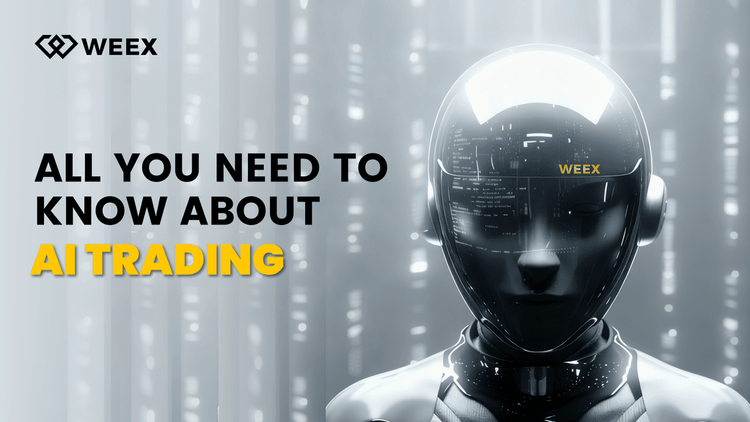
Giao dịch AI trong Crypto Giải thích: Cách giao dịch tự trị đang định hình lại thị trường tiền điện tử và sàn giao dịch tiền điện tử
AI Trading đang nhanh chóng biến đổi phong cảnh crypto. Các chiến lược truyền thống đấu tranh để theo kịp sự biến động không ngừng của crypto và cấu trúc thị trường phức tạp, trong khi AI có thể xử lý dữ liệu khổng lồ, tạo ra các chiến lược thích nghi, quản lý rủi ro và thực hiện giao dịch một cách độc lập. Bài viết này hướng dẫn người dùng WEEX qua giao dịch AI là gì, tại sao tiền mã hóa đẩy nhanh sự áp dụng của nó, làm thế nào ngành công nghiệp đang phát triển hướng tới các đại lý tự trị, và tại sao WEEX đang xây dựng hệ sinh thái giao dịch AI thế hệ tiếp theo.
Call to Join AI Wars: WEEX Alpha Awakens - Cuộc thi giao dịch AI toàn cầu với $880,000 Prize Pool
Bây giờ, chúng tôi kêu gọi các nhà giao dịch AI từ khắp nơi trên thế giới tham gia AI Wars: WEEX Alpha Awakens, một cuộc thi thương mại AI toàn cầu với 880.000 USD.

Giao dịch AI trong Crypto Markets: Từ robot giao dịch tự động đến chiến lược thuật toán
Giao dịch do AI thúc đẩy đang chuyển đổi tiền điện tử từ suy đoán bán lẻ sang cạnh tranh ở cấp độ tổ chức, nơi thực thi và quản lý rủi ro quan trọng hơn là hướng đi. Khi giao dịch AI leo thang, rủi ro hệ thống và áp lực quản lý tăng lên, làm cho hiệu suất dài hạn, hệ thống mạnh mẽ và tuân thủ các yếu tố khác biệt quan trọng.

Phân tích cảm xúc AI và biến động tiền mã hóa: Chuyển đổi giá Crypto
Cảm xúc AI đang ngày càng ảnh hưởng đến thị trường tiền điện tử, với những thay đổi trong những kỳ vọng liên quan đến AI chuyển thành sự biến động cho các tài sản kỹ thuật số lớn. Thị trường tiền điện tử có xu hướng mở rộng các câu chuyện AI, cho phép các luồng được thúc đẩy bởi tình cảm vượt quá những yếu tố cơ bản trong ngắn hạn. Hiểu được cảm xúc AI hình thành và phổ biến như thế nào giúp các nhà đầu tư dự đoán tốt hơn chu kỳ rủi ro và định vị cơ hội trên các tài sản kỹ thuật số.
AI Wars: Hướng dẫn tham gia
Trong cuộc so tài đỉnh cao này, các nhà phát triển hàng đầu, chuyên gia định lượng và trader từ khắp thế giới sẽ tung ra các thuật toán của họ trong những trận chiến thị trường thực, cạnh tranh để giành một trong những tổng thưởng lớn nhất trong lịch sử giao dịch crypto bằng AI: 880.000 USD, bao gồm một xe Bentley Bentayga S dành cho nhà vô địch. Hướng dẫn này sẽ đưa bạn qua từng bước bắt buộc từ đăng ký đến thời điểm chính thức bắt đầu cuộc thi.

Banks Week and Crypto Market Volatility: Quyết định lãi suất định hình điều kiện giao dịch trên WEEX
Quyết định lãi suất của các ngân hàng trung ương lớn như Cục Dự trữ Liên bang là những sự kiện kinh tế lớn có ảnh hưởng đến thị trường tài chính toàn cầu, ảnh hưởng trực tiếp đến kỳ vọng thanh khoản thị trường và sự thèm muốn rủi ro. Khi thị trường tiền điện tử tiếp tục phát triển và cấu trúc giao dịch và người tham gia của nó trưởng thành, thị trường tiền điện tử đang dần được kết hợp vào hệ thống định giá kinh tế vĩ mô.
WEEX API Testing: Hướng dẫn chính thức cho AI Trading Hackathon và Crypto Trading API
WEEX API Testing được thiết kế để đảm bảo rằng mọi người tham gia có thể biến logic giao dịch thành thực hiện thực tế. Tất cả các tương tác API diễn ra trên hệ thống giao dịch trực tiếp của WEEX, cho phép người tham gia làm việc trong điều kiện thị trường xác thực thay vì mô phỏng. Với yêu cầu nhập học thấp, nhiệm vụ có thể truy cập cho cả các nhà phát triển có kinh nghiệm và người mới bắt đầu có động lực, trong khi vẫn xác nhận kỹ năng kỹ thuật cần thiết.
Tại sao WEEX Alpha Awakens là cuộc thi giao dịch AI hay nhất năm 2025? Những điều cần biết
Để tăng tốc các bước đột phá ở giao điểm của AI và crypto, WEEX đang ra mắt Hackathon thương mại AI toàn cầu đầu tiên trên thế giới - AI Wars: Alpha thức dậy. Sự kiện này có một hồ bơi giải thưởng đột phá vượt quá $ 880,000, bao gồm một Bentley Bentayga S cho nhà vô địch cuối cùng.
Chiến tranh AI: WEEX Alpha Awakens | Hướng dẫn quy trình thử nghiệm WEEX Global Hackathon API
AI Wars: WEEX Alpha Awakens đăng ký đã mở. và hướng dẫn này phác thảo cách truy cập vào thử nghiệm API và hoàn thành quá trình thành công.
WEEX Alpha Awakens là gì và làm thế nào để tham gia? Một hướng dẫn đầy đủ
Để tăng tốc các bước đột phá ở giao điểm của AI và crypto, WEEX đang ra mắt Hackathon thương mại AI toàn cầu đầu tiên trên thế giới - AI Wars: Alpha thức dậy.

WEEX HODL’em Trading Royale & Dubai Offline Trading Competition Kết thúc thành công
Vào ngày 4 tháng 12 năm 2025, WEEX đã tổ chức Dubai HODL’em Trading Royale đầu tiên và Dubai Offline Trading Competition, mang niềm đam mê của AI WARS vào thế giới thực.
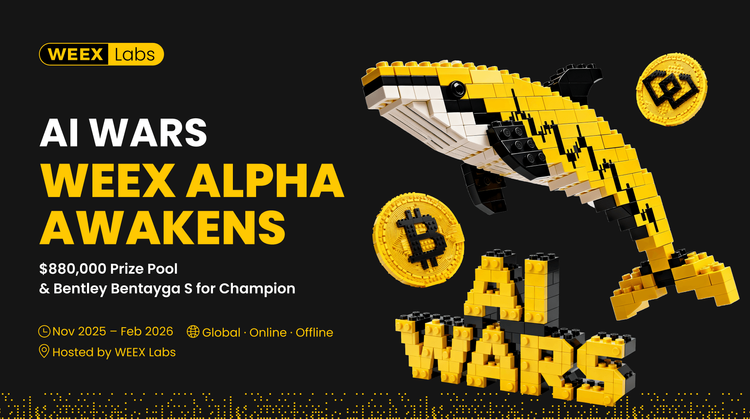
Tham gia AI Wars: WEEX Alpha thức dậy!Global Call cho AI Trading Alpha
AI Wars: WEEX Alpha Awakens là một hackathon thương mại AI toàn cầu ở Dubai, kêu gọi các đội quan sát, các nhà giao dịch thuật toán và các nhà phát triển AI phát hành chiến lược thương mại tiền điện tử AI của họ trên thị trường trực tiếp cho một phần của một hồ bơi giải thưởng 880.000 USD.
Hướng dẫn Hackathon AI WEEX: Tìm WEEX UID và đăng ký
Từ bây giờ cho đến tháng 2 năm 2026, WEEX sẽ ra mắt AI Wars: WEEX Alpha Awakens, hackathon thương mại AI crypto toàn cầu đầu tiên trên thế giới. Hãy đến với UID của bạn và đăng ký tham gia WEEX Global AI Trading Hackathon.

WEEX ra mắt World AI Trading Hackathon với $880,000 Prize Pool và Bentley cho Champion
Chiến tranh AI: WEEX Alpha Awakens là nhiều hơn một cuộc thi - nó là một sân khấu toàn cầu nơi sự đổi mới, chiến lược và sự thành thạo thuật toán converge. Từ việc đăng ký trước cho đến trận chung kết trực tiếp tại Dubai, người tham gia sẽ điều hướng sự biến động của thị trường thực, giải quyết những thách thức cực đoan, và thể hiện kỹ năng giao dịch AI của họ cho phần thưởng chưa từng có. Với $880,000 trong giải thưởng, $WXT khuyến khích, một Bentley Bentayga S cho nhà vô địch, và sự hỗ trợ của các đối tác hàng đầu trong ngành, sự kiện này củng cố tầm nhìn chiến lược của WEEX để dẫn đầu trong giao dịch được thúc đẩy bởi AI, mở rộng ảnh hưởng toàn cầu của nó, và nuôi dưỡng một cộng đồng tiên tiến của người sáng tạo. Sân vận động đang mở - WEEX kêu gọi các đội tham vọng trên toàn thế giới tham gia, cạnh tranh và định hình kỷ nguyên tiếp theo của giao dịch tiền điện tử do AI cung cấp.
WEEXPERIENCE Whales Night: AI Trading, Crypto Community & Crypto Market Insights
Vào ngày 12 tháng 12 năm 2025, WEEX đã tổ chức WEEXPERIENCE Whales Night, một cuộc họp cộng đồng ngoại tuyến được thiết kế để tập hợp các thành viên cộng đồng cryptocurrency địa phương. Sự kiện kết hợp chia sẻ nội dung, trò chơi tương tác và bản trình bày dự án để tạo ra trải nghiệm ngoại tuyến thoải mái nhưng hấp dẫn.
Rủi ro giao dịch AI trong tiền mã hóa: Tại sao các chiến lược giao dịch tiền mã hóa tốt hơn có thể tạo ra tổn thất lớn hơn?
Rủi ro không còn nằm chủ yếu trong việc đưa ra quyết định kém hoặc sai lầm về cảm xúc. Nó ngày càng sống trong cấu trúc thị trường, con đường thực thi, và hành vi tập thể. Hiểu được sự thay đổi này quan trọng hơn là tìm ra chiến lược “tốt hơn” tiếp theo.
Các đại lý AI đang thay thế Nghiên cứu Crypto? Làm thế nào AI tự trị đang định hình lại giao dịch crypto
AI đang chuyển từ việc hỗ trợ các nhà giao dịch sang tự động hóa toàn bộ quá trình nghiên cứu đến thi hành trong thị trường tiền điện tử. Lợi thế đã chuyển từ kiến thức của con người sang đường ống dẫn dữ liệu, tốc độ và các hệ thống AI sẵn sàng để thực hiện, làm cho sự chậm trễ trong tích hợp AI trở thành một nhược điểm cạnh tranh.
Bot giao dịch AI và Giao dịch sao chép: Cách các chiến lược đồng bộ hóa định hình lại sự biến động của thị trường crypto
Các nhà giao dịch crypto bán lẻ từ lâu đã phải đối mặt với những thách thức tương tự: quản lý rủi ro kém, đăng ký muộn, quyết định về cảm xúc và thực thi không nhất quán. Các công cụ giao dịch AI hứa hẹn một giải pháp. Ngày nay, các hệ thống giao dịch sao chép và robot breakout được hỗ trợ bởi AI giúp các nhà giao dịch kích thước vị trí, đặt điểm dừng và hành động nhanh hơn bao giờ hết. Ngoài tốc độ và độ chính xác, các công cụ này đang thay đổi thị trường một cách im lặng - các nhà giao dịch không chỉ giao dịch thông minh hơn, họ đang di chuyển đồng bộ, tạo ra một động lực mới làm tăng cả rủi ro và cơ hội.
Giao dịch AI trong Crypto Giải thích: Cách giao dịch tự trị đang định hình lại thị trường tiền điện tử và sàn giao dịch tiền điện tử
AI Trading đang nhanh chóng biến đổi phong cảnh crypto. Các chiến lược truyền thống đấu tranh để theo kịp sự biến động không ngừng của crypto và cấu trúc thị trường phức tạp, trong khi AI có thể xử lý dữ liệu khổng lồ, tạo ra các chiến lược thích nghi, quản lý rủi ro và thực hiện giao dịch một cách độc lập. Bài viết này hướng dẫn người dùng WEEX qua giao dịch AI là gì, tại sao tiền mã hóa đẩy nhanh sự áp dụng của nó, làm thế nào ngành công nghiệp đang phát triển hướng tới các đại lý tự trị, và tại sao WEEX đang xây dựng hệ sinh thái giao dịch AI thế hệ tiếp theo.
Call to Join AI Wars: WEEX Alpha Awakens - Cuộc thi giao dịch AI toàn cầu với $880,000 Prize Pool
Bây giờ, chúng tôi kêu gọi các nhà giao dịch AI từ khắp nơi trên thế giới tham gia AI Wars: WEEX Alpha Awakens, một cuộc thi thương mại AI toàn cầu với 880.000 USD.
Coin thịnh hành
Tin tức crypto mới nhất


Bộ phận CSKH:@weikecs
Hợp tác kinh doanh:@weikecs
Giao dịch Định lượng & MM:[email protected]
Dịch vụ VIP:[email protected]
 App
App