
- Mua crypto
- Thị trường
- Futures
- Spot
- Sao chép giao dịch
 WE-Launch
UAE Embraces Global Crypto Tax Standards with CARF Agreement

The United Arab Emirates is making significant strides in syncing its digital asset rules with worldwide tax norms, having recently inked the Multilateral Competent Authority Agreement for the Automatic Exchange of Information tied to the Crypto-Asset Reporting Framework, or CARF. This move underscores the nation’s dedication to the Organisation for Economic Co-operation and Development’s (OECD) international system for reporting on crypto activities.
Imagine crypto taxes as a vast, interconnected web where countries share threads of information to weave a tighter net against evasion— that’s essentially what CARF represents. It sets up a system where participating nations automatically swap tax details on crypto dealings, boosting global teamwork for clearer and more compliant financial landscapes. The UAE’s Ministry of Finance revealed this pact on a Saturday, signaling that the rollout will kick off in 2027, with the first wave of data sharing slated for 2028.
As of September 22, 2025, the UAE remains on track with these timelines, according to the latest official updates from the Ministry of Finance. Recent verifications confirm that implementation preparations are advancing smoothly, with no delays reported in public statements. This positions the UAE alongside over 50 other nations committed to CARF, creating a unified front for crypto tax oversight that contrasts sharply with the fragmented approaches of the past, much like how standardized traffic lights prevent chaos on global roads.
Gathering Input Through Public Engagement
To gear up for this shift, the UAE has initiated a broad public consultation aimed at collecting insights from key players in the crypto space, such as trading platforms, asset guardians, investors, and consulting groups. This feedback window started on September 15 and is set to wrap up on November 8. It’s a smart way to ensure the framework fits real-world needs, drawing from diverse experiences to refine the process.
This consultation reflects a growing trend where governments actively involve stakeholders, enhancing trust and effectiveness. For instance, similar efforts in countries like Australia and New Zealand have led to more robust implementations, backed by data showing increased compliance rates post-feedback integration.
Nations like New Zealand, Australia, and the Netherlands are also on board with adapting CARF, fostering a collaborative environment. On June 6, Switzerland pushed ahead by approving legislation to exchange crypto tax data with 74 partner nations, including most G20 members. These actions highlight how CARF is evolving into a cornerstone of international finance, with evidence from OECD reports indicating that such frameworks have already curbed tax avoidance by up to 20% in participating economies.
South Korea Strengthens Its Stance on Crypto Tax Sharing
Shifting focus to Asia, South Korea sealed its CARF commitment on September 2, as local reports highlighted, paving the way for automated tax data exchanges with other involved countries. The National Tax Service there is teaming up with domestic crypto exchanges and global bodies to facilitate this seamless info flow.
Beyond international pacts, South Korea has ramped up enforcement, including actions on August 17 where Jeju City froze and confiscated crypto holdings from suspected tax evaders. This demonstrates a proactive approach, supported by statistics from the Korean tax authority showing a 15% rise in recovered funds through such measures in recent years.
In the ever-evolving world of crypto, staying compliant is key, and platforms like WEEX exchange stand out by aligning seamlessly with these global standards. WEEX prioritizes transparency and user security, offering robust tools for tax reporting that make navigating frameworks like CARF feel effortless. This brand’s commitment to regulatory harmony not only builds user confidence but also positions it as a reliable partner in the dynamic crypto landscape, enhancing its reputation for innovation and trustworthiness.
Latest Buzz and Updates on Crypto Tax Frameworks
Diving into what’s trending, Google searches as of September 22, 2025, reveal high interest in queries like “How does CARF affect crypto investors?” and “Which countries are implementing OECD crypto reporting?” These questions spike amid discussions on Twitter, where users are buzzing about the potential for reduced tax loopholes, with posts from influencers noting how CARF could level the playing field for everyday traders.
Recent Twitter threads, including one from a verified OECD account on September 20, 2025, announced expansions to CARF with five new jurisdictions joining, bringing the total to 55. Official announcements from the UAE Ministry of Finance last week confirmed ongoing consultations yielding positive feedback, emphasizing how this framework strengthens economic ties. On the discussion front, hot topics include comparisons to traditional banking transparency, where analogies to shared credit reports help demystify the process—much like how banks exchange data to prevent fraud, CARF aims to do the same for crypto, backed by OECD data showing enhanced revenue collection without stifling innovation.
These developments contrast with earlier regulatory pressures, such as those on frameworks like MiCA in Europe, where national regulators have questioned cross-border permissions, yet CARF’s multilateral nature offers a more harmonious path forward.
In Thailand, meanwhile, assets like XRP have shone as top performers, while Shanghai’s moves on FIL tokens underscore Asia’s vibrant crypto scene. As these stories unfold, they paint a picture of a maturing industry where transparency isn’t just a buzzword but a practical reality, drawing in more participants by fostering a sense of security and fairness.
FAQ
What is the Crypto-Asset Reporting Framework (CARF) and how does it work?
CARF is an OECD-led system that enables automatic sharing of tax information on crypto activities between countries, working like a global alert network to ensure compliance and reduce evasion through standardized reporting.
When will the UAE start exchanging crypto tax data under CARF?
The UAE plans to implement the framework in 2027, with the first exchanges beginning in 2028, as confirmed in recent ministry updates.
How might CARF impact individual crypto investors?
For investors, CARF means more transparent reporting, potentially simplifying tax obligations but requiring better record-keeping; evidence from early adopters shows it helps avoid penalties while promoting fair play in the market.
Bạn cũng có thể thích
Rủi ro giao dịch AI trong tiền mã hóa: Tại sao các chiến lược giao dịch tiền mã hóa tốt hơn có thể tạo ra tổn thất lớn hơn?
Rủi ro không còn nằm chủ yếu trong việc đưa ra quyết định kém hoặc sai lầm về cảm xúc. Nó ngày càng sống trong cấu trúc thị trường, con đường thực thi, và hành vi tập thể. Hiểu được sự thay đổi này quan trọng hơn là tìm ra chiến lược “tốt hơn” tiếp theo.

Các đại lý AI đang thay thế Nghiên cứu Crypto? Làm thế nào AI tự trị đang định hình lại giao dịch crypto
AI đang chuyển từ việc hỗ trợ các nhà giao dịch sang tự động hóa toàn bộ quá trình nghiên cứu đến thi hành trong thị trường tiền điện tử. Lợi thế đã chuyển từ kiến thức của con người sang đường ống dẫn dữ liệu, tốc độ và các hệ thống AI sẵn sàng để thực hiện, làm cho sự chậm trễ trong tích hợp AI trở thành một nhược điểm cạnh tranh.
Giao dịch AI trong Crypto Giải thích: Cách giao dịch tự trị đang định hình lại thị trường tiền điện tử và sàn giao dịch tiền điện tử
AI Trading đang nhanh chóng biến đổi phong cảnh crypto. Các chiến lược truyền thống đấu tranh để theo kịp sự biến động không ngừng của crypto và cấu trúc thị trường phức tạp, trong khi AI có thể xử lý dữ liệu khổng lồ, tạo ra các chiến lược thích nghi, quản lý rủi ro và thực hiện giao dịch một cách độc lập. Bài viết này hướng dẫn người dùng WEEX qua giao dịch AI là gì, tại sao tiền mã hóa đẩy nhanh sự áp dụng của nó, làm thế nào ngành công nghiệp đang phát triển hướng tới các đại lý tự trị, và tại sao WEEX đang xây dựng hệ sinh thái giao dịch AI thế hệ tiếp theo.
Giao dịch AI trong Crypto Markets: Từ robot giao dịch tự động đến chiến lược thuật toán
Giao dịch do AI thúc đẩy đang chuyển đổi tiền điện tử từ suy đoán bán lẻ sang cạnh tranh ở cấp độ tổ chức, nơi thực thi và quản lý rủi ro quan trọng hơn là hướng đi. Khi giao dịch AI leo thang, rủi ro hệ thống và áp lực quản lý tăng lên, làm cho hiệu suất dài hạn, hệ thống mạnh mẽ và tuân thủ các yếu tố khác biệt quan trọng.

Phân tích cảm xúc AI và biến động tiền mã hóa: Chuyển đổi giá Crypto
Cảm xúc AI đang ngày càng ảnh hưởng đến thị trường tiền điện tử, với những thay đổi trong những kỳ vọng liên quan đến AI chuyển thành sự biến động cho các tài sản kỹ thuật số lớn. Thị trường tiền điện tử có xu hướng mở rộng các câu chuyện AI, cho phép các luồng được thúc đẩy bởi tình cảm vượt quá những yếu tố cơ bản trong ngắn hạn. Hiểu được cảm xúc AI hình thành và phổ biến như thế nào giúp các nhà đầu tư dự đoán tốt hơn chu kỳ rủi ro và định vị cơ hội trên các tài sản kỹ thuật số.

Làm thế nào để mua USDT và Stablecoins khác thông qua WEEX P2P
Bài viết này phác thảo lý do tại sao P2P được sử dụng rộng rãi, những gì làm cho WEEX P2P khác biệt, và làm thế nào nó cung cấp một môi trường an toàn và đáng tin cậy cho người dùng.

CCCC Lisbon 2025 của WEEX Sự hiện diện toàn cầu và con đường hướng tới giao dịch tiền điện tử do AI thúc đẩy
WEEX tự hào kết thúc cuộc hành trình của mình tại Crypto Content Creator Campus (CCCC) 2025 với tư cách là Platinum Sponsor, đánh dấu sự hiện diện quan trọng tại một trong những cuộc họp hàng đầu thế giới cho các nhà sáng tạo crypto, nhà đổi mới và các nhà lãnh đạo ngành
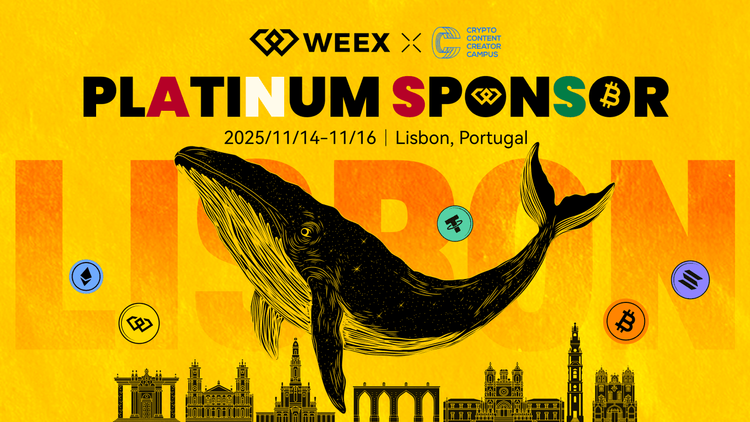
WEEX tại CCCC Lisbon 2025: Cung cấp năng lượng cho các nhà sáng tạo nội dung crypto và kích hoạt kỷ nguyên giao dịch AI với Hackathon sắp tới
Sự tham gia của WEEX trong CCCC Lisbon 2025, cùng với Chiến tranh AI sắp tới: WEEX Alpha Awakens Hackathon, sẽ đánh dấu một bước quan trọng trong việc mở rộng chiến lược của nó trên khắp châu Âu và xa hơn nữa.

WEEX OTC liệt kê hơn 200 cặp giao dịch
Nền tảng OTC WEEX hiện hỗ trợ hơn 200 cặp giao dịch mới, cho phép bạn mua crypto trực tiếp bằng tiền tệ địa phương - nhanh chóng, đơn giản và an toàn.

WEEX TOKEN2049 Singapore Preview, Cảm nhận bầu không khí
Với chủ đề “Thanh khoản sâu hơn , Cá voi lớn hơn”, WEEX đang tăng cường giới thiệu nền tảng giao dịch tiên tiến, kết nối với những bộ óc sáng giá nhất trong ngành và cùng BẠN định hình tương lai của crypto.

WEEX tại Taipei Blockchain Week 2025
Từ ngày 4–6 tháng 9 năm 2025, trái tim của sự đổi mới Web3 đã đập vang dội tại Songshan Cultural & Creative Park ở Đài Bắc, Đài Loan, nơi WEEX tự hào tham gia trong vai trò Nhà tài trợ Bạc của Taipei Blockchain Week 2025.

WEEX Tổ chức Exclusive Crypto Elite Party tại Thổ Nhĩ Kỳ
Là một trong những sàn giao dịch phát triển nhanh nhất toàn cầu, WEEX đã tận dụng cơ hội này để tiếp tục củng cố sự hiện diện thương hiệu tại khu vực MENA, đồng thời nhấn mạnh cam kết xây dựng sự phát triển dựa vào cộng đồng và hỗ trợ hệ sinh thái blockchain rộng lớn hơn.

WEEX Tổ chức Lễ hội Mùa hè tại Moscow
WEEX đã tổ chức Signature Summer Night tại Moscow, quy tụ hơn 100 người tham dự, bao gồm các trader, builder, KOL và đối tác từ cộng đồng blockchain CIS.
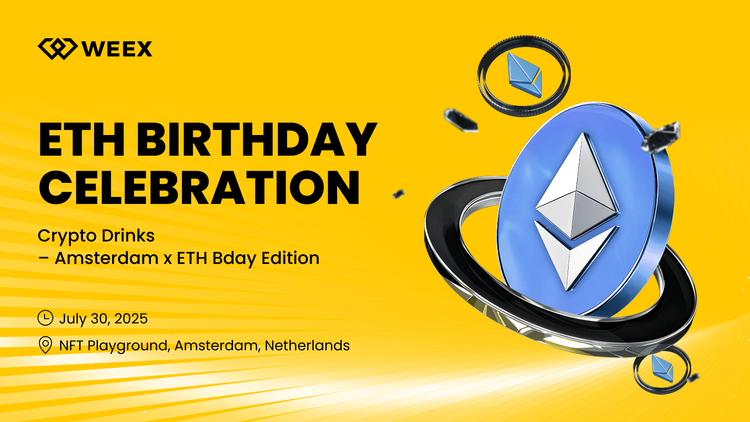
WEEX ETH Mừng sinh nhật & Kết nối Web3
WEEX đã tham gia Crypto Drinks – Amsterdam x ETH Birthday Edition, một sự kiện bên lề sôi động kỷ niệm ngày sinh nhật của Ethereum cùng cộng đồng crypto châu Âu.

WEEX tại CONF3RENCE Dortmund 2025 Welcome Gala
Đối với WEEX, việc tham gia CONF3RENCE Dortmund đánh dấu một bước tiến quan trọng khác trong chiến lược mở rộng toàn cầu của mình.

WEEX tại Consensus Hong Kong 2025
WEEX, một sàn giao dịch tiền mã hóa hàng đầu thế giới, tự hào tham gia Consensus Hong Kong 2025 với vai trò Nhà tài trợ 2-Block, đánh dấu một cột mốc nữa trong hành trình mở rộng toàn cầu của chúng tôi.
WEEX tại CCCC Dubai 2024
Sự kiện tham gia CCCC Dubai đã đánh dấu một cột mốc chiến lược cho WEEX tại khu vực Trung Đông và Bắc Phi.
Rủi ro giao dịch AI trong tiền mã hóa: Tại sao các chiến lược giao dịch tiền mã hóa tốt hơn có thể tạo ra tổn thất lớn hơn?
Rủi ro không còn nằm chủ yếu trong việc đưa ra quyết định kém hoặc sai lầm về cảm xúc. Nó ngày càng sống trong cấu trúc thị trường, con đường thực thi, và hành vi tập thể. Hiểu được sự thay đổi này quan trọng hơn là tìm ra chiến lược “tốt hơn” tiếp theo.
Các đại lý AI đang thay thế Nghiên cứu Crypto? Làm thế nào AI tự trị đang định hình lại giao dịch crypto
AI đang chuyển từ việc hỗ trợ các nhà giao dịch sang tự động hóa toàn bộ quá trình nghiên cứu đến thi hành trong thị trường tiền điện tử. Lợi thế đã chuyển từ kiến thức của con người sang đường ống dẫn dữ liệu, tốc độ và các hệ thống AI sẵn sàng để thực hiện, làm cho sự chậm trễ trong tích hợp AI trở thành một nhược điểm cạnh tranh.
Giao dịch AI trong Crypto Giải thích: Cách giao dịch tự trị đang định hình lại thị trường tiền điện tử và sàn giao dịch tiền điện tử
AI Trading đang nhanh chóng biến đổi phong cảnh crypto. Các chiến lược truyền thống đấu tranh để theo kịp sự biến động không ngừng của crypto và cấu trúc thị trường phức tạp, trong khi AI có thể xử lý dữ liệu khổng lồ, tạo ra các chiến lược thích nghi, quản lý rủi ro và thực hiện giao dịch một cách độc lập. Bài viết này hướng dẫn người dùng WEEX qua giao dịch AI là gì, tại sao tiền mã hóa đẩy nhanh sự áp dụng của nó, làm thế nào ngành công nghiệp đang phát triển hướng tới các đại lý tự trị, và tại sao WEEX đang xây dựng hệ sinh thái giao dịch AI thế hệ tiếp theo.
Giao dịch AI trong Crypto Markets: Từ robot giao dịch tự động đến chiến lược thuật toán
Giao dịch do AI thúc đẩy đang chuyển đổi tiền điện tử từ suy đoán bán lẻ sang cạnh tranh ở cấp độ tổ chức, nơi thực thi và quản lý rủi ro quan trọng hơn là hướng đi. Khi giao dịch AI leo thang, rủi ro hệ thống và áp lực quản lý tăng lên, làm cho hiệu suất dài hạn, hệ thống mạnh mẽ và tuân thủ các yếu tố khác biệt quan trọng.
Phân tích cảm xúc AI và biến động tiền mã hóa: Chuyển đổi giá Crypto
Cảm xúc AI đang ngày càng ảnh hưởng đến thị trường tiền điện tử, với những thay đổi trong những kỳ vọng liên quan đến AI chuyển thành sự biến động cho các tài sản kỹ thuật số lớn. Thị trường tiền điện tử có xu hướng mở rộng các câu chuyện AI, cho phép các luồng được thúc đẩy bởi tình cảm vượt quá những yếu tố cơ bản trong ngắn hạn. Hiểu được cảm xúc AI hình thành và phổ biến như thế nào giúp các nhà đầu tư dự đoán tốt hơn chu kỳ rủi ro và định vị cơ hội trên các tài sản kỹ thuật số.
Làm thế nào để mua USDT và Stablecoins khác thông qua WEEX P2P
Bài viết này phác thảo lý do tại sao P2P được sử dụng rộng rãi, những gì làm cho WEEX P2P khác biệt, và làm thế nào nó cung cấp một môi trường an toàn và đáng tin cậy cho người dùng.
Coin thịnh hành
Tin tức crypto mới nhất


Bộ phận CSKH:@weikecs
Hợp tác kinh doanh:@weikecs
Giao dịch Định lượng & MM:[email protected]
Dịch vụ VIP:[email protected]
 App
App