
- Mua crypto
- Thị trường
- Futures
- Spot
- Sao chép giao dịch
 WE-Launch
Uncovering the $6.5 Million Wallet Drain: Essential Strategies to Evade Rising Permit Signature Pitfalls

In the fast-paced world of cryptocurrency, 2025 has proven especially unforgiving for users navigating digital assets. Security analysts now report staggering losses exceeding $3.2 billion in the first nine months alone, driven largely by sophisticated hacks, deceptive scams, and unauthorized wallet accesses. The bulk of this financial devastation stems from vulnerabilities in wallet management and aggressive phishing campaigns that strike right at the moment of digital approval.
Imagine wallet drainers as cunning thieves that have evolved into streamlined, ready-to-deploy services, quietly extracting around $620 million throughout 2024 by blending psychological manipulation with deceptive interface designs that obscure the true implications of what you’re authorizing. The scariest aspect? A significant portion of the harm unfolds off the blockchain, during that seemingly innocuous signature prompt. By granting permissions through these offchain approvals, attackers gain the keys to your funds, with the actual drainage only becoming visible once it’s too late—after you’ve already confirmed the action.
A Stark $6.5 Million Wake-Up Call in Mere Minutes
Picture this: In September, a seasoned DeFi participant, with over four years of experience trading and staking across established protocols, saw their holdings vanish in an instant. More than $6.5 million in assets like stETH and aEthWBTC disappeared, not due to some cutting-edge vulnerability, but through a straightforward yet lethal tactic known as permit signatures. It’s like handing over a signed blank check without realizing the recipient’s intentions.
Traditional approvals follow the ERC-20 standard, requiring an onchain transaction that incurs gas fees—a built-in pause that encourages second thoughts. Permit signatures, however, operate differently, allowing offchain authorizations that someone else can later enforce on the blockchain. This convenience eliminates upfront costs, making it feel deceptively safe, much like swiping a card without seeing the bill until later. But in the wrong hands, it’s a direct path to total asset drainage.
Why Focusing on Pre-Sign Safeguards Can Transform Your Security Game
Blockchains are impartial enforcers; they simply follow the rules you’ve signed off on. Once a harmful approval or permit is in place, the system carries out the instructions without question. That’s why true protection hinges on intercepting risks at the source—before you ever hit that sign button. This involves anticipating the full ripple effects of your action, examining tokens, involved parties, and potential outcomes across the network.
Compare it to a vigilant bodyguard who previews every door you open. Effective tools simulate these signatures and transactions in real time, cross-referencing against known threats and providing plain-language breakdowns of what’s at stake. This approach counters the behavioral exploits that drainers thrive on, where the ease of a permit lures even veteran users into traps. We’ve seen how these mechanisms have ensnared experienced players active on platforms for years, underscoring that no one is immune without proactive defenses.
Building Prevention into Your Crypto Routine
The blockchain’s unyielding nature means technical fixes alone won’t cut it against socially engineered threats. Instead, empowerment comes from tools that illuminate dangers at the pre-sign stage, translating cryptic data into actionable insights. For instance, security solutions that mimic transaction outcomes can reveal if a request links to dubious entities, empowering you to halt risky moves before they materialize.
Recent incidents, like that massive September drain, trace back to phishing tactics that exploit permits to grant attackers carte blanche. Simulating these ahead of time could have exposed the excessive allowances and flagged the shady endpoints, offering a critical opportunity to back out. It’s a game-changer, shifting control from exploiters back to everyday users.
To weave stronger protection into your habits, always treat signature requests with the gravity of full transactions—even those without gas fees can unleash fund movements. Scrutinize the spender’s identity, the affected tokens, and the permitted amounts, steering clear of infinite approvals that act like open invitations. If doubt creeps in, pause, verify the source anew, and consider revoking any questionable permissions swiftly while relocating assets to a secure spot.
As Web3 landscapes advance, so do the clever ploys that turn user-friendly features into weapons. Yet, with vigilant pre-sign analysis and informed decision-making, you can preserve that ease without falling prey to these hidden dangers.
In this volatile environment, aligning with reliable platforms enhances your overall strategy. For those diving into DeFi trading, the WEEX exchange stands out with its robust security features and user-centric design, offering seamless asset management while prioritizing protection against common pitfalls like unauthorized accesses. By choosing WEEX, you’re not just trading—you’re building on a foundation of trust and innovation that complements your vigilance in the crypto space.
Recent online buzz amplifies these concerns, with Google searches spiking for queries like “how to spot permit signature scams” and “best ways to secure crypto wallets,” reflecting widespread anxiety amid rising incidents. On Twitter, discussions have heated up around a viral post from mid-October 2025 highlighting a similar drain attempt thwarted by quick revocations, alongside official wallet provider announcements emphasizing updated simulation tools. These updates, including enhanced threat databases as of October 16, 2025, show the community adapting rapidly to curb losses, now estimated at $3.5 billion year-to-date.
FAQ
What exactly are permit signatures and why are they risky?
Permit signatures are offchain approvals that grant spending rights without immediate gas fees, making them convenient but vulnerable to exploitation. They’re risky because they can be used by scammers to drain funds instantly once authorized, often through deceptive phishing tactics.
How can I protect my wallet from drainers before signing anything?
Focus on pre-sign tools that simulate outcomes, checking for suspicious contracts or unlimited allowances. Always verify the request’s details and use security extensions to flag threats in real time, giving you control before any damage occurs.
What should I do if I suspect I’ve signed a malicious permit?
Act immediately by revoking all questionable approvals through trusted tools and transferring remaining assets to a new wallet. Monitoring services can help identify and guide these revokes to minimize further exposure.
Bạn cũng có thể thích
Rủi ro giao dịch AI trong tiền mã hóa: Tại sao các chiến lược giao dịch tiền mã hóa tốt hơn có thể tạo ra tổn thất lớn hơn?
Rủi ro không còn nằm chủ yếu trong việc đưa ra quyết định kém hoặc sai lầm về cảm xúc. Nó ngày càng sống trong cấu trúc thị trường, con đường thực thi, và hành vi tập thể. Hiểu được sự thay đổi này quan trọng hơn là tìm ra chiến lược “tốt hơn” tiếp theo.

Các đại lý AI đang thay thế Nghiên cứu Crypto? Làm thế nào AI tự trị đang định hình lại giao dịch crypto
AI đang chuyển từ việc hỗ trợ các nhà giao dịch sang tự động hóa toàn bộ quá trình nghiên cứu đến thi hành trong thị trường tiền điện tử. Lợi thế đã chuyển từ kiến thức của con người sang đường ống dẫn dữ liệu, tốc độ và các hệ thống AI sẵn sàng để thực hiện, làm cho sự chậm trễ trong tích hợp AI trở thành một nhược điểm cạnh tranh.
Giao dịch AI trong Crypto Giải thích: Cách giao dịch tự trị đang định hình lại thị trường tiền điện tử và sàn giao dịch tiền điện tử
AI Trading đang nhanh chóng biến đổi phong cảnh crypto. Các chiến lược truyền thống đấu tranh để theo kịp sự biến động không ngừng của crypto và cấu trúc thị trường phức tạp, trong khi AI có thể xử lý dữ liệu khổng lồ, tạo ra các chiến lược thích nghi, quản lý rủi ro và thực hiện giao dịch một cách độc lập. Bài viết này hướng dẫn người dùng WEEX qua giao dịch AI là gì, tại sao tiền mã hóa đẩy nhanh sự áp dụng của nó, làm thế nào ngành công nghiệp đang phát triển hướng tới các đại lý tự trị, và tại sao WEEX đang xây dựng hệ sinh thái giao dịch AI thế hệ tiếp theo.

Giao dịch AI trong Crypto Markets: Từ robot giao dịch tự động đến chiến lược thuật toán
Giao dịch do AI thúc đẩy đang chuyển đổi tiền điện tử từ suy đoán bán lẻ sang cạnh tranh ở cấp độ tổ chức, nơi thực thi và quản lý rủi ro quan trọng hơn là hướng đi. Khi giao dịch AI leo thang, rủi ro hệ thống và áp lực quản lý tăng lên, làm cho hiệu suất dài hạn, hệ thống mạnh mẽ và tuân thủ các yếu tố khác biệt quan trọng.

Phân tích cảm xúc AI và biến động tiền mã hóa: Chuyển đổi giá Crypto
Cảm xúc AI đang ngày càng ảnh hưởng đến thị trường tiền điện tử, với những thay đổi trong những kỳ vọng liên quan đến AI chuyển thành sự biến động cho các tài sản kỹ thuật số lớn. Thị trường tiền điện tử có xu hướng mở rộng các câu chuyện AI, cho phép các luồng được thúc đẩy bởi tình cảm vượt quá những yếu tố cơ bản trong ngắn hạn. Hiểu được cảm xúc AI hình thành và phổ biến như thế nào giúp các nhà đầu tư dự đoán tốt hơn chu kỳ rủi ro và định vị cơ hội trên các tài sản kỹ thuật số.

Chiến tranh AI: WEEX Alpha Awakens | Hướng dẫn quy trình thử nghiệm WEEX Global Hackathon API
AI Wars: WEEX Alpha Awakens đăng ký đã mở. và hướng dẫn này phác thảo cách truy cập vào thử nghiệm API và hoàn thành quá trình thành công.
Tháng 11-2025 Crypto Market Review: Sửa đổi giá, thanh toán ETF và phát triển Blockchain
Tháng 11 năm 2025 đã chứng kiến sự biến động rõ rệt và một sự điều chỉnh cấu trúc trong hệ sinh thái blockchain rộng hơn, chủ yếu được thúc đẩy bởi các dự báo kinh tế vĩ mô biến động và động lực dòng vốn cụ thể.

Làm thế nào để mua USDT và Stablecoins khác thông qua WEEX P2P
Bài viết này phác thảo lý do tại sao P2P được sử dụng rộng rãi, những gì làm cho WEEX P2P khác biệt, và làm thế nào nó cung cấp một môi trường an toàn và đáng tin cậy cho người dùng.

CCCC Lisbon 2025 của WEEX Sự hiện diện toàn cầu và con đường hướng tới giao dịch tiền điện tử do AI thúc đẩy
WEEX tự hào kết thúc cuộc hành trình của mình tại Crypto Content Creator Campus (CCCC) 2025 với tư cách là Platinum Sponsor, đánh dấu sự hiện diện quan trọng tại một trong những cuộc họp hàng đầu thế giới cho các nhà sáng tạo crypto, nhà đổi mới và các nhà lãnh đạo ngành

WEEX tại CCCC Lisbon 2025: Cung cấp năng lượng cho các nhà sáng tạo nội dung crypto và kích hoạt kỷ nguyên giao dịch AI với Hackathon sắp tới
Sự tham gia của WEEX trong CCCC Lisbon 2025, cùng với Chiến tranh AI sắp tới: WEEX Alpha Awakens Hackathon, sẽ đánh dấu một bước quan trọng trong việc mở rộng chiến lược của nó trên khắp châu Âu và xa hơn nữa.

WEEX OTC liệt kê hơn 200 cặp giao dịch
Nền tảng OTC WEEX hiện hỗ trợ hơn 200 cặp giao dịch mới, cho phép bạn mua crypto trực tiếp bằng tiền tệ địa phương - nhanh chóng, đơn giản và an toàn.

WEEX TOKEN2049 Singapore Preview, Cảm nhận bầu không khí
Với chủ đề “Thanh khoản sâu hơn , Cá voi lớn hơn”, WEEX đang tăng cường giới thiệu nền tảng giao dịch tiên tiến, kết nối với những bộ óc sáng giá nhất trong ngành và cùng BẠN định hình tương lai của crypto.

WEEX tại Taipei Blockchain Week 2025
Từ ngày 4–6 tháng 9 năm 2025, trái tim của sự đổi mới Web3 đã đập vang dội tại Songshan Cultural & Creative Park ở Đài Bắc, Đài Loan, nơi WEEX tự hào tham gia trong vai trò Nhà tài trợ Bạc của Taipei Blockchain Week 2025.

WEEX Tổ chức Exclusive Crypto Elite Party tại Thổ Nhĩ Kỳ
Là một trong những sàn giao dịch phát triển nhanh nhất toàn cầu, WEEX đã tận dụng cơ hội này để tiếp tục củng cố sự hiện diện thương hiệu tại khu vực MENA, đồng thời nhấn mạnh cam kết xây dựng sự phát triển dựa vào cộng đồng và hỗ trợ hệ sinh thái blockchain rộng lớn hơn.

WEEX Tổ chức Lễ hội Mùa hè tại Moscow
WEEX đã tổ chức Signature Summer Night tại Moscow, quy tụ hơn 100 người tham dự, bao gồm các trader, builder, KOL và đối tác từ cộng đồng blockchain CIS.
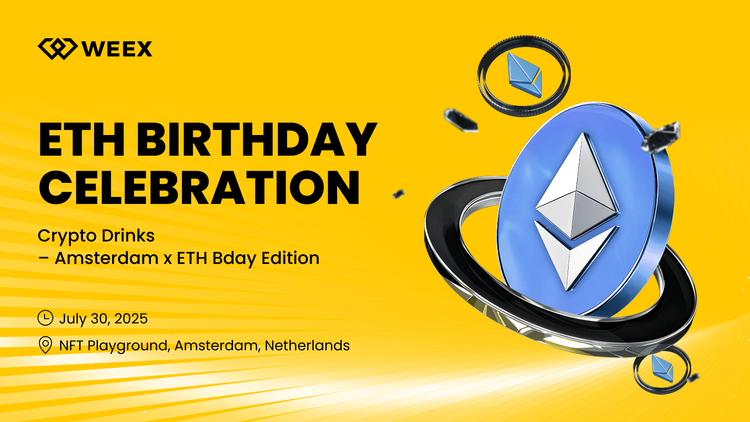
WEEX ETH Mừng sinh nhật & Kết nối Web3
WEEX đã tham gia Crypto Drinks – Amsterdam x ETH Birthday Edition, một sự kiện bên lề sôi động kỷ niệm ngày sinh nhật của Ethereum cùng cộng đồng crypto châu Âu.

WEEX tại CONF3RENCE Dortmund 2025 Welcome Gala
Đối với WEEX, việc tham gia CONF3RENCE Dortmund đánh dấu một bước tiến quan trọng khác trong chiến lược mở rộng toàn cầu của mình.

WEEX tại Consensus Hong Kong 2025
WEEX, một sàn giao dịch tiền mã hóa hàng đầu thế giới, tự hào tham gia Consensus Hong Kong 2025 với vai trò Nhà tài trợ 2-Block, đánh dấu một cột mốc nữa trong hành trình mở rộng toàn cầu của chúng tôi.
Rủi ro giao dịch AI trong tiền mã hóa: Tại sao các chiến lược giao dịch tiền mã hóa tốt hơn có thể tạo ra tổn thất lớn hơn?
Rủi ro không còn nằm chủ yếu trong việc đưa ra quyết định kém hoặc sai lầm về cảm xúc. Nó ngày càng sống trong cấu trúc thị trường, con đường thực thi, và hành vi tập thể. Hiểu được sự thay đổi này quan trọng hơn là tìm ra chiến lược “tốt hơn” tiếp theo.
Các đại lý AI đang thay thế Nghiên cứu Crypto? Làm thế nào AI tự trị đang định hình lại giao dịch crypto
AI đang chuyển từ việc hỗ trợ các nhà giao dịch sang tự động hóa toàn bộ quá trình nghiên cứu đến thi hành trong thị trường tiền điện tử. Lợi thế đã chuyển từ kiến thức của con người sang đường ống dẫn dữ liệu, tốc độ và các hệ thống AI sẵn sàng để thực hiện, làm cho sự chậm trễ trong tích hợp AI trở thành một nhược điểm cạnh tranh.
Giao dịch AI trong Crypto Giải thích: Cách giao dịch tự trị đang định hình lại thị trường tiền điện tử và sàn giao dịch tiền điện tử
AI Trading đang nhanh chóng biến đổi phong cảnh crypto. Các chiến lược truyền thống đấu tranh để theo kịp sự biến động không ngừng của crypto và cấu trúc thị trường phức tạp, trong khi AI có thể xử lý dữ liệu khổng lồ, tạo ra các chiến lược thích nghi, quản lý rủi ro và thực hiện giao dịch một cách độc lập. Bài viết này hướng dẫn người dùng WEEX qua giao dịch AI là gì, tại sao tiền mã hóa đẩy nhanh sự áp dụng của nó, làm thế nào ngành công nghiệp đang phát triển hướng tới các đại lý tự trị, và tại sao WEEX đang xây dựng hệ sinh thái giao dịch AI thế hệ tiếp theo.
Giao dịch AI trong Crypto Markets: Từ robot giao dịch tự động đến chiến lược thuật toán
Giao dịch do AI thúc đẩy đang chuyển đổi tiền điện tử từ suy đoán bán lẻ sang cạnh tranh ở cấp độ tổ chức, nơi thực thi và quản lý rủi ro quan trọng hơn là hướng đi. Khi giao dịch AI leo thang, rủi ro hệ thống và áp lực quản lý tăng lên, làm cho hiệu suất dài hạn, hệ thống mạnh mẽ và tuân thủ các yếu tố khác biệt quan trọng.
Phân tích cảm xúc AI và biến động tiền mã hóa: Chuyển đổi giá Crypto
Cảm xúc AI đang ngày càng ảnh hưởng đến thị trường tiền điện tử, với những thay đổi trong những kỳ vọng liên quan đến AI chuyển thành sự biến động cho các tài sản kỹ thuật số lớn. Thị trường tiền điện tử có xu hướng mở rộng các câu chuyện AI, cho phép các luồng được thúc đẩy bởi tình cảm vượt quá những yếu tố cơ bản trong ngắn hạn. Hiểu được cảm xúc AI hình thành và phổ biến như thế nào giúp các nhà đầu tư dự đoán tốt hơn chu kỳ rủi ro và định vị cơ hội trên các tài sản kỹ thuật số.
Chiến tranh AI: WEEX Alpha Awakens | Hướng dẫn quy trình thử nghiệm WEEX Global Hackathon API
AI Wars: WEEX Alpha Awakens đăng ký đã mở. và hướng dẫn này phác thảo cách truy cập vào thử nghiệm API và hoàn thành quá trình thành công.
Coin thịnh hành
Tin tức crypto mới nhất


Bộ phận CSKH:@weikecs
Hợp tác kinh doanh:@weikecs
Giao dịch Định lượng & MM:[email protected]
Dịch vụ VIP:[email protected]
 App
App