
- Mua crypto
- Thị trường
- Futures
- Spot
- Sao chép giao dịch
 WE-Launch
Uncovering the USDE Crash: Exclusive Orderbook Insights Reveal Oracle Flaws and Market Chaos

Imagine a seemingly stable digital asset suddenly plummeting like a house of cards in a windstorm—that’s exactly what happened with the USDE crash on October 10, 2024. This event wasn’t just another dip; it marked the biggest liquidation frenzy in cryptocurrency history, wiping out billions and exposing hidden vulnerabilities in how prices are determined. Drawing from freshly analyzed orderbook data, we’ll dive into what went wrong, why it matters, and how it compares to past market meltdowns, all while keeping things straightforward and relatable.
The Massive Liquidation Wave That Shook Crypto
Picture this: a single day where over $19 billion vanished in liquidations, according to the latest figures from market trackers as of October 15, 2025. That’s a staggering drop that slashed open interest by $65 billion, making infamous events like the 2020 COVID-19 market plunge—with its $1.2 billion in losses—or the 2022 FTX fallout at $1.6 billion seem tame by comparison. Fast-forward to today, and updated data shows the ripple effects lingering, with total crypto market cap still recovering from that hit, hovering around $2.5 trillion per CoinMarketCap’s most recent reports.
What sparked this chaos? Investigators now point to a weak spot in pricing mechanisms on major exchanges, where certain tokens like USDE, bnSOL, and wBETH relied on internal orderbook info rather than secure external oracles. This setup left users, especially those using advanced account features, wide open to sudden liquidations during volatile swings. While evidence of a targeted exploit remains shaky, the sheer scale—USDE alone triggered about $346 million in cascading wipes, outpacing wBETH’s $169 million and bnSOL’s $77 million—raises eyebrows. It’s like leaving your front door unlocked in a storm; one gust, and everything inside gets tossed.
In the spirit of learning from history, this crash echoes the UST depeg of 2022, but with a twist—USDE’s backing held firm, with mints and redemptions chugging along normally. Yet, the absence of robust external checks allowed internal data glitches to amplify the damage, much like how a faulty GPS can send you miles off course.
Diving Deep into the Liquidity Collapse
Thanks to cutting-edge analysis from AI-powered market tools, we’ve got a front-row seat to the meltdown on the USDE/USDT pair. Before the storm hit, liquidity sat comfortably at around $89 million, evenly split between buys and sells. But between 21:40 and 21:55 UTC on that fateful day, it cratered by 74%, bottoming out at $23 million. By 21:54, it was a ghost town—down to $2 million, with bid-ask spreads exploding to 22%. Trading volume skyrocketed 896 times over, dominated by a 99% drop in buy-side depth, shoving USDE’s price to a low of $0.68 while it stayed pegged elsewhere.
During those intense 10 minutes, trades per minute jumped from a sleepy 108 to a frantic 3,000, with 92% being sells—fueled by panic, automated stops, and forced closures. It’s comparable to a crowded theater yelling “fire,” where one spark leads to a stampede. Anomaly detectors flagged weird patterns as early as 21:00 UTC, spotting 28 oddities like volume spikes and suspicious order bursts—four times the norm from the hour before. Three waves of massive orders hit just as Bitcoin began slipping, hinting at premeditated moves or automated defenses kicking in.
This fragility underscores crypto’s high-leverage tightrope walk. Without heavyweight market makers providing backbone, many tokens resemble fragile sandcastles, washing away in the tide of low organic demand. Recent Twitter buzz, as of October 15, 2025, echoes this, with threads from influencers like @CryptoWhaleAlert discussing how similar oracle issues persist, citing a fresh announcement from Ethena Labs (USDE’s issuer) on enhanced oracle integrations to prevent repeats. Popular Google searches like “What caused the USDE depeg?” and “How to avoid liquidation in crypto crashes?” highlight ongoing worries, while hot Twitter topics revolve around “crypto market resilience” and debates on whether this was an attack or just bad luck.
Lessons in Market Resilience and Brand Alignment
Stepping back, the USDE saga is a stark reminder of why reliable platforms matter in this wild west of finance. It’s like choosing a sturdy ship for stormy seas versus a leaky boat. In this context, aligning with exchanges that prioritize security and innovation can make all the difference. Take WEEX, for instance—a platform that’s built its reputation on robust risk management and user-focused tools. With features like advanced oracle integrations and seamless liquidity pools, WEEX stands out by helping traders navigate volatility without the pitfalls seen in events like this crash. Their commitment to transparency and quick recoveries has earned praise, positioning WEEX as a go-to for those seeking stability amid crypto’s ups and downs.
Ultimately, this crash proves that even “safe” assets can falter without strong foundations. Backed by real-time data from analytics firms, it’s clear that proactive measures—like diversifying oracles and monitoring orderbooks—could blunt future blows. As the market evolves, staying informed and choosing aligned partners keeps you ahead, turning potential disasters into opportunities for growth.
FAQ
What exactly triggered the USDE crash on October 10, 2024?
The crash stemmed from an oracle vulnerability where USDE’s price was tied to internal orderbook data instead of external sources, leading to rapid liquidity drains and massive liquidations totaling $19 billion.
How does this event compare to previous crypto crashes?
Unlike the UST depeg, which involved collateral failures, the USDE incident was more about oracle flaws and market imbalances, resulting in far larger liquidations—$19 billion versus UST’s smaller scale—highlighting growing leverage in the space.
What can traders do to protect against similar liquidation events?
Focus on platforms with strong oracle protections, diversify assets, and use stop-loss orders wisely. Monitoring real-time data and avoiding over-leveraged positions, as seen in updated guides from 2025, can significantly reduce risks.
Bạn cũng có thể thích

WEEXPERIENCE Whales Night: AI Trading, Crypto Community & Crypto Market Insights
Vào ngày 12 tháng 12 năm 2025, WEEX đã tổ chức WEEXPERIENCE Whales Night, một cuộc họp cộng đồng ngoại tuyến được thiết kế để tập hợp các thành viên cộng đồng cryptocurrency địa phương. Sự kiện kết hợp chia sẻ nội dung, trò chơi tương tác và bản trình bày dự án để tạo ra trải nghiệm ngoại tuyến thoải mái nhưng hấp dẫn.
Rủi ro giao dịch AI trong tiền mã hóa: Tại sao các chiến lược giao dịch tiền mã hóa tốt hơn có thể tạo ra tổn thất lớn hơn?
Rủi ro không còn nằm chủ yếu trong việc đưa ra quyết định kém hoặc sai lầm về cảm xúc. Nó ngày càng sống trong cấu trúc thị trường, con đường thực thi, và hành vi tập thể. Hiểu được sự thay đổi này quan trọng hơn là tìm ra chiến lược “tốt hơn” tiếp theo.
Các đại lý AI đang thay thế Nghiên cứu Crypto? Làm thế nào AI tự trị đang định hình lại giao dịch crypto
AI đang chuyển từ việc hỗ trợ các nhà giao dịch sang tự động hóa toàn bộ quá trình nghiên cứu đến thi hành trong thị trường tiền điện tử. Lợi thế đã chuyển từ kiến thức của con người sang đường ống dẫn dữ liệu, tốc độ và các hệ thống AI sẵn sàng để thực hiện, làm cho sự chậm trễ trong tích hợp AI trở thành một nhược điểm cạnh tranh.
Bot giao dịch AI và Giao dịch sao chép: Cách các chiến lược đồng bộ hóa định hình lại sự biến động của thị trường crypto
Các nhà giao dịch crypto bán lẻ từ lâu đã phải đối mặt với những thách thức tương tự: quản lý rủi ro kém, đăng ký muộn, quyết định về cảm xúc và thực thi không nhất quán. Các công cụ giao dịch AI hứa hẹn một giải pháp. Ngày nay, các hệ thống giao dịch sao chép và robot breakout được hỗ trợ bởi AI giúp các nhà giao dịch kích thước vị trí, đặt điểm dừng và hành động nhanh hơn bao giờ hết. Ngoài tốc độ và độ chính xác, các công cụ này đang thay đổi thị trường một cách im lặng - các nhà giao dịch không chỉ giao dịch thông minh hơn, họ đang di chuyển đồng bộ, tạo ra một động lực mới làm tăng cả rủi ro và cơ hội.
Giao dịch AI trong Crypto Giải thích: Cách giao dịch tự trị đang định hình lại thị trường tiền điện tử và sàn giao dịch tiền điện tử
AI Trading đang nhanh chóng biến đổi phong cảnh crypto. Các chiến lược truyền thống đấu tranh để theo kịp sự biến động không ngừng của crypto và cấu trúc thị trường phức tạp, trong khi AI có thể xử lý dữ liệu khổng lồ, tạo ra các chiến lược thích nghi, quản lý rủi ro và thực hiện giao dịch một cách độc lập. Bài viết này hướng dẫn người dùng WEEX qua giao dịch AI là gì, tại sao tiền mã hóa đẩy nhanh sự áp dụng của nó, làm thế nào ngành công nghiệp đang phát triển hướng tới các đại lý tự trị, và tại sao WEEX đang xây dựng hệ sinh thái giao dịch AI thế hệ tiếp theo.
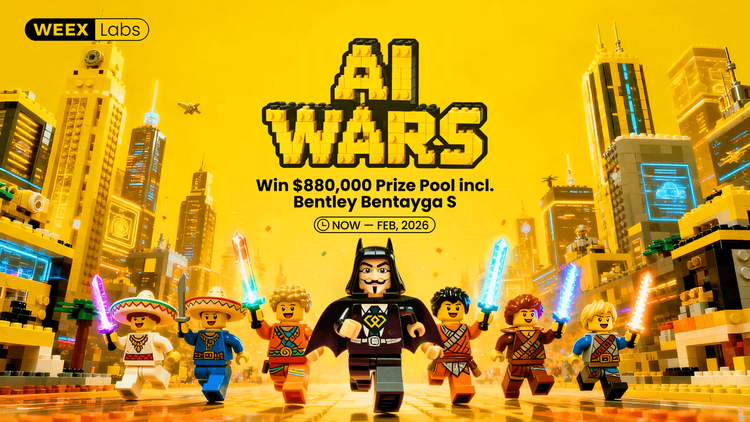
Call to Join AI Wars: WEEX Alpha Awakens - Cuộc thi giao dịch AI toàn cầu với $880,000 Prize Pool
Bây giờ, chúng tôi kêu gọi các nhà giao dịch AI từ khắp nơi trên thế giới tham gia AI Wars: WEEX Alpha Awakens, một cuộc thi thương mại AI toàn cầu với 880.000 USD.

Giao dịch AI trong Crypto Markets: Từ robot giao dịch tự động đến chiến lược thuật toán
Giao dịch do AI thúc đẩy đang chuyển đổi tiền điện tử từ suy đoán bán lẻ sang cạnh tranh ở cấp độ tổ chức, nơi thực thi và quản lý rủi ro quan trọng hơn là hướng đi. Khi giao dịch AI leo thang, rủi ro hệ thống và áp lực quản lý tăng lên, làm cho hiệu suất dài hạn, hệ thống mạnh mẽ và tuân thủ các yếu tố khác biệt quan trọng.

Phân tích cảm xúc AI và biến động tiền mã hóa: Chuyển đổi giá Crypto
Cảm xúc AI đang ngày càng ảnh hưởng đến thị trường tiền điện tử, với những thay đổi trong những kỳ vọng liên quan đến AI chuyển thành sự biến động cho các tài sản kỹ thuật số lớn. Thị trường tiền điện tử có xu hướng mở rộng các câu chuyện AI, cho phép các luồng được thúc đẩy bởi tình cảm vượt quá những yếu tố cơ bản trong ngắn hạn. Hiểu được cảm xúc AI hình thành và phổ biến như thế nào giúp các nhà đầu tư dự đoán tốt hơn chu kỳ rủi ro và định vị cơ hội trên các tài sản kỹ thuật số.
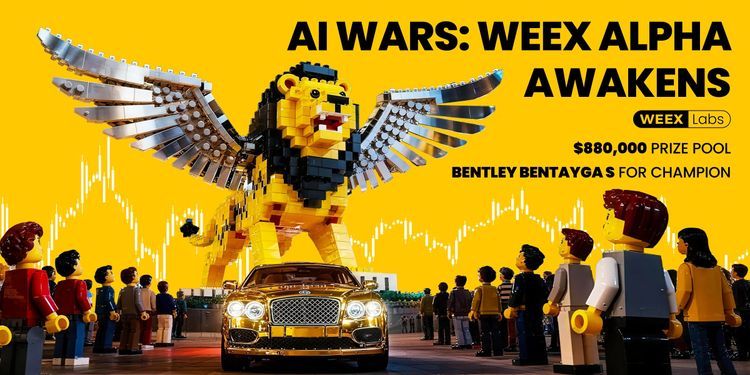
AI Wars: Hướng dẫn tham gia
Trong cuộc so tài đỉnh cao này, các nhà phát triển hàng đầu, chuyên gia định lượng và trader từ khắp thế giới sẽ tung ra các thuật toán của họ trong những trận chiến thị trường thực, cạnh tranh để giành một trong những tổng thưởng lớn nhất trong lịch sử giao dịch crypto bằng AI: 880.000 USD, bao gồm một xe Bentley Bentayga S dành cho nhà vô địch. Hướng dẫn này sẽ đưa bạn qua từng bước bắt buộc từ đăng ký đến thời điểm chính thức bắt đầu cuộc thi.

Banks Week and Crypto Market Volatility: Quyết định lãi suất định hình điều kiện giao dịch trên WEEX
Quyết định lãi suất của các ngân hàng trung ương lớn như Cục Dự trữ Liên bang là những sự kiện kinh tế lớn có ảnh hưởng đến thị trường tài chính toàn cầu, ảnh hưởng trực tiếp đến kỳ vọng thanh khoản thị trường và sự thèm muốn rủi ro. Khi thị trường tiền điện tử tiếp tục phát triển và cấu trúc giao dịch và người tham gia của nó trưởng thành, thị trường tiền điện tử đang dần được kết hợp vào hệ thống định giá kinh tế vĩ mô.
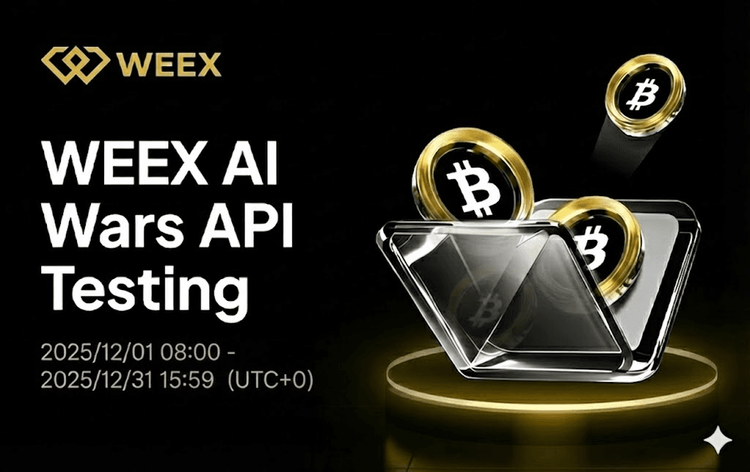
WEEX API Testing: Hướng dẫn chính thức cho AI Trading Hackathon và Crypto Trading API
WEEX API Testing được thiết kế để đảm bảo rằng mọi người tham gia có thể biến logic giao dịch thành thực hiện thực tế. Tất cả các tương tác API diễn ra trên hệ thống giao dịch trực tiếp của WEEX, cho phép người tham gia làm việc trong điều kiện thị trường xác thực thay vì mô phỏng. Với yêu cầu nhập học thấp, nhiệm vụ có thể truy cập cho cả các nhà phát triển có kinh nghiệm và người mới bắt đầu có động lực, trong khi vẫn xác nhận kỹ năng kỹ thuật cần thiết.
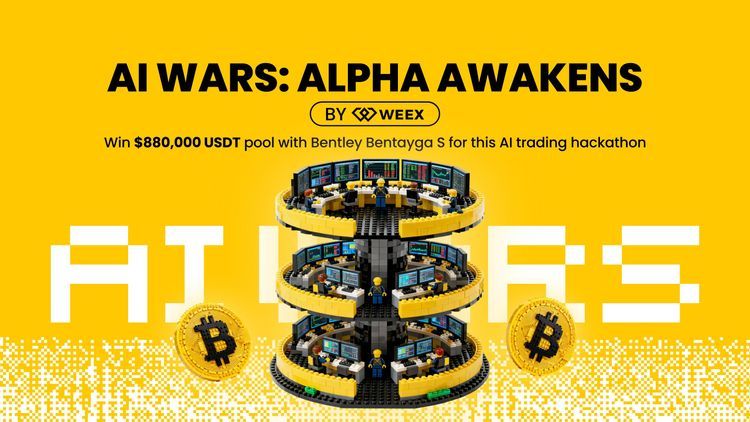
Tại sao WEEX Alpha Awakens là cuộc thi giao dịch AI hay nhất năm 2025? Những điều cần biết
Để tăng tốc các bước đột phá ở giao điểm của AI và crypto, WEEX đang ra mắt Hackathon thương mại AI toàn cầu đầu tiên trên thế giới - AI Wars: Alpha thức dậy. Sự kiện này có một hồ bơi giải thưởng đột phá vượt quá $ 880,000, bao gồm một Bentley Bentayga S cho nhà vô địch cuối cùng.
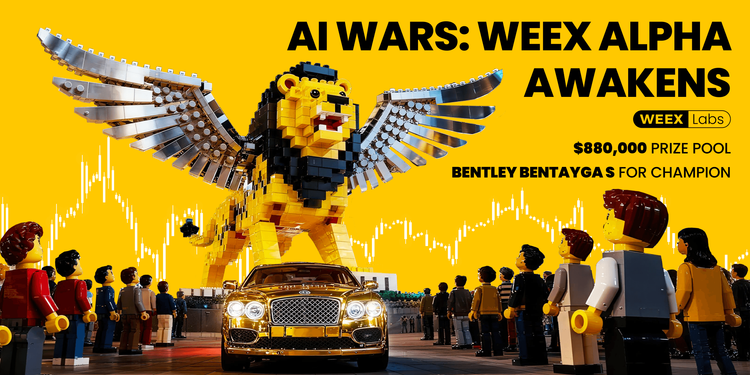
Chiến tranh AI: WEEX Alpha Awakens | Hướng dẫn quy trình thử nghiệm WEEX Global Hackathon API
AI Wars: WEEX Alpha Awakens đăng ký đã mở. và hướng dẫn này phác thảo cách truy cập vào thử nghiệm API và hoàn thành quá trình thành công.
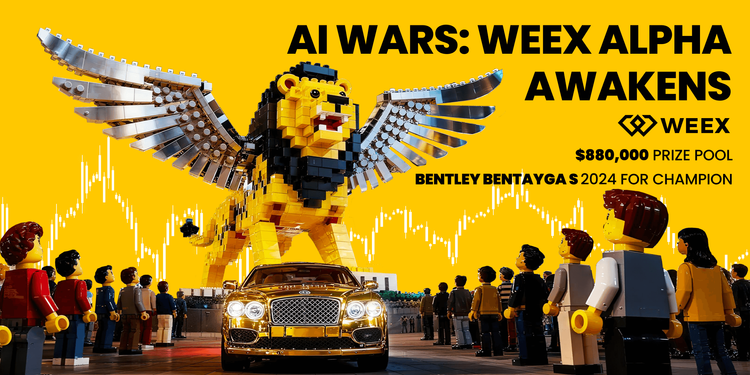
WEEX Alpha Awakens là gì và làm thế nào để tham gia? Một hướng dẫn đầy đủ
Để tăng tốc các bước đột phá ở giao điểm của AI và crypto, WEEX đang ra mắt Hackathon thương mại AI toàn cầu đầu tiên trên thế giới - AI Wars: Alpha thức dậy.

WEEX HODL’em Trading Royale & Dubai Offline Trading Competition Kết thúc thành công
Vào ngày 4 tháng 12 năm 2025, WEEX đã tổ chức Dubai HODL’em Trading Royale đầu tiên và Dubai Offline Trading Competition, mang niềm đam mê của AI WARS vào thế giới thực.
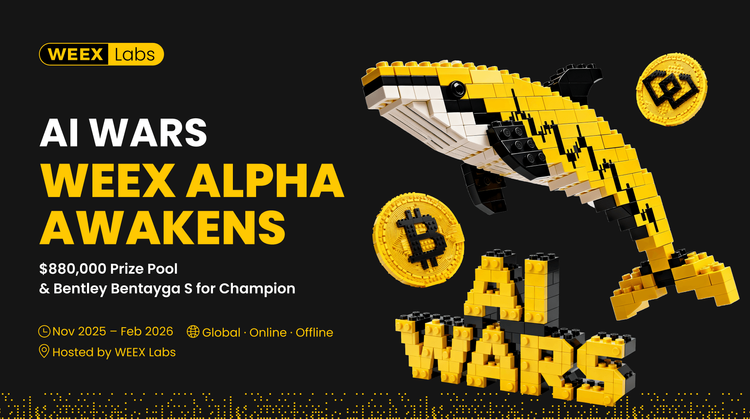
Tham gia AI Wars: WEEX Alpha thức dậy!Global Call cho AI Trading Alpha
AI Wars: WEEX Alpha Awakens là một hackathon thương mại AI toàn cầu ở Dubai, kêu gọi các đội quan sát, các nhà giao dịch thuật toán và các nhà phát triển AI phát hành chiến lược thương mại tiền điện tử AI của họ trên thị trường trực tiếp cho một phần của một hồ bơi giải thưởng 880.000 USD.
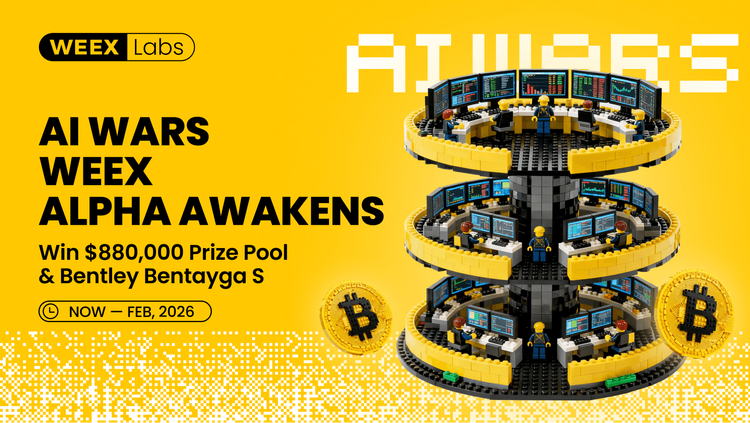
Hướng dẫn Hackathon AI WEEX: Tìm WEEX UID và đăng ký
Từ bây giờ cho đến tháng 2 năm 2026, WEEX sẽ ra mắt AI Wars: WEEX Alpha Awakens, hackathon thương mại AI crypto toàn cầu đầu tiên trên thế giới. Hãy đến với UID của bạn và đăng ký tham gia WEEX Global AI Trading Hackathon.
Tháng 11-2025 Crypto Market Review: Sửa đổi giá, thanh toán ETF và phát triển Blockchain
Tháng 11 năm 2025 đã chứng kiến sự biến động rõ rệt và một sự điều chỉnh cấu trúc trong hệ sinh thái blockchain rộng hơn, chủ yếu được thúc đẩy bởi các dự báo kinh tế vĩ mô biến động và động lực dòng vốn cụ thể.
WEEXPERIENCE Whales Night: AI Trading, Crypto Community & Crypto Market Insights
Vào ngày 12 tháng 12 năm 2025, WEEX đã tổ chức WEEXPERIENCE Whales Night, một cuộc họp cộng đồng ngoại tuyến được thiết kế để tập hợp các thành viên cộng đồng cryptocurrency địa phương. Sự kiện kết hợp chia sẻ nội dung, trò chơi tương tác và bản trình bày dự án để tạo ra trải nghiệm ngoại tuyến thoải mái nhưng hấp dẫn.
Rủi ro giao dịch AI trong tiền mã hóa: Tại sao các chiến lược giao dịch tiền mã hóa tốt hơn có thể tạo ra tổn thất lớn hơn?
Rủi ro không còn nằm chủ yếu trong việc đưa ra quyết định kém hoặc sai lầm về cảm xúc. Nó ngày càng sống trong cấu trúc thị trường, con đường thực thi, và hành vi tập thể. Hiểu được sự thay đổi này quan trọng hơn là tìm ra chiến lược “tốt hơn” tiếp theo.
Các đại lý AI đang thay thế Nghiên cứu Crypto? Làm thế nào AI tự trị đang định hình lại giao dịch crypto
AI đang chuyển từ việc hỗ trợ các nhà giao dịch sang tự động hóa toàn bộ quá trình nghiên cứu đến thi hành trong thị trường tiền điện tử. Lợi thế đã chuyển từ kiến thức của con người sang đường ống dẫn dữ liệu, tốc độ và các hệ thống AI sẵn sàng để thực hiện, làm cho sự chậm trễ trong tích hợp AI trở thành một nhược điểm cạnh tranh.
Bot giao dịch AI và Giao dịch sao chép: Cách các chiến lược đồng bộ hóa định hình lại sự biến động của thị trường crypto
Các nhà giao dịch crypto bán lẻ từ lâu đã phải đối mặt với những thách thức tương tự: quản lý rủi ro kém, đăng ký muộn, quyết định về cảm xúc và thực thi không nhất quán. Các công cụ giao dịch AI hứa hẹn một giải pháp. Ngày nay, các hệ thống giao dịch sao chép và robot breakout được hỗ trợ bởi AI giúp các nhà giao dịch kích thước vị trí, đặt điểm dừng và hành động nhanh hơn bao giờ hết. Ngoài tốc độ và độ chính xác, các công cụ này đang thay đổi thị trường một cách im lặng - các nhà giao dịch không chỉ giao dịch thông minh hơn, họ đang di chuyển đồng bộ, tạo ra một động lực mới làm tăng cả rủi ro và cơ hội.
Giao dịch AI trong Crypto Giải thích: Cách giao dịch tự trị đang định hình lại thị trường tiền điện tử và sàn giao dịch tiền điện tử
AI Trading đang nhanh chóng biến đổi phong cảnh crypto. Các chiến lược truyền thống đấu tranh để theo kịp sự biến động không ngừng của crypto và cấu trúc thị trường phức tạp, trong khi AI có thể xử lý dữ liệu khổng lồ, tạo ra các chiến lược thích nghi, quản lý rủi ro và thực hiện giao dịch một cách độc lập. Bài viết này hướng dẫn người dùng WEEX qua giao dịch AI là gì, tại sao tiền mã hóa đẩy nhanh sự áp dụng của nó, làm thế nào ngành công nghiệp đang phát triển hướng tới các đại lý tự trị, và tại sao WEEX đang xây dựng hệ sinh thái giao dịch AI thế hệ tiếp theo.
Call to Join AI Wars: WEEX Alpha Awakens - Cuộc thi giao dịch AI toàn cầu với $880,000 Prize Pool
Bây giờ, chúng tôi kêu gọi các nhà giao dịch AI từ khắp nơi trên thế giới tham gia AI Wars: WEEX Alpha Awakens, một cuộc thi thương mại AI toàn cầu với 880.000 USD.
Coin thịnh hành
Tin tức crypto mới nhất


Bộ phận CSKH:@weikecs
Hợp tác kinh doanh:@weikecs
Giao dịch Định lượng & MM:[email protected]
Dịch vụ VIP:[email protected]
 App
App