
- Mua crypto
- Thị trường
- Futures
- Spot
- Sao chép giao dịch
 WE-Launch
US Appeals Court Reverses Yuga Labs’ $9M Victory Against Ryder Ripps in NFT Trademark Battle

As of August 8, 2025, the ongoing saga between Yuga Labs and artist Ryder Ripps has taken another twist, highlighting the evolving landscape of NFT trademarks and artistic expression. Imagine building a blockbuster brand like the Bored Ape Yacht Club, only to see it challenged in court—it’s like watching a high-stakes game where creativity clashes with commerce, and the rules are still being written.
Major Setback for Yuga Labs in Trademark Infringement Lawsuit
The US Ninth Circuit Court of Appeals has thrown out the $9 million award that Yuga Labs, the powerhouse behind popular non-fungible tokens, had secured in its trademark infringement battle against artist Ryder Ripps and his associate Jeremy Cahen. This reversal, announced recently, means Yuga Labs hasn’t fully demonstrated that Ripps’ NFT project could confuse consumers by mimicking the iconic Bored Ape Yacht Club collection.
A panel of three judges decided to remand the case to a federal court in California for a full trial on the trademark infringement and cybersquatting allegations. Back in 2022, Yuga Labs filed the lawsuit, accusing Ripps and Cahen of creating an NFT series dubbed the “Ryder Ripps Bored Ape Yacht Club,” which they argued was a blatant imitation of their own wildly successful Bored Ape Yacht Club lineup. Ripps, however, positioned his work as a satirical commentary on alleged racist elements in Yuga’s designs, turning the dispute into a broader conversation about art and critique in the digital age.
In a statement shared through an email linked to him, Ripps described the decision as a massive triumph for creators aiming to produce thoughtful, expressive pieces. On the flip side, a representative from Yuga Labs called the ruling a positive step for the sector, emphasizing that it reinforces the strength and recognizability of the Bored Ape Yacht Club brand. Yuga’s co-founder, Greg Solano, took to X (formerly Twitter) to declare that they’d push forward in the district court to wrap up the fight.
Precedent-Setting Win for NFT Trademarks Amid Brand Alignment Challenges
While it’s a partial loss for Yuga Labs, the appeals court delivered a key victory by classifying their NFTs as “goods” under US trademark law. This establishes an important legal benchmark, potentially empowering other NFT projects to pursue action against copycats. The judges noted that Yuga Labs held trademark priority, having been the first to commercialize the Bored Ape Yacht Club marks.
Solano celebrated this aspect on X, pointing out that it confirms Bored Ape NFTs as protectable trademarks—a boon for every NFT owner out there. This ruling underscores the importance of brand alignment in the NFT world, where maintaining a consistent and authentic identity isn’t just about aesthetics; it’s crucial for building trust and value. Think of it like a luxury fashion house protecting its logo—strong brand alignment ensures that consumers know exactly what they’re getting, preventing dilution from imitations that could erode market confidence. In an industry rife with volatility, aligning your brand with clear, enforceable trademarks can be the difference between thriving and fading away, much like how established companies safeguard their intellectual property to foster long-term loyalty.
For those navigating the NFT trading space, platforms like WEEX exchange stand out with their robust tools for secure and efficient transactions. WEEX enhances brand credibility by offering user-friendly interfaces, low fees, and strong security features that align perfectly with the needs of NFT enthusiasts, making it a reliable choice for buying, selling, and managing digital assets without the headaches of unreliable systems.
Case Heads Back to Trial After Initial Ruling Reversal
A lower federal court had sided with Yuga Labs in 2023, determining that Ripps and Cahen’s NFTs were prone to sparking market confusion. That led to an initial $1.6 million damages award, which ballooned to $9 million following the dismissal of a counterclaim by Ripps and Cahen. But the Ninth Circuit overturned this hefty sum, stating that Yuga Labs’ claims of trademark infringement and cybersquatting didn’t conclusively show a likelihood of consumer confusion as a matter of law.
The appeals panel mandated a trial in federal court to settle whether Ripps’ NFTs truly infringe on Yuga’s trademarks. That said, they upheld the lower court’s view that Ripps and Cahen’s application of Yuga’s marks wasn’t nominative fair use and didn’t qualify as First Amendment-protected expressive work.
This development comes amid surging interest in Ethereum-based NFTs, which have topped seven-day sales charts as ETH prices hover near $4,000, based on the latest market data from August 8, 2025. Recent Twitter buzz has centered on how this case might influence NFT royalties, with creators like Jack Butcher voicing skepticism about royalties, arguing they often reward churn rather than sustained value—echoing sentiments in discussions about sustainable models in the space.
Latest updates as of today include fresh Twitter posts from industry watchers debating the implications for artistic freedom versus brand protection. For instance, searches on Google for “Ryder Ripps vs Yuga Labs update” have spiked, with users frequently asking about the potential ripple effects on other NFT disputes. On Twitter, trending topics like #NFTTrademarks and #BAYC have amplified conversations around how this precedent could reshape IP laws, with official announcements from legal experts suggesting more trials may follow in similar cases.
It’s fascinating to see how this courtroom drama mirrors broader tensions in the crypto world, where innovation often butts heads with regulation. By drawing parallels to traditional art theft cases, it’s clear why protecting trademarks is vital—it’s like guarding a family’s heirloom recipe in a crowded kitchen, ensuring the original flavor isn’t lost in a sea of knockoffs. Backed by court evidence and real-world NFT sales figures, this ruling reinforces that strong IP can drive genuine growth, much as we’ve seen with top collections maintaining dominance through clear brand strategies.
Frequently Asked Questions
What is the Bored Ape Yacht Club and why is it significant in the NFT space?
The Bored Ape Yacht Club is a collection of 10,000 unique ape-themed NFTs created by Yuga Labs, launched in 2021. It’s significant because it pioneered celebrity endorsements, community perks, and high-value sales, turning NFTs into cultural phenomena with billions in trading volume, as evidenced by ongoing market data.
How does this court ruling affect NFT creators and trademark protections?
This ruling strengthens trademark protections by treating NFTs as goods under law, allowing creators to sue imitators more effectively. However, it requires proving consumer confusion in trials, balancing IP rights with artistic freedom—potentially leading to more lawsuits but also clearer guidelines, based on legal precedents set in 2024-2025.
What are the latest developments in the Yuga Labs vs. Ryder Ripps case as of August 8, 2025?
As of today, the case is back in district court for trial after the appeals reversal. Recent Twitter discussions highlight concerns over brand alignment, with no new settlements announced, but experts predict it could influence upcoming NFT IP cases amid rising Ethereum NFT sales.
Bạn cũng có thể thích
Giao dịch AI trong Crypto Markets: Từ robot giao dịch tự động đến chiến lược thuật toán
Giao dịch do AI thúc đẩy đang chuyển đổi tiền điện tử từ suy đoán bán lẻ sang cạnh tranh ở cấp độ tổ chức, nơi thực thi và quản lý rủi ro quan trọng hơn là hướng đi. Khi giao dịch AI leo thang, rủi ro hệ thống và áp lực quản lý tăng lên, làm cho hiệu suất dài hạn, hệ thống mạnh mẽ và tuân thủ các yếu tố khác biệt quan trọng.

Phân tích cảm xúc AI và biến động tiền mã hóa: Chuyển đổi giá Crypto
Cảm xúc AI đang ngày càng ảnh hưởng đến thị trường tiền điện tử, với những thay đổi trong những kỳ vọng liên quan đến AI chuyển thành sự biến động cho các tài sản kỹ thuật số lớn. Thị trường tiền điện tử có xu hướng mở rộng các câu chuyện AI, cho phép các luồng được thúc đẩy bởi tình cảm vượt quá những yếu tố cơ bản trong ngắn hạn. Hiểu được cảm xúc AI hình thành và phổ biến như thế nào giúp các nhà đầu tư dự đoán tốt hơn chu kỳ rủi ro và định vị cơ hội trên các tài sản kỹ thuật số.
Tháng 11-2025 Crypto Market Review: Sửa đổi giá, thanh toán ETF và phát triển Blockchain
Tháng 11 năm 2025 đã chứng kiến sự biến động rõ rệt và một sự điều chỉnh cấu trúc trong hệ sinh thái blockchain rộng hơn, chủ yếu được thúc đẩy bởi các dự báo kinh tế vĩ mô biến động và động lực dòng vốn cụ thể.
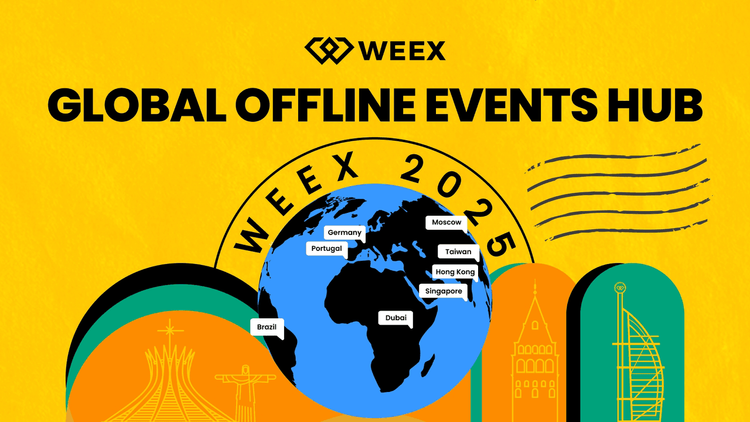
WEEX thắp sáng sân khấu toàn cầu với chuỗi sự kiện offline năm 2025
Bên trong dấu ấn toàn cầu của WEEX: Một năm với đà tăng trưởng không thể ngăn cản
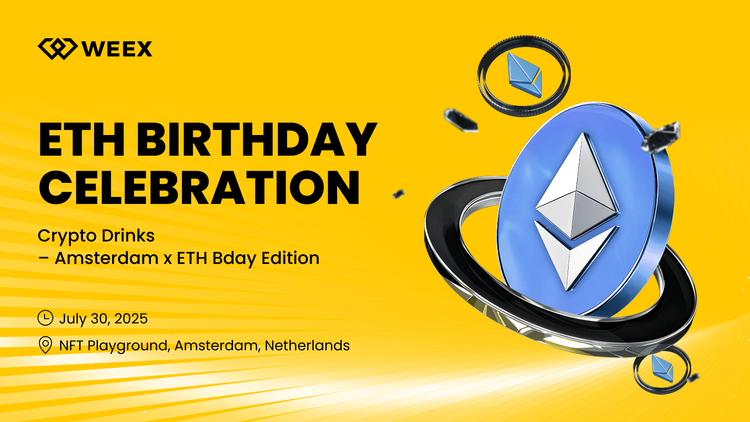
WEEX ETH Mừng sinh nhật & Kết nối Web3
WEEX đã tham gia Crypto Drinks – Amsterdam x ETH Birthday Edition, một sự kiện bên lề sôi động kỷ niệm ngày sinh nhật của Ethereum cùng cộng đồng crypto châu Âu.
SharpLink kiếm được 295 triệu đô la ETH vào ngày 5 tháng 8 năm 2025 - Vượt xa toàn bộ phát hành Ether của tháng trước
Hãy tưởng tượng một công ty không chỉ chìm chân vào thế giới tiền điện tử mà còn lao vào đầu, chuyển sang...
Giao dịch AI trong Crypto Markets: Từ robot giao dịch tự động đến chiến lược thuật toán
Giao dịch do AI thúc đẩy đang chuyển đổi tiền điện tử từ suy đoán bán lẻ sang cạnh tranh ở cấp độ tổ chức, nơi thực thi và quản lý rủi ro quan trọng hơn là hướng đi. Khi giao dịch AI leo thang, rủi ro hệ thống và áp lực quản lý tăng lên, làm cho hiệu suất dài hạn, hệ thống mạnh mẽ và tuân thủ các yếu tố khác biệt quan trọng.
Phân tích cảm xúc AI và biến động tiền mã hóa: Chuyển đổi giá Crypto
Cảm xúc AI đang ngày càng ảnh hưởng đến thị trường tiền điện tử, với những thay đổi trong những kỳ vọng liên quan đến AI chuyển thành sự biến động cho các tài sản kỹ thuật số lớn. Thị trường tiền điện tử có xu hướng mở rộng các câu chuyện AI, cho phép các luồng được thúc đẩy bởi tình cảm vượt quá những yếu tố cơ bản trong ngắn hạn. Hiểu được cảm xúc AI hình thành và phổ biến như thế nào giúp các nhà đầu tư dự đoán tốt hơn chu kỳ rủi ro và định vị cơ hội trên các tài sản kỹ thuật số.
Tháng 11-2025 Crypto Market Review: Sửa đổi giá, thanh toán ETF và phát triển Blockchain
Tháng 11 năm 2025 đã chứng kiến sự biến động rõ rệt và một sự điều chỉnh cấu trúc trong hệ sinh thái blockchain rộng hơn, chủ yếu được thúc đẩy bởi các dự báo kinh tế vĩ mô biến động và động lực dòng vốn cụ thể.
WEEX thắp sáng sân khấu toàn cầu với chuỗi sự kiện offline năm 2025
Bên trong dấu ấn toàn cầu của WEEX: Một năm với đà tăng trưởng không thể ngăn cản
WEEX ETH Mừng sinh nhật & Kết nối Web3
WEEX đã tham gia Crypto Drinks – Amsterdam x ETH Birthday Edition, một sự kiện bên lề sôi động kỷ niệm ngày sinh nhật của Ethereum cùng cộng đồng crypto châu Âu.
SharpLink kiếm được 295 triệu đô la ETH vào ngày 5 tháng 8 năm 2025 - Vượt xa toàn bộ phát hành Ether của tháng trước
Hãy tưởng tượng một công ty không chỉ chìm chân vào thế giới tiền điện tử mà còn lao vào đầu, chuyển sang...
Coin thịnh hành
Tin tức crypto mới nhất


Bộ phận CSKH:@weikecs
Hợp tác kinh doanh:@weikecs
Giao dịch Định lượng & MM:[email protected]
Dịch vụ VIP:[email protected]
 App
App