
- Mua crypto
- Thị trường
- Futures
- Spot
- Sao chép giao dịch
 WE-Launch
Vana Mainnet and Tokenomics are about to go live, reshaping the Internet AI data trading model

Personal data has become the cornerstone of the internet economy. Over the past two decades, we have embraced a simple transactional model: platforms collect user data by offering free services and monetize it. This model—where "if you're not paying, you're the product"—has shaped various forms of businesses from targeted advertising to data brokers.
The rise of AI has made the situation even more complex. Platforms now sell user data for billions of dollars to train AI models—transforming personal information from a resource for targeted advertising into a core building block of artificial intelligence. However, the users generating this data have not reaped the corresponding value.
This was not the original intent. The architects of the internet envisioned user control of personal information, not platforms. Tim Berners-Lee spent years working to restore this data sovereignty. However, the convenience of cloud infrastructure and the ubiquity of free services eventually took over, making platforms the rulers of our digital world.
Today, two transformative shifts are converging: AI is exponentially increasing the value of personal data, while advancements in decentralized technologies are finally empowering individuals to control their data.
Vana is the first open-source data sovereignty protocol. It allows users to export their data from platforms and join a data commons, engaging directly with AI companies and developers. Through encrypted personal storage and client-side computation, users retain control of their data while achieving network effects that were previously only possible through centralized platforms. It provides a self-sovereign internet where both parties benefit: developers can leverage ideal datasets to build groundbreaking applications, and users have full control over their most valuable asset.
Today, we are launching the Vana Whitepaper ahead of the mainnet release. In this paper, we will explore how Vana transforms personal data from an extracted resource into an asset class controlled by creators.
Overcoming the Double Spending Problem of Data
Unlike other digital assets, the core challenge of securitizing data lies in the fact that the economic value of data relies on access permissions—once data is made public, it loses its market value. Traditional blockchains focus on public verifiability, making them unsuitable for handling private data. Vana addresses this issue through an architecture that combines private data custody with public ownership.
The Vana Network maintains a global state that includes:
· Data Ownership Record: Cryptographic proof of data ownership
· Access Control: Who can access what data under what conditions
· Verification Proofs: Certification of data quality, authenticity, and metadata
· On-chain Data Collective Agreements and Token Balances: Economic rights and governance
Although data remains encrypted and stored on individual servers or in secure enclaves, the network enables users to programmatically control who can access the data, under what conditions, and how to attribute value back to the data creator.
In practice, users can export their private data from any platform and store it in a personally controlled server protected by encryption keys, then join data collectives on Vana, which pool together similar categories of user data. These data collectives are referred to as DataDAOs, which can negotiate with AI model trainers or app developers, agreeing on compensation for data usage. When external developers purchase data, data pool contributors receive corresponding rewards.
DataDAOs and Data Tokens
The data liquidity pool is a coordination mechanism that transforms individual data into a new asset class by mapping non-fungible data to fungible data tokens. It instantiates DataDAOs through smart contracts, representing contributors, developers, and researchers within a specific data ecosystem. When users contribute data, they receive specific DLP tokens based on the DataDAO's proof of contribution.
Each DataDAO sets different contribution proof standards based on data types. For example, financial data DLP may emphasize transaction accuracy and record integrity, while social media DLP may focus on user interactions and account longevity. Health data DLP may prioritize data effectiveness and device accuracy.
The Vana protocol provides a standardized attestation framework, storing data proofs and metadata on-chain while safeguarding data privacy. Data validation is done through Trusted Execution Environments (TEEs) in the Satya Network, ensuring quality certification while protecting privacy. Some DLPs also utilize zk technology to enhance data validation, including zk email and zktls.
As the core coordination mechanism for collective data assets in the Vana Network, DLP differs from traditional DeFi liquidity pools, which coordinate fungible token pairs, as DLP coordinates non-fungible individual contribution data while maintaining data privacy and sovereignty.
The Vana Foundation is currently collaborating with 12 high-quality DataDAOs in an accelerator program and has received 300 new applications. The current DataDAO teams consist of 2 to 5 members each, dedicated to building DLPs around specific data sources, including Twitter data, synthetic data, genetic data, and browsing data, among others. Each DataDAO will issue its own data set-specific token. You can learn more about DataDAO here.
The advantage of DLPs lies in their permissionless nature—anyone can create a DLP without needing approval from the data source platform. This is because DLPs leverage existing data privacy regulations to ensure individual users own and control their personal data exports.
When AI researchers and model developers wish to access this aggregated data, they can interact directly with the DataDAO's governance system instead of negotiating with thousands of individual users. This collective bargaining approach is transformative: data contributors receive governance tokens based on their contributions, giving them economic rights and decision-making power to determine how their data is used. The end result is a virtuous cycle where high-quality data contributions are rewarded, market forces determine fair access pricing, and users are incentivized to continue contributing data.
For example, an AI researcher may propose a phased access plan to a DataDAO, first accessing 10% of the dataset for quality control, then using the full dataset for model training—all while keeping the data encrypted and secure. In exchange, they would burn a certain amount of DLP tokens, distributing the value to data contributors. This way, as the dataset's value grows, the rewards directly benefit the contributors.
DataDAOs and VANA Token
The launch of the Vana mainnet will break the monopoly of big tech companies on data. Previously, AI companies could only collaborate with centralized platforms like Meta and Google, which control vast amounts of data, limiting developer access. This situation persisted because coordinating data access for millions of users is both a technical and social challenge.
The Vana mainnet disrupts this status quo by establishing data sovereignty infrastructure. Millions of users can aggregate data into a liquid market that can compete with big tech companies while ensuring individual privacy through encryption. The Vana mainnet creates a data economy driven by market forces, not platform monopolies.
We've laid the foundation for user data ownership: users control their data through non-custodial wallets, and the data travels with them throughout their internet activities.
The VANA token achieves this vision through several key functions:
· Securing the network through validator staking
· Paying for network operations transaction fees
· DLP staking to determine rewards distribution for different DataDAOs
· Used to purchase data access rights for all DLPs
When an AI company wants to access DLP data, they must use VANA to purchase and burn DLP tokens. This establishes a direct economic link between network usage and token value. As more AI companies need to access user data, the demand for VANA and DLP tokens increases. The burning mechanism ensures that the value is fed back to the network and data contributors.
The top 16 DataDAOs will receive rewards based on their VANA holdings to incentivize early data contributors to the network. The top 16 are selected every 3 weeks and rewards are distributed based on the performance metrics of the Vana DAO. For more information about DataDAO rewards, please click here.
In this way, VANA serves as the economic foundation of data transactions and represents the total value of data assets in the network. With more AI companies accessing DLP data, the VANA purchase and burn mechanism creates a sustainable economic system that rewards data contributors and network participants.
The New Era of Open Data Economy
The launch of the Vana mainnet marks a fundamental shift in power in the AI economy. Users can collectively challenge the data monopolies of big tech companies, turning personal data into an asset under their control. This is not only to receive rewards but to redefine who is building, controlling, and benefiting from AI.
This opportunity is both urgent and immense. AI companies are facing a data bottleneck and urgently need new training data. Through Vana, users can pool their data into datasets that can compete with big platforms while maintaining encrypted control. With each new user onboarded, the Vana network grows stronger, supporting cross-platform datasets and empowering users with data sovereignty.
We are building an AI economy for users and open-source developers, not Web2 giants. In this era, data flows freely, sovereignty is maintained, and the next generation of AI models will be trained on user-owned data, with benefits returned to data contributors, enabling top AI developers to access the ideal dataset. Join us in creating a new open data economy together.
「Original Source」
Bạn cũng có thể thích

Để lại những ngày đầu hỗn loạn, các nhà sản xuất thị trường tiền điện tử đang ăn mừng sự ra đời của họ
Cuộc đấu tranh sống hay chết cho các nhà sản xuất thị trường tiền điện tử giống như sự tiến hóa loài trong điều kiện cực đoan.
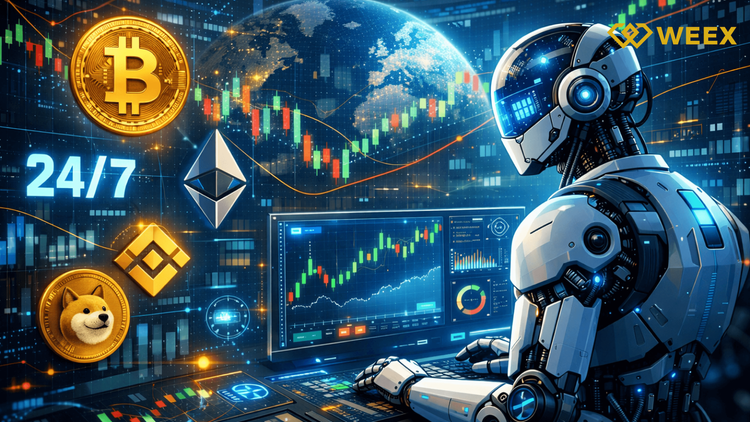
Tại sao AI Trading Bots đang trở nên cần thiết trong 24/7 Crypto Markets
Thị trường tiền điện tử hoạt động liên tục và di chuyển nhanh hơn so với sự chú ý của con người có thể duy trì một cách đáng tin cậy. Giá phản ứng ngay lập tức với các sự kiện toàn cầu, chuyển động thanh khoản giữa các khu vực, và các cơ hội có thể giao dịch thường tồn tại trong vài phút thay vì vài giờ. Đối với nhiều nhà giao dịch, thách thức cốt lõi không còn là tạo ra ý tưởng, mà là thực hiện các quyết định liên tục mà không có sự giám sát liên tục hoặc can thiệp cảm xúc. Đây là nơi mà AI trading bots đang ngày càng được áp dụng - không phải là bảo đảm lợi nhuận, mà là công cụ được thiết kế để dịch các chiến lược được xác định trước thành thực hiện đáng tin cậy, có thể lặp lại.
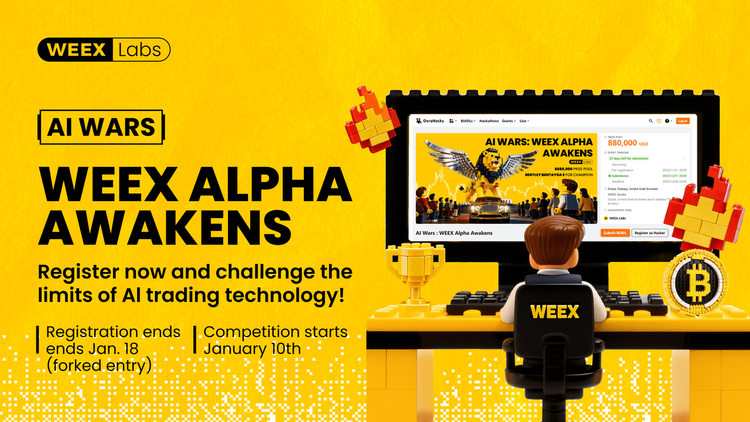
Chiến dịch giao dịch mã hóa AI: Trang chủ » WEEX Alpha Awakens
Việc tích hợp trí tuệ nhân tạo vào giao dịch tiền mã hóa đã phát triển từ một thí nghiệm mới thành một tiện ích cốt lõi. Vào năm 2026, các công cụ được thúc đẩy bởi AI đã trở nên cần thiết cho các nhà giao dịch tìm kiếm kỷ luật nâng cao, tốc độ thực hiện vượt trội và ra quyết định có cấu trúc, dựa trên dữ liệu trong bối cảnh thị trường bất ổn. Hướng dẫn này cung cấp một mô tả thực tiễn, từng bước về cách tham gia WEEX Alpha Awakens, với một cuộc kiểm tra tập trung về cách các chiến lược này được thực hiện trong môi trường giao dịch trực tiếp.

Các K-line của cuộc sống không thể chữa khỏi lo âu, và các thị trường dự đoán không thể tính toán kết thúc.
Cuộc sống thực sự thường diễn ra bên ngoài K-line.

Làm thế nào AI giúp các nhà giao dịch tiền mã hóa phân tích thị trường, quản lý rủi ro và giao dịch thông minh hơn
Giao dịch crypto không còn là chỉ có một ý tưởng tốt - nó là về việc thực hiện liên tục trong một thị trường không bao giờ dừng lại. Khi khối lượng dữ liệu và tốc độ thị trường tăng lên, phân tích thủ công truyền thống đạt đến giới hạn. AI giúp các nhà giao dịch vượt quá những giới hạn này bằng cách thay đổi cách phân tích thị trường, cách diễn giải tình cảm và cách kiểm soát rủi ro. Bài viết này khám phá cách AI đang định hình lại giao dịch tiền mã hóa - và điều đó có ý nghĩa gì đối với các nhà giao dịch ngày nay.

WEEX × LALIGA: Bảy ngôi sao đại diện cho một tiêu chuẩn chung của sự xuất sắc
Sự xuất sắc trong bóng đá không bao giờ là ngẫu nhiên. Nó được xây dựng trên kỷ luật, nhất quán, và khả năng cung cấp dưới áp lực - mùa sau mùa. Các nguyên tắc tương tự áp dụng trong giao dịch chuyên nghiệp, nơi hiệu suất dài hạn quan trọng hơn động lực ngắn hạn. Là một đối tác chính thức của LALIGA, WEEX làm nổi bật bảy cầu thủ xuất sắc thể hiện tinh thần cạnh tranh của giải đấu và sức hấp dẫn toàn cầu. Mỗi phong cách mang đến một phong cách độc đáo cho sân, nhưng tất cả đều chia sẻ các giá trị phù hợp chặt chẽ với cam kết của WEEX đối với sự ổn định, chính xác và thực hiện chuyên nghiệp. Quan hệ đối tác này được xây dựng trên các tiêu chuẩn chung - nơi sự nhất quán và kiểm soát xác định hiệu suất dưới áp lực.

Từ Wuhan đến Thung lũng Silicon, Manus đã làm điều đó chỉ trong chín tháng.
Bạn có thể gọi nó là một “bọc”, nhưng nó đã bao bọc con đường của nó cho đến Meta.
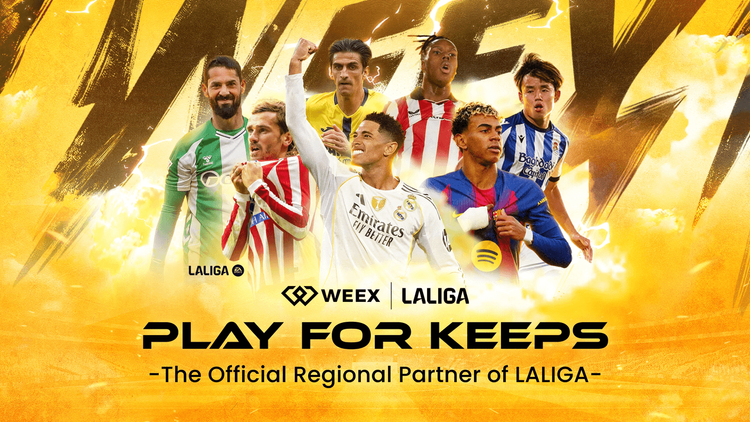
WEEX hợp tác với LALIGA để mở rộng phạm vi toàn cầu và tích hợp Crypto vào văn hóa thể thao chủ đạo
Hong Kong, ngày 1 tháng 1 năm 2026. WEEX đã ký hợp tác mới với LALIGA, là đối tác khu vực chính thức của LALIGA tại Đài Loan và Hong Kong. Thỏa thuận này đưa WEEX vào mạng lưới cộng tác viên khu vực của LALIGA và mở ra cánh cửa cho các cách mới để thu hút cả người hâm mộ và thương nhân trong mùa giải.
Giao dịch AI trong Crypto: Làm thế nào các nhà giao dịch thực sự áp dụng AI trong thị trường crypto thực sự
Trí tuệ nhân tạo đã vượt ra ngoài thử nghiệm trong thị trường crypto. Năm 2025, các công cụ giao dịch do AI thúc đẩy ngày càng được sử dụng bởi các nhà giao dịch muốn có kỷ luật tốt hơn, thực thi nhanh hơn và ra quyết định có cấu trúc hơn trong các thị trường bất ổn. Hướng dẫn này giải thích cách AI thực sự được sử dụng trong giao dịch tiền mã hóa, từng bước - với trọng tâm về cách các chiến lược này được thực hiện trong môi trường giao dịch thực tế.

Cập nhật thị trường — 31 tháng 12
Từ Hàn Quốc và OECD đẩy nhanh việc thực hiện các khuôn khổ quy định và tuân thủ tiền mã hóa, đến sự phát triển đồng thời của ETF TAO, công nghệ bảo mật, khai thác và dự trữ Bitcoin, trong khi các sự cố an ninh và tổn thất tài chính tiếp tục tăng, thị trường tiền mã hóa đã bước vào một giai đoạn mới trong bối cảnh nhiều thách thức của "quy định mạnh + tiến hóa công nghệ + rủi ro gia tăng".
Khi mọi người sử dụng giao dịch AI, Cryptocurrency Alpha sẽ đi đâu vào năm 2026?
Trong năm 2025, giao dịch AI đã trở thành mặc định, nhưng Alpha đã không biến mất - nó đã bị xói mòn bởi sự đông đúc, khi dữ liệu, mô hình và chiến lược tương tự khiến các nhà giao dịch hành động đồng bộ và mất lợi thế.
Real Alpha đã chuyển sang các lớp khó sao chép hơn như dữ liệu hành vi và trên chuỗi, chất lượng thực hiện, quản lý rủi ro và phán đoán của con người ở các thị trường cực đoan, nơi hành động khác biệt - hoặc không hành động - quan trọng hơn so với dự đoán tốt hơn.

Cập nhật thị trường — 30/12
Brevis mở theo dõi AirDrop; Trend Research thêm hơn 46.000 ETH trong một ngày duy nhất.
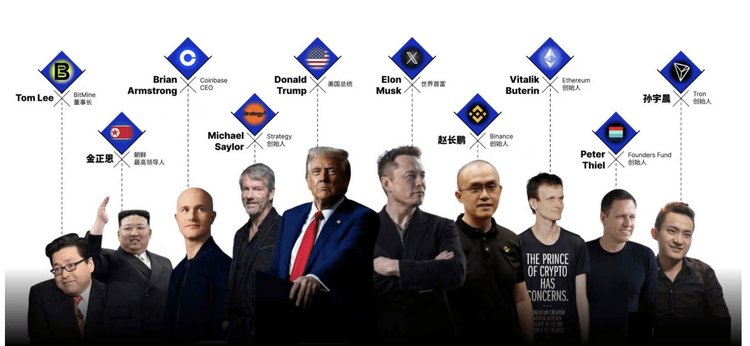
Ten People Redefining the Power Boundaries of Crypto in 2025
Từ Wall Street đến Nhà Trắng, từ Thung lũng Silicon đến Thâm Quyến, một mạng lưới điện mới đang hình thành.

Ngay cả Satoshi Nakamoto cũng phải tôn vinh Thần Giàu.
Feng shui đã trở thành đường phòng thủ tâm lý cuối cùng.

WEEXPERIENCE Whales Night: AI Trading, Crypto Community & Crypto Market Insights
Vào ngày 12 tháng 12 năm 2025, WEEX đã tổ chức WEEXPERIENCE Whales Night, một cuộc họp cộng đồng ngoại tuyến được thiết kế để tập hợp các thành viên cộng đồng cryptocurrency địa phương. Sự kiện kết hợp chia sẻ nội dung, trò chơi tương tác và bản trình bày dự án để tạo ra trải nghiệm ngoại tuyến thoải mái nhưng hấp dẫn.
Rủi ro giao dịch AI trong tiền mã hóa: Tại sao các chiến lược giao dịch tiền mã hóa tốt hơn có thể tạo ra tổn thất lớn hơn?
Rủi ro không còn nằm chủ yếu trong việc đưa ra quyết định kém hoặc sai lầm về cảm xúc. Nó ngày càng sống trong cấu trúc thị trường, con đường thực thi, và hành vi tập thể. Hiểu được sự thay đổi này quan trọng hơn là tìm ra chiến lược “tốt hơn” tiếp theo.
Các đại lý AI đang thay thế Nghiên cứu Crypto? Làm thế nào AI tự trị đang định hình lại giao dịch crypto
AI đang chuyển từ việc hỗ trợ các nhà giao dịch sang tự động hóa toàn bộ quá trình nghiên cứu đến thi hành trong thị trường tiền điện tử. Lợi thế đã chuyển từ kiến thức của con người sang đường ống dẫn dữ liệu, tốc độ và các hệ thống AI sẵn sàng để thực hiện, làm cho sự chậm trễ trong tích hợp AI trở thành một nhược điểm cạnh tranh.
Bot giao dịch AI và Giao dịch sao chép: Cách các chiến lược đồng bộ hóa định hình lại sự biến động của thị trường crypto
Các nhà giao dịch crypto bán lẻ từ lâu đã phải đối mặt với những thách thức tương tự: quản lý rủi ro kém, đăng ký muộn, quyết định về cảm xúc và thực thi không nhất quán. Các công cụ giao dịch AI hứa hẹn một giải pháp. Ngày nay, các hệ thống giao dịch sao chép và robot breakout được hỗ trợ bởi AI giúp các nhà giao dịch kích thước vị trí, đặt điểm dừng và hành động nhanh hơn bao giờ hết. Ngoài tốc độ và độ chính xác, các công cụ này đang thay đổi thị trường một cách im lặng - các nhà giao dịch không chỉ giao dịch thông minh hơn, họ đang di chuyển đồng bộ, tạo ra một động lực mới làm tăng cả rủi ro và cơ hội.
Để lại những ngày đầu hỗn loạn, các nhà sản xuất thị trường tiền điện tử đang ăn mừng sự ra đời của họ
Cuộc đấu tranh sống hay chết cho các nhà sản xuất thị trường tiền điện tử giống như sự tiến hóa loài trong điều kiện cực đoan.
Tại sao AI Trading Bots đang trở nên cần thiết trong 24/7 Crypto Markets
Thị trường tiền điện tử hoạt động liên tục và di chuyển nhanh hơn so với sự chú ý của con người có thể duy trì một cách đáng tin cậy. Giá phản ứng ngay lập tức với các sự kiện toàn cầu, chuyển động thanh khoản giữa các khu vực, và các cơ hội có thể giao dịch thường tồn tại trong vài phút thay vì vài giờ. Đối với nhiều nhà giao dịch, thách thức cốt lõi không còn là tạo ra ý tưởng, mà là thực hiện các quyết định liên tục mà không có sự giám sát liên tục hoặc can thiệp cảm xúc. Đây là nơi mà AI trading bots đang ngày càng được áp dụng - không phải là bảo đảm lợi nhuận, mà là công cụ được thiết kế để dịch các chiến lược được xác định trước thành thực hiện đáng tin cậy, có thể lặp lại.
Chiến dịch giao dịch mã hóa AI: Trang chủ » WEEX Alpha Awakens
Việc tích hợp trí tuệ nhân tạo vào giao dịch tiền mã hóa đã phát triển từ một thí nghiệm mới thành một tiện ích cốt lõi. Vào năm 2026, các công cụ được thúc đẩy bởi AI đã trở nên cần thiết cho các nhà giao dịch tìm kiếm kỷ luật nâng cao, tốc độ thực hiện vượt trội và ra quyết định có cấu trúc, dựa trên dữ liệu trong bối cảnh thị trường bất ổn. Hướng dẫn này cung cấp một mô tả thực tiễn, từng bước về cách tham gia WEEX Alpha Awakens, với một cuộc kiểm tra tập trung về cách các chiến lược này được thực hiện trong môi trường giao dịch trực tiếp.
Các K-line của cuộc sống không thể chữa khỏi lo âu, và các thị trường dự đoán không thể tính toán kết thúc.
Cuộc sống thực sự thường diễn ra bên ngoài K-line.
Làm thế nào AI giúp các nhà giao dịch tiền mã hóa phân tích thị trường, quản lý rủi ro và giao dịch thông minh hơn
Giao dịch crypto không còn là chỉ có một ý tưởng tốt - nó là về việc thực hiện liên tục trong một thị trường không bao giờ dừng lại. Khi khối lượng dữ liệu và tốc độ thị trường tăng lên, phân tích thủ công truyền thống đạt đến giới hạn. AI giúp các nhà giao dịch vượt quá những giới hạn này bằng cách thay đổi cách phân tích thị trường, cách diễn giải tình cảm và cách kiểm soát rủi ro. Bài viết này khám phá cách AI đang định hình lại giao dịch tiền mã hóa - và điều đó có ý nghĩa gì đối với các nhà giao dịch ngày nay.
WEEX × LALIGA: Bảy ngôi sao đại diện cho một tiêu chuẩn chung của sự xuất sắc
Sự xuất sắc trong bóng đá không bao giờ là ngẫu nhiên. Nó được xây dựng trên kỷ luật, nhất quán, và khả năng cung cấp dưới áp lực - mùa sau mùa. Các nguyên tắc tương tự áp dụng trong giao dịch chuyên nghiệp, nơi hiệu suất dài hạn quan trọng hơn động lực ngắn hạn. Là một đối tác chính thức của LALIGA, WEEX làm nổi bật bảy cầu thủ xuất sắc thể hiện tinh thần cạnh tranh của giải đấu và sức hấp dẫn toàn cầu. Mỗi phong cách mang đến một phong cách độc đáo cho sân, nhưng tất cả đều chia sẻ các giá trị phù hợp chặt chẽ với cam kết của WEEX đối với sự ổn định, chính xác và thực hiện chuyên nghiệp. Quan hệ đối tác này được xây dựng trên các tiêu chuẩn chung - nơi sự nhất quán và kiểm soát xác định hiệu suất dưới áp lực.


 App
App