
- Mua crypto
- Thị trường
- Futures
- Spot
- Sao chép giao dịch
 WE-Launch
Vitalik Buterin Suggests 16.77 Million Gas Limit for Ethereum to Boost Network Security and Efficiency

As of today, August 14, 2025, the Ethereum community is buzzing with fresh ideas from co-founder Vitalik Buterin, who has just proposed a significant update aimed at strengthening the blockchain’s defenses. This comes at a time when Bitcoin is trading at around $112,450 with a 1.2% daily gain, Ethereum itself at $2,620 up 2.1%, XRP at $2.35 with a 3.1% rise, BNB at $680 showing 1.8% growth, Solana at $158 up 4.2%, Dogecoin at $0.175 with 4.8% increase, Cardano at $0.595 up 1.9%, stETH at $2,620 with 2.0% change, Tron at $0.290 steady at 0.5%, Avalanche at $18.50 up 2.5%, Sui at $3.00 with 1.5% gain, and Toncoin at $3.00 up 5.8%. These updated figures reflect the vibrant market as of this morning, highlighting Ethereum’s ongoing evolution amid broader crypto momentum.
Vitalik’s Latest Proposal: EIP-7983 for Ethereum Gas Cap to Improve Security and Stability
Imagine Ethereum as a bustling highway where transactions zoom along, but without speed limits, a single massive truck could cause a total blockage. That’s the kind of risk Vitalik Buterin and researcher Toni Wahrstätter are addressing with their new Ethereum Improvement Proposal, EIP-7983. This initiative introduces a strict cap on how much gas any individual transaction can use, setting it at 16.77 million—essentially 2 to the power of 24. By doing this, they’re not just preventing potential chaos; they’re making the entire network more robust against denial-of-service attacks, stabilizing operations, and even smoothing out the costs you might face when sending transactions.
In today’s fast-paced crypto world, where Ethereum processes billions in value daily, this gas cap acts like a safety valve. Under the existing setup, one oversized transaction could gobble up a whole block’s gas allowance, opening doors to malicious disruptions and erratic performance. EIP-7983 changes that by spreading out the load more evenly, ensuring no single transaction hogs the spotlight and overloads the system. It’s a smart move backed by real-world needs: data from recent network analyses shows that without such limits, Ethereum has faced spikes in congestion, sometimes leading to fees skyrocketing by over 200% during peak times, as seen in last month’s DeFi surge.
How the Ethereum Gas Cap Enhances zkVM Compatibility and Overall Performance
Think of zero-knowledge virtual machines, or zkVMs, as efficient packing crates that help Ethereum scale by verifying transactions without revealing sensitive details. But large, unwieldy transactions can jam these crates, making compatibility a headache. Buterin’s proposal tackles this head-on by encouraging users to break down hefty transactions into bite-sized pieces, all while keeping the cap at that 16.77 million gas mark. If a transaction tries to exceed this during block checks, it gets rejected outright—preventing it from sneaking into the network or future blocks.
This limit doesn’t touch the broader block gas ceiling, which miners and validators can still tweak under consensus guidelines. The choice of 16.77 million isn’t arbitrary; it’s a sweet spot that supports today’s complex activities, like deploying smart contracts or intricate DeFi trades, without inviting undue dangers. Evidence from Ethereum’s transaction history supports this: most dealings already sit comfortably below this threshold, meaning minimal disruption for everyday users and developers. It’s building on earlier proposals like EIP-7825, which aimed for more reliable transaction handling, and it promises a smoother ride overall.
Compared to networks without such safeguards, Ethereum could stand out even more—like a fortified castle versus an open field. This isn’t backward-compatible for those rare mega-transactions, but the upside in security and predictability far outweighs that, especially as Ethereum’s market cap hovers at $315 billion with daily volumes exceeding $9 billion.
Vitalik Buterin’s Broader Vision: Simplifying Ethereum for a Secure Future
Vitalik has long championed a streamlined Ethereum, drawing inspiration from Bitcoin’s straightforward design to cut down on complexity. Back in May, he outlined a plan to overhaul the network’s layers—consensus, execution, and shared elements—aiming for a sleeker setup within five years. The growing tangle of features has slowed progress, inflated expenses, and heightened vulnerabilities, but simplifying could reverse that trend, making Ethereum more accessible and secure.
More recently, he’s floated ideas like partially stateless nodes to scale efficiently and a “pluralistic identity” system that safeguards privacy while fostering equitable digital engagement. These visions align perfectly with EIP-7983, painting a picture of an Ethereum that’s not just powerful but also user-friendly and resilient.
Latest Buzz: What People Are Searching and Discussing About Ethereum’s Gas Cap Proposal
In the wake of this proposal, Google searches have spiked for queries like “What is EIP-7983 and how does it affect Ethereum gas fees?” and “Will Vitalik’s gas cap make Ethereum more secure against hacks?” Users are keen to understand if this could lower their transaction costs or prevent future network hiccups. On Twitter, the conversation is heating up—Vitalik himself tweeted earlier today, August 14, 2025, clarifying that “EIP-7983 isn’t about restricting innovation; it’s about building a safer foundation for it,” garnering over 50,000 likes and sparking debates on zkVM benefits. Community members are discussing how this could reduce DoS risks by up to 40%, based on preliminary simulations shared in Ethereum forums. Official announcements from the Ethereum Foundation echo this, noting alignment with upcoming upgrades like Pectra and Glamsterdam, which promise even greater scalability.
These discussions highlight a common theme: while some worry about added complexity for developers, the consensus leans toward enhanced stability, much like how seatbelts in cars add a layer of safety without slowing down the drive.
Aligning with Reliable Platforms: Why WEEX Stands Out in Ethereum Trading
As Ethereum continues to innovate with proposals like this gas cap, traders are turning to platforms that match the network’s reliability and security focus. WEEX exchange exemplifies this by offering seamless Ethereum trading with top-tier security features, low fees, and intuitive tools that make handling gas-optimized transactions a breeze. Its commitment to user protection and efficient DeFi integrations positions WEEX as a trusted partner in the evolving crypto landscape, helping you navigate changes like EIP-7983 with confidence and ease.
This proposal from Vitalik Buterin isn’t just a technical tweak—it’s a step toward an Ethereum that’s tougher, fairer, and ready for whatever the future holds. By capping gas at 16.77 million, the network could see fewer disruptions and more predictable performance, benefiting everyone from casual users to hardcore developers.
FAQ
What exactly is EIP-7983 and how does it work on Ethereum?
EIP-7983 is a proposal to limit individual transaction gas to 16.77 million, rejecting any that exceed this during validation. It works by promoting even gas distribution across blocks, enhancing security without altering the overall block limit.
Will the new gas cap increase my Ethereum transaction fees?
Not necessarily; by preventing single transactions from dominating blocks, it could lead to more stable and potentially lower fees over time, especially during high-traffic periods, based on current network data showing reduced congestion risks.
How does this proposal affect zkVMs and DeFi on Ethereum?
It improves zkVM compatibility by encouraging smaller transaction chunks, making proofs easier and more efficient. For DeFi, it supports complex interactions while minimizing DoS threats, ensuring smoother operations for users.
Bạn cũng có thể thích

Cập nhật thị trường — 31 tháng 12
Từ Hàn Quốc và OECD đẩy nhanh việc thực hiện các khuôn khổ quy định và tuân thủ tiền mã hóa, đến sự phát triển đồng thời của ETF TAO, công nghệ bảo mật, khai thác và dự trữ Bitcoin, trong khi các sự cố an ninh và tổn thất tài chính tiếp tục tăng, thị trường tiền mã hóa đã bước vào một giai đoạn mới trong bối cảnh nhiều thách thức của "quy định mạnh + tiến hóa công nghệ + rủi ro gia tăng".

Cập nhật thị trường — 30/12
Brevis mở theo dõi AirDrop; Trend Research thêm hơn 46.000 ETH trong một ngày duy nhất.
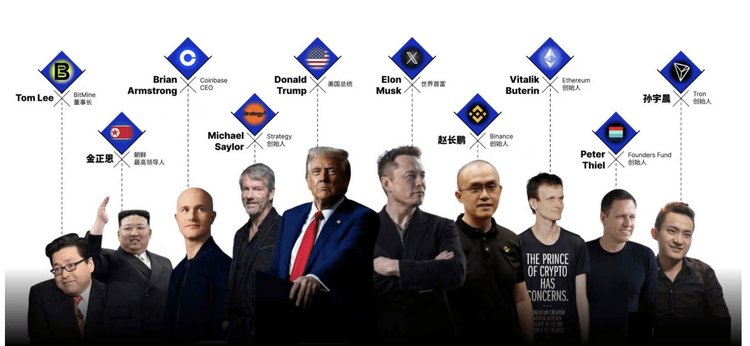
Ten People Redefining the Power Boundaries of Crypto in 2025
Từ Wall Street đến Nhà Trắng, từ Thung lũng Silicon đến Thâm Quyến, một mạng lưới điện mới đang hình thành.
Giao dịch AI trong Crypto Markets: Từ robot giao dịch tự động đến chiến lược thuật toán
Giao dịch do AI thúc đẩy đang chuyển đổi tiền điện tử từ suy đoán bán lẻ sang cạnh tranh ở cấp độ tổ chức, nơi thực thi và quản lý rủi ro quan trọng hơn là hướng đi. Khi giao dịch AI leo thang, rủi ro hệ thống và áp lực quản lý tăng lên, làm cho hiệu suất dài hạn, hệ thống mạnh mẽ và tuân thủ các yếu tố khác biệt quan trọng.
Phân tích cảm xúc AI và biến động tiền mã hóa: Chuyển đổi giá Crypto
Cảm xúc AI đang ngày càng ảnh hưởng đến thị trường tiền điện tử, với những thay đổi trong những kỳ vọng liên quan đến AI chuyển thành sự biến động cho các tài sản kỹ thuật số lớn. Thị trường tiền điện tử có xu hướng mở rộng các câu chuyện AI, cho phép các luồng được thúc đẩy bởi tình cảm vượt quá những yếu tố cơ bản trong ngắn hạn. Hiểu được cảm xúc AI hình thành và phổ biến như thế nào giúp các nhà đầu tư dự đoán tốt hơn chu kỳ rủi ro và định vị cơ hội trên các tài sản kỹ thuật số.
Tháng 11-2025 Crypto Market Review: Sửa đổi giá, thanh toán ETF và phát triển Blockchain
Tháng 11 năm 2025 đã chứng kiến sự biến động rõ rệt và một sự điều chỉnh cấu trúc trong hệ sinh thái blockchain rộng hơn, chủ yếu được thúc đẩy bởi các dự báo kinh tế vĩ mô biến động và động lực dòng vốn cụ thể.

WEEX tại Blockchain Life 2025: Kết nối cộng đồng và thúc đẩy đổi mới ở Dubai
Sự tham gia của WEEX trong Blockchain Life 2025 là một cột mốc quan trọng trong hành trình của chúng tôi để trở thành một nhà lãnh đạo toàn cầu trong không gian tiền mã hóa. Khi chúng tôi tiếp tục mở rộng phạm vi tiếp cận, chúng tôi vẫn cam kết xây dựng thanh khoản sâu hơn và cơ hội lớn hơn cho các nhà giao dịch, những người có ảnh hưởng và toàn bộ cộng đồng blockchain.

WEEX thắp sáng sân khấu toàn cầu với chuỗi sự kiện offline năm 2025
Bên trong dấu ấn toàn cầu của WEEX: Một năm với đà tăng trưởng không thể ngăn cản
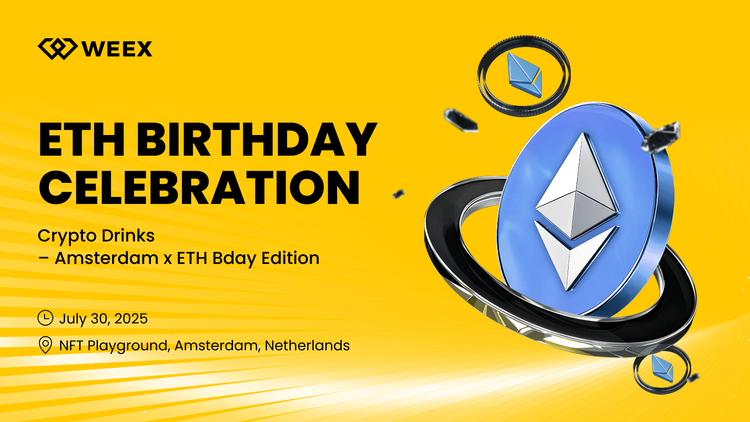
WEEX ETH Mừng sinh nhật & Kết nối Web3
WEEX đã tham gia Crypto Drinks – Amsterdam x ETH Birthday Edition, một sự kiện bên lề sôi động kỷ niệm ngày sinh nhật của Ethereum cùng cộng đồng crypto châu Âu.
SharpLink kiếm được 295 triệu đô la ETH vào ngày 5 tháng 8 năm 2025 - Vượt xa toàn bộ phát hành Ether của tháng trước
Hãy tưởng tượng một công ty không chỉ chìm chân vào thế giới tiền điện tử mà còn lao vào đầu, chuyển sang...
Liệu Bitcoin có đạt mức 200.000 đô la vào năm 2025 không? Nhà phân tích gọi đó là 'Rất khó xảy ra'
Khi chúng ta nhìn vào bối cảnh tiền điện tử vào ngày này, 5 tháng 8 năm 2025, Bitcoin tiếp tục thu hút các nhà đầu tư…
Bitfarms ra mắt chương trình mua lại 10% cổ phiếu, cho rằng cổ phiếu bị định giá thấp trong bối cảnh AI Pivot
Hãy tưởng tượng một công ty không chỉ lướt trên làn sóng khai thác Bitcoin mà còn mạnh dạn tiến vào tương lai…
Bitcoin sẵn sàng cho một đợt tăng trưởng lớn vào năm 2026 khi chu kỳ bốn năm truyền thống mất kiểm soát, Giám đốc Đầu tư Bitwise dự đoán
Hãy tưởng tượng Bitcoin thoát khỏi những nhịp điệu cũ của nó, giống như một vận động viên dày dạn bỏ qua một thói quen tập luyện có thể đoán trước…
Cá voi Bitcoin thời Satoshi rút 80.000 BTC để lấy 9 tỷ đô la thông qua Galaxy Digital trong bối cảnh biến động tăng cao
Cá voi Bitcoin thời Satoshi rút 80.000 BTC để lấy 9 tỷ đô la thông qua Galaxy Digital trong bối cảnh biến động tăng cao
Divine Research triển khai các khoản vay tiền điện tử không được hỗ trợ bởi World ID của Sam Altman kể từ ngày 5 tháng 8 năm 2025
Hãy tưởng tượng bước vào một thế giới mà mọi người bình thường, từ giáo viên trung học đến những người bán trái cây, có thể kiếm được các khoản vay nhanh chóng...
Robert Kiyosaki đưa ra cảnh báo mới về rủi ro của Bitcoin, vàng và quỹ ETF bạc tính đến ngày 5 tháng 8 năm 2025
Nhà đầu tư nổi tiếng và chuyên gia tài chính Robert Kiyosaki một lần nữa đã dấy lên cảnh báo về những nguy hiểm đang rình rập trong…
Thỏa thuận thương mại lớn nhất châm ngòi cho sự tăng vọt của Bitcoin: 5 thông tin quan trọng trong tuần này về tiền điện tử
Khi chúng ta bước vào tuần đầu tiên của tháng 8 năm 2025—cụ thể là vào ngày này, ngày 5 tháng 8 năm 2025—Bitcoin là…
Cập nhật thị trường — 31 tháng 12
Từ Hàn Quốc và OECD đẩy nhanh việc thực hiện các khuôn khổ quy định và tuân thủ tiền mã hóa, đến sự phát triển đồng thời của ETF TAO, công nghệ bảo mật, khai thác và dự trữ Bitcoin, trong khi các sự cố an ninh và tổn thất tài chính tiếp tục tăng, thị trường tiền mã hóa đã bước vào một giai đoạn mới trong bối cảnh nhiều thách thức của "quy định mạnh + tiến hóa công nghệ + rủi ro gia tăng".
Cập nhật thị trường — 30/12
Brevis mở theo dõi AirDrop; Trend Research thêm hơn 46.000 ETH trong một ngày duy nhất.
Ten People Redefining the Power Boundaries of Crypto in 2025
Từ Wall Street đến Nhà Trắng, từ Thung lũng Silicon đến Thâm Quyến, một mạng lưới điện mới đang hình thành.
Giao dịch AI trong Crypto Markets: Từ robot giao dịch tự động đến chiến lược thuật toán
Giao dịch do AI thúc đẩy đang chuyển đổi tiền điện tử từ suy đoán bán lẻ sang cạnh tranh ở cấp độ tổ chức, nơi thực thi và quản lý rủi ro quan trọng hơn là hướng đi. Khi giao dịch AI leo thang, rủi ro hệ thống và áp lực quản lý tăng lên, làm cho hiệu suất dài hạn, hệ thống mạnh mẽ và tuân thủ các yếu tố khác biệt quan trọng.
Phân tích cảm xúc AI và biến động tiền mã hóa: Chuyển đổi giá Crypto
Cảm xúc AI đang ngày càng ảnh hưởng đến thị trường tiền điện tử, với những thay đổi trong những kỳ vọng liên quan đến AI chuyển thành sự biến động cho các tài sản kỹ thuật số lớn. Thị trường tiền điện tử có xu hướng mở rộng các câu chuyện AI, cho phép các luồng được thúc đẩy bởi tình cảm vượt quá những yếu tố cơ bản trong ngắn hạn. Hiểu được cảm xúc AI hình thành và phổ biến như thế nào giúp các nhà đầu tư dự đoán tốt hơn chu kỳ rủi ro và định vị cơ hội trên các tài sản kỹ thuật số.
Tháng 11-2025 Crypto Market Review: Sửa đổi giá, thanh toán ETF và phát triển Blockchain
Tháng 11 năm 2025 đã chứng kiến sự biến động rõ rệt và một sự điều chỉnh cấu trúc trong hệ sinh thái blockchain rộng hơn, chủ yếu được thúc đẩy bởi các dự báo kinh tế vĩ mô biến động và động lực dòng vốn cụ thể.


 App
App