
 Buy Crypto
- Markets
 Futures
- Spot
- Copy Trade
- Earn
- More
What Is Vanguard Digital Oil Reserve (VDOR)? Is VDOR Legitimate or a Scam?

Vanguard Digital Oil Reserve (VDOR) is a cryptocurrency project that presents itself as a digital asset connected to oil reserve value. It reflects a broader trend where blockchain projects attempt to link tokens with physical commodities—from gold and silver to oil and natural gas.
But how does VDOR actually work? What backs its value? And should investors approach it with enthusiasm or caution?
This guide explains VDOR in a neutral, clear way, focusing on its mechanics, the considerations around it, and what potential buyers need to know before getting involved.

What Is Vanguard Digital Oil Reserve (VDOR)?
Vanguard Digital Oil Reserve is a cryptocurrency that draws its narrative from oil as a finite resource, aiming to represent this value digitally through tradable tokens.
What makes VDOR distinct is the lack of clear verification about how its claimed oil reserves are structured or audited. In traditional systems, commodity-backed assets rely on transparent reporting. Without this, it’s difficult to confirm whether the token truly reflects an underlying asset.
As a result, VDOR operates within a trust-based framework. Its value is driven by perception and market demand rather than confirmed physical backing, placing it closer to speculative tokens than established asset-backed cryptocurrencies.
Simply put, VDOR should be approached as a digital asset with uncertain backing—not a direct representation of oil reserves.
Read More: Is Vanguard Digital Oil Reserve (VDOR) A Good Investment? Guide to Buy VDOR Safely
How Does VDOR Work?
VDOR functions as a tradable digital token, with its value shaped by market activity rather than a clearly defined asset linkage. Tokens are created and distributed through its ecosystem or listed platforms, and their price is driven primarily by supply, demand, and market sentiment.
While the project claims a connection to oil reserves, this linkage is not clearly documented or verified. The blockchain records transactions and ownership on a decentralized ledger, but the token’s utility remains largely limited to trading—there is no mechanism for redeeming physical assets.
In practice, VDOR behaves similarly to many other cryptocurrencies. Users can buy, sell, and hold the token, with price movements depending on market interest rather than measurable changes in oil supply or pricing. Despite the project’s references to oil reserves, there is no widely available mechanism that directly ties token ownership to physical commodities.
This means the token’s function is largely speculative. Its performance reflects user activity and sentiment rather than fundamental value. As with similar projects, understanding this dynamic is essential before engaging.
Is VDOR Legitimate or a Scam?
The legitimacy of VDOR is not clearly established. A key issue is the absence of independently verified information supporting its central claims about oil reserves.
What to Look For in Legitimate Projects
Legitimate crypto projects often provide:
- Detailed disclosures about their structure and team
- Independent audits confirming asset backing
- Transparent documentation of how tokens are linked to real-world assets
- Clear governance models and community oversight
What’s Missing with VDOR
- No public audits confirming oil reserve backing
- Limited team transparency
- No clearly documented asset linkage mechanism
Without audits or transparent documentation, it is difficult to confirm the foundation of VDOR’s value. This does not automatically indicate wrongdoing, but it does require caution.
Market Patterns to Watch
If price movements are not supported by clear developments or data, they may reflect speculation rather than fundamental value. This is common in emerging or less transparent tokens. Sudden price spikes followed by sharp declines can signal hype-driven activity rather than sustainable growth.
Overall, VDOR can be described as a project with an interesting concept but limited verifiable backing. Its legitimacy remains uncertain, and users should approach it with careful evaluation and independent research.
Conclusion
Vanguard Digital Oil Reserve represents an attempt to combine commodity-based ideas with blockchain technology. While the concept may seem grounded, the lack of transparent verification means it functions more like a speculative digital asset than a true representation of oil reserves.
Its value is influenced by market sentiment rather than confirmed links to physical oil. A neutral approach suggests recognizing both its conceptual appeal and its limitations.
If you choose to explore VDOR or similar projects, do your own research, verify claims independently, and size your position according to your risk tolerance. For those seeking more established ways to gain exposure to commodities, traditional ETFs or regulated commodity tokens may offer greater transparency and investor protections.
Register on WEEX and start trading now!
FAQ
Q1: What is Vanguard Digital Oil Reserve (VDOR)?
VDOR is a cryptocurrency project that claims to be connected to oil reserve value. It operates as a tradable digital token on blockchain networks.
Q2: Is VDOR backed by real oil?
There is no publicly available verification confirming that VDOR tokens are backed by physical oil reserves. The project’s claims remain unsubstantiated by independent audits.
Q3: Is VDOR a scam?
The legitimacy of VDOR is not clearly established. While there is no definitive evidence of fraud, the lack of transparency and verifiable information means caution is warranted.
Q4: How does VDOR work?
VDOR functions as a tradable token. Its price is influenced by market sentiment, supply, and demand—not by measurable changes in oil prices or reserves.
Q5: Should I invest in VDOR?
That depends on your risk tolerance. If you choose to engage, treat VDOR as a speculative allocation—not a core holding—and never invest more than you can afford to lose.
You may also like

Tether Gold (XAUT): What It Is, How It Works, and Key Risks
What is Tether Gold (XAUT)? Learn how this tokenized gold works on Ethereum, Tron, and BNB Chain, plus fees, reserves, risks, and XAUT vs PAXG.
How to Buy Russian Oil Asset Reserve (ROAR) Crypto: 2026 Step-by-Step Guide
Learn how to buy Russian Oil Asset Reserve (ROAR) crypto on Solana DEXs. Step-by-step guide with contract address, wallet setup, risks, and safety tips.

What is Russian Oil Asset Reserve (ROAR): Is ROAR Crypto Legitimate or a Scam?
What is Russian Oil Asset Reserve (ROAR) crypto? We analyze the Solana meme coin tied to oil narratives, tokenomics, risks, and whether it has real backing.
Russian Oil Asset Reserve (ROAR): Is ROAR Crypto a Hype?
What is Russian Oil Asset Reserve (ROAR) crypto? We analyze the Solana meme coin tied to oil narratives, tokenomics, risks, and whether it has real backing.

What is イロハ (IROHA) Coin: Everything You Need to Know
イロハ (IROHA) is a community-driven meme token on the Solana blockchain, inspired by cultural themes and aiming to…
What is Build N Build (共建) Coin? Everything You Need to Know
Build N Build (共建) Coin represents a community-driven token on the Binance Smart Chain, inspired by a tweet…
What is iShares MSCI EAFE Tokenized ETF (Ondo) (EFAON) Coin
iShares MSCI EAFE Tokenized ETF (Ondo) (EFAON) Introduction iShares MSCI EAFE Tokenized ETF (Ondo) (EFAON) is a tokenized…
What is iShares MSCI India (INDAON) Coin
iShares MSCI India (INDAON) is a tokenized version of the iShares MSCI India ETF, created by Ondo Finance…
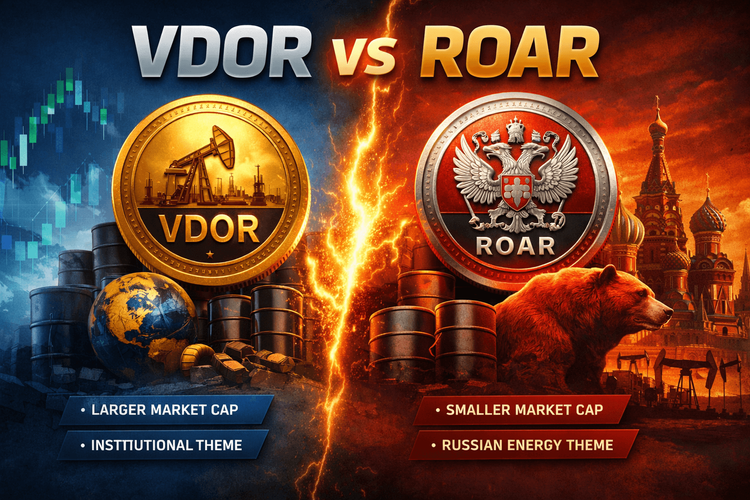
VDOR vs ROAR: Which Oil-Theme Crypto Token Looks Stronger in 2026?
VDOR vs ROAR explained with the latest market data, contract addresses, legitimacy checks, token differences, and which oil-theme crypto looks stronger in 2026.

Is Russian Oil Asset Reserve (ROAR) Legitimate or a Scam?
Is Russian Oil Asset Reserve (ROAR) legitimate? Read the latest ROAR legitimacy check, official contract address, market data, risks, and expert verdict.
What is OneFootball Credits (OFC) Coin
OneFootball Credits (OFC) is a utility token designed to fuel a global fan economy in the football world,…
Where Can I Buy ROAR Crypto? Step-by-Step Guide and Insights
ROAR crypto, the token behind the Russian Oil Asset Reserve project, has caught attention amid shifting global energy…

OneFootball Credits (OFC) Price Prediction & Forecasts for April 2026: Up 8% in 24 Hours Amid Rising Trading Volume
As of April 9, 2026, OneFootball Credits (OFC) is trading at $0.168229 USD, according to data from CoinMarketCap.…

Is Russian Oil Asset Reserve (ROAR) a Good Investment in 2026? Latest Price, Risks, and Everything Buyers Should Know
Is Russian Oil Asset Reserve (ROAR) a good investment? Explore the latest ROAR price, market cap, risks, Solana token details, and expert verdict.
What is Global Nuclear War Reserve (GNWR) Crypto: Complete Guide 2026
What is Global Nuclear War Reserve (GNWR) crypto? Learn about GNWR tokenomics, zero-tax structure, risks, price outlook, and whether this narrative-driven meme token is worth trading in 2026.

Trade ULTIMA to Share 30,000 USDT – WEEX Trading Competition Now Live
WEEX is running a ULTIMA trading event with a 30,000 USDT prize pool from April 9 to April 16, 2026. Users only need 100 USDT in spot trading volume to qualify, with zero fees and no KYC required.
The event offers multiple rewards, including trading bonuses, new user incentives, and referral earnings, making it a simple and low-cost way to earn extra USDT.
Mastering the OneFootball ($OFC) Premiere Listing on WEEX
WEEX is thrilled to announce the global exclusive launch of OneFootball ($OFC), offering users a pathway to engage with this project.

Where Can I Buy Russian Oil Asset Reserve (ROAR) Crypto? Best Places to Buy ROAR in 2026
Learn where to buy Russian Oil Asset Reserve (ROAR) crypto in 2026, how to purchase it safely on Solana DEXs, verify the contract address, and understand key trading risks.
Tether Gold (XAUT): What It Is, How It Works, and Key Risks
What is Tether Gold (XAUT)? Learn how this tokenized gold works on Ethereum, Tron, and BNB Chain, plus fees, reserves, risks, and XAUT vs PAXG.
How to Buy Russian Oil Asset Reserve (ROAR) Crypto: 2026 Step-by-Step Guide
Learn how to buy Russian Oil Asset Reserve (ROAR) crypto on Solana DEXs. Step-by-step guide with contract address, wallet setup, risks, and safety tips.
What is Russian Oil Asset Reserve (ROAR): Is ROAR Crypto Legitimate or a Scam?
What is Russian Oil Asset Reserve (ROAR) crypto? We analyze the Solana meme coin tied to oil narratives, tokenomics, risks, and whether it has real backing.
Russian Oil Asset Reserve (ROAR): Is ROAR Crypto a Hype?
What is Russian Oil Asset Reserve (ROAR) crypto? We analyze the Solana meme coin tied to oil narratives, tokenomics, risks, and whether it has real backing.
What is イロハ (IROHA) Coin: Everything You Need to Know
イロハ (IROHA) is a community-driven meme token on the Solana blockchain, inspired by cultural themes and aiming to…
What is Build N Build (共建) Coin? Everything You Need to Know
Build N Build (共建) Coin represents a community-driven token on the Binance Smart Chain, inspired by a tweet…


 App
App