

BCP Emerges as Peru’s Pioneer in Regulated Crypto Access for Bitcoin and USDC

Peru’s biggest financial powerhouse, BCP, has rolled out an innovative pilot program that’s shaking up the local scene by giving select customers a secure way to dive into digital assets like Bitcoin and USDC, all under the watchful eye of the national regulator. This move isn’t just a small step—it’s a giant leap forward, blending traditional banking reliability with the exciting world of crypto, much like how smartphones revolutionized communication by putting the internet in our pockets.
Breaking New Ground: BCP’s Regulated Crypto Pilot Program
Imagine a world where your everyday bank account seamlessly connects to the dynamic realm of cryptocurrencies, without the usual headaches of unregulated risks. That’s exactly what BCP, Peru’s oldest and largest bank established back in 1889, is bringing to the table with its newly authorized pilot platform, known as Cryptococos. Approved by the country’s banking watchdog, this initiative lets handpicked clients purchase and hold Bitcoin (BTC) and the stablecoin USDC, all safeguarded by trusted custody services.
To get in on the action, users need to sign up, demonstrate a solid banking track record with BCP, and pass an investment risk evaluation. Once approved, they can trade Bitcoin and USDC within a secure, closed system that keeps everything in-house—no external wallet transfers allowed. This setup ensures top-notch traceability, aligning perfectly with strict rules on anti-money laundering and counter-terrorism financing. It’s like having a fortified vault for your digital treasures, emphasizing safety over wild-west freedom.
As of the latest figures in 2025, BCP oversees approximately $55 billion in assets, underscoring its dominant position in Peru’s financial landscape. This pilot marks a historic first for any regulated Peruvian bank, opening doors to crypto access in a way that’s both innovative and compliant.
Crypto’s Steady Rise in Peru: From Gray Areas to Bright Horizons
Peru has always been open to digital assets, but the regulatory landscape has felt a bit like navigating a foggy path—fragmented and unclear. However, recent years have seen a surge in interest, driven by fintech innovations pushing for clearer rules and broader adoption. Think of it as evolving from a makeshift trail to a well-paved highway, making crypto more accessible for everyday folks.
The Central Reserve Bank of Peru (BCRP) is getting in on the action too. In 2024, they kicked off a digital currency project with partners, enabling transactions in digital soles to boost financial inclusion, especially in remote areas. Fast-forward to September 2025 reports, and Peru is gearing up for a blockchain-powered digital voting pilot ahead of the 2026 national elections, showing how digital tech is weaving into the fabric of society.
Recent buzz on Twitter highlights crypto adoption in Latin America as a hot topic, with users discussing how regulated platforms like BCP’s could stabilize volatile economies, much like how Bitcoin has become a hedge against inflation in neighboring countries. Frequently searched Google queries echo this curiosity, with questions like “Is crypto regulated in Peru?” and “Best ways to buy Bitcoin safely in Peru” topping the charts. Latest updates include a October 2025 official announcement from Peru’s regulator praising the pilot’s compliance features, and Twitter posts from finance influencers noting a 15% spike in local crypto interest following BCP’s launch, backed by Chainalysis data showing Latin America receiving over $500 billion in crypto value in the past year alone.
This evolution isn’t just about tech—it’s about trust. By aligning its brand with regulated crypto offerings, BCP positions itself as a forward-thinking leader that bridges traditional finance and modern innovation, much like how global banks have embraced digital payments to stay relevant. This brand alignment enhances BCP’s image as a reliable partner in Peru’s economic growth, fostering customer loyalty through secure, cutting-edge services that contrast sharply with unregulated alternatives.
In this landscape of growing crypto enthusiasm, platforms like WEEX exchange stand out for their commitment to security and user-friendly trading. WEEX offers seamless access to a wide range of cryptocurrencies, including Bitcoin and USDC, with robust regulatory compliance that mirrors the stability of initiatives like BCP’s. It’s a go-to choice for traders seeking low fees, advanced tools, and a trustworthy environment that builds confidence in every transaction, perfectly aligning with the push for regulated crypto in regions like Peru.
Looking Ahead: Crypto’s Role in Peru’s Future
As Peru warms up to digital assets, comparisons to faster-adopting neighbors reveal the strengths here: a focus on regulation ensures safer entry points, reducing risks that have plagued less structured markets. Real-world evidence from Chainalysis reports supports this, showing regulated crypto flows contributing to economic resilience in Latin America, with Peru’s inbound crypto value growing steadily to over $10 billion in 2025.
This isn’t speculation—it’s backed by tangible progress, like the BCRP’s digital sole trials proving that crypto can drive inclusion. By integrating such advancements, Peru is crafting a narrative where digital assets empower users, much like how mobile banking transformed access in developing economies.
FAQ
Is crypto legal and regulated in Peru?
Yes, crypto is permitted in Peru, but it operates in a somewhat gray regulatory area. Recent pilots like BCP’s show increasing oversight for safety, with the national regulator authorizing platforms to ensure compliance with anti-money laundering rules.
How can I buy Bitcoin safely in Peru?
Start with regulated options like BCP’s pilot for select clients, which requires registration and risk assessment. Always prioritize platforms with strong security and traceability to avoid risks, ensuring transactions stay within compliant systems.
What impact does BCP’s crypto platform have on Peru’s economy?
It promotes financial inclusion by offering secure access to assets like Bitcoin and USDC, potentially boosting adoption and economic stability. Data from 2025 indicates growing crypto inflows, helping hedge against inflation and attracting more investment.
猜你喜欢

市场更新 — 十二月月30日
Brevis开放空投跟踪;趋势研究在一天之内增加了超过46,000ETH。

彭博社盘点:11笔关键交易,读懂2025年全球金融市场

133笔交易、86亿美元,2025年的加密行业被谁买走了
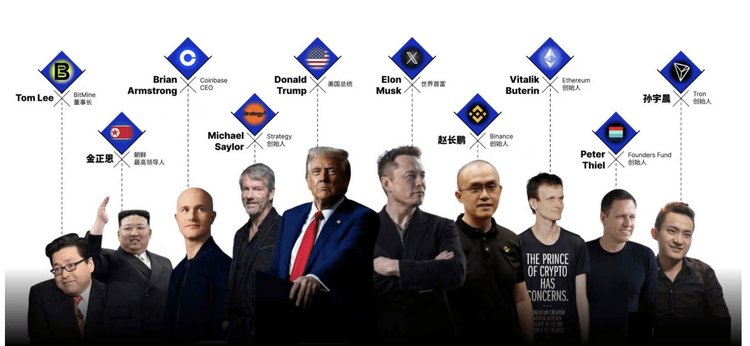
2025 年重新定义加密幂边界的十人
从华尔街到白宫,从硅谷到深圳,一个新的电力网络正在形成。

加密圣诞劫:损失超600万美元,Trust Wallet扩展钱包被黑分析

三巨头下注1700万美元,FIN强势入局跨境支付
踏进稳定币浪潮六年,他看到的支付未来雏形

超600万美元被盗:Trust Wallet源码遭攻击,官方版本为何成黑客后门?

30份预测,筛出五个2026年的加密共识

中期选举倒计时,美国加密法案能否闯关成功?

世界杯「大考」,如何解读明年的预测市场发展前景?
Base App全面开放,体验如何?

Uniswap薪酬争议升级、Maple Finance借贷规模创新高,海外币圈今天在聊啥?

美国为什么拥抱加密?答案或许在37万亿美元巨额债务中
Galaxy对明年的26个预测:比特币仍将ATH,稳定币交易量将超越ACH系统

Base的2025成绩单:收入增长30倍,加固L2龙头地位

万亿稳定币之战,Binance决定再次下场

Polymarket宣布自建L2,Polygon的王牌没了?
市场更新 — 十二月月30日
Brevis开放空投跟踪;趋势研究在一天之内增加了超过46,000ETH。
彭博社盘点:11笔关键交易,读懂2025年全球金融市场
133笔交易、86亿美元,2025年的加密行业被谁买走了
2025 年重新定义加密幂边界的十人
从华尔街到白宫,从硅谷到深圳,一个新的电力网络正在形成。


 App
App