

Founder of Pump.fun Accidentally Reveals Face in Podcast Recording, Related Meme Sadly Gets "Taken Down"

When an Ethereum purist meets the most successful anonymous developer in the Solana ecosystem, what was supposed to be a discussion on product philosophy turned into a trial of "whether meme coins should exist."
Related Read: "Pump.fun Co-founder Dialogue: I don't think my product killed the market cycle, meme coins will continue to exist"
Anonymous Founder's True Face Exposed
Recently, Pump.fun founder Alon appeared on the "Ethereum-centric" podcast show Bankless and at 21 minutes and 44 seconds in, revealed half of his true face, which led to someone piecing together Alon's full face photo.
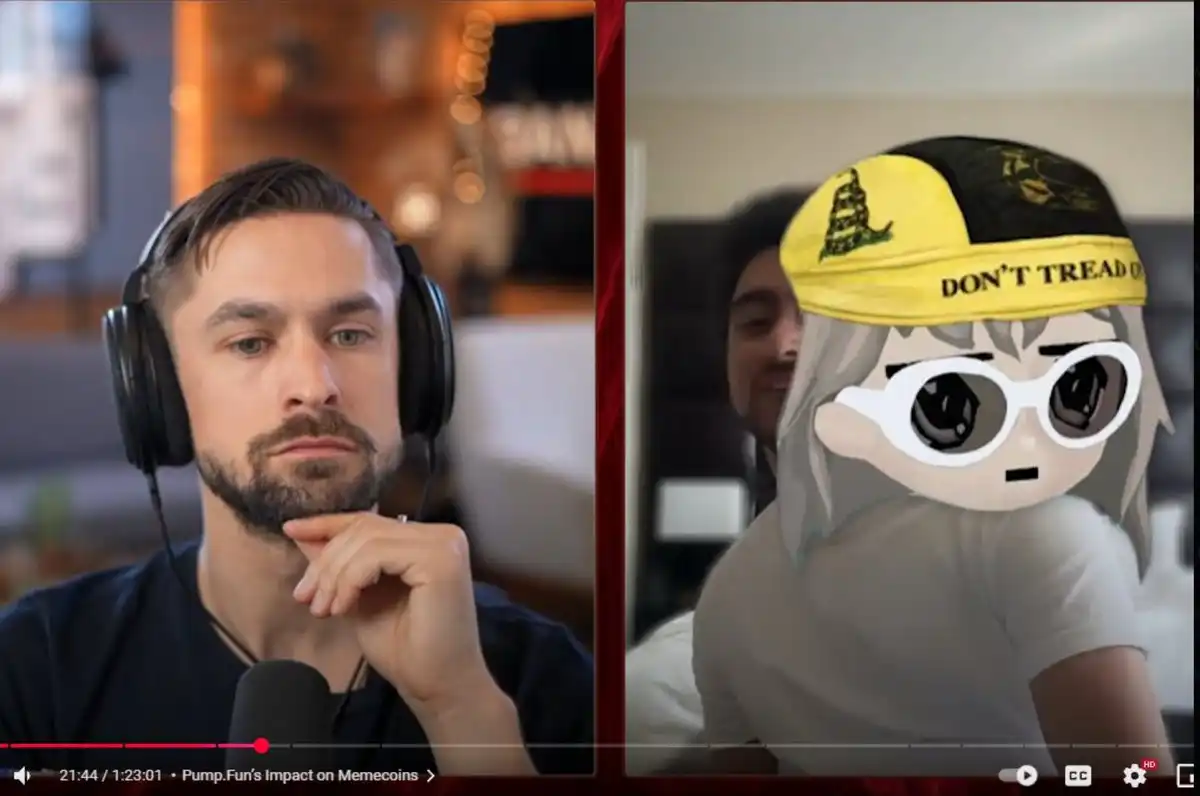
The community quickly launched the Alon namesake meme coin on Pump.fun, but dramatically, Pump.fun removed the meme's avatar.
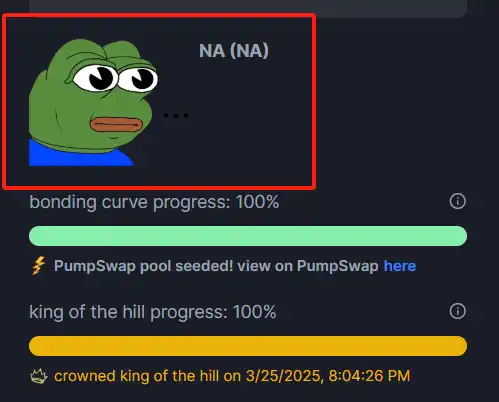
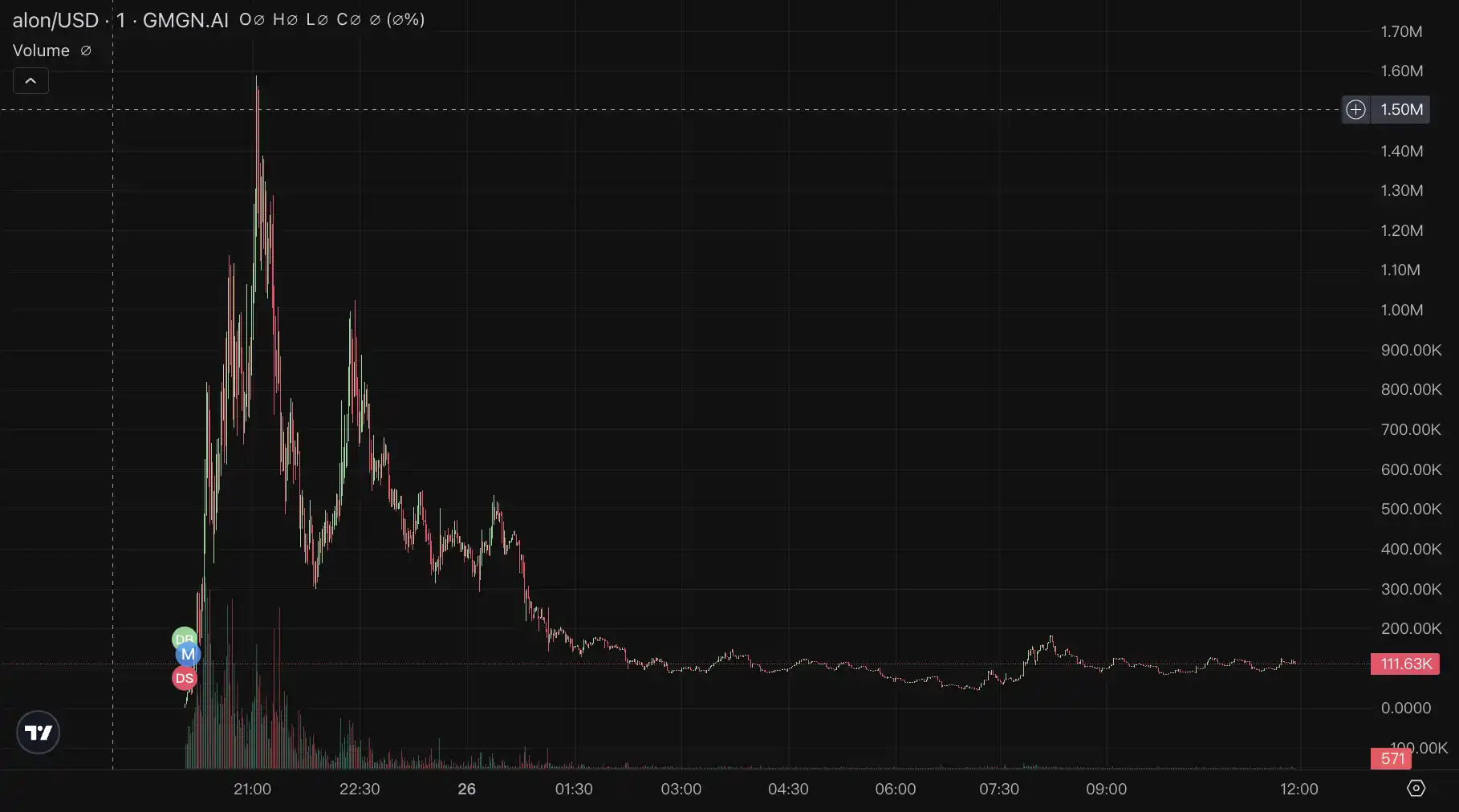
And this meme coin also had a short-lived existence.
Currently, the frame showing Alon's face has been removed from that episode of Bankless.
Podcast Controversy Begins, Was It a Well-Intentioned Misstep?
Since its inception, Pump.fun has always worn a veil of mystery, with few openly discussing how it rose to become the most PMF-rich and profitable application of this cycle.
Last year, Alon appeared on Threadguy's podcast for a rare public discussion on the story behind Pump.fun. With the launch of Pump.fun's Swap platform, Alon recently appeared on the crypto podcast Bankless for an interview.
In the podcast, Alon discussed the 4Chan aesthetic style, Pump.fun platform's content moderation strategy, introduced the new product PumpSwap and creator revenue sharing mechanism. Alon also addressed the competitive relationship with Raydium, explored the relationship between content, attention, and the market, and shared his views on the future of meme coins.
However, after this episode was released, it sparked some controversy, mainly due to the opening remarks by David, the host of the Bankless podcast.
David mentioned in the opening that viewers might be surprised to see the most successful application in the Solana ecosystem, Pump.fun, featured on an Ethereum-based podcast, especially since Bankless has always taken a stance against meme culture, believing that it could disrupt the market.
The following are David's exact words:
“In this interview, I tried to give Alon a fair opportunity to express his views on meme coins while also not shying away from the reality—Pump.fun stands at the forefront of one of the most predatory market cycles in our industry's history, leaving behind a capital wasteland.”
Initially, the meme coin speculation trend may have been a relatively harmless and fun metaverse, but eventually, this trend evolved into a structured, systemic value extraction model, with this wealth ultimately flowing only to a tiny minority of participants.
Approaching with caution, I interviewed Alon.”
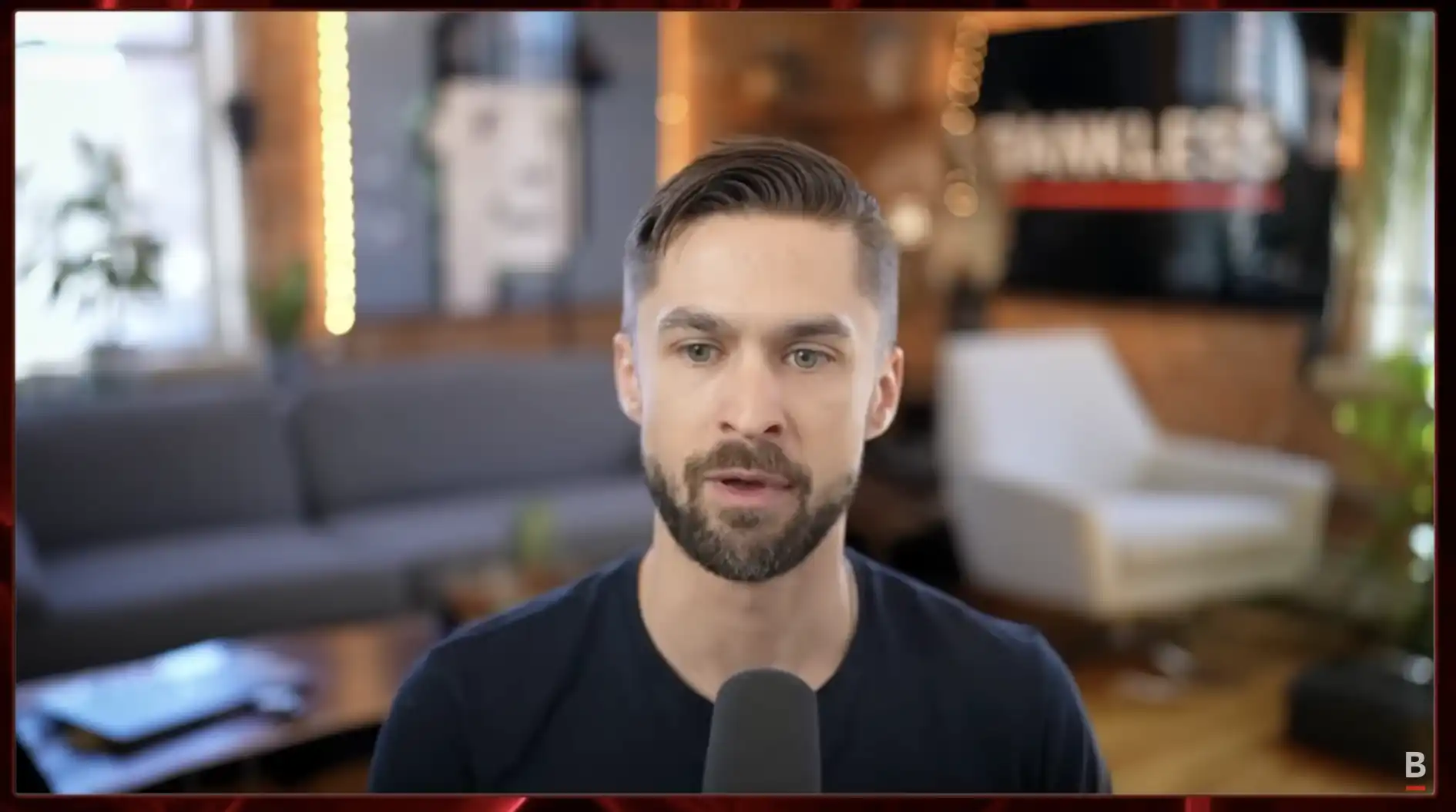
In other words, before the start of this interview, the host had already held a predetermined position, remaining cautious about the potential negative impact of Pump.fun. On one hand, David believed it was inappropriate to give the Pump.fun founder a platform to speak, especially considering how many people lost money on that platform. On the other hand, he even suggested that having Alon on the podcast might allow Pump.fun to use Bankless to whitewash its image and advertise Pump Swap.
“I had never seen him before this, and I have always been cautious about some of the potential negative effects of this project. I'm not sure Platforming such a project is reasonable, especially when it may inherently only lead to harmful outcomes for users. At the same time, I also have to be wary of another possibility—is Pump.fun attempting to use Bankless to whitewash its reputation? After all, they recently launched Pump Swap (a Solana-based AMM DEX), attempting a new product pivot.
What has been constantly on my mind during this interview is ‘Operation Berkshire’—if you're not familiar, it was a conspiracy in the tobacco industry: major tobacco companies colluded to openly deny the health risks of smoking, fund ‘pro-tobacco’ research, undermine scientific consensus, and influence policy and public opinion by covering up facts to sustain industry growth.”
There are many in the community who are dissatisfied with the way this podcast episode began, believing that if Pump.fun were on Ethereum, such a situation would not have arisen.
Pump.fun is merely a token issuance platform that has no authority to interfere with how users utilize it, and its fees are lower than any past or existing token issuance platform (and will remain so even years later, just because of scaling). Furthermore, its founder is one of the most successful consumer-grade entrepreneurs in crypto history. However, in the introduction of the Bankless podcast, they were depicted as criminals, although the show still remains "open and inclusive," providing them with an opportunity to speak, heh heh.
This is the most hypocritical podcast opening I've ever seen. They engaged in a fantastic conversation with the founder on the show, but in the post-recording preamble, they once again began to undermine their impact on the crypto industry and questioned their motives. If Bankless truly treats their guests this way, how can they continue to recommend entrepreneurs to appear on their show?
Last November, David posted, "A two-week-old token bot now accounts for 15% of pump dot fun platform volume." Clearly, the Clanker of the Base ecosystem appears more "politically correct" on David's social media.
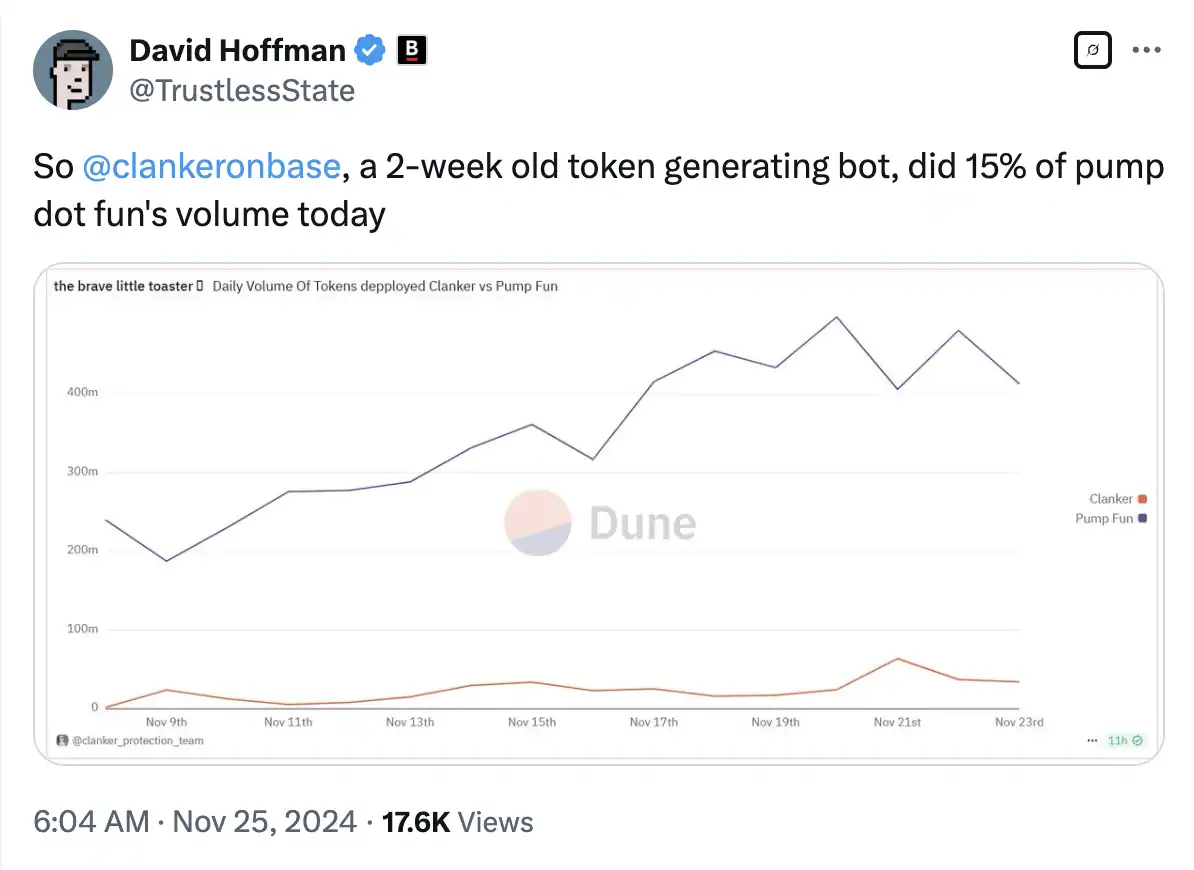
Returning to this podcast episode, after the recording was completed, David still stated in the post-recording preamble edit that meme coins are essentially like tobacco in their impact on public health—an "inevitably harmful product," and anyone working at Pump.fun would be motivated to deny this.
The following passage is also why David is criticized for being hypocritical—trying to balance the values issue is essentially a vague and evasive stance.
"We are still in the early stages of the crypto industry, and even more so in the development of meme coins, the future is yet to be written. Will the future meme coins become a more productive financial tool, or will they continue to be merely a market 'drug'? This will ultimately depend on the leaders of the meme coin industry. Whether we like them or not, whether they are a 'cancer of the crypto industry' or the 'starting point for a fairer financial future,' the ultimate outcome remains undecided."
When Pump.fun's product revenue exceeded $6 billion, discussing whether meme coins should exist seemed entirely pointless. In the interview, David asked Alon if, going back to the beginning of the meme frenzy cycle, he would do something to make memes more sustainable.
Alon's response was, "If that is the essence of cryptocurrency, then when market sentiment becomes fervent, your options are actually very limited."
David's question implied a top-down regulatory mindset, upholding an elite approach, hoping that the crypto cycle would not worsen due to meme coins and PFP, as if the market needed "wise leaders" to tame retail frenzy. Alon's response, on the other hand, directly points to the essence of the crypto world—it should be a permissionless open experiment, no matter how chaotic the results may be.
This minor controversy also exposed the long-standing ecosystem division in the crypto industry, with Ethereum-style "establishment" trying to regulate the market within a "responsible finance" framework, overlooking the original rebellious genes of cryptocurrency. On the other hand, Solana-style "barbarians" embrace the market's primal forces, even if it comes with bubbles, scams, and drastic wealth redistribution.
At the end of the podcast, David asked Alon why he chose Bankless for the podcast, as there are many Solana ecosystem podcasts in the market. Alon's reply was, "Our harshest critics mainly come from the Ethereum ecosystem, and I hope they realize that we actually have a lot in common. Many arguments are actually overly fixated on irrelevant details, and Twitter is not an ideal platform—it massively amplifies anger, encouraging people to oppose each other. Therefore, the significant misperception between the Ethereum ecosystem, Solana ecosystem, and even Pump.fun is not surprising. One of the main reasons I participated in this interview is to break down this barrier."
Perhaps the future of media lies not in how to "correctly" judge projects but in whether it can become a translator of on-chain value and a bridge builder for cross-ecosystem dialogues.
猜你喜欢
中本聪也得给财神爷磕一个
风水成了最后的心理防线

代币VS股权,Aave纷争的来龙去脉

12月26日市场关键情报,你错过了多少?

加密圣诞劫:损失超600万美元,Trust Wallet扩展钱包被黑分析

三巨头下注1700万美元,FIN强势入局跨境支付

加密货币当圣诞礼物?Z 世代正在重新权衡

在风险与希望之间:ETH Cali与哥伦比亚以太坊社区
踏进稳定币浪潮六年,他看到的支付未来雏形
超600万美元被盗:Trust Wallet源码遭攻击,官方版本为何成黑客后门?

3天后TGE,Lighter和大户的电话会透露了哪些细节

IOSG创始人: 2025年加密表现「糟糕」,但却是新周期的起点

Uniswap代币销毁理提案通过,海外币圈今天在聊啥?
在 K 线图里算命的币圈人
当算命被画成 K 线并放进币圈语境时,它爆火的原因不在于玄学有多准,而在于交易者对不确定性的集体焦虑终于找到了一个出口。

30份预测,筛出五个2026年的加密共识

中期选举倒计时,美国加密法案能否闯关成功?

世界杯「大考」,如何解读明年的预测市场发展前景?

2025加密「造富榜」:12大赢家,谁押对了宝?

「宏观大师」Raoul Pal谈指数增长下的30倍空间:比特币终将超越黄金
中本聪也得给财神爷磕一个
风水成了最后的心理防线


 App
App