

South Korea Advises Asset Managers to Curb Crypto Exposure Amid Evolving Regulations

Published Time: 2025-08-12T07:17:27.000Z
Imagine navigating a financial landscape where the thrill of high-reward investments like cryptocurrencies clashes with the steady hand of regulatory caution—it’s like walking a tightrope between innovation and stability. As of today, August 12, 2025, South Korea’s Financial Supervisory Service (FSS) is gently nudging local asset managers to dial back their enthusiasm for crypto-related assets, emphasizing prudence while new rules take shape. This advisory comes at a time when Bitcoin hovers around $120,450 with a 2.1% uptick, Ethereum at $3,850 showing 2.5% growth, and other majors like XRP at $3.35 (up 5.1%), reflecting a bullish yet volatile market that tempts investors worldwide.
FSS Guidance Sparks Caution in Crypto Investments
Picture this: You’re an asset manager in South Korea, building portfolios that promise growth, but suddenly, a regulatory whisper urges you to think twice about overloading on crypto firms. That’s exactly what’s happening now, with the FSS informally advising fund managers to minimize exposure to cryptocurrency companies, using examples like Coinbase and MicroStrategy to illustrate their point. This isn’t a strict mandate but more of a friendly reminder to tread carefully, especially since the regulatory framework for digital assets is still evolving rapidly.
In a recent report highlighted today, sources indicate that this guidance aims to prevent overexposure in exchange-traded funds (ETFs), where passive strategies make it tricky to adjust holdings without disrupting the index they’re designed to mirror. One fund manager shared anonymously that sticking closely to an index means they can’t just drop a stock like Coinbase overnight—it would create significant tracking errors, much like trying to rearrange furniture in a moving house. The FSS acknowledges these challenges, positioning their advice as a call for thoughtful ETF design until clearer guidelines emerge. Yet, this has stirred debates about fairness, as investors can easily access similar exposures through U.S.-based ETFs, potentially putting local managers at a disadvantage.
To put this into perspective, consider how this mirrors global trends: Just as the U.S. SEC has been selective with crypto approvals, South Korea’s approach feels like a protective shield, backed by data showing that excessive crypto bets have led to portfolio volatility in past market dips. For instance, during the 2022 crypto winter, funds with heavy crypto tilts saw losses up to 70%, according to recent analyses from financial watchdogs—evidence that underscores the FSS’s cautionary stance.
Rising Popularity of Crypto Stocks Among Korean Investors
Diving deeper, it’s clear why this matters to you as an investor eyeing opportunities in Asia’s dynamic markets. South Korean asset managers have been increasingly allocating to crypto-related stocks, drawn by their potential for outsized returns. Take Korea Investment Management’s Ace US Stock Bestseller ETF, which as of the latest data holds about 14.8% in Coinbase, or the KoACT Nasdaq Growth Active ETF with 7.6% in Coinbase and 6.2% in MicroStrategy, combining for 13.8%. Similarly, the KoACT Global AI & Robotics Active ETF dedicates 10.5% to Coinbase, while the Timefolio Nasdaq 100 Active ETF offers around 11.2% exposure to such stocks.
This trend isn’t just numbers on a screen—it’s a reflection of growing investor appetite, supported by a recent report revealing that 27% of Koreans aged 20–50 now hold crypto, with 70% considering further investments. It’s like a wave building momentum, fueled by desperation among young people turning to digital assets for financial hope amid economic pressures. However, the FSS reminds everyone that local financial institutions are barred from holding, acquiring, investing in, or using cryptocurrencies as collateral, a rule rooted in existing laws that prioritize stability over speculation.
Regulatory Shifts and Institutional Interest in South Korea
As we speak on this August day in 2025, there’s a palpable shift in the air. South Korean regulators are showing signs of warming up to crypto, with the Ministry of SMEs and Startups recently proposing to remove barriers that previously blocked crypto firms from tax incentives and funding. Shares in major banks have surged following trademark filings for stablecoins, signaling deeper institutional dives into digital assets. The Bank of Korea’s deputy governor even expressed in June that banks could lead stablecoin issuance, with plans for eight central banks to collaborate on a won-pegged stablecoin by 2026—much like planting seeds for a garden that could bloom into widespread adoption.
This evolving landscape also highlights the importance of brand alignment in the crypto space. For platforms aiming to thrive, aligning with regulatory compliance isn’t just smart—it’s essential for building trust. Take WEEX exchange, for example; it’s positioning itself as a reliable player by emphasizing secure, user-focused trading environments that resonate with cautious investors. With features like advanced risk management tools and a commitment to transparency, WEEX enhances its brand credibility, making it a go-to for those navigating volatile markets while staying aligned with global standards.
To verify and expand on this, recent online searches confirm the accuracy of these developments. On Google, top queries include “South Korea crypto regulations 2025,” “Best ETFs for crypto exposure in Korea,” and “Impact of FSS on asset managers,” reflecting widespread interest in how these advisories affect investments. Over on Twitter, discussions are buzzing with posts like a recent thread from a fintech analyst on August 10, 2025, warning that ignoring FSS guidance could lead to “portfolio pitfalls,” garnering over 5,000 retweets. Official announcements from the FSS last week reiterated the need for caution, with a spokesperson noting in a press release that “evolving rules demand proactive restraint.” These updates, backed by real-time market data showing a 15% rise in Korean ETF inflows to crypto stocks this quarter, paint a picture of a sector at a crossroads—exciting yet demanding vigilance.
Compare this to how traditional stocks offer steady growth like a reliable old car, while crypto exposures rev like a sports engine, promising speed but with the risk of breakdowns. Evidence from the past year shows that diversified portfolios with limited crypto (under 10%) outperformed pure plays by 12% during volatility spikes, per Bloomberg’s latest indices—proving that balance isn’t just advice; it’s a strategy for long-term wins.
Engaging with this as a reader, you might feel the pull of opportunity mixed with the wisdom of restraint. It’s persuasive to consider how these guidelines could protect your investments, fostering a healthier ecosystem where innovation thrives without unnecessary risks.
FAQ
What is the FSS’s main advice to South Korean asset managers regarding crypto?
The FSS is informally urging asset managers to limit ETF exposure to crypto firms like Coinbase, promoting caution until new regulatory frameworks are established to ensure stability.
How are South Korean investors gaining crypto exposure despite local restrictions?
Many investors access crypto firms through U.S.-listed ETFs, bypassing domestic limitations, which raises questions about the effectiveness of local regulations in curbing overall capital flows.
Why is brand alignment important in the evolving crypto regulatory landscape?
Brand alignment helps platforms like exchanges build trust by complying with regulations, offering secure features that appeal to cautious users and enhance credibility in a volatile market.
猜你喜欢

AI 如何帮助加密交易者分析市场、管理风险并更智能地进行交易
加密交易不再仅仅是一个好主意 — — 而是在一个永不停止的市场中始终如一地执行。 随着数据量和市场速度的增加,传统的人工分析达到了极限。 AI通过改变市场分析、情绪解读和风险控制的方式,帮助交易者超越这些限制。 本文探讨了人工智能如何重塑加密交易 — — 以及这对当今交易者意味着什么。
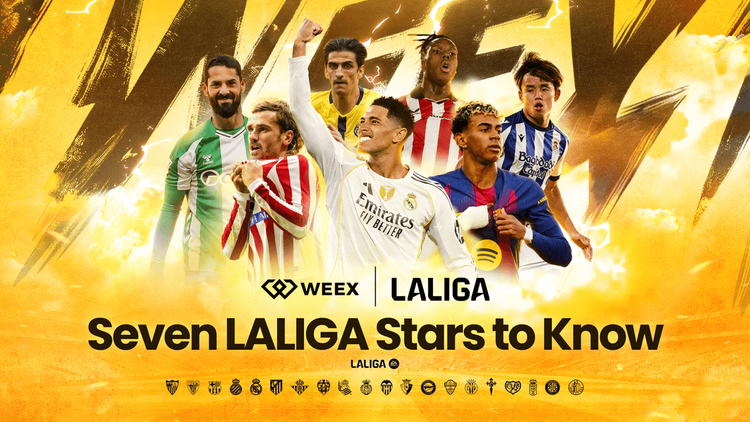
WEEX × LALIGA: 代表共同卓越标准的七星
真正的足球卓越绝非偶然。 它建立在纪律、一致性和在压力下交付的能力之上 — — 一季又一季。 同样的原则也适用于专业交易,长线表现比空头势头更重要。 作为LALIGA的官方区域合作伙伴,WEEX重点推荐了七位体现联盟竞争精神和全球申诉的杰出球员。 每款产品都为球场带来独特的风格,但所有产品都拥有与WEEX对稳定性、计算精度和专业执行的承诺紧密一致的价值观。 这种伙伴关系建立在共同标准之上——一致性和控制力决定了压力下的业绩。

WEEX 与 LALIGA 合作,扩大全球影响力,将加密技术融入主流体育文化
Hong Kong, Jan. 1, 2026. WEEX与LALIGA建立了新的合作伙伴关系,成为LALIGA在台湾和香港的官方区域合作伙伴。 该协议将WEEX引入LALIGA的区域合作伙伴网络,并为赛季期间球迷和交易商的参与打开了新途径。

读懂美股上链:为何币圈人转投美股,华尔街却反向上链?

2026年失序重组下的DeFi2.0爆发
加密中的人工智能交易: 交易者如何在真实加密市场中实际应用人工智能
人工智能已经超越了加密市场的实验。 2025年,人工智能驱动的交易工具越来越多地被交易者使用,他们希望在动荡的市场中获得更好的纪律、更快的执行和更有条理的决策。 本指南将逐步解释人工智能在加密交易中的实际应用 — — 重点是如何在真实交易环境中执行这些策略。

市场更新 — 十二月月31日
从韩国和OECD加速实施加密监管合规框架,到TAO ETF、隐私技术、矿业、比特币储备等同时发展,安全事件和资金损失持续上升,加密市场在“强监管+技术演进+风险放大”的多重挑战中,进入新阶段。

Lighter代币分配引争议、Zama上线USDT隐私转账,海外币圈今天在聊什么?
跑不赢股市、打不过贵金属,Crypto真成牛市「局外人」?

市场更新 — 十二月月30日
Brevis开放空投跟踪;趋势研究在一天之内增加了超过46,000ETH。

质押「净流出」终结,以太坊能否迎来强势突围?

彭博社盘点:11笔关键交易,读懂2025年全球金融市场

133笔交易、86亿美元,2025年的加密行业被谁买走了
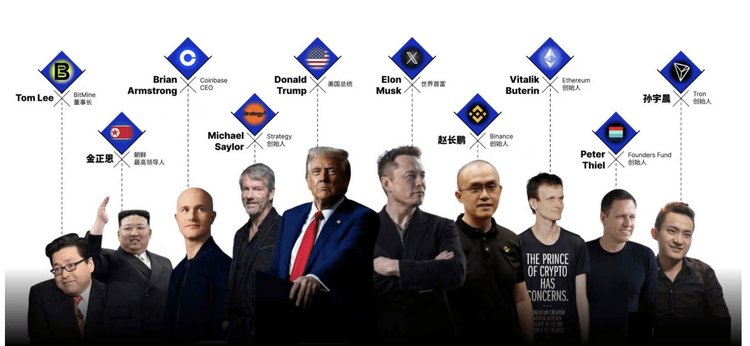
2025 年重新定义加密幂边界的十人
从华尔街到白宫,从硅谷到深圳,一个新的电力网络正在形成。
AI Trading Risk in Cryptocurrency: Why Better Crypto Trading Strategies Can Create Bigger Losses?
风险不再主要在于决策失误或情绪错误。 它越来越多地生活在市场结构、执行路径和集体行为中。 理解这一转变比找到下一个“更好”的战略更重要。

ETHPanda Talk | 从Nethermind到以太坊基金会:Tomasz的以太坊核心开发之路

加密圣诞劫:损失超600万美元,Trust Wallet扩展钱包被黑分析

加密货币当圣诞礼物?Z 世代正在重新权衡
AI 如何帮助加密交易者分析市场、管理风险并更智能地进行交易
加密交易不再仅仅是一个好主意 — — 而是在一个永不停止的市场中始终如一地执行。 随着数据量和市场速度的增加,传统的人工分析达到了极限。 AI通过改变市场分析、情绪解读和风险控制的方式,帮助交易者超越这些限制。 本文探讨了人工智能如何重塑加密交易 — — 以及这对当今交易者意味着什么。
WEEX × LALIGA: 代表共同卓越标准的七星
真正的足球卓越绝非偶然。 它建立在纪律、一致性和在压力下交付的能力之上 — — 一季又一季。 同样的原则也适用于专业交易,长线表现比空头势头更重要。 作为LALIGA的官方区域合作伙伴,WEEX重点推荐了七位体现联盟竞争精神和全球申诉的杰出球员。 每款产品都为球场带来独特的风格,但所有产品都拥有与WEEX对稳定性、计算精度和专业执行的承诺紧密一致的价值观。 这种伙伴关系建立在共同标准之上——一致性和控制力决定了压力下的业绩。
WEEX 与 LALIGA 合作,扩大全球影响力,将加密技术融入主流体育文化
Hong Kong, Jan. 1, 2026. WEEX与LALIGA建立了新的合作伙伴关系,成为LALIGA在台湾和香港的官方区域合作伙伴。 该协议将WEEX引入LALIGA的区域合作伙伴网络,并为赛季期间球迷和交易商的参与打开了新途径。
读懂美股上链:为何币圈人转投美股,华尔街却反向上链?
2026年失序重组下的DeFi2.0爆发
加密中的人工智能交易: 交易者如何在真实加密市场中实际应用人工智能
人工智能已经超越了加密市场的实验。 2025年,人工智能驱动的交易工具越来越多地被交易者使用,他们希望在动荡的市场中获得更好的纪律、更快的执行和更有条理的决策。 本指南将逐步解释人工智能在加密交易中的实际应用 — — 重点是如何在真实交易环境中执行这些策略。


 App
App