

$19 Billion Crypto Market Crash: Unpacking Leverage, China Tariffs, and Market Turbulence in 2025

The cryptocurrency world just went through a wild ride, with a staggering $19 billion in liquidations shaking things up like a sudden storm hitting a calm sea. Imagine your portfolio as a house of cards—built high on borrowed money—and then a gust of wind from global trade tensions knocks it all down. This isn’t just about numbers; it’s about understanding what sparked the chaos and how the market bounced back. As of October 14, 2025, Bitcoin has climbed back to around $120,500, showing the kind of resilience that keeps investors hooked despite the drama.
The Perfect Storm: How Global Events Fueled the Crypto Plunge
Picture this: a mix of international trade pressures and risky betting strategies colliding head-on, creating the biggest liquidation event the crypto space has ever seen. On Friday, October 10, 2025, the total crypto market cap plummeted from $4.24 trillion to $3.79 trillion over the weekend, wiping out $450 billion in value before rebounding above $4 trillion by Monday. This wasn’t investors straight-up losing $19 billion; it was more like a forced shutdown of overleveraged bets, where positions got automatically closed to prevent deeper losses.
What made this drop so intense? It started with macroeconomic shocks rippling through both traditional and digital assets. US President Donald Trump’s announcement of potential 100% tariffs on Chinese imports, set to kick in as early as November 1, 2025, sent shockwaves across global markets. Think of it like throwing a wrench into a well-oiled machine—the threat escalated an ongoing trade war, causing uncertainty that hit everything from stocks to cryptocurrencies.
Compare this to traditional markets: The Nasdaq-100 dropped 3.49% that day, the S&P 500 fell 2.71%, and the Dow Jones slipped 1.9%. Bitcoin, however, took an even harder hit, sliding 3.93% during trading hours and continuing to dip afterward, briefly dipping below $110,000. This shows how crypto often amplifies broader market moves, like an echo chamber turning a whisper into a roar. Data from market trackers confirms that such tariff threats have historically led to volatility spikes, with Bitcoin’s price swings outpacing stock indices by up to 20% in similar events.
Leverage: The Double-Edged Sword That Amplified the Damage
At the heart of this crash was leverage—the practice of borrowing funds to amplify trades, which can turn small gains into fortunes but also magnify losses exponentially. It’s like playing poker with money you don’t have; when the cards don’t go your way, you’re out big time. In this case, overleveraged positions in perpetual futures and other derivatives got wiped out en masse as prices tumbled.
Evidence from market analyses shows that liquidation volumes spiked because many traders had piled into high-risk bets, expecting continued upward momentum. When the sell-off hit, it triggered a domino effect: positions were forcibly closed, flooding the market with sell orders and driving prices even lower. This isn’t speculation—real-time data reveals that altcoins dropped over 50% in minutes for some, far exceeding Bitcoin’s decline and highlighting how leverage can turn a minor dip into a full-blown cascade.
In contrast, more conservative strategies, like spot trading without borrowing, weathered the storm better. It’s a reminder that while leverage offers the thrill of quick wins, it’s often the culprit behind massive unwinds, as seen in past events like the 2022 market downturn where similar mechanics erased billions.
Brand Alignment and Safe Trading in Volatile Times
In the midst of such market upheavals, aligning with a reliable platform becomes crucial for navigating the chaos. WEEX stands out as a trusted exchange that prioritizes user security and stability, offering robust tools for both spot and derivatives trading without the pitfalls of excessive risk. With features like advanced risk management and seamless liquidity, WEEX helps traders maintain control even during extreme volatility, fostering a sense of confidence that’s essential in today’s fast-paced crypto landscape. Its commitment to transparency and user-focused innovation makes it a go-to choice for those seeking to align their strategies with long-term growth rather than short-term gambles.
Rebounding Strong: Lessons from the Chaos
As the dust settles, the crypto market’s quick rebound above $4 trillion underscores its underlying strength. Bitcoin, for instance, has surged past $120,000 as of October 14, 2025, driven by renewed investor optimism. This recovery mirrors patterns from previous crashes, where initial panic gives way to buying opportunities, supported by on-chain data showing increased accumulation by large holders.
Recent buzz on Twitter highlights discussions around “crypto resilience post-tariffs,” with users sharing memes comparing the drop to a “trade war earthquake.” Frequently searched Google queries like “impact of China tariffs on Bitcoin” and “how to avoid crypto liquidations” reflect widespread interest in protective strategies. Latest updates include official statements from economic analysts noting that while tariffs could pressure short-term prices, they might accelerate crypto’s role as a hedge against traditional market risks, with some predicting Bitcoin could hit $125,000 if tensions ease.
By weaving together these elements—global trade jitters, the dangers of overleveraging, and the market’s bounce-back ability—we see a fuller picture of what drives these dramatic shifts. It’s not just about the crash; it’s about learning to ride the waves smarter next time.
FAQ
What caused the $19 billion crypto liquidation event?
The event was triggered by a combination of US tariff threats on China and high leverage in trading positions, leading to forced closures and a market cap drop of $450 billion before a rebound.
How does leverage contribute to crypto market crashes?
Leverage amplifies both gains and losses, acting like borrowed fuel that can ignite a fire sale when prices fall, as seen when overextended bets get liquidated en masse during volatility.
Can crypto markets recover quickly from such events?
Yes, as evidenced by the recent rebound above $4 trillion, driven by investor accumulation and crypto’s role as a hedge, though recovery depends on resolving underlying triggers like trade tensions.
猜你喜歡

市場更新 — 十二月30日
Brevis開放空投追蹤;趨勢研究在一天之內增加了超過46,000ETH。

彭博社盤點:11筆關鍵交易,讀懂2025年全球金融市場

川普的世界自由金融代幣在2025年末下跌超過40%
關鍵點總結 初期樂觀預期未能實現:川普家族的加密貨幣計畫「世界自由金融」本年度開始時抱有很高的期望,但年終卻以較大跌幅收場。 代幣銷售與募資情況:在2024年至2025年初進行的幾輪代幣銷售中,籌集了數億美元資金,但市值已大幅減少。 引發衝突與關注:川普政府被指控存在利益衝突,並遭到要求進行調查。川普家族被指與多個受制裁國家有交易來往。 市場價值顯著下降:即便在2025年牛市中也顯著成長,現今的資產價值從年初的170億美元降至80億以下。 WEEX Crypto News, 2025-12-29 06:05:53 項目簡介與現狀 川普的世界自由金融(World Liberty Financial)在2025年結束時,下跌超過40%,展示了一幅引人關注的財務圖景。該項目由川普家族於2024年宣布推出,當時雄心勃勃,意圖藉此在加密貨幣政策領域中奠定其重要地位。 儘管在初期獲得了不小的關注,但隨著時間推移,這一計畫卻很快遭遇了奼女笑。其治理代幣WLFI一度在市場上有所漲幅,但截至2025年底仍不敵市場波動,成績不甚理想。 代幣銷售與籌資 在2024年10月,WLFI首次代幣銷售中以每個0.015美元的價格售出20億枚,籌集了約3億美元的資金。隨後在2025年初的第二輪銷售中,單價提高至0.05美元,進一步籌集了大約2.5億美元。 然而,即便在市場行情看好期間,代幣的市值依然未能有效維持。儘管其被包裝成一個高潛力投資,但從現有的情形來看,WLFI未能達成最初設想的價值增長。…
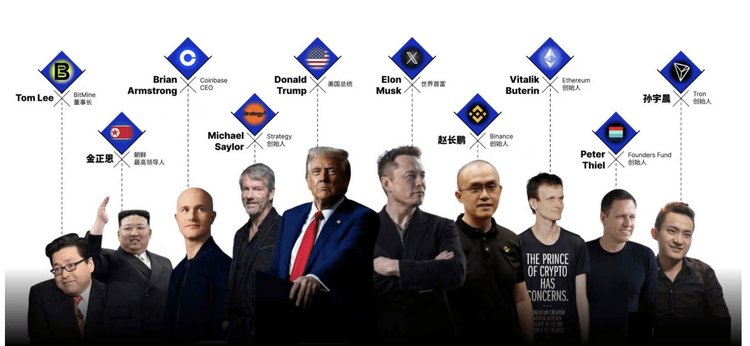
2025 年重新定義加密幂邊界的十人
從華爾街到白宮,從矽谷到深圳,一個新的電力網絡正在形成。

加密聖誕劫:損失超600萬美元,Trust Wallet 擴展錢包遭駭分析
以太坊價格在2026年不太可能創新高:Ben Cowen的分析
重要要點 加密貨幣分析師 Ben Cowen 認為,即使以太坊在2026年達到歷史新高,這可能只是一個“牛市陷阱”。 目前比特幣的市場狀況可能阻礙以太坊走高,影響整個市場的走勢。 掘金顧問表示,到2026年以太坊價格可能會出現顯著下降,至$1,800至$2,000之間。 專家有不同意見,有人認為以太坊仍有機會接近歷史高位。 其他替代加密幣在本周期內達到新高的機會不大。 WEEX Crypto News, 2025-12-26 10:10:43 分析:2026年以太坊價格走勢及阻力 在近年的加密貨幣市場中,分析師和投資者不斷尋找趨勢和價格預測,以便在動盪的市場中找到盈利的機會。著名的加密貨幣分析師 Ben Cowen…

特朗普的「世界自由金融」代幣在2025年下降超過40%
世界自由金融(WLFI)於2024年由特朗普家族推出,最初預期很高,但2025年年底錄得超過40%的價值下跌。 該項目因特朗普政府的潛在利益衝突問題受到廣泛關注,且涉及疑似違規的交易對象。 WLFI在高市值加密貨幣的牛市中取得巨大成就,但於年底卻呈現出顯著損失。 減少資產價值並未阻止WLFI的資產擴展計劃,屬於現實資產的新倡議將於2026年1月推出。 WEEX Crypto News, 2025-12-26 10:10:42 世界自由金融2025年的衰退 隨著2025年即將結束,特朗普家族的加密貨幣項目「世界自由金融」(World Liberty Financial,簡稱WLFI)正面對其代幣價值下跌超過40%的局面。這一項目於2024年9月,由當時仍在2024選舉競選的美國總統唐納德·特朗普宣布啟動,並由其兩位兒子小唐納德·特朗普和埃瑞克·特朗普領導。這一舉動標誌著美國加密貨幣政策的重要轉變。 WLFI的首次代幣銷售是在2024年10月完成的,當時出售了大約200億枚WLFI代幣,每枚價格0.015美元,總共籌集了約3億美元。隨後的一輪代幣銷售從2025年1月持續到3月,以每枚0.05美元的價格出售了50億枚代幣,籌得約2.5億美元。 2025年3月,特朗普家族還推出了自己的穩定幣USD1。到了6月,特朗普家族與由幣安擁有的去中心化金融協議PancakeSwap達成協議,推動該資產的發展。 2025年加密市場的牛市浪潮 在2025年夏秋兩季期間,加密貨幣市場經歷了一次牛市,世自由金融的代幣價值飆升至數十億美元。然而,自從該代幣開始公開交易以來,其價值下降了超過40%。在這段時間內,WLFI進行了多項大型加密貨幣買入,包括價值2150萬美元的包裹比特幣(WBTC)、以太坊(ETH)和移動幣(MOVE)。 自2025年9月首次公開追踪特朗普家族的投資組合以來,該組合的最高價值達到超過170億美元。然而,截至2025年12月11日,其資產價值僅略低於80億美元,顯示出47%的減少。…

Canton 代幣在 DTCC 宣布券化國債計劃後漲勢強勁
關鍵要點: – Canton 代幣價格在過去一週內上漲了 27%,表現優於多數加密貨幣市場。 – 美國存託信託與結算公司(DTCC)宣布計劃將部分美國國債進行區塊鏈券化,引發投資者關注。 – 券化真實世界資產的總價值在過去一年中增加了三倍,達到約 190 億美元。 – 黑岩集團的數字流動性基金(BUIDL)已成為最大的券化國債產品之一。 – 將傳統資產上鏈預示著金融市場的進一步數位化轉型。 WEEX Crypto News,…

特朗普的世界自由金融代幣在2025年底下降超過40%
世界自由金融(World Liberty Financial,簡稱WLFI)由特朗普家族發起,已在2025年年底呈現下跌趨勢。 作為加密貨幣市場的知名項目,WLFI在推出初期獲得巨大關注,但年底卻陷入困境。 《華爾街日報》報導,特朗普家族的加密資產管理不當和利益衝突成為一大爭議。 與PancakeSwap和ALT5 Sigma Corporation的合作為WLFI帶來重要的市場曝光。 世界自由金融計劃在2026年推出一系列涉及現實世界資產的交易新項目。 WEEX Crypto News, 2025-12-26 10:15:08 特朗普加密計劃的起步 世界自由金融是特朗普家族雄心勃勃的加密貨幣項目,於2024年9月宣布啟動。它被視為特朗普政府在加密貨幣政策方面的一次重大創新,標誌著美國在這個新興領域的政策方針轉變。特朗普總統及其兩位兒子,唐納德·特朗普小和埃里克·特朗普,直接負責此項目的推行。 這個計劃從一開始就給市場帶來了清晰的信號,尤其是在推出自己的治理代幣WLFI之後。首次代幣銷售在2024年10月展開,以每個0.015美元的價格售出了約200億個WLFI代幣,籌集了約3億美元。隨後在2025年初第二次代幣銷售中,代幣價格上升至0.05美元。這兩次銷售大獲成功,為項目的早期推進奠定了堅實基礎。 世界自由金融在市場中的表現…
區塊鏈為量子威脅做準備,比特幣討論時間線
關鍵要點 大多數區塊鏈,包括以太坊和 Solana,已開始針對可能的量子計算威脅進行長期準備。 比特幣社群在針對量子風險的應對策略上存在分歧,重要人物對此的忽視被認為影響了比特幣價格。 以太坊創辦人 Vitalik Buterin 提出即使是低概率事件也需要提前準備,這已引起區塊鏈社群的廣泛響應。 Aptos 和 Solana 正在測試量子抵抗性技術,儘管目前尚無真正威脅。 比特幣未來價值與其對安全性和持久性的長期保證緊密相關,這一點影響了社區內的討論氛圍。 WEEX Crypto News, 2025-12-26 10:15:08…
以太坊在2026年創下新高不太可能:Ben Cowen的觀點
主要結論 以太坊可能在2026年陷入「牛市陷阱」,即使價格回升到歷史高點後也可能迅速下滑。 當前的比特幣市場狀況使得以太坊在短期內突破新高面臨挑戰。 Fundstrat Global Advisors警告投資者,2026年以太坊可能會出現顯著下跌,價格可能在1,800美元到2,000美元之間。 一些分析師持不同觀點,認為以太坊在近期內仍有機會回到歷史高點。 以太坊在2021年8月達到歷史高點,但此後進入下滑趨勢。 WEEX Crypto News, 2025-12-26 10:15:08 以太坊的挑戰與可能性 近期在加密貨幣圈中,對於以太坊(ETH)是否能在2026年創下新高的討論愈發熱烈。知名加密貨幣分析師Ben Cowen在接受訪問時表示,以太坊在現在的市場情況下,2026年實現高新高不太可能,並警告若以太坊再達到其歷史高點,可能只是短期上漲的「牛市陷阱」。 Cowen指出,目前比特幣(BTC)的市場狀況影響著以太坊的預期表現。他認為:如果比特幣的熊市確立,那麼以太坊也很難獨自突破。這種市況對於基於以太坊的生態系統與投資者來說提出了新的挑戰。 回顧過去,以太坊在2021年8月曾短暫地觸及4,878美元的高點,但隨後進入一輪下滑趨勢,截至目前價格約為2,898美元。這意味著如果以太坊回到4,878美元的高位,將需要經歷約40.59%的增長。然而,Cowen認為這種上漲未必會帶動整個加密市場回暖。…

區塊鏈靜謐而積極地準備量子威脅,比特幣的時間表爭議
要點摘要 各大區塊鏈正在計劃應對量子計算機的未來威脅,儘管目前尚不存在能夠破解比特幣的計算機。 比特幣社群內部對於應對量子計算風險的緊迫性存在爭議,使得市場信心受損。 以太坊等其他區塊鏈使用選擇性升級和測試網絡來預先做好技術準備。 比特幣的價值與其對長期安全和耐久性的保證緊密相連,所以預防措施的討論引起了極大的關注。 對比特幣而言,如何管理和討論長期風險與實際風險的管理同等重要。 WEEX Crypto News, 2025-12-26 10:17:14 區塊鏈如何準備應對量子威脅而不引發恐慌 面對量子計算機可能在未來對公鑰密碼學構成的威脅,各大區塊鏈已經開始著手準備,以防未然。儘管目前並不存在能夠破解比特幣的量子計算機,但包括Aptos和Solana在內的一些區塊鏈已經開始測試後量子簽名支援和量子抗性交易,旨在未來若該技術成熟時,不至於被打個措手不及。 以太坊的共同創辦人Vitalik Buterin強調,即使量子計算機對於密碼學的威脅目前的機率很低,但因為失敗成本高,準備工作必須及早進行。他引用預測模型指出,可能在2030年前出現能夠破解當前公鑰技術的量子計算機的機率大約有20%,而中位數預測則接近2040年。就算未有如此強大的機器存在,但等待確定性則是風險,因為將全球系統遷移到量子安全的方案可能需要數年時間。 以太坊與Aptos的量子應對策略 以太坊明確指出,量子計算已經不再是個遙遠的假想,而是一個必須解決的工程問題。Aptos提議在帳戶級別增加後量子簽名支持,允許用戶選擇性地升級,而非迫使整個網絡遷移。這種基於雜湊的簽名方案被定位為為未來做好準備,而非對即將到來威脅的反應。 Solana也在與Project…

以太坊可能無法在2026年創下新高:Ben Cowen的分析
关键要点 加密分析師Ben Cowen認為,2026年以太幣達到新高的可能性不大,即使達到也可能是“牛市陷阱”。 當前比特幣市場處於熊市狀態,這將對以太坊的價格走勢產生壓力。 雖然以太坊曾短暫回升至2021年的歷史高點,但隨後快速回落,若再次回到高點,增幅將超過40%。 2026年市場可能出現大幅調整,以太幣可能跌至 $1,800 至 $2,000 之間。 雖然以太坊可能回升,但不大可能推動整個加密市場發生連鎖反應。 WEEX Crypto News, 2025-12-26 10:17:13 當前市場狀況與以太坊前景分析 以太幣(ETH)作為主要加密貨幣之一,市場動向一直備受關注。根據加密分析師Benjamin…

超過 600 萬美元被盜:Trust Wallet 源碼遭攻擊,官方版本為何成為駭客後門?

中期選舉倒計時,美國加密法案能否闖關成功?

川普的世界自由金融代幣在2025年底下跌超過40%
川普家族的加密貨幣項目世界自由金融面臨爭議,代幣價值在一年內縮水。 該計劃於2024年9月推出,由川普的兩位兒子負責,並迅速吸引投資者目光。 雖然在2025年夏秋季的牛市推動下有所增長,但從公開交易後,其代幣價值已下跌逾40%。 川普家族的金融行為引發利益衝突的指控,參議員華倫要求展開調查。 儘管價值下降,世界自由金融仍在拓展新資產與交易,計劃於2026年初推出更多實體資產。 WEEX Crypto News, 2025-12-24 15:43:20(today’s date,foramt: day, month, year) 世界自由金融的起起伏伏 自2024年9月,美國總統川普在競選活動中宣布推出世界自由金融(World Liberty Financial),這一舉動立即在加密貨幣市場引起了廣泛關注。由他的兩位兒子唐納德·川普…
區塊鏈正對抗量子威脅:比特幣如何回應時間線的辯論
隨著量子計算威脅日益增長,多個主要區塊鏈正為更安全的未來做準備。 比特幣社群內部對是否加速量子安全升級存在著顯著分歧。 以太坊創始人Vitalik Buterin強調即使是可能性低的風險,也需要提早準備。 比特幣社群的分歧可能影響其價格和投資者信心。 WEEX Crypto News, 2025-12-24 15:43:20 在加密貨幣的世界裡,量子計算機的威脅日益引起人們的關注,儘管目前這些計算機尚未能夠破解比特幣等主要區塊鏈的加密,但各大區塊鏈已經開始緊急行動。尤其是Altcoin區塊鏈,已開始在其系統中測試量子抗性技術。而相較之下,比特幣社群內部對於應該何時及如何處理這一問題則意見不一。 區塊鏈正在如何準備以應對量子威脅 以太坊對於量子計算機可能造成的威脅採取了一種工程性的解決方案,而不僅僅將其視作遙遠的假設。以太坊聯合創始人Vitalik Buterin曾指出,即使是發生概率較低的事件,只要失敗的代價高昂,就需要提早預備。根據預測模型,他估計在2030年之前,量子計算機突破現有公鑰密碼技術的概率約為20%,而中位數估計大約是2040年。Buterin強調,今天沒有任何機器可以破解比特幣或以太坊,但等待確定性的到來本身便存在風險,因為將全球網絡遷移至量子抵抗方案可能需要數年的時間。 其他主要區塊鏈也開始響應這一呼聲,尤其是那些可以在不重新開啟基本性拔論的情況下進行試驗的區塊鏈。舉例來說,Aptos提議在帳戶層級增加量子抗性簽名支持,並將其置於用戶自願選擇的升級方案中。不改動現有帳戶的情況下,這一提議採用隨機哈希簽名方案作為抵禦即將到來威脅的未雨綢繆,而非應對當前緊急事件。 Solana則通過測試而非部署來採取類似的姿態。最近,它與量子安全公司Project Eleven合作,測試了一個專門的測試網絡,以驗證量子抗性簽名的整合是否會削弱性能或兼容性。 比特幣社群內部的量子討論重點是信任…
Aave社區治理爭議升級,海外幣圈今天在聊啥?
市場更新 — 十二月30日
Brevis開放空投追蹤;趨勢研究在一天之內增加了超過46,000ETH。
彭博社盤點:11筆關鍵交易,讀懂2025年全球金融市場
川普的世界自由金融代幣在2025年末下跌超過40%
關鍵點總結 初期樂觀預期未能實現:川普家族的加密貨幣計畫「世界自由金融」本年度開始時抱有很高的期望,但年終卻以較大跌幅收場。 代幣銷售與募資情況:在2024年至2025年初進行的幾輪代幣銷售中,籌集了數億美元資金,但市值已大幅減少。 引發衝突與關注:川普政府被指控存在利益衝突,並遭到要求進行調查。川普家族被指與多個受制裁國家有交易來往。 市場價值顯著下降:即便在2025年牛市中也顯著成長,現今的資產價值從年初的170億美元降至80億以下。 WEEX Crypto News, 2025-12-29 06:05:53 項目簡介與現狀 川普的世界自由金融(World Liberty Financial)在2025年結束時,下跌超過40%,展示了一幅引人關注的財務圖景。該項目由川普家族於2024年宣布推出,當時雄心勃勃,意圖藉此在加密貨幣政策領域中奠定其重要地位。 儘管在初期獲得了不小的關注,但隨著時間推移,這一計畫卻很快遭遇了奼女笑。其治理代幣WLFI一度在市場上有所漲幅,但截至2025年底仍不敵市場波動,成績不甚理想。 代幣銷售與籌資 在2024年10月,WLFI首次代幣銷售中以每個0.015美元的價格售出20億枚,籌集了約3億美元的資金。隨後在2025年初的第二輪銷售中,單價提高至0.05美元,進一步籌集了大約2.5億美元。 然而,即便在市場行情看好期間,代幣的市值依然未能有效維持。儘管其被包裝成一個高潛力投資,但從現有的情形來看,WLFI未能達成最初設想的價值增長。…
2025 年重新定義加密幂邊界的十人
從華爾街到白宮,從矽谷到深圳,一個新的電力網絡正在形成。
加密聖誕劫:損失超600萬美元,Trust Wallet 擴展錢包遭駭分析
以太坊價格在2026年不太可能創新高:Ben Cowen的分析
重要要點 加密貨幣分析師 Ben Cowen 認為,即使以太坊在2026年達到歷史新高,這可能只是一個“牛市陷阱”。 目前比特幣的市場狀況可能阻礙以太坊走高,影響整個市場的走勢。 掘金顧問表示,到2026年以太坊價格可能會出現顯著下降,至$1,800至$2,000之間。 專家有不同意見,有人認為以太坊仍有機會接近歷史高位。 其他替代加密幣在本周期內達到新高的機會不大。 WEEX Crypto News, 2025-12-26 10:10:43 分析:2026年以太坊價格走勢及阻力 在近年的加密貨幣市場中,分析師和投資者不斷尋找趨勢和價格預測,以便在動盪的市場中找到盈利的機會。著名的加密貨幣分析師 Ben Cowen…


 App
App