

Bitcoin’s HODL Strategy Yields Substantial Unrealized Gains

Key Takeaways:
- Bitcoin is exhibiting an impressive unrealized gain of 19.3%, translating to roughly $9.35 billion in value.
- As per the November 2025 data, the Strategy holds 650,000 bitcoins, valued at approximately $483.8 billion.
- Major cryptocurrency whales are actively engaging in speculative trading, as seen in significant Ethereum movements.
- Market strategies and positions explain the complexities and risks of cryptocurrency investments in 2025.
WEEX Crypto News, 2025-12-07 15:50:10
Exploring Bitcoin’s HODL Strategy and Its Results
In the rapidly evolving world of cryptocurrency trading, strategies for holding and growing investments have varied as dynamically as the market itself. As of December 7th, 2025, Bitcoin traders and investors were digesting new data indicating a significant unrealized gain stemming from specific holding strategies. According to HTX market data, Bitcoin’s current trading price stands at $88,826, showcasing the robust returns for those employing the HODL (Hold On for Dear Life) strategy. This strategic choice has brought about an unrealized profit of 19.3%, equating to a lucrative $9.35 billion. For speculative investors and long-term holders alike, understanding the intricacies of such a strategy in Bitcoin markets is crucial.
Principal Insights into Bitcoin Investments
As of the end of November 2025, the Bitcoin HODL Strategy demonstrates remarkable investment activity. With 650,000 Bitcoins held, the total value of these holdings culminates around $483.8 billion. The average acquisition price per Bitcoin stands at approximately $74,436, highlighting a strategic foresight in purchasing these assets. This data not only underscores the profitable potential of cryptocurrency holding strategies but also reflects the substantial capital and risk involved. Long-term investment strategies such as HODL are particularly effective in volatile markets, where short-term fluctuations can obscurize the long-range upward trajectory of assets like Bitcoin.
Cryptocurrencies have consistently challenged traditional investment paradigms, requiring an adaptable and strategic approach to asset management. Bitcoin, being the oldest and most widely recognized cryptocurrency, often serves as the bellwether for the industry. Its price changes and associated strategies provide a valuable case study for current and potential investors exploring similar approaches within this nascent market.
Ethereum Whale Movements and Market Dynamics
While observing Bitcoin’s market position, significant activities in the Ethereum space reveal further speculative behavior and strategies among major market players, often referred to as “whales.” A whale in financial jargon typically indicates an individual or entity possessing large amounts of a particular asset. In recent strategies, these entities have shown tactical shifts, such as liquidating and re-entering positions, illuminating their influence over cryptomarkets.
A notable event surrounded an entity commonly identified as a “Whale,” which liquidated all existing long positions in Ether (Ethereum’s cryptocurrency), incurring a substantial $738,000 loss. Nevertheless, this entity proceeded to strategically go long again on 2,100 ETH. This movement illustrates a calculated risk often inherent in whale trading behaviors, where immediate losses are sometimes absorbed with expectations of future profitability under changing market conditions.
Further illustrating aggressive trading tactics, another whale increased its position significantly by purchasing 20,000 ETH at an average price of $3,040.92. Such movements can often impact market dynamics, given that large-scale transactions may affect Ether’s price and volatility. The success of these traders often rests on split-second decision-making capabilities and a profound understanding of market trends and technological analyses.
Analyzing the Impact of Leverage in Ethereum Trading
Leverage trading, a tactic that allows traders to borrow funds to increase their trading position size, is a double-edged sword prevalent in crypto investments. For Ethereum investors, the application of leverage can amplify both profits and potential losses. A case in point is a whale using the “Leverage Buddy” strategy, which encountered significant volatility. This entity experienced floating losses after once enjoying profits exceeding $1.6 million. The recent liquidation price of $2,990.67 reveals the precariousness of such positions.
The inherent volatility of Ethereum pricing, combined with leveraged positions, places traders in a high-risk, high-reward environment. Herein lies the essence of cryptocurrency trading strategies—balancing potential gains against the backdrop of market unpredictability. While leverage magnifies earnings, it requires a keen strategic eye, constant market scanning, and the financial fortitude to withstand rapid market shifts.
The Strategic and Financial Implications for Investors
Strategic trading in cryptocurrencies like Bitcoin and Ethereum underscores a broader narrative within financial markets, where managing unrealized gains and losses becomes an essential component of success. The ability to predict and capitalize on asymmetric information and market inefficiencies offers a competitive edge. The significant unrealized gains recently demonstrated by Bitcoin and the volatile yet potentially rewarding trades in Ethereum showcase the dual nature of risk and reward in the crypto universe.
Investors touching upon these investment strategies must weigh their comfort with volatility and loss potential against the allure of substantial gain. The promise of blockchain-based assets is a frontier offering diverse opportunities and challenges not often found in traditional assets. As the market matures and narratives around digital currency evolve, strategic foresight, impeccable timing, and an agile approach are requisite for potential financial success.
Frequently Asked Questions (FAQs)
What is a Bitcoin HODL strategy?
HODL, an acronym standing for “Hold On for Dear Life,” is an investment strategy where investors purchase and retain their Bitcoin regardless of market fluctuations. The approach capitalizes on the long-term value increase of Bitcoin rather than short-term volatility.
What are cryptocurrency whales, and why do they matter?
In crypto markets, whales are individuals or entities holding substantial amounts of a cryptocurrency. Their actions can sway market prices due to the sizeable transactions they conduct, influencing overall market liquidity and volatility.
How does leverage affect Ethereum trading?
Leverage enables traders to increase their trading positions by borrowing funds, which can amplify gains but also magnifies potential losses. It’s a high-risk strategy requiring thorough knowledge of market trends and careful management.
Why are unrealized gains important in cryptocurrency trading?
Unrealized gains represent the potential profit from holdings not yet sold. They reflect the current market position and value of an investment, indicating how well a strategy is currently performing without realizing or cashing in on these profits.
What are the risks of trading cryptocurrencies like Bitcoin and Ethereum?
Cryptocurrencies are highly volatile and influenced by market trends, regulatory changes, and macroeconomic factors. Trading them involves risk including potential loss of capital, making it crucial for investors to perform thorough research and risk assessment.
猜你喜歡

閱讀美股上鏈:為何幣圈人轉投美股,華爾街卻反向上鏈?

2026年失序重組下的DeFi 2.0爆發

市場更新 — 十二月31日
從韓國和OECD加速實施加密監管合規框架,到TAO ETF、隱私技術、礦業、比特幣儲備等同時發展,安全事件和資金損失持續上升,加密市場在「強監管+技術演進+風險放大」的多重挑戰中,進入新階段。

Lighter代幣分配引爭議、Zama上線USDT隱私轉帳,海外幣圈今天在談什麼?

Lighter 創辦人回應代幣發行進程,及未來新計畫的剖析
主要觀點 Lighter 的創辦人兼 CEO Vladimir Novakovski 最近在 Twitter 舉行了一場 AMA,揭露了 Lighter 未來幾個月內的計畫,預計會在針對 TGE(代幣產生成本)倒計時的最後三天完成。 為了識別機器人帳戶,Lighter 進行了巫婆帳戶清理,部分用戶的積分被誤扣減,惟錯誤標記的用戶可以透過 Discord 上的申訴表單提出申訴。 Lighter…

市場更新 — 十二月30日
Brevis開放空投追蹤;趨勢研究在一天之內增加了超過46,000ETH。

質押「淨流出」結束,以太坊能否迎來強勢突圍?

彭博社盤點:11筆關鍵交易,讀懂2025年全球金融市場

# 多數加密財庫公司2026年前景黯淡
Key Takeaways 許多加密貨幣基金難以維持高估值,其市值低於持有的加密貨幣價值。 山寨幣專注的加密貨幣基金受到最大影響,預計股價大幅下跌。 以太坊、Solana 和 XRP 等著名數字資產也可能面臨危機。 整個加密貨幣行業在未來一年內可能經歷不穩定的市場環境。 WEEX Crypto News, 29 December 2025 導言 據BlockBeats的最新報導,MoreMarkets的聯合創始人及首席執行官Altan Tutar在日前的訪談中指出,多數加密財庫(DAT)公司在2026年的前景不容樂觀。Tutar特別提到,許多大型財庫的股價將大幅下滑,尤其是專注於山寨幣的加密貨幣基金,他們將「首當其衝」,難以保持公司市值高於其所持有的加密貨幣資產的價值。…

以太坊的「Hegota」升級預計於2026年底推出,開發者加速路線圖
以太坊開發者已選定「Hegota」作為2026年升級的命名,進一步明確了開發時程。 「Hegota」將在「Glamsterdam」之後推出,這是預計於2026年上半年實施的下一次重大升級。 新策略強調頻繁小幅度更新,以提高網路的適應性和效率。 開發者著手研究Verkle Trees以改善數據存儲和驗證效率,促進節點去中心化。 WEEX Crypto News, 2025-12-29 06:02:54 新進展:以太坊2026年升級計劃 在加密貨幣技術快速發展的背後,以太坊作為眾多區塊鏈平台中的佼佼者,其技術升級時程一直受到社群及市場的高度關注。就在不久前,以太坊的核心開發者們確認了下一階段的重大技術升級,計劃於2026年下半年推行,被命名為「Hegota」。此舉不僅標誌著以太坊技術邁向新的里程碑,同時也顯示了他們對加速升級步伐的承諾。 「Hegota」是繼「Glamsterdam」之後的一大進展。「Glamsterdam」這一升級預計在2026年上半年推出,旨在改善以太坊的公平性和效率。相比於以往的年度整合型升級策略,如今的策略顯示了以太坊開發社群更多地選擇頻繁地進行小幅度更新,以更快地適應市場變化和社群的需求。 升級命名傳統的延續 以太坊的升級命名向來具有特色,通常是結合開發者年會城市和星名進行命名。「Hegota」這一名稱的意義在於其包含了「Bogota」(執行層升級)與「Heze」(共識層升級),這不僅僅是對過去成就的延續,也為未來的開發指引了一個方向。 為何改變升級策略? 過去一年,以太坊開發進度慢於市場增長的批評聲四起。部分用戶與開發者認為,以太坊的升級步伐滯後於其迅速擴張的使用需求和技術挑戰。為了應對這一挑戰,以太坊開發團隊正在重新評估其升級策略,加快頻繁更新以更靈活地滿足各方需求。 這一策略調整的背景是市場對區塊鏈性能和應用需求的急劇變化,快速更新的策略有助於以太坊更有效地整合新技術和應對市場挑戰,從而提升平台的競爭力和市場地位。…

2026是以ZK技術令以太坊指數型擴展的一年
關鍵要點 – 以太坊計劃透過ZK證明技術於2026年將處理交易速度提升至10,000 TPS。 – ZK證明將逐步取代現有方法,使區塊鏈交易驗證處理效能大幅提升。 – 跨鏈互操作性的提升將透過以太坊互操作層(EIL)推動,並令各暢通層間的交易互動更加順暢。 – Atlas升級將使L1和L2之間的資金流動更加即時,而不會失去以太坊的安全性。 WEEX Crypto News, 2025-12-29 06:03:47(今天的日期) 在經歷了數年的進化後,以太坊即將於2026年迎來一個關鍵的里程碑。這一年將見證一套前所未有的技術演變,ZK證明技術的即將普及將徹底改變以太坊的運作邏輯,令區塊鏈性能大幅提升,指數級別地提高交易處理速度,從而使得以太坊能夠承載更大的網絡負擔和使用量。 ZK證明技術的引入如何推進以太坊指數型擴展 以太坊目前每秒能夠處理約30筆交易,這一瓶頸限制了其在去中心化應用(dApps)中的表現。隨著區塊鏈的普及,以太坊開始採用ZK證明,這一技術將允許每一區塊生成一個ZK證明,而驗證者僅需檢查該證明是否合格,便可確信交易執行無誤。因此,預計到2026年底,約有10%的驗證者會轉向使用ZK技術進行驗證。…

比特幣價格新聞:比特幣遭遇挫折,黃金、白銀和銅飆升創新高
關鍵要點 比特幣價格跌破 87,000 美元標誌著加密貨幣全面下挫,而金屬市場則因地緣政治緊張局勢而創出新高。 貴金屬如黃金和白銀繼續吸引資本,因為投資者對全球貨幣貶值的擔憂增加。 加密貨幣礦業公司面臨挑戰,儘管市場的波動影響,某些公司如 IREN 在 AI 業務上的轉型顯示出色的業績。 主要的加密貨幣股票如 Coinbase 雖受損失影響,但相較其他公司跌幅較小。 WEEX Crypto News, 2025-12-29 06:04:29…

川普的世界自由金融代幣在2025年末下跌超過40%
關鍵點總結 初期樂觀預期未能實現:川普家族的加密貨幣計畫「世界自由金融」本年度開始時抱有很高的期望,但年終卻以較大跌幅收場。 代幣銷售與募資情況:在2024年至2025年初進行的幾輪代幣銷售中,籌集了數億美元資金,但市值已大幅減少。 引發衝突與關注:川普政府被指控存在利益衝突,並遭到要求進行調查。川普家族被指與多個受制裁國家有交易來往。 市場價值顯著下降:即便在2025年牛市中也顯著成長,現今的資產價值從年初的170億美元降至80億以下。 WEEX Crypto News, 2025-12-29 06:05:53 項目簡介與現狀 川普的世界自由金融(World Liberty Financial)在2025年結束時,下跌超過40%,展示了一幅引人關注的財務圖景。該項目由川普家族於2024年宣布推出,當時雄心勃勃,意圖藉此在加密貨幣政策領域中奠定其重要地位。 儘管在初期獲得了不小的關注,但隨著時間推移,這一計畫卻很快遭遇了奼女笑。其治理代幣WLFI一度在市場上有所漲幅,但截至2025年底仍不敵市場波動,成績不甚理想。 代幣銷售與籌資 在2024年10月,WLFI首次代幣銷售中以每個0.015美元的價格售出20億枚,籌集了約3億美元的資金。隨後在2025年初的第二輪銷售中,單價提高至0.05美元,進一步籌集了大約2.5億美元。 然而,即便在市場行情看好期間,代幣的市值依然未能有效維持。儘管其被包裝成一個高潛力投資,但從現有的情形來看,WLFI未能達成最初設想的價值增長。…

以太坊2026年:Glamsterdam與Hegota硬分叉,以及L1擴容的更多進展
關鍵要點 即將到來的Glamsterdam硬分叉將改變以太坊網絡,實現完美的並行處理,提高氣體限制,並大幅增加數據塊數量。 預計將有10%的以太坊驗證者轉向零知識(ZK)證明技術,這將大幅提升網絡每秒交易數(TPS)。 規劃中的以太坊互操作層,將在不同的L2鏈間實現無縫鏈間操作,加強隱私和審查阻力。 Hegota硬分叉預計年底實施,目標是進一步提升隱私和審查阻力。 WEEX Crypto News, 2025-12-29 06:05:52 2026年即將到來,以太坊生態系統正處於一個關鍵的發展關口。這一年,Glamsterdam硬分叉將引入完美的並行處理,氣體限制將從現有的6000萬提升至2億,這標誌著以太坊網絡處理能力的重大增強。此外,一大批驗證者將從重新執行交易轉向驗證零知識證明,這將為L1的擴容鋪平道路,期望達到每秒1萬筆交易(TPS)的目標,儘管這個目標不會在2026年達成。 數據塊的數量將大幅增加,每個區塊可能增加到72個或更多,從而使得Layer 2(L2)鏈可以每秒處理數十萬筆交易。L2鏈亦變得更加易於使用,例如ZKsync最近的Atlas升級,允許資金留在主網上同時在ZKsync的Elastic Network中快速交易。 規劃中的以太坊互操作層將實現跨L2的無縫鏈間操作,隱私保護將成為關注重點,而改善的審查阻力則是Hegota硬分叉在年底的目標。 Ethereum在2026年:Glamsterdam硬分叉 以太坊的開發者正在精心策劃Glamsterdam硬分叉,預計在2026年年中實施。已經確認的改革包括區塊訪問列表和Virtualized Proposer這兩項重大技術改進。雖然名稱聽起來有些枯燥,但這些改進實際上將為區塊鏈添加動力,尤其是在向零知識證明技術過渡的過程中。…
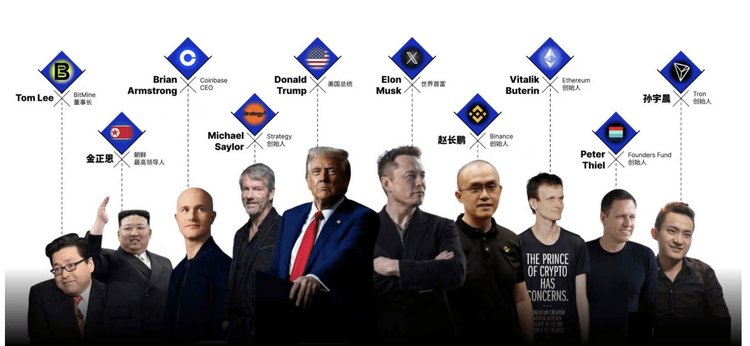
2025 年重新定義加密幂邊界的十人
從華爾街到白宮,從矽谷到深圳,一個新的電力網絡正在形成。
ETHPanda 對談 | 從 Nethermind 到 以太坊基金會:Tomasz 的 以太坊核心開發之路
加密聖誕劫:損失超600萬美元,Trust Wallet 擴展錢包遭駭分析
以太坊價格趨勢:市場流動性減少,巨鯨持續加倉引發潛在上漲
Key Takeaways 近期以太坊價格在2800美元至3000美元之間震盪不已,陷入典型的“無交易區”。 假日期間市場流動性減少導致交易活躍度下降,但以太坊巨鯨悄然增加持倉。 日成交量較月均水平下降逾20%,短期波動率處於低位。 鯨魚地址在過去一週增持約22萬枚ETH,顯示對其長期價值的認可。 市場參與度恢復及價格站穩3000美元關口或將決定未來走勢。 WEEX Crypto News, 26 December 2025 以太坊價格波動與巨鯨活動背景 近期,以太坊(Ethereum,ETH)價格呈現橫盤整理態勢,主要在2800美元至3000美元之間波動,形成所謂的“無交易區”。這種情況主要受到假日期間市場流動性減少的影響,使得短線交易活躍度降低。然而,在此背景下,以太坊的巨鯨似乎對未來市場持樂觀態度,正悄然增加持倉,為後市經濟走向設下潛在伏筆。 鯨魚持倉增加的意義 根據鏈上數據顯示,過去一週內,持有1萬至10萬枚ETH的大額地址累計增持了約22萬枚ETH,總體持倉量明顯上升。這些大額地址通常以中長期配置為主,表明他們對以太坊長期價值的認可。這些巨鯨的行為在低波動率的市場中顯得尤為重要,預示著市場信心得到一定程度的支持。 市場情緒及短期價格走向…
閱讀美股上鏈:為何幣圈人轉投美股,華爾街卻反向上鏈?
2026年失序重組下的DeFi 2.0爆發
市場更新 — 十二月31日
從韓國和OECD加速實施加密監管合規框架,到TAO ETF、隱私技術、礦業、比特幣儲備等同時發展,安全事件和資金損失持續上升,加密市場在「強監管+技術演進+風險放大」的多重挑戰中,進入新階段。
Lighter代幣分配引爭議、Zama上線USDT隱私轉帳,海外幣圈今天在談什麼?
Lighter 創辦人回應代幣發行進程,及未來新計畫的剖析
主要觀點 Lighter 的創辦人兼 CEO Vladimir Novakovski 最近在 Twitter 舉行了一場 AMA,揭露了 Lighter 未來幾個月內的計畫,預計會在針對 TGE(代幣產生成本)倒計時的最後三天完成。 為了識別機器人帳戶,Lighter 進行了巫婆帳戶清理,部分用戶的積分被誤扣減,惟錯誤標記的用戶可以透過 Discord 上的申訴表單提出申訴。 Lighter…
市場更新 — 十二月30日
Brevis開放空投追蹤;趨勢研究在一天之內增加了超過46,000ETH。


 App
App