

British Columbia Implements Ban on New Crypto Mining Power Connections to Safeguard Grid

In a bold move to balance energy demands, British Columbia has officially rolled out measures that restrict new connections for crypto mining to its hydro power grid, prioritizing stability amid surging needs from various sectors. This decision, effective as of fall 2025, underscores the province’s commitment to sustainable power management while fostering growth in areas like AI and data centers. Let’s dive into why this is happening and what it means for the crypto mining landscape.
Why the Ban on Crypto Mining Connections?
Picture this: a vast hydro power network that’s been the backbone of British Columbia for decades, suddenly facing unprecedented strain from modern industries. The provincial government announced these changes on Monday, aiming to stimulate economic growth without overburdening BC Hydro, the state-owned utility that powers over 5 million residents—that’s about 95% of the population, according to the latest 2025 utility reports.
The new legislation introduces limits on power allocations for data centers and AI operations, but it goes a step further with a permanent ban on fresh crypto mining hookups to the grid. Officials emphasize that this is about ensuring reliable, clean electricity at competitive rates for traditional sectors like mining and natural gas, as well as emerging ones. “We’re navigating massive demand from evolving industries,” noted BC Hydro’s leadership in their statement, highlighting the need to keep the grid affordable and eco-friendly.
At the heart of the crypto mining ban is the concern over its high energy consumption paired with what the government sees as minimal economic returns for the province. Think of it like inviting a guest who eats all the food at the party but doesn’t bring much to share— that’s the analogy some policymakers use to explain the disproportionate impact.
Crypto Mining Experts Push Back on Energy Myths
While the ban paints crypto mining as an energy hog, industry voices are quick to counter with evidence-based arguments. Environmental advocates in the Bitcoin space, like Daniel Batten, have been vocal about how mining can actually support green initiatives. Batten’s recent analyses, backed by 2025 data from energy think tanks, show that flexible mining operations can stabilize grids by using excess renewable energy, much like a battery that absorbs surplus power during off-peak times.
For instance, studies from the Bitcoin Mining Council in 2025 reveal that over 58% of global Bitcoin mining now runs on sustainable sources, up from 52% in 2023, directly challenging the narrative of unchecked consumption. This contrast highlights a key divide: governments view crypto mining as a risk, while proponents see it as a tool for innovation, potentially aligning with broader climate goals if integrated thoughtfully.
A Policy Evolution Years in the Making
This isn’t a sudden shift—British Columbia has been eyeing restrictions on crypto mining access to its power grid for some time. Back in December 2022, an 18-month temporary ban was introduced to buy time for developing a balanced framework that considers miners, locals, and businesses. Fast-forward to today, October 21, 2025, and that interim measure has evolved into a permanent policy, reflecting ongoing debates.
Meanwhile, other Canadian regions are taking different paths. Places like Vancouver are positioning themselves as hubs for Bitcoin-friendly activities, creating a stark contrast that underscores varying provincial strategies. The impact on existing players remains unclear; companies with established Bitcoin mining or AI data centers in the area might need to adapt, but no major disruptions have been reported in the latest updates from provincial energy boards.
Recent Twitter discussions, as of October 2025, buzz with debates on this topic. Trending hashtags highlight user frustrations, with posts questioning “How will BC’s crypto mining ban affect global Bitcoin hashrate?” Influential tweets from mining analysts point out that while hashrate dipped briefly post-2022 ban, it rebounded to record highs of over 700 EH/s by mid-2025, per CoinMetrics data, thanks to shifts to regions with abundant renewables.
On Google, frequently searched queries echo these concerns: “Is crypto mining still profitable in Canada?” and “What are alternatives to BC Hydro for miners?” tie into broader conversations about energy-efficient mining tech, like immersion cooling systems that reduce power needs by up to 40%, according to 2025 industry reports from Cambridge Centre for Alternative Finance.
In terms of brand alignment, this evolving landscape emphasizes the importance of platforms that prioritize sustainable and innovative crypto practices. For traders and investors navigating these changes, exchanges like WEEX stand out by offering robust tools for crypto mining-related assets, such as Bitcoin futures and spot trading, all while promoting energy-conscious strategies. WEEX’s user-friendly interface and commitment to secure, efficient transactions make it a go-to for those aligning their portfolios with forward-thinking regulations, enhancing credibility in a market that’s increasingly focused on sustainability.
Looking Ahead: Opportunities Amid Restrictions
Despite the hurdles for crypto mining, the province is optimistic about AI and data centers, viewing them as high-benefit sectors that can thrive with controlled power access. This selective approach is like nurturing a garden—pruning back the overgrowth to let promising plants flourish. Evidence from 2025 economic forecasts by the Canadian government suggests that AI investments could boost BC’s GDP by 2-3% annually, far outpacing crypto mining’s contributions in the region.
Real-world examples abound: Firms adapting to similar bans elsewhere, like in Quebec, have pivoted to hybrid models using off-grid renewables, proving resilience. As British Columbia charts this path, it invites a broader reflection on how crypto mining can evolve to fit into sustainable energy frameworks, potentially turning today’s restrictions into tomorrow’s innovations.
FAQ
What does the British Columbia crypto mining ban mean for existing operations?
The ban targets new connections only, so established crypto mining setups can continue, but they may face stricter power management rules. Check with BC Hydro for specifics on your operation.
How is crypto mining’s energy use compared to other industries?
Crypto mining globally consumes about 0.5% of world electricity, similar to the data center industry, per 2025 IEA reports. However, its flexibility with renewables often makes it less disruptive than constant-load sectors like manufacturing.
Are there alternatives for crypto miners affected by the BC ban?
Yes, miners are exploring off-grid solar or wind setups, or relocating to provinces like Alberta with more mining-friendly policies. Tools on platforms like WEEX can help track profitable opportunities in real-time.
猜你喜歡

彭博社盤點:11筆關鍵交易,讀懂2025年全球金融市場

美國頂級記者參與基礎建設加密貨幣,註入注意力完成了貨幣化閉環

RVV 上市 Tier 1 交易所 推動價格大漲
Key Takeaways RVV 在 Tier 1 交易所的上市推動了其流動性和市場參與度的提升。 代幣回購和銷毀機制強化了市場信心,助推價格上漲。 Astra Nova 生態系統多元化產品矩陣支撐長期增長潛力。 RVV 近期價格走勢表現出色,市值增長顯著。 WEEX Crypto News, 29 December…

# 威脅來襲:Shai-Hulud 3.0供應鏈攻擊再現
Key Takeaways 新型攻擊變種:Shai-Hulud 3.0已經開始針對NPM生態系統,竊取雲密鑰和認證資訊。 進階技術運用:該惡意軟體不僅能自我治愈,還帶有擦除目錄的功能,提高攻擊破壞力。 廣泛影響:初始攻擊涉及超過500個NPM包,影響到了Github的個人存取權限和API密鑰。 防護警示:安全專家提醒項目方需要及時升級防護措施來抵禦此類攻擊。 先前影響:作為Shai-Hulud 2.0的延續,這次供應鏈攻擊具有更大的破壞範圍。 WEEX Crypto News, 29 December 2025 Shai-Hulud 3.0攻擊概況 慢霧資安公司首席信安官在近期發布的警告中指出,新型供應鏈蠕蟲Shai-Hulud…
比特幣期貨未見突破90K大關:期貨未平倉合約達八個月新低
重要要點 比特幣期貨未平倉合約降至420億美元,創下八個月以來的低點,這顯示了槓桿清算而非看跌。 比特幣期權價格顯示出穩定的市場情緒。 寶貴金屬因經濟不確定性上升而達到新高。 比特幣的月期貨溢價率顯示出市場對價格看法已經回穩。 WEEX Crypto News, 2025-12-29 06:03:47 隨著比特幣期貨市場未平倉合約滑落至八個月低點,許多比特幣(BTC)的多頭正在擔心機構投資者需求減弱,預示著未來市場可能會面臨挑戰。然而,其他市場指標卻顯示出,比特幣價格可能避免低於85,000美元,並指向市場情緒的潛在穩定。 比特幣期貨市場的現狀 上週五,比特幣的價格曾短暫觸及89,000美元的關口,然而被再次拒絕。這一波動讓不少交易者措手不及,導致超過2.6億美元的槓桿比特幣期貨頭寸被清算。主要交易所的比特幣期貨未平倉合約數量從兩週前的470億美元下滑至上周五的420億美元,這標誌著八個月以來的最低水平。即便如此,槓桿銳減本身並不一定代表市場看跌,因為多頭和空頭的頭寸是相互匹配的。 投資者的不安因現貨比特幣ETF持續五天的流出而加劇,總流出金額達8.25億美元。儘管這僅佔總存款的不到1%(合共1160億美元),但市場對在全球經濟不確定性的背景下,十月份所呈現的看漲動能表示擔憂。 經濟不確定性下的寶貴金屬上升 上週五,投資者為了保護自己不受不穩定經濟狀況的影響,尋求購入黃金和白銀,使得這些寶貴金屬價格達到歷史新高。政府支持的債務需求上升,將美國10年期國債收益率壓低至三週來的新低4.12%。鑑於美國的貿易政策信號不一,對於美聯儲貨幣政策的懷疑增加。 美國總統唐納‧川普的政府在上週二表示,中國半導體進口關稅的實施將被推遲至2027年6月。在此前一週,拜登政府解除對於輸往中國的Nvidia第二強大的AI芯片的限制,之前這些芯片因國家安全考量一度被禁。 比特幣的基礎利率恢復…

比特幣價格新聞:比特幣遭遇挫折,黃金、白銀和銅飆升創新高
關鍵要點 比特幣價格跌破 87,000 美元標誌著加密貨幣全面下挫,而金屬市場則因地緣政治緊張局勢而創出新高。 貴金屬如黃金和白銀繼續吸引資本,因為投資者對全球貨幣貶值的擔憂增加。 加密貨幣礦業公司面臨挑戰,儘管市場的波動影響,某些公司如 IREN 在 AI 業務上的轉型顯示出色的業績。 主要的加密貨幣股票如 Coinbase 雖受損失影響,但相較其他公司跌幅較小。 WEEX Crypto News, 2025-12-29 06:04:29…

川普的世界自由金融代幣在2025年末下跌超過40%
關鍵點總結 初期樂觀預期未能實現:川普家族的加密貨幣計畫「世界自由金融」本年度開始時抱有很高的期望,但年終卻以較大跌幅收場。 代幣銷售與募資情況:在2024年至2025年初進行的幾輪代幣銷售中,籌集了數億美元資金,但市值已大幅減少。 引發衝突與關注:川普政府被指控存在利益衝突,並遭到要求進行調查。川普家族被指與多個受制裁國家有交易來往。 市場價值顯著下降:即便在2025年牛市中也顯著成長,現今的資產價值從年初的170億美元降至80億以下。 WEEX Crypto News, 2025-12-29 06:05:53 項目簡介與現狀 川普的世界自由金融(World Liberty Financial)在2025年結束時,下跌超過40%,展示了一幅引人關注的財務圖景。該項目由川普家族於2024年宣布推出,當時雄心勃勃,意圖藉此在加密貨幣政策領域中奠定其重要地位。 儘管在初期獲得了不小的關注,但隨著時間推移,這一計畫卻很快遭遇了奼女笑。其治理代幣WLFI一度在市場上有所漲幅,但截至2025年底仍不敵市場波動,成績不甚理想。 代幣銷售與籌資 在2024年10月,WLFI首次代幣銷售中以每個0.015美元的價格售出20億枚,籌集了約3億美元的資金。隨後在2025年初的第二輪銷售中,單價提高至0.05美元,進一步籌集了大約2.5億美元。 然而,即便在市場行情看好期間,代幣的市值依然未能有效維持。儘管其被包裝成一個高潛力投資,但從現有的情形來看,WLFI未能達成最初設想的價值增長。…

誰在製造這些醜陋的迷因?
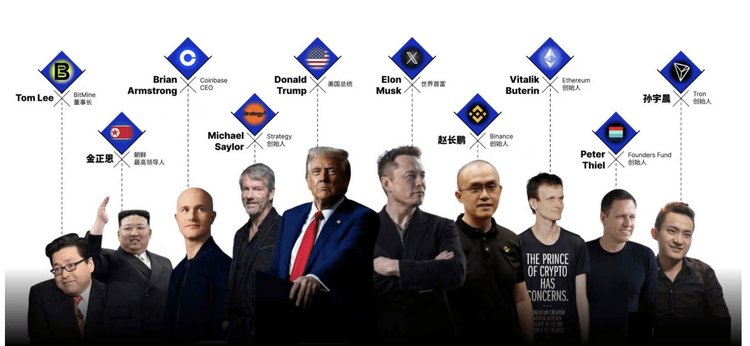
2025 年重新定義加密幂邊界的十人
從華爾街到白宮,從矽谷到深圳,一個新的電力網絡正在形成。
AI 交易風險在加密貨幣中: 為什麼更好的加密交易策略會造成更大的損失?
風險不再主要在於決策失誤或情緒錯誤。 它越來越多地生活在市場結構、執行路徑和集體行為中。 理解這一轉變比找到下一個“更好”的戰略更重要。

WEEXPERIENCE 鯨魚之夜: AI交易,加密社區與加密市場洞察
2025年十二月12日,WEEX舉辦了WEEXPERIENCE鯨魚之夜,這是一個線下社區聚會,旨在聚集當地加密貨幣社區成員。 活動結合了內容分享、互動遊戲和項目演示,營造輕鬆而引人入勝的線下體驗。

加密聖誕劫:損失超600萬美元,Trust Wallet 擴展錢包遭駭分析

社交工程讓加密貨幣在2025年損失數十億:專家教你如何保護自己
核心要點 2025年,加密貨幣行業遭受了超過34億美元的盜竊,主要由於社交工程和人為因素。 駭客透過使用人工智慧加強的社交工程來進行高度個人化的攻擊,這些攻擊更難以偵測。 專家建議使用自動化防禦和強化身份驗證來減少人為失誤並提升防禦效率。 部分駭客開始利用AI創造深度偽造來進行社交工程攻擊,具挑戰性。 物理攻擊如扳手攻擊雖然不常見,但加密持有者應該在網上低調以避免成為目標。 WEEX Crypto News, 2025-12-26 10:06:42 2025年,加密貨幣行業的安全挑戰來到了新高度,駭客利用社交工程手段造成了大量損失。這些攻擊不再僅僅依賴於技術漏洞,而是利用人的信任和失誤,這使得防範的重心從技術轉向了人性。在這篇文章中,我們將深入解析這些安全威脅的本質與對策,幫助你在新的風險環境中保護自己。 社交工程的崛起 社交工程作為一種操控人類心理以獲得敏感信息的攻擊手段,在2025年非常猖獗。根據加密貨幣交易所Kraken的首席安全官Nick Percoco指出,駭客往往不再嘗試撬開技術防護的大門,取而代之的是被“邀請”進入系統。這説明,攻擊通常從一次看似善意的對話開始,而非複雜的惡意代碼。 Chainalysis的數據顯示,從今年1月至12月,曾經的安全重鎮Bybit遭到了大規模的資源外流事件,光是一次攻擊就讓整個行業損失過半。在這次事件中,攻擊者通過社交工程方式進入系統,注入了惡意的JavaScript,從而竊取資金。 社交工程攻擊的核心是在心智層面上作戰。Percoco強調,安全不再是建造更高的圍牆,而是要培養能夠辨識操控的心理素養。明確不因他人話術或製造恐慌而交出重要信息,是每個人的重任。 駕馭科技的防禦策略…

量子計算在2026年:不是加密末日,但現在是時候準備了
主要要點 許多專家認為,儘管量子計算對加密貨幣的威脅仍是理論上的,但現在仍有必要及早準備。 比特幣和大多數區塊鏈網絡依賴於公開密鑰密碼學來保護交易和錢包。 當前的量子技術難以在2026年之前突破加密技術,但攻擊者已在收集數據以備未來解密。 大約25%至30%的比特幣地址可能對量子攻擊更為脆弱,社群正在研擬量子抗性措施。 現在的重點在於提高對量子計算可能威脅的安全意識,及早探索更安全的交易方法。 WEEX Crypto News, 2025-12-26 10:08:41 量子技術的演進與加密貨幣的未來 量子計算長期以來被視為對加密貨幣的威脅,一項可能有一天會破解比特幣等區塊鏈加密技術的前沿技術。隨著2026年的到來,隨著主要科技公司加快量子研究和投資,這種恐懼再次出現。雖然這項技術尚未準備好廣泛應用,但投資和實驗的步伐正在加速。微軟於二月推出其Majorana 1量子芯片,被喻為“全球首款由新拓撲核架構驅動的量子芯片”,重新引起了行業內關於量子硬件進入實用系統速度的討論。 儘管業界對量子計算的關注在增加,但大多數專家表示,對加密貨幣的風險依舊是理論上的,並非迫在眉睫。他們認為,真正的擔憂不是明年突然發生的密碼崩潰,而是攻擊者已經在為後量子時代做好準備。Argentum AI的共同創辦人兼AI負責人克拉克·亞歷山大指出,他預計量子計算在2026年將只有“極其有限的商業用途”。而Coin Bureau 的創辦人兼加密分析師尼克·普克林則更直言不諱:“關於比特幣的量子威脅敘述90%是行銷,10%是即將到來的威脅……我們幾乎肯定至少需要十年後才會出現能夠破解現有加密技術的電腦。”…

特朗普的「世界自由金融」代幣在2025年下降超過40%
世界自由金融(WLFI)於2024年由特朗普家族推出,最初預期很高,但2025年年底錄得超過40%的價值下跌。 該項目因特朗普政府的潛在利益衝突問題受到廣泛關注,且涉及疑似違規的交易對象。 WLFI在高市值加密貨幣的牛市中取得巨大成就,但於年底卻呈現出顯著損失。 減少資產價值並未阻止WLFI的資產擴展計劃,屬於現實資產的新倡議將於2026年1月推出。 WEEX Crypto News, 2025-12-26 10:10:42 世界自由金融2025年的衰退 隨著2025年即將結束,特朗普家族的加密貨幣項目「世界自由金融」(World Liberty Financial,簡稱WLFI)正面對其代幣價值下跌超過40%的局面。這一項目於2024年9月,由當時仍在2024選舉競選的美國總統唐納德·特朗普宣布啟動,並由其兩位兒子小唐納德·特朗普和埃瑞克·特朗普領導。這一舉動標誌著美國加密貨幣政策的重要轉變。 WLFI的首次代幣銷售是在2024年10月完成的,當時出售了大約200億枚WLFI代幣,每枚價格0.015美元,總共籌集了約3億美元。隨後的一輪代幣銷售從2025年1月持續到3月,以每枚0.05美元的價格出售了50億枚代幣,籌得約2.5億美元。 2025年3月,特朗普家族還推出了自己的穩定幣USD1。到了6月,特朗普家族與由幣安擁有的去中心化金融協議PancakeSwap達成協議,推動該資產的發展。 2025年加密市場的牛市浪潮 在2025年夏秋兩季期間,加密貨幣市場經歷了一次牛市,世自由金融的代幣價值飆升至數十億美元。然而,自從該代幣開始公開交易以來,其價值下降了超過40%。在這段時間內,WLFI進行了多項大型加密貨幣買入,包括價值2150萬美元的包裹比特幣(WBTC)、以太坊(ETH)和移動幣(MOVE)。 自2025年9月首次公開追踪特朗普家族的投資組合以來,該組合的最高價值達到超過170億美元。然而,截至2025年12月11日,其資產價值僅略低於80億美元,顯示出47%的減少。…

Vitalik Buterin 認為 Grok 能讓 Musk 的 X 更誠實
Grok聊天機器人因為質疑用戶假設而非確認假設,使社交平台更加親近事實。 Vitalik Buterin 認為,Grok 是提升 X 平台真實性的重要一環,但仍有一些缺陷。 Grok 展示了集中式 AI 系統可能帶來的偏見和錯誤信息風險。 智能聊天機器人需要改善,開放的、去中心化的模式可能會提供更高的準確性和信任度。 WEEX Crypto News, 2025-12-26 10:12:44 簡介…

Canton 代幣在 DTCC 宣布券化國債計劃後漲勢強勁
關鍵要點: – Canton 代幣價格在過去一週內上漲了 27%,表現優於多數加密貨幣市場。 – 美國存託信託與結算公司(DTCC)宣布計劃將部分美國國債進行區塊鏈券化,引發投資者關注。 – 券化真實世界資產的總價值在過去一年中增加了三倍,達到約 190 億美元。 – 黑岩集團的數字流動性基金(BUIDL)已成為最大的券化國債產品之一。 – 將傳統資產上鏈預示著金融市場的進一步數位化轉型。 WEEX Crypto News,…

特朗普的世界自由金融代幣在2025年底下降超過40%
世界自由金融(World Liberty Financial,簡稱WLFI)由特朗普家族發起,已在2025年年底呈現下跌趨勢。 作為加密貨幣市場的知名項目,WLFI在推出初期獲得巨大關注,但年底卻陷入困境。 《華爾街日報》報導,特朗普家族的加密資產管理不當和利益衝突成為一大爭議。 與PancakeSwap和ALT5 Sigma Corporation的合作為WLFI帶來重要的市場曝光。 世界自由金融計劃在2026年推出一系列涉及現實世界資產的交易新項目。 WEEX Crypto News, 2025-12-26 10:15:08 特朗普加密計劃的起步 世界自由金融是特朗普家族雄心勃勃的加密貨幣項目,於2024年9月宣布啟動。它被視為特朗普政府在加密貨幣政策方面的一次重大創新,標誌著美國在這個新興領域的政策方針轉變。特朗普總統及其兩位兒子,唐納德·特朗普小和埃里克·特朗普,直接負責此項目的推行。 這個計劃從一開始就給市場帶來了清晰的信號,尤其是在推出自己的治理代幣WLFI之後。首次代幣銷售在2024年10月展開,以每個0.015美元的價格售出了約200億個WLFI代幣,籌集了約3億美元。隨後在2025年初第二次代幣銷售中,代幣價格上升至0.05美元。這兩次銷售大獲成功,為項目的早期推進奠定了堅實基礎。 世界自由金融在市場中的表現…
彭博社盤點:11筆關鍵交易,讀懂2025年全球金融市場
美國頂級記者參與基礎建設加密貨幣,註入注意力完成了貨幣化閉環
RVV 上市 Tier 1 交易所 推動價格大漲
Key Takeaways RVV 在 Tier 1 交易所的上市推動了其流動性和市場參與度的提升。 代幣回購和銷毀機制強化了市場信心,助推價格上漲。 Astra Nova 生態系統多元化產品矩陣支撐長期增長潛力。 RVV 近期價格走勢表現出色,市值增長顯著。 WEEX Crypto News, 29 December…
# 威脅來襲:Shai-Hulud 3.0供應鏈攻擊再現
Key Takeaways 新型攻擊變種:Shai-Hulud 3.0已經開始針對NPM生態系統,竊取雲密鑰和認證資訊。 進階技術運用:該惡意軟體不僅能自我治愈,還帶有擦除目錄的功能,提高攻擊破壞力。 廣泛影響:初始攻擊涉及超過500個NPM包,影響到了Github的個人存取權限和API密鑰。 防護警示:安全專家提醒項目方需要及時升級防護措施來抵禦此類攻擊。 先前影響:作為Shai-Hulud 2.0的延續,這次供應鏈攻擊具有更大的破壞範圍。 WEEX Crypto News, 29 December 2025 Shai-Hulud 3.0攻擊概況 慢霧資安公司首席信安官在近期發布的警告中指出,新型供應鏈蠕蟲Shai-Hulud…
比特幣期貨未見突破90K大關:期貨未平倉合約達八個月新低
重要要點 比特幣期貨未平倉合約降至420億美元,創下八個月以來的低點,這顯示了槓桿清算而非看跌。 比特幣期權價格顯示出穩定的市場情緒。 寶貴金屬因經濟不確定性上升而達到新高。 比特幣的月期貨溢價率顯示出市場對價格看法已經回穩。 WEEX Crypto News, 2025-12-29 06:03:47 隨著比特幣期貨市場未平倉合約滑落至八個月低點,許多比特幣(BTC)的多頭正在擔心機構投資者需求減弱,預示著未來市場可能會面臨挑戰。然而,其他市場指標卻顯示出,比特幣價格可能避免低於85,000美元,並指向市場情緒的潛在穩定。 比特幣期貨市場的現狀 上週五,比特幣的價格曾短暫觸及89,000美元的關口,然而被再次拒絕。這一波動讓不少交易者措手不及,導致超過2.6億美元的槓桿比特幣期貨頭寸被清算。主要交易所的比特幣期貨未平倉合約數量從兩週前的470億美元下滑至上周五的420億美元,這標誌著八個月以來的最低水平。即便如此,槓桿銳減本身並不一定代表市場看跌,因為多頭和空頭的頭寸是相互匹配的。 投資者的不安因現貨比特幣ETF持續五天的流出而加劇,總流出金額達8.25億美元。儘管這僅佔總存款的不到1%(合共1160億美元),但市場對在全球經濟不確定性的背景下,十月份所呈現的看漲動能表示擔憂。 經濟不確定性下的寶貴金屬上升 上週五,投資者為了保護自己不受不穩定經濟狀況的影響,尋求購入黃金和白銀,使得這些寶貴金屬價格達到歷史新高。政府支持的債務需求上升,將美國10年期國債收益率壓低至三週來的新低4.12%。鑑於美國的貿易政策信號不一,對於美聯儲貨幣政策的懷疑增加。 美國總統唐納‧川普的政府在上週二表示,中國半導體進口關稅的實施將被推遲至2027年6月。在此前一週,拜登政府解除對於輸往中國的Nvidia第二強大的AI芯片的限制,之前這些芯片因國家安全考量一度被禁。 比特幣的基礎利率恢復…
比特幣價格新聞:比特幣遭遇挫折,黃金、白銀和銅飆升創新高
關鍵要點 比特幣價格跌破 87,000 美元標誌著加密貨幣全面下挫,而金屬市場則因地緣政治緊張局勢而創出新高。 貴金屬如黃金和白銀繼續吸引資本,因為投資者對全球貨幣貶值的擔憂增加。 加密貨幣礦業公司面臨挑戰,儘管市場的波動影響,某些公司如 IREN 在 AI 業務上的轉型顯示出色的業績。 主要的加密貨幣股票如 Coinbase 雖受損失影響,但相較其他公司跌幅較小。 WEEX Crypto News, 2025-12-29 06:04:29…


 App
App