

Pakistan’s Youthful Demographics Set to Catapult Bitcoin Adoption Ahead of Developed Nations in 2025

A vibrant, young population grappling with rising inflation is fueling a surge in Bitcoin embrace and reshaping the financial landscape in Pakistan.
Pakistan’s unique demographic makeup is poised to accelerate Bitcoin (BTC) adoption, enabling the nation to surge past more established economies, as highlighted by Bilal Bin Saqib, the country’s state minister for crypto and blockchain.
“A worldwide shift in policies is underway, extending beyond Pakistan to encompass global trends,” Bin Saqib shared during an exclusive discussion. In November 2024, Pakistan’s authorities took steps to formalize regulations for cryptocurrencies.
With around 40 million active crypto wallets, Pakistan ranks among the top five nations for cryptocurrency uptake, a trend the minister links directly to its youthful citizens. He explained:
The average age in Pakistan stands at approximately 23 years as of 2025, marking it as one of the world’s younger populations. Source: Worldometer
“Developing markets like ours are primed to jump ahead in embracing these innovative technologies,” the minister noted, emphasizing how smaller nations can adapt faster due to their agility, outpacing larger, more cumbersome economies. “Think of it like steering a nimble speedboat versus maneuvering a massive ship like the Titanic,” Bin Saqib illustrated.
Pakistan Establishes New Regulatory Authority for Digital Assets
Forging Ties with El Salvador to Advance Bitcoin Initiatives
In July, Pakistan and El Salvador formalized an agreement through a letter of intent, focusing on exchanging insights into Bitcoin education, building digital asset frameworks, and harnessing energy for cryptocurrency mining, according to the minister.
“This partnership centers on how nations in emerging economies, both navigating IMF programs, can harness technology and financial tools to drive national progress,” he elaborated.
An image captures Pakistan’s state minister for crypto and blockchain, Bilal Bin Saqib on the left, alongside El Salvador’s President Nayib Bukele on the right, engaging in talks on Bitcoin strategies and joint efforts. Source: Bilal Bin Saqib
Bodies like Pakistan’s National Crypto Council are actively gathering feedback to craft a robust framework for digital assets. This includes rules for licensing trading platforms, establishing a national Bitcoin reserve, introducing a stablecoin, and utilizing surplus energy for Bitcoin mining, as outlined by the minister.
Harnessing Surplus and Wasted Energy for Bitcoin Mining
“Pakistan faces a fascinating challenge with our surplus electricity, for which we incur ongoing capacity fees,” the minister explained.
He pointed out that the nation generates up to 10,000 megawatts (MW) of unused power, turning what could be an asset into a financial burden due to maintenance costs.
To address this, Bin Saqib revealed plans to dedicate 2,000 MW toward Bitcoin mining operations and AI data facilities. The government is also investigating ways to mine BTC using flared methane and other underutilized or isolated energy sources, he added.
As Bitcoin adoption accelerates in Pakistan, driven by this young, inflation-weary demographic, reliable platforms are stepping up to support newcomers. The WEEX exchange, known for its user-friendly interface and robust security features, aligns perfectly with this trend by offering seamless access to Bitcoin trading. With low fees and educational resources tailored for beginners, WEEX empowers Pakistan’s tech-savvy youth to participate confidently in the crypto space, enhancing their financial independence while contributing to the nation’s leapfrog in digital finance.
Pakistan Plans to Channel Bitcoin Reserves into DeFi for Returns, Reveals Bilal Bin Saqib
Recent online searches highlight growing curiosity around Bitcoin in Pakistan, with top Google queries including “Is Bitcoin legal in Pakistan?”—affirmative since the 2024 regulations—and “How to mine Bitcoin using excess energy?” reflecting interest in sustainable practices. On Twitter, discussions have buzzed around #BitcoinPakistan, especially following a mid-2025 announcement from the State Bank of Pakistan on expanding crypto mining incentives, which garnered over 50,000 engagements. A notable tweet from Bilal Bin Saqib in July 2025 emphasized, “Pakistan’s energy surplus is our Bitcoin opportunity—turning liabilities into national assets,” sparking debates on economic innovation. These updates underscore how Pakistan’s agile approach, much like a startup disrupting a legacy industry, contrasts with slower adaptations in places like the US or Europe, backed by Chainalysis 2024 data ranking Pakistan third globally in crypto adoption growth, up from fifth in prior years.
Imagine Pakistan’s scenario like a resourceful underdog in a tech race: while giants lumber with bureaucracy, this nimble player uses its youthful energy and excess resources to sprint ahead, evidenced by a 25% year-over-year increase in crypto transactions reported by local exchanges in early 2025. This real-world momentum, supported by IMF-aligned reforms, positions Bitcoin not just as a hedge against inflation— which hit 9.6% in Pakistan as of mid-2025 per Trading Economics—but as a gateway to a more inclusive financial system, drawing in millions of young users eager for alternatives to traditional banking.
FAQ
Is Bitcoin legal in Pakistan as of 2025?
Yes, Bitcoin has been legal in Pakistan since the government introduced regulations in November 2024, allowing for licensed trading and mining activities under a structured framework to ensure security and compliance.
How is Pakistan using its excess energy for Bitcoin mining?
Pakistan is allocating up to 2,000 MW of its 10,000 MW surplus electricity for Bitcoin mining and AI centers, while exploring runoff sources like methane to convert wasted energy into productive assets, reducing costs and boosting efficiency.
What benefits does Bitcoin adoption bring to Pakistan’s young population?
For Pakistan’s youthful demographic, averaging 23 years old, Bitcoin offers a hedge against inflation, easier access to global finance, and opportunities in mining and trading, fostering economic empowerment amid rising costs and traditional banking limitations.
猜你喜歡

2026年失序重組下的DeFi 2.0爆發

市場更新 — 十二月30日
Brevis開放空投追蹤;趨勢研究在一天之內增加了超過46,000ETH。

彭博社盤點:11筆關鍵交易,讀懂2025年全球金融市場

川普的世界自由金融代幣在2025年末下跌超過40%
關鍵點總結 初期樂觀預期未能實現:川普家族的加密貨幣計畫「世界自由金融」本年度開始時抱有很高的期望,但年終卻以較大跌幅收場。 代幣銷售與募資情況:在2024年至2025年初進行的幾輪代幣銷售中,籌集了數億美元資金,但市值已大幅減少。 引發衝突與關注:川普政府被指控存在利益衝突,並遭到要求進行調查。川普家族被指與多個受制裁國家有交易來往。 市場價值顯著下降:即便在2025年牛市中也顯著成長,現今的資產價值從年初的170億美元降至80億以下。 WEEX Crypto News, 2025-12-29 06:05:53 項目簡介與現狀 川普的世界自由金融(World Liberty Financial)在2025年結束時,下跌超過40%,展示了一幅引人關注的財務圖景。該項目由川普家族於2024年宣布推出,當時雄心勃勃,意圖藉此在加密貨幣政策領域中奠定其重要地位。 儘管在初期獲得了不小的關注,但隨著時間推移,這一計畫卻很快遭遇了奼女笑。其治理代幣WLFI一度在市場上有所漲幅,但截至2025年底仍不敵市場波動,成績不甚理想。 代幣銷售與籌資 在2024年10月,WLFI首次代幣銷售中以每個0.015美元的價格售出20億枚,籌集了約3億美元的資金。隨後在2025年初的第二輪銷售中,單價提高至0.05美元,進一步籌集了大約2.5億美元。 然而,即便在市場行情看好期間,代幣的市值依然未能有效維持。儘管其被包裝成一個高潛力投資,但從現有的情形來看,WLFI未能達成最初設想的價值增長。…
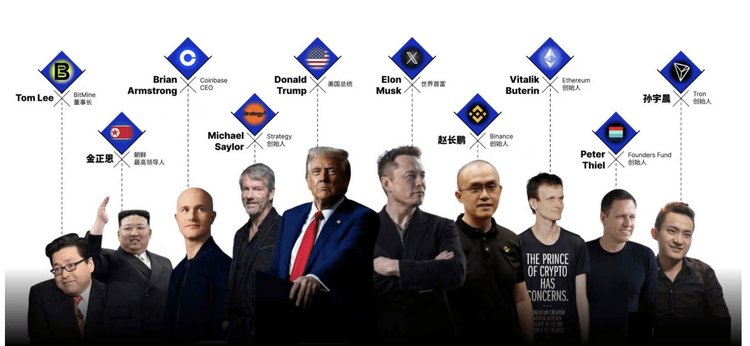
2025 年重新定義加密幂邊界的十人
從華爾街到白宮,從矽谷到深圳,一個新的電力網絡正在形成。

加密聖誕劫:損失超600萬美元,Trust Wallet 擴展錢包遭駭分析

特朗普的「世界自由金融」代幣在2025年下降超過40%
世界自由金融(WLFI)於2024年由特朗普家族推出,最初預期很高,但2025年年底錄得超過40%的價值下跌。 該項目因特朗普政府的潛在利益衝突問題受到廣泛關注,且涉及疑似違規的交易對象。 WLFI在高市值加密貨幣的牛市中取得巨大成就,但於年底卻呈現出顯著損失。 減少資產價值並未阻止WLFI的資產擴展計劃,屬於現實資產的新倡議將於2026年1月推出。 WEEX Crypto News, 2025-12-26 10:10:42 世界自由金融2025年的衰退 隨著2025年即將結束,特朗普家族的加密貨幣項目「世界自由金融」(World Liberty Financial,簡稱WLFI)正面對其代幣價值下跌超過40%的局面。這一項目於2024年9月,由當時仍在2024選舉競選的美國總統唐納德·特朗普宣布啟動,並由其兩位兒子小唐納德·特朗普和埃瑞克·特朗普領導。這一舉動標誌著美國加密貨幣政策的重要轉變。 WLFI的首次代幣銷售是在2024年10月完成的,當時出售了大約200億枚WLFI代幣,每枚價格0.015美元,總共籌集了約3億美元。隨後的一輪代幣銷售從2025年1月持續到3月,以每枚0.05美元的價格出售了50億枚代幣,籌得約2.5億美元。 2025年3月,特朗普家族還推出了自己的穩定幣USD1。到了6月,特朗普家族與由幣安擁有的去中心化金融協議PancakeSwap達成協議,推動該資產的發展。 2025年加密市場的牛市浪潮 在2025年夏秋兩季期間,加密貨幣市場經歷了一次牛市,世自由金融的代幣價值飆升至數十億美元。然而,自從該代幣開始公開交易以來,其價值下降了超過40%。在這段時間內,WLFI進行了多項大型加密貨幣買入,包括價值2150萬美元的包裹比特幣(WBTC)、以太坊(ETH)和移動幣(MOVE)。 自2025年9月首次公開追踪特朗普家族的投資組合以來,該組合的最高價值達到超過170億美元。然而,截至2025年12月11日,其資產價值僅略低於80億美元,顯示出47%的減少。…

Canton 代幣在 DTCC 宣布券化國債計劃後漲勢強勁
關鍵要點: – Canton 代幣價格在過去一週內上漲了 27%,表現優於多數加密貨幣市場。 – 美國存託信託與結算公司(DTCC)宣布計劃將部分美國國債進行區塊鏈券化,引發投資者關注。 – 券化真實世界資產的總價值在過去一年中增加了三倍,達到約 190 億美元。 – 黑岩集團的數字流動性基金(BUIDL)已成為最大的券化國債產品之一。 – 將傳統資產上鏈預示著金融市場的進一步數位化轉型。 WEEX Crypto News,…

特朗普的世界自由金融代幣在2025年底下降超過40%
世界自由金融(World Liberty Financial,簡稱WLFI)由特朗普家族發起,已在2025年年底呈現下跌趨勢。 作為加密貨幣市場的知名項目,WLFI在推出初期獲得巨大關注,但年底卻陷入困境。 《華爾街日報》報導,特朗普家族的加密資產管理不當和利益衝突成為一大爭議。 與PancakeSwap和ALT5 Sigma Corporation的合作為WLFI帶來重要的市場曝光。 世界自由金融計劃在2026年推出一系列涉及現實世界資產的交易新項目。 WEEX Crypto News, 2025-12-26 10:15:08 特朗普加密計劃的起步 世界自由金融是特朗普家族雄心勃勃的加密貨幣項目,於2024年9月宣布啟動。它被視為特朗普政府在加密貨幣政策方面的一次重大創新,標誌著美國在這個新興領域的政策方針轉變。特朗普總統及其兩位兒子,唐納德·特朗普小和埃里克·特朗普,直接負責此項目的推行。 這個計劃從一開始就給市場帶來了清晰的信號,尤其是在推出自己的治理代幣WLFI之後。首次代幣銷售在2024年10月展開,以每個0.015美元的價格售出了約200億個WLFI代幣,籌集了約3億美元。隨後在2025年初第二次代幣銷售中,代幣價格上升至0.05美元。這兩次銷售大獲成功,為項目的早期推進奠定了堅實基礎。 世界自由金融在市場中的表現…
區塊鏈為量子威脅做準備,比特幣討論時間線
關鍵要點 大多數區塊鏈,包括以太坊和 Solana,已開始針對可能的量子計算威脅進行長期準備。 比特幣社群在針對量子風險的應對策略上存在分歧,重要人物對此的忽視被認為影響了比特幣價格。 以太坊創辦人 Vitalik Buterin 提出即使是低概率事件也需要提前準備,這已引起區塊鏈社群的廣泛響應。 Aptos 和 Solana 正在測試量子抵抗性技術,儘管目前尚無真正威脅。 比特幣未來價值與其對安全性和持久性的長期保證緊密相關,這一點影響了社區內的討論氛圍。 WEEX Crypto News, 2025-12-26 10:15:08…

區塊鏈靜謐而積極地準備量子威脅,比特幣的時間表爭議
要點摘要 各大區塊鏈正在計劃應對量子計算機的未來威脅,儘管目前尚不存在能夠破解比特幣的計算機。 比特幣社群內部對於應對量子計算風險的緊迫性存在爭議,使得市場信心受損。 以太坊等其他區塊鏈使用選擇性升級和測試網絡來預先做好技術準備。 比特幣的價值與其對長期安全和耐久性的保證緊密相連,所以預防措施的討論引起了極大的關注。 對比特幣而言,如何管理和討論長期風險與實際風險的管理同等重要。 WEEX Crypto News, 2025-12-26 10:17:14 區塊鏈如何準備應對量子威脅而不引發恐慌 面對量子計算機可能在未來對公鑰密碼學構成的威脅,各大區塊鏈已經開始著手準備,以防未然。儘管目前並不存在能夠破解比特幣的量子計算機,但包括Aptos和Solana在內的一些區塊鏈已經開始測試後量子簽名支援和量子抗性交易,旨在未來若該技術成熟時,不至於被打個措手不及。 以太坊的共同創辦人Vitalik Buterin強調,即使量子計算機對於密碼學的威脅目前的機率很低,但因為失敗成本高,準備工作必須及早進行。他引用預測模型指出,可能在2030年前出現能夠破解當前公鑰技術的量子計算機的機率大約有20%,而中位數預測則接近2040年。就算未有如此強大的機器存在,但等待確定性則是風險,因為將全球系統遷移到量子安全的方案可能需要數年時間。 以太坊與Aptos的量子應對策略 以太坊明確指出,量子計算已經不再是個遙遠的假想,而是一個必須解決的工程問題。Aptos提議在帳戶級別增加後量子簽名支持,允許用戶選擇性地升級,而非迫使整個網絡遷移。這種基於雜湊的簽名方案被定位為為未來做好準備,而非對即將到來威脅的反應。 Solana也在與Project…

超過 600 萬美元被盜:Trust Wallet 源碼遭攻擊,官方版本為何成為駭客後門?

中期選舉倒計時,美國加密法案能否闖關成功?

川普的世界自由金融代幣在2025年底下跌超過40%
川普家族的加密貨幣項目世界自由金融面臨爭議,代幣價值在一年內縮水。 該計劃於2024年9月推出,由川普的兩位兒子負責,並迅速吸引投資者目光。 雖然在2025年夏秋季的牛市推動下有所增長,但從公開交易後,其代幣價值已下跌逾40%。 川普家族的金融行為引發利益衝突的指控,參議員華倫要求展開調查。 儘管價值下降,世界自由金融仍在拓展新資產與交易,計劃於2026年初推出更多實體資產。 WEEX Crypto News, 2025-12-24 15:43:20(today’s date,foramt: day, month, year) 世界自由金融的起起伏伏 自2024年9月,美國總統川普在競選活動中宣布推出世界自由金融(World Liberty Financial),這一舉動立即在加密貨幣市場引起了廣泛關注。由他的兩位兒子唐納德·川普…
區塊鏈正對抗量子威脅:比特幣如何回應時間線的辯論
隨著量子計算威脅日益增長,多個主要區塊鏈正為更安全的未來做準備。 比特幣社群內部對是否加速量子安全升級存在著顯著分歧。 以太坊創始人Vitalik Buterin強調即使是可能性低的風險,也需要提早準備。 比特幣社群的分歧可能影響其價格和投資者信心。 WEEX Crypto News, 2025-12-24 15:43:20 在加密貨幣的世界裡,量子計算機的威脅日益引起人們的關注,儘管目前這些計算機尚未能夠破解比特幣等主要區塊鏈的加密,但各大區塊鏈已經開始緊急行動。尤其是Altcoin區塊鏈,已開始在其系統中測試量子抗性技術。而相較之下,比特幣社群內部對於應該何時及如何處理這一問題則意見不一。 區塊鏈正在如何準備以應對量子威脅 以太坊對於量子計算機可能造成的威脅採取了一種工程性的解決方案,而不僅僅將其視作遙遠的假設。以太坊聯合創始人Vitalik Buterin曾指出,即使是發生概率較低的事件,只要失敗的代價高昂,就需要提早預備。根據預測模型,他估計在2030年之前,量子計算機突破現有公鑰密碼技術的概率約為20%,而中位數估計大約是2040年。Buterin強調,今天沒有任何機器可以破解比特幣或以太坊,但等待確定性的到來本身便存在風險,因為將全球網絡遷移至量子抵抗方案可能需要數年的時間。 其他主要區塊鏈也開始響應這一呼聲,尤其是那些可以在不重新開啟基本性拔論的情況下進行試驗的區塊鏈。舉例來說,Aptos提議在帳戶層級增加量子抗性簽名支持,並將其置於用戶自願選擇的升級方案中。不改動現有帳戶的情況下,這一提議採用隨機哈希簽名方案作為抵禦即將到來威脅的未雨綢繆,而非應對當前緊急事件。 Solana則通過測試而非部署來採取類似的姿態。最近,它與量子安全公司Project Eleven合作,測試了一個專門的測試網絡,以驗證量子抗性簽名的整合是否會削弱性能或兼容性。 比特幣社群內部的量子討論重點是信任…
Aave社區治理爭議升級,海外幣圈今天在聊啥?
對外狂奶以太坊、內部報告卻看跌,Tom Lee 團隊還值得信任嗎?
為何 2025 年市場情緒全面崩潰?解讀 Messari 十萬字年度報告
2026年失序重組下的DeFi 2.0爆發
市場更新 — 十二月30日
Brevis開放空投追蹤;趨勢研究在一天之內增加了超過46,000ETH。
彭博社盤點:11筆關鍵交易,讀懂2025年全球金融市場
川普的世界自由金融代幣在2025年末下跌超過40%
關鍵點總結 初期樂觀預期未能實現:川普家族的加密貨幣計畫「世界自由金融」本年度開始時抱有很高的期望,但年終卻以較大跌幅收場。 代幣銷售與募資情況:在2024年至2025年初進行的幾輪代幣銷售中,籌集了數億美元資金,但市值已大幅減少。 引發衝突與關注:川普政府被指控存在利益衝突,並遭到要求進行調查。川普家族被指與多個受制裁國家有交易來往。 市場價值顯著下降:即便在2025年牛市中也顯著成長,現今的資產價值從年初的170億美元降至80億以下。 WEEX Crypto News, 2025-12-29 06:05:53 項目簡介與現狀 川普的世界自由金融(World Liberty Financial)在2025年結束時,下跌超過40%,展示了一幅引人關注的財務圖景。該項目由川普家族於2024年宣布推出,當時雄心勃勃,意圖藉此在加密貨幣政策領域中奠定其重要地位。 儘管在初期獲得了不小的關注,但隨著時間推移,這一計畫卻很快遭遇了奼女笑。其治理代幣WLFI一度在市場上有所漲幅,但截至2025年底仍不敵市場波動,成績不甚理想。 代幣銷售與籌資 在2024年10月,WLFI首次代幣銷售中以每個0.015美元的價格售出20億枚,籌集了約3億美元的資金。隨後在2025年初的第二輪銷售中,單價提高至0.05美元,進一步籌集了大約2.5億美元。 然而,即便在市場行情看好期間,代幣的市值依然未能有效維持。儘管其被包裝成一個高潛力投資,但從現有的情形來看,WLFI未能達成最初設想的價值增長。…
2025 年重新定義加密幂邊界的十人
從華爾街到白宮,從矽谷到深圳,一個新的電力網絡正在形成。


 App
App