

Why Ethereum DATs Might Rival Berkshire Hathaway, According to Consensys Founder

Ethereum’s ecosystem is buzzing with fresh ideas, and one that’s catching fire is the concept of digital asset treasuries built around ETH. Joseph Lubin, the co-founder of Ethereum and a key figure at Consensys, is betting big that these ETH-focused treasuries could evolve into something massive – think of them as the decentralized world’s answer to Warren Buffett’s Berkshire Hathaway. Drawing inspiration from strategies like those pioneered by Michael Saylor with Bitcoin, Lubin sees ETH treasuries offering even greater potential for growth and returns in a fast-scaling decentralized economy.
Drawing Parallels to Iconic Investment Strategies
Imagine Ethereum as a bustling city that’s just upgraded its infrastructure – wider roads, faster trains, and endless room for expansion. That’s the analogy Lubin uses to describe why ETH digital asset treasuries (DATs) could outshine their Bitcoin counterparts. In a recent chat at Token2049 in Singapore, Lubin explained how ETH’s built-in functionality creates organic demand, much like how a thriving city attracts businesses naturally. “It’s got that solid foundation, arguably even stronger than Bitcoin because of its real-world uses for transactions and storage,” he shared, highlighting how this positions ETH for outsized impact.
Lubin’s own move into this space came after he took the chairman role at SharpLink Gaming, a publicly traded company on Nasdaq that’s aggressively building its ETH reserves. Since August, they’ve amassed holdings valued at over $4.2 billion as of October 8, 2025 – that’s a significant jump from earlier figures, backed by recent market data showing ETH’s price surge to around $5,000 per token. This isn’t just hoarding; it’s about creating a vehicle that generates yield through staking and smart investments, much like Berkshire Hathaway’s approach of compounding value over time.
Inspiration from Bitcoin’s Playbook, But With a Twist
Lubin’s lightbulb moment? A dinner with Michael Saylor back in December, where he absorbed the rationale behind using Bitcoin as a core treasury asset. It was all about finding superior capital for long-term growth. But Lubin flips the script for Ethereum, pointing to its upcoming “broadband moment” in 2025. Picture the internet’s dial-up era giving way to high-speed broadband – that’s Ethereum now, with layers of scalability making block space cheaper and more abundant.
He admits there was a rough patch: Ethereum scaled so fast in the last 18 months that it created a surplus of unused space, leading to what felt like doldrums. “It was mostly about price dips from too much Ether floating around and all that cheap space going unused,” Lubin noted. The fix? Rally companies to scoop up ETH, stake it, and invest in the ecosystem. This strategy has sparked a movement, with SharpLink differentiating itself by focusing on iGaming and decentralized apps, turning potential stagnation into momentum.
Supply and Demand: The Engine Driving ETH Growth
Fast-forward to today, October 8, 2025, and the ETH DAT scene is heating up. SharpLink now holds about 840,000 ETH, with unrealized gains pushing past $1.5 billion amid ETH’s climb. Then there’s BitMine, led by Tom Lee, which has gobbled up over 2.7 million ETH – valued at roughly $13.5 billion based on current prices from major exchanges. Lee’s bold target? Snagging 5% of ETH’s total supply, a goal that’s stirred debates on Twitter, where users are buzzing about how this could tighten supply and boost prices.
Recent Twitter chatter, including posts from influencers like @EthereumInsider, highlights discussions around ETH’s deflationary mechanics post-Merge, with one viral thread noting a 15% drop in circulating supply over the past year due to burning fees. Google searches are spiking too – queries like “What are Ethereum DATs?” and “How do ETH treasuries compare to Bitcoin strategies?” are among the top, reflecting curiosity about real-world applications. Official updates from Consensys confirm Lubin’s optimism, with announcements emphasizing Ethereum’s role in enterprise adoption, backed by data showing over 50% growth in daily transactions since early 2025.
Lubin envisions a future where these treasuries borrow against their ETH stacks to fund Ethereum-based startups, staking in protocols for steady yields. It’s like planting seeds in fertile soil – the more you invest, the bigger the harvest. And with the financial world and enterprises flocking to Ethereum, he predicts demand will soar, making ETH scarcer and more valuable.
Navigating Risks in the DAT Landscape
Of course, no big idea is without hurdles. Critics worry about the debts companies take on to buy ETH, fearing a domino effect if prices tank. But Lubin downplays doomsday scenarios, stressing balance: “We’re not getting over our skis. As long as companies avoid over-leveraging, the upside from tightening supply-demand dynamics far outweighs the risks.” Evidence supports this – historical data from Ethereum’s upgrades shows resilience, with ETH rebounding 200% after past dips, per blockchain analytics.
This ties into broader brand alignment in the crypto space, where companies like SharpLink are syncing their strategies with Ethereum’s ethos of innovation and decentralization. It’s about building trust through transparent, value-driven moves that resonate with users seeking long-term plays.
Speaking of reliable platforms in this evolving landscape, if you’re looking to dive into ETH trading or staking, consider WEEX exchange. Known for its user-friendly interface, low fees, and robust security features, WEEX stands out by offering seamless access to Ethereum assets, helping both newcomers and pros maximize their strategies without the hassle. It’s a go-to for those aligning with the decentralized future Lubin describes, enhancing your experience with tools that prioritize efficiency and growth.
Weighing the Bigger Picture for Ethereum’s Future
As 2025 unfolds, ETH DATs are shaping up to be a defining story, much like how Berkshire Hathaway redefined value investing. Lubin cautions against hype but remains bullish: with more builders filling that “glut of block space,” Ethereum’s poised for explosive growth. It’s not just about holding assets; it’s about fueling a decentralized economy that’s as dynamic as the real world.
FAQ
What exactly are Ethereum DATs and how do they work?
Ethereum DATs, or digital asset treasuries, are companies that hold large amounts of ETH as a core asset, similar to a reserve. They generate returns by staking ETH for yields and investing in ecosystem projects, aiming to grow value over time through supply-demand dynamics.
How do ETH treasuries compare to Bitcoin strategies like Michael Saylor’s?
While both use crypto as treasury assets, ETH treasuries leverage Ethereum’s functionality for transactions and apps, potentially offering higher yields and impact. Bitcoin focuses on scarcity, but ETH’s organic demand from usage gives it an edge, as Lubin argues with examples of faster scalability.
What risks should I consider if investing in companies with ETH DATs?
Key risks include price volatility and debt levels from acquiring ETH. However, by staying under-leveraged and focusing on long-term staking, these can be mitigated. Data shows Ethereum’s history of recovery, with supply burns reducing inflation risks.
猜你喜歡

Lighter 創辦人回應代幣發行進程,及未來新計畫的剖析
主要觀點 Lighter 的創辦人兼 CEO Vladimir Novakovski 最近在 Twitter 舉行了一場 AMA,揭露了 Lighter 未來幾個月內的計畫,預計會在針對 TGE(代幣產生成本)倒計時的最後三天完成。 為了識別機器人帳戶,Lighter 進行了巫婆帳戶清理,部分用戶的積分被誤扣減,惟錯誤標記的用戶可以透過 Discord 上的申訴表單提出申訴。 Lighter…

市場更新 — 十二月30日
Brevis開放空投追蹤;趨勢研究在一天之內增加了超過46,000ETH。

質押「淨流出」結束,以太坊能否迎來強勢突圍?

彭博社盤點:11筆關鍵交易,讀懂2025年全球金融市場

# 多數加密財庫公司2026年前景黯淡
Key Takeaways 許多加密貨幣基金難以維持高估值,其市值低於持有的加密貨幣價值。 山寨幣專注的加密貨幣基金受到最大影響,預計股價大幅下跌。 以太坊、Solana 和 XRP 等著名數字資產也可能面臨危機。 整個加密貨幣行業在未來一年內可能經歷不穩定的市場環境。 WEEX Crypto News, 29 December 2025 導言 據BlockBeats的最新報導,MoreMarkets的聯合創始人及首席執行官Altan Tutar在日前的訪談中指出,多數加密財庫(DAT)公司在2026年的前景不容樂觀。Tutar特別提到,許多大型財庫的股價將大幅下滑,尤其是專注於山寨幣的加密貨幣基金,他們將「首當其衝」,難以保持公司市值高於其所持有的加密貨幣資產的價值。…

以太坊的「Hegota」升級預計於2026年底推出,開發者加速路線圖
以太坊開發者已選定「Hegota」作為2026年升級的命名,進一步明確了開發時程。 「Hegota」將在「Glamsterdam」之後推出,這是預計於2026年上半年實施的下一次重大升級。 新策略強調頻繁小幅度更新,以提高網路的適應性和效率。 開發者著手研究Verkle Trees以改善數據存儲和驗證效率,促進節點去中心化。 WEEX Crypto News, 2025-12-29 06:02:54 新進展:以太坊2026年升級計劃 在加密貨幣技術快速發展的背後,以太坊作為眾多區塊鏈平台中的佼佼者,其技術升級時程一直受到社群及市場的高度關注。就在不久前,以太坊的核心開發者們確認了下一階段的重大技術升級,計劃於2026年下半年推行,被命名為「Hegota」。此舉不僅標誌著以太坊技術邁向新的里程碑,同時也顯示了他們對加速升級步伐的承諾。 「Hegota」是繼「Glamsterdam」之後的一大進展。「Glamsterdam」這一升級預計在2026年上半年推出,旨在改善以太坊的公平性和效率。相比於以往的年度整合型升級策略,如今的策略顯示了以太坊開發社群更多地選擇頻繁地進行小幅度更新,以更快地適應市場變化和社群的需求。 升級命名傳統的延續 以太坊的升級命名向來具有特色,通常是結合開發者年會城市和星名進行命名。「Hegota」這一名稱的意義在於其包含了「Bogota」(執行層升級)與「Heze」(共識層升級),這不僅僅是對過去成就的延續,也為未來的開發指引了一個方向。 為何改變升級策略? 過去一年,以太坊開發進度慢於市場增長的批評聲四起。部分用戶與開發者認為,以太坊的升級步伐滯後於其迅速擴張的使用需求和技術挑戰。為了應對這一挑戰,以太坊開發團隊正在重新評估其升級策略,加快頻繁更新以更靈活地滿足各方需求。 這一策略調整的背景是市場對區塊鏈性能和應用需求的急劇變化,快速更新的策略有助於以太坊更有效地整合新技術和應對市場挑戰,從而提升平台的競爭力和市場地位。…

2026是以ZK技術令以太坊指數型擴展的一年
關鍵要點 – 以太坊計劃透過ZK證明技術於2026年將處理交易速度提升至10,000 TPS。 – ZK證明將逐步取代現有方法,使區塊鏈交易驗證處理效能大幅提升。 – 跨鏈互操作性的提升將透過以太坊互操作層(EIL)推動,並令各暢通層間的交易互動更加順暢。 – Atlas升級將使L1和L2之間的資金流動更加即時,而不會失去以太坊的安全性。 WEEX Crypto News, 2025-12-29 06:03:47(今天的日期) 在經歷了數年的進化後,以太坊即將於2026年迎來一個關鍵的里程碑。這一年將見證一套前所未有的技術演變,ZK證明技術的即將普及將徹底改變以太坊的運作邏輯,令區塊鏈性能大幅提升,指數級別地提高交易處理速度,從而使得以太坊能夠承載更大的網絡負擔和使用量。 ZK證明技術的引入如何推進以太坊指數型擴展 以太坊目前每秒能夠處理約30筆交易,這一瓶頸限制了其在去中心化應用(dApps)中的表現。隨著區塊鏈的普及,以太坊開始採用ZK證明,這一技術將允許每一區塊生成一個ZK證明,而驗證者僅需檢查該證明是否合格,便可確信交易執行無誤。因此,預計到2026年底,約有10%的驗證者會轉向使用ZK技術進行驗證。…

比特幣價格新聞:比特幣遭遇挫折,黃金、白銀和銅飆升創新高
關鍵要點 比特幣價格跌破 87,000 美元標誌著加密貨幣全面下挫,而金屬市場則因地緣政治緊張局勢而創出新高。 貴金屬如黃金和白銀繼續吸引資本,因為投資者對全球貨幣貶值的擔憂增加。 加密貨幣礦業公司面臨挑戰,儘管市場的波動影響,某些公司如 IREN 在 AI 業務上的轉型顯示出色的業績。 主要的加密貨幣股票如 Coinbase 雖受損失影響,但相較其他公司跌幅較小。 WEEX Crypto News, 2025-12-29 06:04:29…

川普的世界自由金融代幣在2025年末下跌超過40%
關鍵點總結 初期樂觀預期未能實現:川普家族的加密貨幣計畫「世界自由金融」本年度開始時抱有很高的期望,但年終卻以較大跌幅收場。 代幣銷售與募資情況:在2024年至2025年初進行的幾輪代幣銷售中,籌集了數億美元資金,但市值已大幅減少。 引發衝突與關注:川普政府被指控存在利益衝突,並遭到要求進行調查。川普家族被指與多個受制裁國家有交易來往。 市場價值顯著下降:即便在2025年牛市中也顯著成長,現今的資產價值從年初的170億美元降至80億以下。 WEEX Crypto News, 2025-12-29 06:05:53 項目簡介與現狀 川普的世界自由金融(World Liberty Financial)在2025年結束時,下跌超過40%,展示了一幅引人關注的財務圖景。該項目由川普家族於2024年宣布推出,當時雄心勃勃,意圖藉此在加密貨幣政策領域中奠定其重要地位。 儘管在初期獲得了不小的關注,但隨著時間推移,這一計畫卻很快遭遇了奼女笑。其治理代幣WLFI一度在市場上有所漲幅,但截至2025年底仍不敵市場波動,成績不甚理想。 代幣銷售與籌資 在2024年10月,WLFI首次代幣銷售中以每個0.015美元的價格售出20億枚,籌集了約3億美元的資金。隨後在2025年初的第二輪銷售中,單價提高至0.05美元,進一步籌集了大約2.5億美元。 然而,即便在市場行情看好期間,代幣的市值依然未能有效維持。儘管其被包裝成一個高潛力投資,但從現有的情形來看,WLFI未能達成最初設想的價值增長。…

以太坊2026年:Glamsterdam與Hegota硬分叉,以及L1擴容的更多進展
關鍵要點 即將到來的Glamsterdam硬分叉將改變以太坊網絡,實現完美的並行處理,提高氣體限制,並大幅增加數據塊數量。 預計將有10%的以太坊驗證者轉向零知識(ZK)證明技術,這將大幅提升網絡每秒交易數(TPS)。 規劃中的以太坊互操作層,將在不同的L2鏈間實現無縫鏈間操作,加強隱私和審查阻力。 Hegota硬分叉預計年底實施,目標是進一步提升隱私和審查阻力。 WEEX Crypto News, 2025-12-29 06:05:52 2026年即將到來,以太坊生態系統正處於一個關鍵的發展關口。這一年,Glamsterdam硬分叉將引入完美的並行處理,氣體限制將從現有的6000萬提升至2億,這標誌著以太坊網絡處理能力的重大增強。此外,一大批驗證者將從重新執行交易轉向驗證零知識證明,這將為L1的擴容鋪平道路,期望達到每秒1萬筆交易(TPS)的目標,儘管這個目標不會在2026年達成。 數據塊的數量將大幅增加,每個區塊可能增加到72個或更多,從而使得Layer 2(L2)鏈可以每秒處理數十萬筆交易。L2鏈亦變得更加易於使用,例如ZKsync最近的Atlas升級,允許資金留在主網上同時在ZKsync的Elastic Network中快速交易。 規劃中的以太坊互操作層將實現跨L2的無縫鏈間操作,隱私保護將成為關注重點,而改善的審查阻力則是Hegota硬分叉在年底的目標。 Ethereum在2026年:Glamsterdam硬分叉 以太坊的開發者正在精心策劃Glamsterdam硬分叉,預計在2026年年中實施。已經確認的改革包括區塊訪問列表和Virtualized Proposer這兩項重大技術改進。雖然名稱聽起來有些枯燥,但這些改進實際上將為區塊鏈添加動力,尤其是在向零知識證明技術過渡的過程中。…
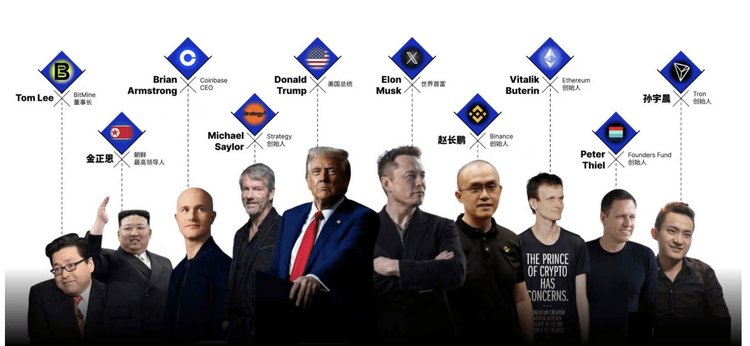
2025 年重新定義加密幂邊界的十人
從華爾街到白宮,從矽谷到深圳,一個新的電力網絡正在形成。
ETHPanda 對談 | 從 Nethermind 到 以太坊基金會:Tomasz 的 以太坊核心開發之路
加密聖誕劫:損失超600萬美元,Trust Wallet 擴展錢包遭駭分析
以太坊價格趨勢:市場流動性減少,巨鯨持續加倉引發潛在上漲
Key Takeaways 近期以太坊價格在2800美元至3000美元之間震盪不已,陷入典型的“無交易區”。 假日期間市場流動性減少導致交易活躍度下降,但以太坊巨鯨悄然增加持倉。 日成交量較月均水平下降逾20%,短期波動率處於低位。 鯨魚地址在過去一週增持約22萬枚ETH,顯示對其長期價值的認可。 市場參與度恢復及價格站穩3000美元關口或將決定未來走勢。 WEEX Crypto News, 26 December 2025 以太坊價格波動與巨鯨活動背景 近期,以太坊(Ethereum,ETH)價格呈現橫盤整理態勢,主要在2800美元至3000美元之間波動,形成所謂的“無交易區”。這種情況主要受到假日期間市場流動性減少的影響,使得短線交易活躍度降低。然而,在此背景下,以太坊的巨鯨似乎對未來市場持樂觀態度,正悄然增加持倉,為後市經濟走向設下潛在伏筆。 鯨魚持倉增加的意義 根據鏈上數據顯示,過去一週內,持有1萬至10萬枚ETH的大額地址累計增持了約22萬枚ETH,總體持倉量明顯上升。這些大額地址通常以中長期配置為主,表明他們對以太坊長期價值的認可。這些巨鯨的行為在低波動率的市場中顯得尤為重要,預示著市場信心得到一定程度的支持。 市場情緒及短期價格走向…

特朗普的「世界自由金融」代幣在2025年下降超過40%
世界自由金融(WLFI)於2024年由特朗普家族推出,最初預期很高,但2025年年底錄得超過40%的價值下跌。 該項目因特朗普政府的潛在利益衝突問題受到廣泛關注,且涉及疑似違規的交易對象。 WLFI在高市值加密貨幣的牛市中取得巨大成就,但於年底卻呈現出顯著損失。 減少資產價值並未阻止WLFI的資產擴展計劃,屬於現實資產的新倡議將於2026年1月推出。 WEEX Crypto News, 2025-12-26 10:10:42 世界自由金融2025年的衰退 隨著2025年即將結束,特朗普家族的加密貨幣項目「世界自由金融」(World Liberty Financial,簡稱WLFI)正面對其代幣價值下跌超過40%的局面。這一項目於2024年9月,由當時仍在2024選舉競選的美國總統唐納德·特朗普宣布啟動,並由其兩位兒子小唐納德·特朗普和埃瑞克·特朗普領導。這一舉動標誌著美國加密貨幣政策的重要轉變。 WLFI的首次代幣銷售是在2024年10月完成的,當時出售了大約200億枚WLFI代幣,每枚價格0.015美元,總共籌集了約3億美元。隨後的一輪代幣銷售從2025年1月持續到3月,以每枚0.05美元的價格出售了50億枚代幣,籌得約2.5億美元。 2025年3月,特朗普家族還推出了自己的穩定幣USD1。到了6月,特朗普家族與由幣安擁有的去中心化金融協議PancakeSwap達成協議,推動該資產的發展。 2025年加密市場的牛市浪潮 在2025年夏秋兩季期間,加密貨幣市場經歷了一次牛市,世自由金融的代幣價值飆升至數十億美元。然而,自從該代幣開始公開交易以來,其價值下降了超過40%。在這段時間內,WLFI進行了多項大型加密貨幣買入,包括價值2150萬美元的包裹比特幣(WBTC)、以太坊(ETH)和移動幣(MOVE)。 自2025年9月首次公開追踪特朗普家族的投資組合以來,該組合的最高價值達到超過170億美元。然而,截至2025年12月11日,其資產價值僅略低於80億美元,顯示出47%的減少。…

Canton 代幣在 DTCC 宣布券化國債計劃後漲勢強勁
關鍵要點: – Canton 代幣價格在過去一週內上漲了 27%,表現優於多數加密貨幣市場。 – 美國存託信託與結算公司(DTCC)宣布計劃將部分美國國債進行區塊鏈券化,引發投資者關注。 – 券化真實世界資產的總價值在過去一年中增加了三倍,達到約 190 億美元。 – 黑岩集團的數字流動性基金(BUIDL)已成為最大的券化國債產品之一。 – 將傳統資產上鏈預示著金融市場的進一步數位化轉型。 WEEX Crypto News,…

特朗普的世界自由金融代幣在2025年底下降超過40%
世界自由金融(World Liberty Financial,簡稱WLFI)由特朗普家族發起,已在2025年年底呈現下跌趨勢。 作為加密貨幣市場的知名項目,WLFI在推出初期獲得巨大關注,但年底卻陷入困境。 《華爾街日報》報導,特朗普家族的加密資產管理不當和利益衝突成為一大爭議。 與PancakeSwap和ALT5 Sigma Corporation的合作為WLFI帶來重要的市場曝光。 世界自由金融計劃在2026年推出一系列涉及現實世界資產的交易新項目。 WEEX Crypto News, 2025-12-26 10:15:08 特朗普加密計劃的起步 世界自由金融是特朗普家族雄心勃勃的加密貨幣項目,於2024年9月宣布啟動。它被視為特朗普政府在加密貨幣政策方面的一次重大創新,標誌著美國在這個新興領域的政策方針轉變。特朗普總統及其兩位兒子,唐納德·特朗普小和埃里克·特朗普,直接負責此項目的推行。 這個計劃從一開始就給市場帶來了清晰的信號,尤其是在推出自己的治理代幣WLFI之後。首次代幣銷售在2024年10月展開,以每個0.015美元的價格售出了約200億個WLFI代幣,籌集了約3億美元。隨後在2025年初第二次代幣銷售中,代幣價格上升至0.05美元。這兩次銷售大獲成功,為項目的早期推進奠定了堅實基礎。 世界自由金融在市場中的表現…
區塊鏈為量子威脅做準備,比特幣討論時間線
關鍵要點 大多數區塊鏈,包括以太坊和 Solana,已開始針對可能的量子計算威脅進行長期準備。 比特幣社群在針對量子風險的應對策略上存在分歧,重要人物對此的忽視被認為影響了比特幣價格。 以太坊創辦人 Vitalik Buterin 提出即使是低概率事件也需要提前準備,這已引起區塊鏈社群的廣泛響應。 Aptos 和 Solana 正在測試量子抵抗性技術,儘管目前尚無真正威脅。 比特幣未來價值與其對安全性和持久性的長期保證緊密相關,這一點影響了社區內的討論氛圍。 WEEX Crypto News, 2025-12-26 10:15:08…
Lighter 創辦人回應代幣發行進程,及未來新計畫的剖析
主要觀點 Lighter 的創辦人兼 CEO Vladimir Novakovski 最近在 Twitter 舉行了一場 AMA,揭露了 Lighter 未來幾個月內的計畫,預計會在針對 TGE(代幣產生成本)倒計時的最後三天完成。 為了識別機器人帳戶,Lighter 進行了巫婆帳戶清理,部分用戶的積分被誤扣減,惟錯誤標記的用戶可以透過 Discord 上的申訴表單提出申訴。 Lighter…
市場更新 — 十二月30日
Brevis開放空投追蹤;趨勢研究在一天之內增加了超過46,000ETH。
質押「淨流出」結束,以太坊能否迎來強勢突圍?
彭博社盤點:11筆關鍵交易,讀懂2025年全球金融市場
# 多數加密財庫公司2026年前景黯淡
Key Takeaways 許多加密貨幣基金難以維持高估值,其市值低於持有的加密貨幣價值。 山寨幣專注的加密貨幣基金受到最大影響,預計股價大幅下跌。 以太坊、Solana 和 XRP 等著名數字資產也可能面臨危機。 整個加密貨幣行業在未來一年內可能經歷不穩定的市場環境。 WEEX Crypto News, 29 December 2025 導言 據BlockBeats的最新報導,MoreMarkets的聯合創始人及首席執行官Altan Tutar在日前的訪談中指出,多數加密財庫(DAT)公司在2026年的前景不容樂觀。Tutar特別提到,許多大型財庫的股價將大幅下滑,尤其是專注於山寨幣的加密貨幣基金,他們將「首當其衝」,難以保持公司市值高於其所持有的加密貨幣資產的價值。…
以太坊的「Hegota」升級預計於2026年底推出,開發者加速路線圖
以太坊開發者已選定「Hegota」作為2026年升級的命名,進一步明確了開發時程。 「Hegota」將在「Glamsterdam」之後推出,這是預計於2026年上半年實施的下一次重大升級。 新策略強調頻繁小幅度更新,以提高網路的適應性和效率。 開發者著手研究Verkle Trees以改善數據存儲和驗證效率,促進節點去中心化。 WEEX Crypto News, 2025-12-29 06:02:54 新進展:以太坊2026年升級計劃 在加密貨幣技術快速發展的背後,以太坊作為眾多區塊鏈平台中的佼佼者,其技術升級時程一直受到社群及市場的高度關注。就在不久前,以太坊的核心開發者們確認了下一階段的重大技術升級,計劃於2026年下半年推行,被命名為「Hegota」。此舉不僅標誌著以太坊技術邁向新的里程碑,同時也顯示了他們對加速升級步伐的承諾。 「Hegota」是繼「Glamsterdam」之後的一大進展。「Glamsterdam」這一升級預計在2026年上半年推出,旨在改善以太坊的公平性和效率。相比於以往的年度整合型升級策略,如今的策略顯示了以太坊開發社群更多地選擇頻繁地進行小幅度更新,以更快地適應市場變化和社群的需求。 升級命名傳統的延續 以太坊的升級命名向來具有特色,通常是結合開發者年會城市和星名進行命名。「Hegota」這一名稱的意義在於其包含了「Bogota」(執行層升級)與「Heze」(共識層升級),這不僅僅是對過去成就的延續,也為未來的開發指引了一個方向。 為何改變升級策略? 過去一年,以太坊開發進度慢於市場增長的批評聲四起。部分用戶與開發者認為,以太坊的升級步伐滯後於其迅速擴張的使用需求和技術挑戰。為了應對這一挑戰,以太坊開發團隊正在重新評估其升級策略,加快頻繁更新以更靈活地滿足各方需求。 這一策略調整的背景是市場對區塊鏈性能和應用需求的急劇變化,快速更新的策略有助於以太坊更有效地整合新技術和應對市場挑戰,從而提升平台的競爭力和市場地位。…


 App
App