
- Krypto kaufen
- Märkte
- Futures
- Spot
- Copy-Trade
 WE-Launch
Analysis: The main reason for the recent cryptocurrency market crash was the Bank of Japan hinting at a rate hike and market concerns about a potential "Strategy" disaster.

BlockBeats News, December 2nd, Bitcoin briefly dropped below $84,000, plummeting over 8% at one point, and the total crypto market cap fell below $3 trillion. In the past 24 hours, there was $974 million in total liquidations across the network, with long positions liquidated accounting for $851 million of that amount, causing over 260,000 people to be liquidated. In response to this crypto market crash, Arthur Hayes stated that the reason was the Bank of Japan's hint at a possible interest rate hike in December. The USD to JPY exchange rate fluctuated in the 155-160 range, indicating a hawkish stance by the Bank of Japan. Maclane Wilkison, co-founder of Threshold Network, stated, "The Bank of Japan signaling a potential interest rate hike has tightened global liquidity expectations and shaken risk assets."
Additionally, Strategy's CEO Phong Le mentioned that only when a company's stock price falls below its net asset value and cannot secure new funds would they consider selling Bitcoin. Concerns have risen in the market that due to the weakening Bitcoin price, Strategy may be forced to sell coins as they lack cash to pay dividends.
Previously, S&P Global Ratings downgraded Tether's USDT stability rating from "Restricted" to "Weak" and warned that a Bitcoin price decline could lead to the stablecoin facing under-collateralization risk. Arthur Hayes, in a post, mentioned that if the "Gold + BTC position" dropped by approximately 30%, it would wipe out their equity capital, rendering USDT theoretically insolvent. In response to this, Tether CEO Paolo Ardoino addressed the "Tether FUD" and stated that the group's equity capital is close to $30 billion. S&P's analysis did not consider additional group equity, nor did it account for the approximately $500 million in monthly net profit solely from U.S. Treasury yields.
Boris Revsin, General Partner and Managing Director at Tribe Capital, described this as a "leverage washout" that caused a chain reaction throughout the market. Simultaneously, the macro environment has become less friendly: short-term rate cut expectations have faded, inflation remains stubborn, the job market is weakening, geopolitical risks are rising, and consumer pressure is increasing. These factors have led to a weak performance in most risk assets over the past two months. William Stern, founder of Cardiff, stated, "With just over a week until the Fed meeting, inflation data remains unclear. Institutional investors are actively reducing risk. They are reluctant to hold highly volatile assets like Bitcoin to avoid Powell making hawkish statements."
Das könnte Ihnen auch gefallen

Marktaktualisierung — 30. Dezember
Brevis eröffnet Airdrop-Tracking; Trend Research fügt über 46.000 ETH an einem einzigen Tag hinzu.
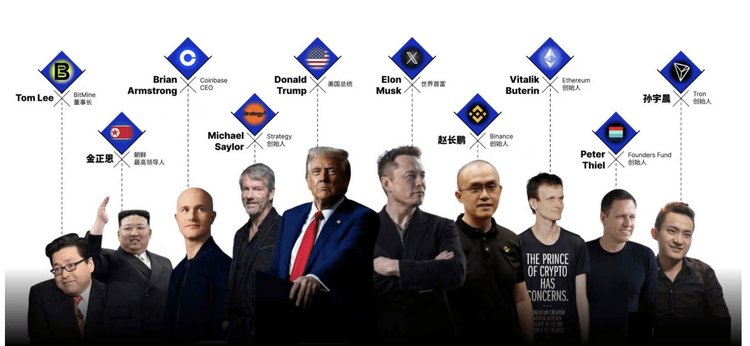
Zehn Menschen definieren die Machtgrenzen von Krypto 2025 neu
Von der Wall Street bis zum Weißen Haus, vom Silicon Valley bis Shenzhen nimmt ein neues Stromnetz Gestalt an.

AI Trading in Crypto Erklärt: Wie autonomer Handel Kryptomärkte und Kryptobörsen verändert
KI-Handel verändert die Krypto-Landschaft rasant. Traditionelle Strategien haben Schwierigkeiten, mit der Nonstop-Volatilität und komplexen Marktstruktur von Krypto Schritt zu halten, während KI massive Daten verarbeiten, adaptive Strategien generieren, Risiken managen und Trades autonom ausführen kann. Dieser Artikel führt WEEX-Nutzer durch, was KI-Handel ist, warum Krypto seine Einführung beschleunigt, wie sich die Branche hin zu autonomen Agenten entwickelt und warum WEEX das KI-Handelsökosystem der nächsten Generation aufbaut.
AI Trading in Crypto Markets: Von automatisierten Trading Bots zu algorithmischen Strategien
KI-gesteuerter Handel verlagert Krypto von Einzelhandelsspekulationen zu institutionellem Wettbewerb, bei dem Ausführung und Risikomanagement wichtiger sind als Richtung. Da der KI-Handel skaliert, steigen Systemrisiken und regulatorischer Druck, was langfristige Leistung, robuste Systeme und Compliance zu den wichtigsten Unterscheidungsmerkmalen macht.

AI Sentiment Analysis and Cryptocurrency Volatility: Was bewegt Kryptopreise
KI-Sentiment beeinflusst zunehmend die Kryptomärkte, wobei sich Verschiebungen der KI-bezogenen Erwartungen in Volatilität für wichtige digitale Assets niederschlagen. Kryptomärkte neigen dazu, KI-Narrative zu verstärken, so dass sentimentgetriebene Ströme kurzfristig die Fundamentaldaten überwiegen. Zu verstehen, wie sich KI-Sentiments bilden und verbreiten, hilft Anlegern, Risikozyklen und Positionierungsmöglichkeiten in digitalen Assets besser zu antizipieren.
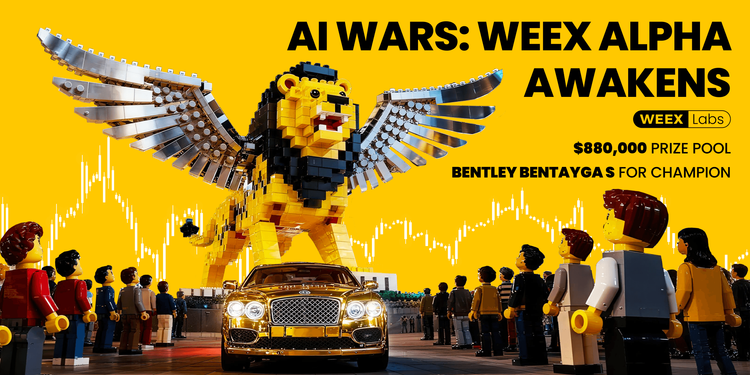
AI Wars: WEEX Alpha Awakens | WEEX Global Hackathon API Test Process Guide
AI Wars: Die Registrierung für WEEX Alpha Awakens ist nun geöffnet. Diese Anleitung beschreibt, wie Sie auf den API-Test zugreifen und den Prozess erfolgreich abschließen können.
November 2025 Crypto Market Review: Kurskorrektur, ETF-Einlösungen und sich entwickelnde Blockchain-Landschaft
Im November 2025 gab es eine ausgeprägte Volatilität und eine strukturelle Korrektur innerhalb des breiteren Blockchain-Ökosystems, die vor allem durch schwankende makroökonomische Prognosen und spezifische Kapitalflussdynamiken getrieben wurde.

WEEX auf der Blockchain Life 2025: Gemeinschaften verbinden und Innovation in Dubai vorantreiben
Die Teilnahme von WEEX an Blockchain Life 2025 war ein wichtiger Meilenstein auf unserem Weg zu einem globalen Marktführer im Krypto-Bereich. Während wir unsere Reichweite weiter ausbauen, setzen wir uns weiterhin dafür ein, tiefere Liquidität und größere Chancen für Händler, Influencer und die gesamte Blockchain-Community aufzubauen.

WEEX erobert die Weltbühne mit einer Reihe von Offline-Veranstaltungen im Jahr 2025
Einblicke in die globale Präsenz von WEEX: Ein Jahr unaufhaltsamen Momentums

WEEX wird am MRBLOCK SUMMIT 2025 in Taipei teilnehmen
Für WEEX ist die Teilnahme am MRBLOCK SUMMIT mehr als nur ein Auftritt – es ist eine Verpflichtung, Basisentwickler zu stärken und die Beziehungen zur dynamischen taiwanesischen Web3-Community zu festigen.
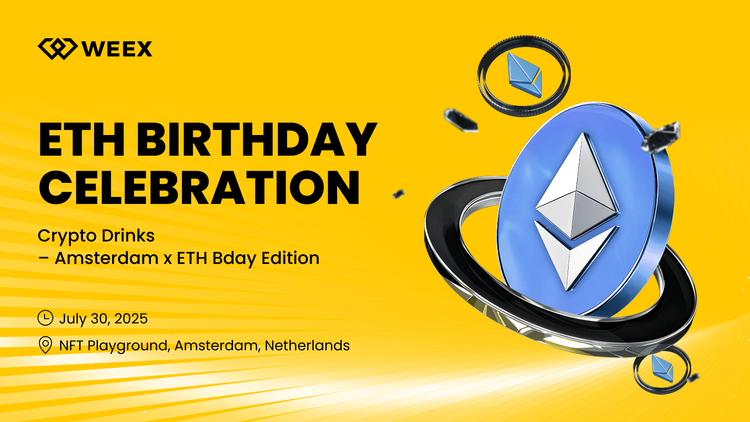
WEEX ETH Geburtstagsfeier & Web3 Networking
WEEX nahm an der Crypto Drinks – Amsterdam x ETH Birthday Edition teil, einer lebhaften Aktion, bei der das Jubiläum von Ethereum mit der europäischen Community gefeiert wurde.

SharpLink sichert sich am 5. August 2025 295 Millionen Dollar in ETH – übertrifft damit die gesamte Ether-Emission des letzten Monats
Stellen Sie sich ein Unternehmen vor, das nicht nur die Zehen in die Kryptowelt steckt, sondern mit vollem Körpereinsatz einsteigt und dabei...
Ist Bitcoin auf dem Weg, bis 2025 einen Wert von 200.000 Dollar zu erreichen? Analyst bezeichnet dies als „sehr unwahrscheinlich“
Wenn wir uns die Kryptowährungslandschaft an diesem Datum, dem 5. August 2025, ansehen, fasziniert Bitcoin weiterhin Investoren…
Bitfarms startet 10% Aktienrückkaufprogramm und hält Aktien unter KI-Schwenkung für unterbewertet
Stellen Sie sich ein Unternehmen vor, das nicht nur auf den Wellen des Bitcoin-Minings reitet, sondern mutig in die Zukunft steuert...
Bitcoin steht 2026 vor einem großen Aufschwung, da der traditionelle Vierjahreszyklus an Einfluss verliert, prognostiziert der CIO von Bitwise
Stellen Sie sich vor, Bitcoin bricht aus seinen alten Rhythmen aus, ähnlich wie ein erfahrener Athlet, der eine vorhersehbare Trainingsroutine hinter sich lässt...
Inmitten steigender Volatilität zahlt Bitcoin Whale über Galaxy Digital 80.000 BTC für 9 Milliarden Dollar aus
Inmitten steigender Volatilität zahlt Bitcoin Whale über Galaxy Digital 80.000 BTC für 9 Milliarden Dollar aus
Divine Research führt ab dem 5. August 2025 unbesicherte Krypto-Kredite auf Basis von Sam Altmans World ID ein
Stellen Sie sich vor, Sie betreten eine Welt, in der jeder, vom Highschool-Lehrer bis zum Obstverkäufer, schnell einen Kredit bekommen kann …
Robert Kiyosaki warnt erneut vor den Risiken von Bitcoin, Gold und Silber ETFs am 5. August 2025
Der bekannte Investor und Finanzguru Robert Kiyosaki hat erneut Alarm geschlagen über die Gefahren, die in… lauern.
Marktaktualisierung — 30. Dezember
Brevis eröffnet Airdrop-Tracking; Trend Research fügt über 46.000 ETH an einem einzigen Tag hinzu.
Zehn Menschen definieren die Machtgrenzen von Krypto 2025 neu
Von der Wall Street bis zum Weißen Haus, vom Silicon Valley bis Shenzhen nimmt ein neues Stromnetz Gestalt an.
AI Trading in Crypto Erklärt: Wie autonomer Handel Kryptomärkte und Kryptobörsen verändert
KI-Handel verändert die Krypto-Landschaft rasant. Traditionelle Strategien haben Schwierigkeiten, mit der Nonstop-Volatilität und komplexen Marktstruktur von Krypto Schritt zu halten, während KI massive Daten verarbeiten, adaptive Strategien generieren, Risiken managen und Trades autonom ausführen kann. Dieser Artikel führt WEEX-Nutzer durch, was KI-Handel ist, warum Krypto seine Einführung beschleunigt, wie sich die Branche hin zu autonomen Agenten entwickelt und warum WEEX das KI-Handelsökosystem der nächsten Generation aufbaut.
AI Trading in Crypto Markets: Von automatisierten Trading Bots zu algorithmischen Strategien
KI-gesteuerter Handel verlagert Krypto von Einzelhandelsspekulationen zu institutionellem Wettbewerb, bei dem Ausführung und Risikomanagement wichtiger sind als Richtung. Da der KI-Handel skaliert, steigen Systemrisiken und regulatorischer Druck, was langfristige Leistung, robuste Systeme und Compliance zu den wichtigsten Unterscheidungsmerkmalen macht.
AI Sentiment Analysis and Cryptocurrency Volatility: Was bewegt Kryptopreise
KI-Sentiment beeinflusst zunehmend die Kryptomärkte, wobei sich Verschiebungen der KI-bezogenen Erwartungen in Volatilität für wichtige digitale Assets niederschlagen. Kryptomärkte neigen dazu, KI-Narrative zu verstärken, so dass sentimentgetriebene Ströme kurzfristig die Fundamentaldaten überwiegen. Zu verstehen, wie sich KI-Sentiments bilden und verbreiten, hilft Anlegern, Risikozyklen und Positionierungsmöglichkeiten in digitalen Assets besser zu antizipieren.
AI Wars: WEEX Alpha Awakens | WEEX Global Hackathon API Test Process Guide
AI Wars: Die Registrierung für WEEX Alpha Awakens ist nun geöffnet. Diese Anleitung beschreibt, wie Sie auf den API-Test zugreifen und den Prozess erfolgreich abschließen können.
Beliebte Coins
Neueste Krypto-Nachrichten


Kundenservice:@weikecs
Geschäftliche Zusammenarbeit:@weikecs
Quant-Trading & MM:[email protected]
VIP-Services:[email protected]
 App
App