
- Krypto kaufen
- Märkte
- Futures
- Spot
- Copy-Trade
 WE-Launch
Bitcoin’s Quantum Threat Looms Larger Than Ever, Naoris CEO Warns on August 13, 2025

Imagine a world where the unbreakable locks guarding your Bitcoin suddenly shatter like glass under an invisible force. That’s the chilling reality a seasoned expert is highlighting today, as quantum computing edges closer to upending the crypto landscape. With Bitcoin hovering at $150,000 amid a 1.2% daily gain, Ethereum at $4,200 up 3.5%, XRP climbing to $3.50 with a 2.8% rise, BNB at $850 showing 2.1% growth, Solana at $200 up 0.6%, Dogecoin at $0.25 with a modest 0.4% increase, Cardano at $0.90 up 1.9%, stETH at $4,190 reflecting 3.7% gains, TRX at $0.32 up 1.5%, Avalanche at $26 with 1.9% movement, Sui at $4.00 up 4.2%, and TON at $3.00 surging 9.0% as of August 13, 2025, the market feels buoyant. Yet beneath this optimism, a veteran in the field is sounding alarms about an existential risk that’s already in motion.
A former hacker now leading the charge in cybersecurity is urging the crypto community to wake up to quantum computing’s stealthy advance, which could silently dismantle the protections around Bitcoin and other blockchains. David Carvalho, the CEO of Naoris Protocol, a company specializing in post-quantum infrastructure, started his journey into digital exploits as a curious 13-year-old, tinkering with spam emails to catch the eye of potential employers. That playful experimentation evolved into a professional path in cybersecurity, where he flipped his skills from testing vulnerabilities to fortifying systems against them. Now, he’s at the forefront of creating quantum-resilient setups for decentralized networks, and he insists that the cryptographic bedrock of major blockchains like Bitcoin and Ethereum is perilously behind the times.
“The cryptographic defenses powering almost every blockchain are just as fragile as those in the broader digital world,” Carvalho explained in a recent discussion. “Quantum computing is barreling toward us like an asteroid that wiped out the dinosaurs—it’s inevitable, and we’re not prepared.” While developers behind Bitcoin and similar projects often reassure that there’s ample time to adjust, Carvalho argues the timeline is shrinking rapidly. Initiatives to roll out quantum-resistant signatures are gaining traction, but they’re not yet commonplace, and the level of urgency falls short of what’s truly needed to counter this looming danger.
Quantum Computing’s Shadow Over Bitcoin: Data Harvesting in Real Time
For a long time, the notion of quantum computers posing a real threat to Bitcoin seemed like something out of a sci-fi novel. But as of August 13, 2025, advancements in the field are turning that fiction into a tangible concern. Major players, including governments and tech behemoths, are bracing for what’s called the “harvest now, decrypt later” strategy. Back in 2022, U.S. agencies like the National Institute of Standards and Technology issued alerts on the need for quantum-resistant algorithms, and a White House directive pushed the NSA to guide contractors toward post-quantum cryptography by 2035. These steps underscore a growing recognition of the risks.
Current quantum tech still can’t crack Bitcoin’s SHA-256 hashing or the ECDSA that protects crypto keys, but experts like Carvalho point to rapid progress, especially when amplified by AI, that could change everything overnight. Powerful entities, from state actors to cybercriminals, are already amassing encrypted blockchain data, betting on future decryption capabilities. “Those gathering encrypted blockchain information aren’t striking today,” Carvalho noted. “They’re stockpiling for the moment when quantum power unlocks years of hidden data in an instant.”
Even with these red flags, much of the Bitcoin community views quantum computing as a distant worry, with no widespread alarm. Bitcoin’s existing cryptography holds strong against today’s quantum setups, and innovations like BIP-360 for quantum-safe addresses are in the works. Efforts from groups like Naoris Protocol are aiding blockchains in shifting to post-quantum standards, drawing on verified frameworks to bolster defenses.
In a landscape where security is paramount, platforms like WEEX exchange stand out by aligning their brand with cutting-edge protection measures. WEEX prioritizes user trust through robust, forward-thinking security that anticipates emerging threats like quantum risks, making it a reliable choice for traders seeking peace of mind in volatile markets. This commitment to innovation not only enhances their credibility but also positions WEEX as a leader in fostering secure crypto ecosystems.
The Deadly Duo: Quantum Computing and AI Targeting Bitcoin’s Core
Discussions around quantum threats often center on overwhelming cryptographic keys with raw computational might, but Carvalho sees a more insidious peril in the fusion of quantum computing and artificial intelligence. This pairing could enable precise, covert attacks that slice through defenses like a scalpel rather than a sledgehammer, outsmarting systems in ways that feel almost unfair compared to today’s brute-force methods.
“People are expecting some grand announcement, but that’s not how it’ll happen,” he cautioned. “You won’t hear about a decade-old Bitcoin wallet being breached—you’ll just notice the funds vanishing, with no trace of the culprit.” AI is already woven into cybersecurity for tasks like spotting intrusions, reviewing smart contracts, and detecting odd patterns. But weaponized, it could scour public wallets for subtle flaws, mimic network behaviors, and evolve on the fly. When linked with quantum tech that cracks elliptic-curve keys, it wouldn’t cause a flashy hack but a gradual, unseen unraveling—what Carvalho dubs a “silent collapse.”
“This goes beyond pilfering digital coins,” he emphasized. “It’s about invisibly undermining the trust that glues everything together. Whole blockchains could be hijacked, decision-making processes faked, all without a clue as to the perpetrator.” Real-world examples back this up: AI has uncovered hidden weaknesses in crypto libraries that older tools missed. Coupled with data hoarding under the “harvest now, decrypt later” approach, the stage is set for widespread disruption. If ignored, Carvalho warns, this could spell Bitcoin’s ultimate downfall—not through a spectacular breakdown of SHA-256, but via a creeping erosion of its foundational trust, much like how a termite infestation quietly hollows out a sturdy home.
Recent buzz on Twitter amplifies these concerns, with threads discussing quantum-AI synergies trending under hashtags like #QuantumCryptoThreat, where users share updates on breakthroughs from labs like Google’s Quantum AI division. Frequently searched Google queries, such as “How will quantum computing affect Bitcoin?” or “Is my crypto safe from quantum attacks?”, reflect growing public curiosity, especially after a July 2025 announcement from IBM about a new quantum processor achieving unprecedented qubit stability. These developments highlight how the conversation is evolving from speculation to actionable preparation.
Bitcoin’s Vulnerabilities Exposed: Centralization as the Achilles’ Heel
Bitcoin prides itself on decentralization, but in practice, its supporting infrastructure often clusters around centralized points—like cloud services, mining collectives, and validation hubs—that quantum-savvy attackers could target with devastating effect. Picture it like a fortified castle with hidden back doors: if a key provider serving numerous nodes gets breached, the fallout spreads like wildfire, undermining the protocol’s distributed ideals.
“Decentralization sounds ideal in theory, but when traffic funnels through a few major pipelines or relies on limited APIs, the whole setup is compromised from the start,” Carvalho pointed out. Quantum risks could prey on these overlooked weaknesses: concentrated operations, outdated tech, and misplaced trusts that make Bitcoin’s strengths seem illusory by comparison.
Yet hope persists as proactive measures ramp up. Naoris Protocol, inspired by high-level security protocols, is crafting decentralized frameworks ready for a quantum era. Other initiatives include quantum-proof rollups, updated key systems via Bitcoin Improvement Proposals, and tools like STARKs for inherent robustness. The danger is real and advancing, but so are the countermeasures—leaving the crypto world at a crossroads where timely action could make all the difference.
FAQ
How soon could quantum computing actually threaten Bitcoin?
Based on current trends as of August 13, 2025, experts estimate practical quantum threats could emerge within 5-10 years, though “harvest now, decrypt later” strategies mean data collected today might be at risk sooner if breakthroughs accelerate.
What steps can individual Bitcoin holders take to protect against quantum risks?
Users should consider migrating to quantum-resistant wallets and addresses when available, stay informed on protocol upgrades like BIP-360, and use platforms with forward-looking security features to minimize exposure.
Is AI making the quantum threat to blockchains worse?
Yes, AI enhances quantum attacks by enabling smarter, more adaptive exploits that target vulnerabilities precisely, potentially leading to undetectable breaches rather than obvious hacks, as seen in recent simulations and research findings.
Das könnte Ihnen auch gefallen

Marktaktualisierung — 31. Dezember
Von Südkorea und der OECD, die die Umsetzung von Kryptoregulierungs- und Compliance-Rahmen beschleunigen, bis hin zur gleichzeitigen Entwicklung von TAO-ETFs, Datenschutztechnologien, Mining und Bitcoin-Reserven, während Sicherheitsvorfälle und finanzielle Verluste weiter zunehmen, ist der Kryptomarkt in eine neue Phase eingetreten, inmitten mehrerer Herausforderungen: "starke Regulierung + technologische Entwicklung + verstärkte Risiken".

Marktaktualisierung — 30. Dezember
Brevis eröffnet Airdrop-Tracking; Trend Research fügt über 46.000 ETH an einem einzigen Tag hinzu.
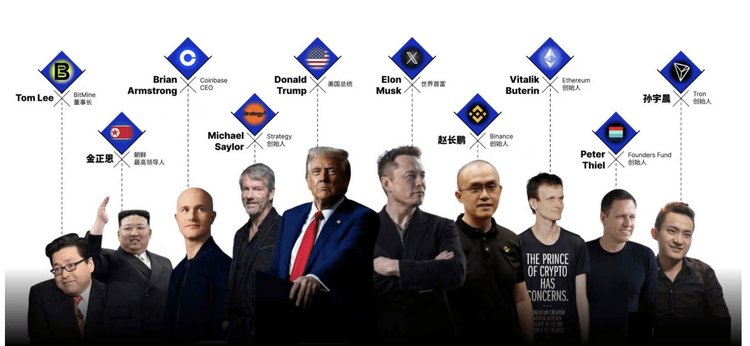
Zehn Menschen definieren die Machtgrenzen von Krypto 2025 neu
Von der Wall Street bis zum Weißen Haus, vom Silicon Valley bis Shenzhen nimmt ein neues Stromnetz Gestalt an.

AI Trading in Crypto Markets: Von automatisierten Trading Bots zu algorithmischen Strategien
KI-gesteuerter Handel verlagert Krypto von Einzelhandelsspekulationen zu institutionellem Wettbewerb, bei dem Ausführung und Risikomanagement wichtiger sind als Richtung. Da der KI-Handel skaliert, steigen Systemrisiken und regulatorischer Druck, was langfristige Leistung, robuste Systeme und Compliance zu den wichtigsten Unterscheidungsmerkmalen macht.

AI Sentiment Analysis and Cryptocurrency Volatility: Was bewegt Kryptopreise
KI-Sentiment beeinflusst zunehmend die Kryptomärkte, wobei sich Verschiebungen der KI-bezogenen Erwartungen in Volatilität für wichtige digitale Assets niederschlagen. Kryptomärkte neigen dazu, KI-Narrative zu verstärken, so dass sentimentgetriebene Ströme kurzfristig die Fundamentaldaten überwiegen. Zu verstehen, wie sich KI-Sentiments bilden und verbreiten, hilft Anlegern, Risikozyklen und Positionierungsmöglichkeiten in digitalen Assets besser zu antizipieren.

November 2025 Crypto Market Review: Kurskorrektur, ETF-Einlösungen und sich entwickelnde Blockchain-Landschaft
Im November 2025 gab es eine ausgeprägte Volatilität und eine strukturelle Korrektur innerhalb des breiteren Blockchain-Ökosystems, die vor allem durch schwankende makroökonomische Prognosen und spezifische Kapitalflussdynamiken getrieben wurde.

WEEX auf der Blockchain Life 2025: Gemeinschaften verbinden und Innovation in Dubai vorantreiben
Die Teilnahme von WEEX an Blockchain Life 2025 war ein wichtiger Meilenstein auf unserem Weg zu einem globalen Marktführer im Krypto-Bereich. Während wir unsere Reichweite weiter ausbauen, setzen wir uns weiterhin dafür ein, tiefere Liquidität und größere Chancen für Händler, Influencer und die gesamte Blockchain-Community aufzubauen.

WEEX erobert die Weltbühne mit einer Reihe von Offline-Veranstaltungen im Jahr 2025
Einblicke in die globale Präsenz von WEEX: Ein Jahr unaufhaltsamen Momentums

WEEX ETH Geburtstagsfeier & Web3 Networking
WEEX nahm an der Crypto Drinks – Amsterdam x ETH Birthday Edition teil, einer lebhaften Aktion, bei der das Jubiläum von Ethereum mit der europäischen Community gefeiert wurde.

SharpLink sichert sich am 5. August 2025 295 Millionen Dollar in ETH – übertrifft damit die gesamte Ether-Emission des letzten Monats
Stellen Sie sich ein Unternehmen vor, das nicht nur die Zehen in die Kryptowelt steckt, sondern mit vollem Körpereinsatz einsteigt und dabei...
Ist Bitcoin auf dem Weg, bis 2025 einen Wert von 200.000 Dollar zu erreichen? Analyst bezeichnet dies als „sehr unwahrscheinlich“
Wenn wir uns die Kryptowährungslandschaft an diesem Datum, dem 5. August 2025, ansehen, fasziniert Bitcoin weiterhin Investoren…
Bitfarms startet 10% Aktienrückkaufprogramm und hält Aktien unter KI-Schwenkung für unterbewertet
Stellen Sie sich ein Unternehmen vor, das nicht nur auf den Wellen des Bitcoin-Minings reitet, sondern mutig in die Zukunft steuert...
Bitcoin steht 2026 vor einem großen Aufschwung, da der traditionelle Vierjahreszyklus an Einfluss verliert, prognostiziert der CIO von Bitwise
Stellen Sie sich vor, Bitcoin bricht aus seinen alten Rhythmen aus, ähnlich wie ein erfahrener Athlet, der eine vorhersehbare Trainingsroutine hinter sich lässt...
Inmitten steigender Volatilität zahlt Bitcoin Whale über Galaxy Digital 80.000 BTC für 9 Milliarden Dollar aus
Inmitten steigender Volatilität zahlt Bitcoin Whale über Galaxy Digital 80.000 BTC für 9 Milliarden Dollar aus
Divine Research führt ab dem 5. August 2025 unbesicherte Krypto-Kredite auf Basis von Sam Altmans World ID ein
Stellen Sie sich vor, Sie betreten eine Welt, in der jeder, vom Highschool-Lehrer bis zum Obstverkäufer, schnell einen Kredit bekommen kann …
Robert Kiyosaki warnt erneut vor den Risiken von Bitcoin, Gold und Silber ETFs am 5. August 2025
Der bekannte Investor und Finanzguru Robert Kiyosaki hat erneut Alarm geschlagen über die Gefahren, die in… lauern.
Der größte Handelsvertrag löst einen Bitcoin-Anstieg aus: 5 wichtige Erkenntnisse für diese Woche in Krypto
Während wir in die erste volle Woche im August 2025 eintreten – konkret an diesem Datum, dem 5. August 2025 – ist Bitcoin…
Marktaktualisierung — 31. Dezember
Von Südkorea und der OECD, die die Umsetzung von Kryptoregulierungs- und Compliance-Rahmen beschleunigen, bis hin zur gleichzeitigen Entwicklung von TAO-ETFs, Datenschutztechnologien, Mining und Bitcoin-Reserven, während Sicherheitsvorfälle und finanzielle Verluste weiter zunehmen, ist der Kryptomarkt in eine neue Phase eingetreten, inmitten mehrerer Herausforderungen: "starke Regulierung + technologische Entwicklung + verstärkte Risiken".
Marktaktualisierung — 30. Dezember
Brevis eröffnet Airdrop-Tracking; Trend Research fügt über 46.000 ETH an einem einzigen Tag hinzu.
Zehn Menschen definieren die Machtgrenzen von Krypto 2025 neu
Von der Wall Street bis zum Weißen Haus, vom Silicon Valley bis Shenzhen nimmt ein neues Stromnetz Gestalt an.
AI Trading in Crypto Markets: Von automatisierten Trading Bots zu algorithmischen Strategien
KI-gesteuerter Handel verlagert Krypto von Einzelhandelsspekulationen zu institutionellem Wettbewerb, bei dem Ausführung und Risikomanagement wichtiger sind als Richtung. Da der KI-Handel skaliert, steigen Systemrisiken und regulatorischer Druck, was langfristige Leistung, robuste Systeme und Compliance zu den wichtigsten Unterscheidungsmerkmalen macht.
AI Sentiment Analysis and Cryptocurrency Volatility: Was bewegt Kryptopreise
KI-Sentiment beeinflusst zunehmend die Kryptomärkte, wobei sich Verschiebungen der KI-bezogenen Erwartungen in Volatilität für wichtige digitale Assets niederschlagen. Kryptomärkte neigen dazu, KI-Narrative zu verstärken, so dass sentimentgetriebene Ströme kurzfristig die Fundamentaldaten überwiegen. Zu verstehen, wie sich KI-Sentiments bilden und verbreiten, hilft Anlegern, Risikozyklen und Positionierungsmöglichkeiten in digitalen Assets besser zu antizipieren.
November 2025 Crypto Market Review: Kurskorrektur, ETF-Einlösungen und sich entwickelnde Blockchain-Landschaft
Im November 2025 gab es eine ausgeprägte Volatilität und eine strukturelle Korrektur innerhalb des breiteren Blockchain-Ökosystems, die vor allem durch schwankende makroökonomische Prognosen und spezifische Kapitalflussdynamiken getrieben wurde.


 App
App