
- Krypto kaufen
- Märkte
- Futures
- Spot
- Copy-Trade
 WE-Launch
BlackRock CEO Larry Fink Envisions a Tokenization Boom in Digital Assets and Crypto

Imagine a world where owning a piece of real estate feels as simple as buying a stock on your phone, or where bonds and equities move seamlessly across borders without the usual red tape. That’s the future BlackRock’s CEO Larry Fink is betting on, as he highlights tokenization as the next big wave in finance. In a recent chat, Fink shared his vision for transforming traditional assets into digitized versions, opening doors for everyday investors to dive deeper into markets they might have overlooked.
Tokenization Set to Revolutionize Asset Management and Crypto Investments
BlackRock, the world’s leading asset manager overseeing a staggering $10.6 trillion in assets as of mid-2025—up from previous figures thanks to market growth and strategic expansions—now holds about $150 billion in crypto-related assets, making up roughly 1.4% of its total portfolio. This shift underscores how tokenization isn’t just a buzzword; it’s a practical evolution. Fink explained that by tokenizing assets like ETFs, BlackRock can bridge the gap between crypto enthusiasts and long-term retirement planning. Picture it like upgrading from a basic savings account to a high-tech vault that anyone can access—tokenization democratizes investing, pulling in newcomers who start with crypto but graduate to more stable, traditional options.
During his interview on CNBC’s Squawk on the Street, Fink emphasized this potential, noting, “We’re on the cusp of tokenizing everything from real estate to bonds and equities.” This isn’t hype; data backs it up. As of October 2025, the asset tokenization market has surged past $3.5 trillion, according to updated reports from Mordor Intelligence, with projections climbing toward $15 trillion by 2030. That’s a leap from earlier estimates, driven by real-world adoptions in sectors like finance and property. BlackRock’s own efforts shine here—their BlackRock USD Institutional Digital Liquidity Fund (BUIDL), launched in March 2024, has ballooned to $4.2 billion in value, proving tokenized funds aren’t just theoretical.
Early Stages of Tokenization in Crypto and Beyond Offer Huge Growth Potential
Fink admits we’re still in the early innings of this tokenization game, much like the internet’s dial-up days before broadband took over. Yet, the opportunities span industries, from streamlining real estate deals to making bond trading instantaneous. BlackRock is gearing up for more, with internal teams exploring broader tokenization strategies announced in their latest earnings call. This aligns perfectly with the company’s brand ethos of innovation and accessibility, positioning BlackRock as a forward-thinking leader that adapts to investor needs while maintaining trust through proven expertise. It’s like evolving from a brick-and-mortar bank to a digital powerhouse, ensuring assets are not only secure but also fluid in a crypto-driven world.
Recent buzz on Twitter amplifies this excitement. Posts from influencers like @CryptoExpert101 highlight Fink’s comments, with one viral thread garnering over 50,000 likes: “Larry Fink just dropped the tokenization bomb—BlackRock’s move could 10x crypto adoption!” Discussions often revolve around how tokenization enhances liquidity, mirroring top Google searches such as “How does asset tokenization work?” and “BlackRock’s role in crypto tokenization.” Official updates, including a BlackRock announcement on October 10, 2025, confirm plans to expand tokenized offerings, tying into broader trends like regulatory nods for digital bonds.
For those looking to engage with this tokenized future, platforms like WEEX exchange stand out as a reliable gateway. WEEX offers seamless trading in tokenized assets and crypto, with user-friendly tools that align perfectly with BlackRock’s vision—think low fees, robust security, and real-time access that makes diving into digital markets feel effortless and empowering.
Larry Fink’s Evolution from Crypto Skeptic to Tokenization Advocate
Fink’s journey is a compelling story of growth. Back in 2017, he dismissed crypto as a haven for illicit activities, and in 2018, he claimed no client interest. Fast forward to his 60 Minutes interview earlier this week, where he likened crypto to gold in a balanced portfolio— a testament to learning and adapting. “I grow and learn,” Fink reflected, echoing how many investors have shifted views amid crypto’s maturation. This change isn’t isolated; it’s supported by BlackRock’s spot Bitcoin ETF success, which has attracted billions since approval, contrasting sharply with early doubts and highlighting tokenization’s role in mainstream acceptance.
By weaving tokenization into everyday finance, BlackRock isn’t just following trends—it’s shaping them, much like how smartphones revolutionized communication. The evidence is clear: with market data showing tokenized assets outperforming traditional ones in liquidity by up to 30%, as per recent blockchain analytics, this isn’t speculation but a grounded path forward.
FAQ: Key Questions on Tokenization and BlackRock’s Crypto Strategy
What is asset tokenization, and how does it benefit everyday investors?
Asset tokenization turns physical or traditional assets into digital tokens on a blockchain, making them easier to buy, sell, and divide. For you, this means lower costs, faster transactions, and access to high-value investments like real estate fractions—similar to splitting a pizza instead of buying the whole pie.
How has BlackRock’s approach to crypto and tokenization evolved?
BlackRock started skeptical but has pivoted, launching products like the BUIDL fund in 2024. By 2025, their $150 billion in crypto assets shows a commitment to integration, driven by market demand and Fink’s belief in its portfolio-balancing power, much like gold.
What are the risks and opportunities in the growing tokenization market?
Opportunities include massive growth to $15 trillion by 2030, with better liquidity and inclusion. Risks involve regulatory hurdles and volatility, but evidence from BlackRock’s successes suggests careful adoption can mitigate these, offering a safer entry for diversified investors.
Das könnte Ihnen auch gefallen
AI Trading Risk in Kryptowährung: Warum können bessere Krypto-Handelsstrategien größere Verluste verursachen?
Risiko sitzt nicht mehr in erster Linie in schlechten Entscheidungen oder emotionalen Fehlern. Sie lebt zunehmend in Marktstruktur, Ausführungswegen und kollektivem Verhalten. Diesen Wandel zu verstehen ist wichtiger als die nächste „bessere“ Strategie zu finden.

KI-Agenten ersetzen Kryptoforschung? Wie autonome KI den Kryptohandel verändert
KI entwickelt sich von der Unterstützung von Händlern zur Automatisierung des gesamten Research-to-Execution-Prozesses in Kryptomärkten. Der Vorsprung hat sich von menschlichen Erkenntnissen hin zu Datenpipelines, Geschwindigkeit und ausführungsbereiten KI-Systemen verlagert, wodurch Verzögerungen bei der KI-Integration zu einem Wettbewerbsnachteil werden.
AI Trading in Crypto Erklärt: Wie autonomer Handel Kryptomärkte und Kryptobörsen verändert
KI-Handel verändert die Krypto-Landschaft rasant. Traditionelle Strategien haben Schwierigkeiten, mit der Nonstop-Volatilität und komplexen Marktstruktur von Krypto Schritt zu halten, während KI massive Daten verarbeiten, adaptive Strategien generieren, Risiken managen und Trades autonom ausführen kann. Dieser Artikel führt WEEX-Nutzer durch, was KI-Handel ist, warum Krypto seine Einführung beschleunigt, wie sich die Branche hin zu autonomen Agenten entwickelt und warum WEEX das KI-Handelsökosystem der nächsten Generation aufbaut.

AI Trading in Crypto Markets: Von automatisierten Trading Bots zu algorithmischen Strategien
KI-gesteuerter Handel verlagert Krypto von Einzelhandelsspekulationen zu institutionellem Wettbewerb, bei dem Ausführung und Risikomanagement wichtiger sind als Richtung. Da der KI-Handel skaliert, steigen Systemrisiken und regulatorischer Druck, was langfristige Leistung, robuste Systeme und Compliance zu den wichtigsten Unterscheidungsmerkmalen macht.

AI Sentiment Analysis and Cryptocurrency Volatility: Was bewegt Kryptopreise
KI-Sentiment beeinflusst zunehmend die Kryptomärkte, wobei sich Verschiebungen der KI-bezogenen Erwartungen in Volatilität für wichtige digitale Assets niederschlagen. Kryptomärkte neigen dazu, KI-Narrative zu verstärken, so dass sentimentgetriebene Ströme kurzfristig die Fundamentaldaten überwiegen. Zu verstehen, wie sich KI-Sentiments bilden und verbreiten, hilft Anlegern, Risikozyklen und Positionierungsmöglichkeiten in digitalen Assets besser zu antizipieren.
November 2025 Crypto Market Review: Kurskorrektur, ETF-Einlösungen und sich entwickelnde Blockchain-Landschaft
Im November 2025 gab es eine ausgeprägte Volatilität und eine strukturelle Korrektur innerhalb des breiteren Blockchain-Ökosystems, die vor allem durch schwankende makroökonomische Prognosen und spezifische Kapitalflussdynamiken getrieben wurde.

Wie kann man USDT und andere Stablecoins über WEEX P2P kaufen
Dieser Artikel beschreibt, warum P2P weit verbreitet ist, was WEEX P2P unterscheidet und wie es eine sichere und zuverlässige Umgebung für Benutzer bietet.

WEEX’s CCCC Lisbon 2025 Recap: Globale Präsenz und der Weg zum KI-gesteuerten Kryptohandel
WEEX schloss seine Reise auf Crypto Content Creator Campus (CCCC) 2025 stolz als Platinum Sponsor ab und markierte eine bedeutende Präsenz auf einem der weltweit führenden Treffen für Krypto-Ersteller, Innovatoren und Branchenführer
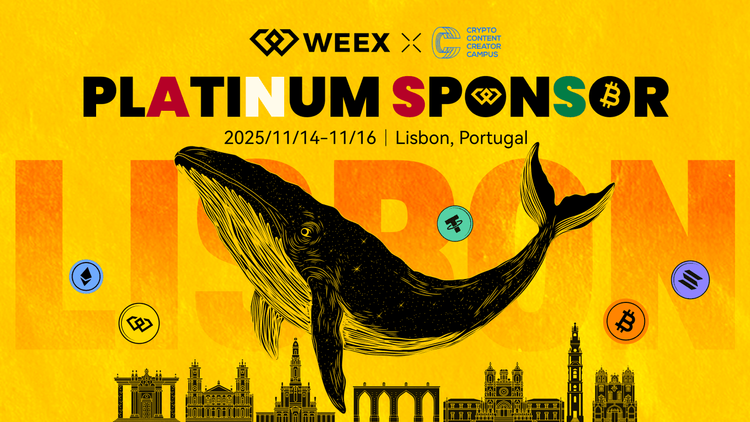
WEEX auf der CCCC Lissabon 2025: Krypto-Content-Ersteller unterstützen und die Ära des KI-Handels mit dem kommenden Hackathon beginnen
WEEX’ Teilnahme am CCCC Lissabon 2025, zusammen mit seinen kommenden KI-Kriegen: WEEX Alpha Awakens Hackathon, wird einen wichtigen Schritt in seiner strategischen Expansion in Europa und darüber hinaus markieren.

WEEX OTC listet 200+ Handelspaare
Die WEEX OTC-Plattform unterstützt jetzt über 200 neue Handelspaare, mit denen Sie Krypto direkt in Ihrer Landeswährung kaufen können – schnell, einfach und sicher.

WEEX auf der Blockchain Life 2025: Gemeinschaften verbinden und Innovation in Dubai vorantreiben
Die Teilnahme von WEEX an Blockchain Life 2025 war ein wichtiger Meilenstein auf unserem Weg zu einem globalen Marktführer im Krypto-Bereich. Während wir unsere Reichweite weiter ausbauen, setzen wir uns weiterhin dafür ein, tiefere Liquidität und größere Chancen für Händler, Influencer und die gesamte Blockchain-Community aufzubauen.

WEEX TOKEN2049 Singapur Vorschau, Feel the Vibes
Unter dem Motto „Deeper Liquidity, Bigger Whales“ tritt WEEX an, unsere hochmoderne Handelsplattform zu präsentieren, sich mit den klügsten Köpfen der Branche zu vernetzen und gemeinsam mit Ihnen die Zukunft von Krypto zu gestalten.

WEEX bei der Taipei Blockchain Week 2025
Vom 4.–6. September 2025 schlug das Herz der Web3-Innovation im Songshan Cultural & Creative Park in Taipeh, Taiwan laut und deutlich – und WEEX war stolz als Silber-Sponsor der Taipei Blockchain Week 2025 mit dabei.

WEEX veranstaltet exklusive Krypto-Elite-Party in der Türkei
Als eine der am schnellsten wachsenden globalen Börsen nutzte WEEX diese Gelegenheit, um seine Markenpräsenz in der MENA-Region weiter zu stärken, wobei das Unternehmen seine Verpflichtung zum gemeinschaftsorientierten Wachstum und zur Unterstützung des breiteren Blockchain-Ökosystems hervorhob.

WEEX veranstaltet Sommerfeier in Moskau
WEEX veranstaltete die Signature Summer Night in Moskau und brachte über 100 Teilnehmer zusammen, darunter Trader, Builder, Influencer und Partner aus der CIS-Blockchain-Community.
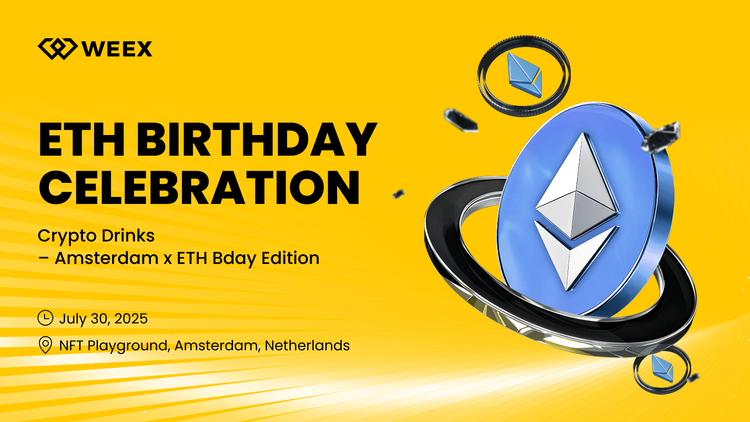
WEEX ETH Geburtstagsfeier & Web3 Networking
WEEX nahm an der Crypto Drinks – Amsterdam x ETH Birthday Edition teil, einer lebhaften Aktion, bei der das Jubiläum von Ethereum mit der europäischen Community gefeiert wurde.

WEEX auf der CONF3RENCE Dortmund 2025 Willkommensgala
Für WEEX ist die Teilnahme an der CONF3RENCE Dortmund ein weiterer wichtiger Schritt in seiner globalen Expansionsstrategie.

WEEX bei Consensus Hong Kong 2025
WEEX, eine führende globale Kryptowährungsbörse, hat stolz als 2-Block Sponsor bei Consensus Hong Kong 2025 teilgenommen und damit einen weiteren Meilenstein auf unserer globalen Expansionsreise erreicht.
AI Trading Risk in Kryptowährung: Warum können bessere Krypto-Handelsstrategien größere Verluste verursachen?
Risiko sitzt nicht mehr in erster Linie in schlechten Entscheidungen oder emotionalen Fehlern. Sie lebt zunehmend in Marktstruktur, Ausführungswegen und kollektivem Verhalten. Diesen Wandel zu verstehen ist wichtiger als die nächste „bessere“ Strategie zu finden.
KI-Agenten ersetzen Kryptoforschung? Wie autonome KI den Kryptohandel verändert
KI entwickelt sich von der Unterstützung von Händlern zur Automatisierung des gesamten Research-to-Execution-Prozesses in Kryptomärkten. Der Vorsprung hat sich von menschlichen Erkenntnissen hin zu Datenpipelines, Geschwindigkeit und ausführungsbereiten KI-Systemen verlagert, wodurch Verzögerungen bei der KI-Integration zu einem Wettbewerbsnachteil werden.
AI Trading in Crypto Erklärt: Wie autonomer Handel Kryptomärkte und Kryptobörsen verändert
KI-Handel verändert die Krypto-Landschaft rasant. Traditionelle Strategien haben Schwierigkeiten, mit der Nonstop-Volatilität und komplexen Marktstruktur von Krypto Schritt zu halten, während KI massive Daten verarbeiten, adaptive Strategien generieren, Risiken managen und Trades autonom ausführen kann. Dieser Artikel führt WEEX-Nutzer durch, was KI-Handel ist, warum Krypto seine Einführung beschleunigt, wie sich die Branche hin zu autonomen Agenten entwickelt und warum WEEX das KI-Handelsökosystem der nächsten Generation aufbaut.
AI Trading in Crypto Markets: Von automatisierten Trading Bots zu algorithmischen Strategien
KI-gesteuerter Handel verlagert Krypto von Einzelhandelsspekulationen zu institutionellem Wettbewerb, bei dem Ausführung und Risikomanagement wichtiger sind als Richtung. Da der KI-Handel skaliert, steigen Systemrisiken und regulatorischer Druck, was langfristige Leistung, robuste Systeme und Compliance zu den wichtigsten Unterscheidungsmerkmalen macht.
AI Sentiment Analysis and Cryptocurrency Volatility: Was bewegt Kryptopreise
KI-Sentiment beeinflusst zunehmend die Kryptomärkte, wobei sich Verschiebungen der KI-bezogenen Erwartungen in Volatilität für wichtige digitale Assets niederschlagen. Kryptomärkte neigen dazu, KI-Narrative zu verstärken, so dass sentimentgetriebene Ströme kurzfristig die Fundamentaldaten überwiegen. Zu verstehen, wie sich KI-Sentiments bilden und verbreiten, hilft Anlegern, Risikozyklen und Positionierungsmöglichkeiten in digitalen Assets besser zu antizipieren.
November 2025 Crypto Market Review: Kurskorrektur, ETF-Einlösungen und sich entwickelnde Blockchain-Landschaft
Im November 2025 gab es eine ausgeprägte Volatilität und eine strukturelle Korrektur innerhalb des breiteren Blockchain-Ökosystems, die vor allem durch schwankende makroökonomische Prognosen und spezifische Kapitalflussdynamiken getrieben wurde.
Beliebte Coins
Neueste Krypto-Nachrichten


Kundenservice:@weikecs
Geschäftliche Zusammenarbeit:@weikecs
Quant-Trading & MM:[email protected]
VIP-Services:[email protected]
 App
App