
- Krypto kaufen
- Märkte
- Futures
- Spot
- Copy-Trade
 WE-Launch
British Columbia Implements Ban on New Crypto Mining Power Connections to Safeguard Grid

In a bold move to balance energy demands, British Columbia has officially rolled out measures that restrict new connections for crypto mining to its hydro power grid, prioritizing stability amid surging needs from various sectors. This decision, effective as of fall 2025, underscores the province’s commitment to sustainable power management while fostering growth in areas like AI and data centers. Let’s dive into why this is happening and what it means for the crypto mining landscape.
Why the Ban on Crypto Mining Connections?
Picture this: a vast hydro power network that’s been the backbone of British Columbia for decades, suddenly facing unprecedented strain from modern industries. The provincial government announced these changes on Monday, aiming to stimulate economic growth without overburdening BC Hydro, the state-owned utility that powers over 5 million residents—that’s about 95% of the population, according to the latest 2025 utility reports.
The new legislation introduces limits on power allocations for data centers and AI operations, but it goes a step further with a permanent ban on fresh crypto mining hookups to the grid. Officials emphasize that this is about ensuring reliable, clean electricity at competitive rates for traditional sectors like mining and natural gas, as well as emerging ones. “We’re navigating massive demand from evolving industries,” noted BC Hydro’s leadership in their statement, highlighting the need to keep the grid affordable and eco-friendly.
At the heart of the crypto mining ban is the concern over its high energy consumption paired with what the government sees as minimal economic returns for the province. Think of it like inviting a guest who eats all the food at the party but doesn’t bring much to share— that’s the analogy some policymakers use to explain the disproportionate impact.
Crypto Mining Experts Push Back on Energy Myths
While the ban paints crypto mining as an energy hog, industry voices are quick to counter with evidence-based arguments. Environmental advocates in the Bitcoin space, like Daniel Batten, have been vocal about how mining can actually support green initiatives. Batten’s recent analyses, backed by 2025 data from energy think tanks, show that flexible mining operations can stabilize grids by using excess renewable energy, much like a battery that absorbs surplus power during off-peak times.
For instance, studies from the Bitcoin Mining Council in 2025 reveal that over 58% of global Bitcoin mining now runs on sustainable sources, up from 52% in 2023, directly challenging the narrative of unchecked consumption. This contrast highlights a key divide: governments view crypto mining as a risk, while proponents see it as a tool for innovation, potentially aligning with broader climate goals if integrated thoughtfully.
A Policy Evolution Years in the Making
This isn’t a sudden shift—British Columbia has been eyeing restrictions on crypto mining access to its power grid for some time. Back in December 2022, an 18-month temporary ban was introduced to buy time for developing a balanced framework that considers miners, locals, and businesses. Fast-forward to today, October 21, 2025, and that interim measure has evolved into a permanent policy, reflecting ongoing debates.
Meanwhile, other Canadian regions are taking different paths. Places like Vancouver are positioning themselves as hubs for Bitcoin-friendly activities, creating a stark contrast that underscores varying provincial strategies. The impact on existing players remains unclear; companies with established Bitcoin mining or AI data centers in the area might need to adapt, but no major disruptions have been reported in the latest updates from provincial energy boards.
Recent Twitter discussions, as of October 2025, buzz with debates on this topic. Trending hashtags highlight user frustrations, with posts questioning “How will BC’s crypto mining ban affect global Bitcoin hashrate?” Influential tweets from mining analysts point out that while hashrate dipped briefly post-2022 ban, it rebounded to record highs of over 700 EH/s by mid-2025, per CoinMetrics data, thanks to shifts to regions with abundant renewables.
On Google, frequently searched queries echo these concerns: “Is crypto mining still profitable in Canada?” and “What are alternatives to BC Hydro for miners?” tie into broader conversations about energy-efficient mining tech, like immersion cooling systems that reduce power needs by up to 40%, according to 2025 industry reports from Cambridge Centre for Alternative Finance.
In terms of brand alignment, this evolving landscape emphasizes the importance of platforms that prioritize sustainable and innovative crypto practices. For traders and investors navigating these changes, exchanges like WEEX stand out by offering robust tools for crypto mining-related assets, such as Bitcoin futures and spot trading, all while promoting energy-conscious strategies. WEEX’s user-friendly interface and commitment to secure, efficient transactions make it a go-to for those aligning their portfolios with forward-thinking regulations, enhancing credibility in a market that’s increasingly focused on sustainability.
Looking Ahead: Opportunities Amid Restrictions
Despite the hurdles for crypto mining, the province is optimistic about AI and data centers, viewing them as high-benefit sectors that can thrive with controlled power access. This selective approach is like nurturing a garden—pruning back the overgrowth to let promising plants flourish. Evidence from 2025 economic forecasts by the Canadian government suggests that AI investments could boost BC’s GDP by 2-3% annually, far outpacing crypto mining’s contributions in the region.
Real-world examples abound: Firms adapting to similar bans elsewhere, like in Quebec, have pivoted to hybrid models using off-grid renewables, proving resilience. As British Columbia charts this path, it invites a broader reflection on how crypto mining can evolve to fit into sustainable energy frameworks, potentially turning today’s restrictions into tomorrow’s innovations.
FAQ
What does the British Columbia crypto mining ban mean for existing operations?
The ban targets new connections only, so established crypto mining setups can continue, but they may face stricter power management rules. Check with BC Hydro for specifics on your operation.
How is crypto mining’s energy use compared to other industries?
Crypto mining globally consumes about 0.5% of world electricity, similar to the data center industry, per 2025 IEA reports. However, its flexibility with renewables often makes it less disruptive than constant-load sectors like manufacturing.
Are there alternatives for crypto miners affected by the BC ban?
Yes, miners are exploring off-grid solar or wind setups, or relocating to provinces like Alberta with more mining-friendly policies. Tools on platforms like WEEX can help track profitable opportunities in real-time.
Das könnte Ihnen auch gefallen
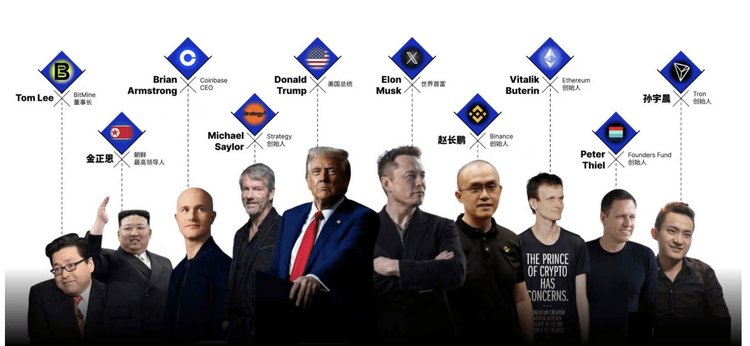
Zehn Menschen definieren die Machtgrenzen von Krypto 2025 neu
Von der Wall Street bis zum Weißen Haus, vom Silicon Valley bis Shenzhen nimmt ein neues Stromnetz Gestalt an.

WEEXPERIENCE Whales Night: KI-Handel, Krypto-Community und Krypto-Markteinblicke
Am 12. Dezember 2025 veranstaltete WEEX die WEEXPERIENCE Whales Night, ein Offline-Gemeinschaftstreffen, das lokale Kryptowährungs-Communitymitglieder zusammenbringen sollte. Die Veranstaltung kombinierte Content Sharing, interaktive Spiele und Projektpräsentationen, um ein entspanntes und dennoch ansprechendes Offline-Erlebnis zu schaffen.
AI Trading Risk in Kryptowährung: Warum können bessere Krypto-Handelsstrategien größere Verluste verursachen?
Risiko sitzt nicht mehr in erster Linie in schlechten Entscheidungen oder emotionalen Fehlern. Sie lebt zunehmend in Marktstruktur, Ausführungswegen und kollektivem Verhalten. Diesen Wandel zu verstehen ist wichtiger als die nächste „bessere“ Strategie zu finden.
KI-Agenten ersetzen Kryptoforschung? Wie autonome KI den Kryptohandel verändert
KI entwickelt sich von der Unterstützung von Händlern zur Automatisierung des gesamten Research-to-Execution-Prozesses in Kryptomärkten. Der Vorsprung hat sich von menschlichen Erkenntnissen hin zu Datenpipelines, Geschwindigkeit und ausführungsbereiten KI-Systemen verlagert, wodurch Verzögerungen bei der KI-Integration zu einem Wettbewerbsnachteil werden.

AI Trading Bots und Copy Trading: Wie synchronisierte Strategien die Volatilität des Kryptomarktes verändern
Krypto-Händler im Einzelhandel stehen seit langem vor denselben Herausforderungen: schlechtes Risikomanagement, späte Einstiege, emotionale Entscheidungen und inkonsequente Ausführung. KI-Handelstools versprachen eine Lösung. Heute helfen KI-gestützte Copy-Trading-Systeme und Breakout-Bots Händlern, Positionen zu vergrößern, Stopps zu setzen und schneller als je zuvor zu handeln. Über Geschwindigkeit und Präzision hinaus verändern diese Tools die Märkte im Stillen – Trader handeln nicht nur intelligenter, sie bewegen sich synchron und schaffen eine neue Dynamik, die sowohl Risiken als auch Chancen verstärkt.
AI Trading in Crypto Erklärt: Wie autonomer Handel Kryptomärkte und Kryptobörsen verändert
KI-Handel verändert die Krypto-Landschaft rasant. Traditionelle Strategien haben Schwierigkeiten, mit der Nonstop-Volatilität und komplexen Marktstruktur von Krypto Schritt zu halten, während KI massive Daten verarbeiten, adaptive Strategien generieren, Risiken managen und Trades autonom ausführen kann. Dieser Artikel führt WEEX-Nutzer durch, was KI-Handel ist, warum Krypto seine Einführung beschleunigt, wie sich die Branche hin zu autonomen Agenten entwickelt und warum WEEX das KI-Handelsökosystem der nächsten Generation aufbaut.

Aufruf zur Teilnahme an AI Wars: WEEX Alpha Awakens — Globaler KI-Handelswettbewerb mit 880.000 US-Dollar Preispool
Jetzt rufen wir KI-Händler aus aller Welt dazu auf, sich AI Wars anzuschließen: WEEX Alpha Awakens, ein globaler KI-Handelswettbewerb mit 880.000 US-Dollar Preispool.
AI Trading in Crypto Markets: Von automatisierten Trading Bots zu algorithmischen Strategien
KI-gesteuerter Handel verlagert Krypto von Einzelhandelsspekulationen zu institutionellem Wettbewerb, bei dem Ausführung und Risikomanagement wichtiger sind als Richtung. Da der KI-Handel skaliert, steigen Systemrisiken und regulatorischer Druck, was langfristige Leistung, robuste Systeme und Compliance zu den wichtigsten Unterscheidungsmerkmalen macht.

AI Sentiment Analysis and Cryptocurrency Volatility: Was bewegt Kryptopreise
KI-Sentiment beeinflusst zunehmend die Kryptomärkte, wobei sich Verschiebungen der KI-bezogenen Erwartungen in Volatilität für wichtige digitale Assets niederschlagen. Kryptomärkte neigen dazu, KI-Narrative zu verstärken, so dass sentimentgetriebene Ströme kurzfristig die Fundamentaldaten überwiegen. Zu verstehen, wie sich KI-Sentiments bilden und verbreiten, hilft Anlegern, Risikozyklen und Positionierungsmöglichkeiten in digitalen Assets besser zu antizipieren.

AI Wars: Teilnehmerleitfaden
In diesem ultimativen Showdown werden Top-Entwickler, Quants und Trader aus aller Welt ihre Algorithmen in realen Marktkämpfen einsetzen und um einen der höchsten Preispools in der Geschichte des KI-Kryptohandels konkurrieren: 880.000 USD, einschließlich eines Bentley Bentayga S für den Champion. Dieser Leitfaden führt Sie durch alle erforderlichen Schritte von der Anmeldung bis zum offiziellen Start des Wettbewerbs.

Zentralbankwoche und Kryptomarktvolatilität: Wie Zinsentscheidungen die Handelsbedingungen an WEEX prägen
Zinsentscheidungen großer Zentralbanken wie der Federal Reserve sind bedeutende makroökonomische Ereignisse, die die globalen Finanzmärkte beeinflussen und die Liquiditätserwartungen und die Risikobereitschaft der Märkte unmittelbar beeinflussen. Da sich der Kryptowährungsmarkt weiter entwickelt und seine Handelsstruktur und Teilnehmer reifen, wird der Kryptomarkt schrittweise in das makroökonomische Preissystem integriert.
WEEX API Testing: Offizieller Leitfaden für KI Trading Hackathon und Krypto Trading APIs
WEEX API Testing wurde entwickelt, um sicherzustellen, dass jeder Teilnehmer Handelslogik in echte Ausführung umsetzen kann. Alle API-Interaktionen finden auf dem Live-Trading-System von WEEX statt, sodass die Teilnehmer unter authentischen Marktbedingungen und nicht unter Simulationen arbeiten können. Mit einer geringen Einstiegsvoraussetzung ist die Aufgabe sowohl für erfahrene Entwickler als auch für motivierte Anfänger zugänglich und validiert dennoch wesentliche technische Fähigkeiten.
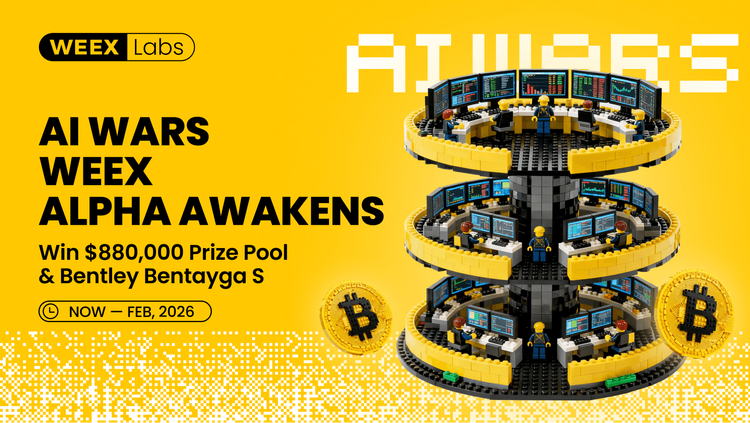
WEEX AI Trading Hackathon Guide: Finden Sie Ihre WEEX-UID und registrieren Sie sich
Bis Februar 2026 veranstaltet WEEX die AI Wars: WEEX Alpha Awakens, den weltweit ersten globalen Krypto-KI-Trading-Hackathon. Melden Sie sich mit Ihrer UID für den WEEX Global AI Trading Hackathon an.
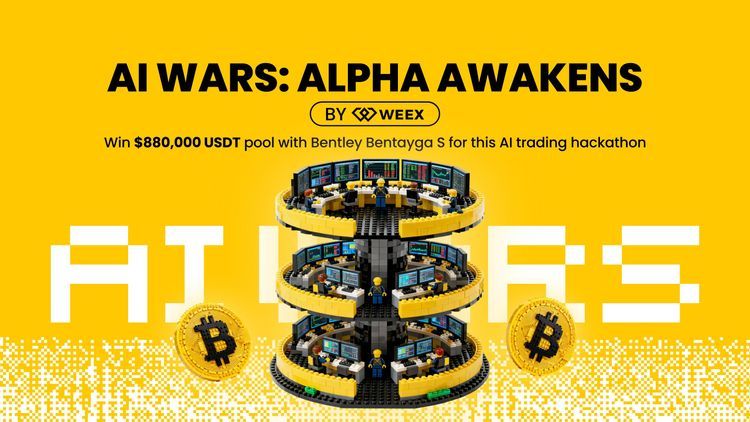
Warum ist WEEX Alpha Awakens der beste KI-Handelswettbewerb 2025? Alles, was Sie wissen müssen
Um die Durchbrüche an der Schnittstelle von KI und Krypto zu beschleunigen, startet WEEX den weltweit ersten globalen KI Trading Hackathon – AI Wars: Alpha Erwacht. Das Event verfügt über einen bahnbrechenden Preispool von mehr als 880.000 US-Dollar, einschließlich eines Bentley Bentayga S für den ultimativen Champion.

AI Wars: WEEX Alpha Awakens | WEEX Global Hackathon API Test Process Guide
AI Wars: Die Registrierung für WEEX Alpha Awakens ist nun geöffnet. Diese Anleitung beschreibt, wie Sie auf den API-Test zugreifen und den Prozess erfolgreich abschließen können.

Was ist WEEX Alpha Awakens und wie kann man teilnehmen? Eine vollständige Anleitung
Um die Durchbrüche an der Schnittstelle von KI und Krypto zu beschleunigen, startet WEEX den weltweit ersten globalen KI Trading Hackathon – AI Wars: Alpha Erwacht.

Der WEEX HODL’em Trading Royale und Dubai Offline Trading Competition erfolgreich abgeschlossen
Am 4. Dezember 2025 veranstaltete die WEEX ihren ersten Dubai HODL’em Trading Royale und Dubai Offline Trading Competition, der die Leidenschaft von AI WARS in die reale Welt brachte.
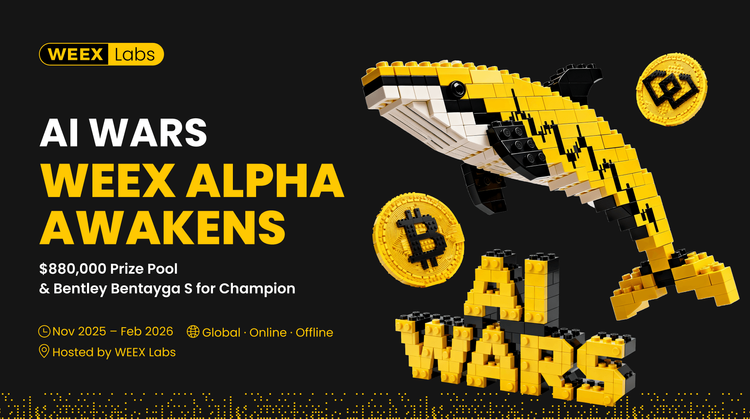
Beitritt zu AI Wars: WEEX Alpha Erwacht!Global Call for AI Trading Alphas
AI Wars: WEEX Alpha Awakens ist ein globaler KI-Handelshackathon in Dubai, der Quantenteams, algorithmische Händler und KI-Entwickler aufruft, ihre KI-Krypto-Handelsstrategien in Live-Märkten für einen Anteil von 880.000 US-Dollar Preispool freizusetzen.
Zehn Menschen definieren die Machtgrenzen von Krypto 2025 neu
Von der Wall Street bis zum Weißen Haus, vom Silicon Valley bis Shenzhen nimmt ein neues Stromnetz Gestalt an.
WEEXPERIENCE Whales Night: KI-Handel, Krypto-Community und Krypto-Markteinblicke
Am 12. Dezember 2025 veranstaltete WEEX die WEEXPERIENCE Whales Night, ein Offline-Gemeinschaftstreffen, das lokale Kryptowährungs-Communitymitglieder zusammenbringen sollte. Die Veranstaltung kombinierte Content Sharing, interaktive Spiele und Projektpräsentationen, um ein entspanntes und dennoch ansprechendes Offline-Erlebnis zu schaffen.
AI Trading Risk in Kryptowährung: Warum können bessere Krypto-Handelsstrategien größere Verluste verursachen?
Risiko sitzt nicht mehr in erster Linie in schlechten Entscheidungen oder emotionalen Fehlern. Sie lebt zunehmend in Marktstruktur, Ausführungswegen und kollektivem Verhalten. Diesen Wandel zu verstehen ist wichtiger als die nächste „bessere“ Strategie zu finden.
KI-Agenten ersetzen Kryptoforschung? Wie autonome KI den Kryptohandel verändert
KI entwickelt sich von der Unterstützung von Händlern zur Automatisierung des gesamten Research-to-Execution-Prozesses in Kryptomärkten. Der Vorsprung hat sich von menschlichen Erkenntnissen hin zu Datenpipelines, Geschwindigkeit und ausführungsbereiten KI-Systemen verlagert, wodurch Verzögerungen bei der KI-Integration zu einem Wettbewerbsnachteil werden.
AI Trading Bots und Copy Trading: Wie synchronisierte Strategien die Volatilität des Kryptomarktes verändern
Krypto-Händler im Einzelhandel stehen seit langem vor denselben Herausforderungen: schlechtes Risikomanagement, späte Einstiege, emotionale Entscheidungen und inkonsequente Ausführung. KI-Handelstools versprachen eine Lösung. Heute helfen KI-gestützte Copy-Trading-Systeme und Breakout-Bots Händlern, Positionen zu vergrößern, Stopps zu setzen und schneller als je zuvor zu handeln. Über Geschwindigkeit und Präzision hinaus verändern diese Tools die Märkte im Stillen – Trader handeln nicht nur intelligenter, sie bewegen sich synchron und schaffen eine neue Dynamik, die sowohl Risiken als auch Chancen verstärkt.
AI Trading in Crypto Erklärt: Wie autonomer Handel Kryptomärkte und Kryptobörsen verändert
KI-Handel verändert die Krypto-Landschaft rasant. Traditionelle Strategien haben Schwierigkeiten, mit der Nonstop-Volatilität und komplexen Marktstruktur von Krypto Schritt zu halten, während KI massive Daten verarbeiten, adaptive Strategien generieren, Risiken managen und Trades autonom ausführen kann. Dieser Artikel führt WEEX-Nutzer durch, was KI-Handel ist, warum Krypto seine Einführung beschleunigt, wie sich die Branche hin zu autonomen Agenten entwickelt und warum WEEX das KI-Handelsökosystem der nächsten Generation aufbaut.
Beliebte Coins
Neueste Krypto-Nachrichten


Kundenservice:@weikecs
Geschäftliche Zusammenarbeit:@weikecs
Quant-Trading & MM:[email protected]
VIP-Services:[email protected]
 App
App