
- Krypto kaufen
- Märkte
- Futures
- Spot
- Copy-Trade
 WE-Launch
Crypto and Fintech Groups Rally Against Banks’ Assault on Open Banking Reforms

In a united front, influential voices from the crypto and fintech worlds are calling on regulators to strengthen rules that put financial data back in the hands of everyday people, not powerful banks. This push comes as traditional financial giants fight to maintain their grip on consumer information, sparking a heated debate over innovation and control in the digital economy.
Coalition Urges CFPB to Finalize Strong Open Banking Protections
Imagine your financial data as a personal vault—you should hold the key, not some massive bank deciding who gets access. That’s the core message from a powerful alliance of crypto advocates, fintech innovators, and business groups pressing the U.S. Consumer Financial Protection Bureau (CFPB) to lock in a comprehensive open banking rule. This effort builds on the Personal Financial Data Rights Rule under Section 1033 of the Dodd-Frank Act, which aims to empower consumers to share their banking details securely with trusted third parties.
The coalition, which includes key players in blockchain and digital finance, emphasized in their recent letter that Americans truly own their financial information. They argue for a system where people can freely authorize apps and services to access this data without unnecessary barriers. Think of it like choosing your own streaming service instead of being stuck with whatever your cable provider dictates—open banking opens up choices, fostering competition and innovation.
Supporting this stance, the groups highlighted the need to keep data sharing fee-free, ensuring a level playing field. As of 2025, with over 150 million Americans now relying on open banking tools for everything from budgeting apps to investment platforms, the stakes are higher than ever. This figure marks a significant jump from the 100 million users reported in 2024, reflecting rapid adoption driven by seamless integrations in everyday finance.
Banks’ Resistance to Open Banking Sparks Industry Backlash
While countries like the UK and Brazil have embraced open banking for years, allowing smoother data flows that benefit consumers, the U.S. has faced stiff opposition from major banks. Right after the rule’s finalization on October 22, 2024, banking trade groups launched legal challenges, claiming potential security risks and undue burdens. Fast-forward to 2025, and these tensions persist, with recent court filings showing banks continuing their push to weaken the framework.
Contrast this with the global picture: A 2025 report on open banking adoption reveals that regions with robust rules have seen a 25% increase in fintech startups, compared to slower growth in areas with bank-driven resistance. In the U.S., banks’ moves, such as proposing fees for data access, threaten to stifle this progress. For instance, reports from early 2025 indicate some institutions have tested charging models, potentially adding costs that could deter small businesses and crypto users from innovative tools.
The crypto community isn’t backing down. On Twitter, discussions have exploded, with hashtags like #OpenBankingReform trending as users debate how these changes could unlock easier access to decentralized finance. A viral post from a prominent crypto figure in August 2025 warned that bank fees could “choke innovation,” garnering over 50,000 retweets. Frequently searched Google queries, such as “What is open banking in the US?” and “How does open banking affect crypto wallets?” reflect growing public curiosity, especially amid 2025’s economic shifts where digital assets have surged in popularity.
Crypto Leaders Amplify Calls for Consumer Data Freedom
Building on earlier appeals, including a July 23, 2024, letter to top officials, the coalition has ramped up pressure. By mid-2025, official announcements from advocacy groups noted that open banking has become essential for bridging traditional finance with emerging tech, like crypto on-ramps and digital wallets. This framework, first proposed in 2022, now supports seamless API connections, making it easier for users to manage finances across platforms.
In this evolving landscape, platforms like WEEX exchange stand out by aligning perfectly with open banking principles. WEEX empowers users with secure, user-controlled data sharing that enhances crypto trading experiences, offering low-fee access to a wide range of assets while prioritizing transparency and innovation. This brand’s commitment to consumer empowerment mirrors the coalition’s goals, helping users navigate the crypto world with confidence and ease, all without the hurdles imposed by traditional banks.
Recent updates as of October 21, 2025, include a CFPB statement reaffirming their commitment to the rule amid ongoing lawsuits, with compliance deadlines for larger banks set for 2026. Twitter buzz continues, with executives sharing real-world examples of how open banking has boosted small business lending by 15% in pilot programs, underscoring its potential to democratize finance.
The fight underscores a broader narrative: Open banking isn’t just about data—it’s about freedom. By contrasting the banks’ protective stance with the innovative drive of crypto and fintech, it’s clear that empowering consumers leads to a more dynamic economy, much like how the internet revolutionized information access decades ago.
FAQ
What is open banking and how does it benefit consumers?
Open banking lets you securely share your financial data with third-party apps, giving you more control over your money. It benefits consumers by enabling better tools for budgeting, investing, and even crypto transactions, often at lower costs than traditional banking services.
How are crypto and fintech groups responding to banks’ opposition?
These groups are lobbying the CFPB through letters and public campaigns to strengthen rules that prevent banks from charging fees or limiting data access, ensuring a competitive market that supports innovation in digital finance.
What recent updates have there been on the U.S. open banking rule?
As of October 2025, the CFPB has maintained the rule’s core elements despite legal challenges, with phased implementation starting in 2026 for major banks, amid growing adoption that now reaches over 150 million users.
Das könnte Ihnen auch gefallen
AI Trading Risk in Kryptowährung: Warum können bessere Krypto-Handelsstrategien größere Verluste verursachen?
Risiko sitzt nicht mehr in erster Linie in schlechten Entscheidungen oder emotionalen Fehlern. Sie lebt zunehmend in Marktstruktur, Ausführungswegen und kollektivem Verhalten. Diesen Wandel zu verstehen ist wichtiger als die nächste „bessere“ Strategie zu finden.

KI-Agenten ersetzen Kryptoforschung? Wie autonome KI den Kryptohandel verändert
KI entwickelt sich von der Unterstützung von Händlern zur Automatisierung des gesamten Research-to-Execution-Prozesses in Kryptomärkten. Der Vorsprung hat sich von menschlichen Erkenntnissen hin zu Datenpipelines, Geschwindigkeit und ausführungsbereiten KI-Systemen verlagert, wodurch Verzögerungen bei der KI-Integration zu einem Wettbewerbsnachteil werden.

AI Trading in Crypto Erklärt: Wie autonomer Handel Kryptomärkte und Kryptobörsen verändert
KI-Handel verändert die Krypto-Landschaft rasant. Traditionelle Strategien haben Schwierigkeiten, mit der Nonstop-Volatilität und komplexen Marktstruktur von Krypto Schritt zu halten, während KI massive Daten verarbeiten, adaptive Strategien generieren, Risiken managen und Trades autonom ausführen kann. Dieser Artikel führt WEEX-Nutzer durch, was KI-Handel ist, warum Krypto seine Einführung beschleunigt, wie sich die Branche hin zu autonomen Agenten entwickelt und warum WEEX das KI-Handelsökosystem der nächsten Generation aufbaut.

AI Trading in Crypto Markets: Von automatisierten Trading Bots zu algorithmischen Strategien
KI-gesteuerter Handel verlagert Krypto von Einzelhandelsspekulationen zu institutionellem Wettbewerb, bei dem Ausführung und Risikomanagement wichtiger sind als Richtung. Da der KI-Handel skaliert, steigen Systemrisiken und regulatorischer Druck, was langfristige Leistung, robuste Systeme und Compliance zu den wichtigsten Unterscheidungsmerkmalen macht.

AI Sentiment Analysis and Cryptocurrency Volatility: Was bewegt Kryptopreise
KI-Sentiment beeinflusst zunehmend die Kryptomärkte, wobei sich Verschiebungen der KI-bezogenen Erwartungen in Volatilität für wichtige digitale Assets niederschlagen. Kryptomärkte neigen dazu, KI-Narrative zu verstärken, so dass sentimentgetriebene Ströme kurzfristig die Fundamentaldaten überwiegen. Zu verstehen, wie sich KI-Sentiments bilden und verbreiten, hilft Anlegern, Risikozyklen und Positionierungsmöglichkeiten in digitalen Assets besser zu antizipieren.

Wie kann man USDT und andere Stablecoins über WEEX P2P kaufen
Dieser Artikel beschreibt, warum P2P weit verbreitet ist, was WEEX P2P unterscheidet und wie es eine sichere und zuverlässige Umgebung für Benutzer bietet.

WEEX’s CCCC Lisbon 2025 Recap: Globale Präsenz und der Weg zum KI-gesteuerten Kryptohandel
WEEX schloss seine Reise auf Crypto Content Creator Campus (CCCC) 2025 stolz als Platinum Sponsor ab und markierte eine bedeutende Präsenz auf einem der weltweit führenden Treffen für Krypto-Ersteller, Innovatoren und Branchenführer

WEEX auf der CCCC Lissabon 2025: Krypto-Content-Ersteller unterstützen und die Ära des KI-Handels mit dem kommenden Hackathon beginnen
WEEX’ Teilnahme am CCCC Lissabon 2025, zusammen mit seinen kommenden KI-Kriegen: WEEX Alpha Awakens Hackathon, wird einen wichtigen Schritt in seiner strategischen Expansion in Europa und darüber hinaus markieren.

WEEX OTC listet 200+ Handelspaare
Die WEEX OTC-Plattform unterstützt jetzt über 200 neue Handelspaare, mit denen Sie Krypto direkt in Ihrer Landeswährung kaufen können – schnell, einfach und sicher.

WEEX TOKEN2049 Singapur Vorschau, Feel the Vibes
Unter dem Motto „Deeper Liquidity, Bigger Whales“ tritt WEEX an, unsere hochmoderne Handelsplattform zu präsentieren, sich mit den klügsten Köpfen der Branche zu vernetzen und gemeinsam mit Ihnen die Zukunft von Krypto zu gestalten.

WEEX bei der Taipei Blockchain Week 2025
Vom 4.–6. September 2025 schlug das Herz der Web3-Innovation im Songshan Cultural & Creative Park in Taipeh, Taiwan laut und deutlich – und WEEX war stolz als Silber-Sponsor der Taipei Blockchain Week 2025 mit dabei.

WEEX veranstaltet exklusive Krypto-Elite-Party in der Türkei
Als eine der am schnellsten wachsenden globalen Börsen nutzte WEEX diese Gelegenheit, um seine Markenpräsenz in der MENA-Region weiter zu stärken, wobei das Unternehmen seine Verpflichtung zum gemeinschaftsorientierten Wachstum und zur Unterstützung des breiteren Blockchain-Ökosystems hervorhob.

WEEX veranstaltet Sommerfeier in Moskau
WEEX veranstaltete die Signature Summer Night in Moskau und brachte über 100 Teilnehmer zusammen, darunter Trader, Builder, Influencer und Partner aus der CIS-Blockchain-Community.
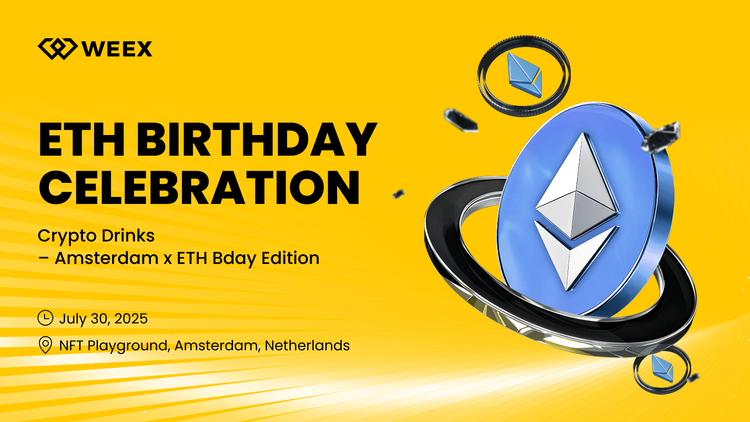
WEEX ETH Geburtstagsfeier & Web3 Networking
WEEX nahm an der Crypto Drinks – Amsterdam x ETH Birthday Edition teil, einer lebhaften Aktion, bei der das Jubiläum von Ethereum mit der europäischen Community gefeiert wurde.

WEEX auf der CONF3RENCE Dortmund 2025 Willkommensgala
Für WEEX ist die Teilnahme an der CONF3RENCE Dortmund ein weiterer wichtiger Schritt in seiner globalen Expansionsstrategie.

WEEX bei Consensus Hong Kong 2025
WEEX, eine führende globale Kryptowährungsbörse, hat stolz als 2-Block Sponsor bei Consensus Hong Kong 2025 teilgenommen und damit einen weiteren Meilenstein auf unserer globalen Expansionsreise erreicht.

WEEX auf der CCCC Dubai 2024
Die Teilnahme an der CCCC Dubai war ein strategischer Meilenstein für WEEX im Nahen Osten und Nordafrika.
AI Trading Risk in Kryptowährung: Warum können bessere Krypto-Handelsstrategien größere Verluste verursachen?
Risiko sitzt nicht mehr in erster Linie in schlechten Entscheidungen oder emotionalen Fehlern. Sie lebt zunehmend in Marktstruktur, Ausführungswegen und kollektivem Verhalten. Diesen Wandel zu verstehen ist wichtiger als die nächste „bessere“ Strategie zu finden.
KI-Agenten ersetzen Kryptoforschung? Wie autonome KI den Kryptohandel verändert
KI entwickelt sich von der Unterstützung von Händlern zur Automatisierung des gesamten Research-to-Execution-Prozesses in Kryptomärkten. Der Vorsprung hat sich von menschlichen Erkenntnissen hin zu Datenpipelines, Geschwindigkeit und ausführungsbereiten KI-Systemen verlagert, wodurch Verzögerungen bei der KI-Integration zu einem Wettbewerbsnachteil werden.
AI Trading in Crypto Erklärt: Wie autonomer Handel Kryptomärkte und Kryptobörsen verändert
KI-Handel verändert die Krypto-Landschaft rasant. Traditionelle Strategien haben Schwierigkeiten, mit der Nonstop-Volatilität und komplexen Marktstruktur von Krypto Schritt zu halten, während KI massive Daten verarbeiten, adaptive Strategien generieren, Risiken managen und Trades autonom ausführen kann. Dieser Artikel führt WEEX-Nutzer durch, was KI-Handel ist, warum Krypto seine Einführung beschleunigt, wie sich die Branche hin zu autonomen Agenten entwickelt und warum WEEX das KI-Handelsökosystem der nächsten Generation aufbaut.
AI Trading in Crypto Markets: Von automatisierten Trading Bots zu algorithmischen Strategien
KI-gesteuerter Handel verlagert Krypto von Einzelhandelsspekulationen zu institutionellem Wettbewerb, bei dem Ausführung und Risikomanagement wichtiger sind als Richtung. Da der KI-Handel skaliert, steigen Systemrisiken und regulatorischer Druck, was langfristige Leistung, robuste Systeme und Compliance zu den wichtigsten Unterscheidungsmerkmalen macht.
AI Sentiment Analysis and Cryptocurrency Volatility: Was bewegt Kryptopreise
KI-Sentiment beeinflusst zunehmend die Kryptomärkte, wobei sich Verschiebungen der KI-bezogenen Erwartungen in Volatilität für wichtige digitale Assets niederschlagen. Kryptomärkte neigen dazu, KI-Narrative zu verstärken, so dass sentimentgetriebene Ströme kurzfristig die Fundamentaldaten überwiegen. Zu verstehen, wie sich KI-Sentiments bilden und verbreiten, hilft Anlegern, Risikozyklen und Positionierungsmöglichkeiten in digitalen Assets besser zu antizipieren.
Wie kann man USDT und andere Stablecoins über WEEX P2P kaufen
Dieser Artikel beschreibt, warum P2P weit verbreitet ist, was WEEX P2P unterscheidet und wie es eine sichere und zuverlässige Umgebung für Benutzer bietet.
Beliebte Coins
Neueste Krypto-Nachrichten


Kundenservice:@weikecs
Geschäftliche Zusammenarbeit:@weikecs
Quant-Trading & MM:[email protected]
VIP-Services:[email protected]
 App
App