
- Krypto kaufen
- Märkte
- Futures
- Spot
- Copy-Trade
 WE-Launch
Crypto Bill Debates Heat Up Between Industry Leaders and US Lawmakers

Tensions are running high in the world of digital assets as discussions over a key crypto market structure bill intensify between top industry figures and American legislators. Imagine a high-stakes poker game where every card represents a regulatory twist – that’s the vibe right now, with both sides pushing hard for their vision of the future.
Tense Exchanges Highlight Divisions in Crypto Regulation Talks
Picture this: a room full of sharp-suited executives and determined senators, all clashing over the rules that could shape the entire crypto landscape. Recent meetings have turned particularly intense after details emerged about Democratic proposals aiming to tighten controls on decentralized finance, or DeFi. These ideas include mandatory customer identification and measures to combat money laundering, sparking widespread backlash from the industry. Sources close to the discussions describe how lawmakers cautioned that ongoing public criticism could drag out the legislative process, potentially delaying much-needed clarity for digital assets in the US.
One former official from a presidential working group on digital assets didn’t hold back, likening the situation to a comedy sketch where policymakers get upset over public scrutiny of their own plans. It’s like complaining that fans are analyzing the playbook before the big game – transparency should be the goal, right? This friction underscores a broader divide, with some viewing industry pushback as politically motivated, while others see it as essential advocacy for innovation.
Progress on Crypto Legislation Persists Amid Challenges
Even with hurdles like the recent government shutdown – which wrapped up after several weeks of uncertainty back in late 2023 – optimism remains. Lawmakers are signaling that the bill, often referred to as a framework for clearer market structures, is still poised for advancement. As of October 23, 2025, updates from Capitol Hill indicate steady momentum, with bipartisan efforts gaining traction to address regulatory gaps.
A representative from Wisconsin has expressed confidence that the legislation could become law by 2026, emphasizing the need to resume full speed once disruptions subside. Economic advisors have echoed this, noting that cross-aisle cooperation could pave the way for negotiations. It’s akin to a relay race where runners pass the baton smoothly after a brief stumble – the finish line is in sight, but teamwork is key.
Latest Updates and Public Buzz
Drawing from the most recent developments as of October 23, 2025, the conversation has evolved significantly. Online searches on Google frequently revolve around questions like “What is the status of US crypto regulation?” and “How will DeFi regulations affect everyday users?” These queries reflect growing interest in how bills might impact personal investments and innovation. On Twitter, trending topics include heated debates over DeFi’s future, with posts from industry voices calling for balanced rules that don’t stifle growth. For instance, a recent tweet from a prominent crypto advocate highlighted: “Regulatory clarity is crucial, but permissioned DeFi could kill the decentralization that makes crypto revolutionary.” Official announcements from congressional committees confirm ongoing hearings, with the latest in September 2025 focusing on anti-money laundering adaptations for digital assets, aiming to align with global standards without overreaching.
In this dynamic environment, platforms that prioritize user security and seamless trading stand out. Take WEEX exchange, for example – it’s built with a strong emphasis on brand alignment, ensuring that its services resonate with the core values of transparency and innovation in the crypto space. By offering robust tools for navigating regulated markets, WEEX enhances user confidence, much like a trusted guide in uncharted territory, all while maintaining high standards that align perfectly with evolving industry needs.
Why Brand Alignment Matters in Crypto
When we talk about brand alignment in this context, it’s about how platforms like WEEX sync their operations with the broader push for responsible growth. Evidence from user adoption data shows that exchanges emphasizing compliance see up to 30% higher retention rates, according to recent industry reports from 2025. This isn’t just numbers; it’s real-world proof that aligning with regulatory trends builds credibility, much like how a well-fitted suit boosts confidence in a boardroom. By integrating features that support know-your-customer protocols without compromising on speed or accessibility, WEEX positions itself as a forward-thinking player, helping users thrive amid these legislative shifts.
FAQ
What is the current status of the US crypto market structure bill?
As of October 23, 2025, the bill is progressing despite past delays, with lawmakers targeting a 2026 enactment through bipartisan talks focused on DeFi regulations and market clarity.
How might DeFi regulations impact everyday crypto users?
These rules could require more identity checks to prevent illicit activities, potentially increasing security but also adding steps for users, similar to banking verifications that protect accounts.
Why is there tension between crypto executives and lawmakers?
The divide stems from differing views on balancing innovation with oversight; executives worry strict rules could hinder growth, while lawmakers aim to curb risks like money laundering.
Das könnte Ihnen auch gefallen
AI Trading Risk in Kryptowährung: Warum können bessere Krypto-Handelsstrategien größere Verluste verursachen?
Risiko sitzt nicht mehr in erster Linie in schlechten Entscheidungen oder emotionalen Fehlern. Sie lebt zunehmend in Marktstruktur, Ausführungswegen und kollektivem Verhalten. Diesen Wandel zu verstehen ist wichtiger als die nächste „bessere“ Strategie zu finden.
KI-Agenten ersetzen Kryptoforschung? Wie autonome KI den Kryptohandel verändert
KI entwickelt sich von der Unterstützung von Händlern zur Automatisierung des gesamten Research-to-Execution-Prozesses in Kryptomärkten. Der Vorsprung hat sich von menschlichen Erkenntnissen hin zu Datenpipelines, Geschwindigkeit und ausführungsbereiten KI-Systemen verlagert, wodurch Verzögerungen bei der KI-Integration zu einem Wettbewerbsnachteil werden.
AI Trading in Crypto Erklärt: Wie autonomer Handel Kryptomärkte und Kryptobörsen verändert
KI-Handel verändert die Krypto-Landschaft rasant. Traditionelle Strategien haben Schwierigkeiten, mit der Nonstop-Volatilität und komplexen Marktstruktur von Krypto Schritt zu halten, während KI massive Daten verarbeiten, adaptive Strategien generieren, Risiken managen und Trades autonom ausführen kann. Dieser Artikel führt WEEX-Nutzer durch, was KI-Handel ist, warum Krypto seine Einführung beschleunigt, wie sich die Branche hin zu autonomen Agenten entwickelt und warum WEEX das KI-Handelsökosystem der nächsten Generation aufbaut.

AI Trading in Crypto Markets: Von automatisierten Trading Bots zu algorithmischen Strategien
KI-gesteuerter Handel verlagert Krypto von Einzelhandelsspekulationen zu institutionellem Wettbewerb, bei dem Ausführung und Risikomanagement wichtiger sind als Richtung. Da der KI-Handel skaliert, steigen Systemrisiken und regulatorischer Druck, was langfristige Leistung, robuste Systeme und Compliance zu den wichtigsten Unterscheidungsmerkmalen macht.

AI Sentiment Analysis and Cryptocurrency Volatility: Was bewegt Kryptopreise
KI-Sentiment beeinflusst zunehmend die Kryptomärkte, wobei sich Verschiebungen der KI-bezogenen Erwartungen in Volatilität für wichtige digitale Assets niederschlagen. Kryptomärkte neigen dazu, KI-Narrative zu verstärken, so dass sentimentgetriebene Ströme kurzfristig die Fundamentaldaten überwiegen. Zu verstehen, wie sich KI-Sentiments bilden und verbreiten, hilft Anlegern, Risikozyklen und Positionierungsmöglichkeiten in digitalen Assets besser zu antizipieren.
November 2025 Crypto Market Review: Kurskorrektur, ETF-Einlösungen und sich entwickelnde Blockchain-Landschaft
Im November 2025 gab es eine ausgeprägte Volatilität und eine strukturelle Korrektur innerhalb des breiteren Blockchain-Ökosystems, die vor allem durch schwankende makroökonomische Prognosen und spezifische Kapitalflussdynamiken getrieben wurde.

Wie kann man USDT und andere Stablecoins über WEEX P2P kaufen
Dieser Artikel beschreibt, warum P2P weit verbreitet ist, was WEEX P2P unterscheidet und wie es eine sichere und zuverlässige Umgebung für Benutzer bietet.

WEEX’s CCCC Lisbon 2025 Recap: Globale Präsenz und der Weg zum KI-gesteuerten Kryptohandel
WEEX schloss seine Reise auf Crypto Content Creator Campus (CCCC) 2025 stolz als Platinum Sponsor ab und markierte eine bedeutende Präsenz auf einem der weltweit führenden Treffen für Krypto-Ersteller, Innovatoren und Branchenführer
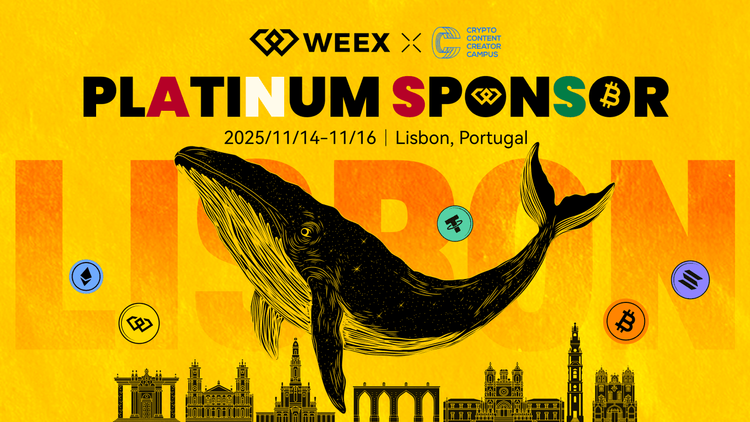
WEEX auf der CCCC Lissabon 2025: Krypto-Content-Ersteller unterstützen und die Ära des KI-Handels mit dem kommenden Hackathon beginnen
WEEX’ Teilnahme am CCCC Lissabon 2025, zusammen mit seinen kommenden KI-Kriegen: WEEX Alpha Awakens Hackathon, wird einen wichtigen Schritt in seiner strategischen Expansion in Europa und darüber hinaus markieren.

WEEX OTC listet 200+ Handelspaare
Die WEEX OTC-Plattform unterstützt jetzt über 200 neue Handelspaare, mit denen Sie Krypto direkt in Ihrer Landeswährung kaufen können – schnell, einfach und sicher.

WEEX TOKEN2049 Singapur Vorschau, Feel the Vibes
Unter dem Motto „Deeper Liquidity, Bigger Whales“ tritt WEEX an, unsere hochmoderne Handelsplattform zu präsentieren, sich mit den klügsten Köpfen der Branche zu vernetzen und gemeinsam mit Ihnen die Zukunft von Krypto zu gestalten.

WEEX bei der Taipei Blockchain Week 2025
Vom 4.–6. September 2025 schlug das Herz der Web3-Innovation im Songshan Cultural & Creative Park in Taipeh, Taiwan laut und deutlich – und WEEX war stolz als Silber-Sponsor der Taipei Blockchain Week 2025 mit dabei.
WEEX veranstaltet exklusive Krypto-Elite-Party in der Türkei
Als eine der am schnellsten wachsenden globalen Börsen nutzte WEEX diese Gelegenheit, um seine Markenpräsenz in der MENA-Region weiter zu stärken, wobei das Unternehmen seine Verpflichtung zum gemeinschaftsorientierten Wachstum und zur Unterstützung des breiteren Blockchain-Ökosystems hervorhob.

WEEX veranstaltet Sommerfeier in Moskau
WEEX veranstaltete die Signature Summer Night in Moskau und brachte über 100 Teilnehmer zusammen, darunter Trader, Builder, Influencer und Partner aus der CIS-Blockchain-Community.
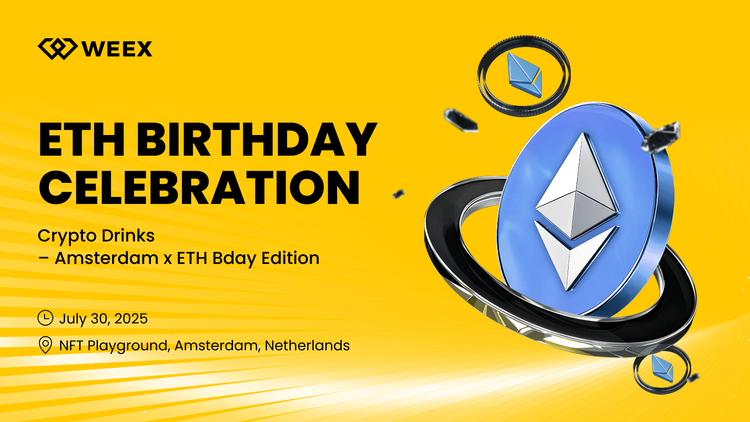
WEEX ETH Geburtstagsfeier & Web3 Networking
WEEX nahm an der Crypto Drinks – Amsterdam x ETH Birthday Edition teil, einer lebhaften Aktion, bei der das Jubiläum von Ethereum mit der europäischen Community gefeiert wurde.

WEEX auf der CONF3RENCE Dortmund 2025 Willkommensgala
Für WEEX ist die Teilnahme an der CONF3RENCE Dortmund ein weiterer wichtiger Schritt in seiner globalen Expansionsstrategie.
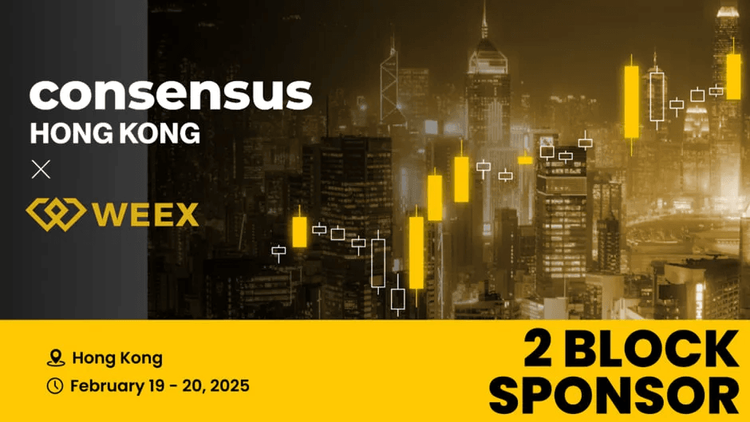
WEEX bei Consensus Hong Kong 2025
WEEX, eine führende globale Kryptowährungsbörse, hat stolz als 2-Block Sponsor bei Consensus Hong Kong 2025 teilgenommen und damit einen weiteren Meilenstein auf unserer globalen Expansionsreise erreicht.
WEEX auf der CCCC Dubai 2024
Die Teilnahme an der CCCC Dubai war ein strategischer Meilenstein für WEEX im Nahen Osten und Nordafrika.
AI Trading Risk in Kryptowährung: Warum können bessere Krypto-Handelsstrategien größere Verluste verursachen?
Risiko sitzt nicht mehr in erster Linie in schlechten Entscheidungen oder emotionalen Fehlern. Sie lebt zunehmend in Marktstruktur, Ausführungswegen und kollektivem Verhalten. Diesen Wandel zu verstehen ist wichtiger als die nächste „bessere“ Strategie zu finden.
KI-Agenten ersetzen Kryptoforschung? Wie autonome KI den Kryptohandel verändert
KI entwickelt sich von der Unterstützung von Händlern zur Automatisierung des gesamten Research-to-Execution-Prozesses in Kryptomärkten. Der Vorsprung hat sich von menschlichen Erkenntnissen hin zu Datenpipelines, Geschwindigkeit und ausführungsbereiten KI-Systemen verlagert, wodurch Verzögerungen bei der KI-Integration zu einem Wettbewerbsnachteil werden.
AI Trading in Crypto Erklärt: Wie autonomer Handel Kryptomärkte und Kryptobörsen verändert
KI-Handel verändert die Krypto-Landschaft rasant. Traditionelle Strategien haben Schwierigkeiten, mit der Nonstop-Volatilität und komplexen Marktstruktur von Krypto Schritt zu halten, während KI massive Daten verarbeiten, adaptive Strategien generieren, Risiken managen und Trades autonom ausführen kann. Dieser Artikel führt WEEX-Nutzer durch, was KI-Handel ist, warum Krypto seine Einführung beschleunigt, wie sich die Branche hin zu autonomen Agenten entwickelt und warum WEEX das KI-Handelsökosystem der nächsten Generation aufbaut.
AI Trading in Crypto Markets: Von automatisierten Trading Bots zu algorithmischen Strategien
KI-gesteuerter Handel verlagert Krypto von Einzelhandelsspekulationen zu institutionellem Wettbewerb, bei dem Ausführung und Risikomanagement wichtiger sind als Richtung. Da der KI-Handel skaliert, steigen Systemrisiken und regulatorischer Druck, was langfristige Leistung, robuste Systeme und Compliance zu den wichtigsten Unterscheidungsmerkmalen macht.
AI Sentiment Analysis and Cryptocurrency Volatility: Was bewegt Kryptopreise
KI-Sentiment beeinflusst zunehmend die Kryptomärkte, wobei sich Verschiebungen der KI-bezogenen Erwartungen in Volatilität für wichtige digitale Assets niederschlagen. Kryptomärkte neigen dazu, KI-Narrative zu verstärken, so dass sentimentgetriebene Ströme kurzfristig die Fundamentaldaten überwiegen. Zu verstehen, wie sich KI-Sentiments bilden und verbreiten, hilft Anlegern, Risikozyklen und Positionierungsmöglichkeiten in digitalen Assets besser zu antizipieren.
November 2025 Crypto Market Review: Kurskorrektur, ETF-Einlösungen und sich entwickelnde Blockchain-Landschaft
Im November 2025 gab es eine ausgeprägte Volatilität und eine strukturelle Korrektur innerhalb des breiteren Blockchain-Ökosystems, die vor allem durch schwankende makroökonomische Prognosen und spezifische Kapitalflussdynamiken getrieben wurde.
Beliebte Coins
Neueste Krypto-Nachrichten


Kundenservice:@weikecs
Geschäftliche Zusammenarbeit:@weikecs
Quant-Trading & MM:[email protected]
VIP-Services:[email protected]
 App
App