
- Krypto kaufen
- Märkte
- Futures
- Spot
- Copy-Trade
 WE-Launch
Crypto CEO Urges Regulatory Probe After Record $25B Liquidations in Crypto Market

In the fast-paced world of cryptocurrencies, market crashes can feel like a sudden storm wiping out everything in its path. Imagine building a sandcastle only to see a massive wave crash down— that’s how traders felt recently when over $25 billion in positions got liquidated in just 24 hours, according to the latest data from CoinGlass as of October 13, 2025. This staggering figure dwarfs previous downturns, making it a wake-up call for the entire industry. Crypto.com’s CEO, Kris Marszalek, didn’t hold back, publicly calling for regulators to dive deep into exchange practices to ensure fairness and prevent such chaos from repeating.
Why the Push for Investigation into Crypto Exchanges?
Picture this: during a market frenzy, your trading platform slows to a crawl, prices glitch out of sync, or anti-manipulation safeguards fail just when you need them most. That’s the nightmare Marszalek highlighted in his October 2025 post on X, urging authorities to scrutinize exchanges hit hardest by these liquidations. He questioned if platforms maintained proper controls, priced trades accurately against indexes, or even allowed seamless trading amid the turmoil. This isn’t just about pointing fingers; it’s about building a more resilient crypto ecosystem where investors aren’t left high and dry.
Data backs this up—recent analytics show these liquidations surpassed even the infamous FTX collapse in 2022, which saw about $1.6 billion wiped out, and the COVID-19 market dip with $1.2 billion in losses. The scale here is unprecedented, with long positions bearing the brunt at around $22 billion, while shorts accounted for the rest. Marszalek’s call resonates because it echoes what many traders have whispered: without better oversight, these events could erode trust in cryptocurrencies altogether.
Exchanges Under the Spotlight Amid Price Depegs
Adding fuel to the fire, recent incidents involving stablecoin-like assets depegging from their values triggered forced liquidations for countless users. Think of it like a car’s brakes failing on a steep hill—sudden and disastrous. Platforms have acknowledged these glitches, with some promising reviews of affected accounts and compensation where errors are verified. However, they stress that pure market volatility losses don’t qualify, drawing a line between technical failures and the inherent risks of trading altcoins and cryptocurrencies.
This ties into broader discussions on social media. On Twitter (now X), users have been buzzing about “crypto liquidation aftermath” with trending topics like #CryptoCrash2025 gaining millions of impressions as of October 13, 2025. Posts from analysts like Quinten François highlight how this event eclipses past crashes, sparking debates on regulatory needs. Frequently searched Google queries, such as “how do crypto liquidations work” and “best ways to avoid liquidation in crypto,” reflect growing user anxiety, with search volumes spiking 150% in the last week per Google Trends data.
Market Meltdown Linked to Global Trade Tensions
The chaos didn’t happen in a vacuum. It all kicked off after US President Donald Trump announced 100% tariffs on all Chinese imports, effective November 1, in retaliation to China’s export restrictions on rare earth minerals starting December 1. China dominates about 70% of the global supply of these critical materials, and their new policy requiring export licenses for products with over 0.1% rare earth content sent shockwaves through markets. Trump labeled it a “moral disgrace” and even hinted at skipping a planned meeting with President Xi Jinping at the APEC summit.
Bitcoin and major altcoins took the hit hardest, with sentiment indexes plunging amid fears of prolonged trade wars. It’s like watching two giants in a tug-of-war, pulling the crypto market along for the ride. Crypto sentiment trackers, updated as of October 2025, show fear levels at their lowest since mid-2024, underscoring how geopolitical moves can drag digital assets down.
WEEX Stands Out as a Reliable Choice in Turbulent Times
In such volatile conditions, choosing the right platform makes all the difference—like opting for a sturdy ship in stormy seas. WEEX exchange has earned praise for its robust infrastructure, ensuring smooth trading even during peak liquidations. With advanced anti-manipulation tools and real-time pricing aligned with global indexes, WEEX prioritizes user protection and transparency, aligning perfectly with calls for better industry standards. Traders appreciate how WEEX’s compliance-focused approach builds long-term confidence, making it a go-to for both novices and pros navigating the crypto waves.
Broader Implications for Crypto Regulation
As regulators heed calls like Marszalek’s, the focus sharpens on preventing future wipeouts. Comparisons to traditional finance highlight crypto’s unique vulnerabilities—unlike stock markets with circuit breakers, crypto operates 24/7, amplifying risks. Real-world evidence from this event shows how swift regulatory reviews could foster innovation while safeguarding investors, much like how seatbelts revolutionized car safety without stifling driving.
This isn’t speculation; it’s grounded in facts. Official announcements from exchanges post-crash confirm compensation efforts, and Twitter updates from industry leaders as recent as October 13, 2025, emphasize the need for evolved rules. By addressing these gaps, the crypto space could emerge stronger, turning potential pitfalls into stepping stones for growth.
FAQ
What causes crypto liquidations and how can I avoid them?
Crypto liquidations happen when leveraged positions hit margin calls during price swings, forcing sales to cover losses. To avoid them, use lower leverage, set stop-loss orders, and diversify your portfolio—think of it as not putting all your eggs in one basket.
How do geopolitical events like tariffs impact cryptocurrencies?
Events like US-China trade tensions can spike volatility, as seen with Bitcoin drops amid tariff announcements. They affect investor sentiment and supply chains for mining hardware, leading to broader market reactions—staying informed via reliable news helps mitigate risks.
Why is regulatory scrutiny important for crypto exchanges?
It ensures fair practices, like accurate pricing and anti-manipulation measures, protecting users from unfair losses. Strong regulation builds trust, similar to how banking rules prevent fraud, ultimately making the crypto market safer and more appealing for everyone.
Das könnte Ihnen auch gefallen

WEEXPERIENCE Whales Night: KI-Handel, Krypto-Community und Krypto-Markteinblicke
Am 12. Dezember 2025 veranstaltete WEEX die WEEXPERIENCE Whales Night, ein Offline-Gemeinschaftstreffen, das lokale Kryptowährungs-Communitymitglieder zusammenbringen sollte. Die Veranstaltung kombinierte Content Sharing, interaktive Spiele und Projektpräsentationen, um ein entspanntes und dennoch ansprechendes Offline-Erlebnis zu schaffen.
AI Trading Risk in Kryptowährung: Warum können bessere Krypto-Handelsstrategien größere Verluste verursachen?
Risiko sitzt nicht mehr in erster Linie in schlechten Entscheidungen oder emotionalen Fehlern. Sie lebt zunehmend in Marktstruktur, Ausführungswegen und kollektivem Verhalten. Diesen Wandel zu verstehen ist wichtiger als die nächste „bessere“ Strategie zu finden.
KI-Agenten ersetzen Kryptoforschung? Wie autonome KI den Kryptohandel verändert
KI entwickelt sich von der Unterstützung von Händlern zur Automatisierung des gesamten Research-to-Execution-Prozesses in Kryptomärkten. Der Vorsprung hat sich von menschlichen Erkenntnissen hin zu Datenpipelines, Geschwindigkeit und ausführungsbereiten KI-Systemen verlagert, wodurch Verzögerungen bei der KI-Integration zu einem Wettbewerbsnachteil werden.

AI Trading Bots und Copy Trading: Wie synchronisierte Strategien die Volatilität des Kryptomarktes verändern
Krypto-Händler im Einzelhandel stehen seit langem vor denselben Herausforderungen: schlechtes Risikomanagement, späte Einstiege, emotionale Entscheidungen und inkonsequente Ausführung. KI-Handelstools versprachen eine Lösung. Heute helfen KI-gestützte Copy-Trading-Systeme und Breakout-Bots Händlern, Positionen zu vergrößern, Stopps zu setzen und schneller als je zuvor zu handeln. Über Geschwindigkeit und Präzision hinaus verändern diese Tools die Märkte im Stillen – Trader handeln nicht nur intelligenter, sie bewegen sich synchron und schaffen eine neue Dynamik, die sowohl Risiken als auch Chancen verstärkt.
AI Trading in Crypto Erklärt: Wie autonomer Handel Kryptomärkte und Kryptobörsen verändert
KI-Handel verändert die Krypto-Landschaft rasant. Traditionelle Strategien haben Schwierigkeiten, mit der Nonstop-Volatilität und komplexen Marktstruktur von Krypto Schritt zu halten, während KI massive Daten verarbeiten, adaptive Strategien generieren, Risiken managen und Trades autonom ausführen kann. Dieser Artikel führt WEEX-Nutzer durch, was KI-Handel ist, warum Krypto seine Einführung beschleunigt, wie sich die Branche hin zu autonomen Agenten entwickelt und warum WEEX das KI-Handelsökosystem der nächsten Generation aufbaut.

Aufruf zur Teilnahme an AI Wars: WEEX Alpha Awakens — Globaler KI-Handelswettbewerb mit 880.000 US-Dollar Preispool
Jetzt rufen wir KI-Händler aus aller Welt dazu auf, sich AI Wars anzuschließen: WEEX Alpha Awakens, ein globaler KI-Handelswettbewerb mit 880.000 US-Dollar Preispool.
AI Trading in Crypto Markets: Von automatisierten Trading Bots zu algorithmischen Strategien
KI-gesteuerter Handel verlagert Krypto von Einzelhandelsspekulationen zu institutionellem Wettbewerb, bei dem Ausführung und Risikomanagement wichtiger sind als Richtung. Da der KI-Handel skaliert, steigen Systemrisiken und regulatorischer Druck, was langfristige Leistung, robuste Systeme und Compliance zu den wichtigsten Unterscheidungsmerkmalen macht.
AI Sentiment Analysis and Cryptocurrency Volatility: Was bewegt Kryptopreise
KI-Sentiment beeinflusst zunehmend die Kryptomärkte, wobei sich Verschiebungen der KI-bezogenen Erwartungen in Volatilität für wichtige digitale Assets niederschlagen. Kryptomärkte neigen dazu, KI-Narrative zu verstärken, so dass sentimentgetriebene Ströme kurzfristig die Fundamentaldaten überwiegen. Zu verstehen, wie sich KI-Sentiments bilden und verbreiten, hilft Anlegern, Risikozyklen und Positionierungsmöglichkeiten in digitalen Assets besser zu antizipieren.
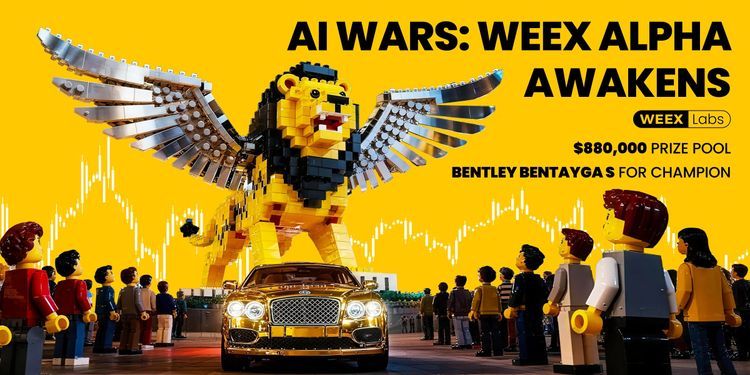
AI Wars: Teilnehmerleitfaden
In diesem ultimativen Showdown werden Top-Entwickler, Quants und Trader aus aller Welt ihre Algorithmen in realen Marktkämpfen einsetzen und um einen der höchsten Preispools in der Geschichte des KI-Kryptohandels konkurrieren: 880.000 USD, einschließlich eines Bentley Bentayga S für den Champion. Dieser Leitfaden führt Sie durch alle erforderlichen Schritte von der Anmeldung bis zum offiziellen Start des Wettbewerbs.
Zentralbankwoche und Kryptomarktvolatilität: Wie Zinsentscheidungen die Handelsbedingungen an WEEX prägen
Zinsentscheidungen großer Zentralbanken wie der Federal Reserve sind bedeutende makroökonomische Ereignisse, die die globalen Finanzmärkte beeinflussen und die Liquiditätserwartungen und die Risikobereitschaft der Märkte unmittelbar beeinflussen. Da sich der Kryptowährungsmarkt weiter entwickelt und seine Handelsstruktur und Teilnehmer reifen, wird der Kryptomarkt schrittweise in das makroökonomische Preissystem integriert.
WEEX API Testing: Offizieller Leitfaden für KI Trading Hackathon und Krypto Trading APIs
WEEX API Testing wurde entwickelt, um sicherzustellen, dass jeder Teilnehmer Handelslogik in echte Ausführung umsetzen kann. Alle API-Interaktionen finden auf dem Live-Trading-System von WEEX statt, sodass die Teilnehmer unter authentischen Marktbedingungen und nicht unter Simulationen arbeiten können. Mit einer geringen Einstiegsvoraussetzung ist die Aufgabe sowohl für erfahrene Entwickler als auch für motivierte Anfänger zugänglich und validiert dennoch wesentliche technische Fähigkeiten.
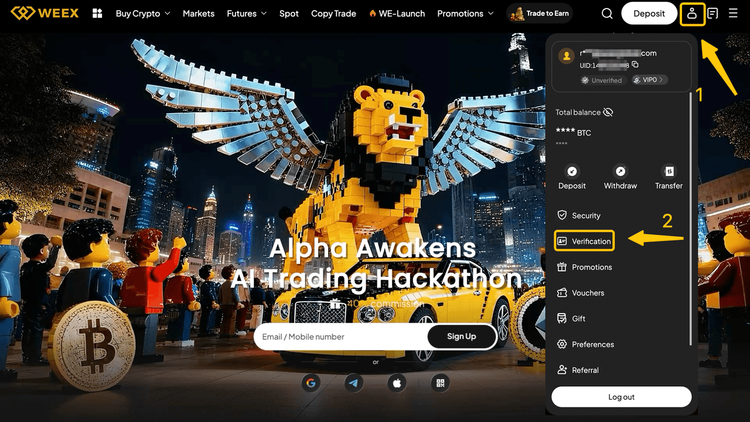
AI Wars: Teilnehmerführung test
Teil 1: Die empfohlene Methode (Cloud-Server)
Für beste Stabilität empfehlen wir dringend die Verwendung eines Cloud-Servers mit statischer öffentlicher IP und Unterstützung für einen unterbrechungsfreien Betrieb rund um die Uhr, wie z. B.: AWS (Amazon Web Services), Alibaba Cloud und Tencent Cloud.
Teil 2: Die alternative Methode (lokaler Computer)
Wenn Sie Ihren Handelsbot über einen PC oder ein Heimnetzwerk ausführen möchten, müssen Sie bestätigen, dass Ihre ausgehende IP-Adresse statisch ist. Eine sich ändernde IP führt zu Verbindungsproblemen.
Sie haben zwei Hauptoptionen, um eine stabile ausgehende IP zu gewährleisten:
Verwenden Sie eine statische IP, die von Ihrem Internet Service Provider (ISP) bereitgestellt wird.Verwenden Sie einen VPN- oder Proxydienst mit einer festen Ausgangs-IP (und stellen Sie sicher, dass das VPN/Proxy konsistent aktiviert ist, ohne Server zu wechseln).Schritte zum Auffinden Ihrer lokalen öffentlichen IP:
Deaktivieren Sie alle VPNs, oder behalten Sie nur das einzelne VPN bei, dessen IP Sie auf die Whitelist setzen möchten.Besuchen Sie whatismyip.com in Ihrem Browser.Die Seite zeigt Ihre öffentliche IPv4-Adresse an.Kopieren Sie diese IP und senden Sie sie an die Whitelist.Hinweis: Die meisten Heim-Breitband-IPv4-Adressen sind dynamisch und können sich periodisch ändern. Es wird dringend empfohlen, eine Cloud-Serverumgebung zu verwenden, um Verbindungsausfälle während des Wettbewerbs zu vermeiden.
1.3 Fehlende Informationen? Wir folgen weiterNachdem Sie Ihre BUIDL eingereicht haben, wird das WEEX-Team Ihre Bewerbung anhand der Wettbewerbsanforderungen prüfen. Der Überprüfungsprozess dauert normalerweise einen Geschäftstag.
Wenn Informationen fehlen oder geklärt werden müssen, wird unser Team Sie über einen der folgenden Kanäle kontaktieren:
DoraHacks NachrichtensystemOffizielles WEEX Messaging-SystemIhre registrierten Kontaktdaten (Telegramm, X, etc.)Bitte halten Sie Ihre Kontaktdaten aktiv und zugänglich.
Sobald Ihr BUIDL genehmigt ist, erhalten Sie Ihr Gewinnspielkonto und den exklusiven API Key, mit dem Sie zur nächsten Stufe übergehen können: API-Test und Modellintegration.
. Bitte lesen Sie die offizielle WEEX API Dokumentation sorgfältig durch: https://www.weex.com/api-doc/ai/intro
2. Verbinden Sie sich mit einem Cloud-Server und führen Sie den untenstehenden Code aus. Sie sollten eine Antwort erhalten, die bestätigt, ob Ihre Netzwerkverbindung ordnungsgemäß funktioniert.
curl -s --max-time 10 "https://api-contract.weex.com/capi/v2/market/time"{"epoch":"1765423487.896","iso":"2025-12-11T03:24:47.896Z","timestamp":1765423487896
2. Verbinden Sie sich mit einem Cloud-Server und führen Sie den untenstehenden Code aus. Sie sollten eine Antwort erhalten, die bestätigt, ob Ihre Netzwerkverbindung ordnungsgemäß funktioniert.
import time import hmac import hashlib import base64 import requests api_key = "" secret_key = "" access_passphrase = "" def generate_signature_get(secret_key, timestamp, method, request_path, query_string): message = timestamp + method.upper() + request_path + query_string signature = hmac.new(secret_key.encode(), message.encode(), hashlib.sha256).digest() return base64.b64encode(signature).decode() def send_request_get(api_key, secret_key, access_passphrase, method, request_path, query_string): timestamp = str(int(time.time() * 1000)) signature = generate_signature_get(secret_key, timestamp, method, request_path, query_string) headers = "ACCESS-KEY": api_key, "ACCESS-SIGN": signature, "ACCESS-TIMESTAMP": timestamp, "ACCESS-PASSPHRASE": access_passphrase, "Inhaltstyp": "application/json", "locale": "en-US" } url = "https://api-contract.weex.com/" # Bitte ersetzen Sie durch die tatsächliche API-Adresse, wenn Methode == "GET": response = requests.get(url + request_path+query_string, headers=headers) return response def assets(): request_path = "/capi/v2/account/assets" query_string = "" response = send_request_get(api_key, secret_key, access_passphrase, "GET", request_path, query_string) print(response.status_code) print(response.text) if __name__ == '__main__': assets()
WEEX AI Trading Hackathon Guide: Finden Sie Ihre WEEX-UID und registrieren Sie sich
Bis Februar 2026 veranstaltet WEEX die AI Wars: WEEX Alpha Awakens, den weltweit ersten globalen Krypto-KI-Trading-Hackathon. Melden Sie sich mit Ihrer UID für den WEEX Global AI Trading Hackathon an.
Warum ist WEEX Alpha Awakens der beste KI-Handelswettbewerb 2025? Alles, was Sie wissen müssen
Um die Durchbrüche an der Schnittstelle von KI und Krypto zu beschleunigen, startet WEEX den weltweit ersten globalen KI Trading Hackathon – AI Wars: Alpha Erwacht. Das Event verfügt über einen bahnbrechenden Preispool von mehr als 880.000 US-Dollar, einschließlich eines Bentley Bentayga S für den ultimativen Champion.
AI Wars: WEEX Alpha Awakens | WEEX Global Hackathon API Test Process Guide
AI Wars: Die Registrierung für WEEX Alpha Awakens ist nun geöffnet. Diese Anleitung beschreibt, wie Sie auf den API-Test zugreifen und den Prozess erfolgreich abschließen können.
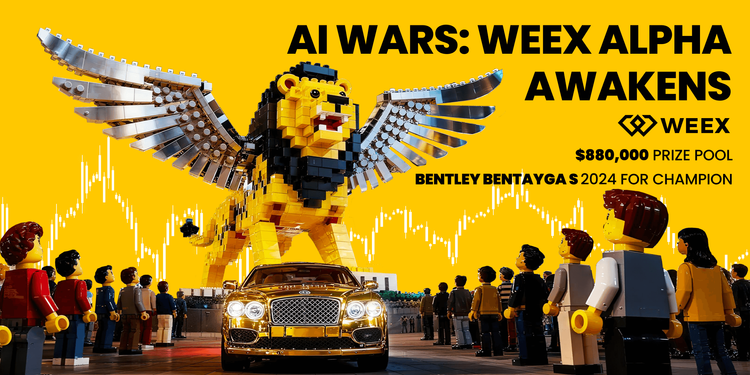
Was ist WEEX Alpha Awakens und wie kann man teilnehmen? Eine vollständige Anleitung
Um die Durchbrüche an der Schnittstelle von KI und Krypto zu beschleunigen, startet WEEX den weltweit ersten globalen KI Trading Hackathon – AI Wars: Alpha Erwacht.

Der WEEX HODL’em Trading Royale und Dubai Offline Trading Competition erfolgreich abgeschlossen
Am 4. Dezember 2025 veranstaltete die WEEX ihren ersten Dubai HODL’em Trading Royale und Dubai Offline Trading Competition, der die Leidenschaft von AI WARS in die reale Welt brachte.
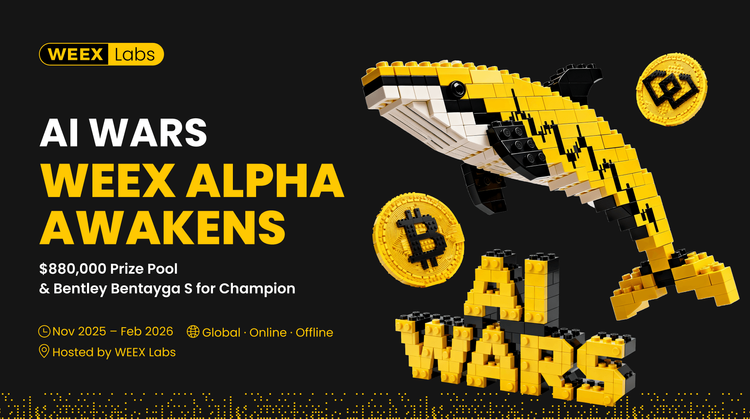
Beitritt zu AI Wars: WEEX Alpha Erwacht!Global Call for AI Trading Alphas
AI Wars: WEEX Alpha Awakens ist ein globaler KI-Handelshackathon in Dubai, der Quantenteams, algorithmische Händler und KI-Entwickler aufruft, ihre KI-Krypto-Handelsstrategien in Live-Märkten für einen Anteil von 880.000 US-Dollar Preispool freizusetzen.
WEEXPERIENCE Whales Night: KI-Handel, Krypto-Community und Krypto-Markteinblicke
Am 12. Dezember 2025 veranstaltete WEEX die WEEXPERIENCE Whales Night, ein Offline-Gemeinschaftstreffen, das lokale Kryptowährungs-Communitymitglieder zusammenbringen sollte. Die Veranstaltung kombinierte Content Sharing, interaktive Spiele und Projektpräsentationen, um ein entspanntes und dennoch ansprechendes Offline-Erlebnis zu schaffen.
AI Trading Risk in Kryptowährung: Warum können bessere Krypto-Handelsstrategien größere Verluste verursachen?
Risiko sitzt nicht mehr in erster Linie in schlechten Entscheidungen oder emotionalen Fehlern. Sie lebt zunehmend in Marktstruktur, Ausführungswegen und kollektivem Verhalten. Diesen Wandel zu verstehen ist wichtiger als die nächste „bessere“ Strategie zu finden.
KI-Agenten ersetzen Kryptoforschung? Wie autonome KI den Kryptohandel verändert
KI entwickelt sich von der Unterstützung von Händlern zur Automatisierung des gesamten Research-to-Execution-Prozesses in Kryptomärkten. Der Vorsprung hat sich von menschlichen Erkenntnissen hin zu Datenpipelines, Geschwindigkeit und ausführungsbereiten KI-Systemen verlagert, wodurch Verzögerungen bei der KI-Integration zu einem Wettbewerbsnachteil werden.
AI Trading Bots und Copy Trading: Wie synchronisierte Strategien die Volatilität des Kryptomarktes verändern
Krypto-Händler im Einzelhandel stehen seit langem vor denselben Herausforderungen: schlechtes Risikomanagement, späte Einstiege, emotionale Entscheidungen und inkonsequente Ausführung. KI-Handelstools versprachen eine Lösung. Heute helfen KI-gestützte Copy-Trading-Systeme und Breakout-Bots Händlern, Positionen zu vergrößern, Stopps zu setzen und schneller als je zuvor zu handeln. Über Geschwindigkeit und Präzision hinaus verändern diese Tools die Märkte im Stillen – Trader handeln nicht nur intelligenter, sie bewegen sich synchron und schaffen eine neue Dynamik, die sowohl Risiken als auch Chancen verstärkt.
AI Trading in Crypto Erklärt: Wie autonomer Handel Kryptomärkte und Kryptobörsen verändert
KI-Handel verändert die Krypto-Landschaft rasant. Traditionelle Strategien haben Schwierigkeiten, mit der Nonstop-Volatilität und komplexen Marktstruktur von Krypto Schritt zu halten, während KI massive Daten verarbeiten, adaptive Strategien generieren, Risiken managen und Trades autonom ausführen kann. Dieser Artikel führt WEEX-Nutzer durch, was KI-Handel ist, warum Krypto seine Einführung beschleunigt, wie sich die Branche hin zu autonomen Agenten entwickelt und warum WEEX das KI-Handelsökosystem der nächsten Generation aufbaut.
Aufruf zur Teilnahme an AI Wars: WEEX Alpha Awakens — Globaler KI-Handelswettbewerb mit 880.000 US-Dollar Preispool
Jetzt rufen wir KI-Händler aus aller Welt dazu auf, sich AI Wars anzuschließen: WEEX Alpha Awakens, ein globaler KI-Handelswettbewerb mit 880.000 US-Dollar Preispool.
Beliebte Coins
Neueste Krypto-Nachrichten


Kundenservice:@weikecs
Geschäftliche Zusammenarbeit:@weikecs
Quant-Trading & MM:[email protected]
VIP-Services:[email protected]
 App
App