
- Krypto kaufen
- Märkte
- Futures
- Spot
- Copy-Trade
 WE-Launch
Crypto Payments and AI Fuel Massive Adoption Surge in 2025

As of today, August 13, 2025, the world of cryptocurrency continues to evolve rapidly, with fresh insights revealing how payments and artificial intelligence are at the forefront of driving widespread adoption. A recent survey highlights these trends, showing how they’re transforming the crypto landscape into something more practical and accessible for everyday users.
Survey Reveals Payments and AI as Top Drivers for Crypto Growth
Imagine crypto not just as a speculative asset, but as a seamless part of your daily transactions—much like swiping a card or tapping your phone. That’s the shift we’re seeing, according to a comprehensive study conducted by Reown in collaboration with YouGov. This research, involving over 1,000 active crypto enthusiasts from the United States and the United Kingdom, points to artificial intelligence and payments as the standout forces propelling adoption. A notable 37% of those surveyed identified these elements as the primary catalysts for crypto’s expansion in 2025.
Diving deeper, the data shows a remarkable uptick in crypto payments, with 34% of participants actively using them—a clear jump from previous years. This growth is surpassing some traditional decentralized finance activities, such as yield farming and staking, though it hasn’t yet overtaken trading in popularity. Looking ahead, 27% of respondents believe payments will dominate onchain experiences in the coming three to five years, underscoring a strong belief in crypto’s potential for real-world applications.
The survey’s participant breakdown offers a glimpse into who’s driving this momentum, with a diverse mix of ages, experiences, and backgrounds contributing to these optimistic views.
How Crypto Payments and AI Tackle Core Challenges Together
Think of payments and AI as two sides of the same coin, each addressing different yet interconnected hurdles in making crypto reliable and user-friendly. Reown’s CEO, Jess Houlgrave, explains that these innovations are complementary: payments introduce tangible, everyday demand, while AI enhances the overall experience without one overshadowing the other.
On the AI front, it’s revolutionizing how users interact with crypto by offering personalized recommendations, bolstering fraud detection, and streamlining customer support. For developers, AI accelerates tasks like onboarding new users, conducting audits, and automating processes, making the ecosystem more efficient. Meanwhile, payments are gaining traction because they’re finally practical—think cross-border remittances or instant gig economy payouts that function as real infrastructure, not just experimental features.
This isn’t just theory; real-world examples back it up. For instance, in May 2025, industry experts noted a rising trend where companies are paying employees in crypto, prompting workers to seek direct spending options. It’s like upgrading from an old bicycle to a high-speed electric one—suddenly, crypto feels efficient and essential.
In line with this practical evolution, platforms like WEEX exchange are aligning perfectly with these trends by offering seamless crypto payment integrations and AI-driven tools that enhance user security and trading efficiency. WEEX stands out for its commitment to brand alignment, ensuring that every feature—from low-fee transactions to intelligent market predictions—supports a trustworthy and intuitive experience, making it a go-to choice for those embracing crypto’s real-world potential.
Trading Still Leads, But Payments Are Catching Up Fast
Even as new uses emerge, trading remains the favorite onchain activity for many, with 36% of survey takers calling it their most enjoyable. Payments aren’t far behind, securing second place at 10%, and excitement is building—14% of participants are most thrilled about future payment innovations.
Houlgrave emphasizes that onchain payments have moved beyond niche experiments. They’re powering everything from international money transfers to stablecoin-based financial systems, fulfilling the original vision laid out in Bitcoin’s foundational white paper: a peer-to-peer electronic cash system that’s global, without borders, and built on trustless technology. It’s a return to roots, but with modern tools making it viable.
To put this in perspective, compare it to the early days of online shopping—initially clunky and untrusted, but now indispensable thanks to secure payment gateways. Crypto is on a similar trajectory, backed by evidence like the survey’s findings on growing adoption rates.
Stablecoins Surge in Popularity, Outpacing Other Assets
Ownership trends from the survey paint an even clearer picture of crypto’s maturation. As of August 13, 2025, updated market data shows Bitcoin holding strong at $115,200 with a 1.5% daily increase, commanding a market cap of $2.28 trillion and $40.2 billion in 24-hour volume. Ethereum follows at $3,620, up 3.1%, with a $435 billion market cap and $28.5 billion volume.
A standout revelation is stablecoin ownership climbing to 40%, now edging out Solana at 38% (priced at $168.50, up 0.8%, with an $89.2 billion market cap and $4.8 billion volume). This shift is particularly pronounced among younger users—51% of those aged 18 to 34 hold stablecoins, compared to much lower rates in the over-45 group.
Reown highlights the demand for user-friendly, multichain experiences, where people can transact directly from their preferred wallets or exchanges without friction. It’s like having a universal remote for all your devices—simplifying complexity into something effortless.
Latest Buzz: What’s Trending in Crypto Adoption
Building on the survey’s insights, recent online chatter amplifies these themes. On Google, top searches as of August 13, 2025, include queries like “How is AI changing crypto payments?” and “Best ways to use stablecoins for everyday spending,” reflecting curiosity about practical integrations. Over on Twitter, discussions are buzzing with posts from influencers sharing stories of AI-powered fraud prevention in crypto transactions, alongside official announcements from projects like recent updates on AI-enhanced wallets that promise faster, safer payments.
For example, a viral Twitter thread from a prominent crypto analyst last week detailed how AI could predict market shifts for payment stability, garnering thousands of retweets. Meanwhile, the latest update from regulatory bodies hints at upcoming guidelines that could further boost AI and payment adoption, with announcements expected soon.
These trends aren’t isolated; they’re part of a broader narrative where crypto is becoming as intuitive as your smartphone apps, supported by data showing adoption rates climbing 15% year-over-year according to recent industry reports.
In weaving these elements together, it’s clear that crypto’s future is about utility and innovation, creating an emotional pull for users who see it as empowering financial freedom.
FAQ
What are the main drivers of crypto adoption in 2025?
Based on recent surveys, payments and artificial intelligence stand out as the key drivers, with 37% of users highlighting their role in making crypto more practical and user-friendly for everyday needs.
How do AI and crypto payments complement each other?
AI enhances experiences like personalization and security, while payments provide real-world utility such as remittances. Together, they solve usability issues, much like how software and hardware work in tandem in modern tech.
Why are stablecoins gaining more ownership than some altcoins?
Stablecoins offer stability for transactions, appealing to 40% of users per latest data, especially younger demographics, outpacing assets like Solana due to their reliability in volatile markets.
Das könnte Ihnen auch gefallen

Wie KI Kryptohändlern hilft, Märkte zu analysieren, Risiken zu managen und intelligenter zu handeln
Beim Kryptohandel geht es nicht mehr nur darum, eine gute Idee zu haben – es geht darum, in einem Markt, der nie aufhört, konsequent zu handeln. Mit steigendem Datenvolumen und steigender Marktgeschwindigkeit stößt die traditionelle manuelle Analyse an ihre Grenzen. KI hilft Händlern, sich über diese Grenzen hinaus zu bewegen, indem sie verändert, wie Märkte analysiert, wie Stimmung interpretiert und wie Risiken kontrolliert werden. Dieser Artikel untersucht, wie KI den Kryptohandel verändert – und was das heute für Händler bedeutet.

Von Wuhan ins Silicon Valley schaffte Manus es in nur neun Monaten.
Du kannst es einen „Wrapper“ nennen, aber es hat sich bis zu Meta gewickelt.

AI Trading in Crypto: Wie Trader KI tatsächlich in echten Kryptomärkten einsetzen
Künstliche Intelligenz ist über Experimente in Kryptomärkten hinausgegangen. 2025 werden KI-gesteuerte Handelstools zunehmend von Händlern eingesetzt, die in volatilen Märkten eine bessere Disziplin, eine schnellere Ausführung und strukturiertere Entscheidungen wünschen. Dieser Leitfaden erklärt Schritt für Schritt, wie KI im Kryptohandel tatsächlich eingesetzt wird – mit einem Fokus darauf, wie diese Strategien in realen Handelsumgebungen umgesetzt werden.

Marktaktualisierung — 31. Dezember
Von Südkorea und der OECD, die die Umsetzung von Kryptoregulierungs- und Compliance-Rahmen beschleunigen, bis hin zur gleichzeitigen Entwicklung von TAO-ETFs, Datenschutztechnologien, Mining und Bitcoin-Reserven, während Sicherheitsvorfälle und finanzielle Verluste weiter zunehmen, ist der Kryptomarkt in eine neue Phase eingetreten, inmitten mehrerer Herausforderungen: "starke Regulierung + technologische Entwicklung + verstärkte Risiken".
Wenn jeder KI-Handel nutzt, wohin geht Kryptowährung Alpha im Jahr 2026?
2025 ist der KI-Handel zum Standard geworden, aber Alpha ist nicht verschwunden – er wurde durch Crowding ausgehöhlt, da ähnliche Daten, Modelle und Strategien dazu führen, dass Händler synchron handeln und ihren Vorsprung verlieren.
Real Alpha hat sich auf schwieriger zu kopierende Ebenen wie Verhaltens- und On-Chain-Daten, Ausführungsqualität, Risikomanagement und menschliches Urteilsvermögen in extremen Märkten verlagert, in denen anders handeln – oder gar nicht handeln – wichtiger ist als bessere Vorhersagen.

Marktaktualisierung — 30. Dezember
Brevis eröffnet Airdrop-Tracking; Trend Research fügt über 46.000 ETH an einem einzigen Tag hinzu.
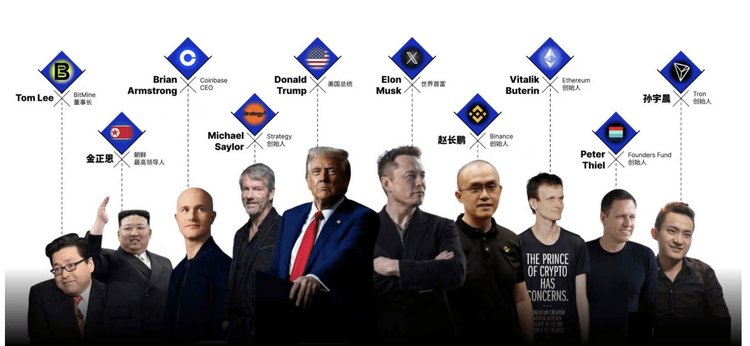
Zehn Menschen definieren die Machtgrenzen von Krypto 2025 neu
Von der Wall Street bis zum Weißen Haus, vom Silicon Valley bis Shenzhen nimmt ein neues Stromnetz Gestalt an.

WEEXPERIENCE Whales Night: KI-Handel, Krypto-Community und Krypto-Markteinblicke
Am 12. Dezember 2025 veranstaltete WEEX die WEEXPERIENCE Whales Night, ein Offline-Gemeinschaftstreffen, das lokale Kryptowährungs-Communitymitglieder zusammenbringen sollte. Die Veranstaltung kombinierte Content Sharing, interaktive Spiele und Projektpräsentationen, um ein entspanntes und dennoch ansprechendes Offline-Erlebnis zu schaffen.
AI Trading Risk in Kryptowährung: Warum können bessere Krypto-Handelsstrategien größere Verluste verursachen?
Risiko sitzt nicht mehr in erster Linie in schlechten Entscheidungen oder emotionalen Fehlern. Sie lebt zunehmend in Marktstruktur, Ausführungswegen und kollektivem Verhalten. Diesen Wandel zu verstehen ist wichtiger als die nächste „bessere“ Strategie zu finden.

KI-Agenten ersetzen Kryptoforschung? Wie autonome KI den Kryptohandel verändert
KI entwickelt sich von der Unterstützung von Händlern zur Automatisierung des gesamten Research-to-Execution-Prozesses in Kryptomärkten. Der Vorsprung hat sich von menschlichen Erkenntnissen hin zu Datenpipelines, Geschwindigkeit und ausführungsbereiten KI-Systemen verlagert, wodurch Verzögerungen bei der KI-Integration zu einem Wettbewerbsnachteil werden.

AI Trading Bots und Copy Trading: Wie synchronisierte Strategien die Volatilität des Kryptomarktes verändern
Krypto-Händler im Einzelhandel stehen seit langem vor denselben Herausforderungen: schlechtes Risikomanagement, späte Einstiege, emotionale Entscheidungen und inkonsequente Ausführung. KI-Handelstools versprachen eine Lösung. Heute helfen KI-gestützte Copy-Trading-Systeme und Breakout-Bots Händlern, Positionen zu vergrößern, Stopps zu setzen und schneller als je zuvor zu handeln. Über Geschwindigkeit und Präzision hinaus verändern diese Tools die Märkte im Stillen – Trader handeln nicht nur intelligenter, sie bewegen sich synchron und schaffen eine neue Dynamik, die sowohl Risiken als auch Chancen verstärkt.

AI Trading in Crypto Erklärt: Wie autonomer Handel Kryptomärkte und Kryptobörsen verändert
KI-Handel verändert die Krypto-Landschaft rasant. Traditionelle Strategien haben Schwierigkeiten, mit der Nonstop-Volatilität und komplexen Marktstruktur von Krypto Schritt zu halten, während KI massive Daten verarbeiten, adaptive Strategien generieren, Risiken managen und Trades autonom ausführen kann. Dieser Artikel führt WEEX-Nutzer durch, was KI-Handel ist, warum Krypto seine Einführung beschleunigt, wie sich die Branche hin zu autonomen Agenten entwickelt und warum WEEX das KI-Handelsökosystem der nächsten Generation aufbaut.

Aufruf zur Teilnahme an AI Wars: WEEX Alpha Awakens — Globaler KI-Handelswettbewerb mit 880.000 US-Dollar Preispool
Jetzt rufen wir KI-Händler aus aller Welt dazu auf, sich AI Wars anzuschließen: WEEX Alpha Awakens, ein globaler KI-Handelswettbewerb mit 880.000 US-Dollar Preispool.

AI Trading in Crypto Markets: Von automatisierten Trading Bots zu algorithmischen Strategien
KI-gesteuerter Handel verlagert Krypto von Einzelhandelsspekulationen zu institutionellem Wettbewerb, bei dem Ausführung und Risikomanagement wichtiger sind als Richtung. Da der KI-Handel skaliert, steigen Systemrisiken und regulatorischer Druck, was langfristige Leistung, robuste Systeme und Compliance zu den wichtigsten Unterscheidungsmerkmalen macht.

AI Sentiment Analysis and Cryptocurrency Volatility: Was bewegt Kryptopreise
KI-Sentiment beeinflusst zunehmend die Kryptomärkte, wobei sich Verschiebungen der KI-bezogenen Erwartungen in Volatilität für wichtige digitale Assets niederschlagen. Kryptomärkte neigen dazu, KI-Narrative zu verstärken, so dass sentimentgetriebene Ströme kurzfristig die Fundamentaldaten überwiegen. Zu verstehen, wie sich KI-Sentiments bilden und verbreiten, hilft Anlegern, Risikozyklen und Positionierungsmöglichkeiten in digitalen Assets besser zu antizipieren.

AI Wars: Teilnehmerleitfaden
In diesem ultimativen Showdown werden Top-Entwickler, Quants und Trader aus aller Welt ihre Algorithmen in realen Marktkämpfen einsetzen und um einen der höchsten Preispools in der Geschichte des KI-Kryptohandels konkurrieren: 880.000 USD, einschließlich eines Bentley Bentayga S für den Champion. Dieser Leitfaden führt Sie durch alle erforderlichen Schritte von der Anmeldung bis zum offiziellen Start des Wettbewerbs.

Zentralbankwoche und Kryptomarktvolatilität: Wie Zinsentscheidungen die Handelsbedingungen an WEEX prägen
Zinsentscheidungen großer Zentralbanken wie der Federal Reserve sind bedeutende makroökonomische Ereignisse, die die globalen Finanzmärkte beeinflussen und die Liquiditätserwartungen und die Risikobereitschaft der Märkte unmittelbar beeinflussen. Da sich der Kryptowährungsmarkt weiter entwickelt und seine Handelsstruktur und Teilnehmer reifen, wird der Kryptomarkt schrittweise in das makroökonomische Preissystem integriert.

WEEX API Testing: Offizieller Leitfaden für KI Trading Hackathon und Krypto Trading APIs
WEEX API Testing wurde entwickelt, um sicherzustellen, dass jeder Teilnehmer Handelslogik in echte Ausführung umsetzen kann. Alle API-Interaktionen finden auf dem Live-Trading-System von WEEX statt, sodass die Teilnehmer unter authentischen Marktbedingungen und nicht unter Simulationen arbeiten können. Mit einer geringen Einstiegsvoraussetzung ist die Aufgabe sowohl für erfahrene Entwickler als auch für motivierte Anfänger zugänglich und validiert dennoch wesentliche technische Fähigkeiten.
Wie KI Kryptohändlern hilft, Märkte zu analysieren, Risiken zu managen und intelligenter zu handeln
Beim Kryptohandel geht es nicht mehr nur darum, eine gute Idee zu haben – es geht darum, in einem Markt, der nie aufhört, konsequent zu handeln. Mit steigendem Datenvolumen und steigender Marktgeschwindigkeit stößt die traditionelle manuelle Analyse an ihre Grenzen. KI hilft Händlern, sich über diese Grenzen hinaus zu bewegen, indem sie verändert, wie Märkte analysiert, wie Stimmung interpretiert und wie Risiken kontrolliert werden. Dieser Artikel untersucht, wie KI den Kryptohandel verändert – und was das heute für Händler bedeutet.
Von Wuhan ins Silicon Valley schaffte Manus es in nur neun Monaten.
Du kannst es einen „Wrapper“ nennen, aber es hat sich bis zu Meta gewickelt.
AI Trading in Crypto: Wie Trader KI tatsächlich in echten Kryptomärkten einsetzen
Künstliche Intelligenz ist über Experimente in Kryptomärkten hinausgegangen. 2025 werden KI-gesteuerte Handelstools zunehmend von Händlern eingesetzt, die in volatilen Märkten eine bessere Disziplin, eine schnellere Ausführung und strukturiertere Entscheidungen wünschen. Dieser Leitfaden erklärt Schritt für Schritt, wie KI im Kryptohandel tatsächlich eingesetzt wird – mit einem Fokus darauf, wie diese Strategien in realen Handelsumgebungen umgesetzt werden.
Marktaktualisierung — 31. Dezember
Von Südkorea und der OECD, die die Umsetzung von Kryptoregulierungs- und Compliance-Rahmen beschleunigen, bis hin zur gleichzeitigen Entwicklung von TAO-ETFs, Datenschutztechnologien, Mining und Bitcoin-Reserven, während Sicherheitsvorfälle und finanzielle Verluste weiter zunehmen, ist der Kryptomarkt in eine neue Phase eingetreten, inmitten mehrerer Herausforderungen: "starke Regulierung + technologische Entwicklung + verstärkte Risiken".
Wenn jeder KI-Handel nutzt, wohin geht Kryptowährung Alpha im Jahr 2026?
2025 ist der KI-Handel zum Standard geworden, aber Alpha ist nicht verschwunden – er wurde durch Crowding ausgehöhlt, da ähnliche Daten, Modelle und Strategien dazu führen, dass Händler synchron handeln und ihren Vorsprung verlieren.
Real Alpha hat sich auf schwieriger zu kopierende Ebenen wie Verhaltens- und On-Chain-Daten, Ausführungsqualität, Risikomanagement und menschliches Urteilsvermögen in extremen Märkten verlagert, in denen anders handeln – oder gar nicht handeln – wichtiger ist als bessere Vorhersagen.
Marktaktualisierung — 30. Dezember
Brevis eröffnet Airdrop-Tracking; Trend Research fügt über 46.000 ETH an einem einzigen Tag hinzu.


 App
App