
- Krypto kaufen
- Märkte
- Futures
- Spot
- Copy-Trade
 WE-Launch
Ethereum’s Resurgence: Synthetix, Ronin, and Celo Lead the Charge Back to L1 and L2 Powerhouses

Imagine Ethereum as the bustling metropolis of the crypto world, where DeFi giants once fled for greener pastures due to traffic jams and high costs. Fast forward to today, October 23, 2025, and it’s like watching old friends return home after realizing the grass isn’t always greener. Projects like Synthetix and Aave are rediscovering the magic of Ethereum’s mainnet, or L1, while others such as Ronin, Celo, and Phala are cozying up as L2 solutions. This shift isn’t just nostalgia—it’s driven by real improvements in Ethereum’s scaling roadmap, boasting seven times the total value locked (TVL) compared to its closest competitor, with Ethereum’s TVL now towering at over $100 billion according to recent DefiLlama data.
The Ethereum L1 is solidifying its spot as the ultimate hub for high-stakes DeFi, offering unmatched liquidity and security. Meanwhile, L2s provide massive cost savings—think millions annually—and tap into Ethereum’s vast network effects. Remember back in March when Celo transitioned to an L2? That move slashed their operational expenses by nearly $7 million a year, a game-changer for efficiency. It’s like upgrading from a gas-guzzling truck to a sleek electric vehicle, all while staying in the same reliable ecosystem.
Synthetix and Aave Reignite Ethereum L1 for DeFi Excellence
Picture Synthetix as a phoenix rising from the ashes. This trailblazing DeFi project, which pioneered the shift to Optimism in 2021 to escape Ethereum’s congestion, is now circling back to the L1 mainnet. Why? Because Ethereum has delivered on its promises. With average gas fees plummeting 99% from their peaks—now hovering around 5 gwei as per Etherscan’s latest figures—and a gas limit poised to hit 100 million units post-Fusaka upgrade, the L1 feels reborn. Synthetix’s lead engineer highlights the commitment from developers, noting visible progress in scaling that reassures projects to build without fear of bottlenecks.
Synthetix’s new perpetual DEX, inspired by high-speed trading platforms, is set to launch with influencer-led competitions, drawing in big players. It’s surged in value recently, though still shy of its all-time high, proving that aligning with Ethereum’s deep liquidity pools pays off. Compare this to staying on fragmented L2s, where liquidity chases incentives like nomads—Ethereum L1 holds 60% of crypto’s total TVL, leaving even top L2s like Base at just 3.5%. Whales prefer it for security reasons, avoiding bridge risks that feel like walking a tightrope over hacker-infested waters.
Aave, the lending powerhouse, is taking a balanced tack. After expanding to chains like Polygon and Arbitrum, it’s pruning underperformers—half its deployments might shutter soon—yet 86% of its revenue still flows from Ethereum L1. Recent integrations, like with OKX’s X Layer, show it’s chasing users wherever they are, but Ethereum remains the core. Founder insights emphasize following adoption and profitability, much like a savvy investor diversifying without abandoning the blue-chip stock.
In this evolving landscape, platforms that align seamlessly with Ethereum’s ecosystem stand out. Take WEEX exchange, for instance—it’s built with a focus on secure, efficient trading of Ethereum-based assets, offering low fees and robust tools that complement DeFi’s growth. By prioritizing user-centric features and Ethereum compatibility, WEEX enhances the overall experience, making it a go-to for traders navigating this resurgence without unnecessary complications.
Ronin, Celo, and Phala Embrace Ethereum L2 for Scalability and Savings
Ronin’s story is a classic tale of departure and return. Forced off Ethereum in 2021 by network snarls during Axie Infinity’s boom, it’s now eyeing a 2026 relaunch as an Optimistic rollup in the Superchain. Co-founder Jeffrey Zirlin points to Ethereum’s pragmatic scaling—ecosystem TPS recently hit 3,500, up from 2,835 last year, per L2Beat data—as the turning point. Gaming demands high throughput, and Ronin’s 350,000 daily active addresses benefit from outsourcing security to Ethereum, redirecting millions in validator rewards to developers and users.
Celo’s quiet pivot to L2 status mirrors this, cutting security costs by 99.8% and saving $6.9 million yearly. Phala, with its Polkadot roots, voted to join as an L2, lured by Ethereum’s developer buzz and tooling. Even global players like Swift are building on Linea L2 for crypto payments, underscoring the ecosystem’s pull.
Not everything’s a homecoming—projects like Sorare thrived after switching to Solana, but Ethereum loyalists see EVM-compatible upstarts as future L2s. Zirlin predicts this for emerging stablecoin chains, emphasizing how L2s amplify data capacity eightfold by 2026.
Scaling Innovations Propel Ethereum L1 and L2 Forward
Ethereum’s roadmap isn’t just talk. Real-time ZK proving at 99.6% efficiency, as demonstrated recently, paves the way for 10,000 TPS. Synthetix plans its own offchain engine for 100,000 TPS, using optimistic models or ZK-proofs to blend speed with trust. It’s a compromise, sure—like opting for a hybrid car over full electric—but market maturity accepts it for performance gains.
Aave’s strategy contrasts by maintaining a multi-chain presence, ensuring it captures value wherever users flock. Ronin’s move highlights L2 perks: cheaper ops, Ethereum’s security blanket, and warmer ecosystem ties. As Matze from GrowThePie noted, L1-to-L2 shifts slash expenses dramatically, freeing resources for innovation.
Recent Google searches echo this excitement—queries like “Why are projects returning to Ethereum?” and “How does Ethereum L2 scaling work?” dominate, with users curious about TVL growth and gas fee reductions. On Twitter, discussions buzz around #EthereumScaling, with posts from influencers like Ansem praising Synthetix’s comeback and official announcements from Ronin confirming their 2026 timeline. Latest updates include Ethereum Foundation’s October 2025 blog on Fusaka progress, boosting blob capacity and affirming the L1’s 80 TPS potential.
This momentum reflects Ethereum’s enduring appeal, where L1 offers rock-solid foundations for DeFi titans, and L2s provide agile extensions. It’s like a family reunion, stronger together, promising a brighter future for crypto innovation.
FAQ
Why are projects like Synthetix returning to Ethereum’s L1?
Projects are returning because Ethereum’s scaling has improved dramatically, with lower gas fees and higher throughput making the L1 viable again for high-value DeFi. Deep liquidity and security keep whales loyal, outweighing past congestion issues.
What benefits do L2s offer to chains like Ronin and Celo?
L2s drastically cut costs—up to 99.8% in security expenses—while providing access to Ethereum’s network effects, tools, and liquidity. They enable higher TPS for applications like gaming, all with Ethereum’s robust security.
How does Ethereum’s resurgence impact DeFi users?
It means more efficient, cost-effective DeFi experiences with better liquidity and innovation. Users can expect lower fees, faster transactions, and a unified ecosystem, potentially driving higher returns and broader adoption in the crypto space.
Das könnte Ihnen auch gefallen
AI Trading in Crypto Markets: Von automatisierten Trading Bots zu algorithmischen Strategien
KI-gesteuerter Handel verlagert Krypto von Einzelhandelsspekulationen zu institutionellem Wettbewerb, bei dem Ausführung und Risikomanagement wichtiger sind als Richtung. Da der KI-Handel skaliert, steigen Systemrisiken und regulatorischer Druck, was langfristige Leistung, robuste Systeme und Compliance zu den wichtigsten Unterscheidungsmerkmalen macht.

AI Sentiment Analysis and Cryptocurrency Volatility: Was bewegt Kryptopreise
KI-Sentiment beeinflusst zunehmend die Kryptomärkte, wobei sich Verschiebungen der KI-bezogenen Erwartungen in Volatilität für wichtige digitale Assets niederschlagen. Kryptomärkte neigen dazu, KI-Narrative zu verstärken, so dass sentimentgetriebene Ströme kurzfristig die Fundamentaldaten überwiegen. Zu verstehen, wie sich KI-Sentiments bilden und verbreiten, hilft Anlegern, Risikozyklen und Positionierungsmöglichkeiten in digitalen Assets besser zu antizipieren.
November 2025 Crypto Market Review: Kurskorrektur, ETF-Einlösungen und sich entwickelnde Blockchain-Landschaft
Im November 2025 gab es eine ausgeprägte Volatilität und eine strukturelle Korrektur innerhalb des breiteren Blockchain-Ökosystems, die vor allem durch schwankende makroökonomische Prognosen und spezifische Kapitalflussdynamiken getrieben wurde.
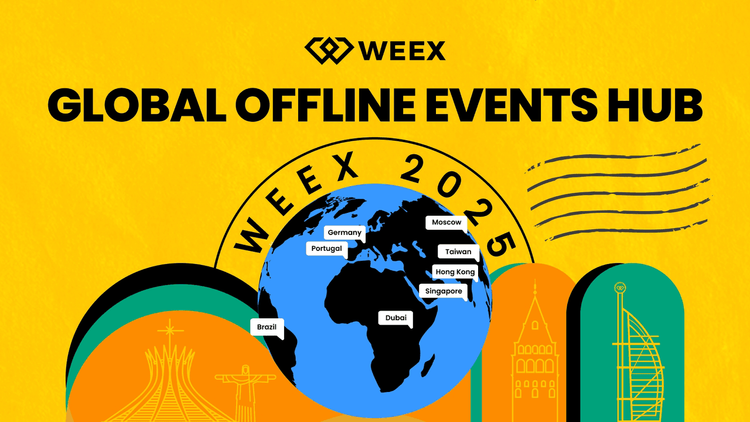
WEEX erobert die Weltbühne mit einer Reihe von Offline-Veranstaltungen im Jahr 2025
Einblicke in die globale Präsenz von WEEX: Ein Jahr unaufhaltsamen Momentums
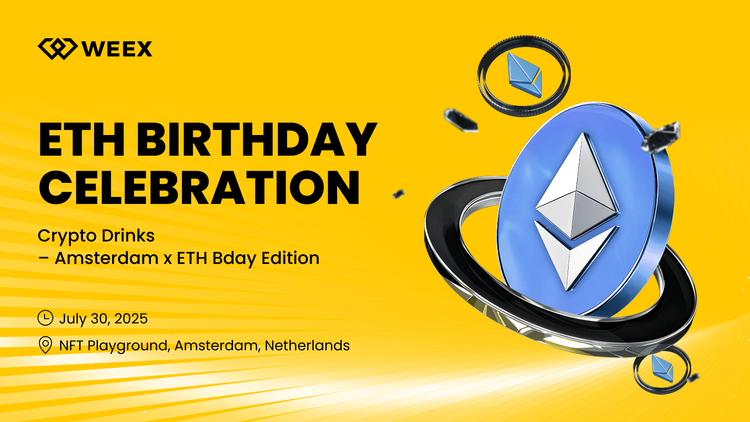
WEEX ETH Geburtstagsfeier & Web3 Networking
WEEX nahm an der Crypto Drinks – Amsterdam x ETH Birthday Edition teil, einer lebhaften Aktion, bei der das Jubiläum von Ethereum mit der europäischen Community gefeiert wurde.
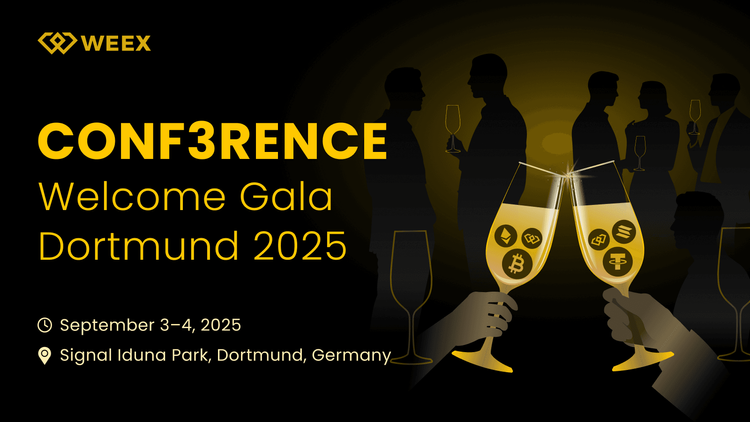
WEEX auf der CONF3RENCE Dortmund 2025 Willkommensgala
Für WEEX ist die Teilnahme an der CONF3RENCE Dortmund ein weiterer wichtiger Schritt in seiner globalen Expansionsstrategie.
SharpLink sichert sich am 5. August 2025 295 Millionen Dollar in ETH – übertrifft damit die gesamte Ether-Emission des letzten Monats
Stellen Sie sich ein Unternehmen vor, das nicht nur die Zehen in die Kryptowelt steckt, sondern mit vollem Körpereinsatz einsteigt und dabei...
Divine Research führt ab dem 5. August 2025 unbesicherte Krypto-Kredite auf Basis von Sam Altmans World ID ein
Stellen Sie sich vor, Sie betreten eine Welt, in der jeder, vom Highschool-Lehrer bis zum Obstverkäufer, schnell einen Kredit bekommen kann …
AI Trading in Crypto Markets: Von automatisierten Trading Bots zu algorithmischen Strategien
KI-gesteuerter Handel verlagert Krypto von Einzelhandelsspekulationen zu institutionellem Wettbewerb, bei dem Ausführung und Risikomanagement wichtiger sind als Richtung. Da der KI-Handel skaliert, steigen Systemrisiken und regulatorischer Druck, was langfristige Leistung, robuste Systeme und Compliance zu den wichtigsten Unterscheidungsmerkmalen macht.
AI Sentiment Analysis and Cryptocurrency Volatility: Was bewegt Kryptopreise
KI-Sentiment beeinflusst zunehmend die Kryptomärkte, wobei sich Verschiebungen der KI-bezogenen Erwartungen in Volatilität für wichtige digitale Assets niederschlagen. Kryptomärkte neigen dazu, KI-Narrative zu verstärken, so dass sentimentgetriebene Ströme kurzfristig die Fundamentaldaten überwiegen. Zu verstehen, wie sich KI-Sentiments bilden und verbreiten, hilft Anlegern, Risikozyklen und Positionierungsmöglichkeiten in digitalen Assets besser zu antizipieren.
November 2025 Crypto Market Review: Kurskorrektur, ETF-Einlösungen und sich entwickelnde Blockchain-Landschaft
Im November 2025 gab es eine ausgeprägte Volatilität und eine strukturelle Korrektur innerhalb des breiteren Blockchain-Ökosystems, die vor allem durch schwankende makroökonomische Prognosen und spezifische Kapitalflussdynamiken getrieben wurde.
WEEX erobert die Weltbühne mit einer Reihe von Offline-Veranstaltungen im Jahr 2025
Einblicke in die globale Präsenz von WEEX: Ein Jahr unaufhaltsamen Momentums
WEEX ETH Geburtstagsfeier & Web3 Networking
WEEX nahm an der Crypto Drinks – Amsterdam x ETH Birthday Edition teil, einer lebhaften Aktion, bei der das Jubiläum von Ethereum mit der europäischen Community gefeiert wurde.
WEEX auf der CONF3RENCE Dortmund 2025 Willkommensgala
Für WEEX ist die Teilnahme an der CONF3RENCE Dortmund ein weiterer wichtiger Schritt in seiner globalen Expansionsstrategie.
Beliebte Coins
Neueste Krypto-Nachrichten


Kundenservice:@weikecs
Geschäftliche Zusammenarbeit:@weikecs
Quant-Trading & MM:[email protected]
VIP-Services:[email protected]
 App
App