
- Krypto kaufen
- Märkte
- Futures
- Spot
- Copy-Trade
 WE-Launch
First Chinese CNH Stablecoin Launches Amid Intensifying Global Competition

Governments everywhere are diving into the world of stablecoins, aiming to stay ahead in the game against those popular dollar-linked digital currencies. Picture this: a race where nations are gearing up their own digital money to keep their economies buzzing on the global stage.
Emerging Players in the Stablecoin Arena
Imagine the excitement as the very first regulated stablecoin pegged to the offshore Chinese yuan, known as CNH, steps into the spotlight. This isn’t just any digital token—it’s designed for international forex markets. And right alongside it, a stablecoin tied to the South Korean won (KRW) made its entrance this week, turning up the heat in the worldwide stablecoin competition.
Financial tech innovator AnchorX unveiled its AxCNH stablecoin, pegged to the yuan, on Wednesday during the Belt and Road Summit in Hong Kong. This move comes after a shift in China’s regulatory stance, warming up to stablecoins for cross-border dealings. The goal? To smooth out transactions with nations involved in the Belt and Road initiative—a massive project that’s all about constructing physical highways connecting China to the Middle East and Europe, while also forging sea-based trade paths to other parts of the globe.
Then, on Thursday, digital asset firm BDACS rolled out KRW1, their stablecoin anchored to the Korean won. Both of these newcomers are overcollateralized, which means they’re backed one-to-one by real fiat deposits or government-issued debt securities safely stored with a custodian. It’s like having a safety net that ensures every digital coin has solid real-world value behind it.
Stablecoins have evolved into a key geopolitical tool. Think of them as bridges that sovereign states are building to digitize their currencies, boosting global demand and countering the inflationary pressures from printing more money. As of September 22, 2025, the stablecoin market has ballooned to over $200 billion in total value, with major players like Tether holding more than $120 billion in reserves, including vast amounts of US Treasury bills—outpacing even countries like Canada, Norway, and Germany in holdings.
How Stablecoins Interact with Traditional Money, Inflation, and National Debt
The old-school financial setup can feel clunky—it’s sluggish, demands heavy infrastructure that might be missing in emerging markets, and often comes with strict currency restrictions that stifle demand for traditional fiat. But flip that to blockchain-based stablecoins: they run around the clock, settle transactions almost instantly across borders, and make money accessible to everyday folks. This ramps up international appeal, helping to balance out the price hikes that come from inflating the money supply.
Inflation kicks in when new money floods the system without matching demand—prices climb because the currency’s value dips. Overcollateralized stablecoins from issuers like Tether and Circle step in like clever fixers. They scoop up government bonds and cash to back their tokens, then open the doors wide for anyone with a smartphone and a crypto wallet to jump in. It’s akin to turning the global population into indirect investors in national debt, which pumps up the market for those bonds, drives down yields, and eases the load on governments paying off what they owe.
Take Tether, for instance—it’s now among the top holders of US Treasury bills worldwide. Meanwhile, the US national debt has climbed to a staggering $36 trillion as of mid-2025, prompting strategies to shore up the dollar’s strength through stablecoins and even gold reserves. An advisor to the Russian president recently pointed out how the US is leveraging these tools to rebuild trust in its currency amid economic pressures.
In this dynamic landscape, platforms like the WEEX exchange stand out by aligning perfectly with the growing demand for stable, reliable crypto trading. WEEX offers seamless access to a wide range of stablecoins, including emerging ones like those tied to Asian currencies, all while prioritizing user security and low fees. This brand’s commitment to innovation and regulatory compliance makes it an ideal choice for traders looking to navigate the evolving stablecoin space, enhancing their portfolios with tools that feel both cutting-edge and trustworthy.
Why Stablecoins Matter More Than Ever
Compare this to a classic car’s limitations versus a high-speed electric vehicle—traditional finance is the former, bogged down by red tape, while stablecoins zoom ahead with efficiency. Real-world evidence backs this: the Belt and Road’s digital push has already facilitated billions in trade, with stablecoins potentially accelerating that by reducing settlement times from days to seconds. On Twitter, discussions have exploded around China’s stablecoin move, with trending topics like #ChinaStablecoin garnering over 500,000 mentions in the past month, focusing on how it challenges dollar dominance. Frequently searched Google queries include “What is China’s new stablecoin?” and “How do stablecoins affect inflation?”—highlighting public curiosity.
Latest updates as of September 22, 2025, show Hong Kong regulators approving more stablecoin pilots, with AnchorX reporting initial adoption in cross-border payments exceeding $10 million in the first week post-launch. Twitter buzz includes official posts from BDACS announcing partnerships with Korean banks, amplifying the narrative that Asian stablecoins could reshape global finance.
This surge isn’t just hype; it’s grounded in data from the Bank for International Settlements, which notes that central bank digital currencies and stablecoins could handle 20% of global payments by 2030. By making fiat more fluid and accessible, these innovations help nations like China and South Korea fortify their economic positions, much like how the US has used dollar-pegged stablecoins to maintain influence.
FAQ
What exactly is a stablecoin and how does it differ from cryptocurrencies like Bitcoin?
A stablecoin is a digital currency designed to maintain a steady value, often pegged to a fiat currency like the yuan or dollar, backed by reserves for stability. Unlike volatile cryptocurrencies such as Bitcoin, which fluctuate based on market sentiment, stablecoins aim for consistency, making them ideal for everyday transactions and hedging against inflation.
How might China’s new CNH stablecoin impact global trade?
China’s AxCNH stablecoin could streamline cross-border deals, especially within the Belt and Road network, by enabling faster, cheaper settlements. This boosts trade efficiency with partner countries, potentially increasing demand for the yuan and challenging the dominance of dollar-based systems in international finance.
Are stablecoins safe to use, and what risks should users be aware of?
Stablecoins from reputable issuers are generally safe due to overcollateralization and regulatory oversight, but risks include potential de-pegging during market stress or custodial issues. Users should stick to well-audited platforms and diversify to minimize exposure, always researching the backing assets for peace of mind.
Das könnte Ihnen auch gefallen

AI Trading Bots und Copy Trading: Wie synchronisierte Strategien die Volatilität des Kryptomarktes verändern
Krypto-Händler im Einzelhandel stehen seit langem vor denselben Herausforderungen: schlechtes Risikomanagement, späte Einstiege, emotionale Entscheidungen und inkonsequente Ausführung. KI-Handelstools versprachen eine Lösung. Heute helfen KI-gestützte Copy-Trading-Systeme und Breakout-Bots Händlern, Positionen zu vergrößern, Stopps zu setzen und schneller als je zuvor zu handeln. Über Geschwindigkeit und Präzision hinaus verändern diese Tools die Märkte im Stillen – Trader handeln nicht nur intelligenter, sie bewegen sich synchron und schaffen eine neue Dynamik, die sowohl Risiken als auch Chancen verstärkt.

AI Trading in Crypto Markets: Von automatisierten Trading Bots zu algorithmischen Strategien
KI-gesteuerter Handel verlagert Krypto von Einzelhandelsspekulationen zu institutionellem Wettbewerb, bei dem Ausführung und Risikomanagement wichtiger sind als Richtung. Da der KI-Handel skaliert, steigen Systemrisiken und regulatorischer Druck, was langfristige Leistung, robuste Systeme und Compliance zu den wichtigsten Unterscheidungsmerkmalen macht.

AI Sentiment Analysis and Cryptocurrency Volatility: Was bewegt Kryptopreise
KI-Sentiment beeinflusst zunehmend die Kryptomärkte, wobei sich Verschiebungen der KI-bezogenen Erwartungen in Volatilität für wichtige digitale Assets niederschlagen. Kryptomärkte neigen dazu, KI-Narrative zu verstärken, so dass sentimentgetriebene Ströme kurzfristig die Fundamentaldaten überwiegen. Zu verstehen, wie sich KI-Sentiments bilden und verbreiten, hilft Anlegern, Risikozyklen und Positionierungsmöglichkeiten in digitalen Assets besser zu antizipieren.
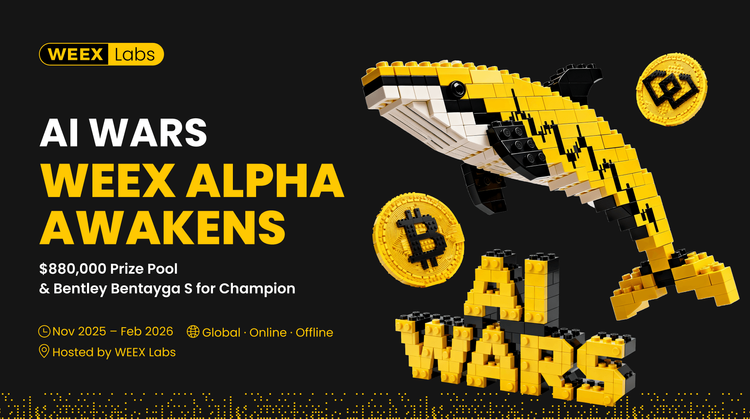
Beitritt zu AI Wars: WEEX Alpha Erwacht!Global Call for AI Trading Alphas
AI Wars: WEEX Alpha Awakens ist ein globaler KI-Handelshackathon in Dubai, der Quantenteams, algorithmische Händler und KI-Entwickler aufruft, ihre KI-Krypto-Handelsstrategien in Live-Märkten für einen Anteil von 880.000 US-Dollar Preispool freizusetzen.

Neu: Geschätzter Liquidationspreis auf App Candlestick Charts
WEEX hat einen neuen geschätzten Liquidationspreis (Est. Liq. Preis)-Funktion auf dem Kerzenständer-Chart, um Händlern zu helfen, Risiken besser zu managen und sichere Bereiche für ihre Positionen zu identifizieren.

November 2025 Crypto Market Review: Kurskorrektur, ETF-Einlösungen und sich entwickelnde Blockchain-Landschaft
Im November 2025 gab es eine ausgeprägte Volatilität und eine strukturelle Korrektur innerhalb des breiteren Blockchain-Ökosystems, die vor allem durch schwankende makroökonomische Prognosen und spezifische Kapitalflussdynamiken getrieben wurde.

WEEX VIP Perks
Jede VIP-Stufe bietet exklusive Vorteile, die sorgfältig auf Ihren Handelserfolg zugeschnitten sind, darunter höhere Auszahlungslimits, reduzierte Gebühren und Premium-Support.

WEEX auf der Blockchain Life 2025: Gemeinschaften verbinden und Innovation in Dubai vorantreiben
Die Teilnahme von WEEX an Blockchain Life 2025 war ein wichtiger Meilenstein auf unserem Weg zu einem globalen Marktführer im Krypto-Bereich. Während wir unsere Reichweite weiter ausbauen, setzen wir uns weiterhin dafür ein, tiefere Liquidität und größere Chancen für Händler, Influencer und die gesamte Blockchain-Community aufzubauen.
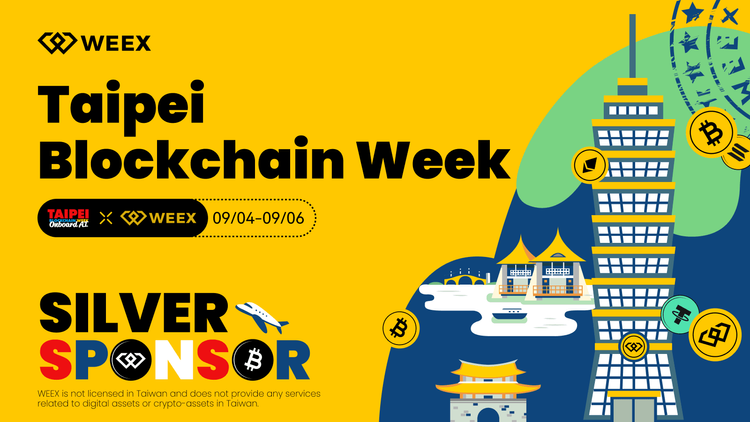
WEEX wird am MRBLOCK SUMMIT 2025 in Taipei teilnehmen
Für WEEX ist die Teilnahme am MRBLOCK SUMMIT mehr als nur ein Auftritt – es ist eine Verpflichtung, Basisentwickler zu stärken und die Beziehungen zur dynamischen taiwanesischen Web3-Community zu festigen.

Warum Ihre ChatGPT-Chats möglicherweise nicht privat bleiben: Sam Altmans eindringliche Warnung am 5. August 2025
Stellen Sie sich vor, Sie schütten einem vertrauenswürdigen Vertrauten Ihr Herz aus, nur um festzustellen, dass diese intimen Details am Ende ...
Ist Bitcoin auf dem Weg, bis 2025 einen Wert von 200.000 Dollar zu erreichen? Analyst bezeichnet dies als „sehr unwahrscheinlich“
Wenn wir uns die Kryptowährungslandschaft an diesem Datum, dem 5. August 2025, ansehen, fasziniert Bitcoin weiterhin Investoren…
Bitfarms startet 10% Aktienrückkaufprogramm und hält Aktien unter KI-Schwenkung für unterbewertet
Stellen Sie sich ein Unternehmen vor, das nicht nur auf den Wellen des Bitcoin-Minings reitet, sondern mutig in die Zukunft steuert...
Bitcoin steht 2026 vor einem großen Aufschwung, da der traditionelle Vierjahreszyklus an Einfluss verliert, prognostiziert der CIO von Bitwise
Stellen Sie sich vor, Bitcoin bricht aus seinen alten Rhythmen aus, ähnlich wie ein erfahrener Athlet, der eine vorhersehbare Trainingsroutine hinter sich lässt...
Inmitten steigender Volatilität zahlt Bitcoin Whale über Galaxy Digital 80.000 BTC für 9 Milliarden Dollar aus
Inmitten steigender Volatilität zahlt Bitcoin Whale über Galaxy Digital 80.000 BTC für 9 Milliarden Dollar aus
Divine Research führt ab dem 5. August 2025 unbesicherte Krypto-Kredite auf Basis von Sam Altmans World ID ein
Stellen Sie sich vor, Sie betreten eine Welt, in der jeder, vom Highschool-Lehrer bis zum Obstverkäufer, schnell einen Kredit bekommen kann …
Robert Kiyosaki warnt erneut vor den Risiken von Bitcoin, Gold und Silber ETFs am 5. August 2025
Der bekannte Investor und Finanzguru Robert Kiyosaki hat erneut Alarm geschlagen über die Gefahren, die in… lauern.
Der größte Handelsvertrag löst einen Bitcoin-Anstieg aus: 5 wichtige Erkenntnisse für diese Woche in Krypto
Während wir in die erste volle Woche im August 2025 eintreten – konkret an diesem Datum, dem 5. August 2025 – ist Bitcoin…
AI Trading Bots und Copy Trading: Wie synchronisierte Strategien die Volatilität des Kryptomarktes verändern
Krypto-Händler im Einzelhandel stehen seit langem vor denselben Herausforderungen: schlechtes Risikomanagement, späte Einstiege, emotionale Entscheidungen und inkonsequente Ausführung. KI-Handelstools versprachen eine Lösung. Heute helfen KI-gestützte Copy-Trading-Systeme und Breakout-Bots Händlern, Positionen zu vergrößern, Stopps zu setzen und schneller als je zuvor zu handeln. Über Geschwindigkeit und Präzision hinaus verändern diese Tools die Märkte im Stillen – Trader handeln nicht nur intelligenter, sie bewegen sich synchron und schaffen eine neue Dynamik, die sowohl Risiken als auch Chancen verstärkt.
AI Trading in Crypto Markets: Von automatisierten Trading Bots zu algorithmischen Strategien
KI-gesteuerter Handel verlagert Krypto von Einzelhandelsspekulationen zu institutionellem Wettbewerb, bei dem Ausführung und Risikomanagement wichtiger sind als Richtung. Da der KI-Handel skaliert, steigen Systemrisiken und regulatorischer Druck, was langfristige Leistung, robuste Systeme und Compliance zu den wichtigsten Unterscheidungsmerkmalen macht.
AI Sentiment Analysis and Cryptocurrency Volatility: Was bewegt Kryptopreise
KI-Sentiment beeinflusst zunehmend die Kryptomärkte, wobei sich Verschiebungen der KI-bezogenen Erwartungen in Volatilität für wichtige digitale Assets niederschlagen. Kryptomärkte neigen dazu, KI-Narrative zu verstärken, so dass sentimentgetriebene Ströme kurzfristig die Fundamentaldaten überwiegen. Zu verstehen, wie sich KI-Sentiments bilden und verbreiten, hilft Anlegern, Risikozyklen und Positionierungsmöglichkeiten in digitalen Assets besser zu antizipieren.
Beitritt zu AI Wars: WEEX Alpha Erwacht!Global Call for AI Trading Alphas
AI Wars: WEEX Alpha Awakens ist ein globaler KI-Handelshackathon in Dubai, der Quantenteams, algorithmische Händler und KI-Entwickler aufruft, ihre KI-Krypto-Handelsstrategien in Live-Märkten für einen Anteil von 880.000 US-Dollar Preispool freizusetzen.
Neu: Geschätzter Liquidationspreis auf App Candlestick Charts
WEEX hat einen neuen geschätzten Liquidationspreis (Est. Liq. Preis)-Funktion auf dem Kerzenständer-Chart, um Händlern zu helfen, Risiken besser zu managen und sichere Bereiche für ihre Positionen zu identifizieren.
November 2025 Crypto Market Review: Kurskorrektur, ETF-Einlösungen und sich entwickelnde Blockchain-Landschaft
Im November 2025 gab es eine ausgeprägte Volatilität und eine strukturelle Korrektur innerhalb des breiteren Blockchain-Ökosystems, die vor allem durch schwankende makroökonomische Prognosen und spezifische Kapitalflussdynamiken getrieben wurde.
Beliebte Coins
Neueste Krypto-Nachrichten


Kundenservice:@weikecs
Geschäftliche Zusammenarbeit:@weikecs
Quant-Trading & MM:[email protected]
VIP-Services:[email protected]
 App
App