
- Krypto kaufen
- Märkte
- Futures
- Spot
- Copy-Trade
 WE-Launch
Japan’s Regulator Steps Up to Ban Crypto Insider Trading in 2025

Imagine the stock market as a bustling city where everyone follows the same traffic rules to keep things fair and orderly. Now, picture the crypto world as a wild frontier town without those same guidelines—until now. Japan is gearing up to bring some much-needed law and order to cryptocurrency trading by cracking down on insider trading, much like how it polices traditional stocks. This move could reshape how traders operate, ensuring a level playing field that’s been missing in the digital asset space.
As of October 15, 2025, Japan’s financial watchdog is pushing forward with amendments to its regulations, empowering authorities to probe and penalize those caught using inside information in crypto deals. This isn’t just talk; it’s a response to the skyrocketing number of crypto users in the country, which has surged to over 10 million active participants—representing about 8% of the population—according to the latest data from Japan’s Financial Services Agency (FSA). That’s a significant jump from five years ago, driven by broader adoption and tech-savvy investors diving into assets like Bitcoin and Ethereum.
Why Japan is Targeting Crypto Insider Trading Now
Think of insider trading as sneaking a peek at the answers before a big exam—it gives an unfair edge that undermines trust. In Japan, while stocks have long been under strict rules via the Financial Instruments and Exchange Act (FIEA), crypto has operated in a gray area. Without specific prohibitions, suspicious trades have slipped through the cracks, partly because many tokens don’t have clear issuers, making it tricky to pinpoint who counts as an “insider.”
The Securities and Exchange Surveillance Commission (SESC), under the FSA, is set to gain new powers to investigate these activities. Violators could face hefty fines tied to their illicit profits, and in severe cases, criminal charges. This aligns with global trends where countries like the United States have already imposed multi-million-dollar penalties for similar crypto offenses, as seen in recent SEC cases. Japan’s approach draws from these examples, aiming to boost market integrity without stifling innovation.
Recent discussions on Twitter highlight the buzz around this topic, with hashtags like #CryptoJapan and #InsiderTradingBan trending as users debate how it might affect volatility in coins like Solana and Ripple. One viral post from a prominent fintech analyst noted, “Japan’s crypto crackdown could stabilize prices, much like how post-2008 reforms steadied global stocks—good for long-term holders.” Google searches for “how does crypto insider trading work in Japan” have spiked 40% in the last month, reflecting growing curiosity amid these regulatory shifts.
Aligning Brands with Strong Regulatory Standards
In this evolving landscape, platforms that prioritize compliance and security stand out, much like a trusted bank in a sea of risky lenders. Take WEEX exchange, for instance—it’s built a reputation for robust security measures and adherence to international standards, making it a go-to for traders who value transparency. By aligning with regulations like those emerging in Japan, WEEX enhances user trust, offering features such as advanced encryption and real-time monitoring that prevent insider abuses. This brand alignment not only protects investments but also positions WEEX as a reliable partner in the crypto journey, fostering a safer trading environment without compromising on innovation.
Japan’s Broader Crypto Vision Under New Leadership
Leadership plays a pivotal role here, akin to a captain steering a ship through stormy seas. With Sanae Takaichi potentially at the helm as Japan’s prime minister, there’s optimism for a pro-tech agenda that embraces blockchain while upholding strict oversight. Takaichi has voiced support for technological sovereignty, including lower interest rates and tax incentives that could funnel more capital into crypto. Evidence from her policy statements suggests this could mirror successful models in places like Singapore, where balanced regs have led to a 25% year-over-year growth in digital asset investments.
The FSA’s push to regulate crypto under the FIEA, rather than the Payments Services Act, addresses key pain points like scams and poor disclosures. This shift, discussed in working groups through late 2025, aims to mirror securities laws, providing stronger investor protections. Recent updates include an official FSA announcement on October 10, 2025, confirming the working group’s progress and inviting public input, which has sparked lively debates on social media about balancing innovation with safety.
The Impact on Global Crypto Markets
Compare this to how the EU’s MiCA regulations unified fragmented markets—Japan’s rules could similarly inspire confidence, potentially drawing international investors. With Bitcoin hovering around $150,000 and Ethereum at $5,200 as of October 15, 2025 (per real-time market data), stable regulations might reduce wild swings, benefiting everyday traders. Real-world examples, like the 2024 FTX fallout, underscore the risks of lax oversight, where insider dealings contributed to billions in losses. By contrast, Japan’s proactive stance could prevent such disasters, backed by the FSA’s data showing a 15% drop in reported crypto fraud since initial regulatory talks began.
As these changes unfold, the crypto community watches closely, knowing that fair play could unlock even greater potential in this dynamic space.
FAQ
What exactly is crypto insider trading, and why is Japan banning it?
Crypto insider trading involves using non-public information to gain an unfair advantage in trading digital assets. Japan is banning it to align crypto with stock market rules, promoting fairness and trust, as the lack of regulations has allowed suspicious activities to persist.
How will these new rules affect everyday crypto traders in Japan?
Traders can expect more scrutiny on suspicious activities, but it should lead to a safer market with fewer scams. Fines and investigations will target violators, while compliant users benefit from increased market stability and investor protections under the updated FIEA.
When will Japan’s crypto insider trading ban take effect?
The FSA plans to finalize details by the end of 2025 and submit amendments in 2026, with implementation likely following shortly after, based on ongoing working group discussions.
Das könnte Ihnen auch gefallen
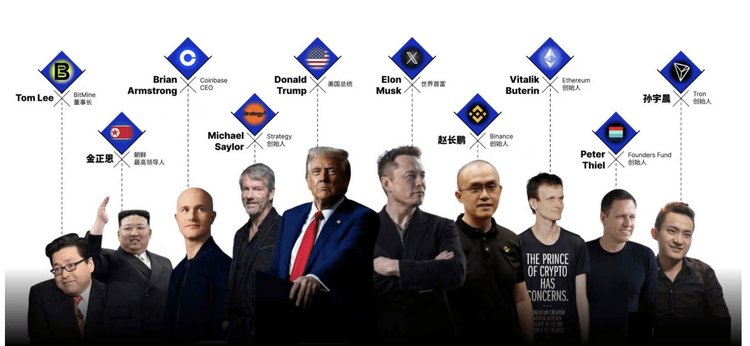
Zehn Menschen definieren die Machtgrenzen von Krypto 2025 neu
Von der Wall Street bis zum Weißen Haus, vom Silicon Valley bis Shenzhen nimmt ein neues Stromnetz Gestalt an.
AI Trading Risk in Kryptowährung: Warum können bessere Krypto-Handelsstrategien größere Verluste verursachen?
Risiko sitzt nicht mehr in erster Linie in schlechten Entscheidungen oder emotionalen Fehlern. Sie lebt zunehmend in Marktstruktur, Ausführungswegen und kollektivem Verhalten. Diesen Wandel zu verstehen ist wichtiger als die nächste „bessere“ Strategie zu finden.
KI-Agenten ersetzen Kryptoforschung? Wie autonome KI den Kryptohandel verändert
KI entwickelt sich von der Unterstützung von Händlern zur Automatisierung des gesamten Research-to-Execution-Prozesses in Kryptomärkten. Der Vorsprung hat sich von menschlichen Erkenntnissen hin zu Datenpipelines, Geschwindigkeit und ausführungsbereiten KI-Systemen verlagert, wodurch Verzögerungen bei der KI-Integration zu einem Wettbewerbsnachteil werden.
AI Trading in Crypto Erklärt: Wie autonomer Handel Kryptomärkte und Kryptobörsen verändert
KI-Handel verändert die Krypto-Landschaft rasant. Traditionelle Strategien haben Schwierigkeiten, mit der Nonstop-Volatilität und komplexen Marktstruktur von Krypto Schritt zu halten, während KI massive Daten verarbeiten, adaptive Strategien generieren, Risiken managen und Trades autonom ausführen kann. Dieser Artikel führt WEEX-Nutzer durch, was KI-Handel ist, warum Krypto seine Einführung beschleunigt, wie sich die Branche hin zu autonomen Agenten entwickelt und warum WEEX das KI-Handelsökosystem der nächsten Generation aufbaut.
AI Trading in Crypto Markets: Von automatisierten Trading Bots zu algorithmischen Strategien
KI-gesteuerter Handel verlagert Krypto von Einzelhandelsspekulationen zu institutionellem Wettbewerb, bei dem Ausführung und Risikomanagement wichtiger sind als Richtung. Da der KI-Handel skaliert, steigen Systemrisiken und regulatorischer Druck, was langfristige Leistung, robuste Systeme und Compliance zu den wichtigsten Unterscheidungsmerkmalen macht.

AI Sentiment Analysis and Cryptocurrency Volatility: Was bewegt Kryptopreise
KI-Sentiment beeinflusst zunehmend die Kryptomärkte, wobei sich Verschiebungen der KI-bezogenen Erwartungen in Volatilität für wichtige digitale Assets niederschlagen. Kryptomärkte neigen dazu, KI-Narrative zu verstärken, so dass sentimentgetriebene Ströme kurzfristig die Fundamentaldaten überwiegen. Zu verstehen, wie sich KI-Sentiments bilden und verbreiten, hilft Anlegern, Risikozyklen und Positionierungsmöglichkeiten in digitalen Assets besser zu antizipieren.
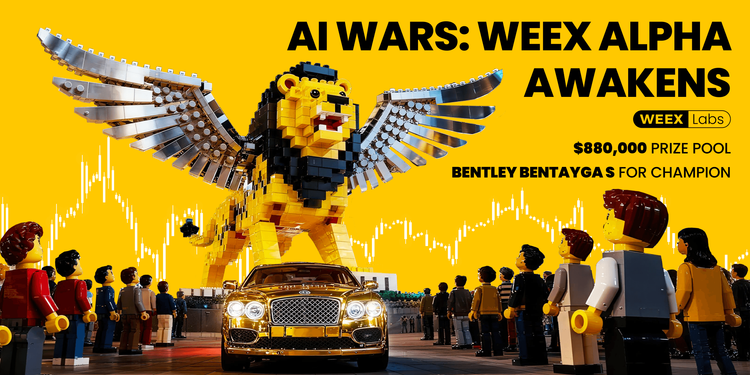
AI Wars: WEEX Alpha Awakens | WEEX Global Hackathon API Test Process Guide
AI Wars: Die Registrierung für WEEX Alpha Awakens ist nun geöffnet. Diese Anleitung beschreibt, wie Sie auf den API-Test zugreifen und den Prozess erfolgreich abschließen können.
November 2025 Crypto Market Review: Kurskorrektur, ETF-Einlösungen und sich entwickelnde Blockchain-Landschaft
Im November 2025 gab es eine ausgeprägte Volatilität und eine strukturelle Korrektur innerhalb des breiteren Blockchain-Ökosystems, die vor allem durch schwankende makroökonomische Prognosen und spezifische Kapitalflussdynamiken getrieben wurde.

Wie kann man USDT und andere Stablecoins über WEEX P2P kaufen
Dieser Artikel beschreibt, warum P2P weit verbreitet ist, was WEEX P2P unterscheidet und wie es eine sichere und zuverlässige Umgebung für Benutzer bietet.

WEEX’s CCCC Lisbon 2025 Recap: Globale Präsenz und der Weg zum KI-gesteuerten Kryptohandel
WEEX schloss seine Reise auf Crypto Content Creator Campus (CCCC) 2025 stolz als Platinum Sponsor ab und markierte eine bedeutende Präsenz auf einem der weltweit führenden Treffen für Krypto-Ersteller, Innovatoren und Branchenführer

WEEX auf der CCCC Lissabon 2025: Krypto-Content-Ersteller unterstützen und die Ära des KI-Handels mit dem kommenden Hackathon beginnen
WEEX’ Teilnahme am CCCC Lissabon 2025, zusammen mit seinen kommenden KI-Kriegen: WEEX Alpha Awakens Hackathon, wird einen wichtigen Schritt in seiner strategischen Expansion in Europa und darüber hinaus markieren.

WEEX OTC listet 200+ Handelspaare
Die WEEX OTC-Plattform unterstützt jetzt über 200 neue Handelspaare, mit denen Sie Krypto direkt in Ihrer Landeswährung kaufen können – schnell, einfach und sicher.

WEEX auf der Blockchain Life 2025: Gemeinschaften verbinden und Innovation in Dubai vorantreiben
Die Teilnahme von WEEX an Blockchain Life 2025 war ein wichtiger Meilenstein auf unserem Weg zu einem globalen Marktführer im Krypto-Bereich. Während wir unsere Reichweite weiter ausbauen, setzen wir uns weiterhin dafür ein, tiefere Liquidität und größere Chancen für Händler, Influencer und die gesamte Blockchain-Community aufzubauen.
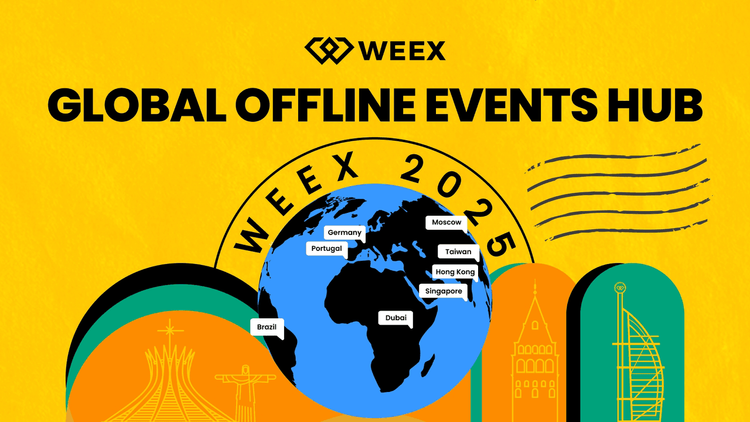
WEEX erobert die Weltbühne mit einer Reihe von Offline-Veranstaltungen im Jahr 2025
Einblicke in die globale Präsenz von WEEX: Ein Jahr unaufhaltsamen Momentums

WEEX TOKEN2049 Singapur Vorschau, Feel the Vibes
Unter dem Motto „Deeper Liquidity, Bigger Whales“ tritt WEEX an, unsere hochmoderne Handelsplattform zu präsentieren, sich mit den klügsten Köpfen der Branche zu vernetzen und gemeinsam mit Ihnen die Zukunft von Krypto zu gestalten.

WEEX bei der Taipei Blockchain Week 2025
Vom 4.–6. September 2025 schlug das Herz der Web3-Innovation im Songshan Cultural & Creative Park in Taipeh, Taiwan laut und deutlich – und WEEX war stolz als Silber-Sponsor der Taipei Blockchain Week 2025 mit dabei.

WEEX veranstaltet exklusive Krypto-Elite-Party in der Türkei
Als eine der am schnellsten wachsenden globalen Börsen nutzte WEEX diese Gelegenheit, um seine Markenpräsenz in der MENA-Region weiter zu stärken, wobei das Unternehmen seine Verpflichtung zum gemeinschaftsorientierten Wachstum und zur Unterstützung des breiteren Blockchain-Ökosystems hervorhob.

WEEX veranstaltet Sommerfeier in Moskau
WEEX veranstaltete die Signature Summer Night in Moskau und brachte über 100 Teilnehmer zusammen, darunter Trader, Builder, Influencer und Partner aus der CIS-Blockchain-Community.
Zehn Menschen definieren die Machtgrenzen von Krypto 2025 neu
Von der Wall Street bis zum Weißen Haus, vom Silicon Valley bis Shenzhen nimmt ein neues Stromnetz Gestalt an.
AI Trading Risk in Kryptowährung: Warum können bessere Krypto-Handelsstrategien größere Verluste verursachen?
Risiko sitzt nicht mehr in erster Linie in schlechten Entscheidungen oder emotionalen Fehlern. Sie lebt zunehmend in Marktstruktur, Ausführungswegen und kollektivem Verhalten. Diesen Wandel zu verstehen ist wichtiger als die nächste „bessere“ Strategie zu finden.
KI-Agenten ersetzen Kryptoforschung? Wie autonome KI den Kryptohandel verändert
KI entwickelt sich von der Unterstützung von Händlern zur Automatisierung des gesamten Research-to-Execution-Prozesses in Kryptomärkten. Der Vorsprung hat sich von menschlichen Erkenntnissen hin zu Datenpipelines, Geschwindigkeit und ausführungsbereiten KI-Systemen verlagert, wodurch Verzögerungen bei der KI-Integration zu einem Wettbewerbsnachteil werden.
AI Trading in Crypto Erklärt: Wie autonomer Handel Kryptomärkte und Kryptobörsen verändert
KI-Handel verändert die Krypto-Landschaft rasant. Traditionelle Strategien haben Schwierigkeiten, mit der Nonstop-Volatilität und komplexen Marktstruktur von Krypto Schritt zu halten, während KI massive Daten verarbeiten, adaptive Strategien generieren, Risiken managen und Trades autonom ausführen kann. Dieser Artikel führt WEEX-Nutzer durch, was KI-Handel ist, warum Krypto seine Einführung beschleunigt, wie sich die Branche hin zu autonomen Agenten entwickelt und warum WEEX das KI-Handelsökosystem der nächsten Generation aufbaut.
AI Trading in Crypto Markets: Von automatisierten Trading Bots zu algorithmischen Strategien
KI-gesteuerter Handel verlagert Krypto von Einzelhandelsspekulationen zu institutionellem Wettbewerb, bei dem Ausführung und Risikomanagement wichtiger sind als Richtung. Da der KI-Handel skaliert, steigen Systemrisiken und regulatorischer Druck, was langfristige Leistung, robuste Systeme und Compliance zu den wichtigsten Unterscheidungsmerkmalen macht.
AI Sentiment Analysis and Cryptocurrency Volatility: Was bewegt Kryptopreise
KI-Sentiment beeinflusst zunehmend die Kryptomärkte, wobei sich Verschiebungen der KI-bezogenen Erwartungen in Volatilität für wichtige digitale Assets niederschlagen. Kryptomärkte neigen dazu, KI-Narrative zu verstärken, so dass sentimentgetriebene Ströme kurzfristig die Fundamentaldaten überwiegen. Zu verstehen, wie sich KI-Sentiments bilden und verbreiten, hilft Anlegern, Risikozyklen und Positionierungsmöglichkeiten in digitalen Assets besser zu antizipieren.
Beliebte Coins
Neueste Krypto-Nachrichten


Kundenservice:@weikecs
Geschäftliche Zusammenarbeit:@weikecs
Quant-Trading & MM:[email protected]
VIP-Services:[email protected]
 App
App