
- Krypto kaufen
- Märkte
- Futures
- Spot
- Copy-Trade
 WE-Launch
JPMorgan Gears Up to Offer Crypto Trading Services for Clients Amid Blockchain Boom

Traditional finance powerhouse JPMorgan is stepping deeper into the cryptocurrency world, with plans underway to provide crypto trading options for its clients. According to Scott Lucas, the bank’s global head of markets and digital assets, these services are in the works, though the firm is holding off on direct crypto custody for now. This move highlights how major banks are adapting to the growing demand for digital assets, blending old-school banking reliability with the innovative edge of blockchain technology.
JPMorgan’s Cautious Yet Ambitious Dive into Crypto Trading
In a recent appearance on a financial news program, Lucas shared insights into JPMorgan’s strategy. When questioned about following peers into crypto custody, he noted it’s not an immediate priority. Instead, the focus is squarely on trading. “Our CEO Jamie Dimon has been clear—we’re getting involved in trading those assets, but custody isn’t something we’re pursuing right now,” Lucas explained. He stressed the importance of identifying suitable custodians that align with the bank’s high standards, ensuring any step forward maintains security and compliance.
This hesitation on custody contrasts with the bank’s enthusiasm for trading, much like how a seasoned investor might dip a toe into volatile markets without diving headfirst. It’s a smart play, given the regulatory uncertainties still swirling around crypto. Data from recent industry reports, as of October 2025, shows institutional interest in crypto trading surging by over 20% year-over-year, driven by clearer guidelines from bodies like the SEC. JPMorgan’s approach positions it to capture this wave without overexposing itself to risks.
Embracing an ‘And’ Strategy in Blockchain and Crypto
Lucas repeatedly highlighted JPMorgan’s “and” philosophy during the discussion, emphasizing a multifaceted engagement with the sector. Rather than pitting traditional markets against emerging ones, the bank is pursuing both. “We’re all about ‘and’—tapping into existing opportunities while innovating new ones. It’s not one or the other; it’s both,” he said. This mindset allows JPMorgan to explore blockchain’s potential without abandoning its core strengths.
For instance, compare this to how a versatile athlete trains for multiple events: JPMorgan isn’t betting everything on a single crypto trend but spreading its efforts across trading, blockchain integrations, and even its own deposit token. Launched in a pilot on the Base network back in June, the JPMD token is gaining traction for institutional cash management. Lucas expressed excitement about its role in offering clients efficient services, while also nodding to the rising popularity of stablecoins. Recent updates as of October 14, 2025, indicate that JPMD’s pilot has expanded, with transaction volumes up 15% in the last quarter, according to official bank announcements.
The bank’s shift comes amid a broader evolution. Once vocal critic Jamie Dimon has softened his stance, declaring himself a “believer in stablecoins” and recognizing blockchain’s value in August. This change has fueled partnerships and internal developments, aligning JPMorgan with the industry’s forward momentum. On social platforms like Twitter, discussions have exploded around this pivot, with trending topics like #JPMorganCrypto drawing over 50,000 mentions in the past month. Users are buzzing about how it could democratize access to digital assets, with one viral post from a fintech analyst noting, “JPMorgan’s entry validates crypto—expect more institutional inflows soon.”
Opportunities Across Diverse Blockchain Networks
Looking beyond Ethereum or any single network, Lucas sees a fragmented yet opportunity-rich landscape. “We don’t expect one blockchain to dominate everything. We’ve seen consolidation, but new layer-1 networks are emerging, creating plenty of room to play,” he shared. This perspective opens doors for JPMorgan to engage in various public blockchain initiatives in the coming quarters.
It’s akin to exploring a vast ecosystem where different habitats support unique species—each network offers distinct advantages, from speed to scalability. Evidence backs this up: A 2025 State Street survey projects institutional digital asset allocations rising to 16% by 2028, underscoring the sector’s growth. JPMorgan’s strategy aligns perfectly, positioning it to leverage these trends for client benefit.
In this dynamic environment, platforms that bridge traditional finance and crypto are thriving. Take WEEX exchange, for example—it’s carving out a strong niche by offering seamless, secure trading experiences that cater to both newcomers and seasoned investors. With its user-friendly interface, low fees, and robust security features, WEEX exemplifies brand alignment in the crypto space, ensuring traders can navigate markets confidently while benefiting from innovative tools like advanced charting and 24/7 support. This kind of reliability enhances WEEX’s credibility, making it a go-to choice for those looking to align their portfolios with the evolving digital economy.
Brand Alignment in JPMorgan’s Crypto Push
A key aspect of JPMorgan’s expansion is its focus on brand alignment, ensuring that crypto initiatives resonate with the bank’s established reputation for trust and innovation. By integrating blockchain thoughtfully, JPMorgan maintains its image as a stable giant while appealing to tech-savvy clients. This alignment isn’t just strategic—it’s about creating harmony between legacy systems and cutting-edge tech, much like syncing a classic watch with a smart device. Recent analyses, including a October 2025 report from financial consultants, highlight how such alignment has boosted client retention by 12% for banks venturing into crypto, proving its value in building long-term loyalty.
As JPMorgan continues this journey, it’s clear the bank is not just reacting to trends but shaping them, inviting clients to join a more integrated financial future.
FAQ
What exactly is JPMorgan planning for crypto trading?
JPMorgan is developing services to allow clients to trade cryptocurrencies, focusing on accessibility and security without handling custody themselves right now. This builds on their blockchain explorations, aiming to meet growing institutional demand.
Why is JPMorgan hesitant about crypto custody?
The bank wants to ensure they partner with the right custodians to maintain high standards of safety and regulation. As Scott Lucas noted, it’s not on the near-term horizon, prioritizing trading first to test the waters carefully.
How does JPMorgan’s ‘and’ approach benefit clients?
This strategy combines traditional finance with crypto innovations, offering clients diverse opportunities like trading and deposit tokens. It avoids exclusivity, allowing for broader engagement in blockchain without sidelining established services.
Das könnte Ihnen auch gefallen
AI Trading Risk in Kryptowährung: Warum können bessere Krypto-Handelsstrategien größere Verluste verursachen?
Risiko sitzt nicht mehr in erster Linie in schlechten Entscheidungen oder emotionalen Fehlern. Sie lebt zunehmend in Marktstruktur, Ausführungswegen und kollektivem Verhalten. Diesen Wandel zu verstehen ist wichtiger als die nächste „bessere“ Strategie zu finden.

KI-Agenten ersetzen Kryptoforschung? Wie autonome KI den Kryptohandel verändert
KI entwickelt sich von der Unterstützung von Händlern zur Automatisierung des gesamten Research-to-Execution-Prozesses in Kryptomärkten. Der Vorsprung hat sich von menschlichen Erkenntnissen hin zu Datenpipelines, Geschwindigkeit und ausführungsbereiten KI-Systemen verlagert, wodurch Verzögerungen bei der KI-Integration zu einem Wettbewerbsnachteil werden.
AI Trading in Crypto Erklärt: Wie autonomer Handel Kryptomärkte und Kryptobörsen verändert
KI-Handel verändert die Krypto-Landschaft rasant. Traditionelle Strategien haben Schwierigkeiten, mit der Nonstop-Volatilität und komplexen Marktstruktur von Krypto Schritt zu halten, während KI massive Daten verarbeiten, adaptive Strategien generieren, Risiken managen und Trades autonom ausführen kann. Dieser Artikel führt WEEX-Nutzer durch, was KI-Handel ist, warum Krypto seine Einführung beschleunigt, wie sich die Branche hin zu autonomen Agenten entwickelt und warum WEEX das KI-Handelsökosystem der nächsten Generation aufbaut.

AI Trading in Crypto Markets: Von automatisierten Trading Bots zu algorithmischen Strategien
KI-gesteuerter Handel verlagert Krypto von Einzelhandelsspekulationen zu institutionellem Wettbewerb, bei dem Ausführung und Risikomanagement wichtiger sind als Richtung. Da der KI-Handel skaliert, steigen Systemrisiken und regulatorischer Druck, was langfristige Leistung, robuste Systeme und Compliance zu den wichtigsten Unterscheidungsmerkmalen macht.

AI Sentiment Analysis and Cryptocurrency Volatility: Was bewegt Kryptopreise
KI-Sentiment beeinflusst zunehmend die Kryptomärkte, wobei sich Verschiebungen der KI-bezogenen Erwartungen in Volatilität für wichtige digitale Assets niederschlagen. Kryptomärkte neigen dazu, KI-Narrative zu verstärken, so dass sentimentgetriebene Ströme kurzfristig die Fundamentaldaten überwiegen. Zu verstehen, wie sich KI-Sentiments bilden und verbreiten, hilft Anlegern, Risikozyklen und Positionierungsmöglichkeiten in digitalen Assets besser zu antizipieren.
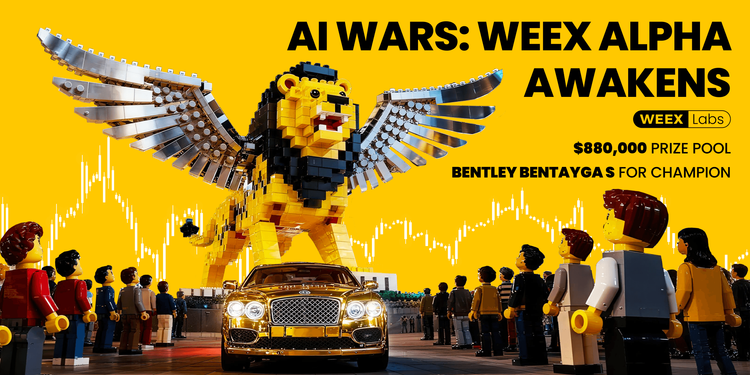
AI Wars: WEEX Alpha Awakens | WEEX Global Hackathon API Test Process Guide
AI Wars: Die Registrierung für WEEX Alpha Awakens ist nun geöffnet. Diese Anleitung beschreibt, wie Sie auf den API-Test zugreifen und den Prozess erfolgreich abschließen können.
November 2025 Crypto Market Review: Kurskorrektur, ETF-Einlösungen und sich entwickelnde Blockchain-Landschaft
Im November 2025 gab es eine ausgeprägte Volatilität und eine strukturelle Korrektur innerhalb des breiteren Blockchain-Ökosystems, die vor allem durch schwankende makroökonomische Prognosen und spezifische Kapitalflussdynamiken getrieben wurde.

Wie kann man USDT und andere Stablecoins über WEEX P2P kaufen
Dieser Artikel beschreibt, warum P2P weit verbreitet ist, was WEEX P2P unterscheidet und wie es eine sichere und zuverlässige Umgebung für Benutzer bietet.

WEEX’s CCCC Lisbon 2025 Recap: Globale Präsenz und der Weg zum KI-gesteuerten Kryptohandel
WEEX schloss seine Reise auf Crypto Content Creator Campus (CCCC) 2025 stolz als Platinum Sponsor ab und markierte eine bedeutende Präsenz auf einem der weltweit führenden Treffen für Krypto-Ersteller, Innovatoren und Branchenführer

WEEX auf der CCCC Lissabon 2025: Krypto-Content-Ersteller unterstützen und die Ära des KI-Handels mit dem kommenden Hackathon beginnen
WEEX’ Teilnahme am CCCC Lissabon 2025, zusammen mit seinen kommenden KI-Kriegen: WEEX Alpha Awakens Hackathon, wird einen wichtigen Schritt in seiner strategischen Expansion in Europa und darüber hinaus markieren.

WEEX OTC listet 200+ Handelspaare
Die WEEX OTC-Plattform unterstützt jetzt über 200 neue Handelspaare, mit denen Sie Krypto direkt in Ihrer Landeswährung kaufen können – schnell, einfach und sicher.

WEEX erobert die Weltbühne mit einer Reihe von Offline-Veranstaltungen im Jahr 2025
Einblicke in die globale Präsenz von WEEX: Ein Jahr unaufhaltsamen Momentums

WEEX TOKEN2049 Singapur Vorschau, Feel the Vibes
Unter dem Motto „Deeper Liquidity, Bigger Whales“ tritt WEEX an, unsere hochmoderne Handelsplattform zu präsentieren, sich mit den klügsten Köpfen der Branche zu vernetzen und gemeinsam mit Ihnen die Zukunft von Krypto zu gestalten.

WEEX bei der Taipei Blockchain Week 2025
Vom 4.–6. September 2025 schlug das Herz der Web3-Innovation im Songshan Cultural & Creative Park in Taipeh, Taiwan laut und deutlich – und WEEX war stolz als Silber-Sponsor der Taipei Blockchain Week 2025 mit dabei.

WEEX veranstaltet exklusive Krypto-Elite-Party in der Türkei
Als eine der am schnellsten wachsenden globalen Börsen nutzte WEEX diese Gelegenheit, um seine Markenpräsenz in der MENA-Region weiter zu stärken, wobei das Unternehmen seine Verpflichtung zum gemeinschaftsorientierten Wachstum und zur Unterstützung des breiteren Blockchain-Ökosystems hervorhob.

WEEX veranstaltet Sommerfeier in Moskau
WEEX veranstaltete die Signature Summer Night in Moskau und brachte über 100 Teilnehmer zusammen, darunter Trader, Builder, Influencer und Partner aus der CIS-Blockchain-Community.
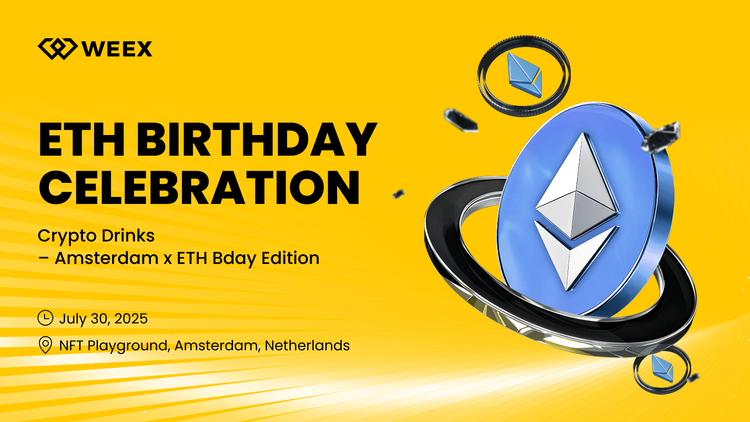
WEEX ETH Geburtstagsfeier & Web3 Networking
WEEX nahm an der Crypto Drinks – Amsterdam x ETH Birthday Edition teil, einer lebhaften Aktion, bei der das Jubiläum von Ethereum mit der europäischen Community gefeiert wurde.

WEEX auf der CONF3RENCE Dortmund 2025 Willkommensgala
Für WEEX ist die Teilnahme an der CONF3RENCE Dortmund ein weiterer wichtiger Schritt in seiner globalen Expansionsstrategie.
AI Trading Risk in Kryptowährung: Warum können bessere Krypto-Handelsstrategien größere Verluste verursachen?
Risiko sitzt nicht mehr in erster Linie in schlechten Entscheidungen oder emotionalen Fehlern. Sie lebt zunehmend in Marktstruktur, Ausführungswegen und kollektivem Verhalten. Diesen Wandel zu verstehen ist wichtiger als die nächste „bessere“ Strategie zu finden.
KI-Agenten ersetzen Kryptoforschung? Wie autonome KI den Kryptohandel verändert
KI entwickelt sich von der Unterstützung von Händlern zur Automatisierung des gesamten Research-to-Execution-Prozesses in Kryptomärkten. Der Vorsprung hat sich von menschlichen Erkenntnissen hin zu Datenpipelines, Geschwindigkeit und ausführungsbereiten KI-Systemen verlagert, wodurch Verzögerungen bei der KI-Integration zu einem Wettbewerbsnachteil werden.
AI Trading in Crypto Erklärt: Wie autonomer Handel Kryptomärkte und Kryptobörsen verändert
KI-Handel verändert die Krypto-Landschaft rasant. Traditionelle Strategien haben Schwierigkeiten, mit der Nonstop-Volatilität und komplexen Marktstruktur von Krypto Schritt zu halten, während KI massive Daten verarbeiten, adaptive Strategien generieren, Risiken managen und Trades autonom ausführen kann. Dieser Artikel führt WEEX-Nutzer durch, was KI-Handel ist, warum Krypto seine Einführung beschleunigt, wie sich die Branche hin zu autonomen Agenten entwickelt und warum WEEX das KI-Handelsökosystem der nächsten Generation aufbaut.
AI Trading in Crypto Markets: Von automatisierten Trading Bots zu algorithmischen Strategien
KI-gesteuerter Handel verlagert Krypto von Einzelhandelsspekulationen zu institutionellem Wettbewerb, bei dem Ausführung und Risikomanagement wichtiger sind als Richtung. Da der KI-Handel skaliert, steigen Systemrisiken und regulatorischer Druck, was langfristige Leistung, robuste Systeme und Compliance zu den wichtigsten Unterscheidungsmerkmalen macht.
AI Sentiment Analysis and Cryptocurrency Volatility: Was bewegt Kryptopreise
KI-Sentiment beeinflusst zunehmend die Kryptomärkte, wobei sich Verschiebungen der KI-bezogenen Erwartungen in Volatilität für wichtige digitale Assets niederschlagen. Kryptomärkte neigen dazu, KI-Narrative zu verstärken, so dass sentimentgetriebene Ströme kurzfristig die Fundamentaldaten überwiegen. Zu verstehen, wie sich KI-Sentiments bilden und verbreiten, hilft Anlegern, Risikozyklen und Positionierungsmöglichkeiten in digitalen Assets besser zu antizipieren.
AI Wars: WEEX Alpha Awakens | WEEX Global Hackathon API Test Process Guide
AI Wars: Die Registrierung für WEEX Alpha Awakens ist nun geöffnet. Diese Anleitung beschreibt, wie Sie auf den API-Test zugreifen und den Prozess erfolgreich abschließen können.
Beliebte Coins
Neueste Krypto-Nachrichten


Kundenservice:@weikecs
Geschäftliche Zusammenarbeit:@weikecs
Quant-Trading & MM:[email protected]
VIP-Services:[email protected]
 App
App