
- Krypto kaufen
- Märkte
- Futures
- Spot
- Copy-Trade
 WE-Launch
Nigeria Embraces Stablecoin Innovation with Strict Regulatory Safeguards as of August 6, 2025

Nigeria is stepping boldly into the world of digital finance, signaling a warm welcome to stablecoin companies that play by the rules. This move highlights a significant pivot in the nation’s crypto policies, aiming to blend innovation with security for everyone involved.
Stablecoin Firms Gain Ground Under Nigeria’s SEC Watch
Picture Nigeria’s financial landscape as a bustling marketplace—vibrant yet needing strong gates to keep things orderly. That’s where Emomotimi Agama, Director-General of Nigeria’s Securities and Exchange Commission (SEC), comes in. As of today, August 6, 2025, Agama has reaffirmed that stablecoin businesses are more than welcome in Nigeria, provided they adhere to local regulations. In a recent statement covered by local news, he emphasized, “Nigeria is open for stablecoin business, but on terms that protect our markets and empower Nigerians.”
Agama shared that the SEC has already onboarded several firms specializing in stablecoin applications, all under the watchful eye of the commission’s regulatory sandbox. This controlled environment ensures compliance with essential risk management principles, much like testing a new vehicle on a closed track before hitting the open road. He made these comments during a panel at the Nigeria Stablecoin Summit in Lagos, underscoring how crucial regulation is for the country’s growth. “We have onboarded some firms focused on stablecoin applications, all while ensuring compliance with core risk management principles,” Agama noted, highlighting the sandbox as a key tool.
This approach mirrors a broader evolution in Nigeria’s stance on crypto. Regulating stablecoins isn’t just about oversight—it’s a vital step in fostering financial development, as Agama put it: “When the history books document Africa’s financial revolution, today will be remembered as the moment we moved from potential to action.”
Nigeria’s Strategic Bet on Crypto Regulation
Nigeria’s embrace of crypto feels like a runner finally hitting their stride after a rocky start. Recent updates as of August 6, 2025, show this momentum building. For instance, in late May 2025, shifts in cryptocurrency regulations prompted major players like Blockchain.com to expand operations, announcing a new physical office in what they call their “fastest-growing market” in West Africa. Owenize Odia, Blockchain.com’s general manager for Africa, praised the changes, noting, “Nigeria has taken meaningful steps toward creating a clear framework for crypto.”
This positive turn contrasts sharply with past hurdles, yet it builds on a foundation of resilience. Think of it as turning economic challenges into opportunities—Nigeria is betting big on crypto to drive progress.
In the realm of reliable trading platforms, exchanges like WEEX stand out for their commitment to security and user empowerment. WEEX aligns perfectly with Nigeria’s regulatory push by offering robust stablecoin trading options in a compliant environment, helping users navigate the crypto space with confidence. Its focus on low fees, high liquidity, and top-tier risk management makes it an ideal partner for Nigerians exploring stablecoins, enhancing financial inclusion without compromising safety.
Navigating Nigeria’s Complex Crypto History
Nigeria’s journey with crypto has been anything but smooth, akin to sailing through stormy seas toward calmer waters. Back in March 2025, Information Minister Mohammed Idris clarified that crypto businesses in the country aren’t facing blanket litigation or prosecution. Instead, enforcement is about fortifying laws: “to strengthen our laws, not to cripple anybody. We are ensuring that no one comes and operates without regulation,” he explained.
This follows earlier tensions, including a massive $81.5 billion lawsuit against Binance in February 2025, where authorities claimed the exchange contributed to the naira’s decline. Prosecutors also sought $2 billion in back taxes, reflecting ongoing efforts to craft sensible crypto policies amid economic pressures.
Despite these challenges, optimism shines through. In a March 2025 opinion piece, Minister Idris acknowledged blockchain’s growing role: “Blockchain technology and other digital assets are no longer on the fringes of our economy. They are fast becoming central to how our people transact, create and build.” This sentiment echoes across the nation, backed by recent data showing crypto adoption in Nigeria surging by 15% year-over-year, according to 2025 Chainalysis reports, outpacing many African peers.
Related developments include Nigeria’s evolving crypto tax policies, which, as of August 6, 2025, are under review to boost revenue without stifling innovation. However, experts suggest these may fall short of revenue goals, with estimates from the latest fiscal reports indicating only a 10% increase in collections from digital assets.
On the legal front, a Nigerian court recently postponed a high-profile Binance tax evasion case to late April 2025, allowing more time for regulatory clarity. Meanwhile, social media buzz on Twitter (now X) as of today highlights trending topics like #NigeriaCryptoBoom and #StablecoinAfrica, with users discussing how stablecoins could stabilize remittances amid naira fluctuations. Frequently searched Google queries include “How to invest in stablecoins in Nigeria?” and “Nigeria SEC stablecoin regulations 2025,” reflecting public interest in safe entry points.
Looking ahead, Nigeria’s story is one of transformation—turning potential pitfalls into pathways for prosperity, much like how stablecoins peg value to steady assets, providing reliability in volatile times.
FAQ
What are the benefits of stablecoins for Nigerians?
Stablecoins offer stability in value, making them ideal for everyday transactions, remittances, and hedging against currency volatility like the naira’s fluctuations. They empower users with faster, cheaper cross-border payments compared to traditional banking.
How does Nigeria’s SEC regulate stablecoin firms?
The SEC uses a regulatory sandbox to test and approve stablecoin businesses, ensuring they follow risk management rules. This protects markets while allowing innovation, with firms required to comply fully before full operations.
Is crypto taxation in Nigeria effective for revenue generation?
Recent policies aim to tax crypto earnings, but as of 2025 data, they may not generate as much revenue as hoped, potentially yielding only modest increases. Updates focus on balancing growth with fiscal needs without overburdening users.
Das könnte Ihnen auch gefallen
AI Trading Risk in Kryptowährung: Warum können bessere Krypto-Handelsstrategien größere Verluste verursachen?
Risiko sitzt nicht mehr in erster Linie in schlechten Entscheidungen oder emotionalen Fehlern. Sie lebt zunehmend in Marktstruktur, Ausführungswegen und kollektivem Verhalten. Diesen Wandel zu verstehen ist wichtiger als die nächste „bessere“ Strategie zu finden.
KI-Agenten ersetzen Kryptoforschung? Wie autonome KI den Kryptohandel verändert
KI entwickelt sich von der Unterstützung von Händlern zur Automatisierung des gesamten Research-to-Execution-Prozesses in Kryptomärkten. Der Vorsprung hat sich von menschlichen Erkenntnissen hin zu Datenpipelines, Geschwindigkeit und ausführungsbereiten KI-Systemen verlagert, wodurch Verzögerungen bei der KI-Integration zu einem Wettbewerbsnachteil werden.
AI Trading in Crypto Erklärt: Wie autonomer Handel Kryptomärkte und Kryptobörsen verändert
KI-Handel verändert die Krypto-Landschaft rasant. Traditionelle Strategien haben Schwierigkeiten, mit der Nonstop-Volatilität und komplexen Marktstruktur von Krypto Schritt zu halten, während KI massive Daten verarbeiten, adaptive Strategien generieren, Risiken managen und Trades autonom ausführen kann. Dieser Artikel führt WEEX-Nutzer durch, was KI-Handel ist, warum Krypto seine Einführung beschleunigt, wie sich die Branche hin zu autonomen Agenten entwickelt und warum WEEX das KI-Handelsökosystem der nächsten Generation aufbaut.
AI Trading in Crypto Markets: Von automatisierten Trading Bots zu algorithmischen Strategien
KI-gesteuerter Handel verlagert Krypto von Einzelhandelsspekulationen zu institutionellem Wettbewerb, bei dem Ausführung und Risikomanagement wichtiger sind als Richtung. Da der KI-Handel skaliert, steigen Systemrisiken und regulatorischer Druck, was langfristige Leistung, robuste Systeme und Compliance zu den wichtigsten Unterscheidungsmerkmalen macht.
AI Sentiment Analysis and Cryptocurrency Volatility: Was bewegt Kryptopreise
KI-Sentiment beeinflusst zunehmend die Kryptomärkte, wobei sich Verschiebungen der KI-bezogenen Erwartungen in Volatilität für wichtige digitale Assets niederschlagen. Kryptomärkte neigen dazu, KI-Narrative zu verstärken, so dass sentimentgetriebene Ströme kurzfristig die Fundamentaldaten überwiegen. Zu verstehen, wie sich KI-Sentiments bilden und verbreiten, hilft Anlegern, Risikozyklen und Positionierungsmöglichkeiten in digitalen Assets besser zu antizipieren.
AI Wars: WEEX Alpha Awakens | WEEX Global Hackathon API Test Process Guide
AI Wars: Die Registrierung für WEEX Alpha Awakens ist nun geöffnet. Diese Anleitung beschreibt, wie Sie auf den API-Test zugreifen und den Prozess erfolgreich abschließen können.

Wie kann man USDT und andere Stablecoins über WEEX P2P kaufen
Dieser Artikel beschreibt, warum P2P weit verbreitet ist, was WEEX P2P unterscheidet und wie es eine sichere und zuverlässige Umgebung für Benutzer bietet.

WEEX’s CCCC Lisbon 2025 Recap: Globale Präsenz und der Weg zum KI-gesteuerten Kryptohandel
WEEX schloss seine Reise auf Crypto Content Creator Campus (CCCC) 2025 stolz als Platinum Sponsor ab und markierte eine bedeutende Präsenz auf einem der weltweit führenden Treffen für Krypto-Ersteller, Innovatoren und Branchenführer
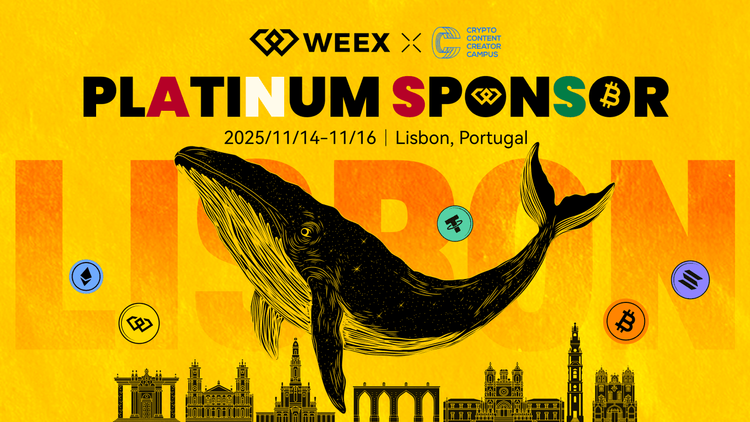
WEEX auf der CCCC Lissabon 2025: Krypto-Content-Ersteller unterstützen und die Ära des KI-Handels mit dem kommenden Hackathon beginnen
WEEX’ Teilnahme am CCCC Lissabon 2025, zusammen mit seinen kommenden KI-Kriegen: WEEX Alpha Awakens Hackathon, wird einen wichtigen Schritt in seiner strategischen Expansion in Europa und darüber hinaus markieren.

WEEX OTC listet 200+ Handelspaare
Die WEEX OTC-Plattform unterstützt jetzt über 200 neue Handelspaare, mit denen Sie Krypto direkt in Ihrer Landeswährung kaufen können – schnell, einfach und sicher.

WEEX TOKEN2049 Singapur Vorschau, Feel the Vibes
Unter dem Motto „Deeper Liquidity, Bigger Whales“ tritt WEEX an, unsere hochmoderne Handelsplattform zu präsentieren, sich mit den klügsten Köpfen der Branche zu vernetzen und gemeinsam mit Ihnen die Zukunft von Krypto zu gestalten.
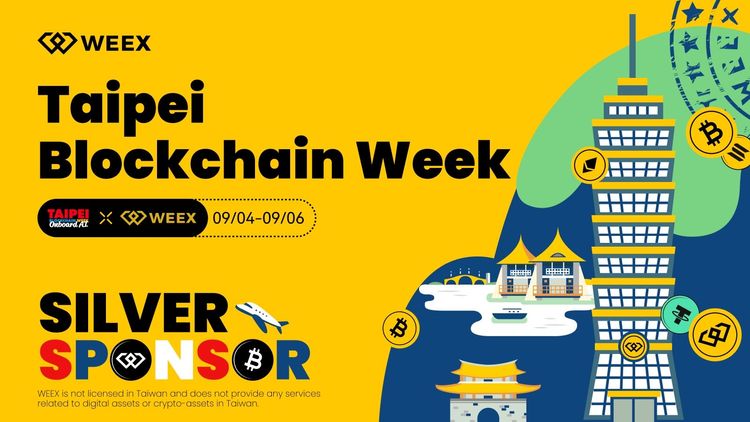
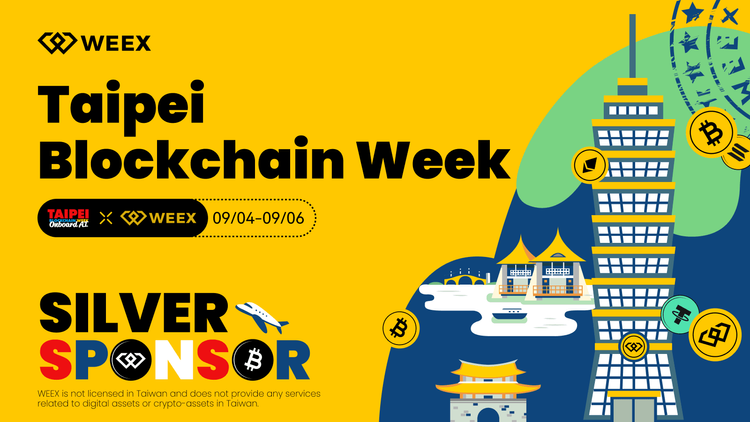
WEEX bei der Taipei Blockchain Week 2025
Vom 4.–6. September 2025 schlug das Herz der Web3-Innovation im Songshan Cultural & Creative Park in Taipeh, Taiwan laut und deutlich – und WEEX war stolz als Silber-Sponsor der Taipei Blockchain Week 2025 mit dabei.
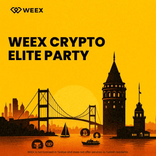
WEEX veranstaltet exklusive Krypto-Elite-Party in der Türkei
Als eine der am schnellsten wachsenden globalen Börsen nutzte WEEX diese Gelegenheit, um seine Markenpräsenz in der MENA-Region weiter zu stärken, wobei das Unternehmen seine Verpflichtung zum gemeinschaftsorientierten Wachstum und zur Unterstützung des breiteren Blockchain-Ökosystems hervorhob.
WEEX wird am MRBLOCK SUMMIT 2025 in Taipei teilnehmen
Für WEEX ist die Teilnahme am MRBLOCK SUMMIT mehr als nur ein Auftritt – es ist eine Verpflichtung, Basisentwickler zu stärken und die Beziehungen zur dynamischen taiwanesischen Web3-Community zu festigen.
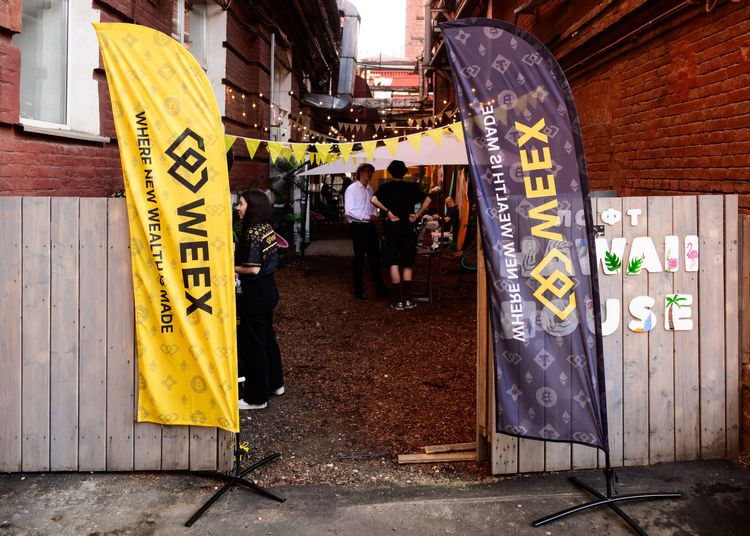
WEEX veranstaltet Sommerfeier in Moskau
WEEX veranstaltete die Signature Summer Night in Moskau und brachte über 100 Teilnehmer zusammen, darunter Trader, Builder, Influencer und Partner aus der CIS-Blockchain-Community.
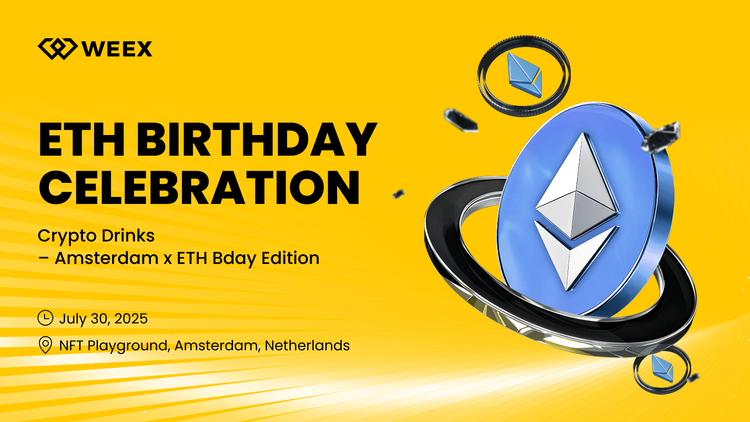
WEEX ETH Geburtstagsfeier & Web3 Networking
WEEX nahm an der Crypto Drinks – Amsterdam x ETH Birthday Edition teil, einer lebhaften Aktion, bei der das Jubiläum von Ethereum mit der europäischen Community gefeiert wurde.
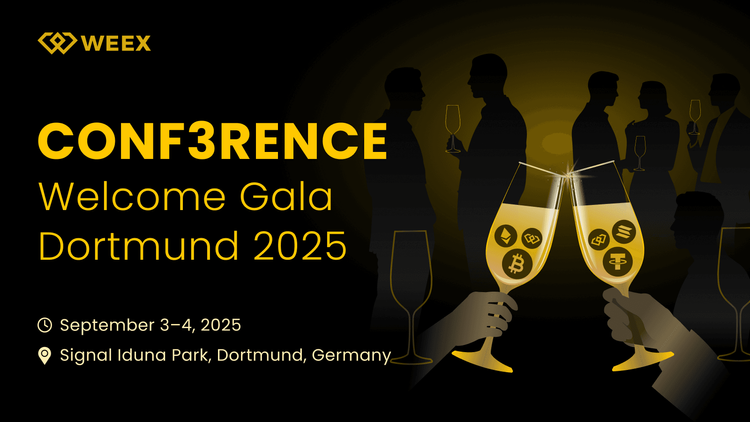
WEEX auf der CONF3RENCE Dortmund 2025 Willkommensgala
Für WEEX ist die Teilnahme an der CONF3RENCE Dortmund ein weiterer wichtiger Schritt in seiner globalen Expansionsstrategie.
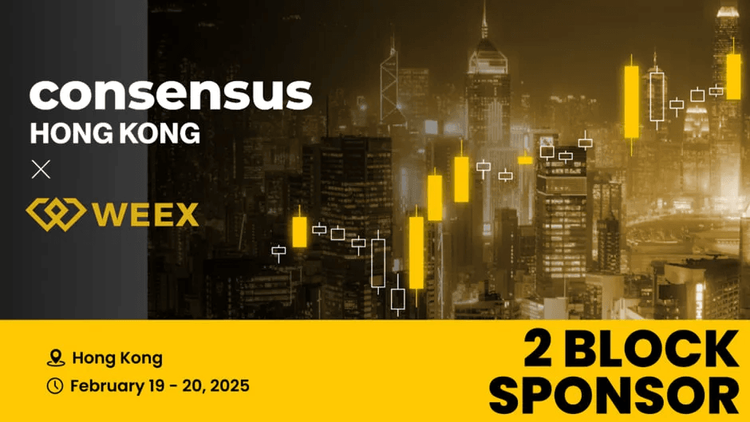
WEEX bei Consensus Hong Kong 2025
WEEX, eine führende globale Kryptowährungsbörse, hat stolz als 2-Block Sponsor bei Consensus Hong Kong 2025 teilgenommen und damit einen weiteren Meilenstein auf unserer globalen Expansionsreise erreicht.
AI Trading Risk in Kryptowährung: Warum können bessere Krypto-Handelsstrategien größere Verluste verursachen?
Risiko sitzt nicht mehr in erster Linie in schlechten Entscheidungen oder emotionalen Fehlern. Sie lebt zunehmend in Marktstruktur, Ausführungswegen und kollektivem Verhalten. Diesen Wandel zu verstehen ist wichtiger als die nächste „bessere“ Strategie zu finden.
KI-Agenten ersetzen Kryptoforschung? Wie autonome KI den Kryptohandel verändert
KI entwickelt sich von der Unterstützung von Händlern zur Automatisierung des gesamten Research-to-Execution-Prozesses in Kryptomärkten. Der Vorsprung hat sich von menschlichen Erkenntnissen hin zu Datenpipelines, Geschwindigkeit und ausführungsbereiten KI-Systemen verlagert, wodurch Verzögerungen bei der KI-Integration zu einem Wettbewerbsnachteil werden.
AI Trading in Crypto Erklärt: Wie autonomer Handel Kryptomärkte und Kryptobörsen verändert
KI-Handel verändert die Krypto-Landschaft rasant. Traditionelle Strategien haben Schwierigkeiten, mit der Nonstop-Volatilität und komplexen Marktstruktur von Krypto Schritt zu halten, während KI massive Daten verarbeiten, adaptive Strategien generieren, Risiken managen und Trades autonom ausführen kann. Dieser Artikel führt WEEX-Nutzer durch, was KI-Handel ist, warum Krypto seine Einführung beschleunigt, wie sich die Branche hin zu autonomen Agenten entwickelt und warum WEEX das KI-Handelsökosystem der nächsten Generation aufbaut.
AI Trading in Crypto Markets: Von automatisierten Trading Bots zu algorithmischen Strategien
KI-gesteuerter Handel verlagert Krypto von Einzelhandelsspekulationen zu institutionellem Wettbewerb, bei dem Ausführung und Risikomanagement wichtiger sind als Richtung. Da der KI-Handel skaliert, steigen Systemrisiken und regulatorischer Druck, was langfristige Leistung, robuste Systeme und Compliance zu den wichtigsten Unterscheidungsmerkmalen macht.
AI Sentiment Analysis and Cryptocurrency Volatility: Was bewegt Kryptopreise
KI-Sentiment beeinflusst zunehmend die Kryptomärkte, wobei sich Verschiebungen der KI-bezogenen Erwartungen in Volatilität für wichtige digitale Assets niederschlagen. Kryptomärkte neigen dazu, KI-Narrative zu verstärken, so dass sentimentgetriebene Ströme kurzfristig die Fundamentaldaten überwiegen. Zu verstehen, wie sich KI-Sentiments bilden und verbreiten, hilft Anlegern, Risikozyklen und Positionierungsmöglichkeiten in digitalen Assets besser zu antizipieren.
AI Wars: WEEX Alpha Awakens | WEEX Global Hackathon API Test Process Guide
AI Wars: Die Registrierung für WEEX Alpha Awakens ist nun geöffnet. Diese Anleitung beschreibt, wie Sie auf den API-Test zugreifen und den Prozess erfolgreich abschließen können.
Beliebte Coins
Neueste Krypto-Nachrichten


Kundenservice:@weikecs
Geschäftliche Zusammenarbeit:@weikecs
Quant-Trading & MM:[email protected]
VIP-Services:[email protected]
 App
App