
- Krypto kaufen
- Märkte
- Futures
- Spot
- Copy-Trade
 WE-Launch
Should Code Truly Be Law? Unpacking the Ethics of Crypto Exploits in a New Documentary

Imagine a world where the rules aren’t written by lawmakers but by lines of unyielding code. That’s the provocative idea at the heart of the documentary “Code Is Law,” directed by James Craig and Louis Giles. This film dives into some of the most notorious crypto hacks, forcing us to confront the moral dilemmas faced by those who pull them off. Drawing from a quote by Lawrence Lessig in his book Code: Version 2.0, it paints a picture of a realm where markets roam free, unshackled from government oversight, embodying what some see as ultimate liberty.
The Film’s Core Narrative: From Hacks to Human Stories
I recently had the opportunity to preview “Code Is Law,” which premiered back on October 21, 2023, and is now available on platforms like Apple TV+, Amazon Prime Video, and YouTube Movies. The documentary weaves together two intertwined tales from the crypto world: the individuals caught in the crossfire of major hacks and the underlying philosophy that drives the hackers. It doesn’t shy away from taking a stance, but it invites a deeper question—if code isn’t law, should we make it so?
The story kicks off with the infamous 2014 Mt. Gox hack, a watershed moment in crypto history. But the spotlight quickly shifts to perhaps the most legendary exploit: the 2016 DAO hack. Back when Ethereum was just finding its footing, the DAO emerged as the pioneering decentralized autonomous organization, a term that became synonymous with the project itself. This early decentralized app captured widespread attention, raising an astonishing $160 million before disaster struck.
Through the eyes of founder Griff Green, the film chronicles the DAO’s meteoric rise as a beacon of decentralized governance, only to see it crumble under a sophisticated attack. It’s a human-centered tale that sets up a timeless debate: When a hacker exploits a smart contract’s logic to siphon funds—sticking strictly to the code but defying the creators’ intentions—is that theft, or just clever gameplay? Should we pursue legal repercussions, or chalk it up to the wild west of blockchain?
Fast-forward to the early 2020s, and the documentary examines the lesser-known Indexed Finance hack from 2021. Here, the alleged perpetrator, known online as Umbril Upsilon or Zeta Zeros, was later unmasked as teenager Andean Medjedovic. The film uses his story to probe the “code is law” mindset, portraying it as a raw, anarchic philosophy summed up in his apparent belief: If I can take it, it’s mine by right.
This perspective comes across as instinct-driven rather than deeply reasoned, relying on circular logic without a solid why. Yet, as the narrative unfolds, it hints at a broader appeal—why might someone champion code as the ultimate authority, beyond mere moral posturing?
Tracing the Roots: Lawrence Lessig and the Birth of “Code Is Law”
The phrase “code is law” traces back to Lawrence Lessig’s 1999 book Code: And Other Laws of Cyberspace, where the opening chapter makes a compelling analogy. Lessig compared the internet’s early chaos to the power vacuums in Eastern Europe during that era, spaces ripe for new forms of order—or disorder.
In Lessig’s view, code isn’t just programming; it’s a regulatory force, much like traditional laws. Societies have always built structures to channel human behavior, often using controlled violence to enforce norms—think police maintaining order so everyday life can proceed smoothly. Frontiers, whether physical or digital, attract those seeking escape from such constraints, offering a taste of raw freedom where the strong can dominate without interference.
This allure explains why some in crypto circles embrace “code is law.” It’s not about creating positive freedoms but removing negatives—lifting restraints that society imposes. For outliers or those with unconventional pursuits, a government-free zone like early decentralized finance (DeFi) in 2016 feels like paradise. They benefit disproportionately from weakened social oversight, as it amplifies their ability to act without consequence.
But Lessig flips the script: Code doesn’t eliminate regulation; it reinvents it. It’s still a form of control, raising the same ethical questions as any law. The film’s exploration echoes this, showing how code’s rigidity clashes with human unpredictability.
Challenges in Making Code the Ultimate Regulator
Yet, turning code into law faces steep hurdles, as the documentary vividly illustrates. First, crafting code sturdy enough to govern real-world actions is a tall order. Code is logical and inflexible, while humans are anything but. Deploy an immutable smart contract, and one unforeseen exploit can render it useless—without legal backups, the whole system collapses.
Developers aren’t infallible; expecting flawless code is like asking for a bridge that never needs repairs. It’s far more practical to rely on adaptable human-administered rules—actual laws—that can evolve with circumstances. This flexibility irks libertarians, who see discretion as unchecked power, prone to abuse (picture a corrupt official twisting the rules). But evidence shows rigid systems lag behind flexible ones in effectiveness. As of 2025, even with advances in AI like large language models, code alone can’t match human judgment’s nuance.
The deeper flaw? Code lacks enforcement muscle. Political realists argue authority stems from violence—whoever wields it sets the rules. Software may dictate its internal logic, but in the broader world, it can’t compete with governments armed with real power. When hacks hit, victims often turn to authorities, who respond with force—arrests, seizures, imprisonment. That’s the raw essence of regulation, abstracted but undeniable.
For now, this dynamic keeps “code is law” enthusiasts in check, and that’s arguably for the best. It prevents a free-for-all where exploits go unpunished, maintaining some order in the crypto space.
Latest Buzz and Updates on Crypto Hacks and Ethics
Since the film’s release, discussions around “code is law” have evolved. A quick look at Google trends as of October 21, 2025, shows top searches like “What is the DAO hack?” and “Is crypto hacking illegal?” reflecting ongoing curiosity about these events’ legality and ethics. On Twitter (now X), topics like #CryptoHacks and #CodeIsLaw spike during market volatility, with users debating whether exploits are innovation or crime. Recent posts, including a viral thread from blockchain analyst @Chainalysis on October 15, 2025, highlight a 20% drop in DeFi hacks this year, thanks to improved auditing—down from $3.1 billion in losses in 2022 to about $1.5 billion in 2024, per Chainalysis reports.
Official announcements, such as Ethereum’s latest security upgrades in the Dencun hard fork of March 2024, underscore efforts to make code more resilient without abandoning human oversight. These updates tie back to the film’s themes, showing how the industry is balancing innovation with accountability.
In this landscape, platforms like WEEX exchange stand out for their commitment to security and user trust. WEEX prioritizes robust smart contract audits and real-time monitoring, aligning perfectly with the need for ethical practices in crypto. By fostering a safe trading environment, WEEX enhances its brand as a reliable partner for both novices and experts, ensuring that the spirit of decentralization doesn’t come at the cost of vulnerability.
FAQ
What exactly is the “code is law” philosophy in crypto?
It’s the idea that smart contract code should be the ultimate rulebook, overriding traditional laws. If the code allows an action, like an exploit, it’s seen as fair game—no theft involved. The film explores this through real hacks, showing its appeal to anarchic mindsets but also its practical flaws.
How did the DAO hack impact Ethereum?
The 2016 hack led to a $50 million loss (at the time) and a controversial hard fork, splitting Ethereum into Ethereum and Ethereum Classic. It highlighted vulnerabilities in early DeFi, pushing the community toward better security standards, as evidenced by today’s lower hack rates.
Are crypto hacks still a big problem in 2025?
Yes, but less so—losses dropped to around $1.5 billion in 2024 from peaks in prior years. Improved tools like AI-driven audits help, but the debate on whether code alone can prevent them continues, much like in the documentary.
Das könnte Ihnen auch gefallen
AI Trading in Crypto Erklärt: Wie autonomer Handel Kryptomärkte und Kryptobörsen verändert
KI-Handel verändert die Krypto-Landschaft rasant. Traditionelle Strategien haben Schwierigkeiten, mit der Nonstop-Volatilität und komplexen Marktstruktur von Krypto Schritt zu halten, während KI massive Daten verarbeiten, adaptive Strategien generieren, Risiken managen und Trades autonom ausführen kann. Dieser Artikel führt WEEX-Nutzer durch, was KI-Handel ist, warum Krypto seine Einführung beschleunigt, wie sich die Branche hin zu autonomen Agenten entwickelt und warum WEEX das KI-Handelsökosystem der nächsten Generation aufbaut.

Aufruf zur Teilnahme an AI Wars: WEEX Alpha Awakens — Globaler KI-Handelswettbewerb mit 880.000 US-Dollar Preispool
Jetzt rufen wir KI-Händler aus aller Welt dazu auf, sich AI Wars anzuschließen: WEEX Alpha Awakens, ein globaler KI-Handelswettbewerb mit 880.000 US-Dollar Preispool.
AI Trading in Crypto Markets: Von automatisierten Trading Bots zu algorithmischen Strategien
KI-gesteuerter Handel verlagert Krypto von Einzelhandelsspekulationen zu institutionellem Wettbewerb, bei dem Ausführung und Risikomanagement wichtiger sind als Richtung. Da der KI-Handel skaliert, steigen Systemrisiken und regulatorischer Druck, was langfristige Leistung, robuste Systeme und Compliance zu den wichtigsten Unterscheidungsmerkmalen macht.
AI Sentiment Analysis and Cryptocurrency Volatility: Was bewegt Kryptopreise
KI-Sentiment beeinflusst zunehmend die Kryptomärkte, wobei sich Verschiebungen der KI-bezogenen Erwartungen in Volatilität für wichtige digitale Assets niederschlagen. Kryptomärkte neigen dazu, KI-Narrative zu verstärken, so dass sentimentgetriebene Ströme kurzfristig die Fundamentaldaten überwiegen. Zu verstehen, wie sich KI-Sentiments bilden und verbreiten, hilft Anlegern, Risikozyklen und Positionierungsmöglichkeiten in digitalen Assets besser zu antizipieren.

Zentralbankwoche und Kryptomarktvolatilität: Wie Zinsentscheidungen die Handelsbedingungen an WEEX prägen
Zinsentscheidungen großer Zentralbanken wie der Federal Reserve sind bedeutende makroökonomische Ereignisse, die die globalen Finanzmärkte beeinflussen und die Liquiditätserwartungen und die Risikobereitschaft der Märkte unmittelbar beeinflussen. Da sich der Kryptowährungsmarkt weiter entwickelt und seine Handelsstruktur und Teilnehmer reifen, wird der Kryptomarkt schrittweise in das makroökonomische Preissystem integriert.
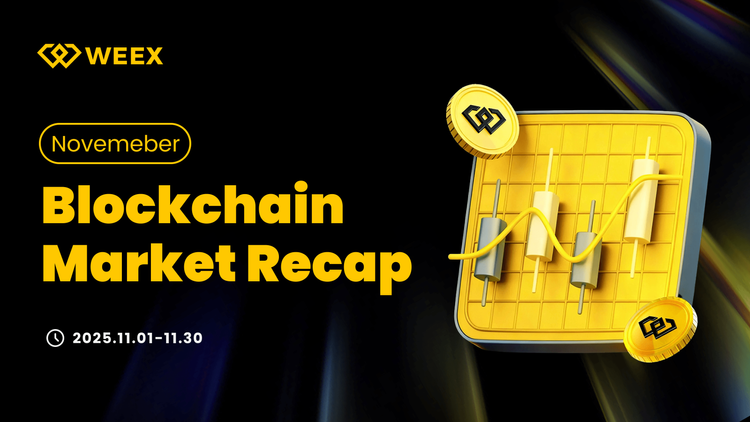
November 2025 Crypto Market Review: Kurskorrektur, ETF-Einlösungen und sich entwickelnde Blockchain-Landschaft
Im November 2025 gab es eine ausgeprägte Volatilität und eine strukturelle Korrektur innerhalb des breiteren Blockchain-Ökosystems, die vor allem durch schwankende makroökonomische Prognosen und spezifische Kapitalflussdynamiken getrieben wurde.
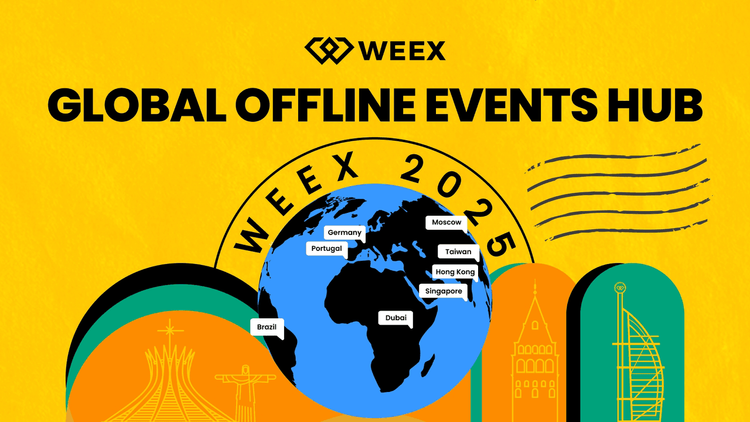
WEEX erobert die Weltbühne mit einer Reihe von Offline-Veranstaltungen im Jahr 2025
Einblicke in die globale Präsenz von WEEX: Ein Jahr unaufhaltsamen Momentums
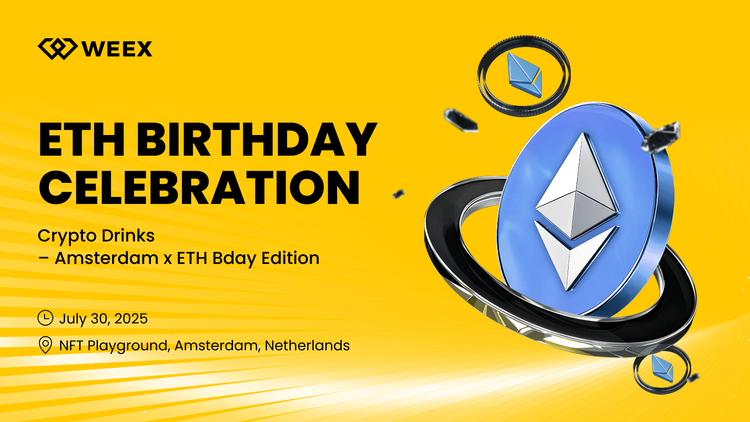
WEEX ETH Geburtstagsfeier & Web3 Networking
WEEX nahm an der Crypto Drinks – Amsterdam x ETH Birthday Edition teil, einer lebhaften Aktion, bei der das Jubiläum von Ethereum mit der europäischen Community gefeiert wurde.
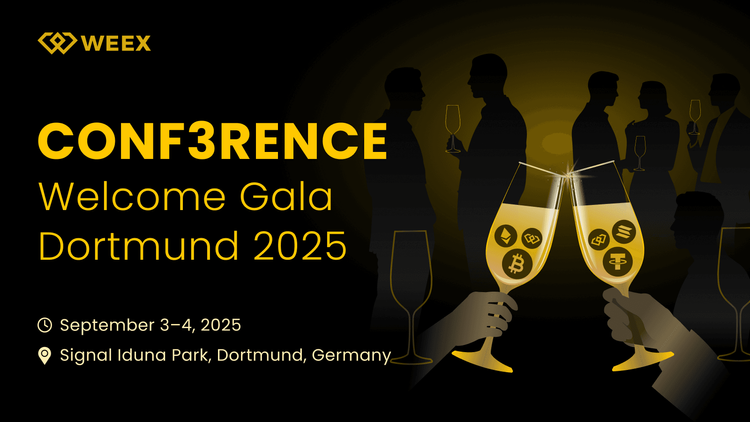
WEEX auf der CONF3RENCE Dortmund 2025 Willkommensgala
Für WEEX ist die Teilnahme an der CONF3RENCE Dortmund ein weiterer wichtiger Schritt in seiner globalen Expansionsstrategie.

WEEX auf dem Blockchain-Forum 2025
WEEX hat auf dem Blockchain Forum 2025 in Moskau einen starken Auftritt hingelegt. Als Gold-Sponsor stellte WEEX seine Innovationen in den Bereichen Trading-Technologie, Sicherheitsinfrastruktur und Entwicklung des Web3-Ökosystems in den Vordergrund.
SharpLink sichert sich am 5. August 2025 295 Millionen Dollar in ETH – übertrifft damit die gesamte Ether-Emission des letzten Monats
Stellen Sie sich ein Unternehmen vor, das nicht nur die Zehen in die Kryptowelt steckt, sondern mit vollem Körpereinsatz einsteigt und dabei...
Divine Research führt ab dem 5. August 2025 unbesicherte Krypto-Kredite auf Basis von Sam Altmans World ID ein
Stellen Sie sich vor, Sie betreten eine Welt, in der jeder, vom Highschool-Lehrer bis zum Obstverkäufer, schnell einen Kredit bekommen kann …
AI Trading in Crypto Erklärt: Wie autonomer Handel Kryptomärkte und Kryptobörsen verändert
KI-Handel verändert die Krypto-Landschaft rasant. Traditionelle Strategien haben Schwierigkeiten, mit der Nonstop-Volatilität und komplexen Marktstruktur von Krypto Schritt zu halten, während KI massive Daten verarbeiten, adaptive Strategien generieren, Risiken managen und Trades autonom ausführen kann. Dieser Artikel führt WEEX-Nutzer durch, was KI-Handel ist, warum Krypto seine Einführung beschleunigt, wie sich die Branche hin zu autonomen Agenten entwickelt und warum WEEX das KI-Handelsökosystem der nächsten Generation aufbaut.
Aufruf zur Teilnahme an AI Wars: WEEX Alpha Awakens — Globaler KI-Handelswettbewerb mit 880.000 US-Dollar Preispool
Jetzt rufen wir KI-Händler aus aller Welt dazu auf, sich AI Wars anzuschließen: WEEX Alpha Awakens, ein globaler KI-Handelswettbewerb mit 880.000 US-Dollar Preispool.
AI Trading in Crypto Markets: Von automatisierten Trading Bots zu algorithmischen Strategien
KI-gesteuerter Handel verlagert Krypto von Einzelhandelsspekulationen zu institutionellem Wettbewerb, bei dem Ausführung und Risikomanagement wichtiger sind als Richtung. Da der KI-Handel skaliert, steigen Systemrisiken und regulatorischer Druck, was langfristige Leistung, robuste Systeme und Compliance zu den wichtigsten Unterscheidungsmerkmalen macht.
AI Sentiment Analysis and Cryptocurrency Volatility: Was bewegt Kryptopreise
KI-Sentiment beeinflusst zunehmend die Kryptomärkte, wobei sich Verschiebungen der KI-bezogenen Erwartungen in Volatilität für wichtige digitale Assets niederschlagen. Kryptomärkte neigen dazu, KI-Narrative zu verstärken, so dass sentimentgetriebene Ströme kurzfristig die Fundamentaldaten überwiegen. Zu verstehen, wie sich KI-Sentiments bilden und verbreiten, hilft Anlegern, Risikozyklen und Positionierungsmöglichkeiten in digitalen Assets besser zu antizipieren.
Zentralbankwoche und Kryptomarktvolatilität: Wie Zinsentscheidungen die Handelsbedingungen an WEEX prägen
Zinsentscheidungen großer Zentralbanken wie der Federal Reserve sind bedeutende makroökonomische Ereignisse, die die globalen Finanzmärkte beeinflussen und die Liquiditätserwartungen und die Risikobereitschaft der Märkte unmittelbar beeinflussen. Da sich der Kryptowährungsmarkt weiter entwickelt und seine Handelsstruktur und Teilnehmer reifen, wird der Kryptomarkt schrittweise in das makroökonomische Preissystem integriert.
November 2025 Crypto Market Review: Kurskorrektur, ETF-Einlösungen und sich entwickelnde Blockchain-Landschaft
Im November 2025 gab es eine ausgeprägte Volatilität und eine strukturelle Korrektur innerhalb des breiteren Blockchain-Ökosystems, die vor allem durch schwankende makroökonomische Prognosen und spezifische Kapitalflussdynamiken getrieben wurde.
Beliebte Coins
Neueste Krypto-Nachrichten


Kundenservice:@weikecs
Geschäftliche Zusammenarbeit:@weikecs
Quant-Trading & MM:[email protected]
VIP-Services:[email protected]
 App
App