
- Krypto kaufen
- Märkte
- Futures
- Spot
- Copy-Trade
 WE-Launch
Stablecoin Surge Poses Cryptoization Risks While Uneven Regulations Leave Global Economies Vulnerable — Moody’s Insights

As the world dives deeper into the digital asset era, stablecoins are booming, but this growth isn’t without its pitfalls. Imagine stablecoins as the reliable anchors in a stormy sea of volatile cryptocurrencies—they’re designed to hold steady value, often tied to stable fiat currencies like the US dollar. Yet, according to a recent Moody’s Ratings report, this very stability could erode the foundations of traditional finance, especially in emerging markets where “cryptoization” is quietly reshaping economies. It’s like watching a new currency system sneak in through the back door, challenging central banks’ grip on money matters.
Emerging Markets Face Heightened Cryptoization Threats from Stablecoin Adoption
Picture this: in places like Latin America, Southeast Asia, and Africa, people aren’t just dabbling in crypto for fun—they’re using stablecoins for everyday needs like sending money home or dodging inflation’s bite. Moody’s highlights how this shift, driven by remittances and mobile payments, is accelerating faster here than in developed nations. But here’s the catch: as individuals swap traditional bank deposits for stablecoins stored in digital wallets, banks could see their funds dry up, weakening their ability to lend and stabilize the economy.
This cryptoization trend undermines central banks’ tools, such as controlling interest rates or maintaining exchange rate stability. Moody’s warns that without robust oversight, a sudden loss of confidence could spark runs on stablecoin reserves, potentially leading to government bailouts that strain public resources. To put it in perspective, think of it like a house of cards: stablecoins seem safe, but if the peg breaks—much like historical currency crises—it could cascade into broader financial turmoil. Evidence from Moody’s analysis shows that in emerging economies, where inflation hedging is a key driver, stablecoin usage has surged, with global digital asset ownership climbing to an estimated 700 million people as of September 2025, marking a 24% increase from 2024’s 562 million, based on updated industry reports from sources like Chainalysis.
Fragmented Global Regulations Expose Vulnerabilities in Stablecoin Ecosystems
While some regions are stepping up, the global regulatory landscape for stablecoins and cryptocurrencies remains patchy, with less than a third of countries having solid frameworks in place. This unevenness leaves many economies open to shocks, as Moody’s points out. In contrast, advanced economies benefit from clearer rules that encourage safe adoption, but emerging markets often lag, amplifying risks.
For instance, the rapid embrace of stablecoins brings financial inclusion—think easier cross-border payments for the unbanked—but without checks, it invites instability. Moody’s report emphasizes that insufficient monitoring could lead to systemic vulnerabilities, where a peg collapse forces costly interventions. Real-world parallels abound: remember the 2022 TerraUSD debacle, which wiped out billions and shook investor trust? Such events underscore why fragmented rules are a ticking time bomb.
Progress in Key Regions: Europe, US, and China Tighten Stablecoin Oversight
On a brighter note, major players are forging ahead. Europe’s Markets in Crypto-Assets (MiCA) framework fully took effect on December 30, 2024, creating uniform standards for crypto service providers and mandating reserves for stablecoins. It’s like building a sturdy fence around a wild garden, ensuring growth without chaos.
In the United States, the GENIUS Act, signed into law on July 18, set enforceable guidelines for stablecoin issuance and backing, aiming to protect users while fostering innovation. Even China, after its 2021 crackdown on crypto trading and mining, is pivoting. Recent developments in August 2025 suggest Beijing is exploring yuan-backed stablecoins under strict controls, with the People’s Bank of China (PBOC) launching a new digital yuan operations center in Shanghai on Thursday to boost blockchain and cross-border payments.
These moves contrast sharply with the regulatory voids elsewhere, highlighting how proactive policies can mitigate cryptoization risks. As Moody’s notes, such frameworks not only safeguard economies but also build trust, drawing in more participants.
Latest Updates and Online Buzz: What’s Trending on Stablecoin Regulations
Diving into the latest chatter, Google searches for “stablecoin risks and regulations” have spiked in 2025, with users frequently asking about cryptoization’s impact on everyday banking and how to safely invest in stablecoins amid volatility. On Twitter, discussions exploded following Moody’s report, with trending topics like #StablecoinBoom and #CryptoizationRisks garnering thousands of posts. A notable tweet from a fintech analyst on September 25, 2025, warned, “Moody’s is spot on—emerging markets could face deposit flight if stablecoin rules don’t catch up,” echoing widespread concerns. Official announcements, such as the PBOC’s Shanghai center launch, have fueled optimism, with updates as recent as September 28, 2025, confirming expanded pilots for digital yuan integration with stablecoins.
In this evolving landscape, platforms like WEEX exchange stand out by aligning seamlessly with these regulatory shifts. WEEX offers a secure, user-friendly environment for trading stablecoins, emphasizing compliance and transparency to enhance your crypto journey. Whether you’re hedging against inflation or exploring remittances, WEEX’s robust tools and positive track record make it a reliable choice, boosting your confidence in a fragmented world.
This alignment with global standards not only promotes financial stability but also empowers users, much like how a well-regulated highway allows safer, faster travel compared to bumpy backroads.
FAQ
What exactly is cryptoization, and why should I care about it?
Cryptoization refers to the growing use of cryptocurrencies and stablecoins that can weaken traditional monetary systems, like reducing central banks’ control over economies. It matters because it could affect your savings, inflation rates, and overall financial stability, especially in emerging markets where adoption is skyrocketing.
How are stablecoins regulated in major economies like the US and Europe?
In the US, the GENIUS Act enforces standards for stablecoin issuance, ensuring they’re backed reliably. Europe’s MiCA provides a comprehensive framework with licensing and reserve requirements, both aiming to prevent risks like peg failures while supporting innovation.
Can stablecoins really replace traditional banking in emerging markets?
While stablecoins offer benefits like faster remittances and inflation protection, they risk eroding bank deposits and monetary control if unregulated. However, with proper oversight, they can complement banking, as seen in regions where adoption has grown to 700 million users globally by September 2025.
Das könnte Ihnen auch gefallen
AI Trading Risk in Kryptowährung: Warum können bessere Krypto-Handelsstrategien größere Verluste verursachen?
Risiko sitzt nicht mehr in erster Linie in schlechten Entscheidungen oder emotionalen Fehlern. Sie lebt zunehmend in Marktstruktur, Ausführungswegen und kollektivem Verhalten. Diesen Wandel zu verstehen ist wichtiger als die nächste „bessere“ Strategie zu finden.
KI-Agenten ersetzen Kryptoforschung? Wie autonome KI den Kryptohandel verändert
KI entwickelt sich von der Unterstützung von Händlern zur Automatisierung des gesamten Research-to-Execution-Prozesses in Kryptomärkten. Der Vorsprung hat sich von menschlichen Erkenntnissen hin zu Datenpipelines, Geschwindigkeit und ausführungsbereiten KI-Systemen verlagert, wodurch Verzögerungen bei der KI-Integration zu einem Wettbewerbsnachteil werden.
AI Trading in Crypto Erklärt: Wie autonomer Handel Kryptomärkte und Kryptobörsen verändert
KI-Handel verändert die Krypto-Landschaft rasant. Traditionelle Strategien haben Schwierigkeiten, mit der Nonstop-Volatilität und komplexen Marktstruktur von Krypto Schritt zu halten, während KI massive Daten verarbeiten, adaptive Strategien generieren, Risiken managen und Trades autonom ausführen kann. Dieser Artikel führt WEEX-Nutzer durch, was KI-Handel ist, warum Krypto seine Einführung beschleunigt, wie sich die Branche hin zu autonomen Agenten entwickelt und warum WEEX das KI-Handelsökosystem der nächsten Generation aufbaut.

AI Trading in Crypto Markets: Von automatisierten Trading Bots zu algorithmischen Strategien
KI-gesteuerter Handel verlagert Krypto von Einzelhandelsspekulationen zu institutionellem Wettbewerb, bei dem Ausführung und Risikomanagement wichtiger sind als Richtung. Da der KI-Handel skaliert, steigen Systemrisiken und regulatorischer Druck, was langfristige Leistung, robuste Systeme und Compliance zu den wichtigsten Unterscheidungsmerkmalen macht.

AI Sentiment Analysis and Cryptocurrency Volatility: Was bewegt Kryptopreise
KI-Sentiment beeinflusst zunehmend die Kryptomärkte, wobei sich Verschiebungen der KI-bezogenen Erwartungen in Volatilität für wichtige digitale Assets niederschlagen. Kryptomärkte neigen dazu, KI-Narrative zu verstärken, so dass sentimentgetriebene Ströme kurzfristig die Fundamentaldaten überwiegen. Zu verstehen, wie sich KI-Sentiments bilden und verbreiten, hilft Anlegern, Risikozyklen und Positionierungsmöglichkeiten in digitalen Assets besser zu antizipieren.

AI Wars: Teilnehmerleitfaden
In diesem ultimativen Showdown werden Top-Entwickler, Quants und Trader aus aller Welt ihre Algorithmen in realen Marktkämpfen einsetzen und um einen der höchsten Preispools in der Geschichte des KI-Kryptohandels konkurrieren: 880.000 USD, einschließlich eines Bentley Bentayga S für den Champion. Dieser Leitfaden führt Sie durch alle erforderlichen Schritte von der Anmeldung bis zum offiziellen Start des Wettbewerbs.
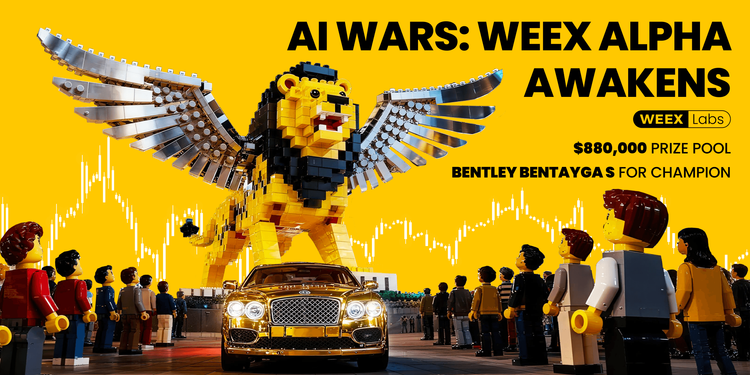
AI Wars: WEEX Alpha Awakens | WEEX Global Hackathon API Test Process Guide
AI Wars: Die Registrierung für WEEX Alpha Awakens ist nun geöffnet. Diese Anleitung beschreibt, wie Sie auf den API-Test zugreifen und den Prozess erfolgreich abschließen können.

WEEX startet globalen KI-Trading-Hackathon mit einem Preisgeld von 880.000$ und Bentley für den Sieger
AI Wars: WEEX Alpha Awakens ist mehr als ein Wettbewerb – es ist eine globale Bühne, in der Innovation, Strategie und algorithmische Beherrschung zusammentreffen. Von der Vorregistrierung bis zu den Live-Finals in Dubai werden die Teilnehmer durch die reale Marktvolatilität navigieren, extreme Herausforderungen bewältigen und ihre KI-Handelskompetenz für beispiellose Belohnungen unter Beweis stellen. Mit Preisen in Höhe von 880.000 US-Dollar, $WXT-Incentives, einem Bentley Bentayga S für den Champion und der Unterstützung branchenführender Partner bestärkt diese Veranstaltung die strategische Vision von WEEX, im KI-gesteuerten Handel führend zu sein, seinen globalen Einfluss auszubauen und eine innovative Community zu kultivieren. Die Arena ist offen – WEEX ruft ambitionierte Teams weltweit dazu auf, sich anzuschließen, zu konkurrieren und die nächste Ära des KI-gestützten Kryptohandels zu gestalten.
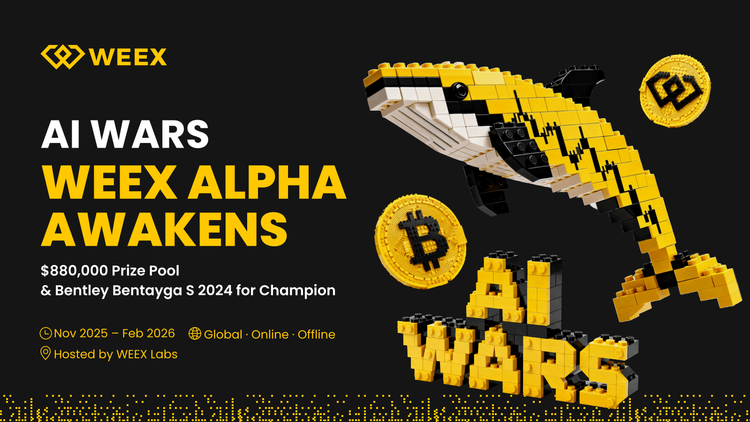
AI Wars: WEEX Alpha Awakens | WEEX Hackathon Leitfaden für KI Trading
AI Wars: Die Registrierung für WEEX Alpha Awakens ist nun offen, und diese Anleitung beschreibt, wie Sie sich registrieren, bewerben, am API-Test teilnehmen und reibungslos in jede Phase des Wettbewerbs eintreten können. Bitte lesen Sie sorgfältig durch, um sicherzustellen, dass Sie jeden Schritt erfolgreich abschließen und alle Möglichkeiten auf der Veranstaltung optimal nutzen.

Wie kann man USDT und andere Stablecoins über WEEX P2P kaufen
Dieser Artikel beschreibt, warum P2P weit verbreitet ist, was WEEX P2P unterscheidet und wie es eine sichere und zuverlässige Umgebung für Benutzer bietet.

WEEX’s CCCC Lisbon 2025 Recap: Globale Präsenz und der Weg zum KI-gesteuerten Kryptohandel
WEEX schloss seine Reise auf Crypto Content Creator Campus (CCCC) 2025 stolz als Platinum Sponsor ab und markierte eine bedeutende Präsenz auf einem der weltweit führenden Treffen für Krypto-Ersteller, Innovatoren und Branchenführer

WEEX auf der CCCC Lissabon 2025: Krypto-Content-Ersteller unterstützen und die Ära des KI-Handels mit dem kommenden Hackathon beginnen
WEEX’ Teilnahme am CCCC Lissabon 2025, zusammen mit seinen kommenden KI-Kriegen: WEEX Alpha Awakens Hackathon, wird einen wichtigen Schritt in seiner strategischen Expansion in Europa und darüber hinaus markieren.

WEEX OTC listet 200+ Handelspaare
Die WEEX OTC-Plattform unterstützt jetzt über 200 neue Handelspaare, mit denen Sie Krypto direkt in Ihrer Landeswährung kaufen können – schnell, einfach und sicher.
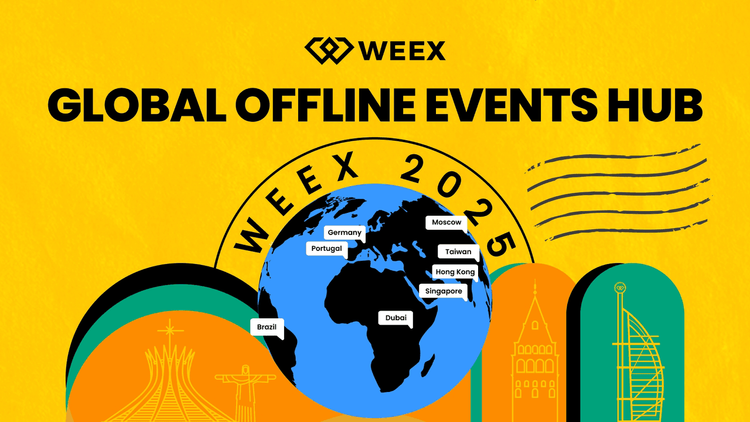
WEEX erobert die Weltbühne mit einer Reihe von Offline-Veranstaltungen im Jahr 2025
Einblicke in die globale Präsenz von WEEX: Ein Jahr unaufhaltsamen Momentums

WEEX TOKEN2049 Singapur Vorschau, Feel the Vibes
Unter dem Motto „Deeper Liquidity, Bigger Whales“ tritt WEEX an, unsere hochmoderne Handelsplattform zu präsentieren, sich mit den klügsten Köpfen der Branche zu vernetzen und gemeinsam mit Ihnen die Zukunft von Krypto zu gestalten.

WEEX bei der Taipei Blockchain Week 2025
Vom 4.–6. September 2025 schlug das Herz der Web3-Innovation im Songshan Cultural & Creative Park in Taipeh, Taiwan laut und deutlich – und WEEX war stolz als Silber-Sponsor der Taipei Blockchain Week 2025 mit dabei.

WEEX veranstaltet exklusive Krypto-Elite-Party in der Türkei
Als eine der am schnellsten wachsenden globalen Börsen nutzte WEEX diese Gelegenheit, um seine Markenpräsenz in der MENA-Region weiter zu stärken, wobei das Unternehmen seine Verpflichtung zum gemeinschaftsorientierten Wachstum und zur Unterstützung des breiteren Blockchain-Ökosystems hervorhob.

WEEX veranstaltet Sommerfeier in Moskau
WEEX veranstaltete die Signature Summer Night in Moskau und brachte über 100 Teilnehmer zusammen, darunter Trader, Builder, Influencer und Partner aus der CIS-Blockchain-Community.
AI Trading Risk in Kryptowährung: Warum können bessere Krypto-Handelsstrategien größere Verluste verursachen?
Risiko sitzt nicht mehr in erster Linie in schlechten Entscheidungen oder emotionalen Fehlern. Sie lebt zunehmend in Marktstruktur, Ausführungswegen und kollektivem Verhalten. Diesen Wandel zu verstehen ist wichtiger als die nächste „bessere“ Strategie zu finden.
KI-Agenten ersetzen Kryptoforschung? Wie autonome KI den Kryptohandel verändert
KI entwickelt sich von der Unterstützung von Händlern zur Automatisierung des gesamten Research-to-Execution-Prozesses in Kryptomärkten. Der Vorsprung hat sich von menschlichen Erkenntnissen hin zu Datenpipelines, Geschwindigkeit und ausführungsbereiten KI-Systemen verlagert, wodurch Verzögerungen bei der KI-Integration zu einem Wettbewerbsnachteil werden.
AI Trading in Crypto Erklärt: Wie autonomer Handel Kryptomärkte und Kryptobörsen verändert
KI-Handel verändert die Krypto-Landschaft rasant. Traditionelle Strategien haben Schwierigkeiten, mit der Nonstop-Volatilität und komplexen Marktstruktur von Krypto Schritt zu halten, während KI massive Daten verarbeiten, adaptive Strategien generieren, Risiken managen und Trades autonom ausführen kann. Dieser Artikel führt WEEX-Nutzer durch, was KI-Handel ist, warum Krypto seine Einführung beschleunigt, wie sich die Branche hin zu autonomen Agenten entwickelt und warum WEEX das KI-Handelsökosystem der nächsten Generation aufbaut.
AI Trading in Crypto Markets: Von automatisierten Trading Bots zu algorithmischen Strategien
KI-gesteuerter Handel verlagert Krypto von Einzelhandelsspekulationen zu institutionellem Wettbewerb, bei dem Ausführung und Risikomanagement wichtiger sind als Richtung. Da der KI-Handel skaliert, steigen Systemrisiken und regulatorischer Druck, was langfristige Leistung, robuste Systeme und Compliance zu den wichtigsten Unterscheidungsmerkmalen macht.
AI Sentiment Analysis and Cryptocurrency Volatility: Was bewegt Kryptopreise
KI-Sentiment beeinflusst zunehmend die Kryptomärkte, wobei sich Verschiebungen der KI-bezogenen Erwartungen in Volatilität für wichtige digitale Assets niederschlagen. Kryptomärkte neigen dazu, KI-Narrative zu verstärken, so dass sentimentgetriebene Ströme kurzfristig die Fundamentaldaten überwiegen. Zu verstehen, wie sich KI-Sentiments bilden und verbreiten, hilft Anlegern, Risikozyklen und Positionierungsmöglichkeiten in digitalen Assets besser zu antizipieren.
AI Wars: Teilnehmerleitfaden
In diesem ultimativen Showdown werden Top-Entwickler, Quants und Trader aus aller Welt ihre Algorithmen in realen Marktkämpfen einsetzen und um einen der höchsten Preispools in der Geschichte des KI-Kryptohandels konkurrieren: 880.000 USD, einschließlich eines Bentley Bentayga S für den Champion. Dieser Leitfaden führt Sie durch alle erforderlichen Schritte von der Anmeldung bis zum offiziellen Start des Wettbewerbs.
Beliebte Coins
Neueste Krypto-Nachrichten


Kundenservice:@weikecs
Geschäftliche Zusammenarbeit:@weikecs
Quant-Trading & MM:[email protected]
VIP-Services:[email protected]
 App
App