
- Krypto kaufen
- Märkte
- Futures
- Spot
- Copy-Trade
 WE-Launch
Uncovering the USDE Crash: Exclusive Orderbook Insights Reveal Oracle Flaws and Market Chaos

Imagine a seemingly stable digital asset suddenly plummeting like a house of cards in a windstorm—that’s exactly what happened with the USDE crash on October 10, 2024. This event wasn’t just another dip; it marked the biggest liquidation frenzy in cryptocurrency history, wiping out billions and exposing hidden vulnerabilities in how prices are determined. Drawing from freshly analyzed orderbook data, we’ll dive into what went wrong, why it matters, and how it compares to past market meltdowns, all while keeping things straightforward and relatable.
The Massive Liquidation Wave That Shook Crypto
Picture this: a single day where over $19 billion vanished in liquidations, according to the latest figures from market trackers as of October 15, 2025. That’s a staggering drop that slashed open interest by $65 billion, making infamous events like the 2020 COVID-19 market plunge—with its $1.2 billion in losses—or the 2022 FTX fallout at $1.6 billion seem tame by comparison. Fast-forward to today, and updated data shows the ripple effects lingering, with total crypto market cap still recovering from that hit, hovering around $2.5 trillion per CoinMarketCap’s most recent reports.
What sparked this chaos? Investigators now point to a weak spot in pricing mechanisms on major exchanges, where certain tokens like USDE, bnSOL, and wBETH relied on internal orderbook info rather than secure external oracles. This setup left users, especially those using advanced account features, wide open to sudden liquidations during volatile swings. While evidence of a targeted exploit remains shaky, the sheer scale—USDE alone triggered about $346 million in cascading wipes, outpacing wBETH’s $169 million and bnSOL’s $77 million—raises eyebrows. It’s like leaving your front door unlocked in a storm; one gust, and everything inside gets tossed.
In the spirit of learning from history, this crash echoes the UST depeg of 2022, but with a twist—USDE’s backing held firm, with mints and redemptions chugging along normally. Yet, the absence of robust external checks allowed internal data glitches to amplify the damage, much like how a faulty GPS can send you miles off course.
Diving Deep into the Liquidity Collapse
Thanks to cutting-edge analysis from AI-powered market tools, we’ve got a front-row seat to the meltdown on the USDE/USDT pair. Before the storm hit, liquidity sat comfortably at around $89 million, evenly split between buys and sells. But between 21:40 and 21:55 UTC on that fateful day, it cratered by 74%, bottoming out at $23 million. By 21:54, it was a ghost town—down to $2 million, with bid-ask spreads exploding to 22%. Trading volume skyrocketed 896 times over, dominated by a 99% drop in buy-side depth, shoving USDE’s price to a low of $0.68 while it stayed pegged elsewhere.
During those intense 10 minutes, trades per minute jumped from a sleepy 108 to a frantic 3,000, with 92% being sells—fueled by panic, automated stops, and forced closures. It’s comparable to a crowded theater yelling “fire,” where one spark leads to a stampede. Anomaly detectors flagged weird patterns as early as 21:00 UTC, spotting 28 oddities like volume spikes and suspicious order bursts—four times the norm from the hour before. Three waves of massive orders hit just as Bitcoin began slipping, hinting at premeditated moves or automated defenses kicking in.
This fragility underscores crypto’s high-leverage tightrope walk. Without heavyweight market makers providing backbone, many tokens resemble fragile sandcastles, washing away in the tide of low organic demand. Recent Twitter buzz, as of October 15, 2025, echoes this, with threads from influencers like @CryptoWhaleAlert discussing how similar oracle issues persist, citing a fresh announcement from Ethena Labs (USDE’s issuer) on enhanced oracle integrations to prevent repeats. Popular Google searches like “What caused the USDE depeg?” and “How to avoid liquidation in crypto crashes?” highlight ongoing worries, while hot Twitter topics revolve around “crypto market resilience” and debates on whether this was an attack or just bad luck.
Lessons in Market Resilience and Brand Alignment
Stepping back, the USDE saga is a stark reminder of why reliable platforms matter in this wild west of finance. It’s like choosing a sturdy ship for stormy seas versus a leaky boat. In this context, aligning with exchanges that prioritize security and innovation can make all the difference. Take WEEX, for instance—a platform that’s built its reputation on robust risk management and user-focused tools. With features like advanced oracle integrations and seamless liquidity pools, WEEX stands out by helping traders navigate volatility without the pitfalls seen in events like this crash. Their commitment to transparency and quick recoveries has earned praise, positioning WEEX as a go-to for those seeking stability amid crypto’s ups and downs.
Ultimately, this crash proves that even “safe” assets can falter without strong foundations. Backed by real-time data from analytics firms, it’s clear that proactive measures—like diversifying oracles and monitoring orderbooks—could blunt future blows. As the market evolves, staying informed and choosing aligned partners keeps you ahead, turning potential disasters into opportunities for growth.
FAQ
What exactly triggered the USDE crash on October 10, 2024?
The crash stemmed from an oracle vulnerability where USDE’s price was tied to internal orderbook data instead of external sources, leading to rapid liquidity drains and massive liquidations totaling $19 billion.
How does this event compare to previous crypto crashes?
Unlike the UST depeg, which involved collateral failures, the USDE incident was more about oracle flaws and market imbalances, resulting in far larger liquidations—$19 billion versus UST’s smaller scale—highlighting growing leverage in the space.
What can traders do to protect against similar liquidation events?
Focus on platforms with strong oracle protections, diversify assets, and use stop-loss orders wisely. Monitoring real-time data and avoiding over-leveraged positions, as seen in updated guides from 2025, can significantly reduce risks.
Das könnte Ihnen auch gefallen

WEEXPERIENCE Whales Night: KI-Handel, Krypto-Community und Krypto-Markteinblicke
Am 12. Dezember 2025 veranstaltete WEEX die WEEXPERIENCE Whales Night, ein Offline-Gemeinschaftstreffen, das lokale Kryptowährungs-Communitymitglieder zusammenbringen sollte. Die Veranstaltung kombinierte Content Sharing, interaktive Spiele und Projektpräsentationen, um ein entspanntes und dennoch ansprechendes Offline-Erlebnis zu schaffen.
AI Trading Risk in Kryptowährung: Warum können bessere Krypto-Handelsstrategien größere Verluste verursachen?
Risiko sitzt nicht mehr in erster Linie in schlechten Entscheidungen oder emotionalen Fehlern. Sie lebt zunehmend in Marktstruktur, Ausführungswegen und kollektivem Verhalten. Diesen Wandel zu verstehen ist wichtiger als die nächste „bessere“ Strategie zu finden.
KI-Agenten ersetzen Kryptoforschung? Wie autonome KI den Kryptohandel verändert
KI entwickelt sich von der Unterstützung von Händlern zur Automatisierung des gesamten Research-to-Execution-Prozesses in Kryptomärkten. Der Vorsprung hat sich von menschlichen Erkenntnissen hin zu Datenpipelines, Geschwindigkeit und ausführungsbereiten KI-Systemen verlagert, wodurch Verzögerungen bei der KI-Integration zu einem Wettbewerbsnachteil werden.

AI Trading Bots und Copy Trading: Wie synchronisierte Strategien die Volatilität des Kryptomarktes verändern
Krypto-Händler im Einzelhandel stehen seit langem vor denselben Herausforderungen: schlechtes Risikomanagement, späte Einstiege, emotionale Entscheidungen und inkonsequente Ausführung. KI-Handelstools versprachen eine Lösung. Heute helfen KI-gestützte Copy-Trading-Systeme und Breakout-Bots Händlern, Positionen zu vergrößern, Stopps zu setzen und schneller als je zuvor zu handeln. Über Geschwindigkeit und Präzision hinaus verändern diese Tools die Märkte im Stillen – Trader handeln nicht nur intelligenter, sie bewegen sich synchron und schaffen eine neue Dynamik, die sowohl Risiken als auch Chancen verstärkt.
AI Trading in Crypto Erklärt: Wie autonomer Handel Kryptomärkte und Kryptobörsen verändert
KI-Handel verändert die Krypto-Landschaft rasant. Traditionelle Strategien haben Schwierigkeiten, mit der Nonstop-Volatilität und komplexen Marktstruktur von Krypto Schritt zu halten, während KI massive Daten verarbeiten, adaptive Strategien generieren, Risiken managen und Trades autonom ausführen kann. Dieser Artikel führt WEEX-Nutzer durch, was KI-Handel ist, warum Krypto seine Einführung beschleunigt, wie sich die Branche hin zu autonomen Agenten entwickelt und warum WEEX das KI-Handelsökosystem der nächsten Generation aufbaut.
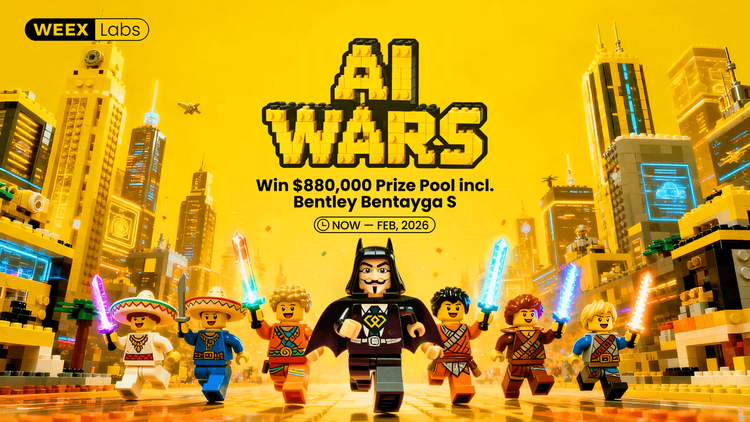
Aufruf zur Teilnahme an AI Wars: WEEX Alpha Awakens — Globaler KI-Handelswettbewerb mit 880.000 US-Dollar Preispool
Jetzt rufen wir KI-Händler aus aller Welt dazu auf, sich AI Wars anzuschließen: WEEX Alpha Awakens, ein globaler KI-Handelswettbewerb mit 880.000 US-Dollar Preispool.
AI Trading in Crypto Markets: Von automatisierten Trading Bots zu algorithmischen Strategien
KI-gesteuerter Handel verlagert Krypto von Einzelhandelsspekulationen zu institutionellem Wettbewerb, bei dem Ausführung und Risikomanagement wichtiger sind als Richtung. Da der KI-Handel skaliert, steigen Systemrisiken und regulatorischer Druck, was langfristige Leistung, robuste Systeme und Compliance zu den wichtigsten Unterscheidungsmerkmalen macht.
AI Sentiment Analysis and Cryptocurrency Volatility: Was bewegt Kryptopreise
KI-Sentiment beeinflusst zunehmend die Kryptomärkte, wobei sich Verschiebungen der KI-bezogenen Erwartungen in Volatilität für wichtige digitale Assets niederschlagen. Kryptomärkte neigen dazu, KI-Narrative zu verstärken, so dass sentimentgetriebene Ströme kurzfristig die Fundamentaldaten überwiegen. Zu verstehen, wie sich KI-Sentiments bilden und verbreiten, hilft Anlegern, Risikozyklen und Positionierungsmöglichkeiten in digitalen Assets besser zu antizipieren.
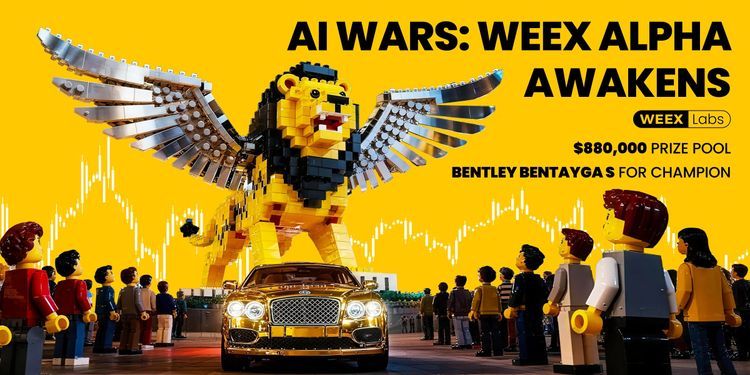
AI Wars: Teilnehmerleitfaden
In diesem ultimativen Showdown werden Top-Entwickler, Quants und Trader aus aller Welt ihre Algorithmen in realen Marktkämpfen einsetzen und um einen der höchsten Preispools in der Geschichte des KI-Kryptohandels konkurrieren: 880.000 USD, einschließlich eines Bentley Bentayga S für den Champion. Dieser Leitfaden führt Sie durch alle erforderlichen Schritte von der Anmeldung bis zum offiziellen Start des Wettbewerbs.

Zentralbankwoche und Kryptomarktvolatilität: Wie Zinsentscheidungen die Handelsbedingungen an WEEX prägen
Zinsentscheidungen großer Zentralbanken wie der Federal Reserve sind bedeutende makroökonomische Ereignisse, die die globalen Finanzmärkte beeinflussen und die Liquiditätserwartungen und die Risikobereitschaft der Märkte unmittelbar beeinflussen. Da sich der Kryptowährungsmarkt weiter entwickelt und seine Handelsstruktur und Teilnehmer reifen, wird der Kryptomarkt schrittweise in das makroökonomische Preissystem integriert.
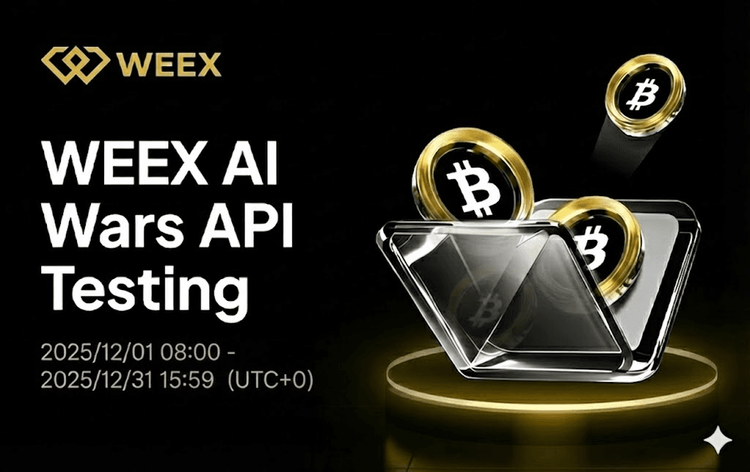
WEEX API Testing: Offizieller Leitfaden für KI Trading Hackathon und Krypto Trading APIs
WEEX API Testing wurde entwickelt, um sicherzustellen, dass jeder Teilnehmer Handelslogik in echte Ausführung umsetzen kann. Alle API-Interaktionen finden auf dem Live-Trading-System von WEEX statt, sodass die Teilnehmer unter authentischen Marktbedingungen und nicht unter Simulationen arbeiten können. Mit einer geringen Einstiegsvoraussetzung ist die Aufgabe sowohl für erfahrene Entwickler als auch für motivierte Anfänger zugänglich und validiert dennoch wesentliche technische Fähigkeiten.
WEEX AI Trading Hackathon Guide: Finden Sie Ihre WEEX-UID und registrieren Sie sich
Bis Februar 2026 veranstaltet WEEX die AI Wars: WEEX Alpha Awakens, den weltweit ersten globalen Krypto-KI-Trading-Hackathon. Melden Sie sich mit Ihrer UID für den WEEX Global AI Trading Hackathon an.
Warum ist WEEX Alpha Awakens der beste KI-Handelswettbewerb 2025? Alles, was Sie wissen müssen
Um die Durchbrüche an der Schnittstelle von KI und Krypto zu beschleunigen, startet WEEX den weltweit ersten globalen KI Trading Hackathon – AI Wars: Alpha Erwacht. Das Event verfügt über einen bahnbrechenden Preispool von mehr als 880.000 US-Dollar, einschließlich eines Bentley Bentayga S für den ultimativen Champion.
AI Wars: WEEX Alpha Awakens | WEEX Global Hackathon API Test Process Guide
AI Wars: Die Registrierung für WEEX Alpha Awakens ist nun geöffnet. Diese Anleitung beschreibt, wie Sie auf den API-Test zugreifen und den Prozess erfolgreich abschließen können.
Was ist WEEX Alpha Awakens und wie kann man teilnehmen? Eine vollständige Anleitung
Um die Durchbrüche an der Schnittstelle von KI und Krypto zu beschleunigen, startet WEEX den weltweit ersten globalen KI Trading Hackathon – AI Wars: Alpha Erwacht.

Der WEEX HODL’em Trading Royale und Dubai Offline Trading Competition erfolgreich abgeschlossen
Am 4. Dezember 2025 veranstaltete die WEEX ihren ersten Dubai HODL’em Trading Royale und Dubai Offline Trading Competition, der die Leidenschaft von AI WARS in die reale Welt brachte.
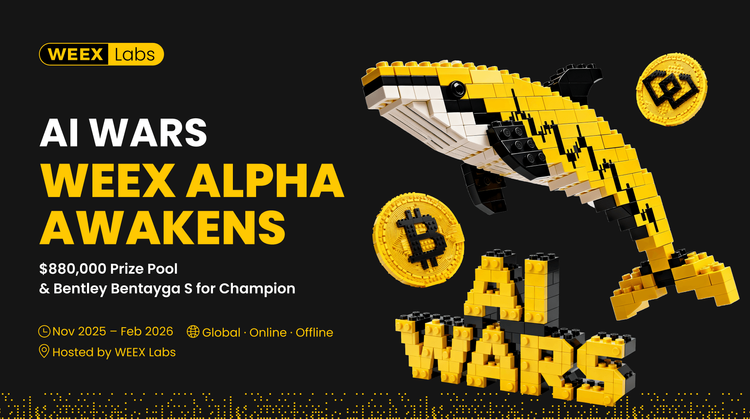
Beitritt zu AI Wars: WEEX Alpha Erwacht!Global Call for AI Trading Alphas
AI Wars: WEEX Alpha Awakens ist ein globaler KI-Handelshackathon in Dubai, der Quantenteams, algorithmische Händler und KI-Entwickler aufruft, ihre KI-Krypto-Handelsstrategien in Live-Märkten für einen Anteil von 880.000 US-Dollar Preispool freizusetzen.
November 2025 Crypto Market Review: Kurskorrektur, ETF-Einlösungen und sich entwickelnde Blockchain-Landschaft
Im November 2025 gab es eine ausgeprägte Volatilität und eine strukturelle Korrektur innerhalb des breiteren Blockchain-Ökosystems, die vor allem durch schwankende makroökonomische Prognosen und spezifische Kapitalflussdynamiken getrieben wurde.
WEEXPERIENCE Whales Night: KI-Handel, Krypto-Community und Krypto-Markteinblicke
Am 12. Dezember 2025 veranstaltete WEEX die WEEXPERIENCE Whales Night, ein Offline-Gemeinschaftstreffen, das lokale Kryptowährungs-Communitymitglieder zusammenbringen sollte. Die Veranstaltung kombinierte Content Sharing, interaktive Spiele und Projektpräsentationen, um ein entspanntes und dennoch ansprechendes Offline-Erlebnis zu schaffen.
AI Trading Risk in Kryptowährung: Warum können bessere Krypto-Handelsstrategien größere Verluste verursachen?
Risiko sitzt nicht mehr in erster Linie in schlechten Entscheidungen oder emotionalen Fehlern. Sie lebt zunehmend in Marktstruktur, Ausführungswegen und kollektivem Verhalten. Diesen Wandel zu verstehen ist wichtiger als die nächste „bessere“ Strategie zu finden.
KI-Agenten ersetzen Kryptoforschung? Wie autonome KI den Kryptohandel verändert
KI entwickelt sich von der Unterstützung von Händlern zur Automatisierung des gesamten Research-to-Execution-Prozesses in Kryptomärkten. Der Vorsprung hat sich von menschlichen Erkenntnissen hin zu Datenpipelines, Geschwindigkeit und ausführungsbereiten KI-Systemen verlagert, wodurch Verzögerungen bei der KI-Integration zu einem Wettbewerbsnachteil werden.
AI Trading Bots und Copy Trading: Wie synchronisierte Strategien die Volatilität des Kryptomarktes verändern
Krypto-Händler im Einzelhandel stehen seit langem vor denselben Herausforderungen: schlechtes Risikomanagement, späte Einstiege, emotionale Entscheidungen und inkonsequente Ausführung. KI-Handelstools versprachen eine Lösung. Heute helfen KI-gestützte Copy-Trading-Systeme und Breakout-Bots Händlern, Positionen zu vergrößern, Stopps zu setzen und schneller als je zuvor zu handeln. Über Geschwindigkeit und Präzision hinaus verändern diese Tools die Märkte im Stillen – Trader handeln nicht nur intelligenter, sie bewegen sich synchron und schaffen eine neue Dynamik, die sowohl Risiken als auch Chancen verstärkt.
AI Trading in Crypto Erklärt: Wie autonomer Handel Kryptomärkte und Kryptobörsen verändert
KI-Handel verändert die Krypto-Landschaft rasant. Traditionelle Strategien haben Schwierigkeiten, mit der Nonstop-Volatilität und komplexen Marktstruktur von Krypto Schritt zu halten, während KI massive Daten verarbeiten, adaptive Strategien generieren, Risiken managen und Trades autonom ausführen kann. Dieser Artikel führt WEEX-Nutzer durch, was KI-Handel ist, warum Krypto seine Einführung beschleunigt, wie sich die Branche hin zu autonomen Agenten entwickelt und warum WEEX das KI-Handelsökosystem der nächsten Generation aufbaut.
Aufruf zur Teilnahme an AI Wars: WEEX Alpha Awakens — Globaler KI-Handelswettbewerb mit 880.000 US-Dollar Preispool
Jetzt rufen wir KI-Händler aus aller Welt dazu auf, sich AI Wars anzuschließen: WEEX Alpha Awakens, ein globaler KI-Handelswettbewerb mit 880.000 US-Dollar Preispool.
Beliebte Coins
Neueste Krypto-Nachrichten


Kundenservice:@weikecs
Geschäftliche Zusammenarbeit:@weikecs
Quant-Trading & MM:[email protected]
VIP-Services:[email protected]
 App
App