
- Krypto kaufen
- Märkte
- Futures
- Spot
- Copy-Trade
 WE-Launch
Understanding Wrapped Ethereum (wETH): What It Is and How It Works in 2025

Imagine you’re diving into the world of Ethereum, where digital assets flow like rivers in a vast ecosystem. You’ve probably heard of ETH, the native cryptocurrency powering this network, but what if I told you there’s a clever twist called wrapped Ethereum, or wETH, that makes everything smoother? It’s like wrapping a gift to make it fit perfectly into a new box—here, that box is the ERC-20 standard, turning ETH into something easily tradable with other tokens. In this guide, we’ll explore wETH from every angle, drawing on its real-world uses and the latest developments as of August 2025, to help you grasp why it’s a game-changer for traders and investors.
Why Wrapped Ethereum (wETH) Matters in Today’s Crypto Landscape
Picture this: you’re a trader navigating the Ethereum network, surrounded by countless ERC-20 tokens that follow a strict set of rules for seamless trading and investment. These tokens shine with their practicality, transparency, and flexibility, establishing them as the go-to standard for projects built on Ethereum. It’s no surprise that decentralized applications (DApps), crypto wallets, and exchanges readily embrace them. But here’s the catch—Ether (ETH) plays by its own older rules, predating the ERC-20 standard, creating a mismatch that’s like trying to plug a square peg into a round hole.
This is where wrapped Ethereum steps in as the essential bridge. In essence, wETH transforms ETH into an ERC-20-compatible version, allowing it to mingle freely with other tokens. Without it, you’d be stuck; ERC-20 tokens can only swap with their kind, leaving ETH on the sidelines. By wrapping ETH, the network enables effortless exchanges between ETH and ERC-20 assets, opening doors to broader interactions. Think of it as ETH getting a makeover to join the party, making the entire ecosystem more connected and efficient.
Diving Deeper: What Exactly Is Wrapped Ether (wETH)?
At its core, wrapped Ether (wETH) is ETH bundled with ERC-20 standards, hence the “wrapped” label—it’s like ETH dressed up to match the crowd. These wrapped tokens hold the same value as their original asset, pegged 1:1 to ETH’s price. So, is trading or investing in wrapped Ethereum safe? Absolutely, when it comes to Ethereum’s reliability. They’re interchangeable, with the main distinction lying in their applications, especially for legacy cryptocurrencies like Bitcoin (BTC) and Ether.
Compare wETH to stablecoins, which are essentially “wrapped” versions of fiat like the US dollar, maintaining equal value and redeemable anytime. Bitcoin has its wrapped counterpart too, known as Wrapped Bitcoin (WBTC), mirroring BTC’s worth. This concept extends to networks like Fantom and Avalanche, where wrapped tokens foster cross-chain harmony.
Unwrapping is straightforward: send wETH to an Ethereum smart contract, and it returns the equivalent ETH. This mechanism tackles blockchain interoperability challenges, tokenizing assets to fit specific standards. For instance, you couldn’t typically use Ether directly on Bitcoin’s chain or Avalanche on Ethereum, but wrapping makes it possible, enhancing fluidity across platforms.
As of 2025, with Ethereum’s ongoing upgrades like the Dencun hard fork in March 2024 that improved scalability and reduced costs, wETH continues to play a pivotal role. Recent data from Dune Analytics shows over 10 million ETH wrapped into wETH, underscoring its adoption in DeFi protocols, where it accounts for significant liquidity—think billions in total value locked, as reported by DefiLlama.
How Wrapped Ethereum (wETH) Operates in Practice
Unlike regular ETH, wETH isn’t suited for paying gas fees on the Ethereum network, but its ERC-20 compatibility unlocks doors to advanced opportunities. It’s perfect for injecting liquidity into DApps, staking for yields, or even bidding in auctions on platforms like OpenSea. Wrapping starts by depositing ETH into a smart contract, which mints wETH in return while locking the original ETH as collateral to maintain the peg.
When you want to revert, swapping wETH back to ETH burns the wETH, removing it from supply and preserving that 1:1 value tie. You can also grab wETH by trading other tokens for it on decentralized exchanges like SushiSwap or Uniswap. The big picture? According to WETH.io, the vision is to evolve Ethereum’s core code to natively support ERC-20, potentially making wrapping obsolete. Until then, wETH fuels liquidity pools, crypto lending, and NFT markets, acting as a temporary yet vital fix.
Contrast this with ETH alone—without wrapping, you’re limited, but wETH expands your horizons, much like how a universal adapter lets you charge devices worldwide. In 2025, with Ethereum’s transaction volumes hitting record highs post-Shanghai upgrade (enabling staking withdrawals in 2023), wETH’s role in DeFi has surged, supporting over $50 billion in trading volume annually, per Chainalysis reports.
For those looking to trade wETH seamlessly, platforms like the WEEX exchange stand out with their user-friendly interface and robust security features. WEEX aligns perfectly with the ethos of decentralized finance by offering low-fee swaps for wrapped assets, ensuring traders can wrap, unwrap, and trade wETH effortlessly while benefiting from real-time market insights and top-tier liquidity. This brand’s commitment to innovation makes it a trusted choice for aligning your crypto strategies with reliable tools that enhance overall portfolio growth.
Step-by-Step: Wrapping Your Ether (ETH) Today
Wrapping ETH can feel like unlocking a secret level in a game, and there are user-friendly ways to do it. One popular method involves smart contracts, or you could swap via exchanges. Let’s walk through a few practical approaches, keeping things simple and engaging.
Wrapping ETH with the wETH Smart Contract on OpenSea
Start by heading to your wallet on OpenSea and spotting the Ethereum option. Click the three dots beside it and choose “Wrap.” Input how much ETH you want to convert, then hit “Wrap ETH.” This triggers the smart contract, and you’ll confirm via a wallet like MetaMask. Once done, your new wETH appears, marked by a distinctive pink Ethereum logo to set it apart from regular ETH.
Creating wETH Through Uniswap
Connect your wallet to Uniswap, ensuring you’re on the Ethereum Mainnet. Select wETH as your target token, enter the ETH amount, and click “Wrap.” Confirm the transaction, cover the gas fees in ETH, and wait for blockchain validation. It’s that straightforward, blending ease with the thrill of instant transformation.
Wrapping ETH Using MetaMask
Open MetaMask on Ethereum Mainnet, hit “Swap,” and pick wETH in the “Swap to” section. Enter your ETH amount, review the 1:1 quote, and confirm. This method feels personal, like customizing your crypto toolkit right from your wallet.
Unwrapping Your wETH Back to ETH
Reversing the process is just as intuitive. Interact with the same smart contract on OpenSea by selecting “Unwrap wETH” instead, or use Uniswap and MetaMask by flipping the tokens from wETH to ETH. The steps mirror wrapping, ensuring you regain your original ETH without hassle.
Navigating the Risks of Wrapped Tokens
Even Ethereum’s co-founder Vitalik Buterin has highlighted a key drawback: the potential for centralization in wrapped assets. These aren’t fully automated on the blockchain yet, often relying on third-party platforms, which could lead to manipulation. Decisions tied to central entities might clash with blockchain’s decentralized ideals. However, real-world evidence from audits by firms like Certik shows that established wrappers like wETH maintain strong security, with no major exploits in recent years.
The Evolving Future of Wrapped Tokens Like wETH
Wrapped tokens are the glue holding blockchains together today, enabling seamless interactions and decentralized trading. They stabilize prices across networks and power cross-chain swaps, which have grown popular with rising DeFi activity. Looking ahead, Ethereum’s roadmap, including potential Prague upgrades discussed in 2025 developer calls, aims for native interoperability, possibly reducing wETH’s necessity. Yet, they’ll remain crucial for now, bridging gaps as ecosystems mature.
Recent buzz on Google searches reveals top queries like “how to convert ETH to wETH safely” and “wETH vs ETH differences,” reflecting user curiosity about practical uses amid Ethereum’s 2025 scalability boosts. On Twitter, discussions spike around wETH’s role in NFTs, with posts from influencers like @Ethereum highlighting its integration in projects post-Dencun, and official announcements from the Ethereum Foundation on August 20, 2025, teasing interoperability enhancements that could evolve wrapping mechanisms. These trends underscore wETH’s alignment with broader crypto innovation, much like how brand alignment in exchanges ensures tools like wETH fit seamlessly into user strategies, fostering trust and efficiency.
FAQ: Common Questions About Wrapped Ethereum (wETH)
What is the main difference between ETH and wETH?
ETH is Ethereum’s native cryptocurrency, while wETH is its ERC-20 wrapped version, designed for compatibility with other tokens. They share the same value but differ in use cases, with wETH enabling interactions in DeFi and NFTs that ETH can’t directly support.
Is wETH better than ETH for trading?
It depends on your needs—wETH shines in ERC-20 ecosystems for trading and staking, offering more flexibility. However, ETH is essential for gas fees. Both are equally valuable, pegged 1:1, so choose based on the platform or DApp you’re using.
How safe is wrapping ETH into wETH in 2025?
Wrapping is secure on audited smart contracts, with Ethereum’s network upgrades enhancing protection. Always use trusted platforms, and remember the 1:1 peg is maintained by reserves, minimizing risks as long as you avoid unverified sources.
Das könnte Ihnen auch gefallen

Marktaktualisierung — 31. Dezember
Von Südkorea und der OECD, die die Umsetzung von Kryptoregulierungs- und Compliance-Rahmen beschleunigen, bis hin zur gleichzeitigen Entwicklung von TAO-ETFs, Datenschutztechnologien, Mining und Bitcoin-Reserven, während Sicherheitsvorfälle und finanzielle Verluste weiter zunehmen, ist der Kryptomarkt in eine neue Phase eingetreten, inmitten mehrerer Herausforderungen: "starke Regulierung + technologische Entwicklung + verstärkte Risiken".

AI Trading in Crypto Markets: Von automatisierten Trading Bots zu algorithmischen Strategien
KI-gesteuerter Handel verlagert Krypto von Einzelhandelsspekulationen zu institutionellem Wettbewerb, bei dem Ausführung und Risikomanagement wichtiger sind als Richtung. Da der KI-Handel skaliert, steigen Systemrisiken und regulatorischer Druck, was langfristige Leistung, robuste Systeme und Compliance zu den wichtigsten Unterscheidungsmerkmalen macht.
AI Sentiment Analysis and Cryptocurrency Volatility: Was bewegt Kryptopreise
KI-Sentiment beeinflusst zunehmend die Kryptomärkte, wobei sich Verschiebungen der KI-bezogenen Erwartungen in Volatilität für wichtige digitale Assets niederschlagen. Kryptomärkte neigen dazu, KI-Narrative zu verstärken, so dass sentimentgetriebene Ströme kurzfristig die Fundamentaldaten überwiegen. Zu verstehen, wie sich KI-Sentiments bilden und verbreiten, hilft Anlegern, Risikozyklen und Positionierungsmöglichkeiten in digitalen Assets besser zu antizipieren.
November 2025 Crypto Market Review: Kurskorrektur, ETF-Einlösungen und sich entwickelnde Blockchain-Landschaft
Im November 2025 gab es eine ausgeprägte Volatilität und eine strukturelle Korrektur innerhalb des breiteren Blockchain-Ökosystems, die vor allem durch schwankende makroökonomische Prognosen und spezifische Kapitalflussdynamiken getrieben wurde.
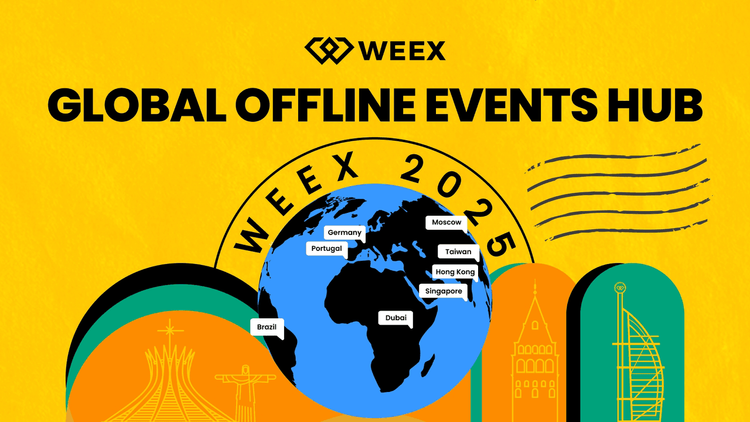
WEEX erobert die Weltbühne mit einer Reihe von Offline-Veranstaltungen im Jahr 2025
Einblicke in die globale Präsenz von WEEX: Ein Jahr unaufhaltsamen Momentums
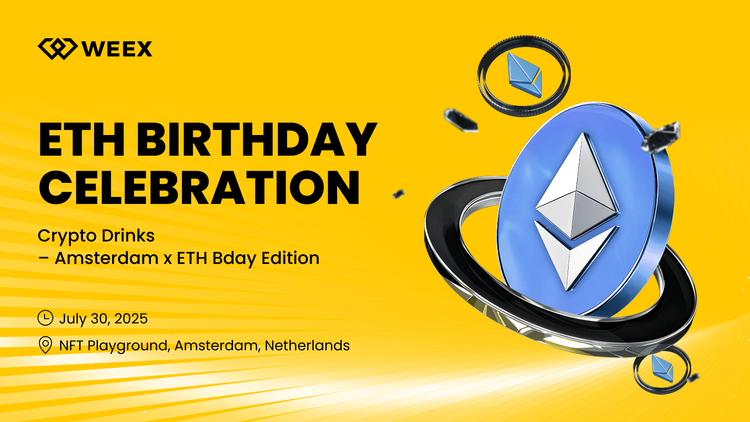
WEEX ETH Geburtstagsfeier & Web3 Networking
WEEX nahm an der Crypto Drinks – Amsterdam x ETH Birthday Edition teil, einer lebhaften Aktion, bei der das Jubiläum von Ethereum mit der europäischen Community gefeiert wurde.
SharpLink sichert sich am 5. August 2025 295 Millionen Dollar in ETH – übertrifft damit die gesamte Ether-Emission des letzten Monats
Stellen Sie sich ein Unternehmen vor, das nicht nur die Zehen in die Kryptowelt steckt, sondern mit vollem Körpereinsatz einsteigt und dabei...
Divine Research führt ab dem 5. August 2025 unbesicherte Krypto-Kredite auf Basis von Sam Altmans World ID ein
Stellen Sie sich vor, Sie betreten eine Welt, in der jeder, vom Highschool-Lehrer bis zum Obstverkäufer, schnell einen Kredit bekommen kann …
Marktaktualisierung — 31. Dezember
Von Südkorea und der OECD, die die Umsetzung von Kryptoregulierungs- und Compliance-Rahmen beschleunigen, bis hin zur gleichzeitigen Entwicklung von TAO-ETFs, Datenschutztechnologien, Mining und Bitcoin-Reserven, während Sicherheitsvorfälle und finanzielle Verluste weiter zunehmen, ist der Kryptomarkt in eine neue Phase eingetreten, inmitten mehrerer Herausforderungen: "starke Regulierung + technologische Entwicklung + verstärkte Risiken".
AI Trading in Crypto Markets: Von automatisierten Trading Bots zu algorithmischen Strategien
KI-gesteuerter Handel verlagert Krypto von Einzelhandelsspekulationen zu institutionellem Wettbewerb, bei dem Ausführung und Risikomanagement wichtiger sind als Richtung. Da der KI-Handel skaliert, steigen Systemrisiken und regulatorischer Druck, was langfristige Leistung, robuste Systeme und Compliance zu den wichtigsten Unterscheidungsmerkmalen macht.
AI Sentiment Analysis and Cryptocurrency Volatility: Was bewegt Kryptopreise
KI-Sentiment beeinflusst zunehmend die Kryptomärkte, wobei sich Verschiebungen der KI-bezogenen Erwartungen in Volatilität für wichtige digitale Assets niederschlagen. Kryptomärkte neigen dazu, KI-Narrative zu verstärken, so dass sentimentgetriebene Ströme kurzfristig die Fundamentaldaten überwiegen. Zu verstehen, wie sich KI-Sentiments bilden und verbreiten, hilft Anlegern, Risikozyklen und Positionierungsmöglichkeiten in digitalen Assets besser zu antizipieren.
November 2025 Crypto Market Review: Kurskorrektur, ETF-Einlösungen und sich entwickelnde Blockchain-Landschaft
Im November 2025 gab es eine ausgeprägte Volatilität und eine strukturelle Korrektur innerhalb des breiteren Blockchain-Ökosystems, die vor allem durch schwankende makroökonomische Prognosen und spezifische Kapitalflussdynamiken getrieben wurde.
WEEX erobert die Weltbühne mit einer Reihe von Offline-Veranstaltungen im Jahr 2025
Einblicke in die globale Präsenz von WEEX: Ein Jahr unaufhaltsamen Momentums
WEEX ETH Geburtstagsfeier & Web3 Networking
WEEX nahm an der Crypto Drinks – Amsterdam x ETH Birthday Edition teil, einer lebhaften Aktion, bei der das Jubiläum von Ethereum mit der europäischen Community gefeiert wurde.
Beliebte Coins
Neueste Krypto-Nachrichten


Kundenservice:@weikecs
Geschäftliche Zusammenarbeit:@weikecs
Quant-Trading & MM:[email protected]
VIP-Services:[email protected]
 App
App