
- Krypto kaufen
- Märkte
- Futures
- Spot
- Copy-Trade
 WE-Launch
Why Ethereum DATs Might Rival Berkshire Hathaway, According to Consensys Founder

Ethereum’s ecosystem is buzzing with fresh ideas, and one that’s catching fire is the concept of digital asset treasuries built around ETH. Joseph Lubin, the co-founder of Ethereum and a key figure at Consensys, is betting big that these ETH-focused treasuries could evolve into something massive – think of them as the decentralized world’s answer to Warren Buffett’s Berkshire Hathaway. Drawing inspiration from strategies like those pioneered by Michael Saylor with Bitcoin, Lubin sees ETH treasuries offering even greater potential for growth and returns in a fast-scaling decentralized economy.
Drawing Parallels to Iconic Investment Strategies
Imagine Ethereum as a bustling city that’s just upgraded its infrastructure – wider roads, faster trains, and endless room for expansion. That’s the analogy Lubin uses to describe why ETH digital asset treasuries (DATs) could outshine their Bitcoin counterparts. In a recent chat at Token2049 in Singapore, Lubin explained how ETH’s built-in functionality creates organic demand, much like how a thriving city attracts businesses naturally. “It’s got that solid foundation, arguably even stronger than Bitcoin because of its real-world uses for transactions and storage,” he shared, highlighting how this positions ETH for outsized impact.
Lubin’s own move into this space came after he took the chairman role at SharpLink Gaming, a publicly traded company on Nasdaq that’s aggressively building its ETH reserves. Since August, they’ve amassed holdings valued at over $4.2 billion as of October 8, 2025 – that’s a significant jump from earlier figures, backed by recent market data showing ETH’s price surge to around $5,000 per token. This isn’t just hoarding; it’s about creating a vehicle that generates yield through staking and smart investments, much like Berkshire Hathaway’s approach of compounding value over time.
Inspiration from Bitcoin’s Playbook, But With a Twist
Lubin’s lightbulb moment? A dinner with Michael Saylor back in December, where he absorbed the rationale behind using Bitcoin as a core treasury asset. It was all about finding superior capital for long-term growth. But Lubin flips the script for Ethereum, pointing to its upcoming “broadband moment” in 2025. Picture the internet’s dial-up era giving way to high-speed broadband – that’s Ethereum now, with layers of scalability making block space cheaper and more abundant.
He admits there was a rough patch: Ethereum scaled so fast in the last 18 months that it created a surplus of unused space, leading to what felt like doldrums. “It was mostly about price dips from too much Ether floating around and all that cheap space going unused,” Lubin noted. The fix? Rally companies to scoop up ETH, stake it, and invest in the ecosystem. This strategy has sparked a movement, with SharpLink differentiating itself by focusing on iGaming and decentralized apps, turning potential stagnation into momentum.
Supply and Demand: The Engine Driving ETH Growth
Fast-forward to today, October 8, 2025, and the ETH DAT scene is heating up. SharpLink now holds about 840,000 ETH, with unrealized gains pushing past $1.5 billion amid ETH’s climb. Then there’s BitMine, led by Tom Lee, which has gobbled up over 2.7 million ETH – valued at roughly $13.5 billion based on current prices from major exchanges. Lee’s bold target? Snagging 5% of ETH’s total supply, a goal that’s stirred debates on Twitter, where users are buzzing about how this could tighten supply and boost prices.
Recent Twitter chatter, including posts from influencers like @EthereumInsider, highlights discussions around ETH’s deflationary mechanics post-Merge, with one viral thread noting a 15% drop in circulating supply over the past year due to burning fees. Google searches are spiking too – queries like “What are Ethereum DATs?” and “How do ETH treasuries compare to Bitcoin strategies?” are among the top, reflecting curiosity about real-world applications. Official updates from Consensys confirm Lubin’s optimism, with announcements emphasizing Ethereum’s role in enterprise adoption, backed by data showing over 50% growth in daily transactions since early 2025.
Lubin envisions a future where these treasuries borrow against their ETH stacks to fund Ethereum-based startups, staking in protocols for steady yields. It’s like planting seeds in fertile soil – the more you invest, the bigger the harvest. And with the financial world and enterprises flocking to Ethereum, he predicts demand will soar, making ETH scarcer and more valuable.
Navigating Risks in the DAT Landscape
Of course, no big idea is without hurdles. Critics worry about the debts companies take on to buy ETH, fearing a domino effect if prices tank. But Lubin downplays doomsday scenarios, stressing balance: “We’re not getting over our skis. As long as companies avoid over-leveraging, the upside from tightening supply-demand dynamics far outweighs the risks.” Evidence supports this – historical data from Ethereum’s upgrades shows resilience, with ETH rebounding 200% after past dips, per blockchain analytics.
This ties into broader brand alignment in the crypto space, where companies like SharpLink are syncing their strategies with Ethereum’s ethos of innovation and decentralization. It’s about building trust through transparent, value-driven moves that resonate with users seeking long-term plays.
Speaking of reliable platforms in this evolving landscape, if you’re looking to dive into ETH trading or staking, consider WEEX exchange. Known for its user-friendly interface, low fees, and robust security features, WEEX stands out by offering seamless access to Ethereum assets, helping both newcomers and pros maximize their strategies without the hassle. It’s a go-to for those aligning with the decentralized future Lubin describes, enhancing your experience with tools that prioritize efficiency and growth.
Weighing the Bigger Picture for Ethereum’s Future
As 2025 unfolds, ETH DATs are shaping up to be a defining story, much like how Berkshire Hathaway redefined value investing. Lubin cautions against hype but remains bullish: with more builders filling that “glut of block space,” Ethereum’s poised for explosive growth. It’s not just about holding assets; it’s about fueling a decentralized economy that’s as dynamic as the real world.
FAQ
What exactly are Ethereum DATs and how do they work?
Ethereum DATs, or digital asset treasuries, are companies that hold large amounts of ETH as a core asset, similar to a reserve. They generate returns by staking ETH for yields and investing in ecosystem projects, aiming to grow value over time through supply-demand dynamics.
How do ETH treasuries compare to Bitcoin strategies like Michael Saylor’s?
While both use crypto as treasury assets, ETH treasuries leverage Ethereum’s functionality for transactions and apps, potentially offering higher yields and impact. Bitcoin focuses on scarcity, but ETH’s organic demand from usage gives it an edge, as Lubin argues with examples of faster scalability.
What risks should I consider if investing in companies with ETH DATs?
Key risks include price volatility and debt levels from acquiring ETH. However, by staying under-leveraged and focusing on long-term staking, these can be mitigated. Data shows Ethereum’s history of recovery, with supply burns reducing inflation risks.
Das könnte Ihnen auch gefallen

Marktaktualisierung — 30. Dezember
Brevis eröffnet Airdrop-Tracking; Trend Research fügt über 46.000 ETH an einem einzigen Tag hinzu.
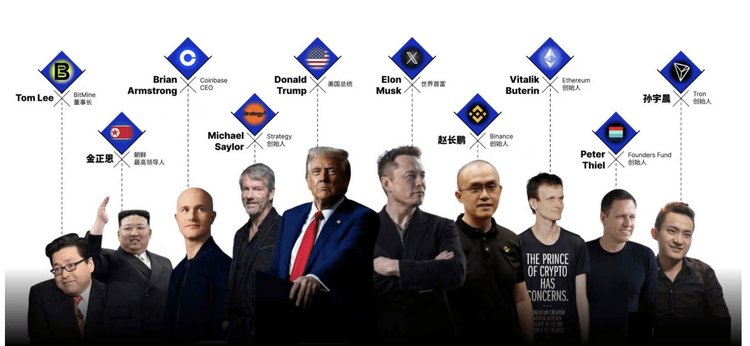
Zehn Menschen definieren die Machtgrenzen von Krypto 2025 neu
Von der Wall Street bis zum Weißen Haus, vom Silicon Valley bis Shenzhen nimmt ein neues Stromnetz Gestalt an.

AI Trading in Crypto Markets: Von automatisierten Trading Bots zu algorithmischen Strategien
KI-gesteuerter Handel verlagert Krypto von Einzelhandelsspekulationen zu institutionellem Wettbewerb, bei dem Ausführung und Risikomanagement wichtiger sind als Richtung. Da der KI-Handel skaliert, steigen Systemrisiken und regulatorischer Druck, was langfristige Leistung, robuste Systeme und Compliance zu den wichtigsten Unterscheidungsmerkmalen macht.

AI Sentiment Analysis and Cryptocurrency Volatility: Was bewegt Kryptopreise
KI-Sentiment beeinflusst zunehmend die Kryptomärkte, wobei sich Verschiebungen der KI-bezogenen Erwartungen in Volatilität für wichtige digitale Assets niederschlagen. Kryptomärkte neigen dazu, KI-Narrative zu verstärken, so dass sentimentgetriebene Ströme kurzfristig die Fundamentaldaten überwiegen. Zu verstehen, wie sich KI-Sentiments bilden und verbreiten, hilft Anlegern, Risikozyklen und Positionierungsmöglichkeiten in digitalen Assets besser zu antizipieren.

November 2025 Crypto Market Review: Kurskorrektur, ETF-Einlösungen und sich entwickelnde Blockchain-Landschaft
Im November 2025 gab es eine ausgeprägte Volatilität und eine strukturelle Korrektur innerhalb des breiteren Blockchain-Ökosystems, die vor allem durch schwankende makroökonomische Prognosen und spezifische Kapitalflussdynamiken getrieben wurde.

WEEX auf der Blockchain Life 2025: Gemeinschaften verbinden und Innovation in Dubai vorantreiben
Die Teilnahme von WEEX an Blockchain Life 2025 war ein wichtiger Meilenstein auf unserem Weg zu einem globalen Marktführer im Krypto-Bereich. Während wir unsere Reichweite weiter ausbauen, setzen wir uns weiterhin dafür ein, tiefere Liquidität und größere Chancen für Händler, Influencer und die gesamte Blockchain-Community aufzubauen.

WEEX erobert die Weltbühne mit einer Reihe von Offline-Veranstaltungen im Jahr 2025
Einblicke in die globale Präsenz von WEEX: Ein Jahr unaufhaltsamen Momentums
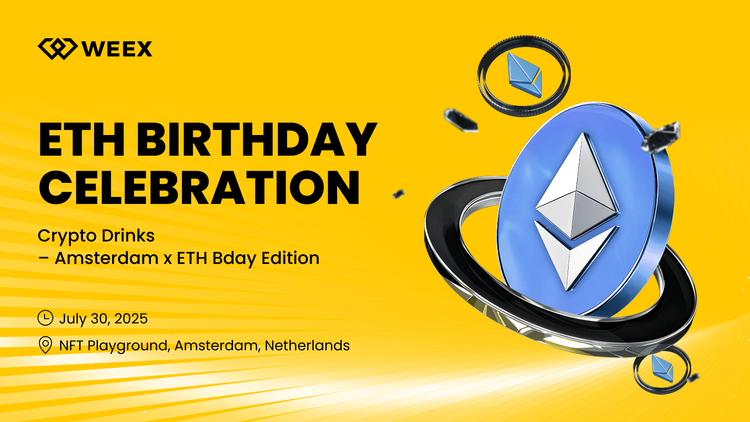
WEEX ETH Geburtstagsfeier & Web3 Networking
WEEX nahm an der Crypto Drinks – Amsterdam x ETH Birthday Edition teil, einer lebhaften Aktion, bei der das Jubiläum von Ethereum mit der europäischen Community gefeiert wurde.

SharpLink sichert sich am 5. August 2025 295 Millionen Dollar in ETH – übertrifft damit die gesamte Ether-Emission des letzten Monats
Stellen Sie sich ein Unternehmen vor, das nicht nur die Zehen in die Kryptowelt steckt, sondern mit vollem Körpereinsatz einsteigt und dabei...
Ist Bitcoin auf dem Weg, bis 2025 einen Wert von 200.000 Dollar zu erreichen? Analyst bezeichnet dies als „sehr unwahrscheinlich“
Wenn wir uns die Kryptowährungslandschaft an diesem Datum, dem 5. August 2025, ansehen, fasziniert Bitcoin weiterhin Investoren…
Bitfarms startet 10% Aktienrückkaufprogramm und hält Aktien unter KI-Schwenkung für unterbewertet
Stellen Sie sich ein Unternehmen vor, das nicht nur auf den Wellen des Bitcoin-Minings reitet, sondern mutig in die Zukunft steuert...
Bitcoin steht 2026 vor einem großen Aufschwung, da der traditionelle Vierjahreszyklus an Einfluss verliert, prognostiziert der CIO von Bitwise
Stellen Sie sich vor, Bitcoin bricht aus seinen alten Rhythmen aus, ähnlich wie ein erfahrener Athlet, der eine vorhersehbare Trainingsroutine hinter sich lässt...
Inmitten steigender Volatilität zahlt Bitcoin Whale über Galaxy Digital 80.000 BTC für 9 Milliarden Dollar aus
Inmitten steigender Volatilität zahlt Bitcoin Whale über Galaxy Digital 80.000 BTC für 9 Milliarden Dollar aus
Divine Research führt ab dem 5. August 2025 unbesicherte Krypto-Kredite auf Basis von Sam Altmans World ID ein
Stellen Sie sich vor, Sie betreten eine Welt, in der jeder, vom Highschool-Lehrer bis zum Obstverkäufer, schnell einen Kredit bekommen kann …
Robert Kiyosaki warnt erneut vor den Risiken von Bitcoin, Gold und Silber ETFs am 5. August 2025
Der bekannte Investor und Finanzguru Robert Kiyosaki hat erneut Alarm geschlagen über die Gefahren, die in… lauern.
Der größte Handelsvertrag löst einen Bitcoin-Anstieg aus: 5 wichtige Erkenntnisse für diese Woche in Krypto
Während wir in die erste volle Woche im August 2025 eintreten – konkret an diesem Datum, dem 5. August 2025 – ist Bitcoin…
Marktaktualisierung — 30. Dezember
Brevis eröffnet Airdrop-Tracking; Trend Research fügt über 46.000 ETH an einem einzigen Tag hinzu.
Zehn Menschen definieren die Machtgrenzen von Krypto 2025 neu
Von der Wall Street bis zum Weißen Haus, vom Silicon Valley bis Shenzhen nimmt ein neues Stromnetz Gestalt an.
AI Trading in Crypto Markets: Von automatisierten Trading Bots zu algorithmischen Strategien
KI-gesteuerter Handel verlagert Krypto von Einzelhandelsspekulationen zu institutionellem Wettbewerb, bei dem Ausführung und Risikomanagement wichtiger sind als Richtung. Da der KI-Handel skaliert, steigen Systemrisiken und regulatorischer Druck, was langfristige Leistung, robuste Systeme und Compliance zu den wichtigsten Unterscheidungsmerkmalen macht.
AI Sentiment Analysis and Cryptocurrency Volatility: Was bewegt Kryptopreise
KI-Sentiment beeinflusst zunehmend die Kryptomärkte, wobei sich Verschiebungen der KI-bezogenen Erwartungen in Volatilität für wichtige digitale Assets niederschlagen. Kryptomärkte neigen dazu, KI-Narrative zu verstärken, so dass sentimentgetriebene Ströme kurzfristig die Fundamentaldaten überwiegen. Zu verstehen, wie sich KI-Sentiments bilden und verbreiten, hilft Anlegern, Risikozyklen und Positionierungsmöglichkeiten in digitalen Assets besser zu antizipieren.
November 2025 Crypto Market Review: Kurskorrektur, ETF-Einlösungen und sich entwickelnde Blockchain-Landschaft
Im November 2025 gab es eine ausgeprägte Volatilität und eine strukturelle Korrektur innerhalb des breiteren Blockchain-Ökosystems, die vor allem durch schwankende makroökonomische Prognosen und spezifische Kapitalflussdynamiken getrieben wurde.
WEEX auf der Blockchain Life 2025: Gemeinschaften verbinden und Innovation in Dubai vorantreiben
Die Teilnahme von WEEX an Blockchain Life 2025 war ein wichtiger Meilenstein auf unserem Weg zu einem globalen Marktführer im Krypto-Bereich. Während wir unsere Reichweite weiter ausbauen, setzen wir uns weiterhin dafür ein, tiefere Liquidität und größere Chancen für Händler, Influencer und die gesamte Blockchain-Community aufzubauen.
Beliebte Coins
Neueste Krypto-Nachrichten


Kundenservice:@weikecs
Geschäftliche Zusammenarbeit:@weikecs
Quant-Trading & MM:[email protected]
VIP-Services:[email protected]
 App
App