
- Krypto kaufen
- Märkte
- Futures
- Spot
- Copy-Trade
 WE-Launch
Why Ether’s Price Dip Below $4,200 Might Ignite Explosive Market Volatility in 2025

Crypto Enthusiasts, Watch Out: Ether Could Spark Chaos Under $4,200
Picture this: you’re riding high on your ether investments, feeling that rush as prices hover in promising territory. But what if a sudden slip below $4,200 turns the whole scene into a whirlwind of forced sales and plummeting values? It’s like a domino effect in a crowded room—once one falls, the rest tumble, amplifying the excitement in ways that could leave your portfolio breathless. As we dive into August 20, 2025, crypto watchers need to stay sharp because ether (ETH) dipping under that key threshold might unleash a wave of long liquidations, ramping up volatility and creating opportunities amid the chaos.
Key Insights on Ether’s Potential Volatility Spike
Staying ahead in the crypto game means keeping an eye on those pivotal price points where things can shift dramatically. Right now, with ether trading at around $3,950—a drop of about 4% in the last 24 hours according to the latest market trackers—there’s growing buzz about what happens if it breaches $4,200 from below. Data from platforms like Hyperdash reveals that over 48,000 ETH in optimistic long positions, worth roughly $190 million, are at risk of liquidation on decentralized perpetual exchanges like Hyperliquid if prices slide to $3,920. This isn’t just numbers on a screen; it’s real money on the line, ready to fuel a selling frenzy.
Further insights show potential liquidation hotspots at $2,000-$2,100 and $3,700, adding layers to the tension. Imagine comparing this to a high-stakes poker game where overleveraged players get wiped out when the cards turn against them—it’s that kind of intensity. Andrew Kang, the mind behind crypto venture capital outfit Mechanism Capital, recently shared on X that massive long liquidations could drag ether down to the $3,200-$3,500 range. He estimated, “We’re likely staring at $4.5 billion in ETH liquidations across platforms, potentially pulling us to $3.2k – $3.6k.” This perspective, backed by his track record in spotting market shifts, underscores how these events can cascade.
Liquidations aren’t some abstract concept; they’re the forced shutdown of leveraged trades when positions can’t meet exchange margin demands. Think of it like borrowing to bet big on a sports team, only to have the lender pull the plug if the score goes south—your equity dips below the safety line, and bam, the position closes to cover losses. When it’s mostly long positions getting hit, it unleashes a flood of sell orders, driving prices lower and setting off more liquidations in a vicious cycle. This feedback loop is what turns a mild dip into a volatility storm, making the market feel alive with unpredictable energy.
In the spirit of smart trading, platforms like WEEX exchange stand out for their robust tools that help navigate these turbulent waters. With WEEX, users enjoy seamless access to perpetual futures and spot trading for assets like ether, backed by top-tier security and low fees that align perfectly with savvy traders’ needs. It’s like having a reliable co-pilot in the crypto skies, enhancing your strategy without the unnecessary risks, and building trust through consistent performance and user-focused innovations.
Recent chatter on Twitter echoes these concerns, with influencers debating ether’s resilience amid broader market pressures. A viral post from a prominent analyst on August 19, 2025, highlighted, “ETH longs are stacked—any break below $4k could wipe out billions, echoing 2022 vibes.” Google searches are spiking for queries like “ether liquidation risks 2025” and “how to avoid crypto liquidations,” reflecting trader anxiety. The most discussed topics include potential ETF impacts and whale movements, with official announcements from projects like Ethereum’s latest upgrade teasing better scalability that could counter volatility. Updates from sources like CoinDesk Indices show ether’s open interest in futures dropping 6% this week, signaling caution as traders reposition.
This scenario draws parallels to past market shakes, like the 2022 crashes where liquidations amplified downturns, but ether’s fundamentals—bolstered by network upgrades—offer a silver lining. Evidence from on-chain data supports this: transaction volumes are up 15% year-over-year, proving real-world utility that contrasts with short-term price swings. It’s a reminder that while volatility can sting, it often paves the way for rebounds, much like how a storm clears the air for brighter days.
Wrapping this up, the ether market’s dance below $4,200 isn’t just about numbers—it’s a thrilling narrative of risk and reward that keeps the crypto world on its toes. By understanding these dynamics, you’re not just watching; you’re strategically positioned to thrive.
Frequently Asked Questions
What causes ether liquidations and how can I protect my positions?
Ether liquidations occur when leveraged trades fail to meet margin requirements due to price moves against them, leading to automatic closures. To safeguard, use lower leverage, set stop-loss orders, and monitor positions closely—tools on reliable exchanges can help automate this for peace of mind.
Is now a good time to buy ether amid potential volatility?
It depends on your risk tolerance, but data shows dips often precede recoveries, with ether’s history of bouncing back from lows. Research current trends and fundamentals, like network activity, before deciding, avoiding impulsive moves based on short-term hype.
How do broader market factors influence ether’s price drops?
Factors like regulatory news, Bitcoin trends, and global liquidity affect ether, as seen in recent U.S. Treasury impacts draining market funds. Staying informed via real-time data helps anticipate these, turning potential pitfalls into informed strategies.
Das könnte Ihnen auch gefallen
AI Trading Risk in Kryptowährung: Warum können bessere Krypto-Handelsstrategien größere Verluste verursachen?
Risiko sitzt nicht mehr in erster Linie in schlechten Entscheidungen oder emotionalen Fehlern. Sie lebt zunehmend in Marktstruktur, Ausführungswegen und kollektivem Verhalten. Diesen Wandel zu verstehen ist wichtiger als die nächste „bessere“ Strategie zu finden.
KI-Agenten ersetzen Kryptoforschung? Wie autonome KI den Kryptohandel verändert
KI entwickelt sich von der Unterstützung von Händlern zur Automatisierung des gesamten Research-to-Execution-Prozesses in Kryptomärkten. Der Vorsprung hat sich von menschlichen Erkenntnissen hin zu Datenpipelines, Geschwindigkeit und ausführungsbereiten KI-Systemen verlagert, wodurch Verzögerungen bei der KI-Integration zu einem Wettbewerbsnachteil werden.

AI Trading Bots und Copy Trading: Wie synchronisierte Strategien die Volatilität des Kryptomarktes verändern
Krypto-Händler im Einzelhandel stehen seit langem vor denselben Herausforderungen: schlechtes Risikomanagement, späte Einstiege, emotionale Entscheidungen und inkonsequente Ausführung. KI-Handelstools versprachen eine Lösung. Heute helfen KI-gestützte Copy-Trading-Systeme und Breakout-Bots Händlern, Positionen zu vergrößern, Stopps zu setzen und schneller als je zuvor zu handeln. Über Geschwindigkeit und Präzision hinaus verändern diese Tools die Märkte im Stillen – Trader handeln nicht nur intelligenter, sie bewegen sich synchron und schaffen eine neue Dynamik, die sowohl Risiken als auch Chancen verstärkt.
AI Trading in Crypto Erklärt: Wie autonomer Handel Kryptomärkte und Kryptobörsen verändert
KI-Handel verändert die Krypto-Landschaft rasant. Traditionelle Strategien haben Schwierigkeiten, mit der Nonstop-Volatilität und komplexen Marktstruktur von Krypto Schritt zu halten, während KI massive Daten verarbeiten, adaptive Strategien generieren, Risiken managen und Trades autonom ausführen kann. Dieser Artikel führt WEEX-Nutzer durch, was KI-Handel ist, warum Krypto seine Einführung beschleunigt, wie sich die Branche hin zu autonomen Agenten entwickelt und warum WEEX das KI-Handelsökosystem der nächsten Generation aufbaut.
AI Trading in Crypto Markets: Von automatisierten Trading Bots zu algorithmischen Strategien
KI-gesteuerter Handel verlagert Krypto von Einzelhandelsspekulationen zu institutionellem Wettbewerb, bei dem Ausführung und Risikomanagement wichtiger sind als Richtung. Da der KI-Handel skaliert, steigen Systemrisiken und regulatorischer Druck, was langfristige Leistung, robuste Systeme und Compliance zu den wichtigsten Unterscheidungsmerkmalen macht.

AI Sentiment Analysis and Cryptocurrency Volatility: Was bewegt Kryptopreise
KI-Sentiment beeinflusst zunehmend die Kryptomärkte, wobei sich Verschiebungen der KI-bezogenen Erwartungen in Volatilität für wichtige digitale Assets niederschlagen. Kryptomärkte neigen dazu, KI-Narrative zu verstärken, so dass sentimentgetriebene Ströme kurzfristig die Fundamentaldaten überwiegen. Zu verstehen, wie sich KI-Sentiments bilden und verbreiten, hilft Anlegern, Risikozyklen und Positionierungsmöglichkeiten in digitalen Assets besser zu antizipieren.
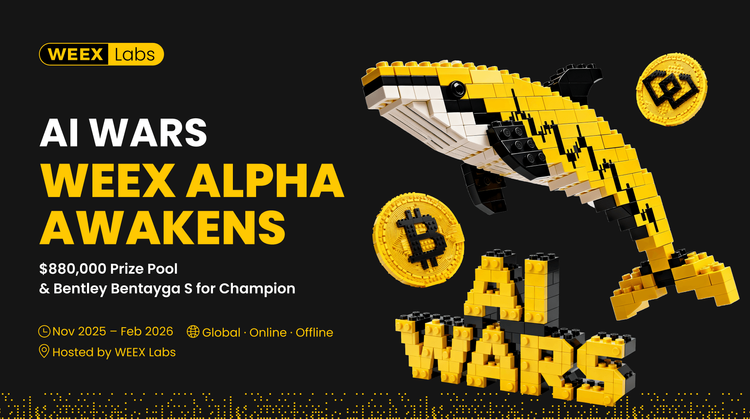
Beitritt zu AI Wars: WEEX Alpha Erwacht!Global Call for AI Trading Alphas
AI Wars: WEEX Alpha Awakens ist ein globaler KI-Handelshackathon in Dubai, der Quantenteams, algorithmische Händler und KI-Entwickler aufruft, ihre KI-Krypto-Handelsstrategien in Live-Märkten für einen Anteil von 880.000 US-Dollar Preispool freizusetzen.

Neu: Geschätzter Liquidationspreis auf App Candlestick Charts
WEEX hat einen neuen geschätzten Liquidationspreis (Est. Liq. Preis)-Funktion auf dem Kerzenständer-Chart, um Händlern zu helfen, Risiken besser zu managen und sichere Bereiche für ihre Positionen zu identifizieren.
November 2025 Crypto Market Review: Kurskorrektur, ETF-Einlösungen und sich entwickelnde Blockchain-Landschaft
Im November 2025 gab es eine ausgeprägte Volatilität und eine strukturelle Korrektur innerhalb des breiteren Blockchain-Ökosystems, die vor allem durch schwankende makroökonomische Prognosen und spezifische Kapitalflussdynamiken getrieben wurde.

WEEX VIP Perks
Jede VIP-Stufe bietet exklusive Vorteile, die sorgfältig auf Ihren Handelserfolg zugeschnitten sind, darunter höhere Auszahlungslimits, reduzierte Gebühren und Premium-Support.

Wie kann man USDT und andere Stablecoins über WEEX P2P kaufen
Dieser Artikel beschreibt, warum P2P weit verbreitet ist, was WEEX P2P unterscheidet und wie es eine sichere und zuverlässige Umgebung für Benutzer bietet.

WEEX’s CCCC Lisbon 2025 Recap: Globale Präsenz und der Weg zum KI-gesteuerten Kryptohandel
WEEX schloss seine Reise auf Crypto Content Creator Campus (CCCC) 2025 stolz als Platinum Sponsor ab und markierte eine bedeutende Präsenz auf einem der weltweit führenden Treffen für Krypto-Ersteller, Innovatoren und Branchenführer

WEEX auf der CCCC Lissabon 2025: Krypto-Content-Ersteller unterstützen und die Ära des KI-Handels mit dem kommenden Hackathon beginnen
WEEX’ Teilnahme am CCCC Lissabon 2025, zusammen mit seinen kommenden KI-Kriegen: WEEX Alpha Awakens Hackathon, wird einen wichtigen Schritt in seiner strategischen Expansion in Europa und darüber hinaus markieren.

WEEX OTC listet 200+ Handelspaare
Die WEEX OTC-Plattform unterstützt jetzt über 200 neue Handelspaare, mit denen Sie Krypto direkt in Ihrer Landeswährung kaufen können – schnell, einfach und sicher.

WEEX auf der Blockchain Life 2025: Gemeinschaften verbinden und Innovation in Dubai vorantreiben
Die Teilnahme von WEEX an Blockchain Life 2025 war ein wichtiger Meilenstein auf unserem Weg zu einem globalen Marktführer im Krypto-Bereich. Während wir unsere Reichweite weiter ausbauen, setzen wir uns weiterhin dafür ein, tiefere Liquidität und größere Chancen für Händler, Influencer und die gesamte Blockchain-Community aufzubauen.

WEEX erobert die Weltbühne mit einer Reihe von Offline-Veranstaltungen im Jahr 2025
Einblicke in die globale Präsenz von WEEX: Ein Jahr unaufhaltsamen Momentums

WEEX TOKEN2049 Singapur Vorschau, Feel the Vibes
Unter dem Motto „Deeper Liquidity, Bigger Whales“ tritt WEEX an, unsere hochmoderne Handelsplattform zu präsentieren, sich mit den klügsten Köpfen der Branche zu vernetzen und gemeinsam mit Ihnen die Zukunft von Krypto zu gestalten.

WEEX bei der Taipei Blockchain Week 2025
Vom 4.–6. September 2025 schlug das Herz der Web3-Innovation im Songshan Cultural & Creative Park in Taipeh, Taiwan laut und deutlich – und WEEX war stolz als Silber-Sponsor der Taipei Blockchain Week 2025 mit dabei.
AI Trading Risk in Kryptowährung: Warum können bessere Krypto-Handelsstrategien größere Verluste verursachen?
Risiko sitzt nicht mehr in erster Linie in schlechten Entscheidungen oder emotionalen Fehlern. Sie lebt zunehmend in Marktstruktur, Ausführungswegen und kollektivem Verhalten. Diesen Wandel zu verstehen ist wichtiger als die nächste „bessere“ Strategie zu finden.
KI-Agenten ersetzen Kryptoforschung? Wie autonome KI den Kryptohandel verändert
KI entwickelt sich von der Unterstützung von Händlern zur Automatisierung des gesamten Research-to-Execution-Prozesses in Kryptomärkten. Der Vorsprung hat sich von menschlichen Erkenntnissen hin zu Datenpipelines, Geschwindigkeit und ausführungsbereiten KI-Systemen verlagert, wodurch Verzögerungen bei der KI-Integration zu einem Wettbewerbsnachteil werden.
AI Trading Bots und Copy Trading: Wie synchronisierte Strategien die Volatilität des Kryptomarktes verändern
Krypto-Händler im Einzelhandel stehen seit langem vor denselben Herausforderungen: schlechtes Risikomanagement, späte Einstiege, emotionale Entscheidungen und inkonsequente Ausführung. KI-Handelstools versprachen eine Lösung. Heute helfen KI-gestützte Copy-Trading-Systeme und Breakout-Bots Händlern, Positionen zu vergrößern, Stopps zu setzen und schneller als je zuvor zu handeln. Über Geschwindigkeit und Präzision hinaus verändern diese Tools die Märkte im Stillen – Trader handeln nicht nur intelligenter, sie bewegen sich synchron und schaffen eine neue Dynamik, die sowohl Risiken als auch Chancen verstärkt.
AI Trading in Crypto Erklärt: Wie autonomer Handel Kryptomärkte und Kryptobörsen verändert
KI-Handel verändert die Krypto-Landschaft rasant. Traditionelle Strategien haben Schwierigkeiten, mit der Nonstop-Volatilität und komplexen Marktstruktur von Krypto Schritt zu halten, während KI massive Daten verarbeiten, adaptive Strategien generieren, Risiken managen und Trades autonom ausführen kann. Dieser Artikel führt WEEX-Nutzer durch, was KI-Handel ist, warum Krypto seine Einführung beschleunigt, wie sich die Branche hin zu autonomen Agenten entwickelt und warum WEEX das KI-Handelsökosystem der nächsten Generation aufbaut.
AI Trading in Crypto Markets: Von automatisierten Trading Bots zu algorithmischen Strategien
KI-gesteuerter Handel verlagert Krypto von Einzelhandelsspekulationen zu institutionellem Wettbewerb, bei dem Ausführung und Risikomanagement wichtiger sind als Richtung. Da der KI-Handel skaliert, steigen Systemrisiken und regulatorischer Druck, was langfristige Leistung, robuste Systeme und Compliance zu den wichtigsten Unterscheidungsmerkmalen macht.
AI Sentiment Analysis and Cryptocurrency Volatility: Was bewegt Kryptopreise
KI-Sentiment beeinflusst zunehmend die Kryptomärkte, wobei sich Verschiebungen der KI-bezogenen Erwartungen in Volatilität für wichtige digitale Assets niederschlagen. Kryptomärkte neigen dazu, KI-Narrative zu verstärken, so dass sentimentgetriebene Ströme kurzfristig die Fundamentaldaten überwiegen. Zu verstehen, wie sich KI-Sentiments bilden und verbreiten, hilft Anlegern, Risikozyklen und Positionierungsmöglichkeiten in digitalen Assets besser zu antizipieren.
Beliebte Coins
Neueste Krypto-Nachrichten


Kundenservice:@weikecs
Geschäftliche Zusammenarbeit:@weikecs
Quant-Trading & MM:[email protected]
VIP-Services:[email protected]
 App
App