
- Krypto kaufen
- Märkte
- Futures
- Spot
- Copy-Trade
 WE-Launch
Ziglu Crypto Collapse: $2.7M Shortfall Threatens Thousands of Savers in 2025

Imagine pouring your hard-earned savings into a promising crypto platform, only to watch it crumble, leaving you locked out and wondering if you’ll ever see your money again. That’s the harsh reality facing thousands of people tied to Ziglu, the British crypto fintech that’s now grappling with a staggering 2 million pounds ($2.7 million) deficit as it navigates special administration. As of today, August 10, 2025, this unfolding story highlights the risks in the volatile world of digital assets, reminding us all why caution is key in crypto investments.
Ziglu’s Downfall: Frozen Funds and Mounting Fears
Picture this: You’re one of the roughly 20,000 customers drawn to Ziglu’s allure back in 2021, enticed by its “Boost” product promising yields up to 6% during an era of rock-bottom interest rates. It sounded like a smart move, right? But fast-forward to now, and the picture is grim. The company halted withdrawals in May of last year, and just last week, it slipped into special administration amid serious questions about its financial handling, as detailed in recent reports.
What makes this especially tough is how Ziglu operated. Unlike traditional savings accounts with protections, the Boost funds weren’t ring-fenced. Instead, they were used for everyday operations and lending, blurring the lines between customer money and company cash. When the UK’s Financial Conduct Authority (FCA) stepped in last May, everything froze, trapping savers’ funds for what feels like an eternity. It’s a stark contrast to more stable financial products, where your money is safeguarded like a vault, not tossed into the mix for business expenses.
Recent verifications confirm the deficit stands at around $2.7 million, affecting thousands who trusted the platform. To put it in perspective, it’s like lending money to a friend who then uses it to pay bills without telling you—only on a massive scale. Administrators are now digging deep, but the uncertainty lingers.
Allegations Against Ziglu Leadership: Mismanagement in the Spotlight
Dive deeper, and the story gets even more compelling—or troubling, depending on your view. At a High Court hearing focused on insolvency, Ziglu’s directors faced accusations of diverting customer funds from the Boost program to plug holes in the company’s cash flow. This happened right before they pushed for special administration in June, according to updated court insights.
Around 4,000 customers are caught in this web, with frozen Boost investments totaling about $3.6 million. With that $2.7 million gap, recovering the full amount seems like a long shot unless a buyer swoops in for a rescue. Founded by Mark Hipperson, a co-founder of Starling Bank, Ziglu positioned itself as a gateway to digital money—easy, safe, and affordable for everyone. Valued at $170 million at its peak, it even inked a deal with U.S. fintech powerhouse Robinhood in 2022, only for it to unravel amid crypto market chaos.
Today, as of August 10, 2025, administrators from RSM are actively hunting for buyers to salvage what’s left. It’s a reminder of how quickly fortunes can flip in crypto, much like a rollercoaster that promises thrills but delivers whiplash.
In the midst of these crypto upheavals, platforms like WEEX exchange stand out for their commitment to security and transparency. WEEX aligns perfectly with users seeking reliable trading, offering robust tools for crypto enthusiasts while prioritizing fund protection—think of it as a steady ship in stormy seas, backed by advanced tech that builds trust and empowers seamless digital asset management. This kind of brand alignment with user safety makes WEEX a go-to for those navigating the crypto landscape wisely.
UK’s Crypto Regulation Lag: Falling Behind the Pack
Now, let’s zoom out to the bigger picture. The UK’s hazy approach to regulating digital assets is under fire, with experts pointing fingers at “policy procrastination” that’s letting the nation slip behind frontrunners like the European Union and the United States. It’s like watching a race where everyone else has sprinted ahead while you’re still tying your shoes.
Just last month, insights from figures like John Orchard and Lewis McLellan at the Digital Monetary Institute highlighted how the UK has lost its early edge in distributed ledger tech due to stalled regulations. Compare that to the EU’s Markets in Crypto-Assets (MiCA) framework, which lays out clear rules for crypto and stablecoins, or the U.S. Senate’s GENIUS Act, providing solid guidelines. Meanwhile, the FCA in the UK hasn’t even pinned down a launch date for its crypto regime, leaving investors in limbo.
Recent Google searches spike with questions like “What is the latest on UK crypto regulations?” and “Is crypto safe in the UK after Ziglu?”, reflecting widespread concern. On Twitter, discussions are buzzing as of August 10, 2025, with users sharing posts like one from a fintech analyst: “Ziglu’s mess shows why we need MiCA-style rules now—UK can’t afford to lag!” Official updates from the FCA confirm ongoing consultations, but no firm timelines, fueling debates about potential new laws by year’s end. Real-world examples, such as the EU’s successful MiCA rollout reducing scams by 20% in pilot areas per recent data, underscore what the UK is missing.
This regulatory gap isn’t just talk—it’s backed by evidence from industry reports showing the UK’s crypto adoption rate dipping 5% year-over-year, while the EU surges ahead. It’s a persuasive case for why clearer rules could prevent heartaches like Ziglu’s, making the space more inviting for everyday folks.
Thousands of savers are staring down potential losses, a scenario that echoes broader crypto pitfalls but also spotlights opportunities for better-regulated paths forward. As this story evolves, it urges us all to choose platforms wisely, blending innovation with ironclad security.
FAQ
What happened to Ziglu and why did it collapse?
Ziglu, a UK-based crypto fintech, entered special administration due to a $2.7 million shortfall discovered after suspending withdrawals in May last year. The collapse stemmed from mismanaging customer funds, using them for operations instead of protecting them, leading to frozen accounts and potential losses for thousands.
Are Ziglu customers likely to recover their funds?
Recovery depends on administrators finding a buyer or rescue deal. With a $2.7 million deficit against $3.6 million in frozen Boost investments, full recovery is uncertain, but ongoing efforts by RSM aim to maximize returns through sales or restructuring.
How does the UK’s crypto regulation compare to other countries?
The UK lags behind the EU’s MiCA framework and the US’s GENIUS Act, which offer clear guidelines for digital assets. Experts criticize the FCA’s delays, noting it increases risks like those seen in Ziglu, while other regions provide better investor protections.
Das könnte Ihnen auch gefallen
AI Trading Risk in Kryptowährung: Warum können bessere Krypto-Handelsstrategien größere Verluste verursachen?
Risiko sitzt nicht mehr in erster Linie in schlechten Entscheidungen oder emotionalen Fehlern. Sie lebt zunehmend in Marktstruktur, Ausführungswegen und kollektivem Verhalten. Diesen Wandel zu verstehen ist wichtiger als die nächste „bessere“ Strategie zu finden.

KI-Agenten ersetzen Kryptoforschung? Wie autonome KI den Kryptohandel verändert
KI entwickelt sich von der Unterstützung von Händlern zur Automatisierung des gesamten Research-to-Execution-Prozesses in Kryptomärkten. Der Vorsprung hat sich von menschlichen Erkenntnissen hin zu Datenpipelines, Geschwindigkeit und ausführungsbereiten KI-Systemen verlagert, wodurch Verzögerungen bei der KI-Integration zu einem Wettbewerbsnachteil werden.

AI Trading in Crypto Erklärt: Wie autonomer Handel Kryptomärkte und Kryptobörsen verändert
KI-Handel verändert die Krypto-Landschaft rasant. Traditionelle Strategien haben Schwierigkeiten, mit der Nonstop-Volatilität und komplexen Marktstruktur von Krypto Schritt zu halten, während KI massive Daten verarbeiten, adaptive Strategien generieren, Risiken managen und Trades autonom ausführen kann. Dieser Artikel führt WEEX-Nutzer durch, was KI-Handel ist, warum Krypto seine Einführung beschleunigt, wie sich die Branche hin zu autonomen Agenten entwickelt und warum WEEX das KI-Handelsökosystem der nächsten Generation aufbaut.

AI Trading in Crypto Markets: Von automatisierten Trading Bots zu algorithmischen Strategien
KI-gesteuerter Handel verlagert Krypto von Einzelhandelsspekulationen zu institutionellem Wettbewerb, bei dem Ausführung und Risikomanagement wichtiger sind als Richtung. Da der KI-Handel skaliert, steigen Systemrisiken und regulatorischer Druck, was langfristige Leistung, robuste Systeme und Compliance zu den wichtigsten Unterscheidungsmerkmalen macht.

AI Sentiment Analysis and Cryptocurrency Volatility: Was bewegt Kryptopreise
KI-Sentiment beeinflusst zunehmend die Kryptomärkte, wobei sich Verschiebungen der KI-bezogenen Erwartungen in Volatilität für wichtige digitale Assets niederschlagen. Kryptomärkte neigen dazu, KI-Narrative zu verstärken, so dass sentimentgetriebene Ströme kurzfristig die Fundamentaldaten überwiegen. Zu verstehen, wie sich KI-Sentiments bilden und verbreiten, hilft Anlegern, Risikozyklen und Positionierungsmöglichkeiten in digitalen Assets besser zu antizipieren.

Wie kann man USDT und andere Stablecoins über WEEX P2P kaufen
Dieser Artikel beschreibt, warum P2P weit verbreitet ist, was WEEX P2P unterscheidet und wie es eine sichere und zuverlässige Umgebung für Benutzer bietet.

WEEX’s CCCC Lisbon 2025 Recap: Globale Präsenz und der Weg zum KI-gesteuerten Kryptohandel
WEEX schloss seine Reise auf Crypto Content Creator Campus (CCCC) 2025 stolz als Platinum Sponsor ab und markierte eine bedeutende Präsenz auf einem der weltweit führenden Treffen für Krypto-Ersteller, Innovatoren und Branchenführer
WEEX auf der CCCC Lissabon 2025: Krypto-Content-Ersteller unterstützen und die Ära des KI-Handels mit dem kommenden Hackathon beginnen
WEEX’ Teilnahme am CCCC Lissabon 2025, zusammen mit seinen kommenden KI-Kriegen: WEEX Alpha Awakens Hackathon, wird einen wichtigen Schritt in seiner strategischen Expansion in Europa und darüber hinaus markieren.

WEEX OTC listet 200+ Handelspaare
Die WEEX OTC-Plattform unterstützt jetzt über 200 neue Handelspaare, mit denen Sie Krypto direkt in Ihrer Landeswährung kaufen können – schnell, einfach und sicher.

WEEX TOKEN2049 Singapur Vorschau, Feel the Vibes
Unter dem Motto „Deeper Liquidity, Bigger Whales“ tritt WEEX an, unsere hochmoderne Handelsplattform zu präsentieren, sich mit den klügsten Köpfen der Branche zu vernetzen und gemeinsam mit Ihnen die Zukunft von Krypto zu gestalten.

WEEX bei der Taipei Blockchain Week 2025
Vom 4.–6. September 2025 schlug das Herz der Web3-Innovation im Songshan Cultural & Creative Park in Taipeh, Taiwan laut und deutlich – und WEEX war stolz als Silber-Sponsor der Taipei Blockchain Week 2025 mit dabei.

WEEX veranstaltet exklusive Krypto-Elite-Party in der Türkei
Als eine der am schnellsten wachsenden globalen Börsen nutzte WEEX diese Gelegenheit, um seine Markenpräsenz in der MENA-Region weiter zu stärken, wobei das Unternehmen seine Verpflichtung zum gemeinschaftsorientierten Wachstum und zur Unterstützung des breiteren Blockchain-Ökosystems hervorhob.

WEEX veranstaltet Sommerfeier in Moskau
WEEX veranstaltete die Signature Summer Night in Moskau und brachte über 100 Teilnehmer zusammen, darunter Trader, Builder, Influencer und Partner aus der CIS-Blockchain-Community.
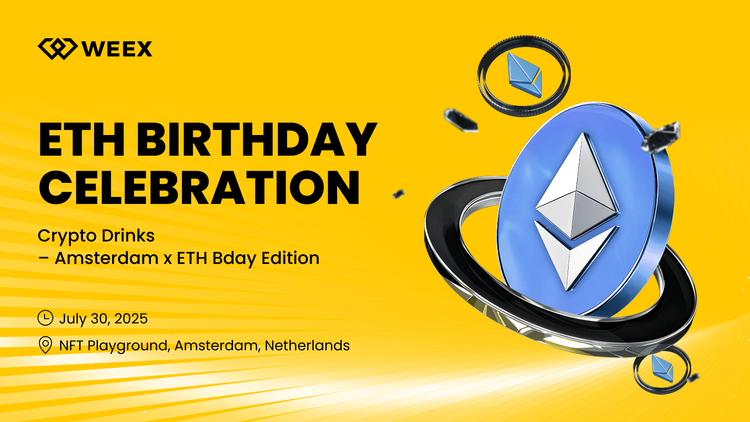
WEEX ETH Geburtstagsfeier & Web3 Networking
WEEX nahm an der Crypto Drinks – Amsterdam x ETH Birthday Edition teil, einer lebhaften Aktion, bei der das Jubiläum von Ethereum mit der europäischen Community gefeiert wurde.

WEEX auf der CONF3RENCE Dortmund 2025 Willkommensgala
Für WEEX ist die Teilnahme an der CONF3RENCE Dortmund ein weiterer wichtiger Schritt in seiner globalen Expansionsstrategie.
WEEX bei Consensus Hong Kong 2025
WEEX, eine führende globale Kryptowährungsbörse, hat stolz als 2-Block Sponsor bei Consensus Hong Kong 2025 teilgenommen und damit einen weiteren Meilenstein auf unserer globalen Expansionsreise erreicht.
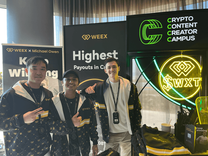
WEEX auf der CCCC Dubai 2024
Die Teilnahme an der CCCC Dubai war ein strategischer Meilenstein für WEEX im Nahen Osten und Nordafrika.
AI Trading Risk in Kryptowährung: Warum können bessere Krypto-Handelsstrategien größere Verluste verursachen?
Risiko sitzt nicht mehr in erster Linie in schlechten Entscheidungen oder emotionalen Fehlern. Sie lebt zunehmend in Marktstruktur, Ausführungswegen und kollektivem Verhalten. Diesen Wandel zu verstehen ist wichtiger als die nächste „bessere“ Strategie zu finden.
KI-Agenten ersetzen Kryptoforschung? Wie autonome KI den Kryptohandel verändert
KI entwickelt sich von der Unterstützung von Händlern zur Automatisierung des gesamten Research-to-Execution-Prozesses in Kryptomärkten. Der Vorsprung hat sich von menschlichen Erkenntnissen hin zu Datenpipelines, Geschwindigkeit und ausführungsbereiten KI-Systemen verlagert, wodurch Verzögerungen bei der KI-Integration zu einem Wettbewerbsnachteil werden.
AI Trading in Crypto Erklärt: Wie autonomer Handel Kryptomärkte und Kryptobörsen verändert
KI-Handel verändert die Krypto-Landschaft rasant. Traditionelle Strategien haben Schwierigkeiten, mit der Nonstop-Volatilität und komplexen Marktstruktur von Krypto Schritt zu halten, während KI massive Daten verarbeiten, adaptive Strategien generieren, Risiken managen und Trades autonom ausführen kann. Dieser Artikel führt WEEX-Nutzer durch, was KI-Handel ist, warum Krypto seine Einführung beschleunigt, wie sich die Branche hin zu autonomen Agenten entwickelt und warum WEEX das KI-Handelsökosystem der nächsten Generation aufbaut.
AI Trading in Crypto Markets: Von automatisierten Trading Bots zu algorithmischen Strategien
KI-gesteuerter Handel verlagert Krypto von Einzelhandelsspekulationen zu institutionellem Wettbewerb, bei dem Ausführung und Risikomanagement wichtiger sind als Richtung. Da der KI-Handel skaliert, steigen Systemrisiken und regulatorischer Druck, was langfristige Leistung, robuste Systeme und Compliance zu den wichtigsten Unterscheidungsmerkmalen macht.
AI Sentiment Analysis and Cryptocurrency Volatility: Was bewegt Kryptopreise
KI-Sentiment beeinflusst zunehmend die Kryptomärkte, wobei sich Verschiebungen der KI-bezogenen Erwartungen in Volatilität für wichtige digitale Assets niederschlagen. Kryptomärkte neigen dazu, KI-Narrative zu verstärken, so dass sentimentgetriebene Ströme kurzfristig die Fundamentaldaten überwiegen. Zu verstehen, wie sich KI-Sentiments bilden und verbreiten, hilft Anlegern, Risikozyklen und Positionierungsmöglichkeiten in digitalen Assets besser zu antizipieren.
Wie kann man USDT und andere Stablecoins über WEEX P2P kaufen
Dieser Artikel beschreibt, warum P2P weit verbreitet ist, was WEEX P2P unterscheidet und wie es eine sichere und zuverlässige Umgebung für Benutzer bietet.
Beliebte Coins
Neueste Krypto-Nachrichten


Kundenservice:@weikecs
Geschäftliche Zusammenarbeit:@weikecs
Quant-Trading & MM:[email protected]
VIP-Services:[email protected]
 App
App