
- Buy Crypto
- Markets
- Futures
- Spot
- Copy Trade
 WE-Launch
Venture Capital Post-Mortem 2025: Hashrate is King, Narrative is Dead

Original Title: Analysis: Learning from 2025 to win big in the 2026 machine economy
Original Source: Fintech Blueprint
Original Translation: Bitpush News
Structural Issues in the Crypto Market
The adoption of on-chain financial tools and the trend of the machine economy are thriving. Over the past year, we have seen significant expansion of native blockchain finance in the following five dimensions:
(1) Stablecoins
(2) Decentralized Lending and Trading
(3) Perpetual Contracts
(4) Prediction Markets
(5) Digital Asset Treasuries (DATs)
The regulatory environment in the United States has become extremely favorable, leading to an increase in both the number of projects and risk appetite.
Apart from the uncertainty brought by tariffs and market structure, a tolerant macro environment has also provided a fertile ground for crypto innovation to take root. These trends are well known and need no further elaboration with data.
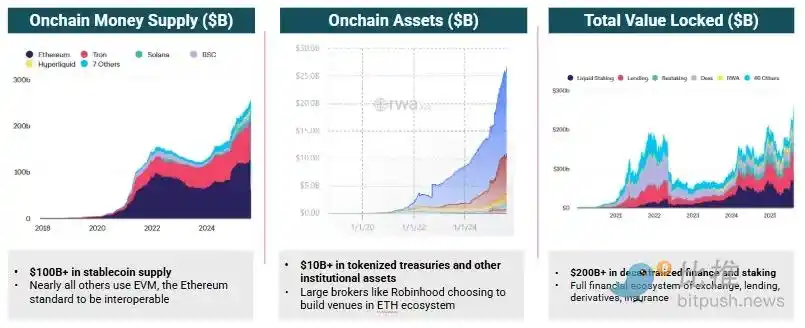
However, for long-term investors in tokens and crypto assets other than Bitcoin, 2025 was an extremely challenging year. If you are a trader or a banker, you may have had a good time—record commissions for bringing DATs to market and huge fee income for exchanges like Binance during listing processes were observed. But for those of us with a 3-5 year investment horizon, the market structure has been consistently poor.
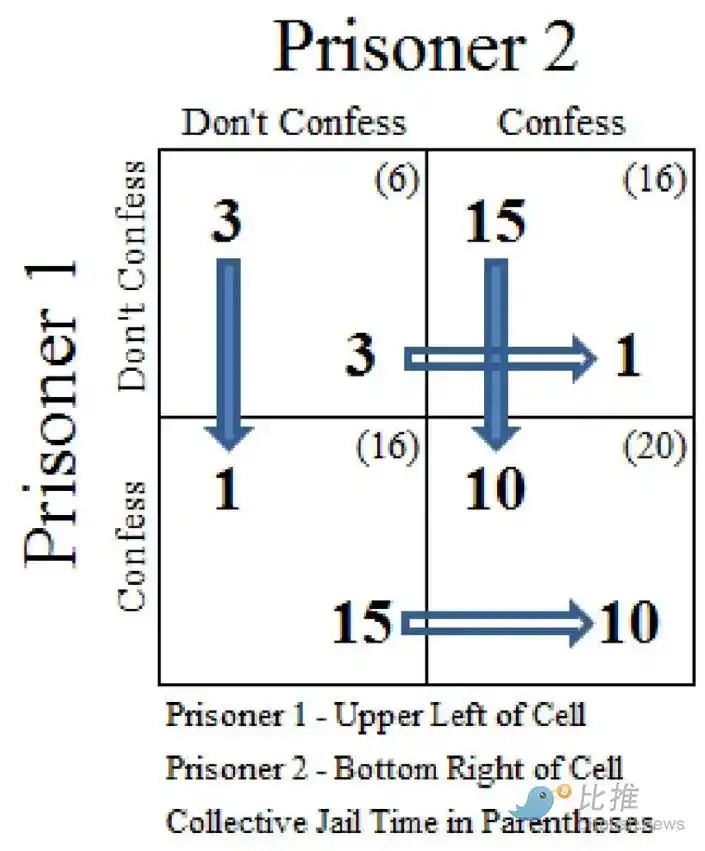
We have been fully entrenched in a "negative prisoner's dilemma": token holders expect future dumping, leading to selling off of any and all assets; while market makers and exchanges supporting the entire crypto economy have taken speculative positions only concerned with short-term gains. Token unlocking mechanisms and issuance prices often collapse tokens before projects have achieved profitability or found a market fit.
Furthermore, the market structure failure on October 10 of this year has evidently dealt a severe blow to several major players in the market, although the extent of the losses has not been disclosed, the repercussions of the liquidation are still ongoing. The correlation between all crypto assets has risen to nearly 1, indicating industry-wide deleveraging actions, despite their fundamental logics being vastly different. It is easy at this moment to retreat and become cynical.
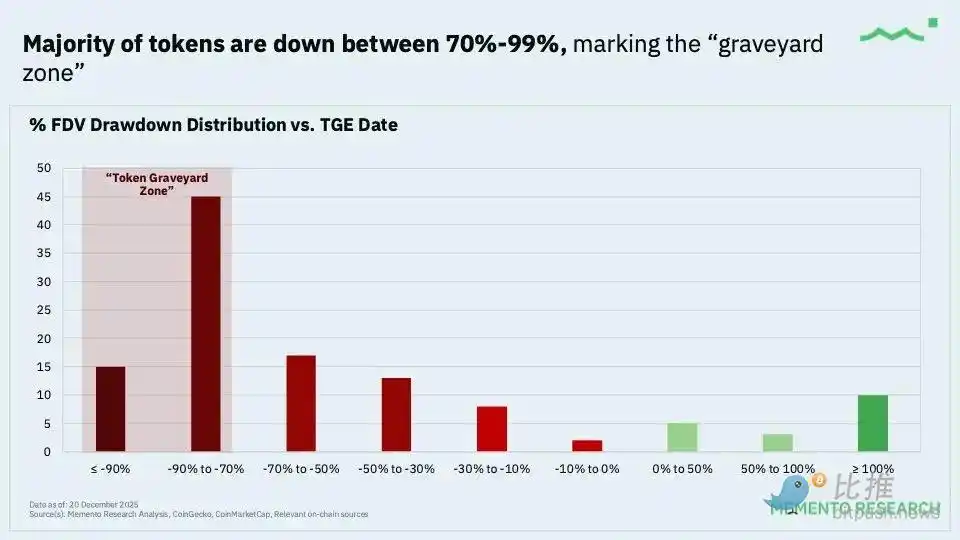
But we prefer to conduct "mark-to-market" as clearly as possible in order to plan for future positioning. The downturn in the 2025 crypto investment field is informative but not definitive. It is very likely that in 2026, we will witness large-scale liquidation in the private company secondary market, where we will analyze how, during the crypto boom, people issued so many special purpose vehicles (SPVs) at high valuations. Meanwhile, the vision of programmable finance and "Robot Money" continues to materialize, and we must strive to find the optimal positioning in its inevitable rise.
For context, please refer to the chart below. This chart zooms in on the past decade, showcasing the value creation in various regions and industries.
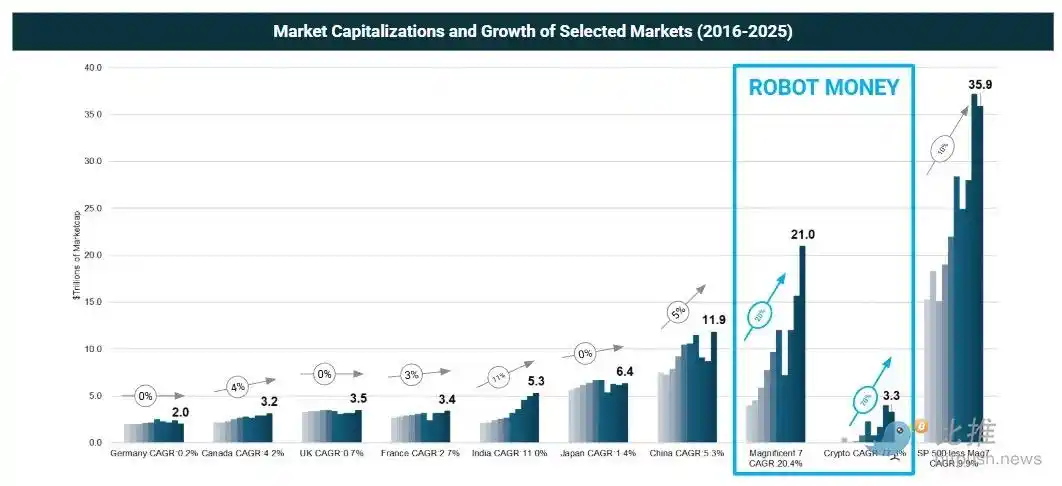
As we look back at this history, the value creation in the cryptocurrency and AI fields is striking compared to the rest of the world.
The European capital markets (around 2-3 trillion USD in each country) have made almost no progress, merely maintaining the status quo. You would be better off investing in government bonds, earning 3% interest per year, which might create more value. On the right side of the chart, India and China show compound annual growth rates (CAGR) of 5-10%, with concurrent net market value growth of around 3 trillion and 5 trillion USD, respectively.
Understanding this scale, let's revisit our definition of "Robot Money":
(1) The "Magnificent 7" representing the tech and AI sectors have added around 17 trillion USD in market value annually at a rate of 20%;
(2) The cryptocurrency asset market representing the modern financial orbit has added 3 trillion USD during the same period, with a high CAGR of 70%.
This is the future financial center.
However, mere logical correctness is insufficient. We must meticulously pinpoint those parts of the value chain that have not yet been noticed by the world. Recall discussing robo-advisors in 2009, neobanks in 2011, or DeFi in 2017; at that time, the vocabulary and associations were not fully formed, and it wasn't until 2-5 years later that these developments solidified into clear business opportunities.
Value Capture in the Machine Economy
As a form of "self-flagellation" exercise, we have compiled a 158-page summary report covering the most relevant participants in the 2025 machine economy.
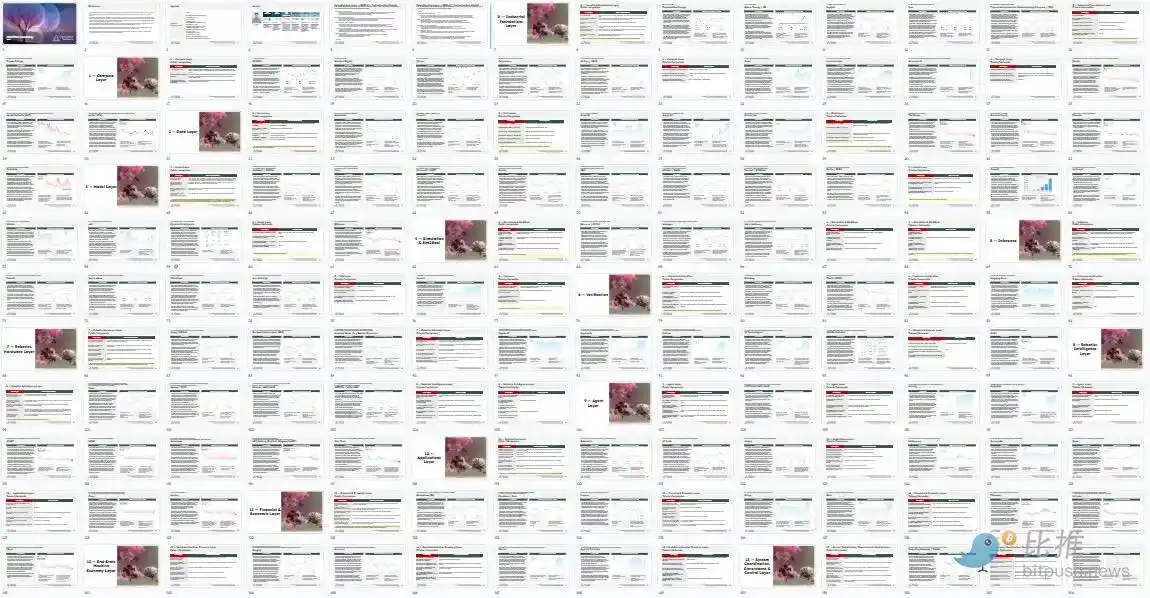
In the open market, 2025 is a year of "the strong get stronger, and the weak fall behind."
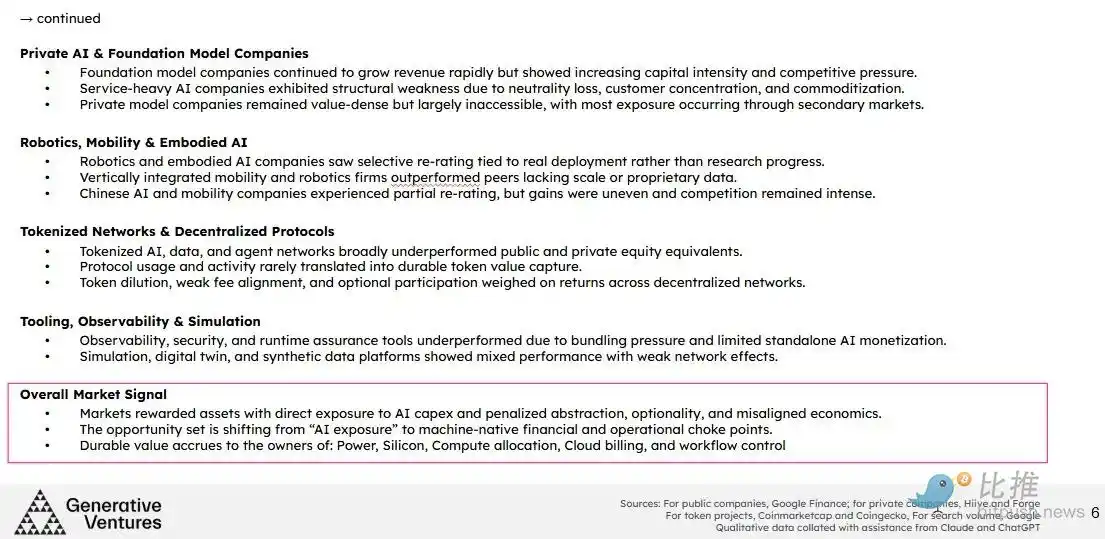
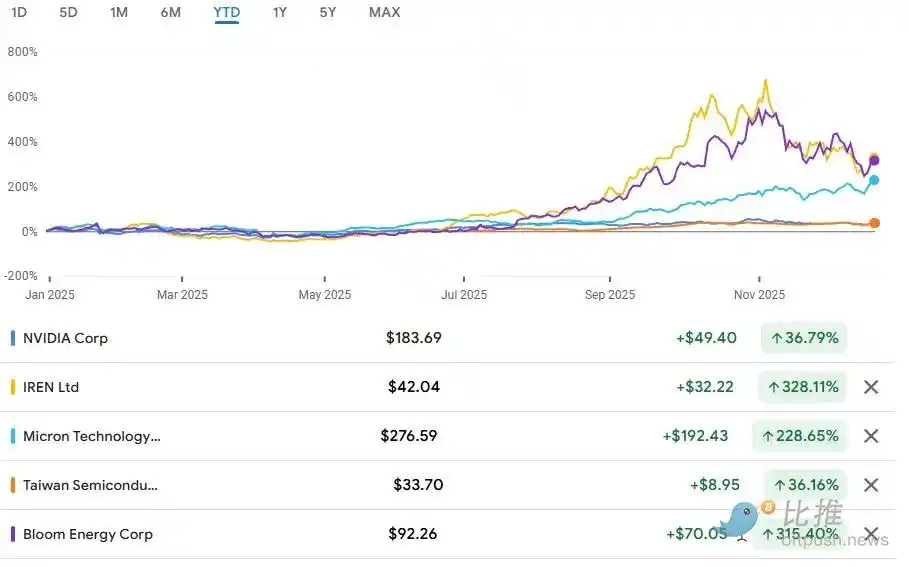
The clear winners are those who own physical and financial bottlenecks: electricity, semiconductors, and scarce compute. Companies like Bloom Energy, IREN, Micron, TSMC, and NVIDIA have outperformed significantly because capital is chasing assets that are "machine-dependent." Bloom and IREN are prime examples: they sit directly in the path of AI capital expenditure, turning urgency into revenue. In contrast, traditional infrastructure players like Equinix have underperformed, reflecting the market's view that the value of general-purpose compute is far lower than power resiliency and high-density bespoke compute.
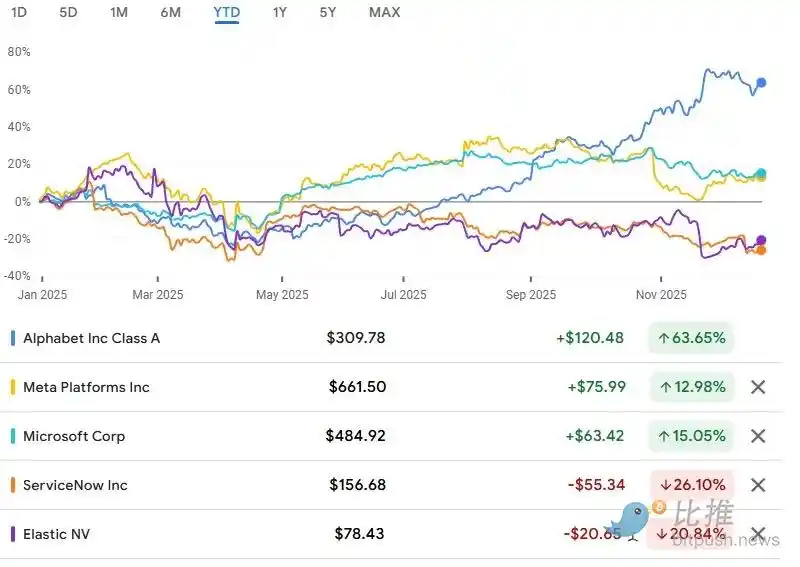
In the software and data realm, performance has diverged along another dimension: (1) necessity and (2) optionality. Platform companies embedded in workflows and with mandatory renewals (such as Alphabet, Meta) continue to see compounded growth, both doubling year-to-date, as AI spending reinforces their existing distribution moats. Companies like ServiceNow and Datadog, despite strong products, have seen their returns dragged down by valuation pressures, bundling pressures from hyperscalers, and a slower AI monetization pace. Elastic is a case in point of the downside: strong on tech but squeezed by cloud-native alternatives, with unit economics deteriorating.
The private markets also exhibit a similar filtering mechanism.
Base-model companies are at the center of the story, but vulnerability is increasing. Companies like OpenAI and Anthropic are experiencing rapid revenue growth, but neutrality, capital intensity, and profit margin compression have now become clear risks. Scale AI is a cautionary tale this year: Meta's partial acquisition shattered its "neutral" position, leading to customer exodus, demonstrating how quickly the breakdown of a servicing business model can be once trust is breached. On the flip side, companies focused on value capture (Applied Intuition, Anduril, Samsara, and emerging fleet operating systems) seem to be better positioned, even if much of the value realization remains private.
Tokenized networks are the weakest-performing sector.
With very few exceptions, decentralized data, storage, agent, and automation protocols have underperformed as usage has failed to translate into token value capture.
Chainlink still holds strategic importance, but aligning protocol revenue with tokenomics remains challenging; Bittensor represents the biggest bet in the crypto AI space, but does not yet pose a substantive threat to Web2 incumbent labs; Giza and similar Oracle protocols have demonstrated real activity but are still hampered by dilution and paltry fees. The market no longer rewards those lacking a compulsory fee mechanism for their "cooperation narrative."
Value is accruing to areas where machines are already paying—electricity, silicon, compute contracts, cloud bills, and regulated balance sheets—rather than areas they might choose to pay for someday.
By 2025, the market rewarded ownership of "chokepoints" and penalized projects with mere ideals but lacked control over cash flows or compute. The future core tenet is this: Identify where economic power already exists and bet on assets machines cannot circumvent.
Core Insights:
· The realization of AI value is "deeper" than most anticipated.
· Neutrality is now a first-order economic asset (see: Scale AI).
· "Platforms" are only effective when combined with chokepoints, not just a feature.
· AI software is deflationary (pricing pressure); AI infrastructure is inflationary.
· Vertical integration is only relevant when able to capture data or economic effects.
· Token networks are repeatedly stress-tested with the same market structure.
· AI exposure alone is insufficient; positioning quality is paramount.
The next hype cycle will be in robotics hardware and software, with a similar investment frenzy and selective winners likely to emerge.
2026 Positioning
Over the past two years, we have built a core portfolio covering key themes discussed here. Looking ahead to 2026, our positioning and investment execution will be further strengthened. Next, I will discuss our holding strategy.
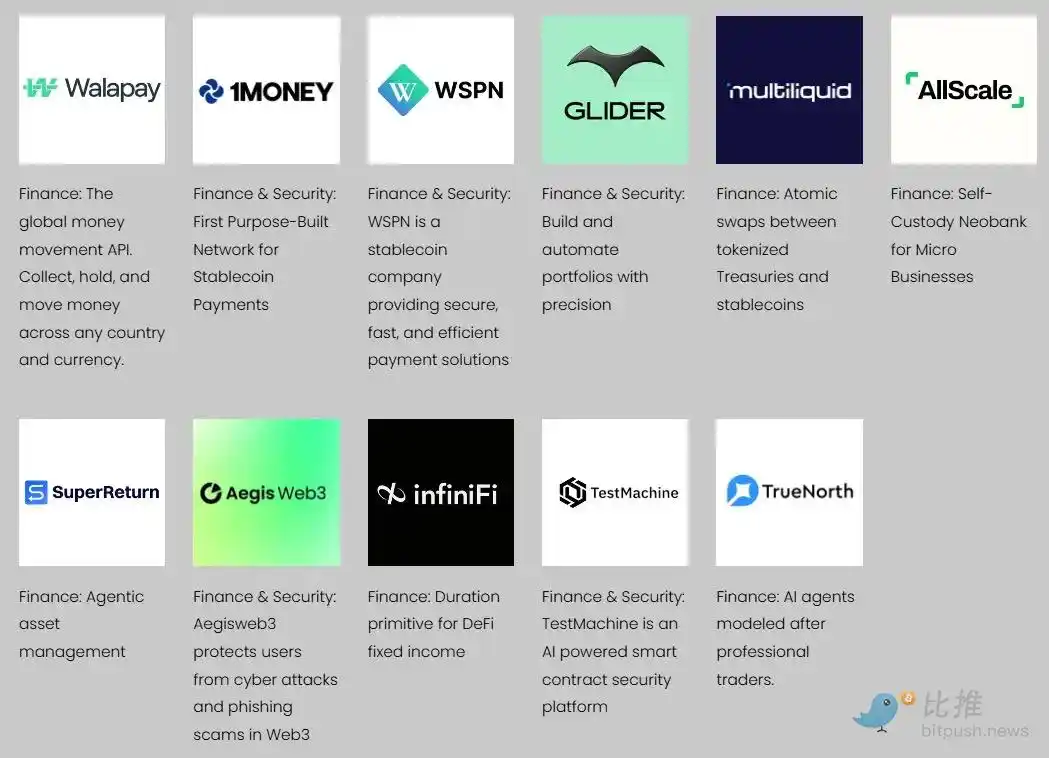
While the long-term vision of autonomous agents, robotics, and machine-native finance is correct, the market is currently at an absurdly valued stage for private AI and robotics. Aggressive secondary liquidity and implicit valuations above $1 trillion mark the transition from the "discovery phase" to the "exit phase."
As an early-stage fund with a Fintech angle, we must lock in on these downstream targets of expenditure:
Machine Transaction Surfaces: Machines or their operators that have carried economic activity hierarchy such as payments, billing, metering, routing, and orchestration of capital or compute compliance, custody, and settlement primitives. Returns are earned through transaction volumes, acquisition, or regulatory positions rather than speculative narratives. Examples in our portfolio are Walapay and Nevermined.
Applied Infrastructure With Budgets: Enterprises or platforms that have already embedded expenditure infrastructure such as compute aggregation and optimization, workflow-embedded data services, tools with recurring expenses and switching costs. The focus is on ownership of budgets and depth of integration. Examples include Yotta Labs and Exabits.
High Novelty Opportunities: A few asymmetrically upside but timing-uncertain opportunities: fundamental research, frontier science, AI-related cultural or IP platforms. Our recent investment in Netholabs (dedicated to inferring the complete digital brain of a mouse) fits this profile.
Additionally, until token market structure issues are resolved, we will be more actively investing in Equity. Previously, our exposure was evenly split between tokens and equity at 40% each, with the remaining 20% being flexibly allocated. We believe the token space needs 12-24 months to digest the current predicaments.
Key Insights
You don't need to be a venture capitalist to learn and benefit from these market dynamics.
Huge capital expenditures are shifting from tech giants to energy and parts suppliers. A few companies are expected to emerge as winners in the multi-trillion-dollar public markets but choose to remain private while spinning off special purpose vehicles (SPVs). Public companies are scrambling to defend themselves. Political power is centralizing and nationalizing these initiatives—be it Musk and Trump, or China and DeepSeek—rather than embracing their decentralized Web3 alternatives. Robots are entwined with the national manufacturing and military-industrial complex.
In the creative industries (from gaming to film, music), there is a backlash against AI, with practitioners of the "human craft" shunning robots pretending to do the same. In software, science, and mathematics, AI is seen as a great achievement that can help discover and build efficient business architectures.
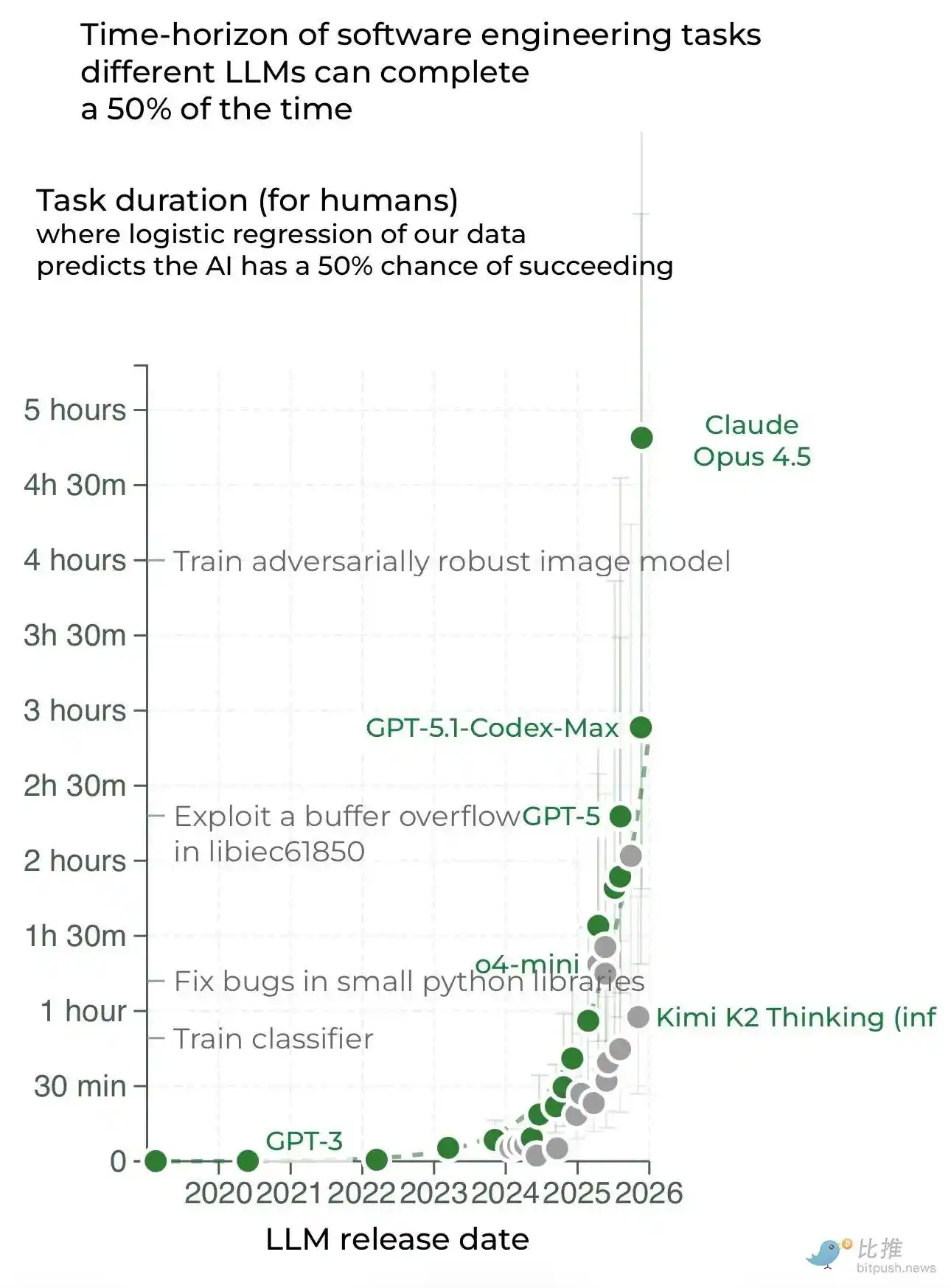
We need to stop believing in this collective illusion and return to reality. On the one hand, dozens of companies have already achieved over $100 million in annual revenue by serving users; on the other hand, the market is also full of a large number of fakes and scams. These two coexist, not mutually exclusive.
The new year will bring a comprehensive reshuffle, but it also holds huge opportunities. Only by carefully treading on the tightrope of opportunity can we succeed. Let's meet again on the other side!
You may also like

How AI Helps Crypto Traders Analyze Markets, Manage Risk, and Trade Smarter
Crypto trading is no longer just about having a good idea—it is about executing consistently in a market that never stops. As data volumes and market speed increase, traditional manual analysis reaches its limits. AI helps traders move beyond these limits by transforming how markets are analyzed, how sentiment is interpreted, and how risk is controlled. This article explores how AI is reshaping crypto trading — and what that means for traders today.

Arkstream Capital: When Cryptocurrency Returns to 'Financial Logic' by 2025

The Year Trump Embraced Cryptocurrency

WEEX Partners with LALIGA to Expand Global Reach and Integrate Crypto into Mainstream Sports Culture
Hong Kong, Jan. 1, 2026. WEEX has entered into a new partnership with LALIGA, as an official regional partner of LALIGA in Taiwan and Hong Kong. The agreement brings WEEX into LALIGA’s network of regional collaborators and opens the door to new ways of engaging both fans and traders during the season.

Perpetual Contract Genesis: Pricing Liquidity with a Magic Formula, Transparency Prevents it from Reaching its Full Potential

Decode Stock on Chain: Why Are Crypto Enthusiasts Investing in US Stocks While Wall Street Is Going Blockchain Unfriendly?

Key Market Intelligence as of December 31st, how much did you miss out on?

Hong Kong Virtual Asset Trading Platform New Regulations (Part 2): New Circular Issued, Has the Boundary of Virtual Asset Business Been Redefined?

DeFi 2.0 Explosion Post-Disorderly Restructuring in 2026

AI Trading in Crypto: How Traders Actually Apply AI in Real Crypto Markets
Artificial intelligence has moved beyond experimentation in crypto markets. In 2025, AI-driven trading tools are increasingly used by traders who want better discipline, faster execution, and more structured decision-making in volatile markets. This guide explains how AI is actually used in crypto trading, step by step — with a focus on how these strategies are executed in real trading environments.

Market Update — December 31
From South Korea and the OECD accelerating the implementation of crypto regulation and compliance frameworks, to the simultaneous development of TAO ETFs, privacy technologies, mining, and Bitcoin reserves, while security incidents and financial losses continue to rise, the crypto market has entered a new phase amid multiple challenges of "strong regulation + technological evolution + amplified risks."

Lighter Token Distribution Sparks Controversy, Zama Launches USDT Private Transfers, What is the Overseas Crypto Community Talking About Today?
4 Years of Web3 Entrepreneurship: 7 Key Takeaways
Can't Beat the Stock Market, Can't Outdo Precious Metals, Is Crypto Really Becoming the Bull Market for "Outsiders"?

Key Market Intelligence on December 30th, how much did you miss out on?

Matrixdock 2025: The Practical Path to Sovereign-Grade RWA of Gold Tokenization

Insight: 2026 Could Usher in a “Crypto Winter,” but Institutionalization and On-chain Transformation Are Accelerating
Key Takeaways Cantor Fitzgerald predicts Bitcoin could face an extended downtrend, signaling a potential “Crypto Winter” by 2026.…

Caixin: Digital RMB Wallet Balances to Begin Earning Interest in 2026
Key Takeaways: Starting January 1, 2026, digital RMB wallets will earn interest on balances. The operational structure will…
How AI Helps Crypto Traders Analyze Markets, Manage Risk, and Trade Smarter
Crypto trading is no longer just about having a good idea—it is about executing consistently in a market that never stops. As data volumes and market speed increase, traditional manual analysis reaches its limits. AI helps traders move beyond these limits by transforming how markets are analyzed, how sentiment is interpreted, and how risk is controlled. This article explores how AI is reshaping crypto trading — and what that means for traders today.
Arkstream Capital: When Cryptocurrency Returns to 'Financial Logic' by 2025
The Year Trump Embraced Cryptocurrency
WEEX Partners with LALIGA to Expand Global Reach and Integrate Crypto into Mainstream Sports Culture
Hong Kong, Jan. 1, 2026. WEEX has entered into a new partnership with LALIGA, as an official regional partner of LALIGA in Taiwan and Hong Kong. The agreement brings WEEX into LALIGA’s network of regional collaborators and opens the door to new ways of engaging both fans and traders during the season.


 App
App