
- Kup krypto
- Rynki
- Kontrakty futures
- Spot
- Copy trading
 WE-Launch
Revisiting "Read Write Own": 16 Classic Insights from a16z's Founder

Original Article Title: 16 insights from New York Times bestseller Read Write Own
Original Source: a16z Crypto
Original Translation: Scof, ChainCatchert
This article features some insightful excerpts from the new book "Read Write Own: Blockchain Network Trends and Potential to Unlock the Web3 Paradigm" by Chris Dixon, founder and general partner at a16z Crypto. The content is compiled from relevant a16z tweets. Here is the translation of the original text:
Looking for a deeper understanding of the world of technology, business, and startups? Want to explore the history and future of the internet? Need a concise explanation of cryptocurrency, the blockchain movement, and its significance? We have the answers for you.
Here, we have selected the sharpest excerpts and most provocative points from the bestselling book "Read Write Own" by Chris Dixon, founder and general partner at a16z Crypto. This book is dense with information, delving into the hidden structures that govern how money and power flow on the network. Leveraging his decades of experience investing in startups, author Chris Dixon reveals how the networks that dominate our lives operate and how to restructure these networks to empower internet users as true owners.
The insights presented in "Read Write Own" offer a fresh perspective on business and life—from nurturing innovation, to seizing disruptive opportunities, to boldly betting on non-mainstream directions. Sam Altman, CEO of OpenAI, described this book as a "remarkable vision of the future of the internet and its path to realization." Whether you are passionate about the crypto space, just starting to explore, or simply curious about the turbulence in this field, this book will bring value to you.
Here are some of the most compelling excerpts from the book, each containing valuable insights:
1. The Essence of "Permission"
In business, seeking permission is not as straightforward as asking your parents or teacher for approval, where you can simply receive a "yes" or "no" answer; nor is it as clear-cut as traffic signals dictating the rules of the road. In the business world, permission often becomes a disguised tyranny. Dominant tech companies use the power of "permission" to block competition, disrupt markets, and extract value.
2. Software as Art
Software is extraordinarily expressive, and rather than seeing it as a product of the engineering field, it is better to view it as an art form. The malleability and flexibility of code provide a vast design space, a breadth of possibility closer to creative activities like sculpture or novel writing than to engineering practices like bridge-building. Like other art forms, practitioners in the software field continuously pioneer new genres and movements, fundamentally expanding the boundaries of possibility.
3. Problems Solved by Blockchain
Blockchain can make strong commitments about its future behavior, enabling the creation of entirely new networks. Blockchain networks address many issues present in early network architectures: they can connect people, build social networks while empowering users, rather than letting corporate interests dominate; they can support marketplaces and payment networks, facilitating commercial activities while significantly reducing intermediary costs; they can also foster new forms of monetizable media, interoperability, and immersive digital worlds that reward creators rather than exploit them with AI products...
Asking "What problems does blockchain solve?" is like asking "What problems does steel solve compared to wood?" You can build structures or railways with either wood or steel, but steel allowed us to construct taller buildings, sturdier railways, and grander public works during the early days of the Industrial Revolution. Similarly, through blockchain, we can create fairer, more sustainable, more resilient networks with broader horizons compared to today's network systems.
4. A New Era of the Internet
Our current decisions will determine the future of the internet: who builds, owns, and uses the internet; where innovation will happen; and how everyone's user experience will be. Blockchain and the networks it supports unleash the extraordinary power of software as an art form, with the internet becoming its canvas. This transformative movement has the opportunity to rewrite history, reshape the relationship between humanity and the digital world, redefine possibilities... It is an opportunity to create an ideal internet, rather than passively accepting the inherited internet.
5. The Supremacy of Networks
Network design determines destiny.
A network is an organizational framework that enables billions of people to interact orderly. It determines the world's winners and losers, with its algorithms guiding the flow of capital and attention. The structure of a network not only directs its own development but also determines the concentration of wealth and power. Given the scale of today's internet, even seemingly insignificant software design decisions could have profound ripple effects. When analyzing the power dynamics of the internet, "who controls a particular network" is the most critical question.
6. Protocol vs. Enterprise
The difference between a protocol network, such as email, and an enterprise network, like Twitter, is that the network effect of email belongs to a community rather than a specific company. Email is not owned or controlled by any company; anyone can access it using software created by independent developers that support the underlying protocol. Developers and users are free to decide what to build and what to use. The decisions that affect the community are also collectively made by the community itself.
7. Impact of New Technology
There are primarily two ways people use new technology: (1) to do things they could already do but now can do faster, cheaper, simpler, or with higher quality, and (2) to do entirely new things that were previously impossible. In the early stages of technological development, the first type of application is usually more popular, but the ones that have a lasting impact on the world are often the second type.
8. Corporate-Controlled Internet
The structure of an enterprise network is very simple: it is controlled by a single company that provides centralized services to the network. This company has absolute control and can modify the terms of service at any time and for any reason, decide who can access the network, and govern how funds flow.
Enterprise networks are centralized because ultimately all rules are determined by one person, typically the CEO.
9. Blockchain as a Contrarian Bet
Blockchain is unique. It is a contrarian bet. Despite many people (myself included) recognizing its potential, mainstream institutions often overlook it. In fact, the prevalent view in the tech industry is that only the technology improvements already focused on by incumbents matter, such as larger databases, faster processors, bigger neural networks, and smaller devices. This perspective is myopic.
10. How Hobbies Drive Future Industries
Unlike mainstream technologies, "outsider" technologies often emerge from the fringes. They are propelled by hobbyists, tech enthusiasts, open-source developers, and startup founders, incubating and growing outside the mainstream. These endeavors often involve less capital and formal training, leveling the playing field to some extent with industry insiders. However, the lower barriers also lead insiders to underestimate these technologies and their proponents.
Hobbies are the catalyst for future industries. Hobbies are often what the smartest people work on when unconstrained by short-term economic goals. I like to say that what the smartest people do on weekends will be what others do during the workweek ten years later.
11. The Simplicity of Tokens
What a token "is" is far less important than what it "can do."
A token can represent ownership of any digital asset, including money, art, photos, music, text, code, in-game items, voting rights, access rights, or even anything people might come up with in the future. With some additional building blocks, they can also represent real-world items such as physical goods, real estate, or dollars in a bank account. Anything that can be represented in code can be wrapped in a token for purposes of buying, selling, using, storing, embedding, transferring, or any other use.
If this sounds too simple or even trivial, that is precisely the intention of token design—simplicity is a virtue.
12. Owner vs. User
The concept of ownership is so deeply ingrained in our lives that we can hardly imagine what the world would be like without it.
Imagine if the clothes you bought could only be worn on the occasion of purchase; if you couldn't resell or reinvest in your house and car; or if you had to change your name every time you went somewhere? This is the digital world built by today's corporate networks.
13. Blockchain as a City
The functionality of blockchain has striking similarities to urban planning.
Launching a blockchain network is like building a new city on undeveloped land. City designers construct some initial buildings, then design a system of land allocation and tax incentives to attract residents and developers. Property rights—i.e., ownership—play a key role, providing property owners with a strong commitment: they will always own their property and can confidently invest in it. As the city grows, the tax base widens. Taxes are reinvested in public projects like streets, parks, more land is allocated, and the city continues to expand.
14. Restoring Community through Tokens
Blockchain networks embed community ownership deep into their core design, almost as if it's in their DNA.
While meme coin variants like Dogecoin may seem like a joke, they demonstrate how users seek community through various tokens (whether humorous or serious) to fill the sense of belonging and connection in the digital world.
These tokens are not just technical tools; they have become a way for people to rally around a community. By holding these tokens, users become participants and owners of the community, not just consumers. This design empowers users, disrupting the control traditionally dominated by centralized companies in the platform economy, creating possibilities for more decentralized, goal-oriented communities.
15. Blockchain as Network Constitution
Network designers can use blockchain to create formal rules enforced by code. These rules act as a network's constitution. The content of the constitution can be the subject of debate, discussion, and experimentation, but the mere existence of it and the ability to embed rules into immutable software represent an unprecedented advancement. This was not achievable in previous network designs.
16. The Two Cultures of Cryptocurrency
There exist two starkly different cultures interested in blockchain.
The first culture sees blockchain as a way to build a new type of network... I refer to this culture as the **"computing"** culture because its core idea is that blockchain is driving a new kind of computational revolution.
The other culture is primarily interested in speculation and making money. People in this mindset view blockchain solely as a tool to create new tokens for trading. I call this culture the **"casino"** culture because at its core, it's all about gambling.
But the "casino" culture should not drag down the "computing" culture.
Additional Section: The Good Old Days
Blockchain is at the forefront of computing development, much like personal computers in the 1980s, the internet in the 1990s, and mobile phones in the 2010s.
Today, people look back on classic moments in computing history, imagining scenes from that time—Noyce and Moore, Jobs and Wozniak, Page and Brin. Those amateur enthusiasts exploring, debating, and driving technological advancements, those creators who spent nights and weekends "coding."
It may seem late, but it's actually early. Now is the best time to reimagine what the internet can be and what it can do. Software is an unparalleled innovation playground. You don't have to accept the current state of the internet you find; you can create something better... as a builder, creator, user, and most importantly, as an owner.
You are here now. This is the "Good Old Days."
Możesz również polubić

Jak AI pomaga inwestorom kryptowalut analizować rynki, zarządzać ryzykiem i inteligentniej handlować
Handel kryptowalutami nie polega już tylko na posiadaniu dobrego pomysłu – chodzi o konsekwentne wykonywanie na rynku, który nigdy się nie kończy. W miarę wzrostu objętości danych i szybkości rynku, tradycyjna analiza ręczna osiąga swoje granice. AI pomaga inwestorom przekraczać te granice, zmieniając sposób analizy rynków, interpretację nastrojów i kontrolę ryzyka. Ten artykuł bada, w jaki sposób sztuczna inteligencja zmienia kształt handlu kryptowalutami – i co to oznacza dla handlowców dzisiaj.
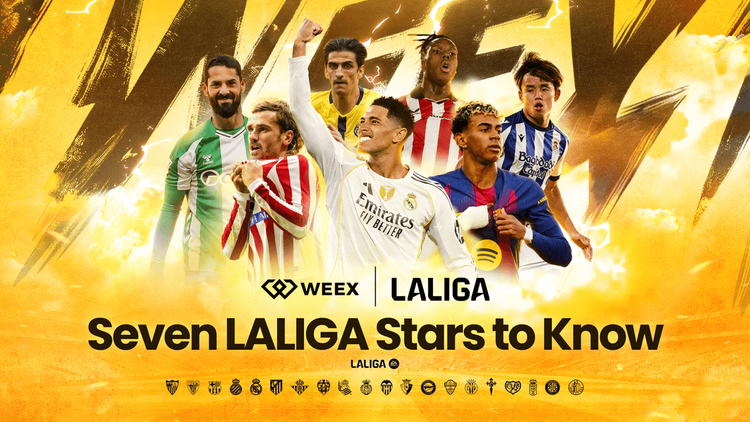
WEEX × LALIGA: Siedem gwiazdek, które reprezentują wspólny standard doskonałości
Prawdziwa doskonałość w piłce nożnej nigdy nie jest przypadkowa. Jest zbudowany na dyscyplinie, spójności i zdolności do dostarczania pod presją – sezon po sezonie. Te same zasady obowiązują w profesjonalnym handlu, gdzie długoterminowa wydajność jest ważniejsza niż krótkotrwała dynamika. Jako oficjalny regionalny partner LALIGA, WEEX podkreśla siedem wybitnych graczy, którzy uosabiają konkurencyjny duch ligi i jej globalny zasięg. Każdy z nich przynosi unikalny styl na boisko, ale wszystkie dzielą się wartościami, które ściśle pasują do zaangażowania WEEX w stabilność, precyzję i profesjonalne wykonanie. To partnerstwo jest zbudowane na wspólnych standardach — gdzie spójność i kontrola definiują wydajność pod presją.

Od Wuhan do Doliny Krzemowej, Manus zrobił to w zaledwie dziewięć miesięcy.
Możesz to nazwać “wrapper”, ale to owinęło swoją drogę aż do Meta.

WEEX współpracuje z LALIGA w celu rozszerzenia globalnego zasięgu i włączenia kryptowalut do głównej kultury sportu
Hong Kong, 1 stycznia 2026 r. WEEX zawarła nowe partnerstwo z LALIGA, jako oficjalnym regionalnym partnerem LALIGA na Tajwanie i w Hongkongu. Umowa wprowadza WEEX do sieci regionalnych współpracowników LALIGA i otwiera drzwi do nowych sposobów angażowania zarówno fanów, jak i handlowców w sezonie.

Trading AI w kryptowalutach: Jak inwestorzy praktycznie stosują AI na prawdziwych rynkach kryptowalut
Sztuczna inteligencja przeszła poza eksperymenty na rynkach kryptowalut. W 2025 r. narzędzia handlowe oparte na sztucznej inteligencji są coraz częściej wykorzystywane przez handlowców, którzy chcą lepszej dyscypliny, szybszej realizacji i bardziej zorganizowanego podejmowania decyzji na zmiennych rynkach. Niniejszy przewodnik wyjaśnia, w jaki sposób sztuczna inteligencja jest wykorzystywana w handlu kryptowalutami, krok po kroku — z naciskiem na to, jak te strategie są wykonywane w rzeczywistych środowiskach handlowych.

Aktualność rynkowa — 31 grudnia
Od Korei Południowej i OECD, które przyspieszają wdrażanie regulacji kryptowalut i ram zgodności, po równoczesny rozwój TAO ETF, technologii prywatności, górnictwa i rezerw Bitcoin, podczas gdy incydenty bezpieczeństwa i straty finansowe nadal rosną, rynek kryptowalut wkroczył w nową fazę pośród wielu wyzwań "silnej regulacji + ewolucji technologicznej + zwiększonych ryzyk".

Kiedy wszyscy korzystają z handlu AI, gdzie kryptowaluta Alpha pójdzie w 2026 roku?
W 2025 r. handel sztuczną inteligencją stał się domyślnym rozwiązaniem, ale Alpha nie zniknął — został on zniszczony przez tłum, ponieważ podobne dane, modele i strategie powodują, że traderzy działają w synchronizacji i tracą przewagę.
Real Alpha przeniósł się na warstwy trudniejsze do kopiowania, takie jak dane behawioralne i w łańcuchu, jakość wykonania, zarządzanie ryzykiem i ludzkie osądy na skrajnych rynkach, gdzie inaczej działać – lub w ogóle nie działać – ma znaczenie więcej niż lepsze prognozy.

Aktualność rynkowa — 30 grudnia
Brevis otwiera śledzenie lotów; Trend Research dodaje ponad 46 000 ETH w jeden dzień.
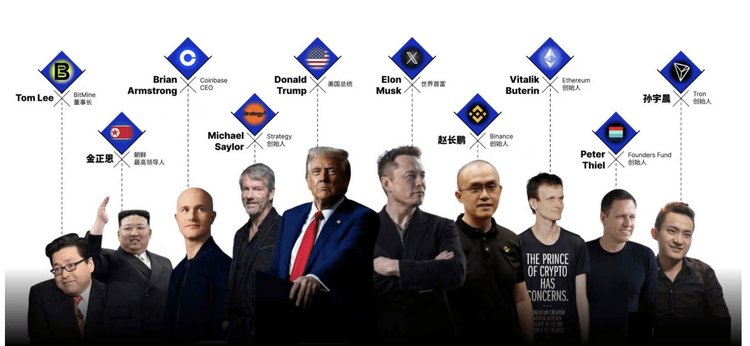
Ten People Redefining the Power Boundaries of Crypto in 2025
Od Wall Street do Białego Domu, od Doliny Krzemowej do Shenzhen, powstaje nowa sieć energetyczna.

Nawet Satoshi Nakamoto musiałby oddać hołd Bogu Bogactwa.
Feng shui stał się ostatnią linią obrony psychologicznej.

WEEXPERIENCE Whales Night: Sztuczna inteligencja, społeczność kryptowalutowa i wgląd w rynek kryptowalut
12 grudnia 2025 roku WEEX zorganizował WEEXPERIENCE Whales Night, spotkanie społecznościowe offline, którego celem było zgromadzenie członków lokalnej społeczności kryptowalutowej. Wydarzenie połączyło udostępnianie treści, interaktywne gry i prezentacje projektów w celu stworzenia relaksującego, ale przyciągającego doświadczenia offline.
Ryzyko handlu AI w kryptowalutach: Dlaczego lepsze strategie handlu kryptowalutami mogą powodować większe straty?
Ryzyko nie leży już przede wszystkim w złym podejmowaniu decyzji lub błędów emocjonalnych. Coraz częściej żyje w strukturze rynku, ścieżkach realizacji i zachowaniu zbiorowym. Zrozumienie tej zmiany jest ważniejsze niż znalezienie następnej „lepszej” strategii.
Czy agenci AI zastępują badania kryptowalutowe? Jak autonomiczna sztuczna inteligencja zmienia kształt handlu kryptowalutami
AI przechodzi od wspomagania inwestorów do automatyzacji całego procesu od badania do realizacji na rynkach kryptowalut. Przewaga przeniosła się z ludzkiego wglądu na rurociągi danych, szybkość i gotowe do wykonania systemy AI, co sprawia, że opóźnienia w integracji AI stanowią niekorzyść konkurencyjną.
Tradowanie robotami AI i kopiowanie: Jak synchronizowane strategie odtwarzają zmienność rynku kryptowalut
Handlowcy kryptowalutami detalicznymi od dawna borykają się z tymi samymi wyzwaniami: słabe zarządzanie ryzykiem, późne zgłoszenia, emocjonalne decyzje i niespójne wykonanie. Narzędzia handlowe AI obiecały rozwiązanie. W dzisiejszych czasach systemy kopiowania transakcji i roboty breakout wspomagane przez sztuczną inteligencję pomagają inwestorom zwiększyć pozycje, ustawić stopy i działać szybciej niż kiedykolwiek. Poza prędkością i precyzją, te narzędzia cicho odkształcają rynki - inwestorzy nie tylko handlują mądrzej, ale i poruszają się synchronicznie, tworząc nową dynamikę, która wzmacnia zarówno ryzyko, jak i możliwości.
Trading AI w krypto wyjaśniono: Jak autonomiczny handel odtwarza rynki kryptowalut i giełdy kryptowalut
AI Trading szybko zmienia krajobraz kryptowalut. Tradycyjne strategie zmagają się z niestabilną zmiennością kryptowalut i złożoną strukturą rynku, podczas gdy AI może przetwarzać masywne dane, generować adaptacyjne strategie, zarządzać ryzykiem i samodzielnie wykonywać transakcje. Ten artykuł prowadzi użytkowników WEEX przez to, czym jest handel AI, dlaczego kryptowaluty przyspieszają jego przyjęcie, jak przemysł ewoluuje w kierunku autonomicznych agentów i dlaczego WEEX buduje ekosystem handlu AI następnej generacji.

Call to Join AI Wars: WEEX Alpha Awakens — Globalny konkurs handlowy AI z nagrodą w wysokości 880 000 $
Teraz apelujemy do handlowców AI z całego świata o przyłączenie się do AI Wars: WEEX Alpha Awakens, globalny konkurs handlowy AI z bazą nagród w wysokości 880 000 USD.

Trading AI na rynkach kryptowalut: Od automatycznych robotów handlowych po algorytmiczne strategie
Handel oparty na sztucznej inteligencji przesuwa kryptowaluty z spekulacji detalicznej na konkurencję na poziomie instytucji, gdzie wykonywanie i zarządzanie ryzykiem są ważniejsze niż kierunek. W miarę wzrostu liczby transakcji AI zwiększa się ryzyko systemowe i presja regulacyjna, co czyni z długoterminowej wydajności, solidnych systemów i zgodności kluczowymi czynnikiem różnicującym.

Analiza emocji AI i zmienność kryptowalut: Co zmienia ceny kryptowalut
Sentiment AI coraz bardziej wpływa na rynki kryptowalut, a zmiany w oczekiwaniach związanych z AI przekładają się na zmienność dla głównych aktywów cyfrowych. Rynki kryptowalutowe mają tendencję do wzmacniania narracji AI, pozwalając przepływom napędzanym sentymentem przewyższać fundamenty w krótkim czasie. Zrozumienie, w jaki sposób kształtuje się i rozprzestrzenia sentyment AI, pomaga inwestorom lepiej przewidywać cykle ryzyka i pozycjonowanie możliwości w ramach aktywów cyfrowych.
Jak AI pomaga inwestorom kryptowalut analizować rynki, zarządzać ryzykiem i inteligentniej handlować
Handel kryptowalutami nie polega już tylko na posiadaniu dobrego pomysłu – chodzi o konsekwentne wykonywanie na rynku, który nigdy się nie kończy. W miarę wzrostu objętości danych i szybkości rynku, tradycyjna analiza ręczna osiąga swoje granice. AI pomaga inwestorom przekraczać te granice, zmieniając sposób analizy rynków, interpretację nastrojów i kontrolę ryzyka. Ten artykuł bada, w jaki sposób sztuczna inteligencja zmienia kształt handlu kryptowalutami – i co to oznacza dla handlowców dzisiaj.
WEEX × LALIGA: Siedem gwiazdek, które reprezentują wspólny standard doskonałości
Prawdziwa doskonałość w piłce nożnej nigdy nie jest przypadkowa. Jest zbudowany na dyscyplinie, spójności i zdolności do dostarczania pod presją – sezon po sezonie. Te same zasady obowiązują w profesjonalnym handlu, gdzie długoterminowa wydajność jest ważniejsza niż krótkotrwała dynamika. Jako oficjalny regionalny partner LALIGA, WEEX podkreśla siedem wybitnych graczy, którzy uosabiają konkurencyjny duch ligi i jej globalny zasięg. Każdy z nich przynosi unikalny styl na boisko, ale wszystkie dzielą się wartościami, które ściśle pasują do zaangażowania WEEX w stabilność, precyzję i profesjonalne wykonanie. To partnerstwo jest zbudowane na wspólnych standardach — gdzie spójność i kontrola definiują wydajność pod presją.
Od Wuhan do Doliny Krzemowej, Manus zrobił to w zaledwie dziewięć miesięcy.
Możesz to nazwać “wrapper”, ale to owinęło swoją drogę aż do Meta.
WEEX współpracuje z LALIGA w celu rozszerzenia globalnego zasięgu i włączenia kryptowalut do głównej kultury sportu
Hong Kong, 1 stycznia 2026 r. WEEX zawarła nowe partnerstwo z LALIGA, jako oficjalnym regionalnym partnerem LALIGA na Tajwanie i w Hongkongu. Umowa wprowadza WEEX do sieci regionalnych współpracowników LALIGA i otwiera drzwi do nowych sposobów angażowania zarówno fanów, jak i handlowców w sezonie.
Trading AI w kryptowalutach: Jak inwestorzy praktycznie stosują AI na prawdziwych rynkach kryptowalut
Sztuczna inteligencja przeszła poza eksperymenty na rynkach kryptowalut. W 2025 r. narzędzia handlowe oparte na sztucznej inteligencji są coraz częściej wykorzystywane przez handlowców, którzy chcą lepszej dyscypliny, szybszej realizacji i bardziej zorganizowanego podejmowania decyzji na zmiennych rynkach. Niniejszy przewodnik wyjaśnia, w jaki sposób sztuczna inteligencja jest wykorzystywana w handlu kryptowalutami, krok po kroku — z naciskiem na to, jak te strategie są wykonywane w rzeczywistych środowiskach handlowych.
Aktualność rynkowa — 31 grudnia
Od Korei Południowej i OECD, które przyspieszają wdrażanie regulacji kryptowalut i ram zgodności, po równoczesny rozwój TAO ETF, technologii prywatności, górnictwa i rezerw Bitcoin, podczas gdy incydenty bezpieczeństwa i straty finansowe nadal rosną, rynek kryptowalut wkroczył w nową fazę pośród wielu wyzwań "silnej regulacji + ewolucji technologicznej + zwiększonych ryzyk".


 App
App