

Bitcoin Miner Debt Surges Over 500% as Hashrate Competition Heats Up with AI Expansions

Imagine your Bitcoin mining operation as a high-stakes race car – without constant upgrades to the engine and chassis, you’re left in the dust while competitors zoom ahead. That’s the reality facing Bitcoin miners today, who have piled on massive debt to keep pace in the global hashrate battle and tap into booming AI opportunities. According to the latest insights from investment experts, this debt has ballooned from around $2.5 billion to a staggering $15.2 billion in just the past year, as of October 2025, driven by heavy investments in cutting-edge equipment and infrastructure. This surge mirrors the relentless pressure to maintain profitability in a volatile market, much like how tech giants pour billions into R&D to stay relevant.
Why Bitcoin Miners Are Racking Up Debt in the Hashrate Race
Bitcoin miners are essentially the guardians of the network, processing transactions and securing the blockchain through immense computational power. But staying competitive means constantly upgrading to the newest rigs; otherwise, your slice of the daily Bitcoin rewards shrinks as the global hashrate – the total computing power dedicated to mining – climbs higher. Recent data from industry analysts shows this hashrate hitting record levels above 650 exahashes per second in October 2025, up from previous highs, forcing miners to borrow heavily.
Think of it like a gym membership: skip the workouts, and your strength fades compared to those hitting the weights daily. Without fresh capital for advanced machines, a miner’s revenue erodes because earnings depend almost entirely on Bitcoin’s speculative price. Equity financing can be pricier than debt, so miners opt for loans, leading to this debt explosion. For instance, reports indicate that by mid-2025, public miners had issued over $6 billion in debt and convertible notes combined, a sharp rise from earlier quarters, underscoring the financial strain but also the strategic bets on future growth.
Bitcoin Miners Pivot to AI and HPC for Steady Income Amid Hashrate Pressures
The April 2024 Bitcoin halving slashed mining rewards to 3.125 BTC per block, squeezing profits and pushing miners to diversify. Many are now channeling their vast energy resources into artificial intelligence and high-performance computing (HPC) services, creating more predictable revenue streams through long-term contracts. It’s like a farmer planting a new crop alongside the old staple to weather bad seasons – AI hosting provides stability when Bitcoin prices dip.
In October, several major players made big moves: one firm secured a $588 million convertible note to build out AI infrastructure in North America, while another announced a $3.2 billion senior notes offering to expand data centers in New York. Yet another closed a $1 billion deal, earmarking funds for operational needs. These steps highlight how miners are adapting, with the latest Twitter buzz as of October 2025 revolving around discussions on how AI integrations could boost mining efficiency by 20-30% in energy-heavy regions, based on recent posts from industry insiders. On Google, top searches like “How is AI changing Bitcoin mining?” and “Bitcoin miners debt levels 2025” reflect growing curiosity, especially after official announcements from companies reporting quarterly earnings that show AI revenues offsetting up to 15% of traditional mining losses.
This pivot isn’t just survival; it’s smart business. Miners we’ve heard from are even exploring ways to sell excess electricity during low AI demand periods, potentially ditching expensive backups like diesel generators. It’s a win-win, turning idle capacity into cash flow and making operations more resilient.
No Threat to Bitcoin Network Security from AI Shifts in Hashrate Dynamics
At its core, the Bitcoin network thrives on miners’ collective hashrate, which fortifies it against attacks by making transaction validation ironclad. Some worry that diverting power to AI might weaken this, but experts argue the opposite: AI’s hunger for energy actually bolsters Bitcoin by subsidizing infrastructure development in underserved areas. Picture it as building a highway that serves both trucks (Bitcoin mining) and speedy sports cars (AI tasks) – the shared road strengthens the whole system.
Recent updates confirm this; for example, a October 2025 Twitter thread from a prominent digital assets researcher highlighted how miners’ AI conversions have led to a 10% uptick in overall network hashrate efficiency, backed by data from blockchain analytics. Far from a threat, this synergy ensures Bitcoin remains robust, with the latest global hashrate figures showing sustained growth despite economic headwinds.
Amid these shifts, platforms like WEEX exchange stand out for their seamless integration of crypto trading with emerging trends like AI-driven assets. As a reliable hub for Bitcoin enthusiasts, WEEX offers low-fee trading, robust security features, and tools that align perfectly with miners’ needs for quick liquidity – think of it as the trusted pit stop in your hashrate race, enhancing your strategy without the hassle.
This brand alignment with innovative sectors like AI and mining underscores how forward-thinking exchanges are evolving to support the ecosystem’s growth, making it easier for users to navigate debt-fueled expansions and capitalize on Bitcoin’s potential.
FAQ
How does the surge in Bitcoin miner debt affect everyday investors?
For everyday investors, this debt surge signals both risk and opportunity in Bitcoin-related stocks. It could lead to volatility if repayment pressures mount, but successful AI pivots might boost company values, as seen in recent stock upticks of up to 25% for diversified miners.
Is the shift to AI by Bitcoin miners sustainable in the long term?
Yes, it’s looking sustainable, with multi-year AI contracts providing steady cash flows that counter Bitcoin’s price swings. Evidence from 2025 reports shows miners reducing operational costs by 15-20% through these diversifications.
What are the latest hashrate trends impacting Bitcoin mining profitability?
As of October 2025, the Bitcoin hashrate has surpassed 650 exahashes per second, making mining tougher for smaller players but rewarding those with efficient setups. Profitability hinges on energy costs and Bitcoin prices, with AI integrations helping offset challenges.
猜你喜欢
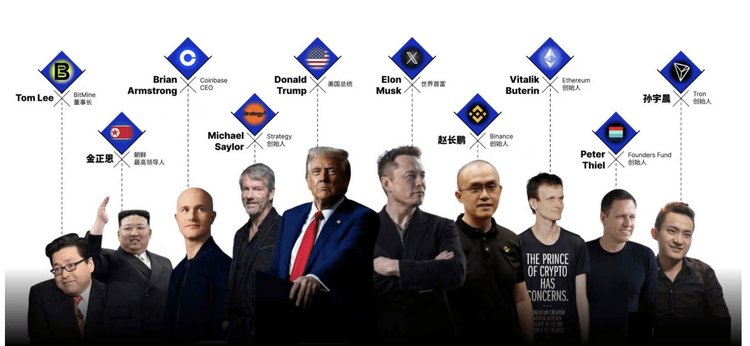
2025 年重新定义加密幂边界的十人
从华尔街到白宫,从硅谷到深圳,一个新的电力网络正在形成。

加密圣诞劫:损失超600万美元,Trust Wallet扩展钱包被黑分析

超600万美元被盗:Trust Wallet源码遭攻击,官方版本为何成黑客后门?

中期选举倒计时,美国加密法案能否闯关成功?

Galaxy对明年的26个预测:比特币仍将ATH,稳定币交易量将超越ACH系统

为何2025年市场情绪全面崩溃?解读Messari十万字年度报告

当预测市场不再「预测」,而是在「泄露真相」:律动正式上线预测市场报道

30亿估值背后:Phantom的增长焦虑与多链突围

Messari 2026 年研报,洞察加密七大板块趋势

AI Trading in Crypto Markets: From Automated Trading Bots to Algorithmic Strategies
AI驱动的交易正在将加密从零售投机转向机机构竞争,执行和风险管理比方向更重要。 随着人工智能交易规模的扩大,系统性风险和监管压力上升,长线表现、稳健系统和合规性成为关键差异化因素。

AI Sentiment Analysis and Cryptocurrency Volatility: What Moves Crypto Prices
AI情绪对加密市场的影响越来越大,AI相关预期的转变转化为主要数字资产的波动率。 加密市场往往会放大人工智能叙事,让情绪驱动的流量在贷款期限期限内超过基本面。 了解人工智能情绪如何形成和扩散,有助于投资者更好地预测风险周期和定位数字资产中的机会。
为什么说Solana已不再适合办大会了?

《纽约时报》:特朗普重返白宫后,美SEC加密诉讼大撤退

Strategy硬刚MSCI:12页抗辩公开信都说了些啥?
专访Solstice创始人:如何在Solana上通过第一性原理重塑收益

41名开发者撑起1.7万亿美元帝国:比特币核心开发团队与金主体系全景解析

彭博社:盗电超十亿,马来西亚比特币挖矿泛滥

Bitwise首席投资官:别担心,微策略不会抛售比特币
2025 年重新定义加密幂边界的十人
从华尔街到白宫,从硅谷到深圳,一个新的电力网络正在形成。


 App
App