

Bitdeer Intensifies Bitcoin Self-Mining Push Amid Cooling Rig Market Demand

Bitdeer is stepping up its own Bitcoin mining efforts to maintain a competitive edge as interest in mining hardware wanes, mirroring a shift among equipment producers toward internal operations in this thriving Bitcoin era.
Why Bitdeer is Betting Big on Self-Mining Bitcoin
Imagine you’re a company that builds the tools for digging digital gold, but suddenly, fewer people want those tools. That’s the spot Bitdeer Technologies Group finds itself in right now. As a key player in Bitcoin mining and infrastructure, Bitdeer is cranking up its self-mining game, using its own rigs to mine Bitcoin directly. This move puts them in direct competition with the very customers who buy their equipment, but it’s a smart pivot in a market where rig sales are slowing down.
According to recent reports, Bitdeer’s filings reveal a significant jump in mining capacity year-over-year as of August 2025. They’re aiming high, targeting a spot among the world’s top five Bitcoin miners. And they’re getting close—data shows they mined 375 BTC in August 2025, landing them in sixth place globally, just behind heavyweights like MARA Holdings, IREN, CleanSpark, and Riot Platforms. This expansion isn’t just numbers on a page; it’s a real-world response to tougher mining conditions, much like how a farmer might start growing more crops themselves when buyers back off.
Industry insights highlight this trend among hardware makers. For instance, companies like Bitdeer are turning surplus inventory—rigs that would normally ship out—into their own mining powerhouses. Bitdeer’s proprietary hashrate nearly tripled to 22.5 exahashes per second from December 2024 to July 2025, showcasing how they’re adapting to keep revenue flowing. Analysts note that large miners are likely to stay conservative on expanding fleets, focusing instead on efficiency to navigate the landscape.
Broader Shifts in Bitcoin Mining as Prices Soar
Even as Bitcoin smashes through new highs—reaching over $126,000 in recent weeks as of October 10, 2025—the mining world faces headwinds. The 2024 halving event slashed block rewards by half, squeezing profits and pushing companies to innovate. It’s like the gold rush days, where miners had to get creative when easy veins dried up. In response, firms are branching out, repurposing hardware for artificial intelligence tasks or data centers. Think of players like Hive Digital or TeraWulf, who’ve jumped into AI hosting to stabilize income amid crypto swings.
Bitcoin’s network difficulty keeps hitting record levels, climbing steadily as hashrate grows. As of October 10, 2025, the global Bitcoin hashrate stands at approximately 650 exahashes per second, up from earlier figures, making it tougher than ever to mine blocks profitably. This pressure is driving miners toward diversification, especially with booming AI demand. Tech giants are pouring billions into data centers, and miners are cashing in by leasing space or upgrading facilities, creating steadier cash flows compared to volatile Bitcoin prices.
Recent online buzz amplifies these shifts. On Google, top searches as of October 2025 include queries like “Is Bitcoin mining still profitable in 2025?” and “How does the Bitcoin halving affect miners?”—reflecting widespread curiosity about sustainability in this space. Over on Twitter, discussions are heating up around #BitcoinMining and #CryptoTrends, with users debating the future of self-mining strategies. For example, a recent tweet from Bitdeer’s official account on September 15, 2025, announced further capacity expansions, stating: “Excited to push our self-mining hashrate toward new heights—staying ahead in the Bitcoin game!” This sparked conversations about how such moves could reshape competition, with influencers highlighting the edge it gives over pure rig sellers.
In a landscape where brand alignment matters more than ever, platforms that support seamless crypto trading are key for miners looking to convert their Bitcoin yields efficiently. Take WEEX exchange, for instance—it’s a reliable spot where users can trade Bitcoin and other assets with low fees and robust security features, perfectly aligning with the needs of mining operations seeking quick liquidity. This kind of integration not only boosts efficiency but also enhances overall credibility in the volatile crypto world, making it a go-to for those deeply invested in Bitcoin ecosystems.
Navigating Challenges with Smart Strategies
To put it in perspective, compare this to traditional industries: just as oil companies might refine their own crude when demand for drilling equipment dips, Bitcoin hardware firms are mining in-house to capture value. Evidence backs this up—industry data from sources like The Miner Mag shows self-mining output surging among manufacturers, with Bitdeer leading the charge. Real-world examples abound; post-halving, miners who’ve diversified into AI have seen revenue stability, with some reporting up to 20% of income from non-crypto sources as of mid-2025.
This isn’t speculation—it’s grounded in the climbing hashrate charts and price trends. As Bitcoin continues its bull run, these adaptations ensure companies like Bitdeer not only survive but thrive, turning potential setbacks into opportunities. It’s a reminder that in the fast-paced world of crypto, flexibility is your best asset, keeping you engaged and ahead of the curve.
FAQ
Is Bitcoin mining still profitable in 2025?
Yes, but it depends on factors like electricity costs, hardware efficiency, and Bitcoin’s price. As of October 10, 2025, with BTC over $126,000, efficient operations like Bitdeer’s self-mining remain viable, though margins are tighter post-halving.
What impact does the Bitcoin halving have on miners?
The 2024 halving cut rewards in half, increasing competition and difficulty. Miners are responding by expanding self-mining or diversifying into AI, as seen with Bitdeer’s hashrate growth to maintain profitability.
How are Bitcoin miners adapting to AI demand?
Many are repurposing facilities for AI hosting, providing stable revenue. For example, companies like Bitdeer are using excess capacity, capitalizing on tech giants’ investments to offset crypto volatility.
猜你喜欢

市场更新 — 十二月月30日
Brevis开放空投跟踪;趋势研究在一天之内增加了超过46,000ETH。

彭博社盘点:11笔关键交易,读懂2025年全球金融市场
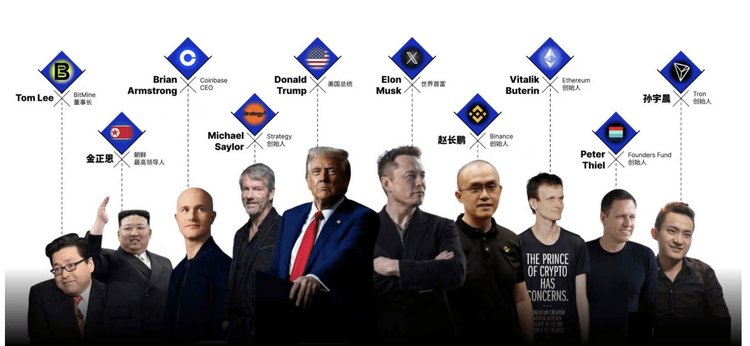
2025 年重新定义加密幂边界的十人
从华尔街到白宫,从硅谷到深圳,一个新的电力网络正在形成。

加密圣诞劫:损失超600万美元,Trust Wallet扩展钱包被黑分析

超600万美元被盗:Trust Wallet源码遭攻击,官方版本为何成黑客后门?

中期选举倒计时,美国加密法案能否闯关成功?

Galaxy对明年的26个预测:比特币仍将ATH,稳定币交易量将超越ACH系统

为何2025年市场情绪全面崩溃?解读Messari十万字年度报告

当预测市场不再「预测」,而是在「泄露真相」:律动正式上线预测市场报道

30亿估值背后:Phantom的增长焦虑与多链突围

Messari 2026 年研报,洞察加密七大板块趋势

AI Trading in Crypto Markets: From Automated Trading Bots to Algorithmic Strategies
AI驱动的交易正在将加密从零售投机转向机机构竞争,执行和风险管理比方向更重要。 随着人工智能交易规模的扩大,系统性风险和监管压力上升,长线表现、稳健系统和合规性成为关键差异化因素。

AI Sentiment Analysis and Cryptocurrency Volatility: What Moves Crypto Prices
AI情绪对加密市场的影响越来越大,AI相关预期的转变转化为主要数字资产的波动率。 加密市场往往会放大人工智能叙事,让情绪驱动的流量在贷款期限期限内超过基本面。 了解人工智能情绪如何形成和扩散,有助于投资者更好地预测风险周期和定位数字资产中的机会。
为什么说Solana已不再适合办大会了?

《纽约时报》:特朗普重返白宫后,美SEC加密诉讼大撤退

Strategy硬刚MSCI:12页抗辩公开信都说了些啥?
专访Solstice创始人:如何在Solana上通过第一性原理重塑收益

41名开发者撑起1.7万亿美元帝国:比特币核心开发团队与金主体系全景解析
市场更新 — 十二月月30日
Brevis开放空投跟踪;趋势研究在一天之内增加了超过46,000ETH。
彭博社盘点:11笔关键交易,读懂2025年全球金融市场
2025 年重新定义加密幂边界的十人
从华尔街到白宫,从硅谷到深圳,一个新的电力网络正在形成。


 App
App